-
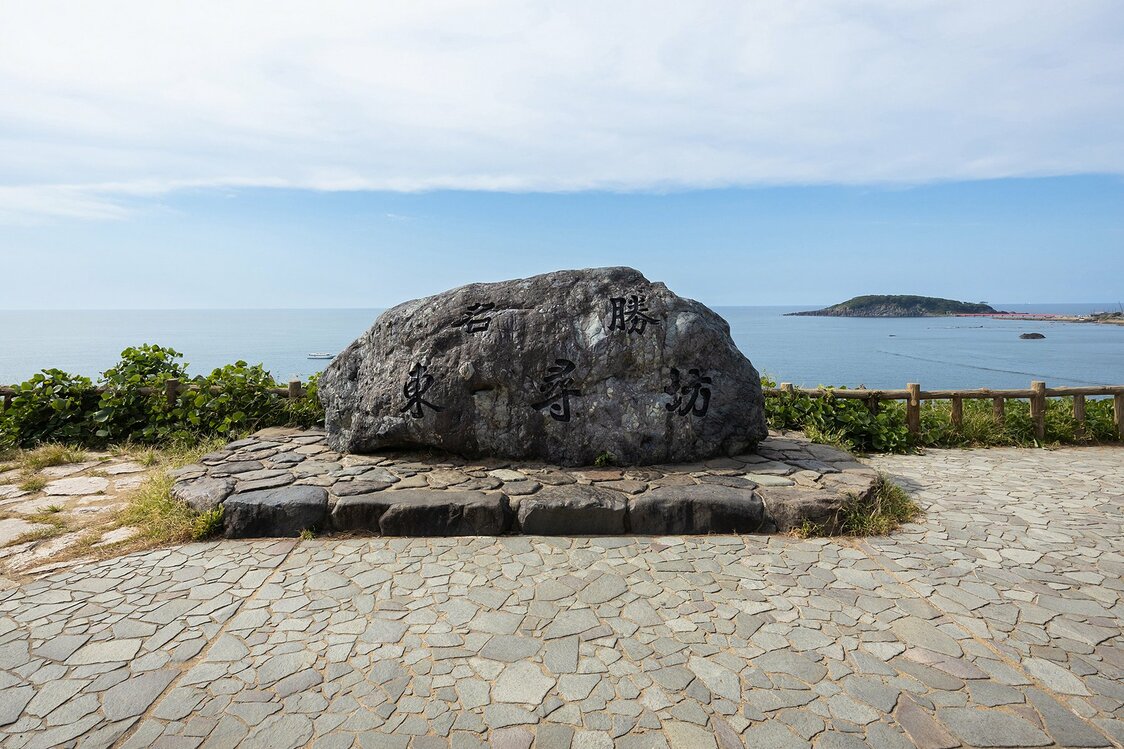
A stone monument at Tōjinbō, with the sacred island of Oshima in the background to the right. (© Nippon.com)
-
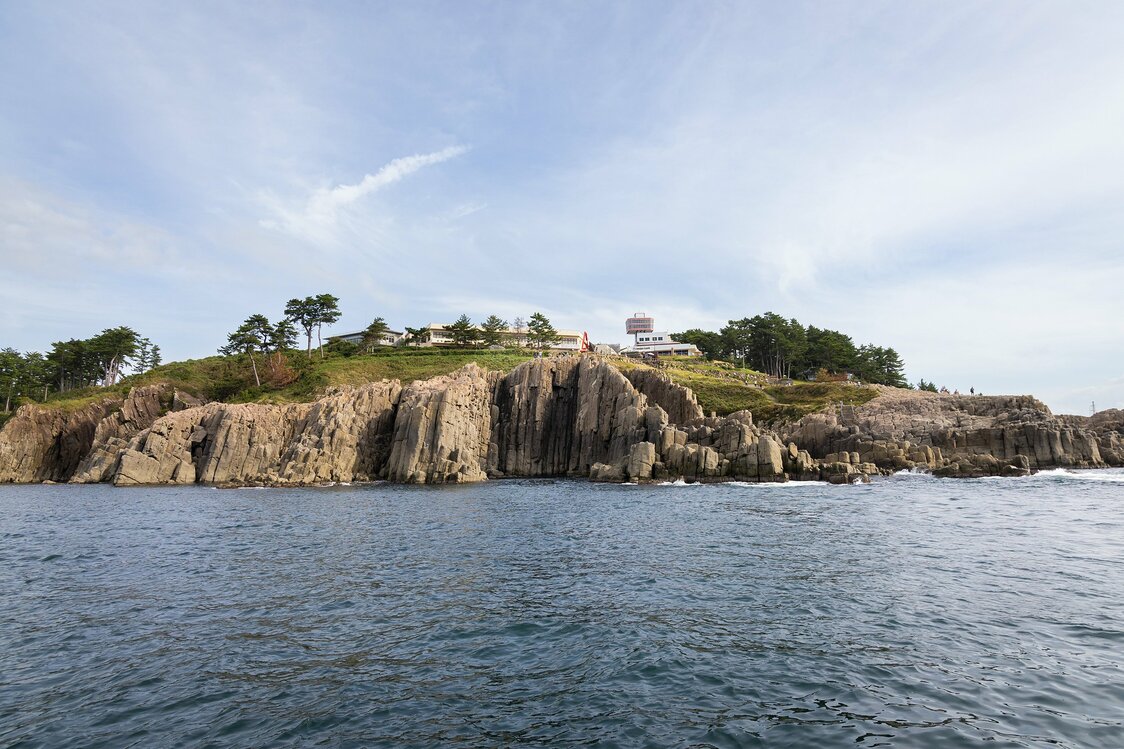
Tōjinbō, viewed from the sea. The cliffs at Ōike inlet at the center are the highest point of the rock formation. (© Nippon.com)
-
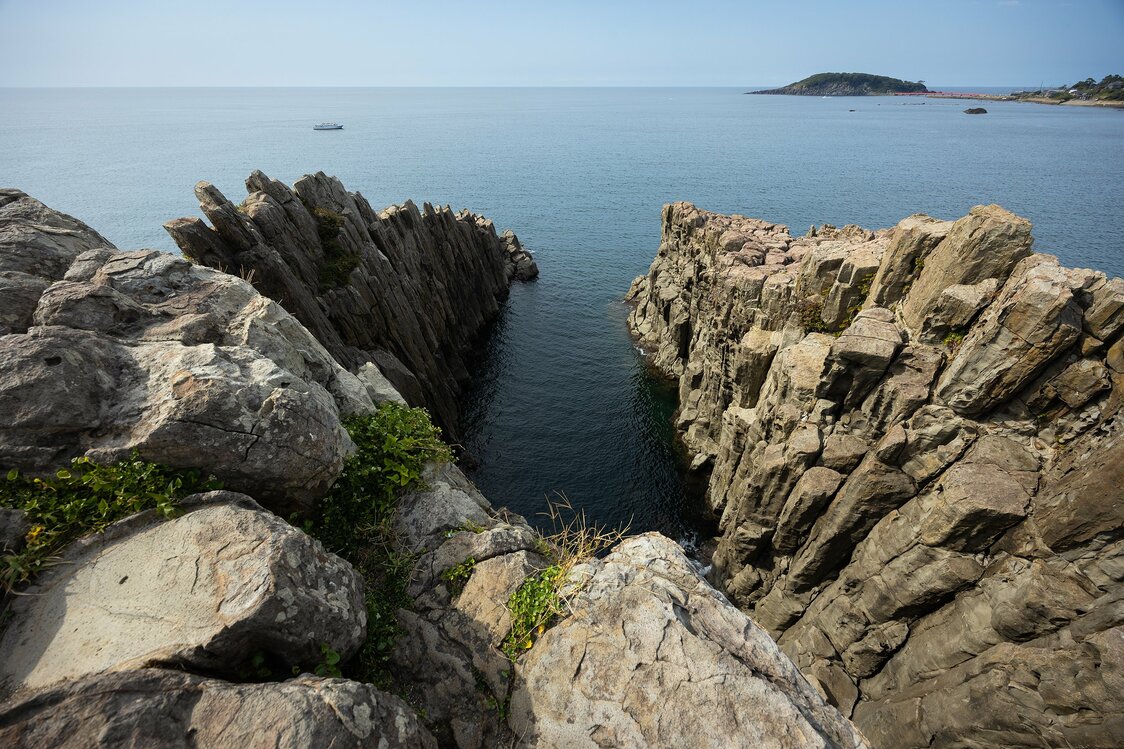
Peering out over the edge of Ōike. Footing is uneven, so step carefully! (© Nippon.com)
-
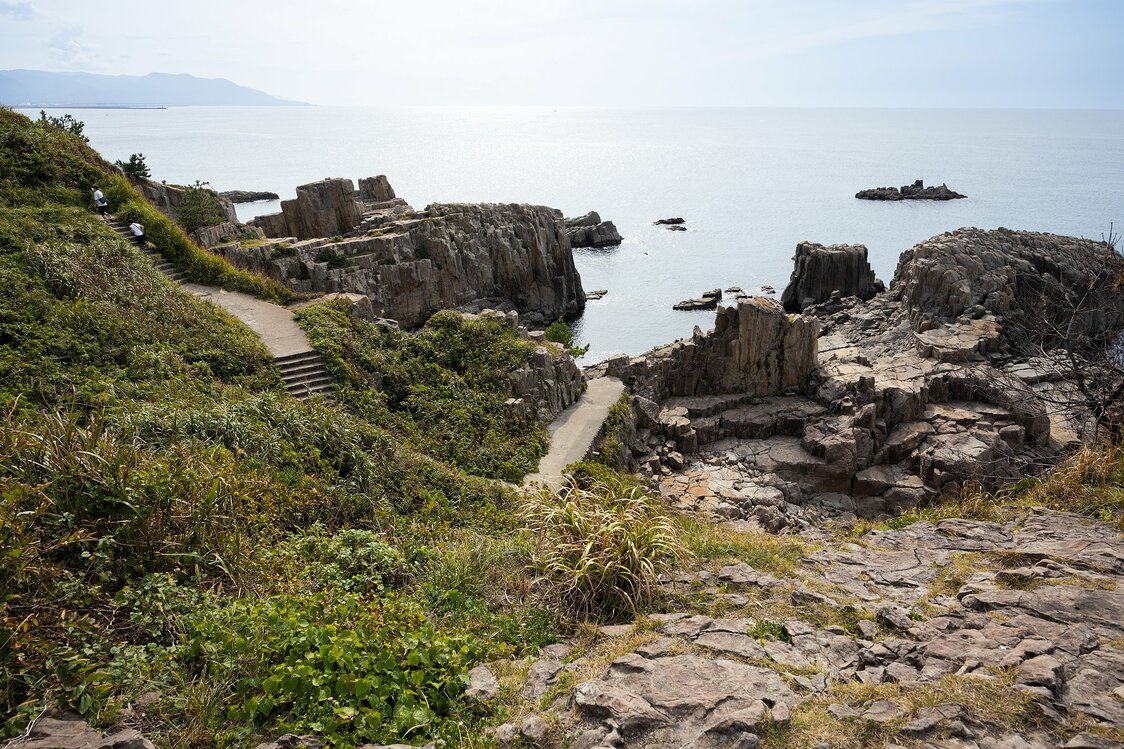
The path down to Senjōjiki, the highlight of a visit to Tōjinbō. The rock formation just offshore is Gunkan-iwa (Battleship Rock). (© Nippon.com)
-
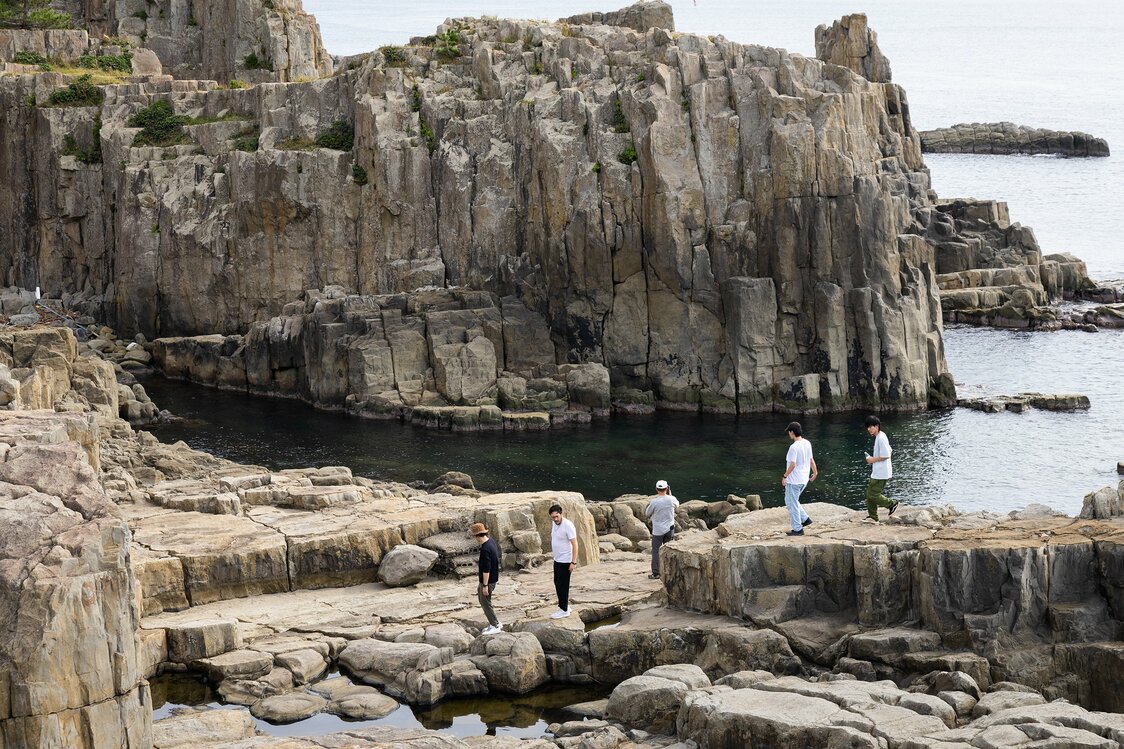
The surface of Senjōjiki is relatively flat, so it is safe for visitors young and old. (© Nippon.com)
-
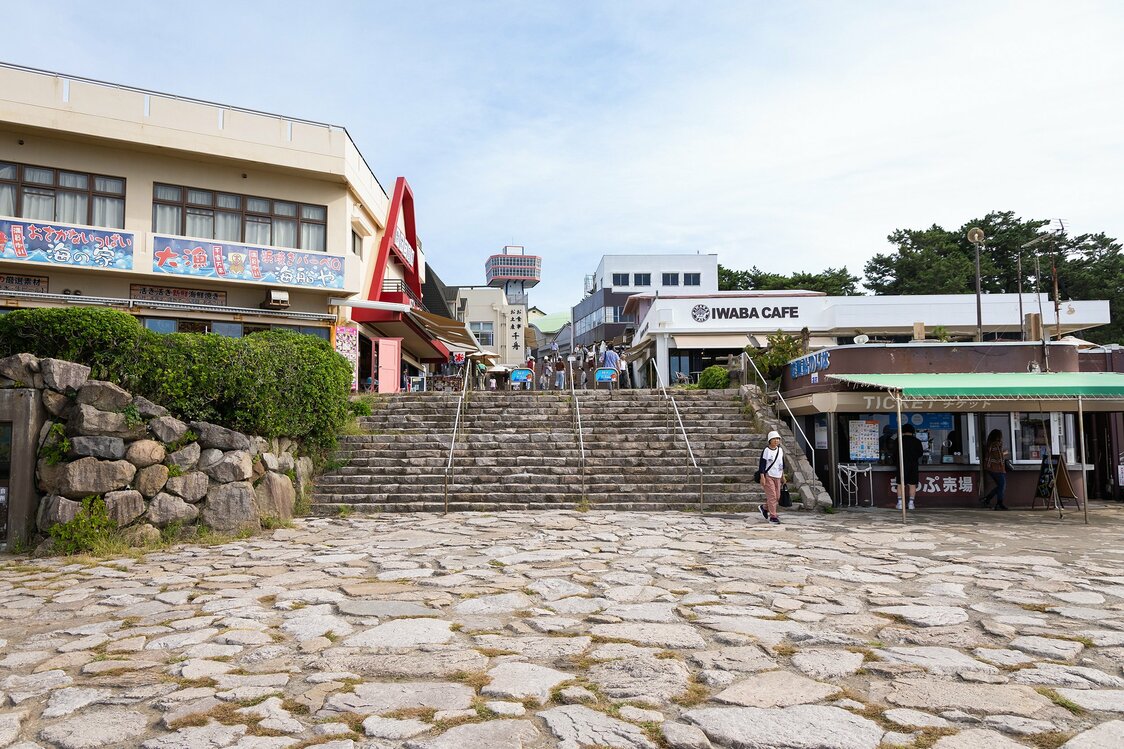
A street lined with seafood restaurants, cafés, and souvenir shops leads to stairs down to the rocky shore and the sightseeing boat ticket booth. (© Nippon.com)
-
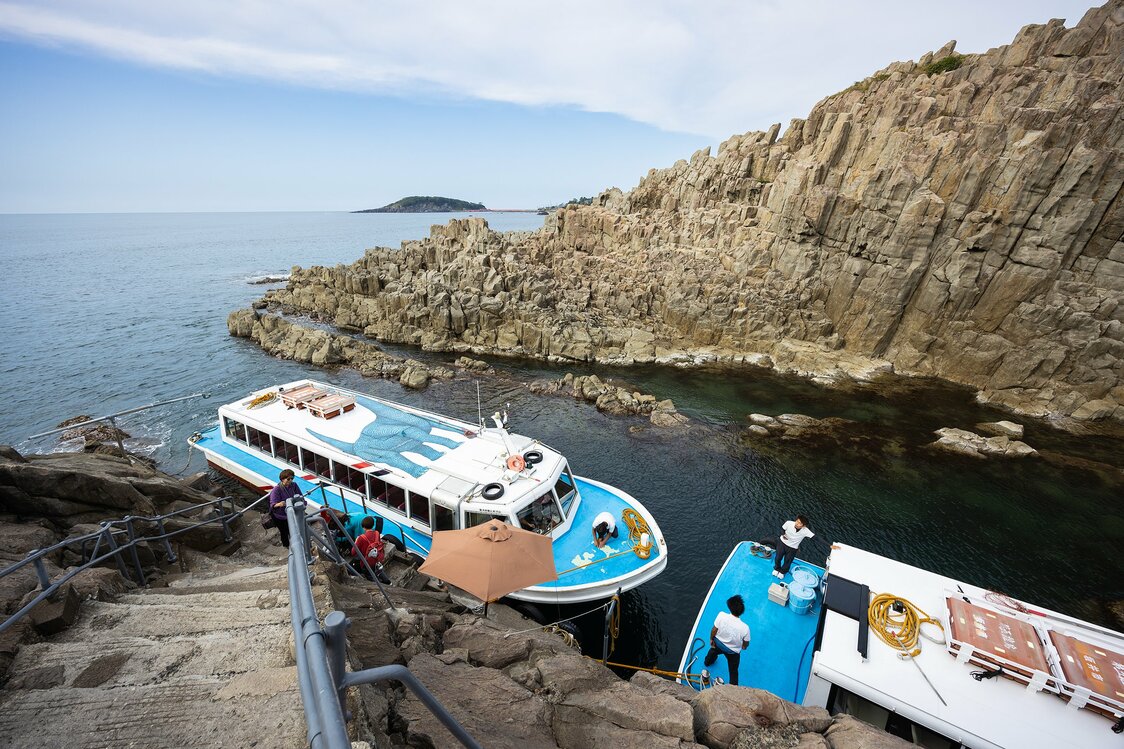
Sightseeing boats depart every 15 to 20 minutes. (© Nippon.com)
-
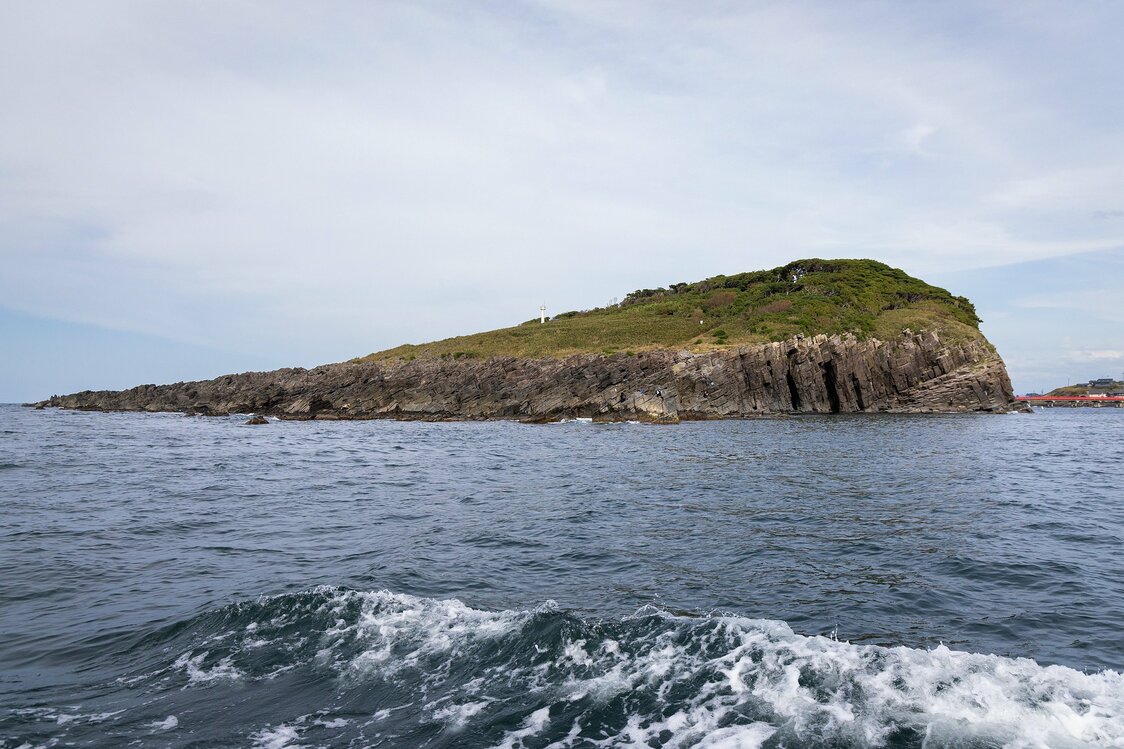
A view of Oshima from a sightseeing boat, with angled rock columns forming the left half of the island. Visitors can cross to the island on Oshima Bridge, the vermillion structure in the distance on the right. (© Nippon.com)
-
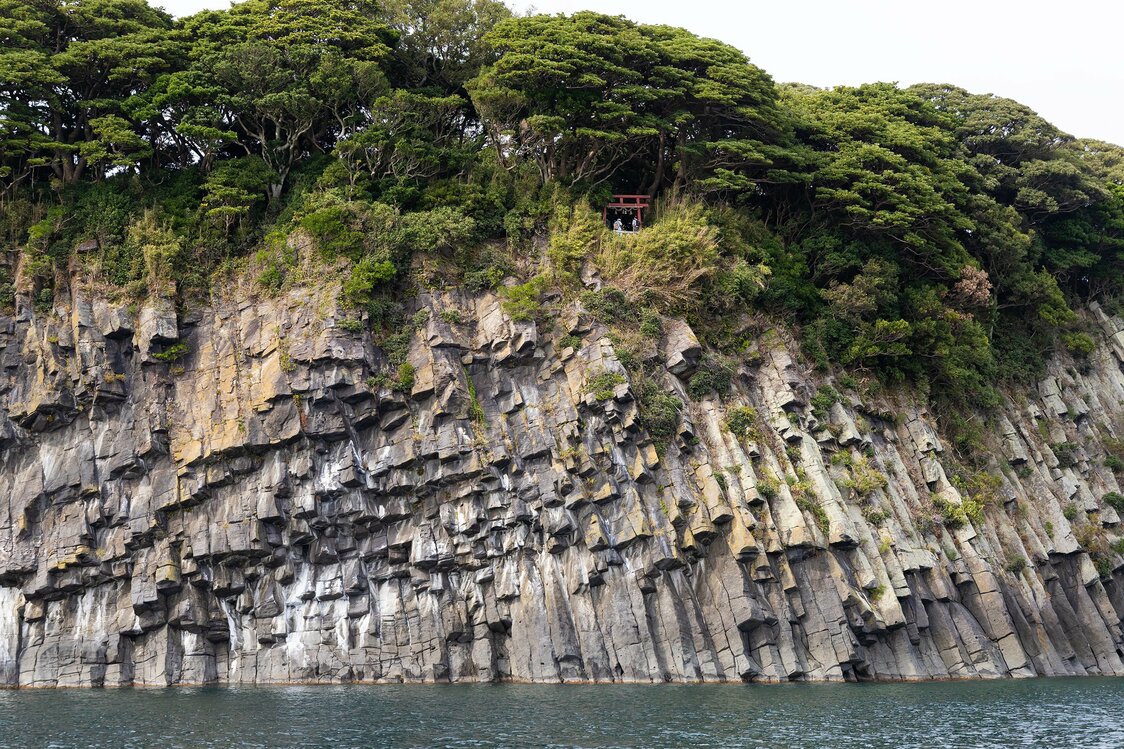
The red torii gate of Ōminato Shrine is visible above the island’s honeycomb-like cliff. (© Nippon.com)
-
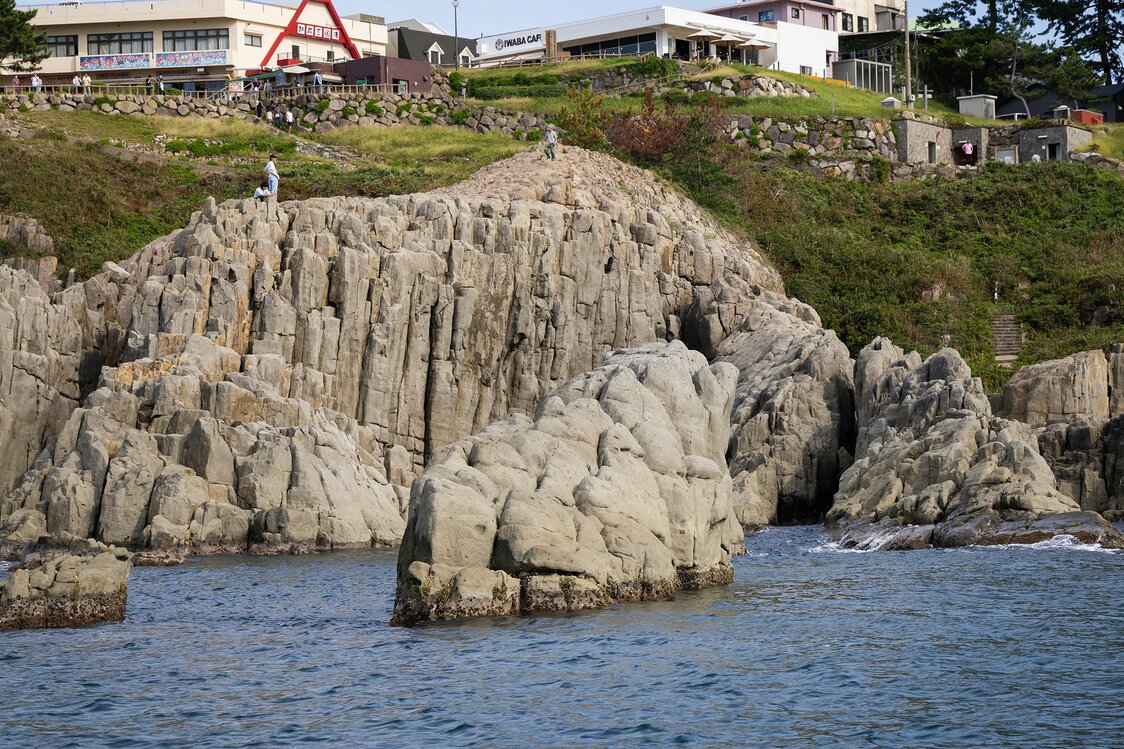
The Lion Rock (center), that resembles a sitting lion looking toward land. (© Nippon.com)
-
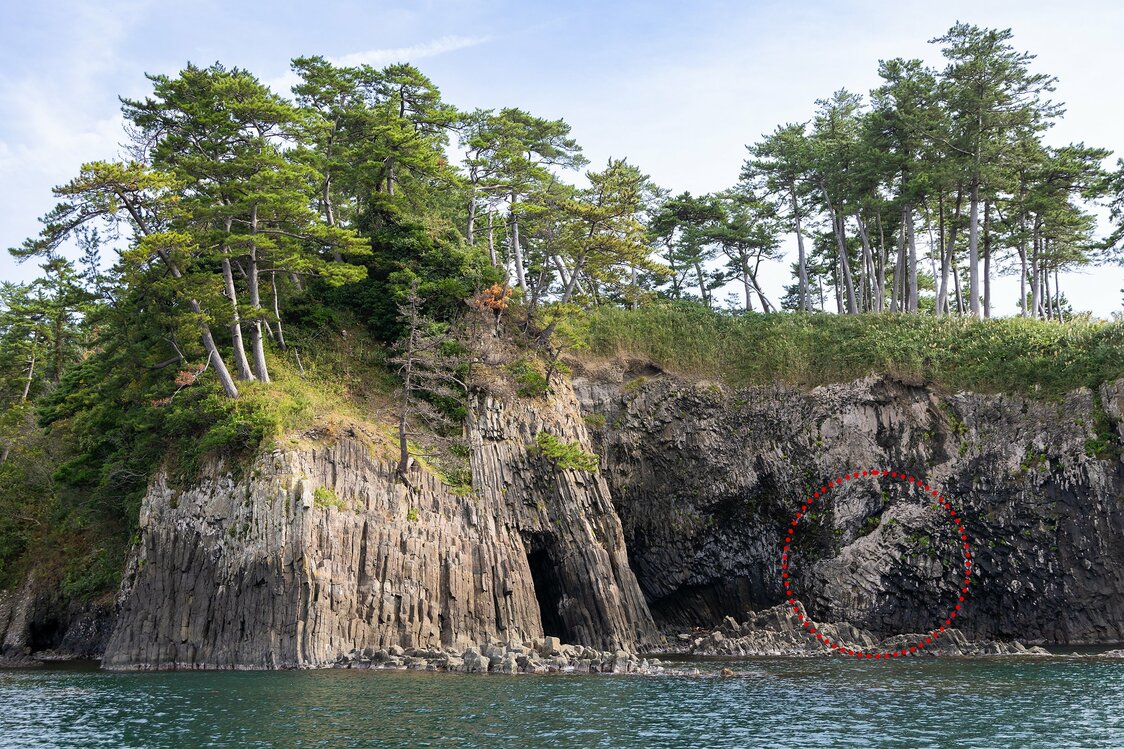
The rounded reddish rock lying low in the water looks like a Tyrannosaurus, named Tyra-bō after a public naming contest in 2023. (© Nippon.com)
-
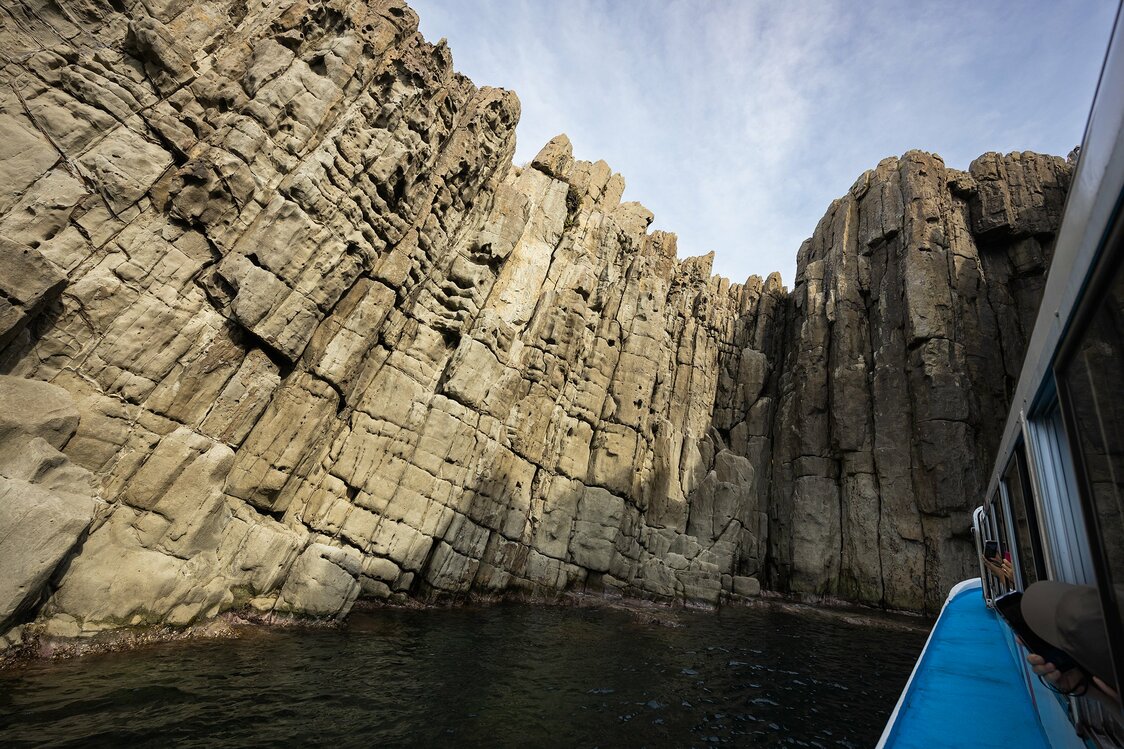
The soaring cliffs bordering the Ōike inlet are truly impressive. (© Nippon.com)
-
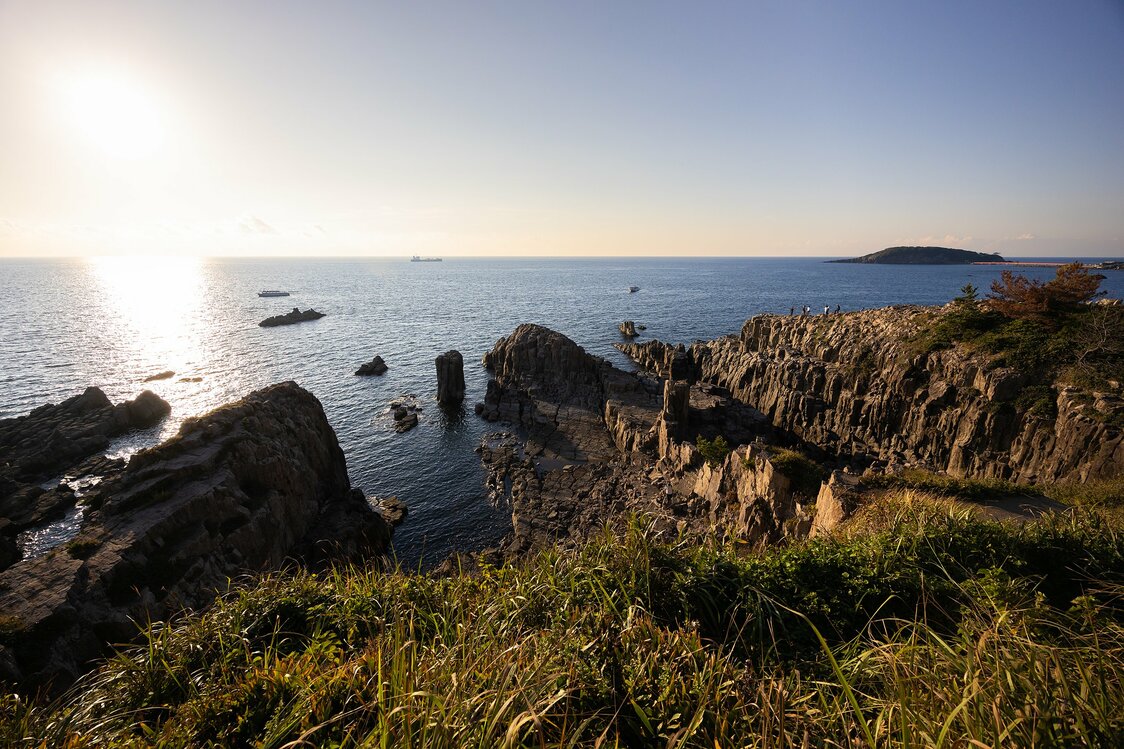
Tōjinbō at sunset, with rocks silhouetted by the setting sun. (© Nippon.com)
-
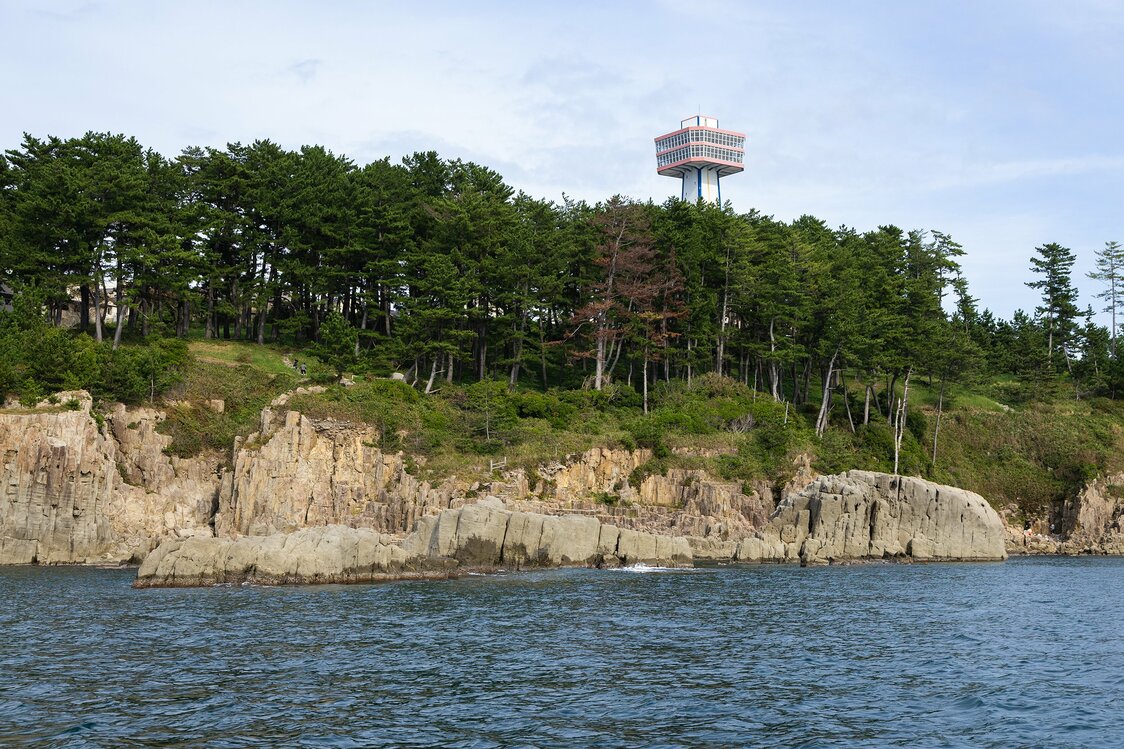
Tōjinbō Tower, visible in the background to Byōbuiwa (Folding Screen Rock), offers scenic panoramas of the Echizen coast. (© Nippon.com)


 Read in other languages