-
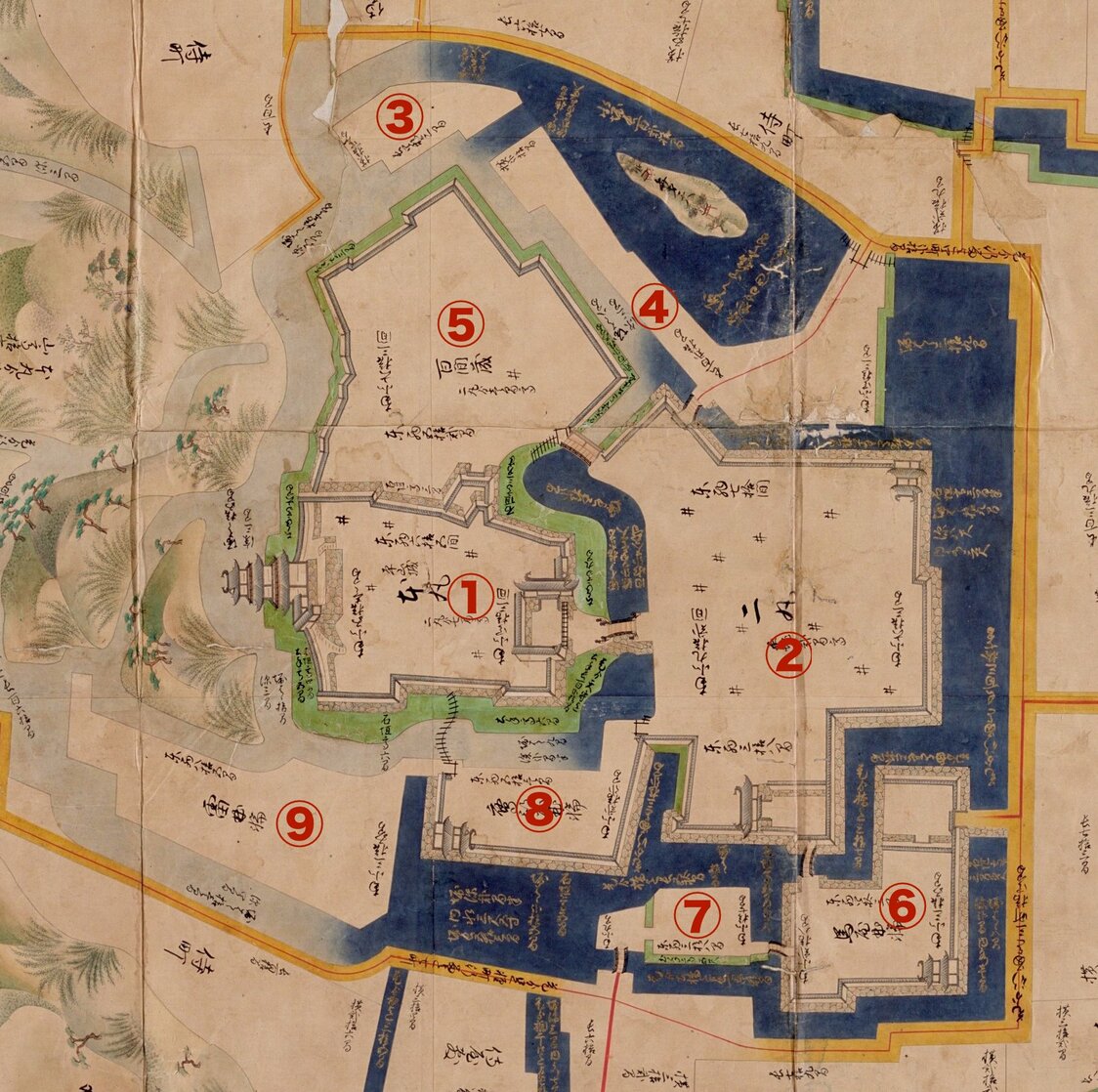
Odawara Castle in Kanagawa Prefecture as it appeared on the illustrated castle town map Shōhō shiro ezu drawn up in 1644. The number 1 indicates the honmaru, 2 the ninomaru, and 3 to 9 the other surrounding kuruwa. (Courtesy National Archives of Japan)
-
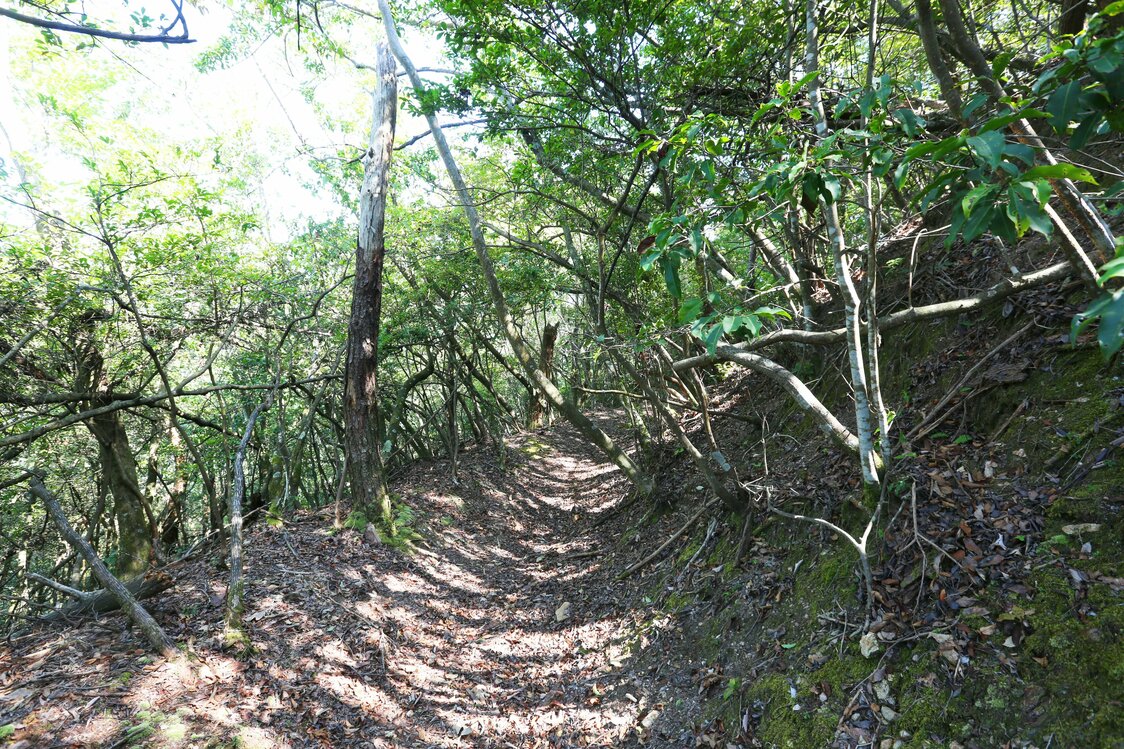
The remains of the tatebori at Sasanomaru Castle in Hyōgo Prefecture. (© Pixta)
-
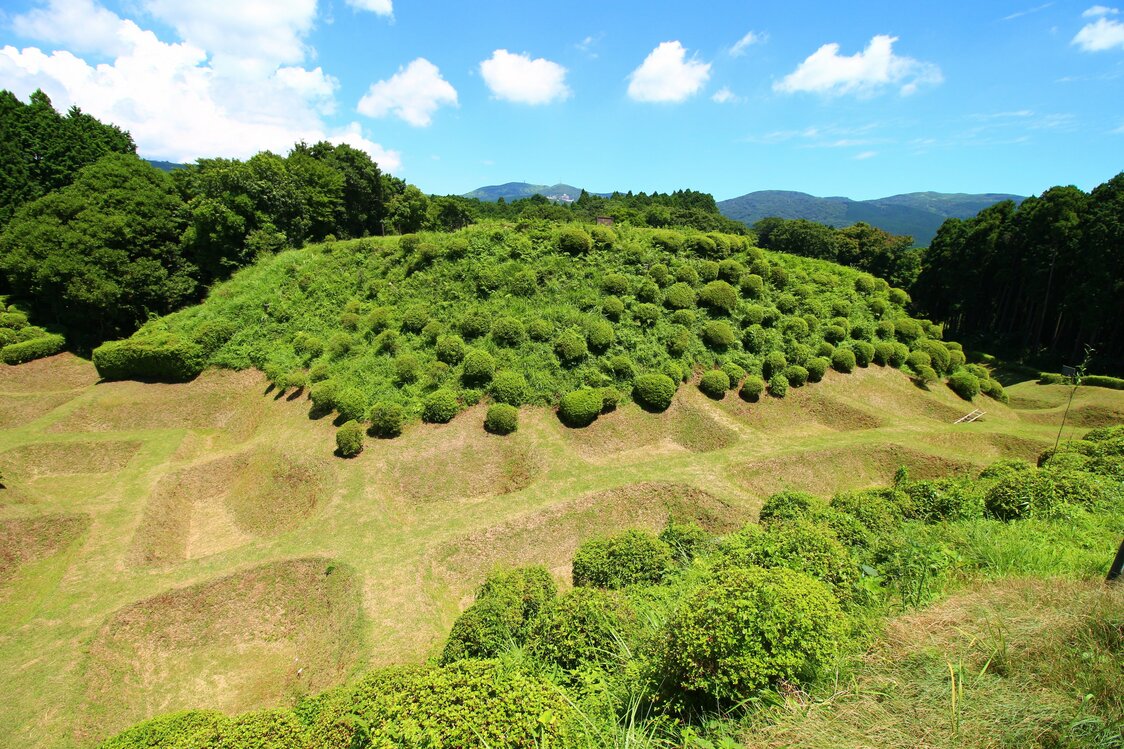
Yamanaka Castle in Shizuoka Prefecture has a famous grid-style dry moat known as a shōjibori. This was a Hōjō clan castle. (© Pixta)
-
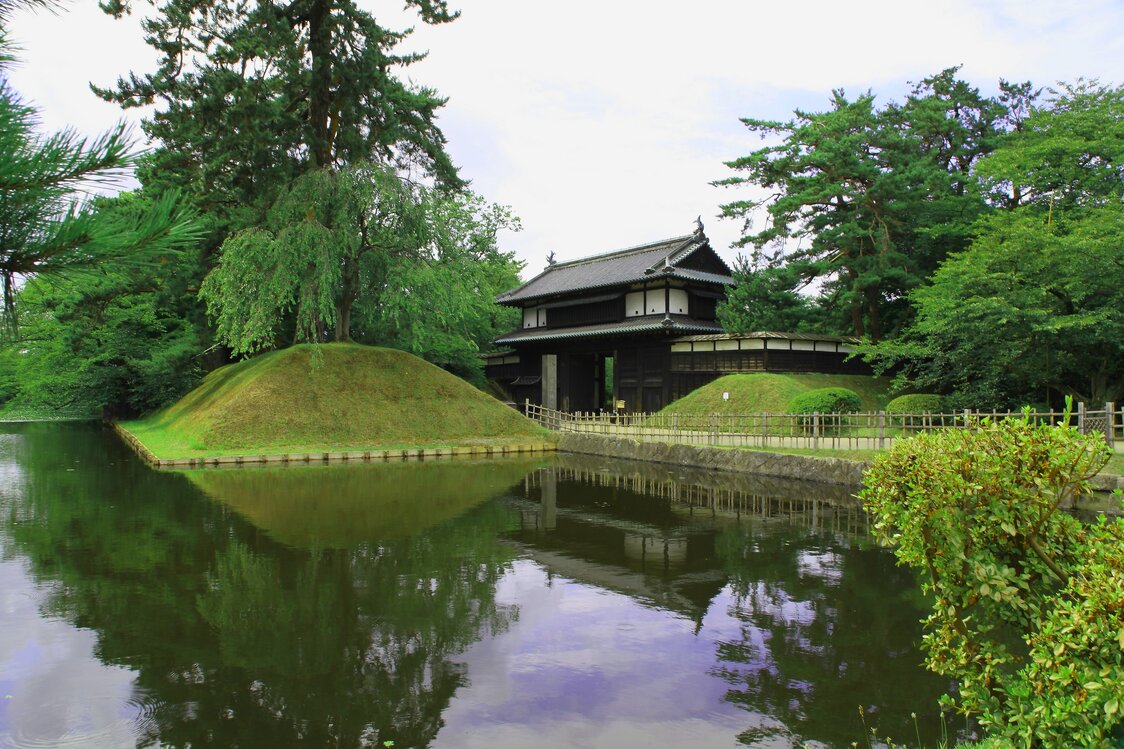
The dorui that still stands in the sannomaru of Hirosaki Castle in Aomori Prefecture. (© Pixta)
-
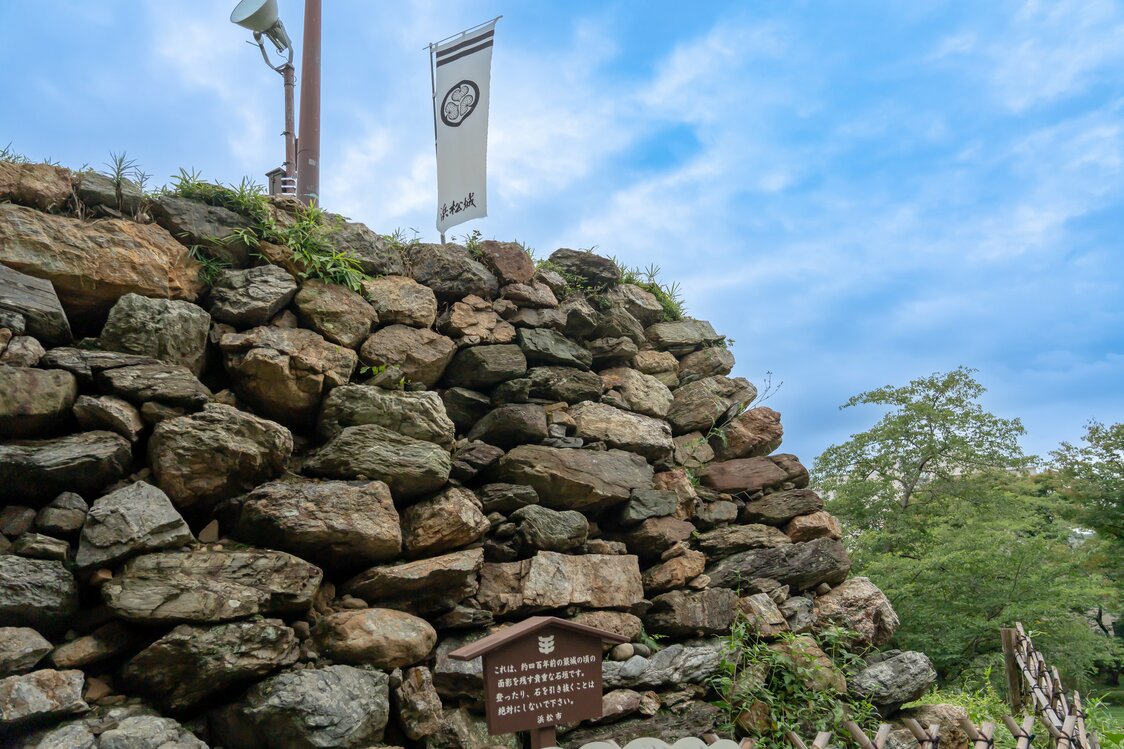
An ishigaki constructed using the nozurazumi method at Hamamatsu Castle. (© Pixta)
-
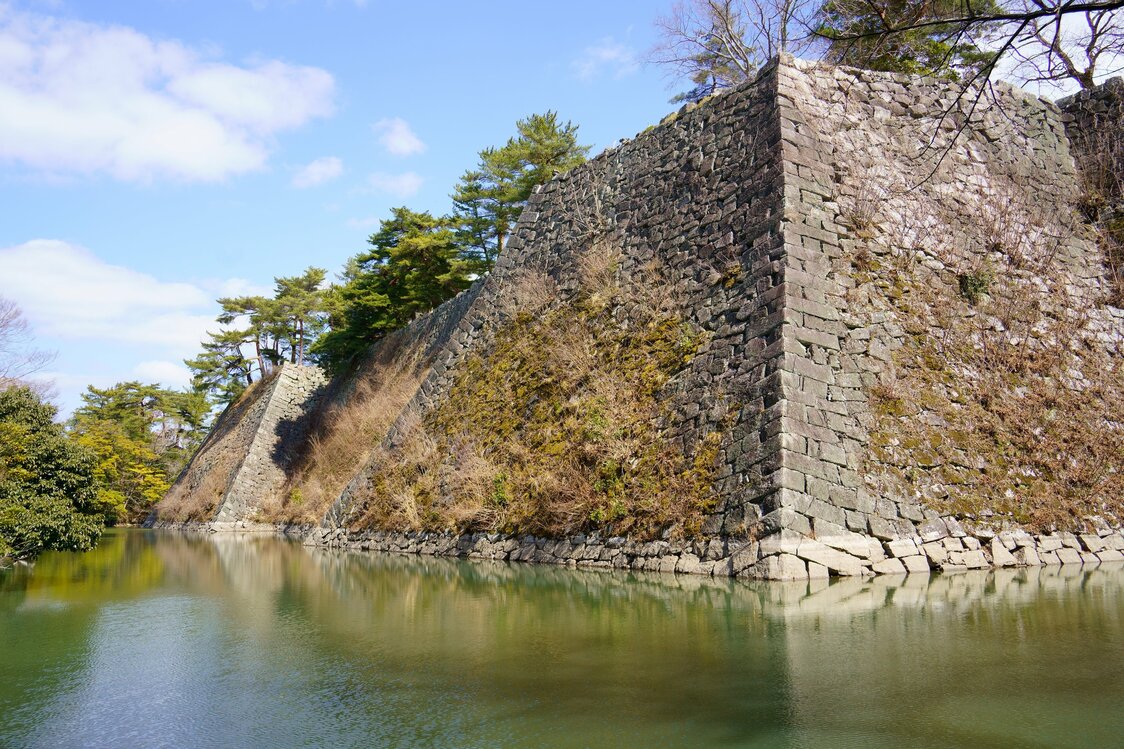
The towering ishigaki at Iga Ueno Castle is considered a masterpiece of uchikomi-hagi. (© Pixta)
-
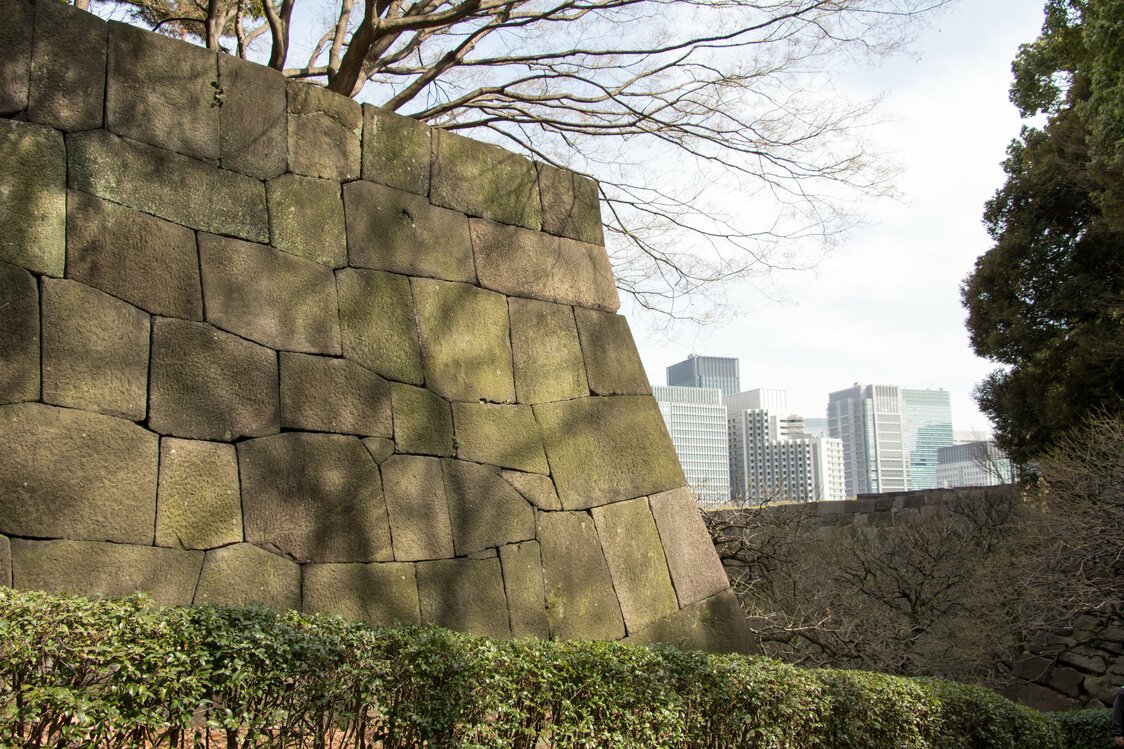
The ishigaki, constructed using the kirikomi-hagi technique, for the Kamibairinmon gate of the honmaru at Edo Castle. (© Pixta)
-
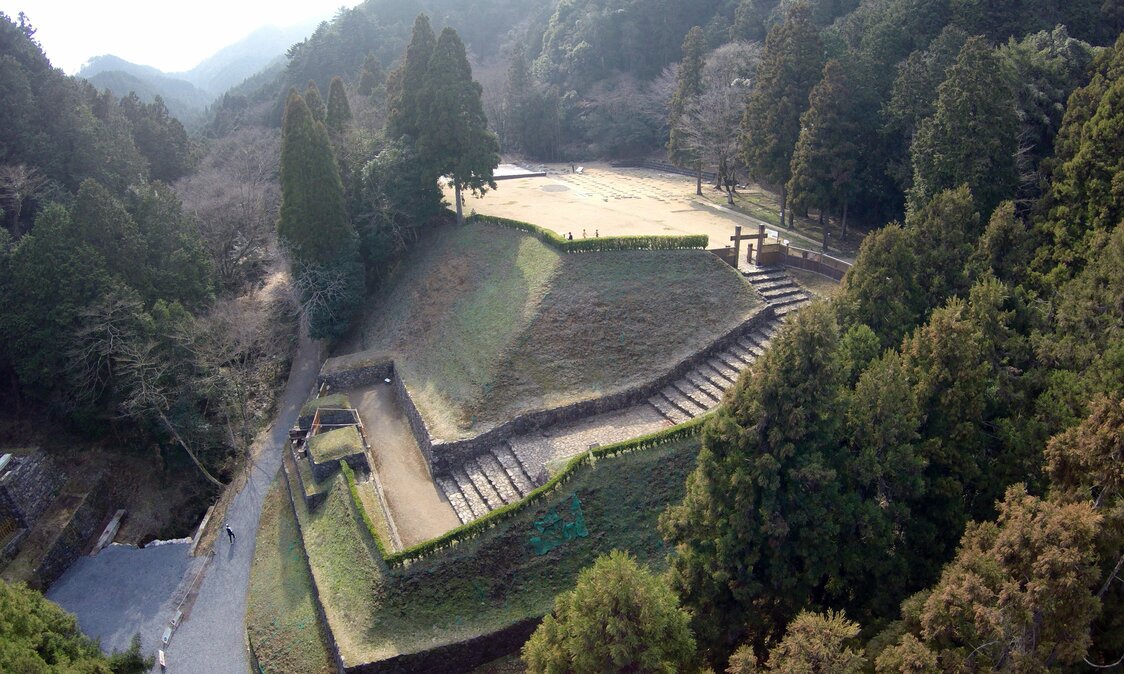
The kuichigai-koguchi at Hachiōji Castle in Tokyo. It curves all the way to the Goshuden (top center) and is on an incline too. (© Pixta)
-
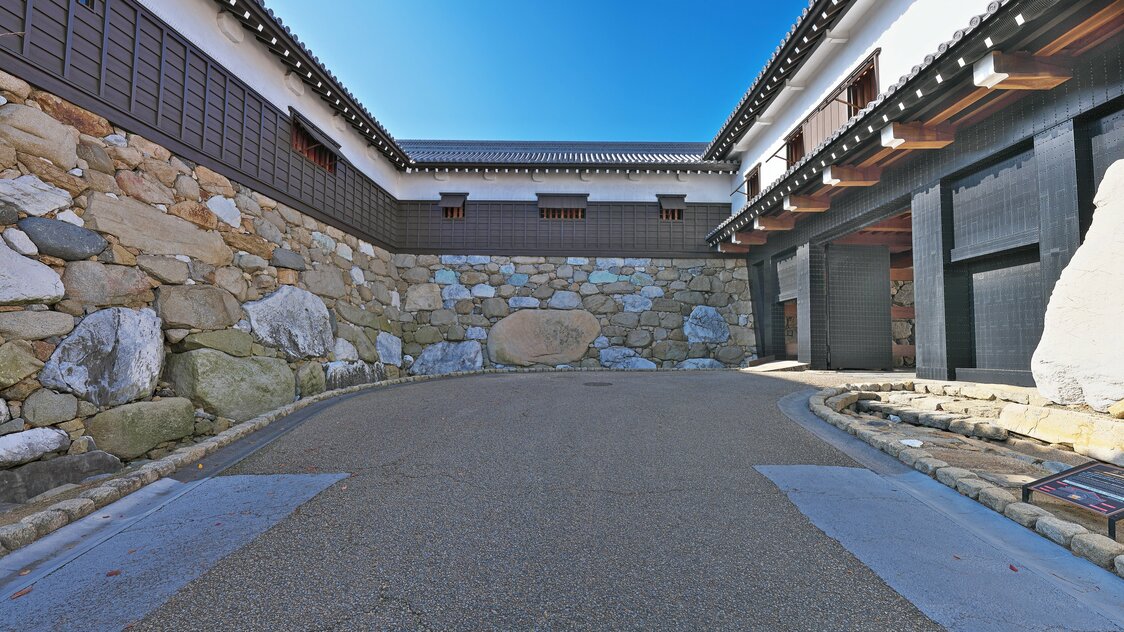
The masugata koguchi at Imabari Castle in Ehime Prefecture. This square enclosure was used to contain the enemy. (© Pixta)
-
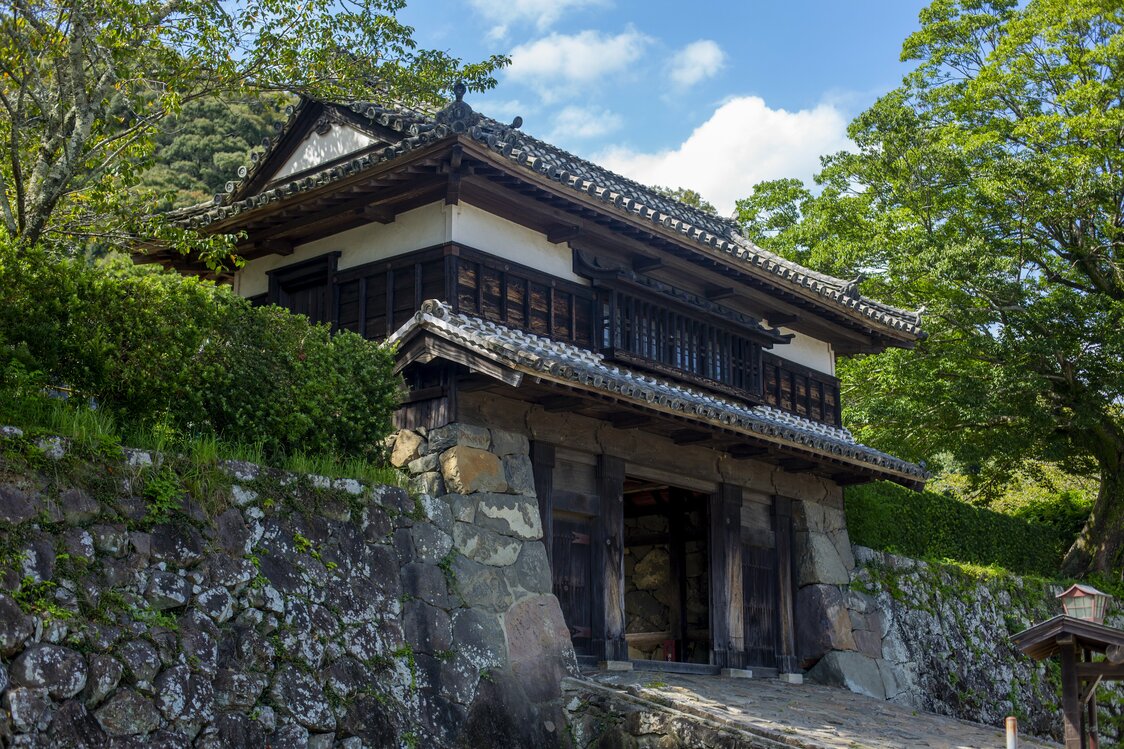
The yaguramon of the sannomaru at Saiki Castle, the ruins of which can be found in Ōita Prefecture. (© Pixta)
-
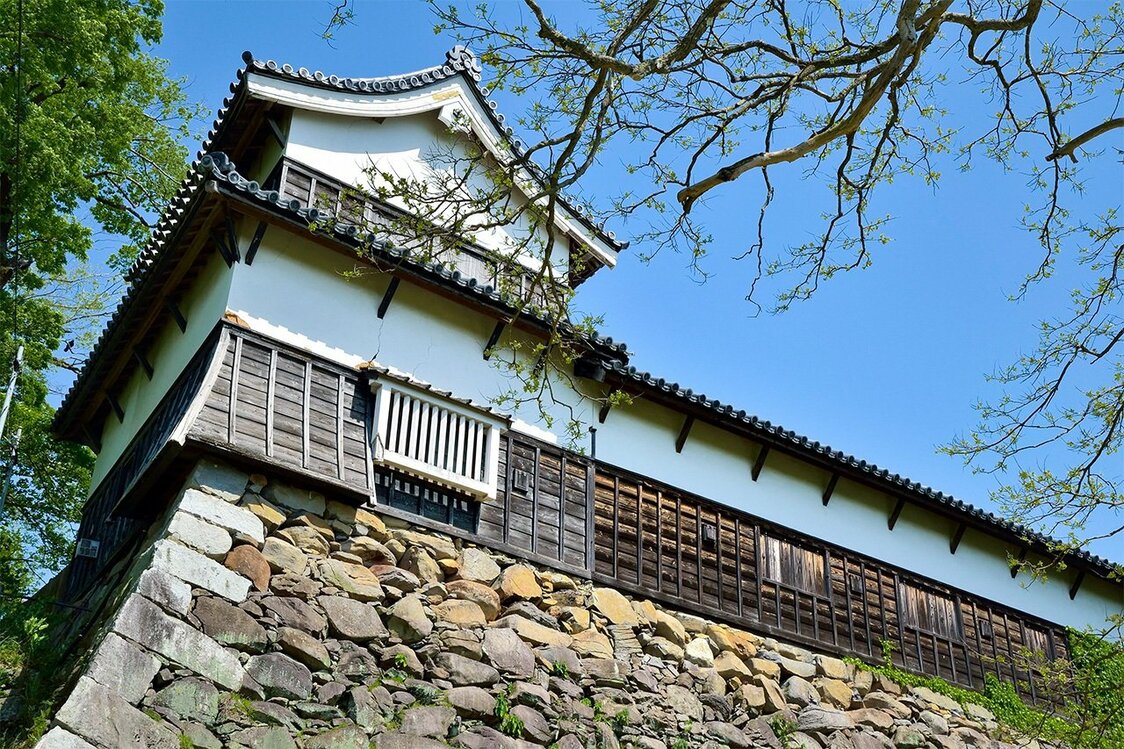
The tamon-yagura at Fukuoka Castle is a two-story turret (left) connected to a 54-meter nagaya longhouse. (© Pixta)


 Read in other languages