-
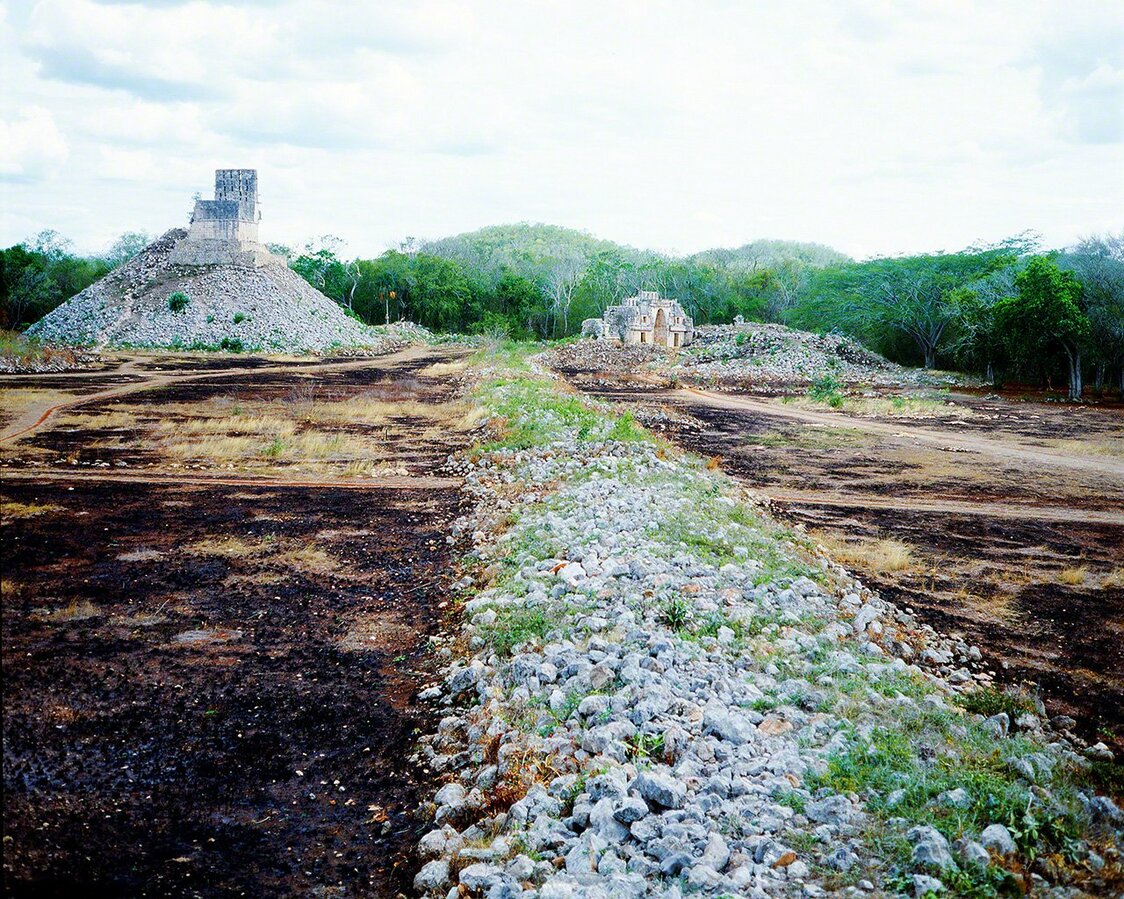
Photograph taken by Haga in 1981 when he was involved in an archaeological dig of a paved road at a Mayan site in Mexico. His experiences here led to his becoming a photographer.
-
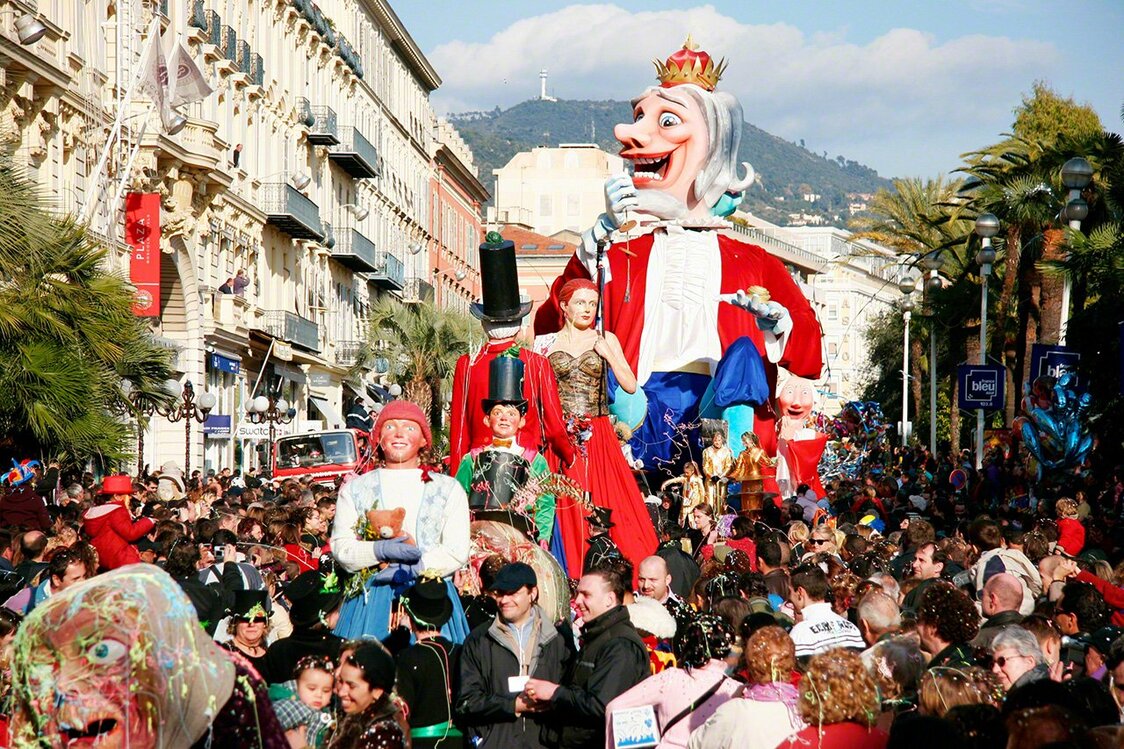
A street parade with floats decorated with royal motifs. Photographed during a carnival in the French city of Nice.
-
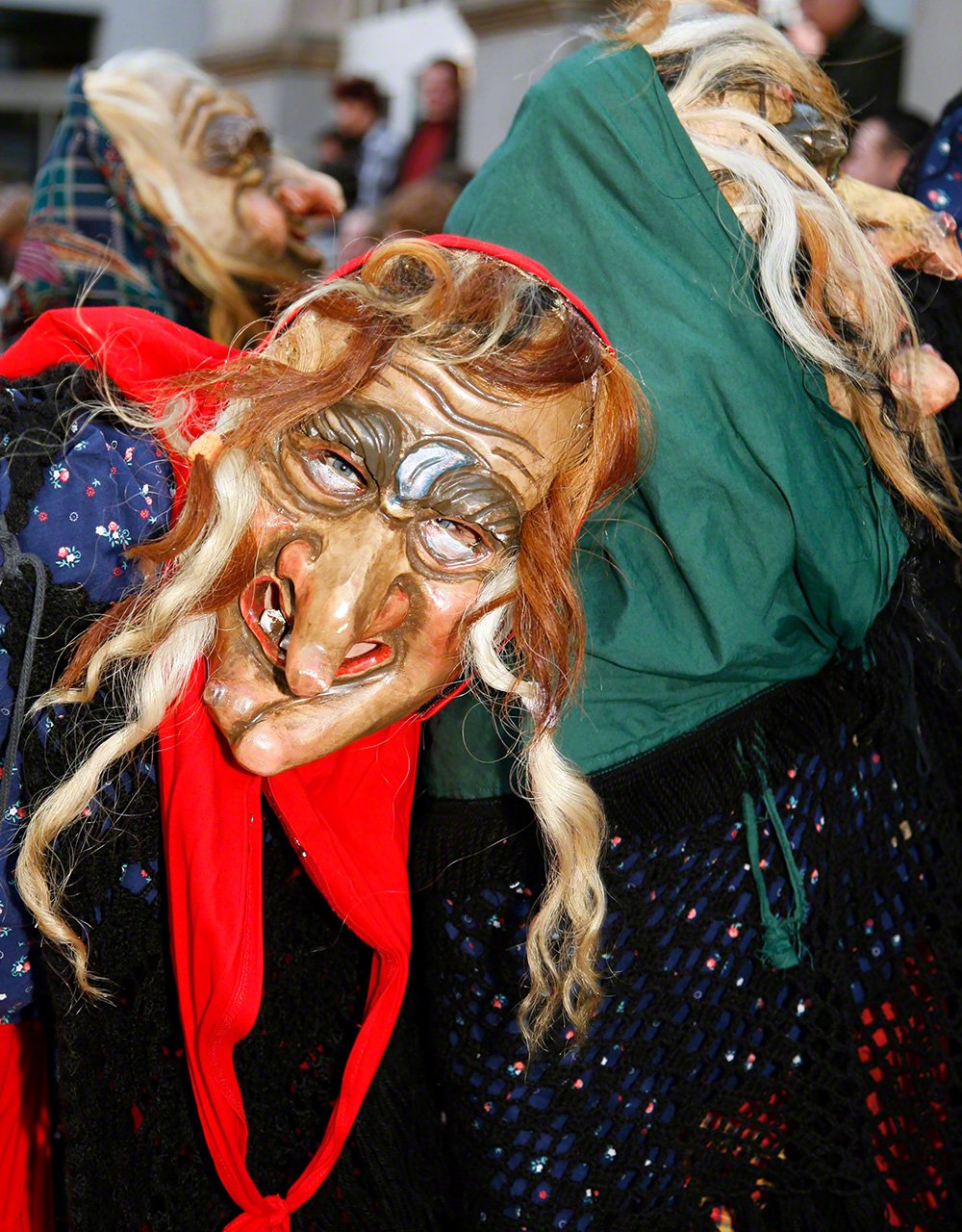
A demon at a carnival in Germany, where people dressed in traditional clothing and costumes parade through the city.
-
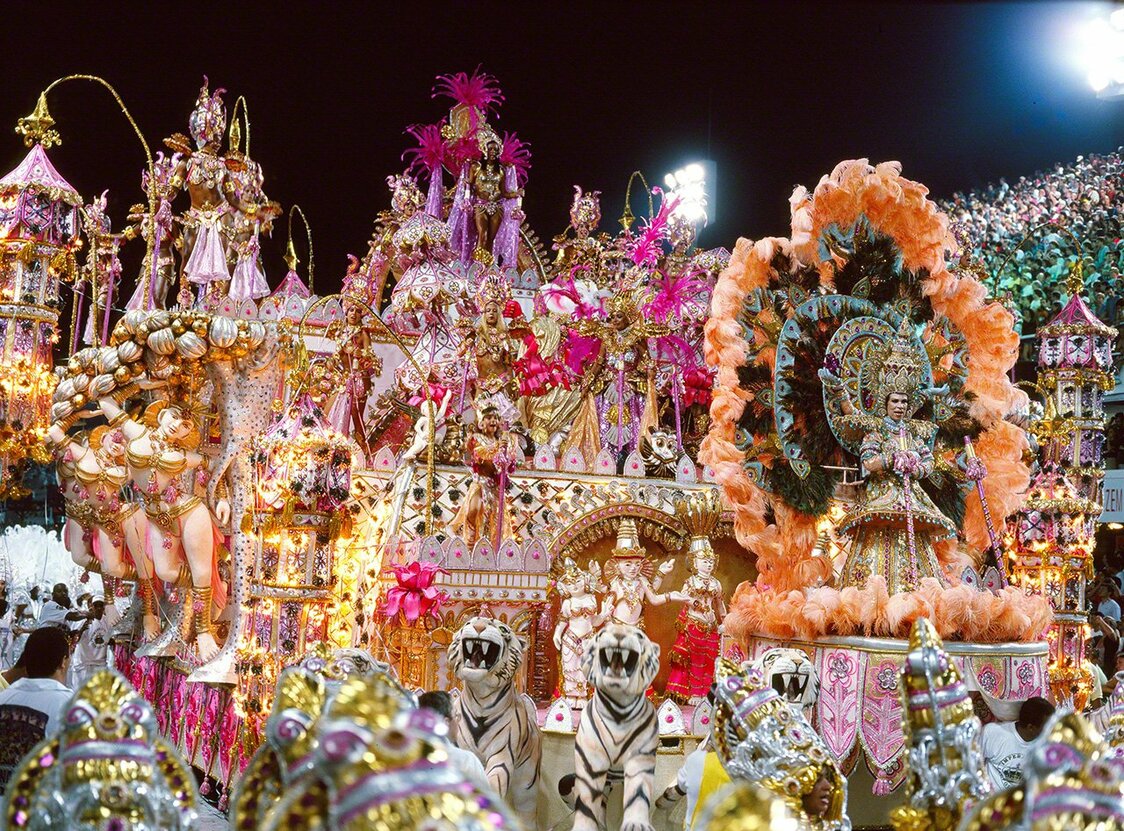
Carnival in Rio de Janeiro, Brazil. In addition to the samba, the gorgeously decorated floats are a major attraction.
-
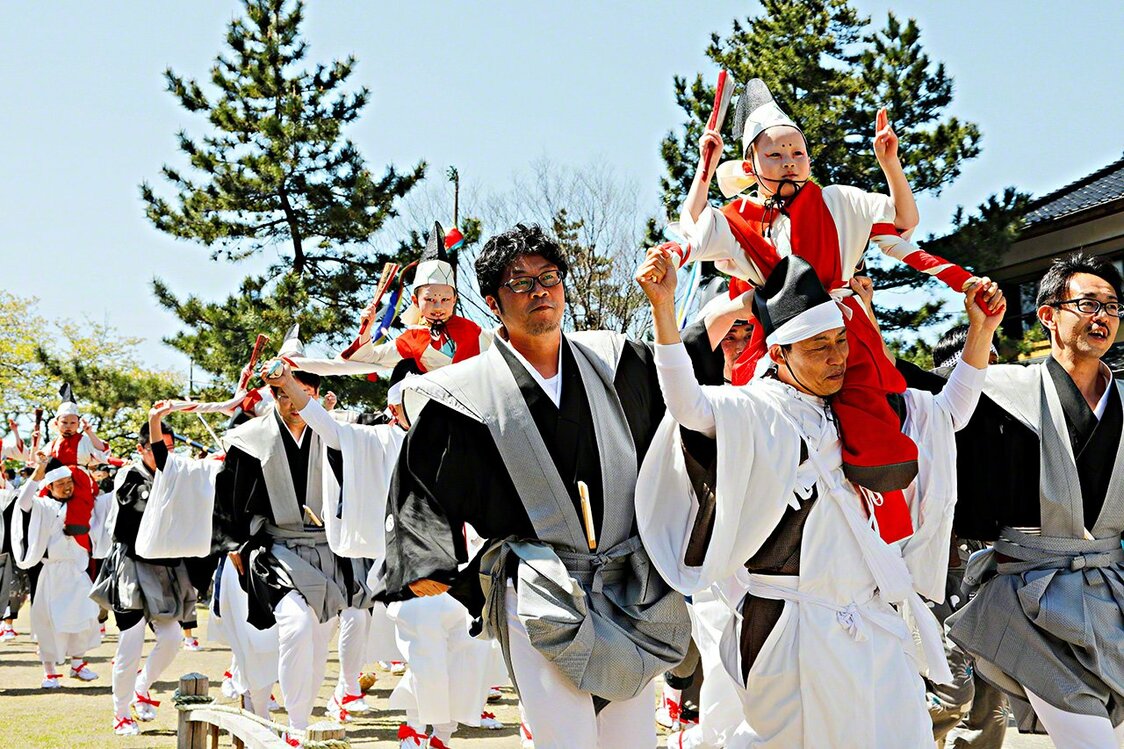
Toddlers being carried through the streets during the Spring Festival (popularly known as the Nō Festival and held on April 24) at Nōhakusan Shrine in Itoigawa, Niigata Prefecture.
-
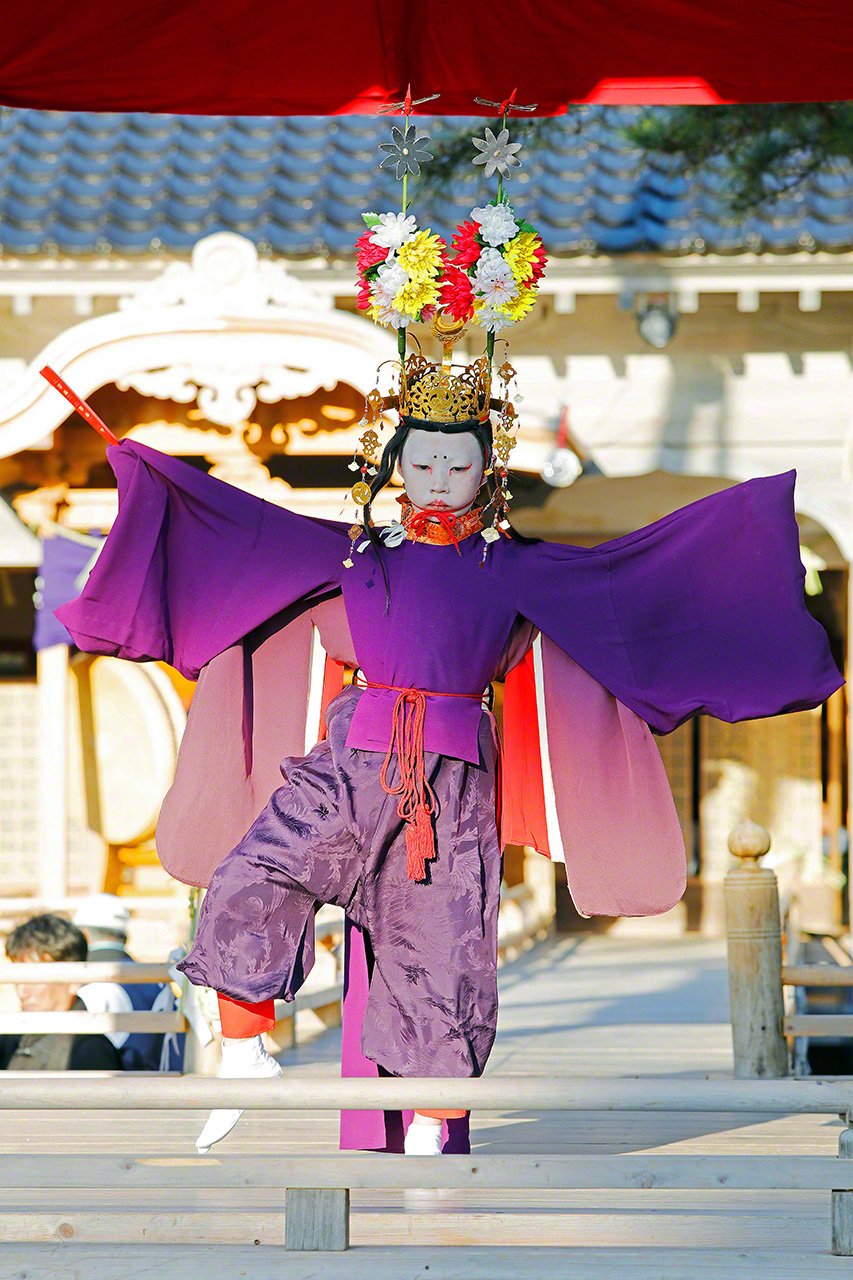
Children’s Dance at the Nō Festival. The flowers on the dancers’ crowns are offered to the deity of the shrine.
-
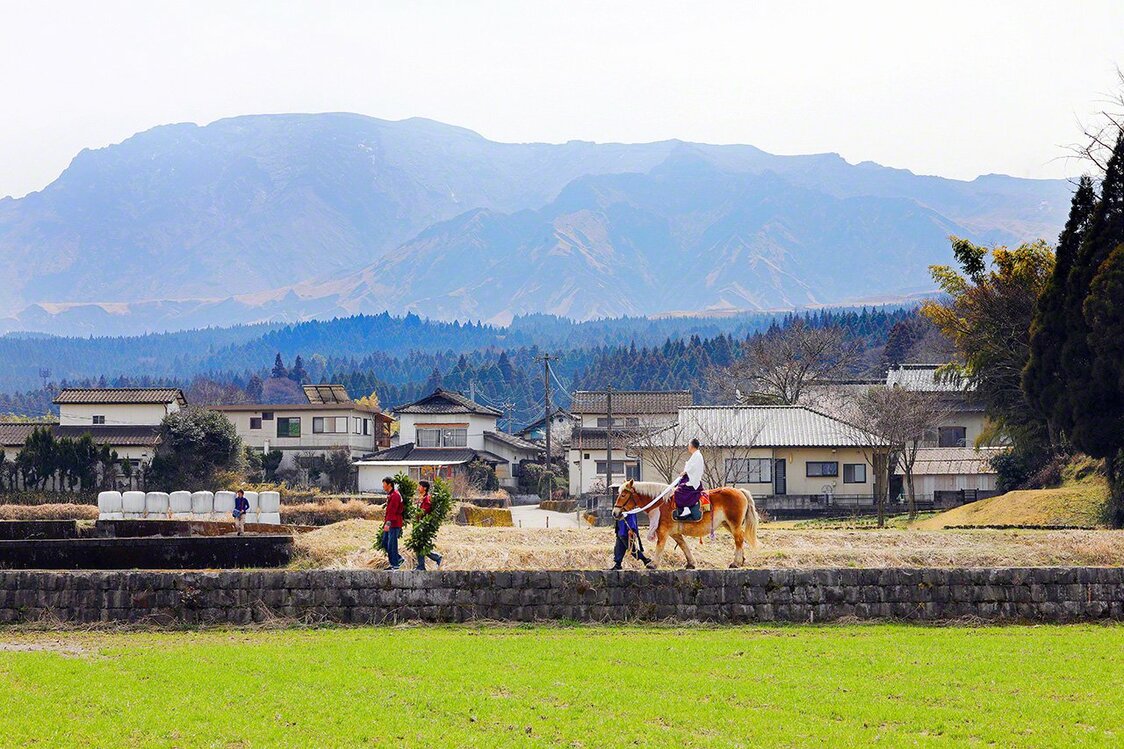
The Tatsukuri festival of Aso Shrine in Kumamoto Prefecture, held in March each year, promises a good harvest through a wedding ceremony for deities. Villagers carry an oak branch that symbolizes the body of a female deity toward the male deity.
-
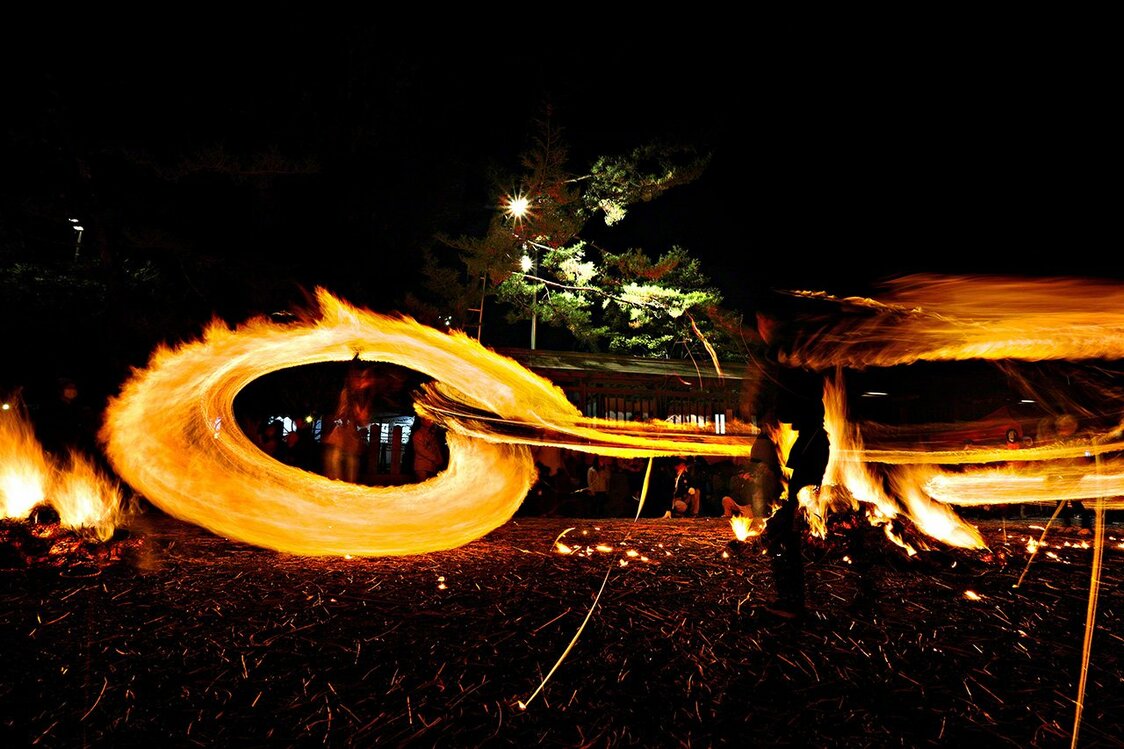
During the Shintō ritual that marks the highlight of the Tatsukuri festival, the swinging of a flaming rope celebrates the arrival of the female deity.
-
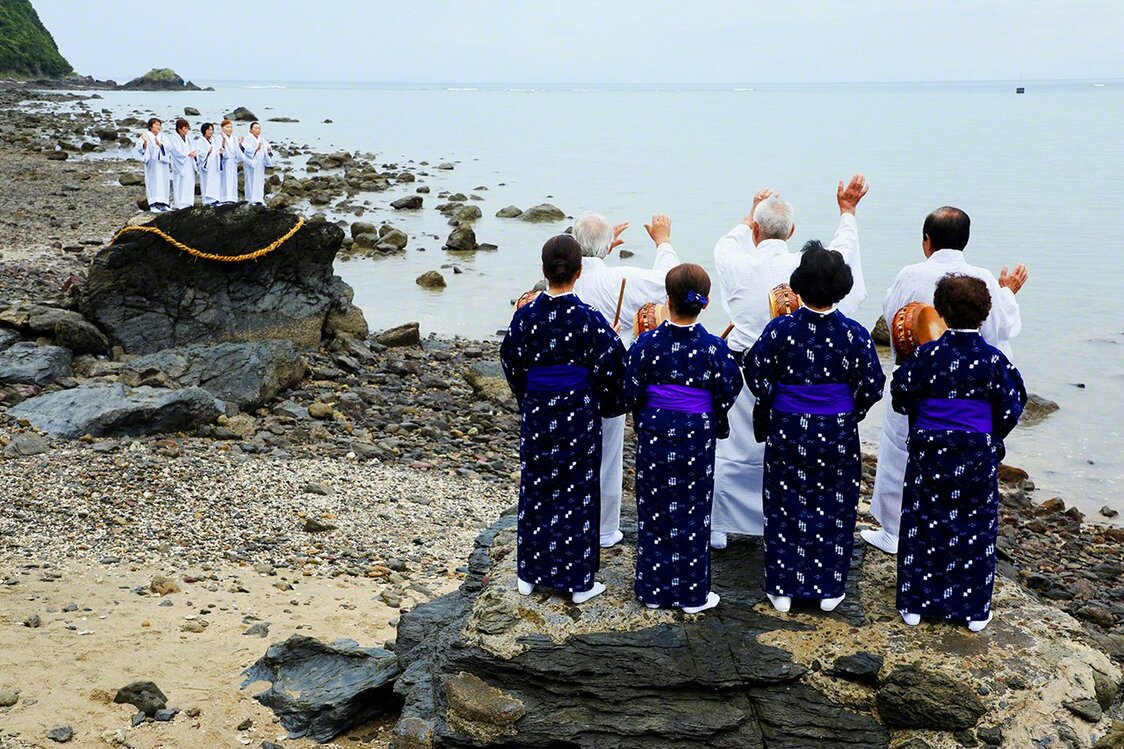
The Akina Arasetsu ritual on the island of Amami Ōshima (Kagoshima Prefecture), which is held during the lunar calendar month of August, is a harvest festival that preserves the original form of the Japanese performing arts. In the evening, performers welcome deities from across the sea with repeated singing and a “hand dance.”
-
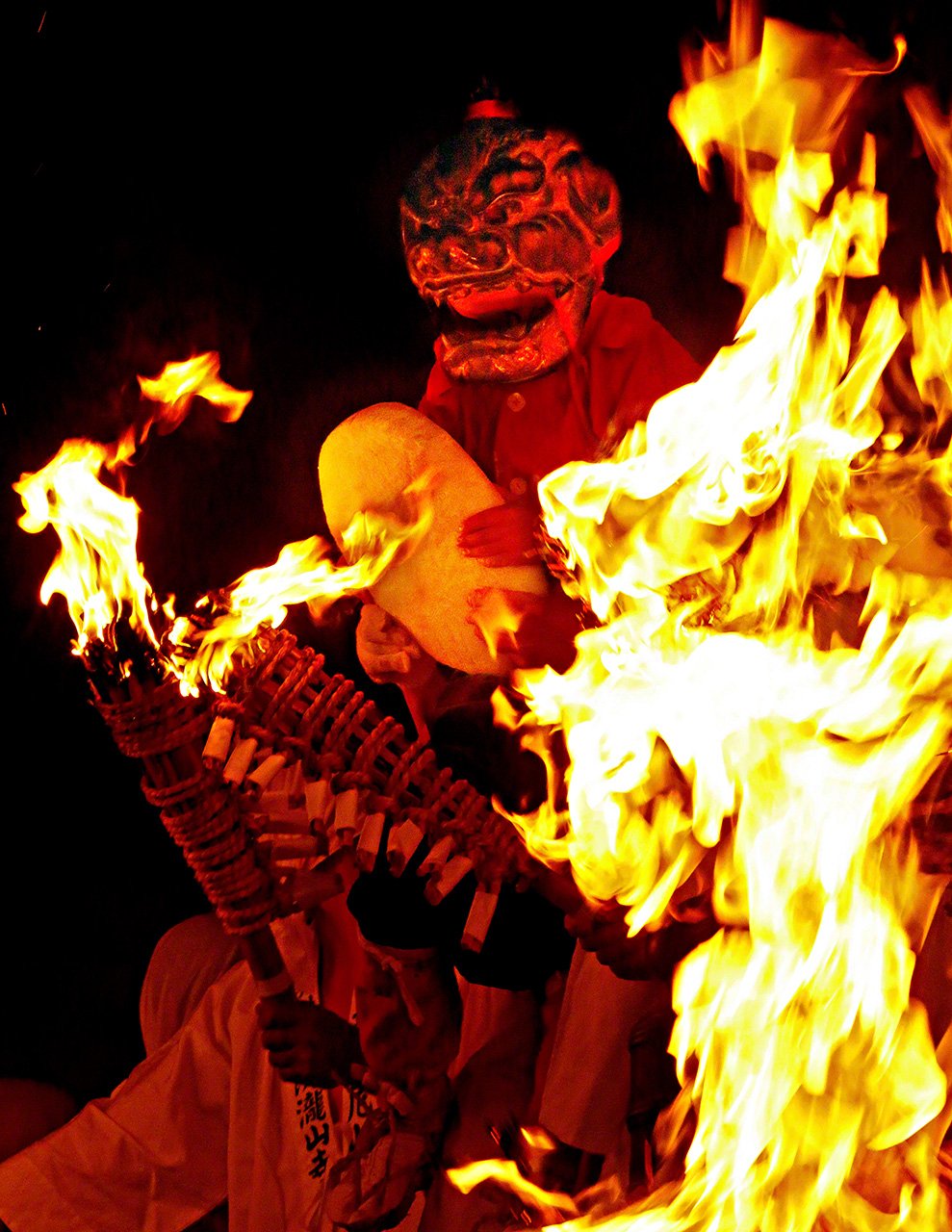
The Oni Festival at the Takisanji temple in Okazaki, Aichi Prefecture, is held in February around the seventh day of the first month on the lunar calendar. During the festival, a good harvest is promised when a demon holding a large kagami mochi (round rice cake) appears at the temple amid blazing torches.
-
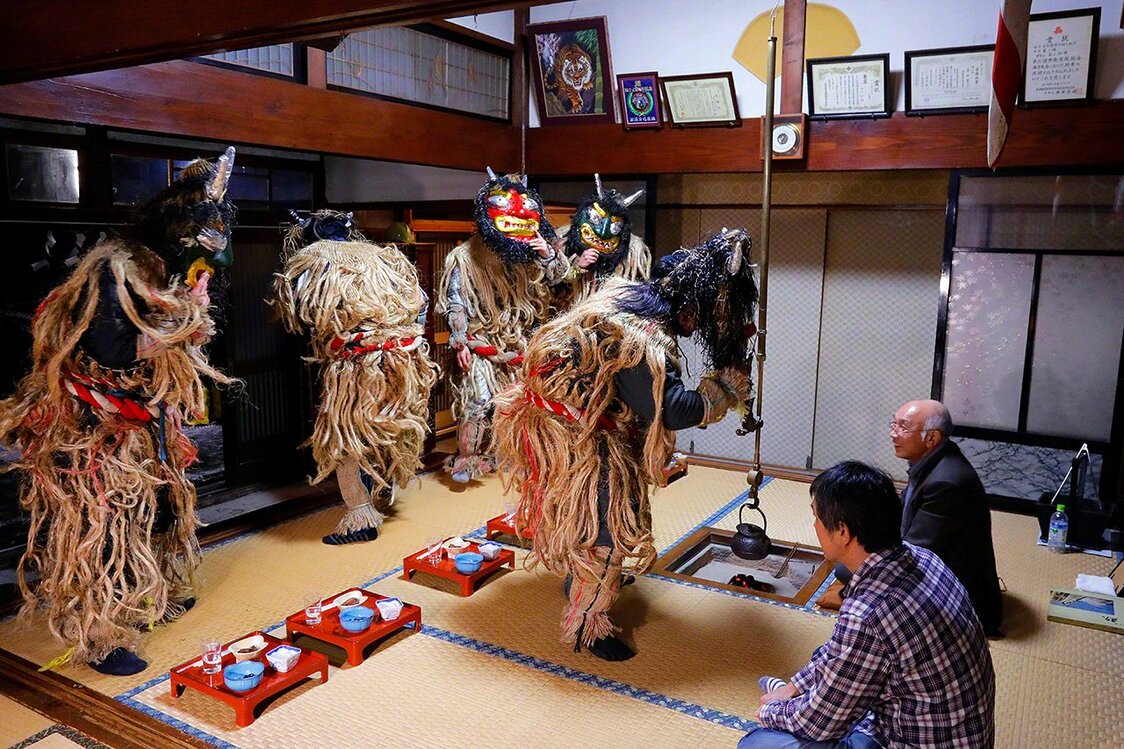
During the traditional namahage ritual held in the Oga region of Akita Prefecture, creatures called oni bring good luck by visiting homes and admonishing the lazy. It was included in “Raihōshin: Ritual Visits of Deities in Masks and Costumes,” a set of 10 rituals added to the UNESCO representative list of the Intangible Cultural Heritage of Humanity in 2018.
-
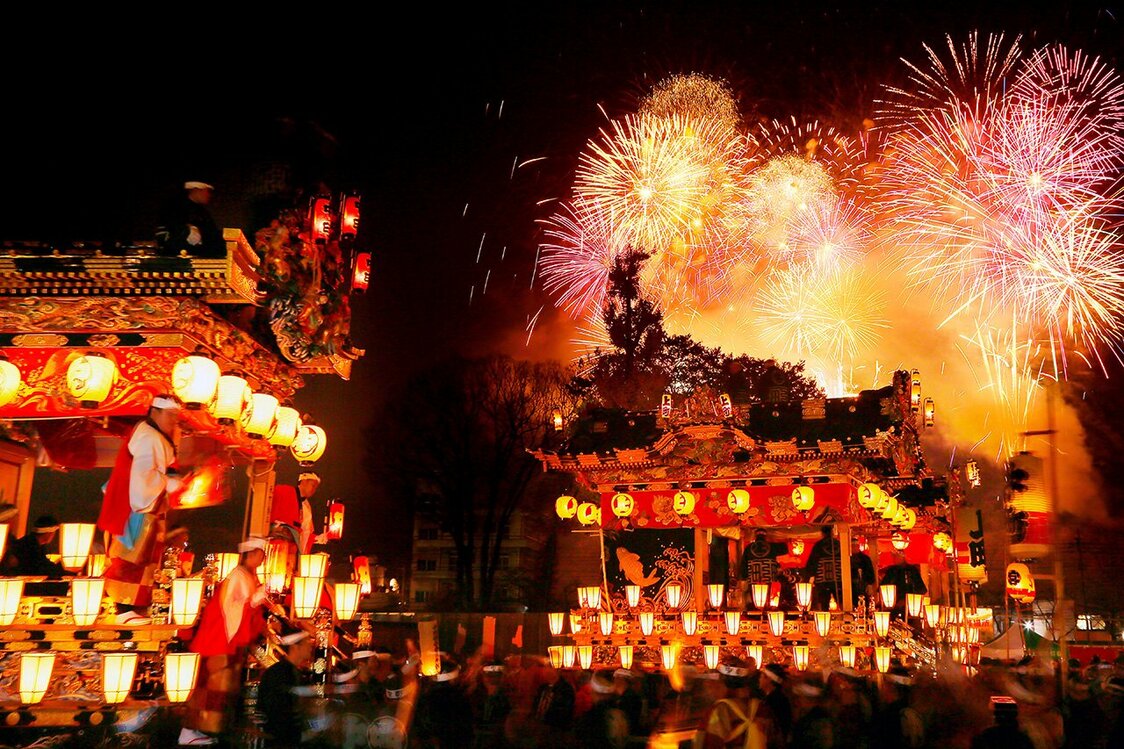
The Chichibu Night Festival in Saitama Prefecture (December 2-3) is known for its extravagant halberds decorated with umbrellas and its floats. The female deity of Chichibu Shrine and the male deity of a sacred mountain surreptitiously meet only on this night of the year. It was included as one of the Japanese float festivals on the UNESCO representative list of the Intangible Cultural Heritage of Humanity.
-
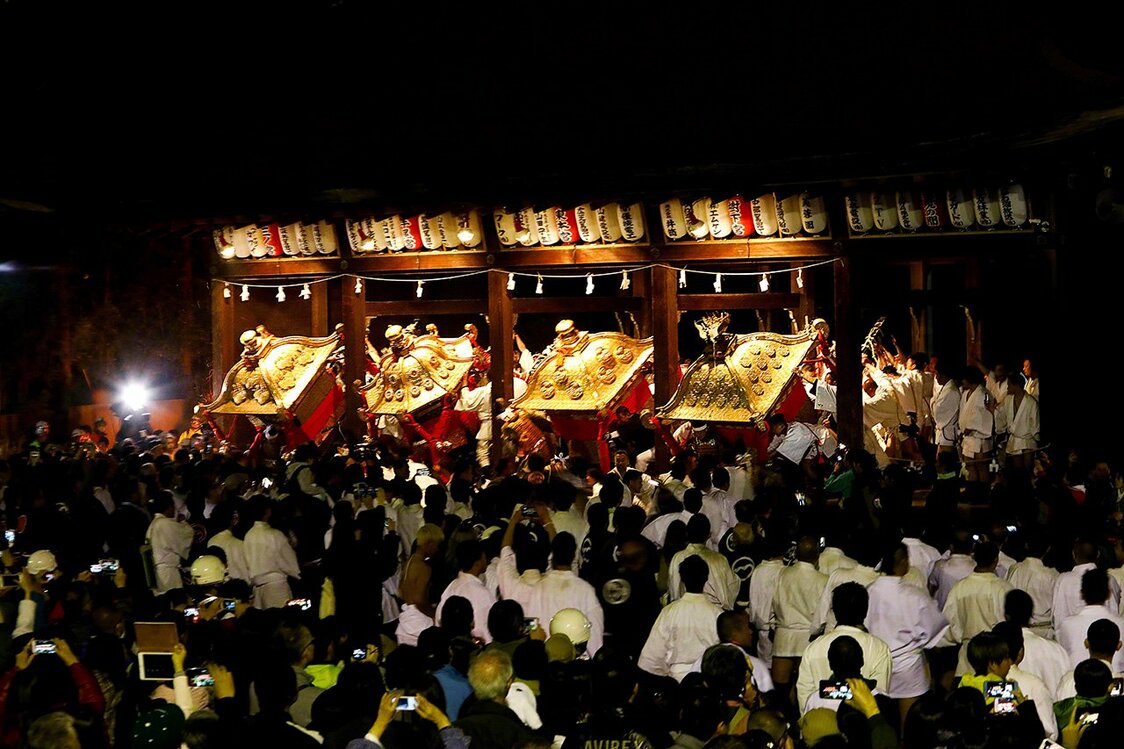
The Sannō Festival that reenacts the marriage between a pair of enshrined deities at Hiyoshi Shrine in the city of Ōtsu in Shiga Prefecture. During a festival ritual, four portable shrines are dropped onto the ground to represent childbirth.
-
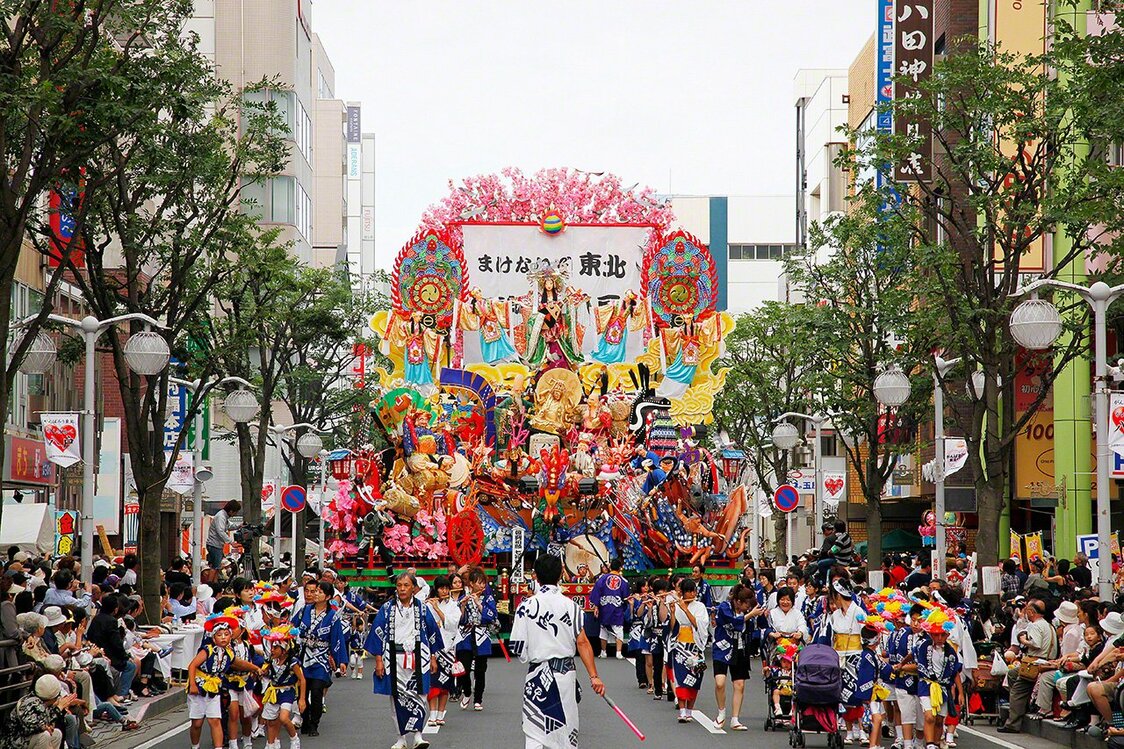
The Hachinohe Sansha Taisai (July 31‒August 4), known for its flamboyantly decorated floats. This was also one of the Japanese float festivals on the UNESCO representative list of the Intangible Cultural Heritage of Humanity.
-
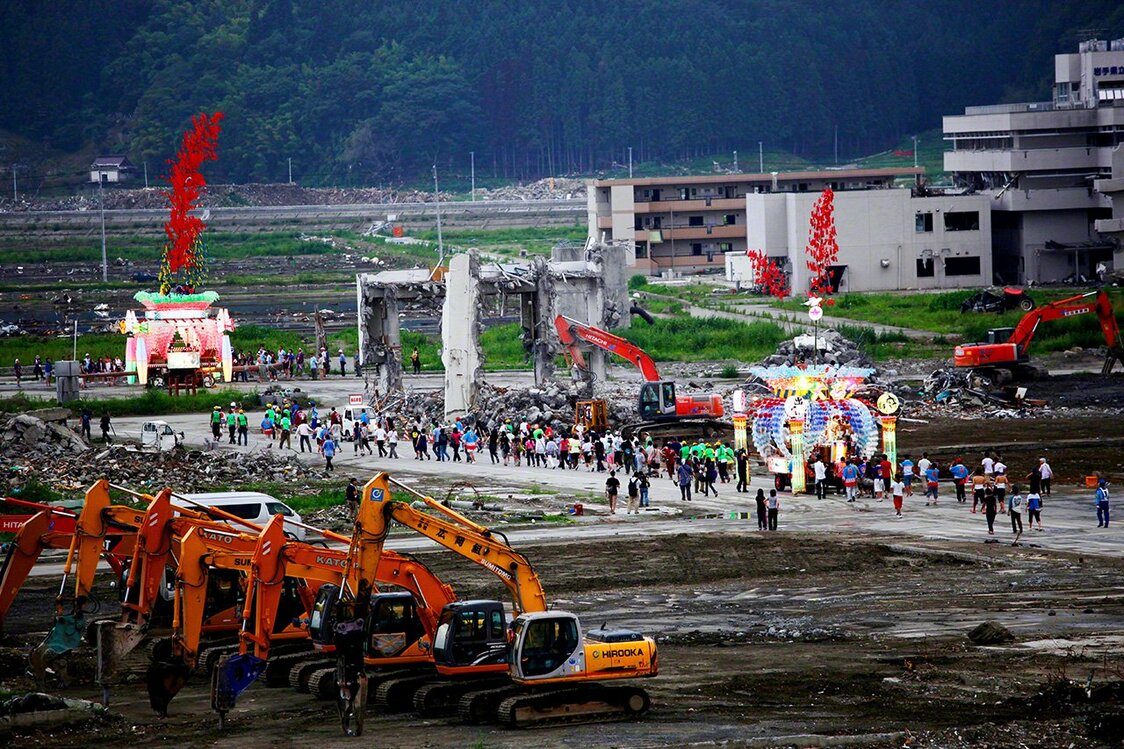
The Moving Tanabata (August 6‒7) is a festival held as a memorial for ancestors that has been passed down in the city of Rikuzentakata, Iwate Prefecture. Since the Great East Japan Earthquake and Tsunami it has also included prayers for the repose of the souls of the dead and for the region’s recovery from the disaster.
-
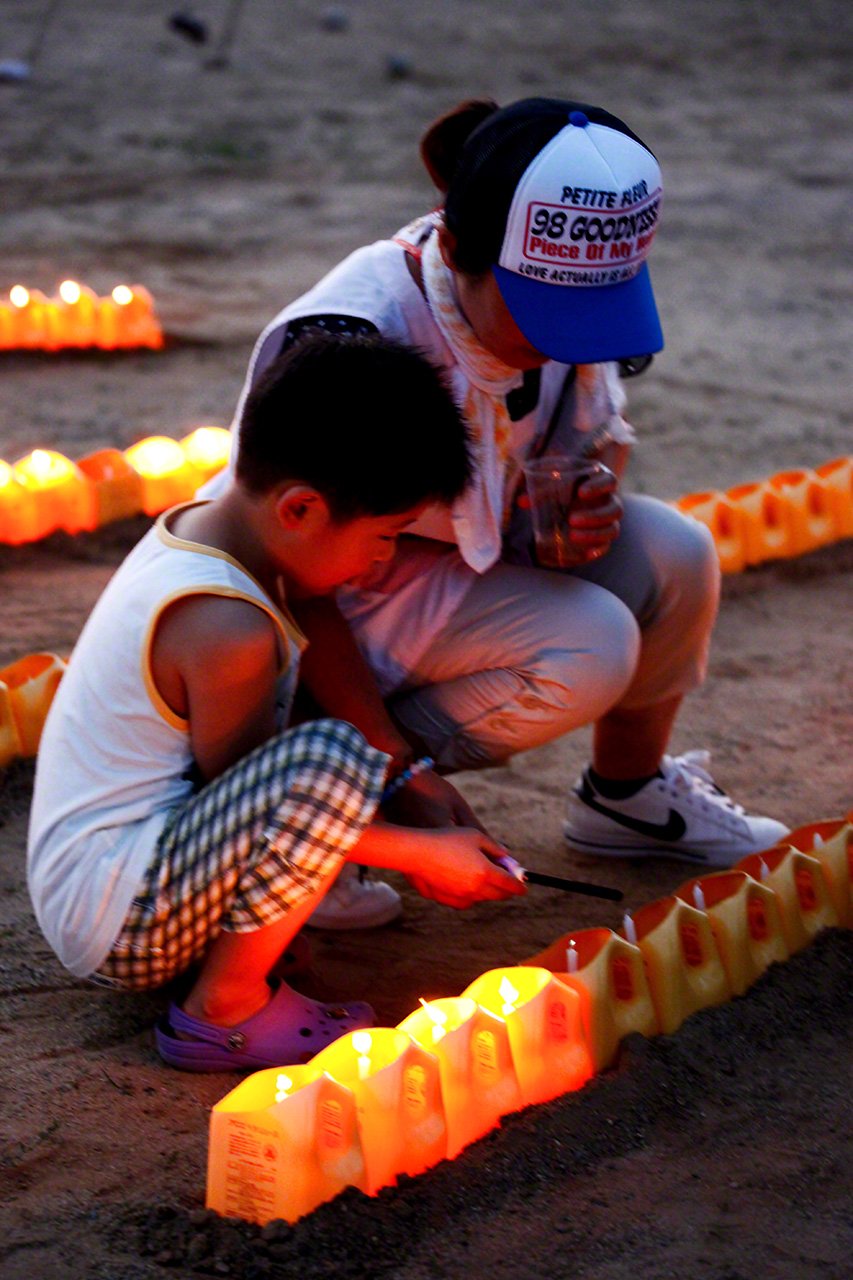
At the Sōma Nomaoi Festival (late July) in Fukushima Prefecture flames are lit as an offering of appreciation to horses. In 2011 it included prayers for the repose of the souls of the dead and thanks to those who offered support to the region in the wake of the earthquake and tsunami.
-
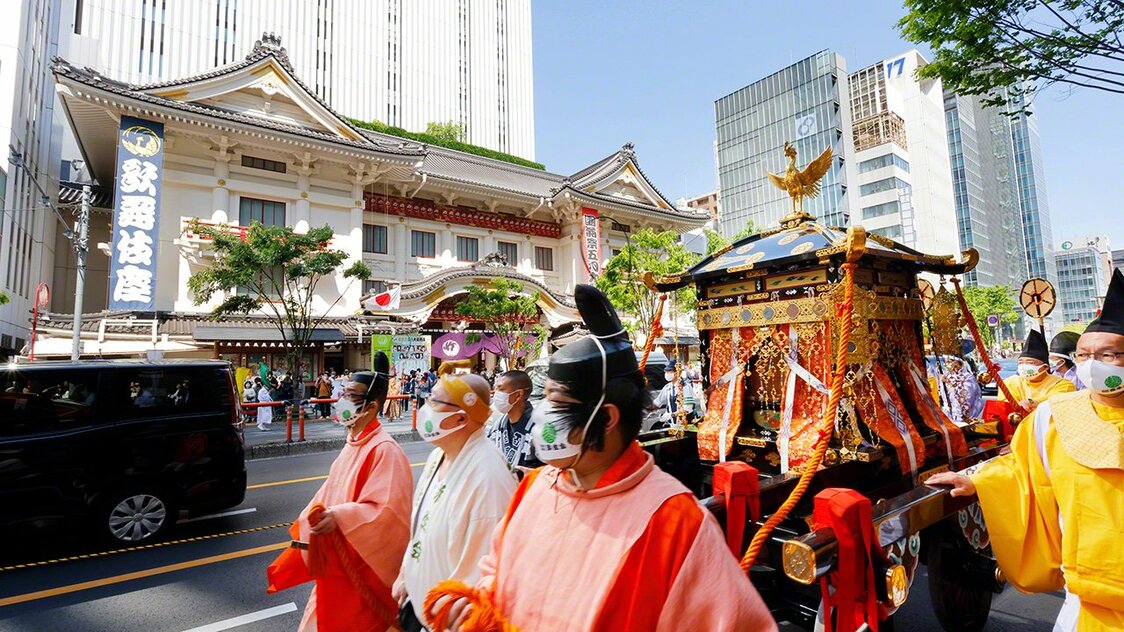
At the 2022 annual festival at Teppōzu Inari Shrine in Chūō, Tokyo, (May 2‒5), the portable shrines were paraded on carts rather than carried and procession participants did not shout or call out as they usually do, in order to prevent the spread of COVID-19.
-
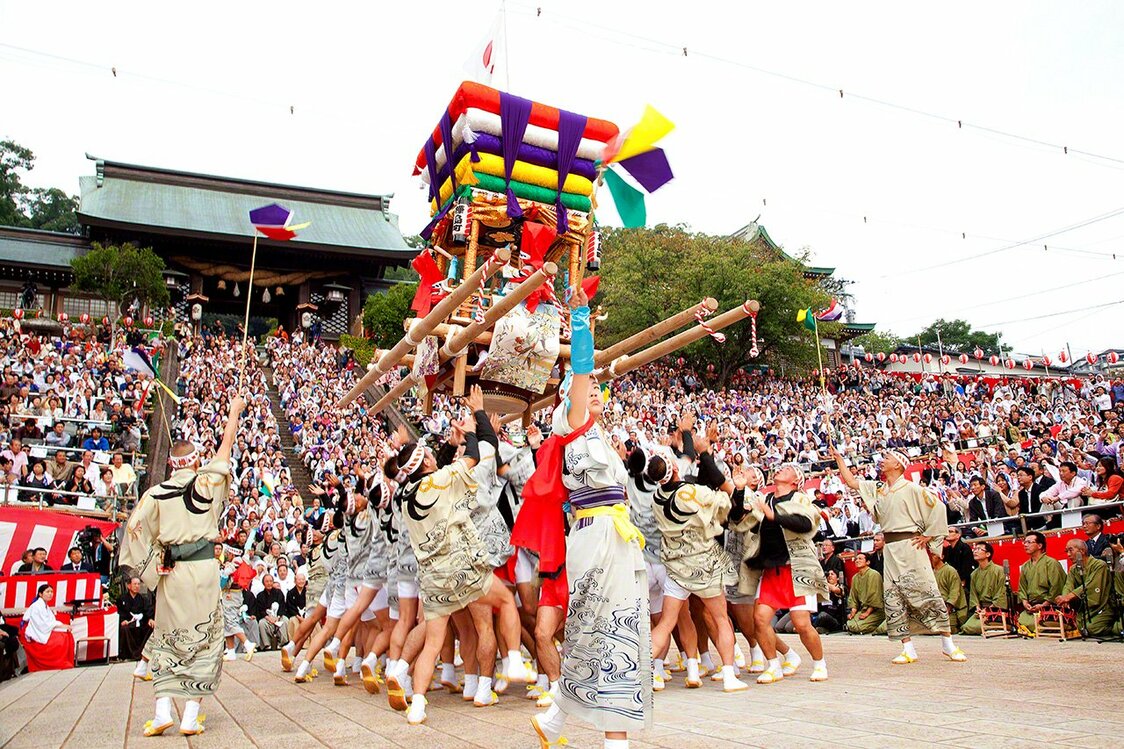
The Kokko-desho dance is the highlight of the Nagasaki Kunchi (October 7‒9). At the climax, a float carrying drums with four children riding on top is thrown and festival-goers stretch out their hands to catch it.


 Read in other languages