-
-
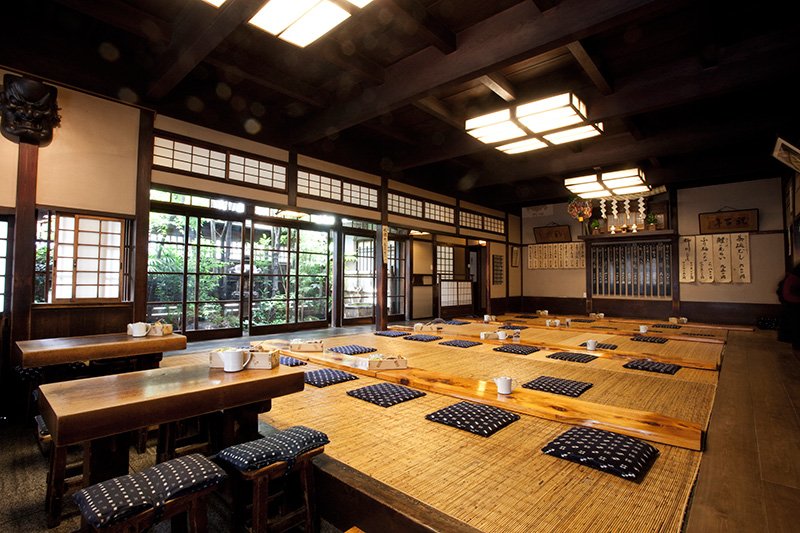
Tatami room on the ground floor
-
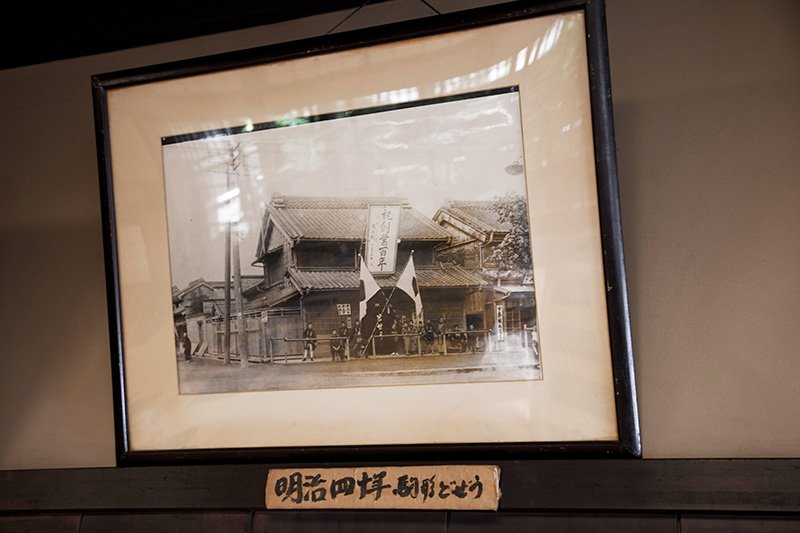
A photo of the restaurant in 1907
-
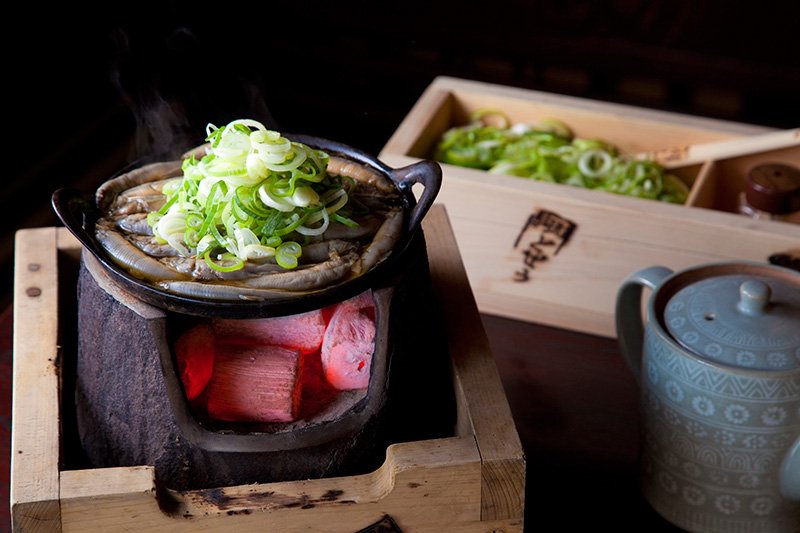
The dish “dojō nabe” (¥1,750) comes with a generous portion of spring onions. It is said that a shallow pan was used so the dish could be heated up and served as quickly as possible to the busy residents of Edo.
-
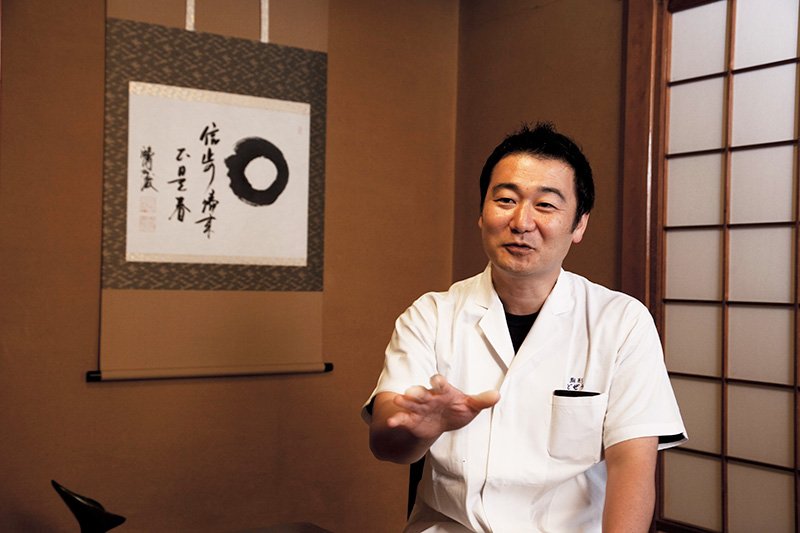
Watanabe Takashi, the seventh-generation owner of Komagata Dojō, calls “dojō nabe” the “fast food of the Edo period,” and says that “many local peddlers visited the restaurant early in the morning to spend their earnings on a hot meal.”
-
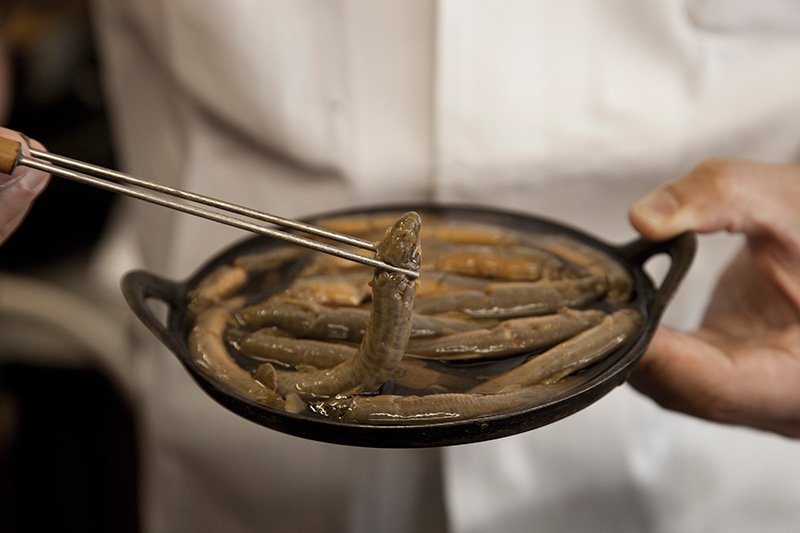
The “dojō” loach fish are cultivated in quiet subterranean waters of Ōita Prefecture, then delivered to the restaurant alive to ensure freshness for customers.
-
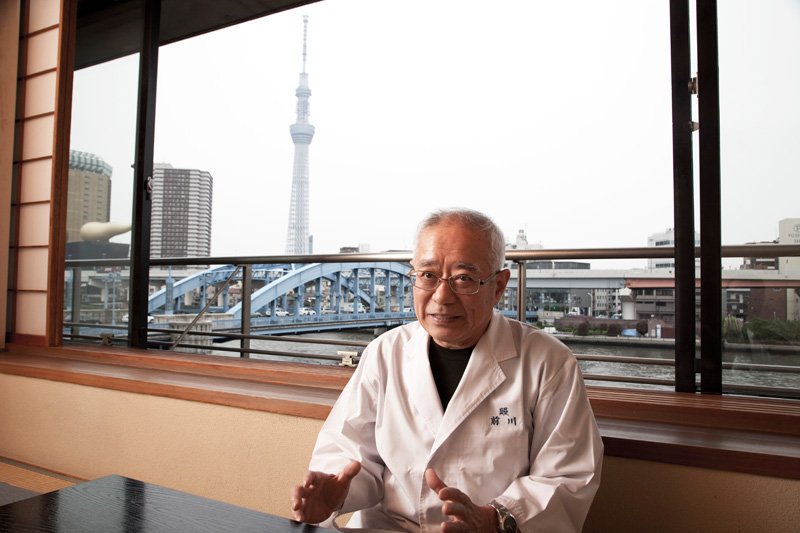
Ōhashi Hajime, the sixth-generation owner of Maekawa, with Tokyo Skytree in the background.
-
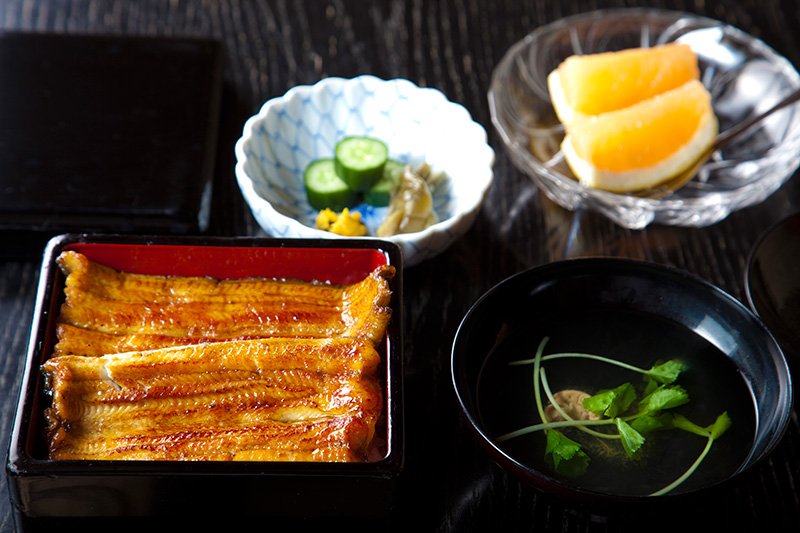
The eel dish “unajū” at Maekawa (from ¥4,095). It takes 30 minutes for the eel to arrive because it is steamed after each individual order is placed. The appetizer “kimoyaki” (¥1,260), which goes great with beer, can fill the gap while you’re waiting.
-
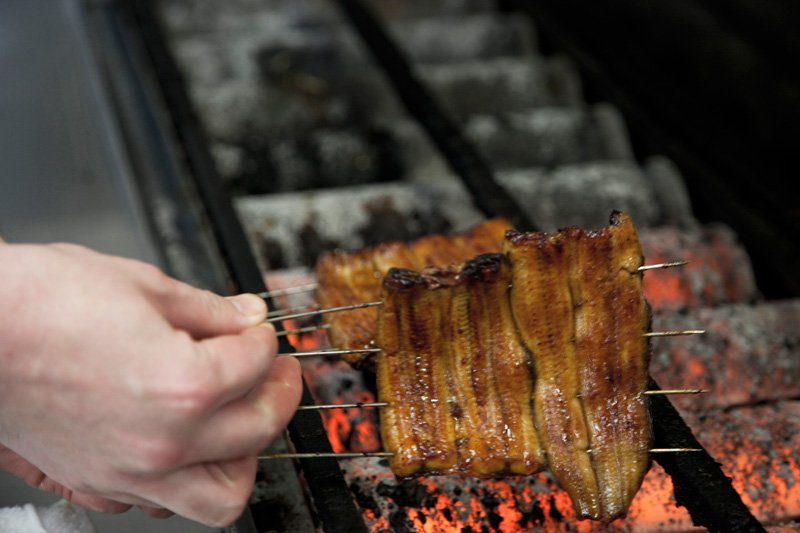
Sauce is poured over the eel three times during the roasting process.
-
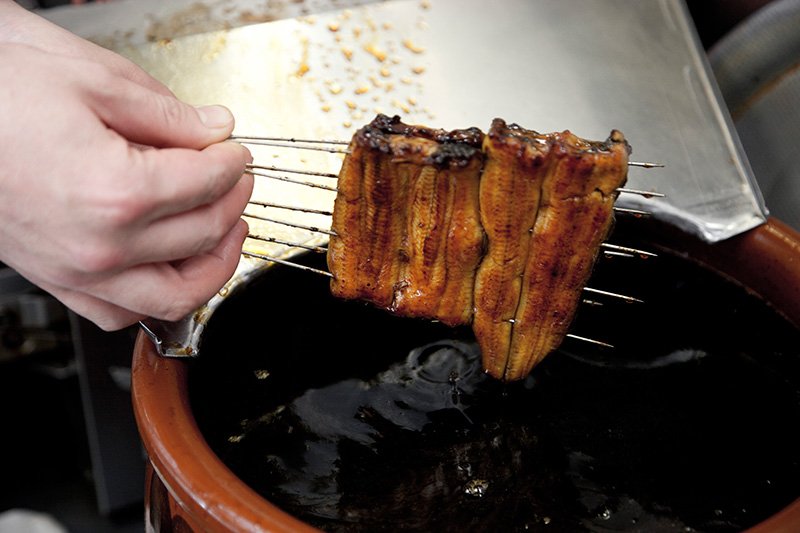
The sauce’s recipe has been honed to perfection over the generations.
-
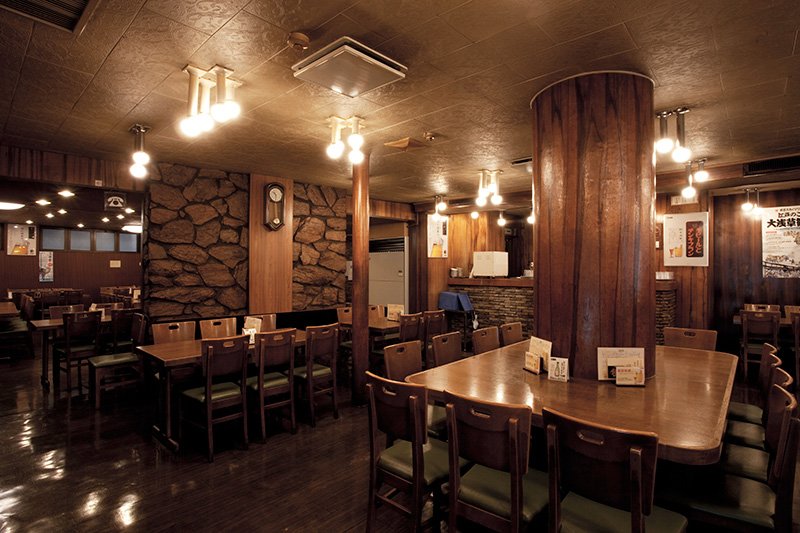
Over 150 seats available in the bar
-
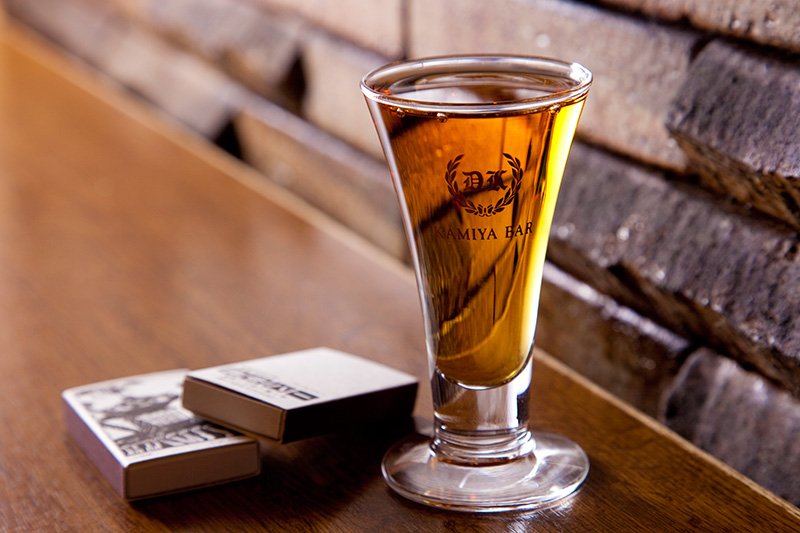
The famous amber colored cocktail, Denki Bran (¥260); you can also try a Denki Bran Old (¥360).
-
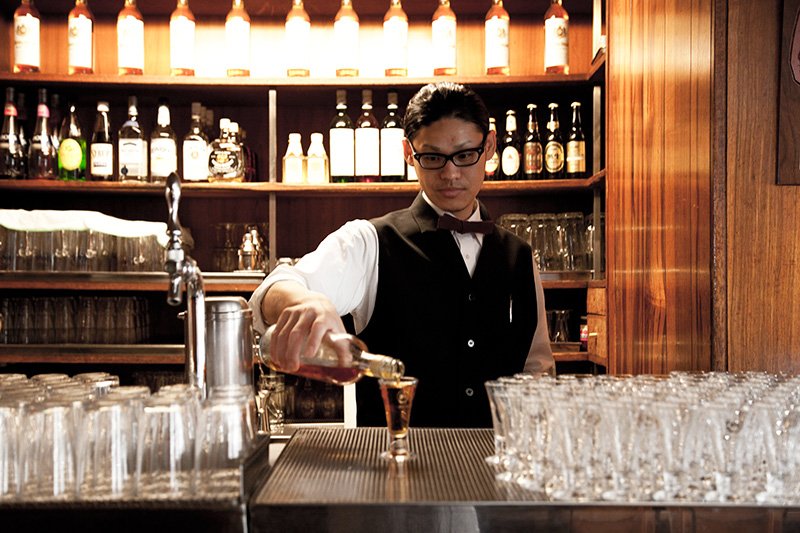
The bar has a retro feel.
-
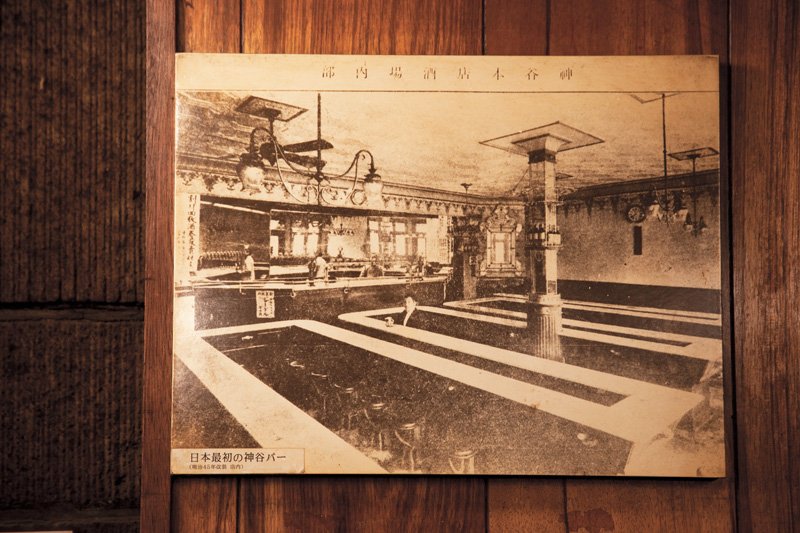
In the Meiji era, customers sat at long counters to drink.
-
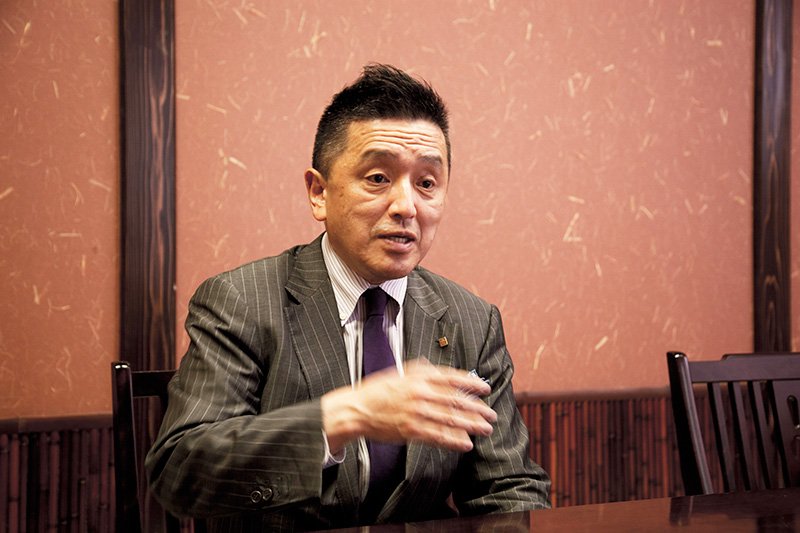
The fifth-generation owner of the restaurant, Takaoka Shūichi, says his grandfather came up with the idea for the beef “tsukudani” sold as a take-away gift at the restaurant.
-
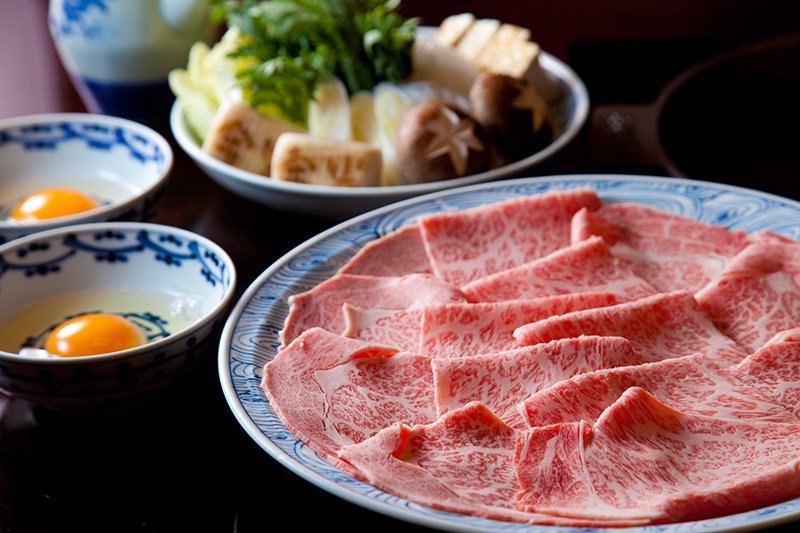
“Gokujō shimofuri sukiyaki gozen” served for two (¥10,500 per person), which literally means “a feast of the finest marbled beef sukiyaki.”
-
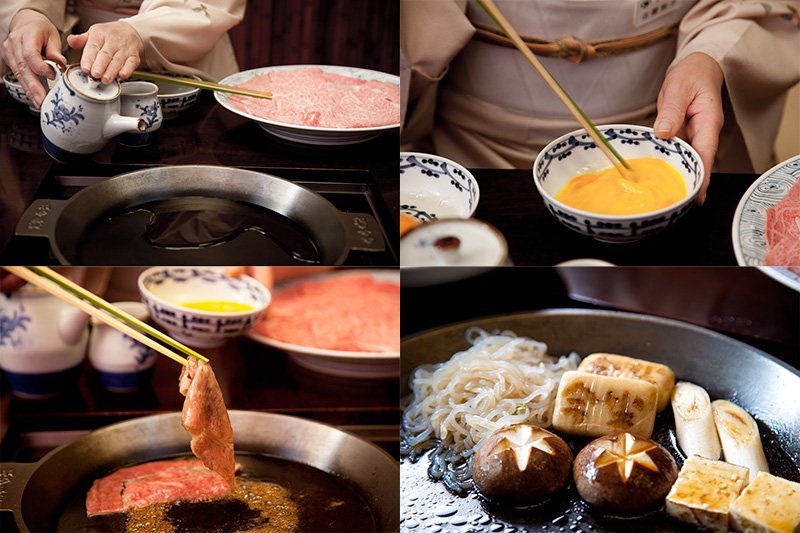
1. Pour a small amount of “warishita” (a mixture of soy sauce, “mirin,” and sugar) into the heated “nanbu tekki” iron pot (enough to cover half of the pan’s surface). 2. Before the “warishita” boils, gently beat an egg with chopsticks, being careful to avoid forming bubbles. 3. Place two slices of beef on areas of the pot not covered by the “warishita”; once the beef is slightly cooked stir the “warishita” around the pan to mix it with the meat. 4. Once the flavor and juices from the meat have dissolved into the “warishita,” add vegetables and tōfu to the mix.
-
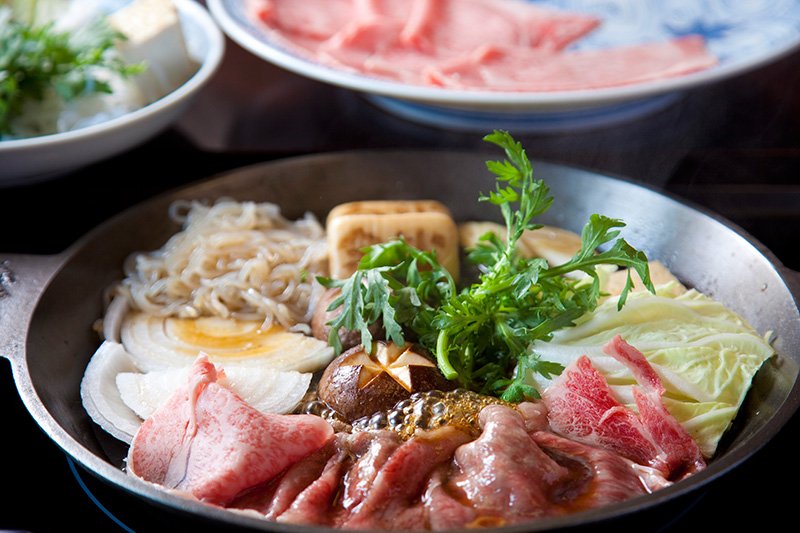
More beef can be added as the mixture simmers in the pot, but it should not be overcooked, with a small amount of pink remaining.
-
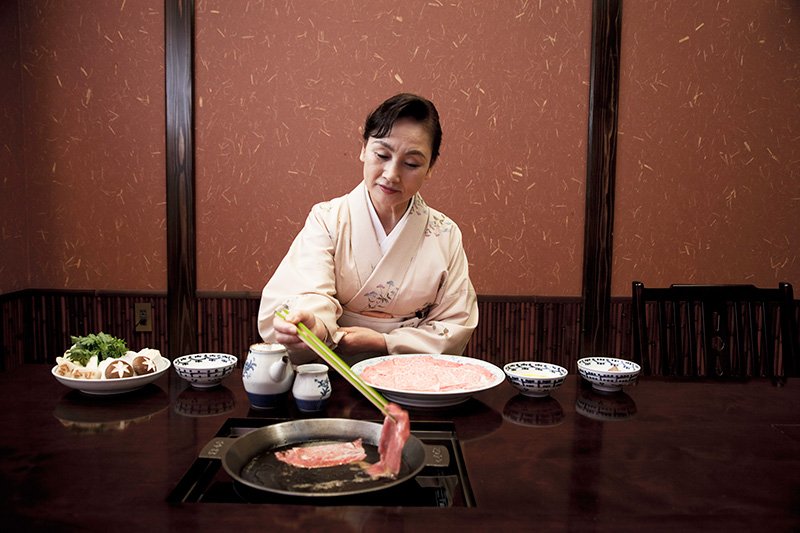
The waitress makes sure that each piece of beef is cooked to perfection.
-
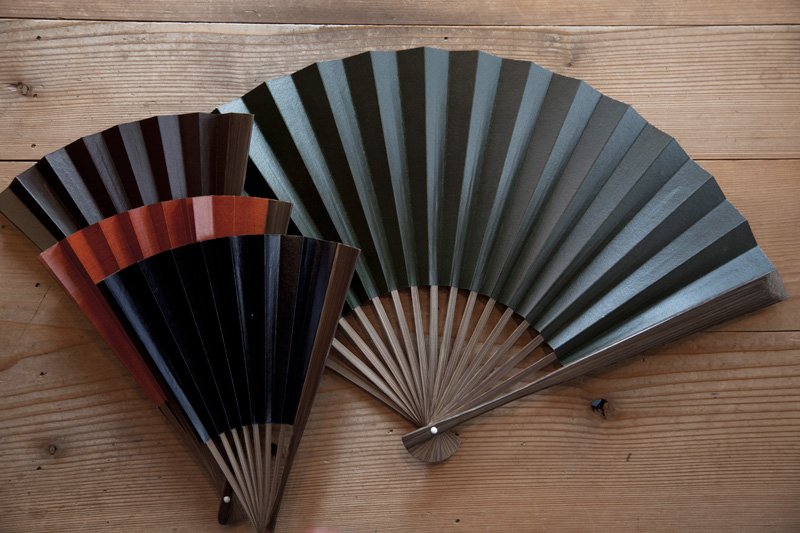
The “shibusen” style fan, whose color results from repeatedly dying using persimmon juice. Samurai once used this type of fan. The small fan (for women) is priced at ¥3,040, and the larger version (for men) is ¥3,460.
-
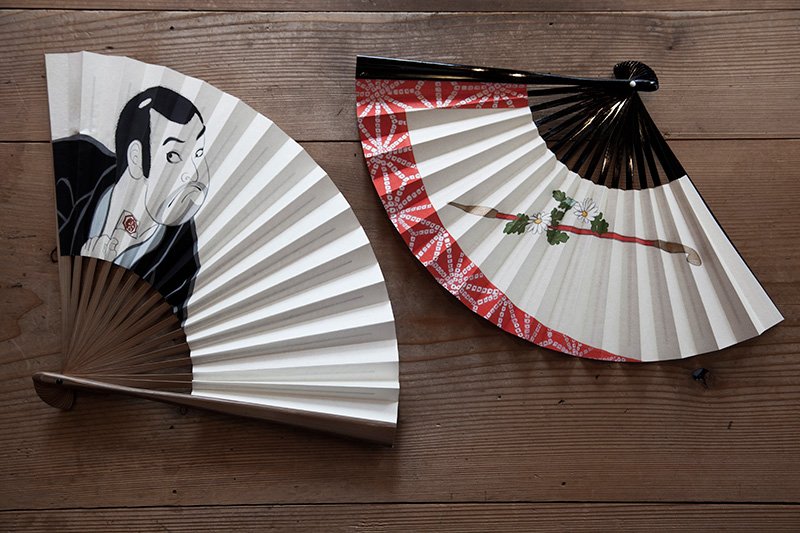
“Mochisen” fans with a kabuki theme.
-
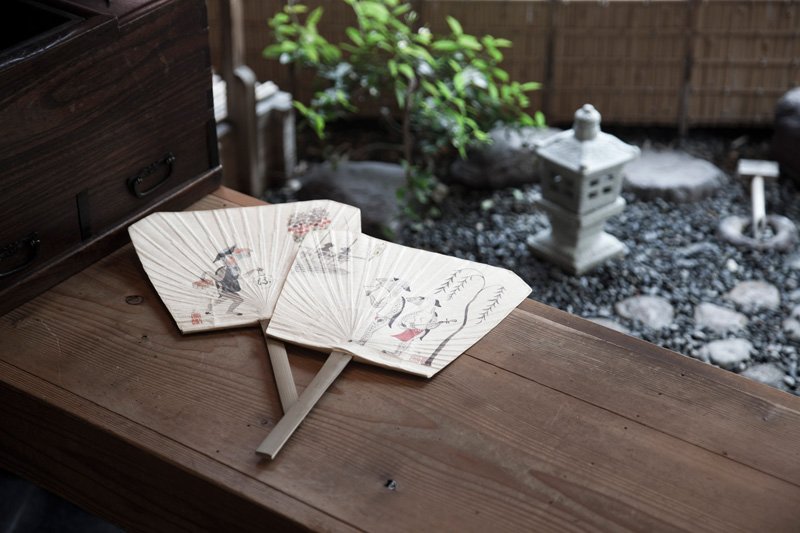
Two fans featuring original designs (¥550 each).
-
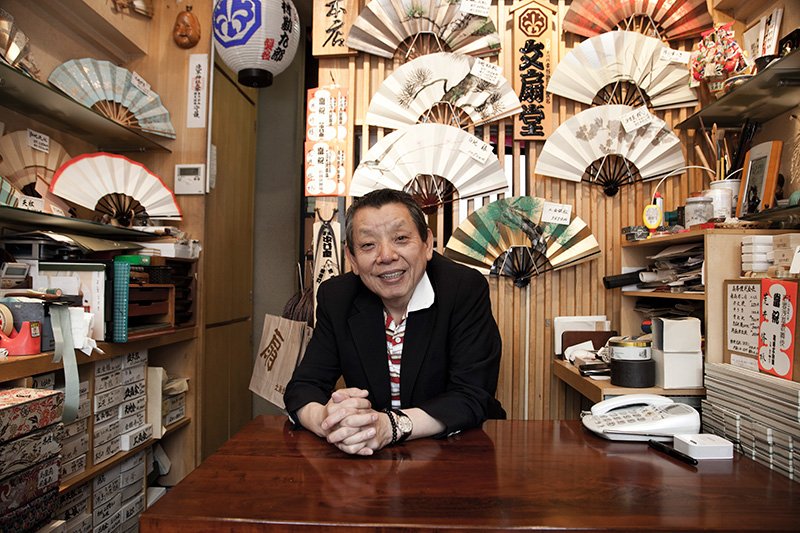
The fourth-generation owner of Arai Bunsendō, Arai Osamu, who is dedicated to creating unique fan designs.
-
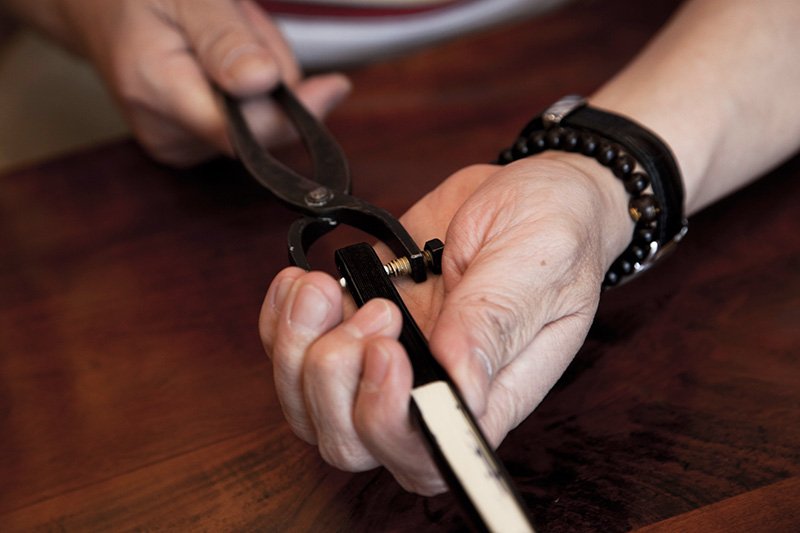
The spine of the fan is fixed at the bottom.
-
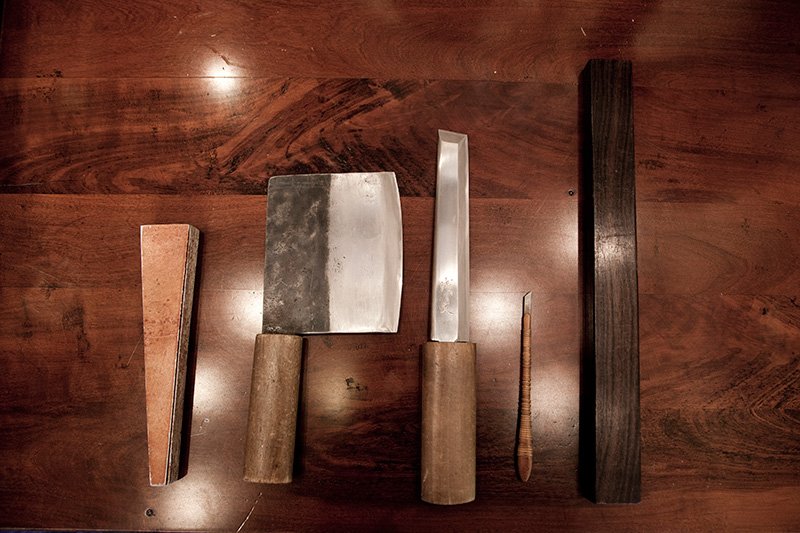
Fan-making tools.
-
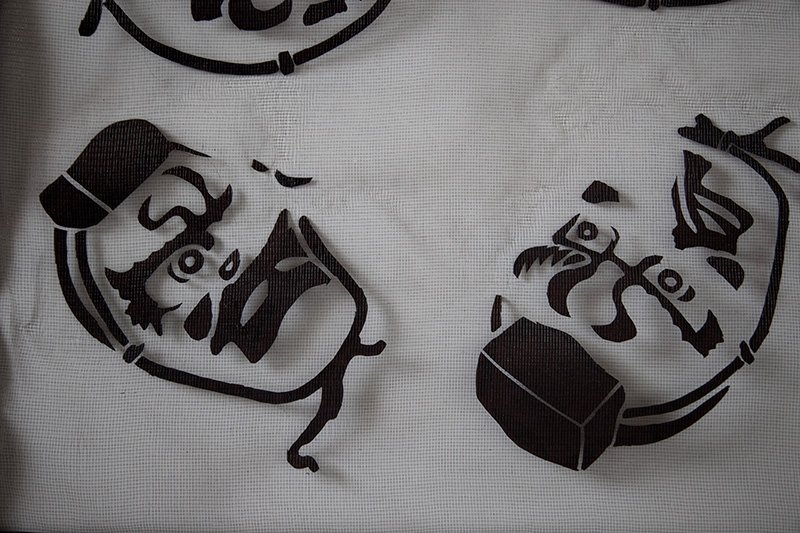
Handmade paper stencils used for dying.
-
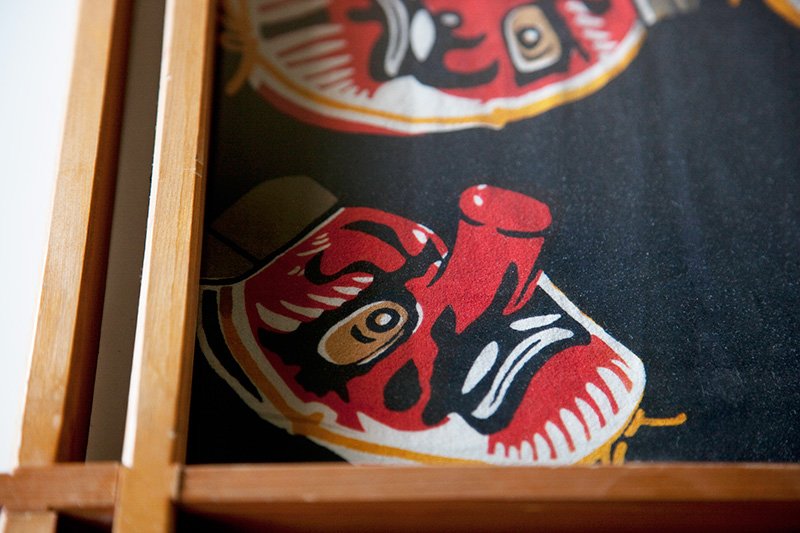
A “tenugui” that has been dyed using the stencils.
-
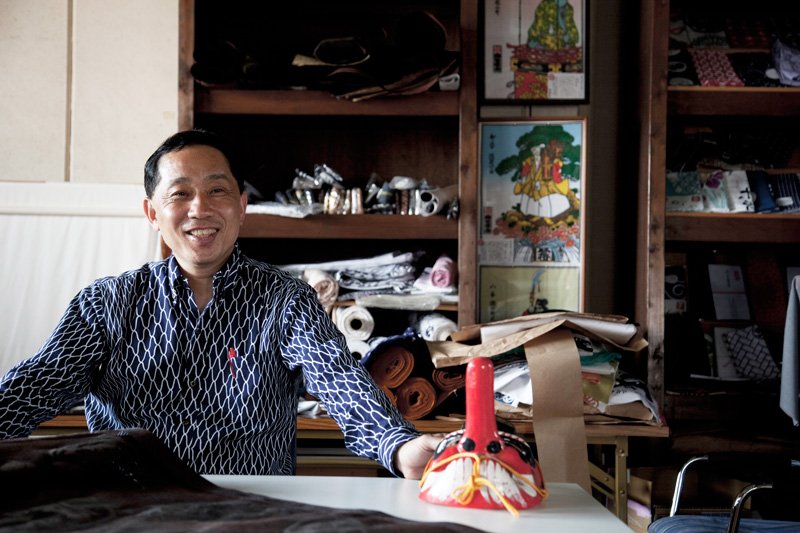
The fourth-generation owner of Tokyo Wazarashi, Takizawa Ichirō.
-
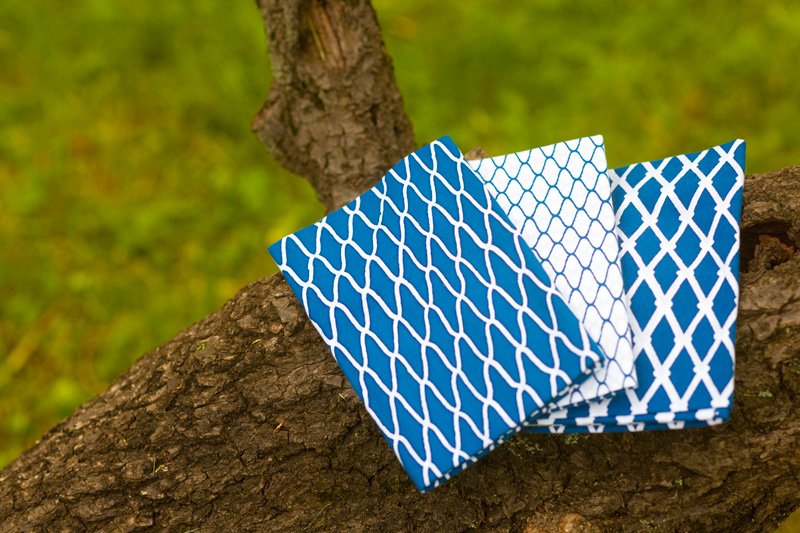
Some hand-dyed “tenugui” that are priced between ¥800 and ¥1,000. Order-made versions cost ¥30,000 for a batch of 100, or ¥50,000 if the order requires dying by hand.
-
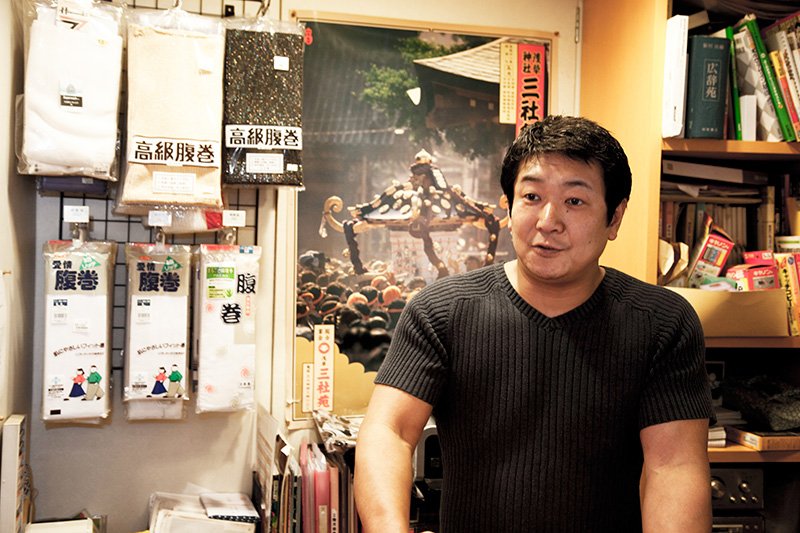
The owner of Hantenya, Kojima Akihiro
-
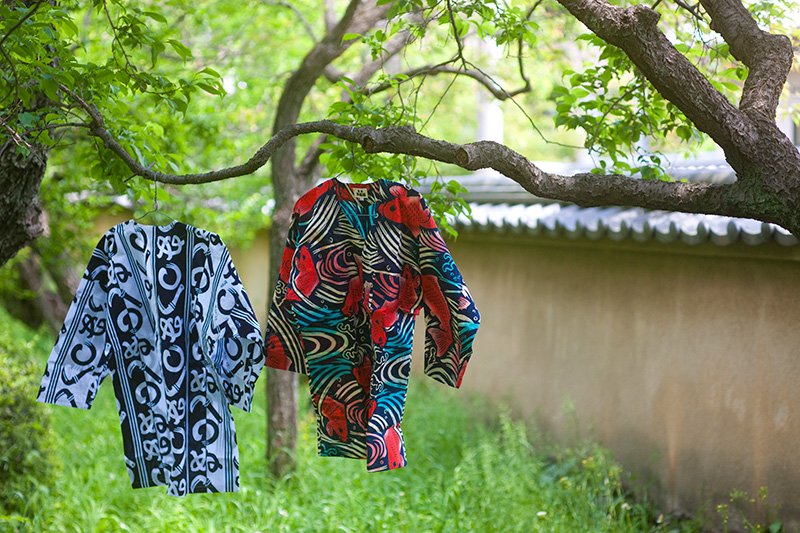
”Koi” carp shirts, priced at around ¥3,980 (hand-dyed shirts from ¥4,900).
-
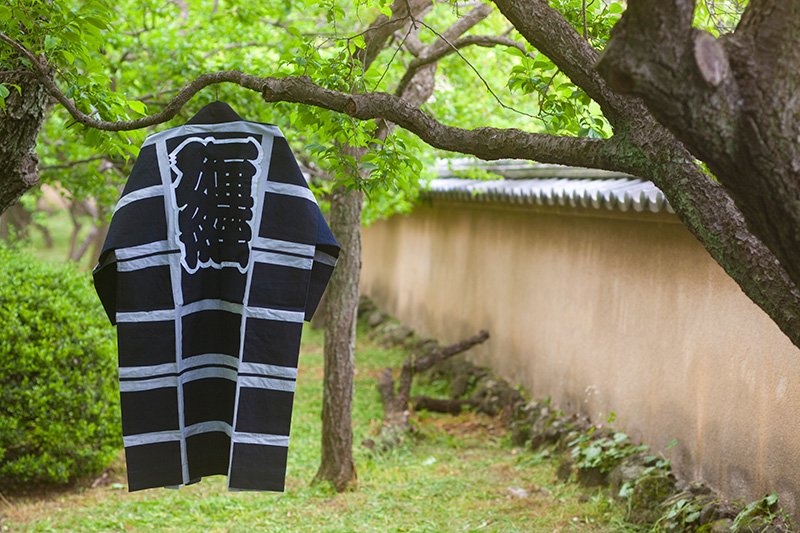
A winter “hanten” of the sort often worn by common people in the Edo period. The regular type costs ¥2,500 (hand-dyed versions in a plain and a patterned style are priced, respectively, from ¥20,000 and from ¥28,000).
-
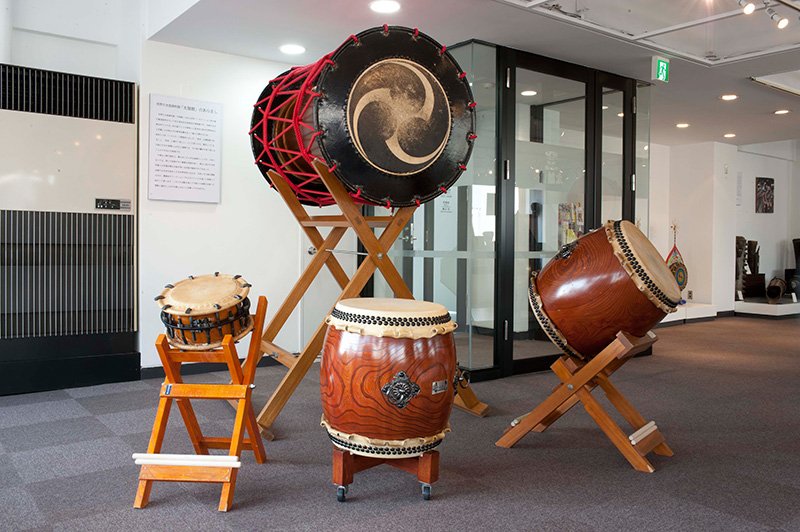
-
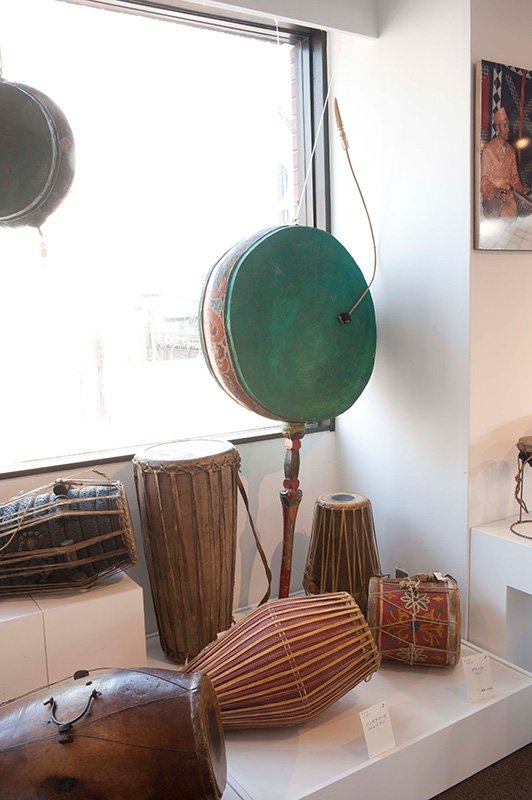
India has over 250 different kinds of percussion instruments.
-
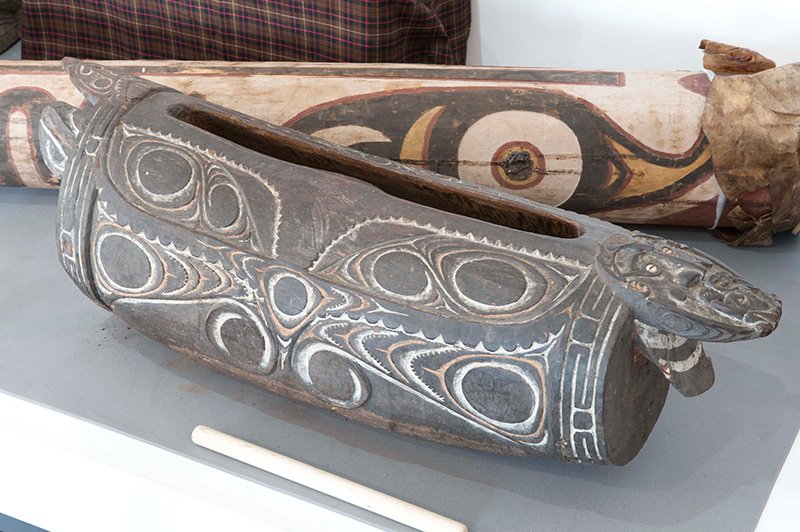
A “garamut” from Papua New Guinea, used as a tool for communication; by striking the drum in a particular way, different meanings can be conveyed.
-
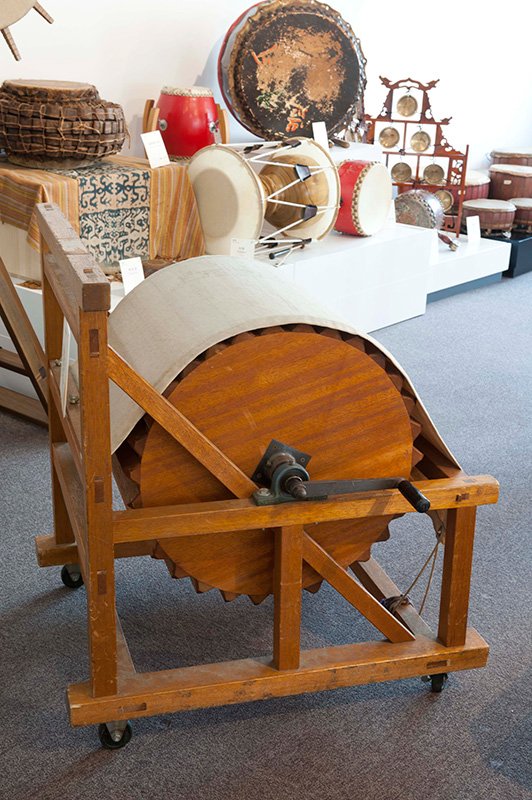
A “kaze-no-oto” from Japan. If you rotate the lever in front clockwise, the instrument produces the sound of the wind. Simulating the sounds of nature is a common characteristic of instruments from Japan.
-
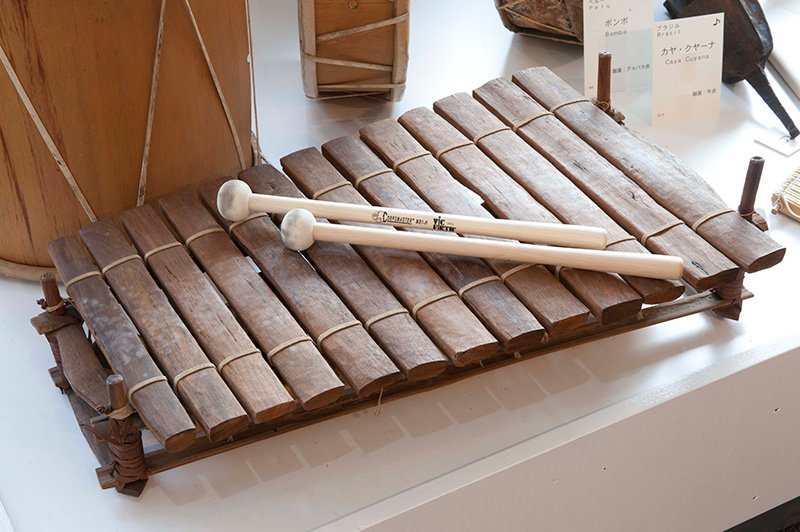
A “balafon” from Africa, which sounds much like a xylophone. Underneath the wooden keys are resonators made from the calabash fruit.
-
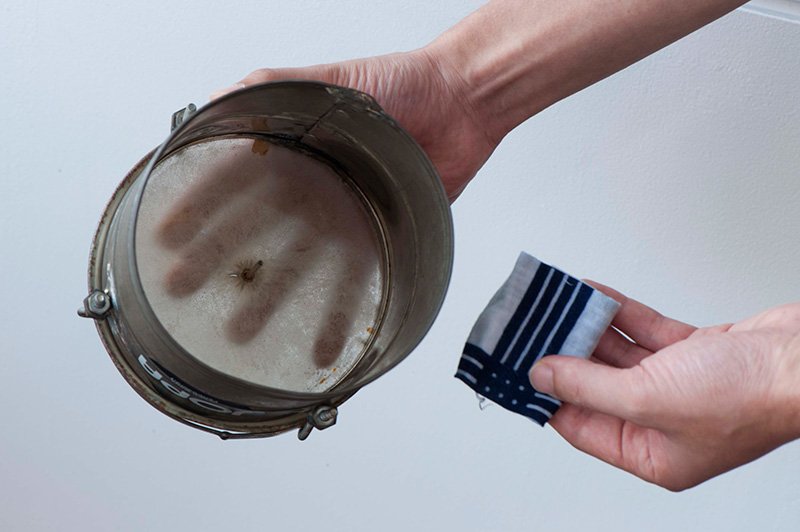
A “cuíca” from Brazil. A sound is produced by rubbing a wet cloth across the surface on the rear of the instrument.
-
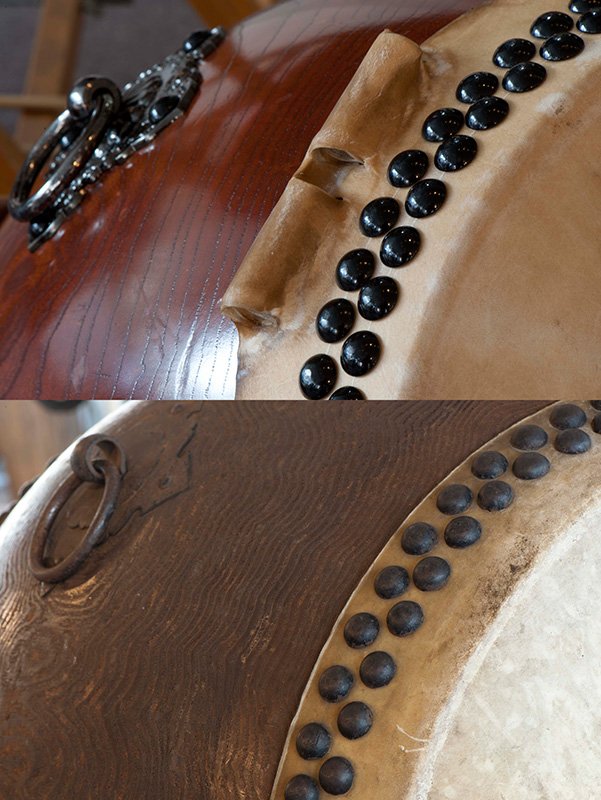
A “nagadō daiko” from Japan. Depending on whether the drum is for ceremonial purposes or for musical performances, the leather part is affixed differently. In the version used for musical performances (pictured above), the leather is rebound when it gets loose, so there is a spare amount behind the bindings used to pull the leather back and increase the tension. The leather on the version used for religious ceremonies (pictured below) is never rebound and the appearance is more important. Therefore, the leather is cleanly cut off behind the bindings, with no amount to spare.
-
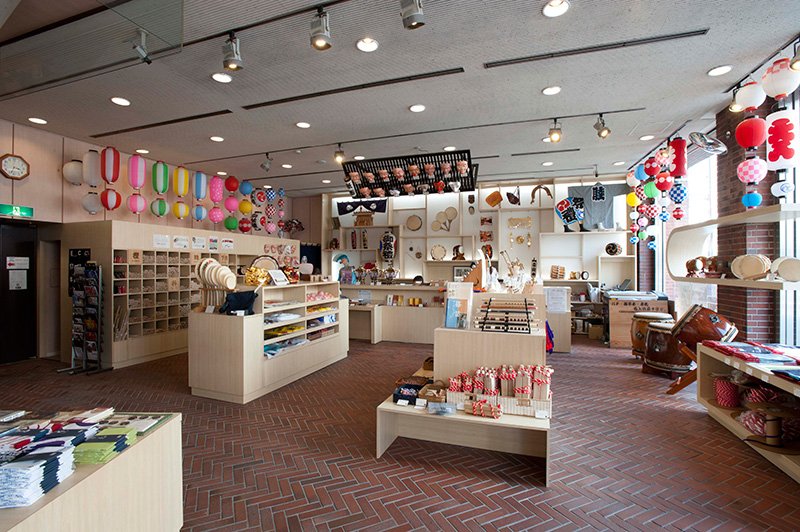
The ground floor of the Nishi Asakusa Store, which sells lots of festival-related goods.
-
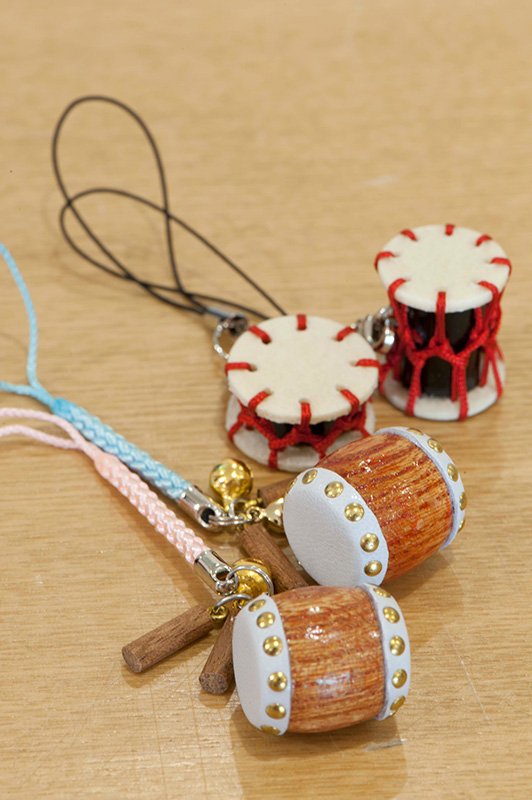
A genuine leather strap to attach to your cell phone, keys, or bag; the one in front is the “nagadō daiko” and costs ¥1,785 and the strap behind it costs ¥1,260.
-
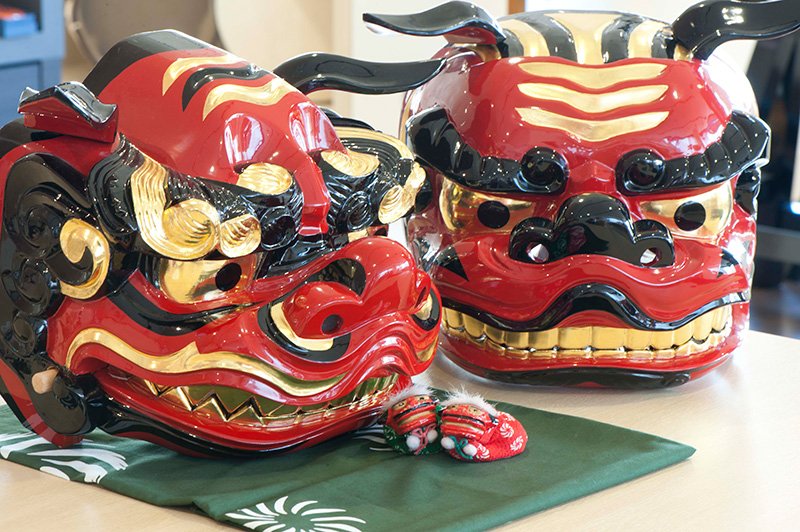
“Shishimai” (Lion Dance), a type of “satokagura” (Shinto based ritual). Pictured on the right is the male creature “Uzu,” and on the left the female “Gonkurō”; in the foreground are some bean bags for juggling (¥630).


 Read in other languages