-

This gyotaku is entitled Kinshibori no funa (Crucian Carp from the Kinshibori Canal). It has been dated to 1839, making it the oldest know gyotaku in Japan. (Courtesy Tsuruoka City Museum of Local History)
-
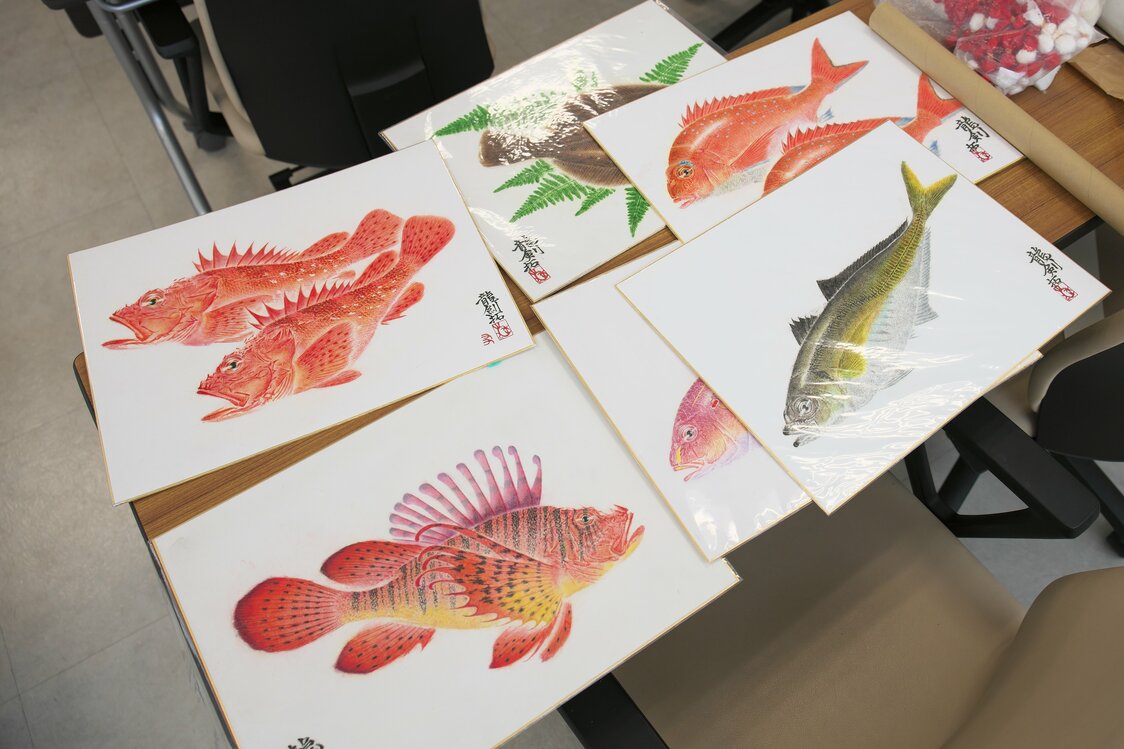
Artistic gyotaku by members of the Tatsu no Ko Kai. (© Nomura Kazuyuki)
-
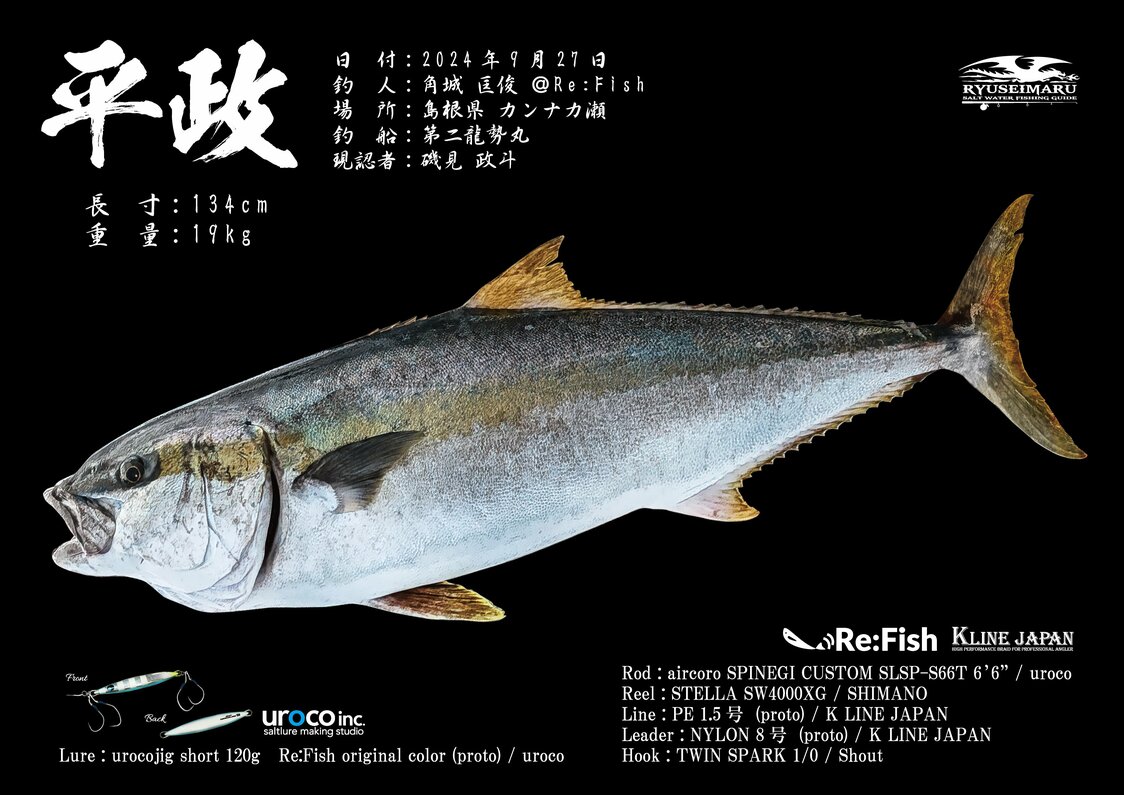
A digital gyotaku that records an image of the fish along with its length, the day it was caught, the tackle used, and other data. (Courtesy Re:Fish)
-

Nippon.com staff member Marwa Adly learning the techniques of art gyotaku from Saitō Tatsumi of the Tatsu no Ko Kai. (© Nomura Kazuyuki)
-
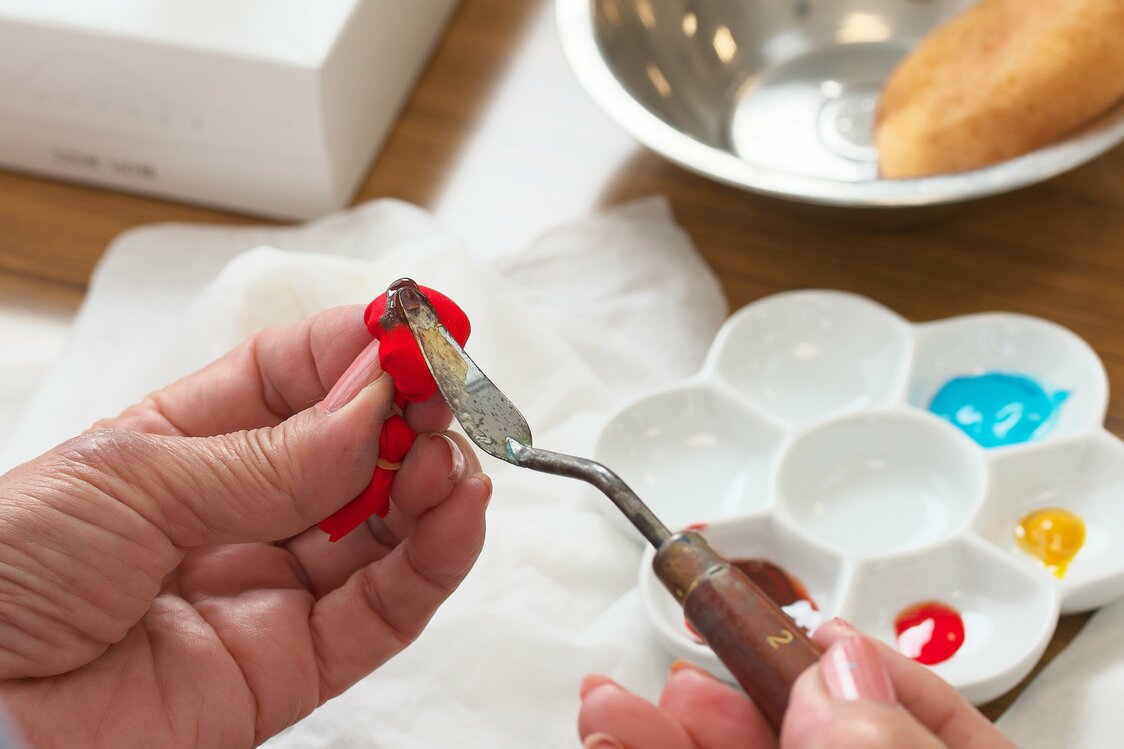
A wad of silk-wrapped cotton, or tanpo, is loaded with paint and then tapped on the paper to transfer the color. (© Nomura Kazuyuki)
-
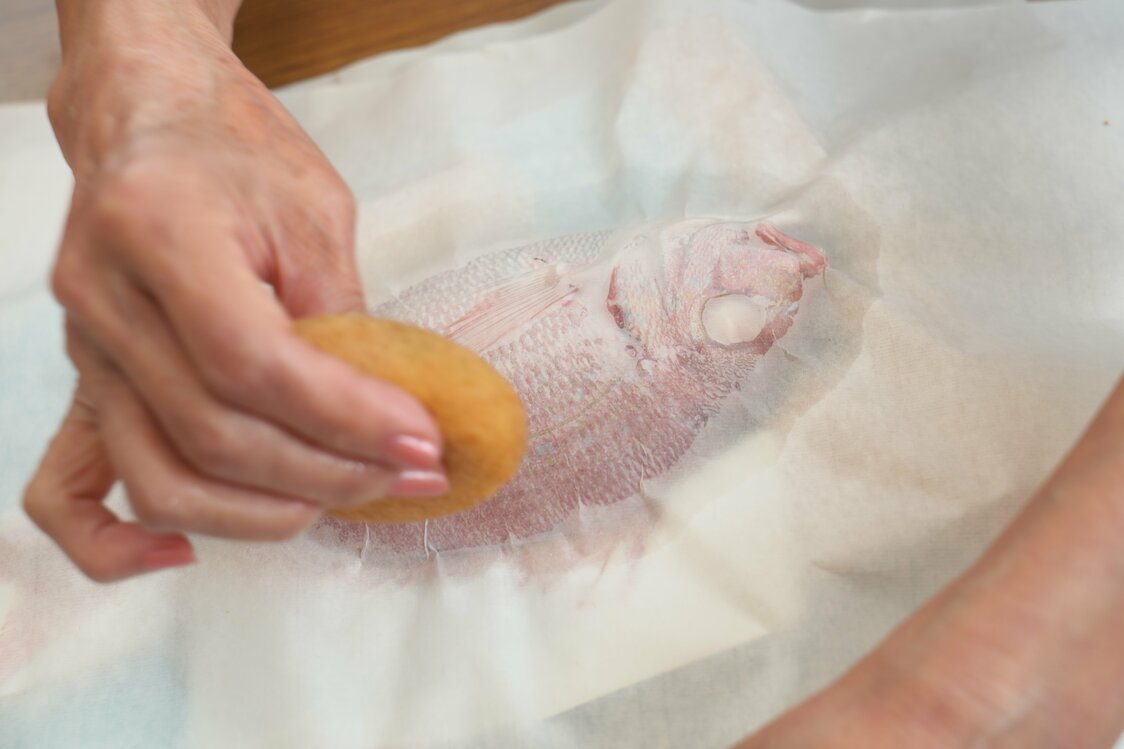
The washi is pressed closely to the fish and excess moisture wiped away. (© Nomura Kazuyuki)
-

Layering blue, yellow, gray, red, and reddish-brown paints brings out the fish’s shape. (© Nomura Kazuyuki)
-

Progress requires a careful observation of the details. (© Nomura Kazuyuki)
-
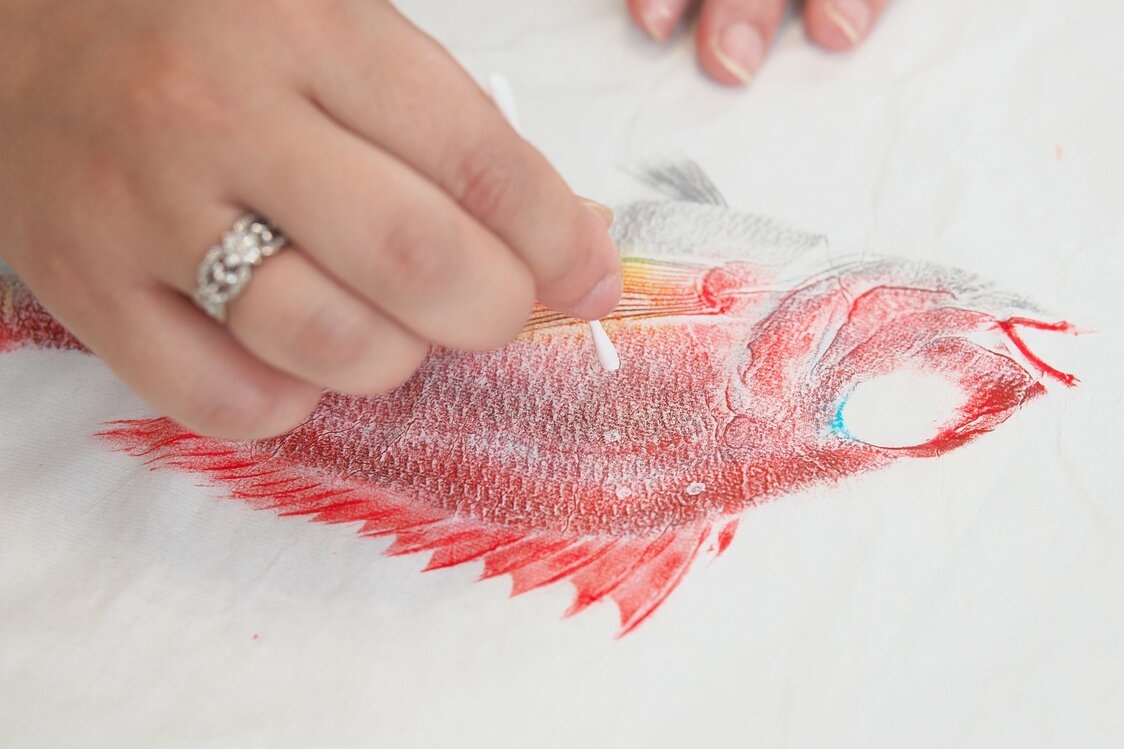
Dots of gofun, a white pigment made from ground seashell, are used to create a lifelike sparkle. (© Nomura Kazuyuki)
-
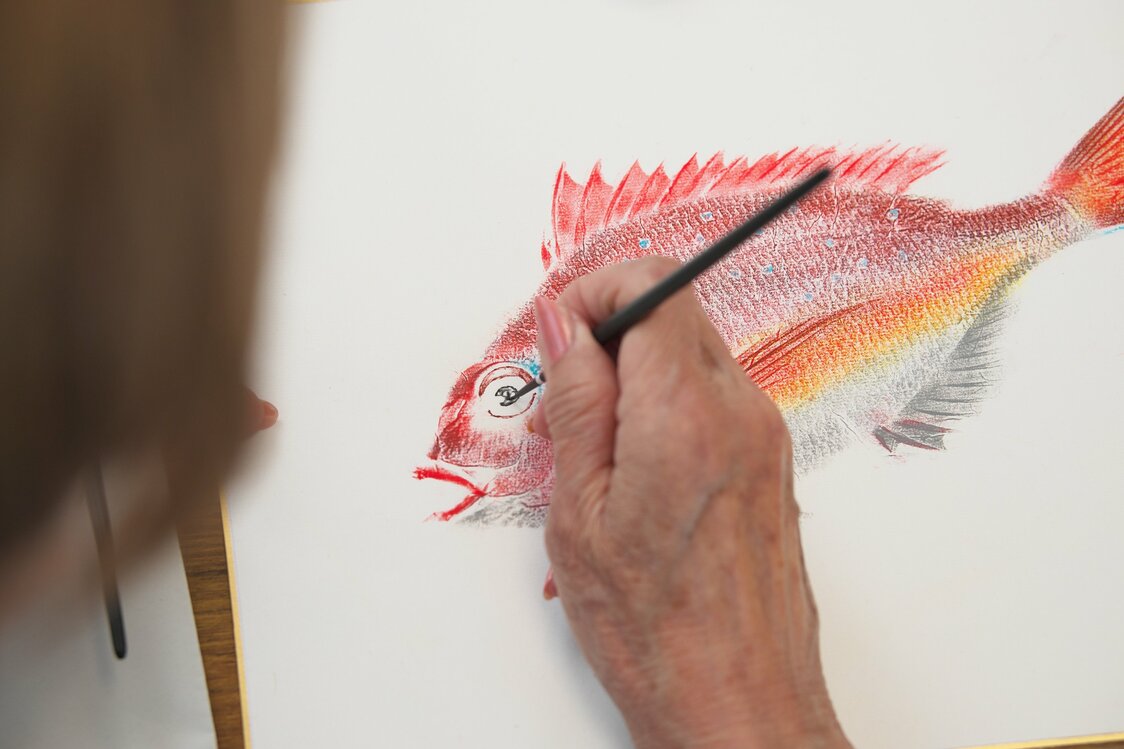
The eyes are drawn with a brush at the very end. (© Nomura Kazuyuki)
-
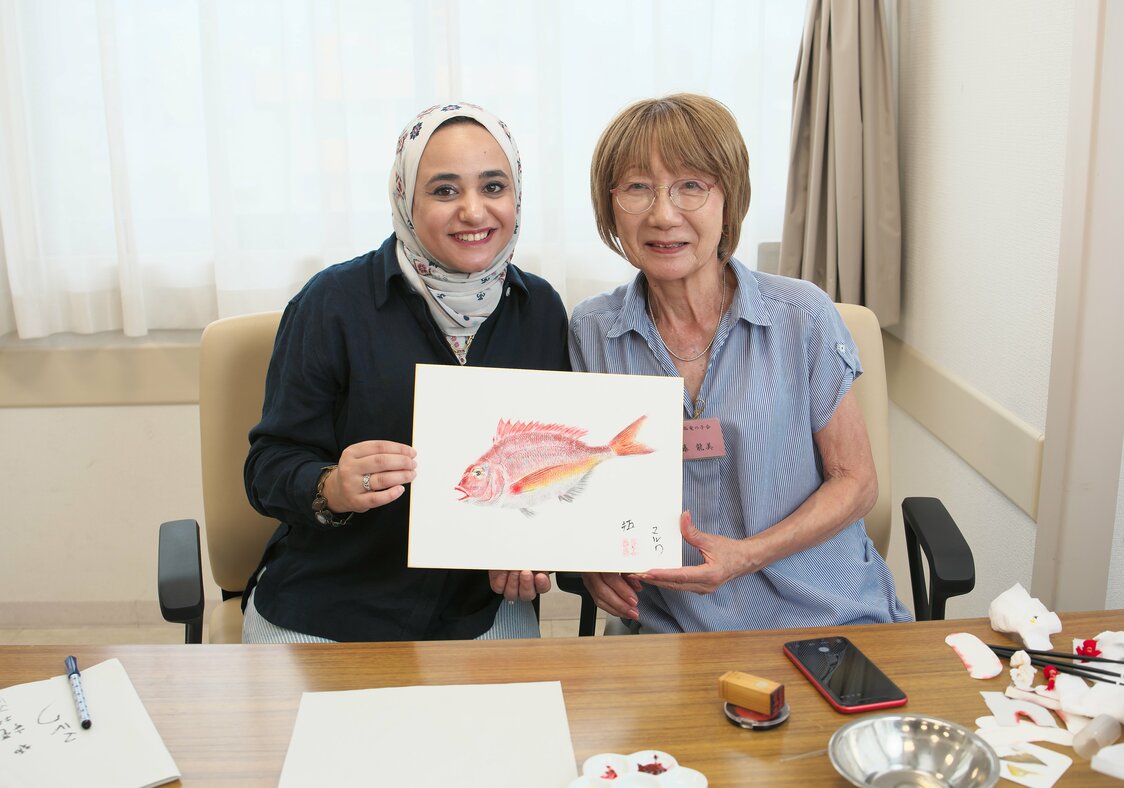
Teacher and pupil pose with the completed piece (© Nomura Kazuyuki)


 Read in other languages