Contemporary Culture Going Global
Four Decades of Video Game Music: The Lasting Impact of Taitō’s Zuntata Team
Entertainment Music
Ogura Hisayoshi
Born in Fukuoka in 1959. Graduated from Nihon University with a degree in philosophy. After working in publishing, joined Taitō Corporation in 1983 and later became a member of Zuntata, remaining with the company until 2007. Since then, has worked independently as a composer and arranger under the name Ogura Hisayoshi Onga Seisakushow. Best known for the soundtracks to The Legend of Kage (1985), the Darius series (since 1986), Arkanoid II (1987), and The Ninja Warriors (1987).

Ishikawa Katsuhisa
Born in Yamagata in 1969. Graduated from the Sound Creative Department at Japan Electronics College. Joined Taitō Corporation in 1990 and became a member of Zuntata, where he currently serves as its fifth leader. Made his debut as a sound effects designer on Metal Black (1991). Since then, has worked on sound effects and sound direction for numerous titles, including titles in the Darius series, Dariusburst, the Psychic Force series (since 1996), and Densha de Go! (2017).
- English
- 日本語
- 简体字
- 繁體字
- Français
- Español
- العربية
- Русский
The Songs that Make the Games Memorable
Zuntata is a legendary team of sound creators that has shaped the history of video game music since the dawn of the home console era and remains as active today as ever. Taitō’s sound development division was established in the early 1980s and officially adopted the name Zuntata in 1987. The group has created music across a wide range of genres, from the iconic shooter Darius to the block-breaking classic Arkanoid II, and countless other games.
What has sustained Zuntata over the decades is undoubtedly its talented and highly individual sound creators, each driven by a unique creative vision and a deep passion for crafting music. Without that passion, the unforgettable melodies that have become part of video game history could never have been created.
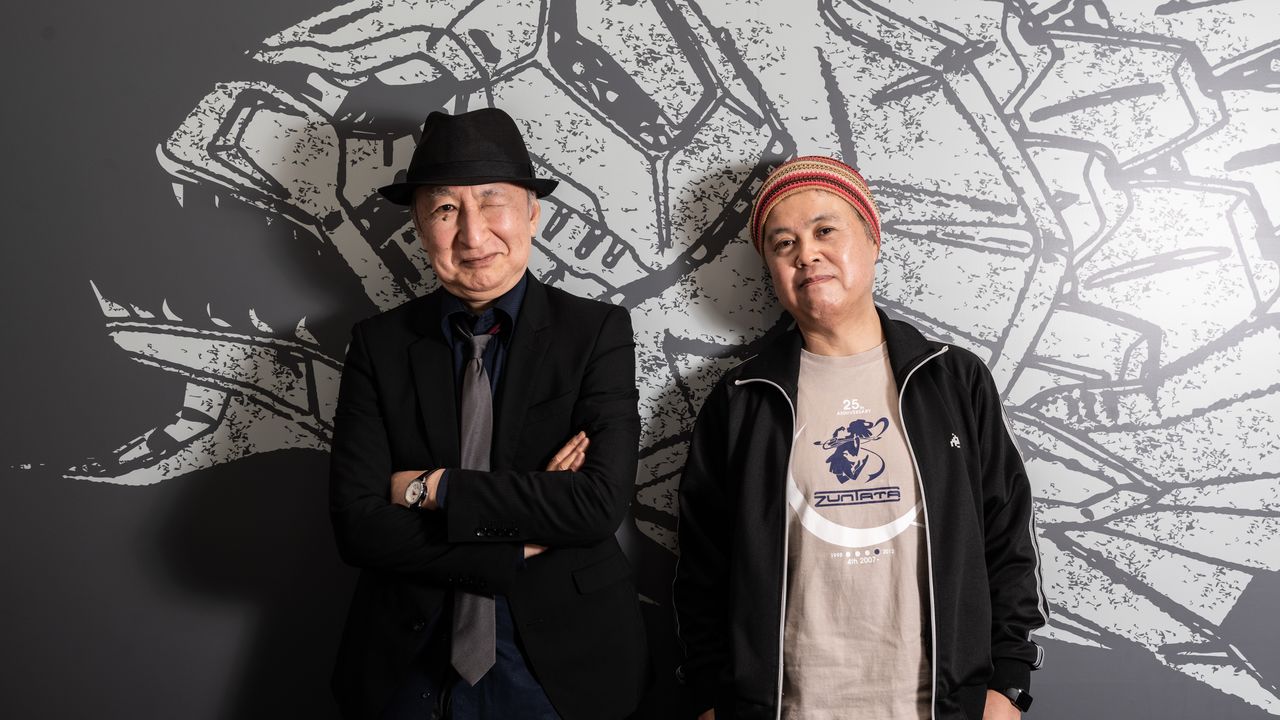
Speaking at Taitō’s headquarters in Shinjuku, Tokyo, Ogura Hisayoshi and Ishikawa Katsuhisa reflect on Zuntata’s history. Ogura was one of the group’s earliest members and, indeed, the person who coined its name, while Ishikawa is the team’s fifth and current leader.
The two worked together at Zuntata for about 17 years, until Ogura left Taitō in 2007. Separated in age by a decade, their paths into the company’s sound department reflect how the world of video game music evolved over the years.
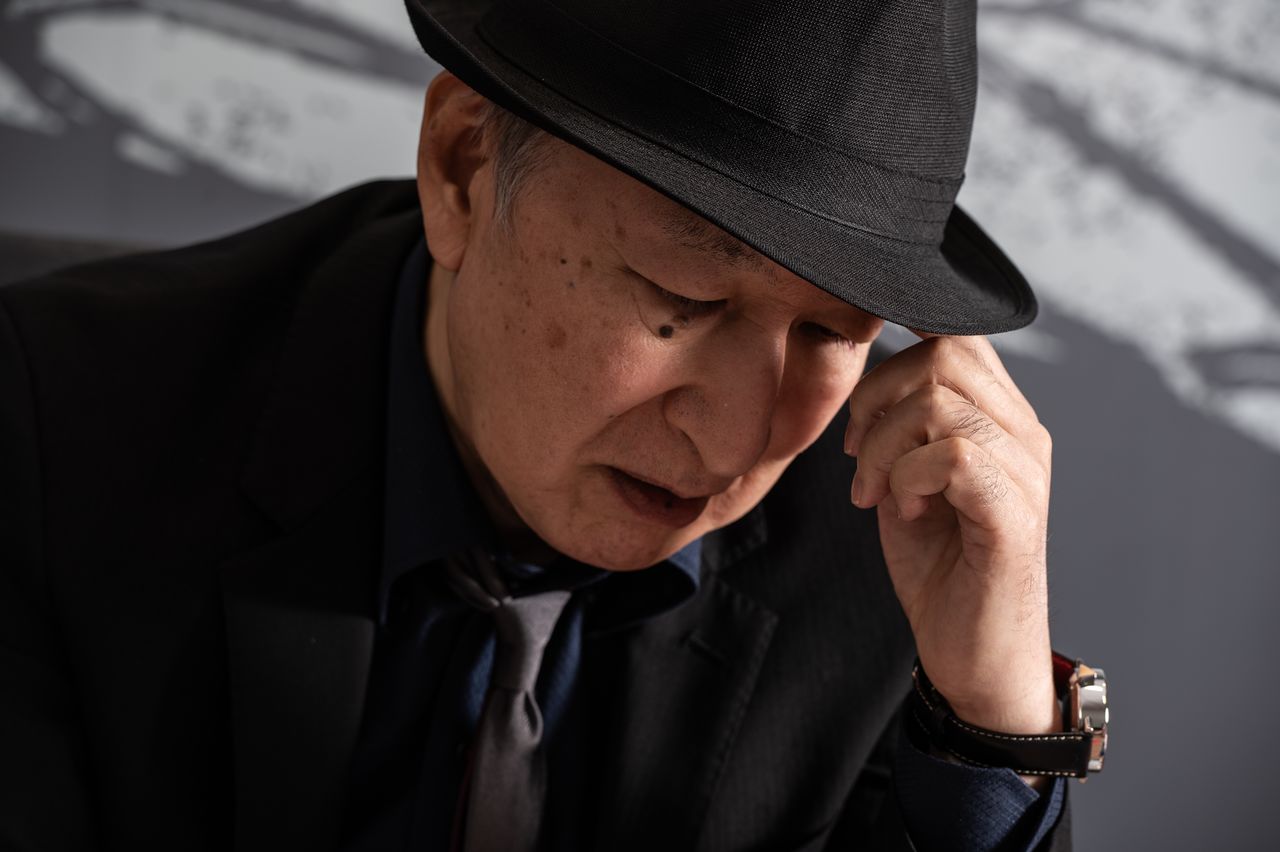
Ogura Hisayoshi did not join Taitō straight out of college, he recalls. “After graduation, I joined a publishing company that produced educational materials for children. I applied for the post there after seeing a job listing for ‘planning and developing educational materials using sound and light,’ but it turned out to be a door-to-door encyclopedia sales job.”
(© Kodera Kei)
Needless to say, this was not the music-oriented career he had been hoping for.
“I loved artists like Inoue Yōsui and Tsutsumi Kyōhei, and although I was self-taught, I wanted to become a composer,” Ogura recalls. “I hardly played video games, but I was amazed by the sense of depth in Namco’s 1983 hit Xevious. It made me realize the industry’s potential, so I decided to change careers. As it happened, Taitō was hiring for a sales position. On my résumé, I wrote that I hoped to work in audio. The interviewer noticed that, and almost immediately took me by car to the Central Research Lab, the company’s main facility where game development was done.”
“The Lab is a memorable place for me, too,” laughs Ishikawa Katsuhisa. “At first, I imagined a glamorous studio filled with rows of synthesizers, but when I got there, it was just this plain, unremarkable building. My honest first thought was, ‘This place is kind of run-down.’ There were circuit boards stacked on shelves made out of cardboard boxes, everyone was quietly working away in coveralls, and it felt more like a warehouse than a music studio.”
A Chance Meeting Between Two Unconventional Talents
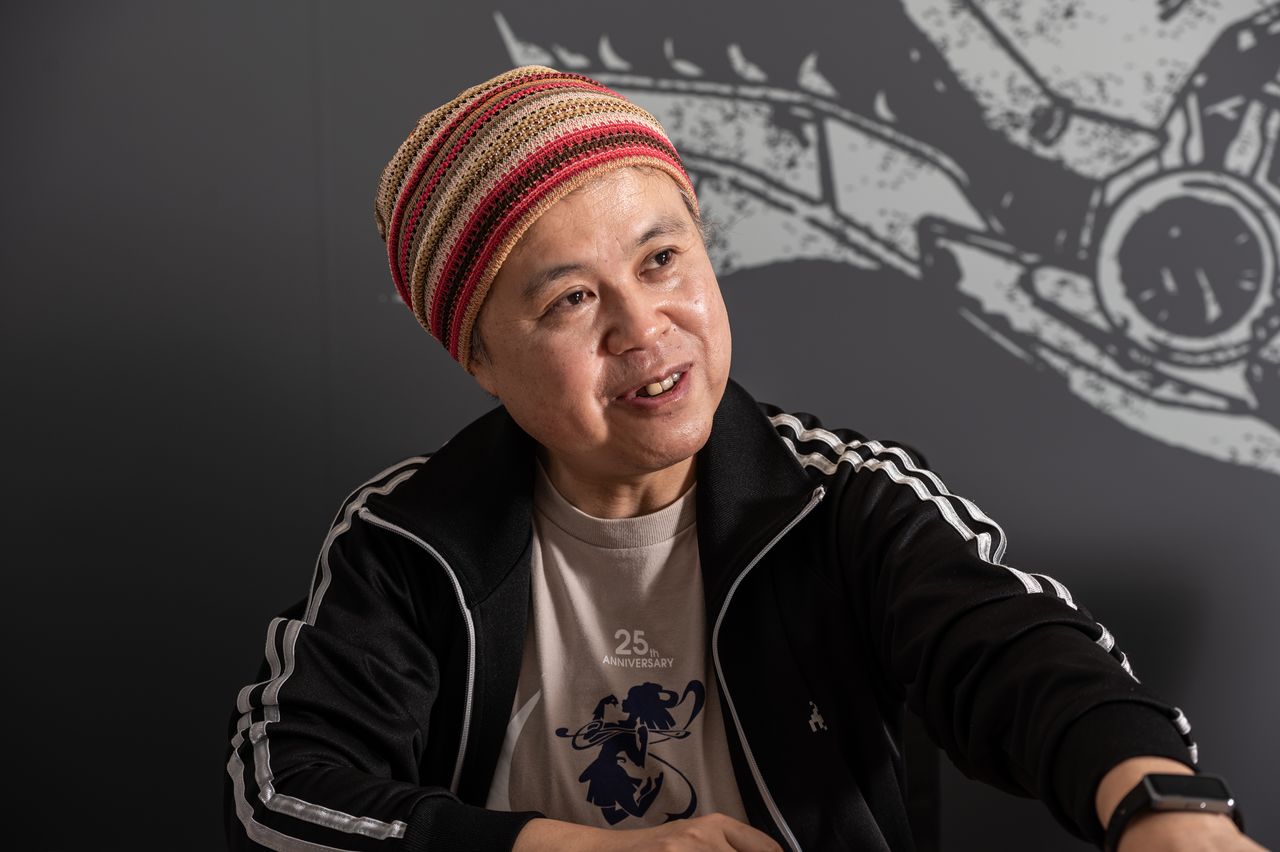
Ishikawa joined Taitō seven years after Ogura, but surprisingly, given his audio background, he was hired as a planner.
“I was a big fan of Sega’s music. That was what drew me to the video game industry. I’d gone to school for audio engineering and wanted to work in sound, but I didn’t think my skills were good enough to get in as a composer. So, I applied for a planning position instead.”
(© Kodera Kei)
Like Ogura, Ishikawa spent his first stint in the working world in sales-related training. While gaining experience in less glamorous assignments, though, his determination to work in the audio field only grew stronger. As the two recall how they eventually met, it’s hard not to feel that fate had a hand in bringing them together.
Ishikawa recalls his early days at the gaming firm: “I spent my time transporting arcade machines and collecting 100-yen coins. At the end of the training period, we were given one chance to request a department assignment, so I declared my preference for a sound-related position. A lot of things had to fall into place, but somehow I managed to get in.
“The first time I met Ogura-san was during my transfer interview. I was already a huge fan of video game music, so of course I knew who he was. I even owned his records.”
Ogura remembers that he already knew about Ishikawa before the interview. “When he was still a student, he arranged the music from Darius, performed it on a synthesizer, recorded it on cassette, and mailed it to our research lab. I loved it so much that I listened to it every night before going to bed.”
“Really?” gasps Ishikawa at this. “This is the first time I’ve ever heard about that!”
“It was incredibly relaxing to fall asleep to,” laughs Ogura. “I remember that Ishikawa had even been featured in a magazine devoted to arcade games. Then, one day, the very same guy walks in for an interview!”
The Weight of the Name “Zuntata”
Taitō’s sound department officially began using the name Zuntata three years before Ishikawa joined the company. The catalyst was the release of the soundtrack for the arcade game Darius.
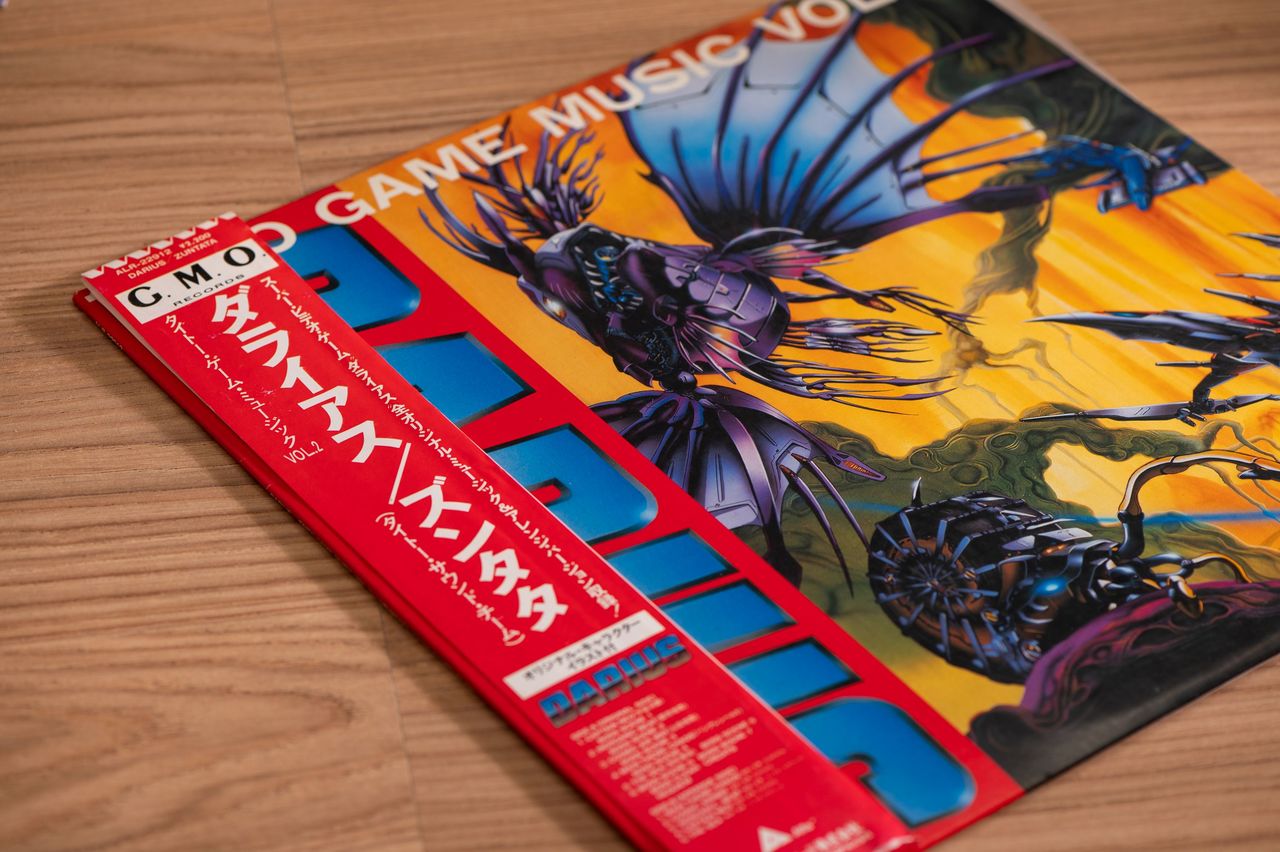
The vinyl release of the Darius soudtrack. Zuntata’s history began with this single record. (© Taitō Corporation; © Kodera Kei)
“The producer at the record label we used for album releases of our game music suggested that we should have a group name, like other game companies did,” recalls Ogura.
“I first heard the name Zuntata when I was in high school,” says Ishikawa, “and I thought it was really interesting—with that rhythm it called to mind, the zun-tatta boom-tap-tap beat in Japanese. Sega was also releasing music under the name SST Band, and it felt fresh to see music production teams using names like actual bands. Around that time, Alfa Records’ GMO label, from ‘Game Music Organization,’ presented these tracks as something more than just music for anime or games. It was stylish. For a high school student at that age, when you want to seem a little more grown-up, it really resonated with me. It made you think, ‘This isn’t just background noise for games.’”
Ogura chimes in: “I always believed Zuntata would become more than just the name of an album project. Back then, the sound department wasn’t taken very seriously within the company, and that frustrated me. So I decided we should use the name as part of our branding strategy. We made stickers with the logo and put them up everywhere. Before long, people around the company started thinking that we were doing something interesting, and it changed the way the department was viewed. It also changed the mindset of the team itself.”
Creativity Born from Technical Limitations and Obsession
Our talk turns to earlier days, before Zuntata established itself as Taitō’s sound department. How did these creators compose music in that era?
“After finishing my training,” remembers Ogura, “I didn’t have any time to stop and think for about the first year I was composing. I had roughly two weeks to write the music for each title, then another week or two to convert it into game data. As soon as one project was finished, it was straight on to the next. It was like working on an assembly line.”
The frantic work at that time involved plenty of trial and error, says Ogura. “We didn’t have the convenient tools that exist today. I’d play the melody on a keyboard, write it out as sheet music, convert it into hexadecimal values, and then enter the data by hand.”
Ishikawa notes the technical limitations that plagued their work in those days. “It was a constant battle against memory limitations. The Super Famicom, released as the Super NES in overseas markets, was particularly challenging. But those constraints sometimes led to happy accidents that resulted in remarkable discoveries.”
Ogura agrees: “One day, a programming error accidentally produced a delay/echo effect in the track I was working on. Everyone around me was amazed because it turned out to be such a major breakthrough,” he laughs.

(© Kodera Kei)
The generational gap between the two is reflected in how they approached games themselves. Unlike Ishikawa, who grew up loving video games, Ogura says he had almost no interest in playing them. Perhaps because of that, his approach to composing for games was highly unconventional.
“What I need before I can compose is a concept,” says Ogura. “Before I write a single note on the page, I read. Whenever I was assigned a new game, I’d go to a bookstore and look for books in genres I’d never normally pick up. That’s how I discovered Carl Jung’s The Archetypes and the Collective Unconscious. I’d fill notebooks with my thoughts and gradually develop my own theories.”
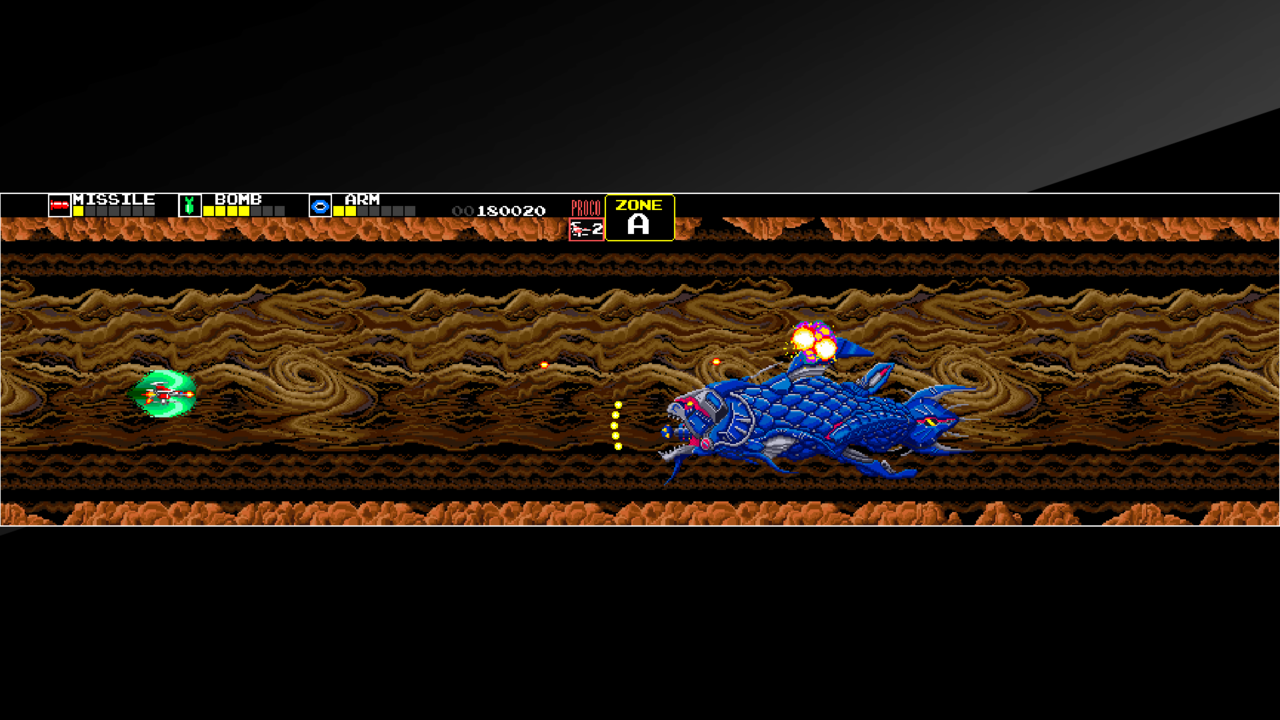
The legendary Darius series lives on through its music and sound effects. (© Taitō Corporation)
How did these ideas found in books turn into actual music? Ogura explains:
“When I was composing for Darius Gaiden, I focused on the player’s state of mind. When a gigantic enemy suddenly appears, can you really stay calm? I thought that fear would begin to distort your perception instead. I built that story in my own mind and reflected it in the music. That train of thought eventually led me to the question, ‘Is what people see really reality?’ From there came the track ‘Visionnerz.’ I spent three months just reading before I even started composing.
“Once I was creating the music, I became completely absorbed in it. Even after I went home, I couldn’t stop thinking about it. My family apparently decided it was best to keep their distance until I was finished,” Ogura recalls with a laugh.
Ishikawa, for his part, says: “The senior composers back then pushed themselves so hard that they’d shut out everything except the music. They were so intensely focused that it was honestly intimidating just to look at them while they worked.”
One hallmark of Ogura’s music is the way it blends human warmth into cold, mechanical worlds. In Darius II, for example, there is a moment when a human voice suddenly emerges. Its origin can be traced back to a passage from the Bible.
“The phrase was ‘children of light,’” Ogura explains. “I was thinking about how to express that through sound when I happened to be filming my one-year-old daughter on video. She had been crawling around when she suddenly said, ‘Papa.’
“The instant I heard it, I thought, ‘I can use that!’ I took the recording, connected the waveform samples, and incorporated it into the main theme of Darius II.”
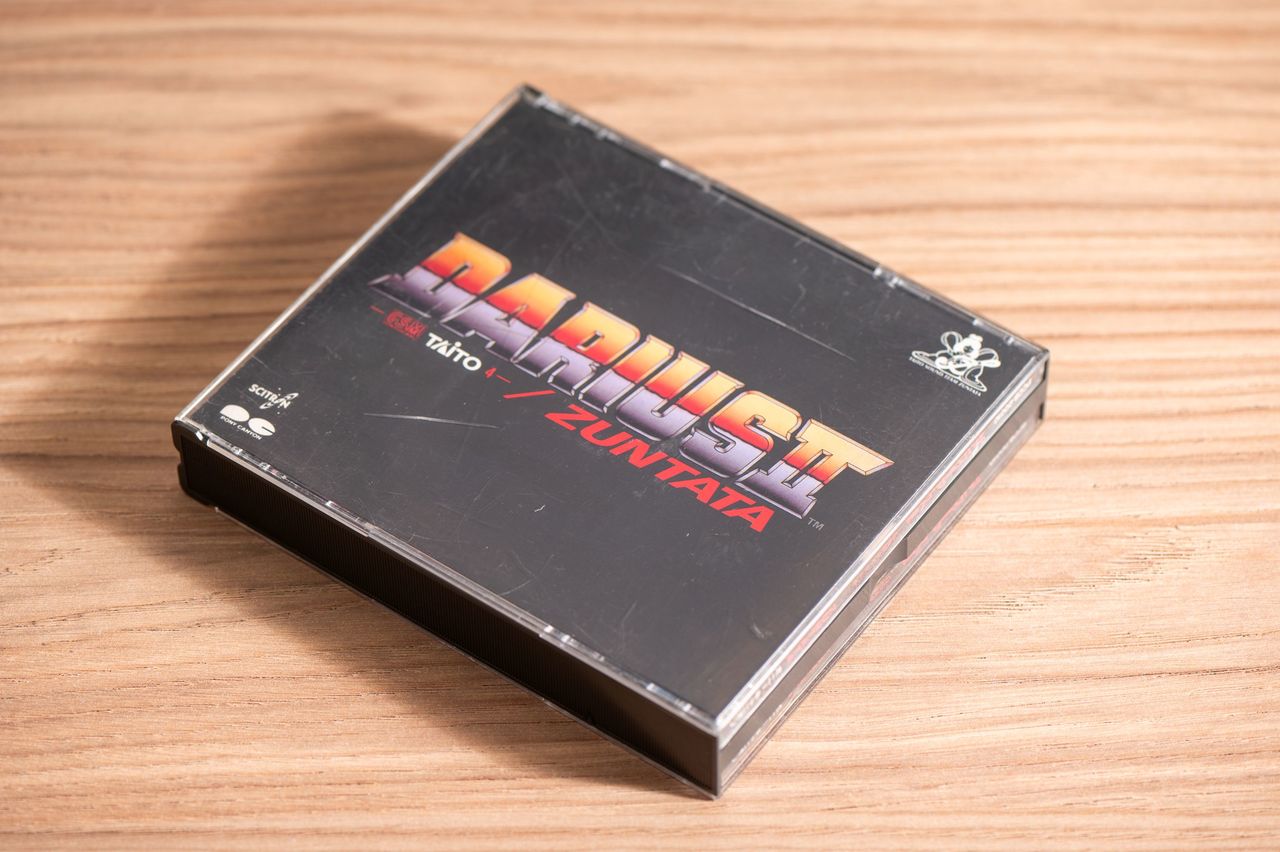
The soundtrack for Darius II, featuring the voice of Ogura’s daughter. (© Taitō Corporation, © Kodera Kei)
Zuntata Is “Not a Band”
The Taitō team eventually branched out into live performances. How did this phase of the activities begin? I ask whether the shows were mainly intended as a way to connect with fans.
“It all started with the Game Music Festival in 1990,” says Ogura. “To be honest, I wasn’t especially enthusiastic about it at first. Back then, it was a large-scale production with all thirteen of our team’s members participating, and our interaction with fans was pretty limited. We’d chat with them briefly while signing autographs, but that was about it.”
Ishikawa, meanwhile, notes: “By my time, our shows had become much smaller, so we were able to connect with fans more directly. But there’s one thing I’d really like to emphasize: Zuntata is not a band. Stage performances are simply one part of our efforts to introduce people to video game music.”
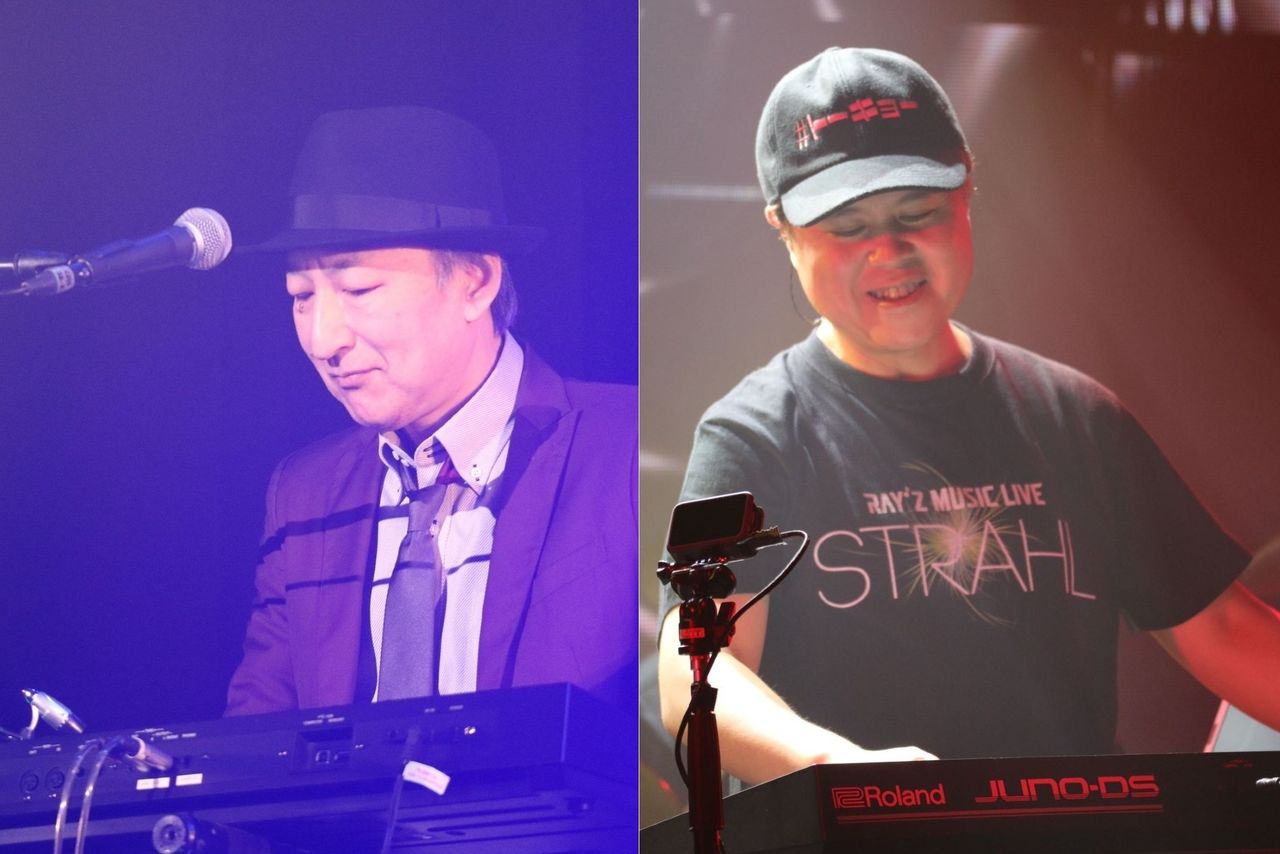
Zuntata stage performances at Japan Game Music Festival II: Re, in January 2018 (left), and Ray’z Music Live—Strahl, in September 2022. (© Taitō Corporation)
Indeed, the team’s composition and approaches have changed considerably over its nearly four decades of history. Members have come and gone, but is there anything these creators would call the defining characteristic of the “Zuntata sound”?
“We’re built on clashes of individual egos,” says Ishikawa. “I don’t think anyone consciously tries to create something that ‘sounds like Zuntata.’ Even the idea of what ‘Zuntata-like’ means probably differs from person to person. That’s exactly why there’s so much diversity. All the members push their own style of expression to its limits, and somehow the result is recognized as Zuntata. That’s what makes it so fascinating.”
I conclude by asking what message these two would give to people in younger generations hoping to pursue a career in video game music.
“Don’t limit yourself to music alone,” urges Ogura. “Draw inspiration from as many different things as you can, and learn how to express those ideas through music.”
Ishikawa seems to agree. “Game audio isn’t just about music. Sound effects are just as important. In fact, these days it’s often the sound effects that leave the strongest impression on players. There’s actually a shortage of people who specialize in creating them, so I think it’s a field well worth pursuing.”
(Originally published in Spanish. Reporting and text by Txabi Alastruey. This article was prepared with the cooperation of Taitō/Zuntata. Banner photo: Ogura Hisayoshi and Ishikawa Katsuhisa. Courtesy Taitō Corporation; © Kodera Kei.)