


Disability, Poverty, Discrimination, and Sex
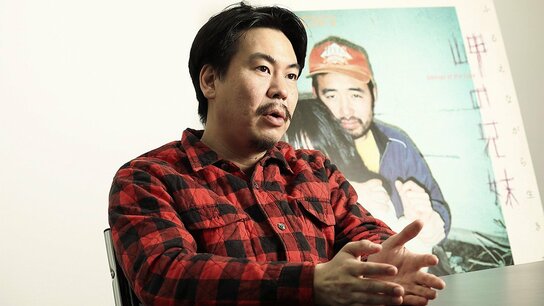
Siblings was filmed in the one-year period between February 2016 and March 2017, with filming taking place for a few days each season. Katayama spent a further year editing the film.
“When I was an assistant director, it always felt wrong that we couldn’t spend more time making the movie. Siblings was my debut work, and I wanted to allow as much time as possible for filming so that I could get everything just right. I ended up spending a whole year retaking the scenes I was unhappy with, having minor modifications made to the score, and making a few other tweaks. I was very particular about the soundtrack. When I film a scene, I have an idea in my head of the kind of music I want, but I had difficulty articulating my ideas to Takai Hiyoko, who composed the score.”
The fact that the film’s cast and staff went along with Katayama’s demands is a testament to his extraordinary enthusiasm.
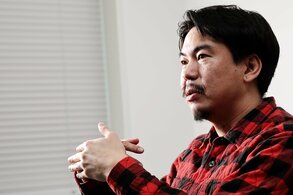

“I put up all the money myself. The film’s content would have made it a difficult pitch, and I didn’t want a sponsor telling me what to do. I did consider crowdfunding, but had reservations about that option. I spent all my savings on that movie, then saved some more money only to spend it all again. The film cost me around ¥3 million over the course of the year.”
Despite his uncompromising stance, Katayama did make one concession. “I was told that I could have the R-18 classification reduced to R-15 by cutting out a single scene, which I did. I’m actually a little surprised that the film was classified R-15, even after the cut.”
Joking that he will have to make his next film even more graphic, Katayama continues, “I’m pleased that kids of high-school age will be able to see the film. I want to know what they think of it, as fewer young people seem to be going into filmmaking these days. I want young people to know that there’s more to movies than just love stories and manga remakes. I want them to know that there are films that depict the reality of society. It would be great if I could inspire some of them to get into filmmaking.”
While Siblings of the Cape does deal with the issues of discrimination and poverty, it differs significantly from the socially conscious films that invoke these struggles as their central themes. Its graphic depictions of sex and violence transcend morality to focus on peoples’ raw desires.
“Part of it is simply that I like sex and violence in film,” Katayama says. “My use of sex and violence in Siblings is a natural result of my having grown up watching films of that genre. Also, the fact the film portrays victims of prejudice and the underclass doesn’t mean that I’m angry about the state of Japanese society, or trying to send a message about how society should be. Rather, I wanted to show the humanity and tenacity of the siblings. My film might show young people who feel out of place that there is more than one way to live your life.”
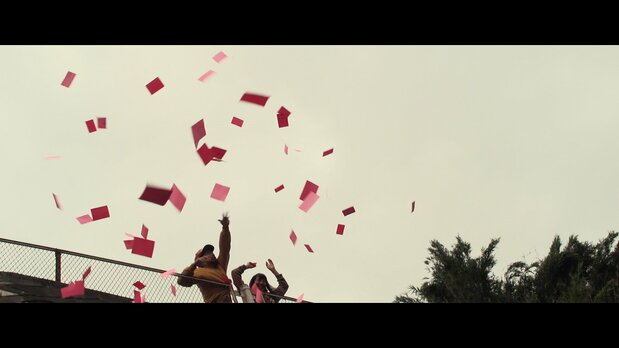 Scene from Siblings of the Cape. (© Katayama Shinzō)
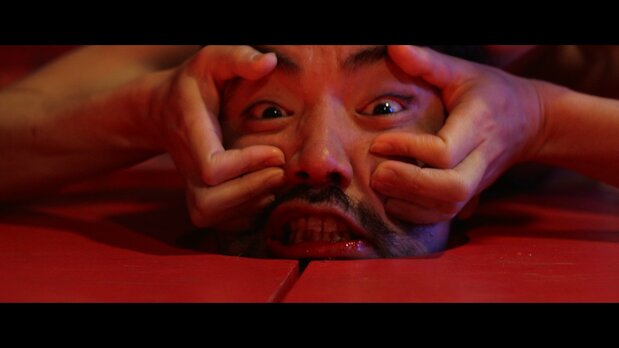 Scene from Siblings of the Cape. (© Katayama Shinzō)
Siblings of the Cape won the audience prize and best picture award in the Japanese Film Competition category of the Skip City International D-Cinema Festival hosted by Saitama Prefecture and Kawaguchi City, and achieved nationwide release in unusually quick time for an independent production. The film has also attracted international interest, and was screened at the Gothenburg Film Festival.
Katayama reflects, “Right now, I’m focused on my next project and on working out what angle to pursue. While I’m interested in trying my hand at something a little more conventional next time, I do want to stick with the themes of oppressed minorities and voiceless, socially disadvantaged people. As the production of Siblings of the Cape progressed, I developed a strong desire to portray the tenacity of the characters doing their best to survive alone. It was satisfying that I could turn that desire into a film. I want to make a movie that makes the viewer feel that there is always hope, even in a seemingly hopeless situation.”
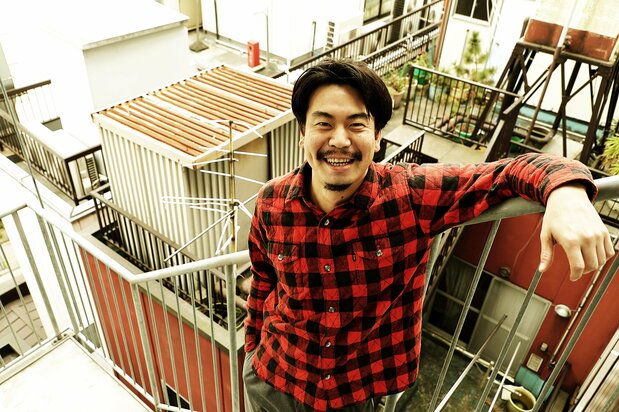
(Originally published in Japanese. Interview photos by Hanai Tomoko. Interview and text by Matsumoto Takuya of Nippon.com.)







 Read in other languages