-
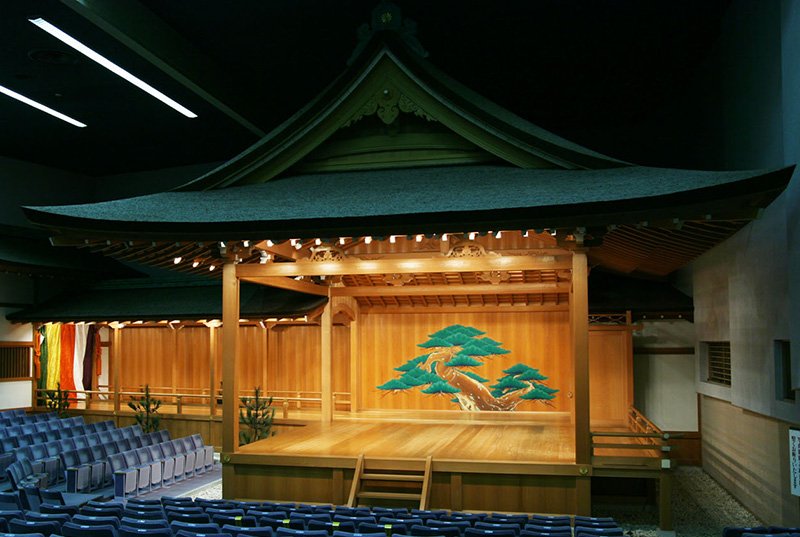
The Kanze Nō Theater in Shibuya, Tokyo.
-
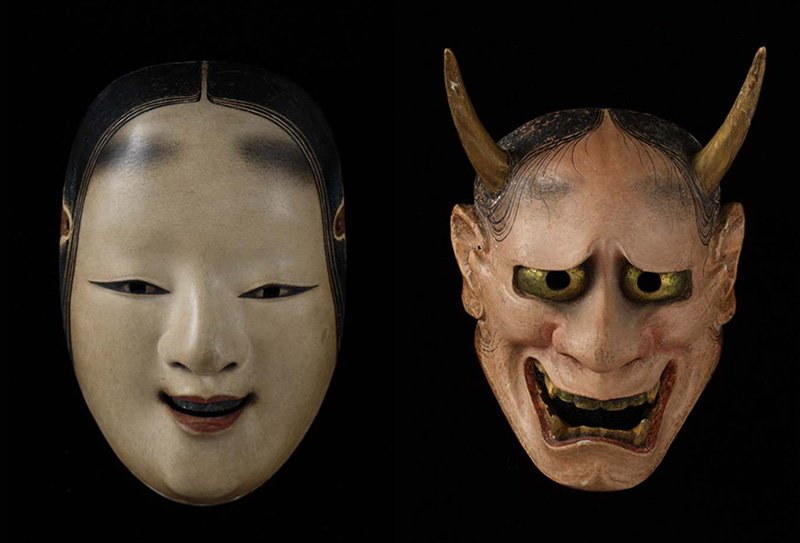
Nō masks in the Kanze family collection: Ko-omote mask by Yasuhisa, Edo period (left); Hannya mask by Yasha, Muromachi period.
-
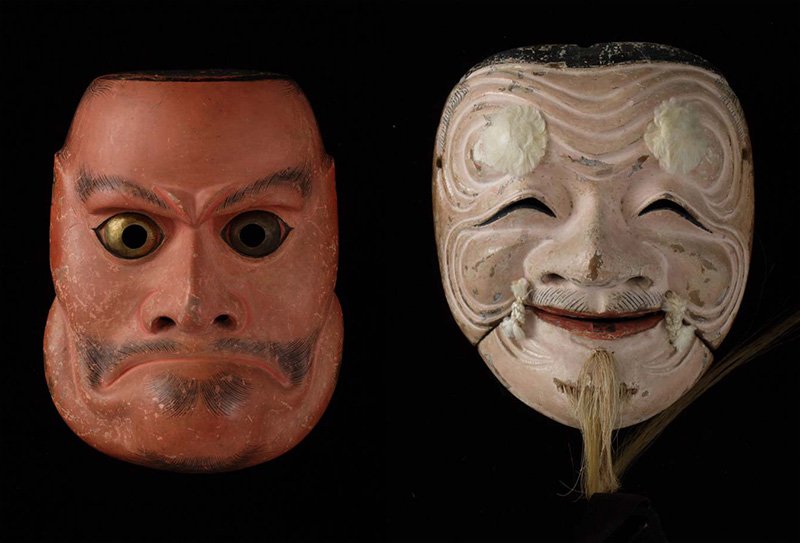
Other Kanze family masks: Obeshimi mask by Shakuzuru, Kamakura period (left); Okina mask by Miroku, Heian period.
-
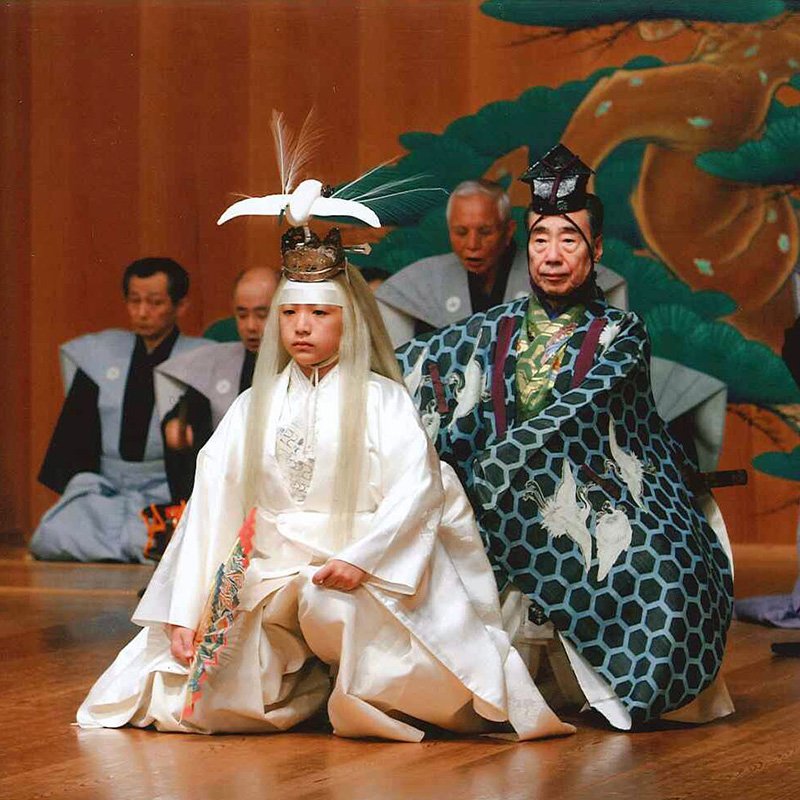
Because purity is the central theme of Sagi, the actor in the leading role does not wear a mask and must be either a boy or an old man.
-
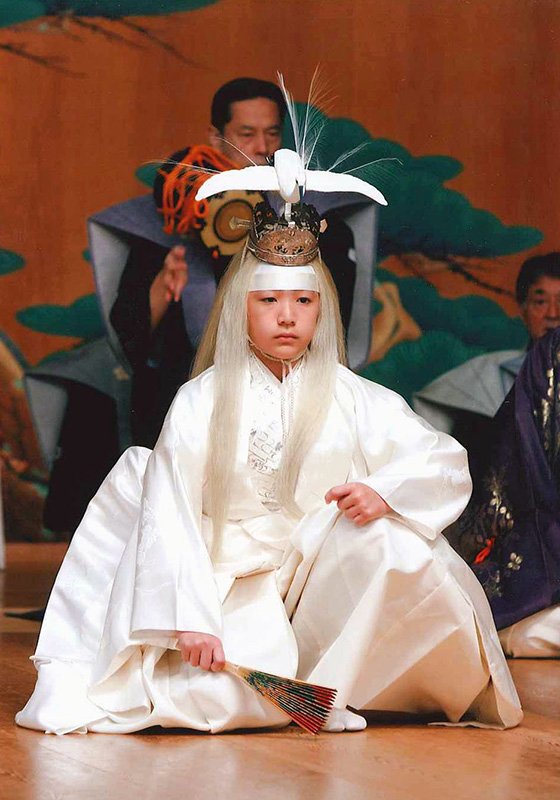
Kanze Saburōta—the 13-year-old heir of the Kanze legacy—performing Sagi.
-

Costumes in the Kanze family collection: Clematis and Chinese floral design against a yellow background, date unknown (left); chrysanthemum and cherry blossom design against red background, Edo period.
-
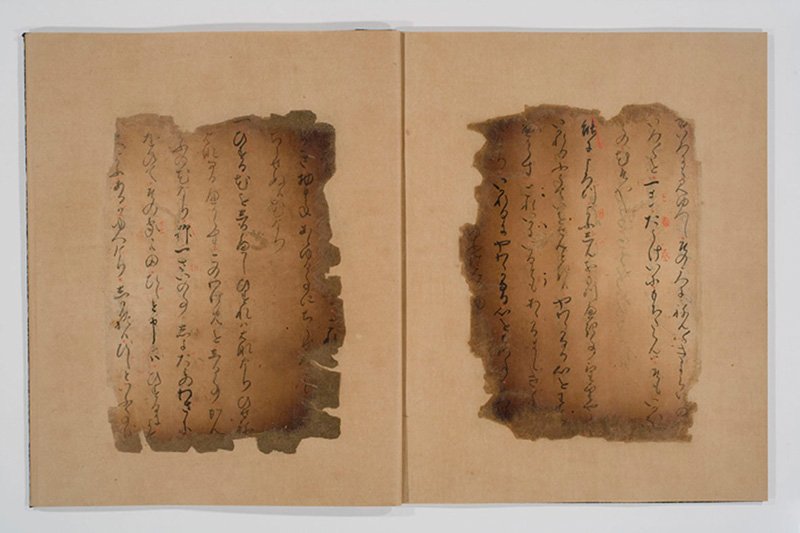
Pages from Zeami’s handwritten treatise on nō, titled Fūshi-kaden (The Transmission of the Flower of Acting Style).
-
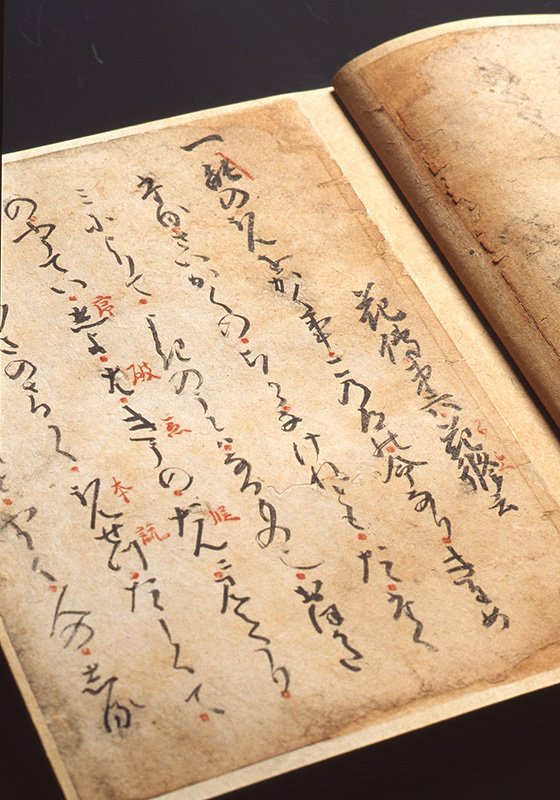
A page from Fūshi-kaden with annotations in red ink.
-

A 2009 performance of Tango monogurui by Kanze Kiyokazu and his son Saburōta at the temple Chion-ji in Kyoto.
-


 Read in other languages