-
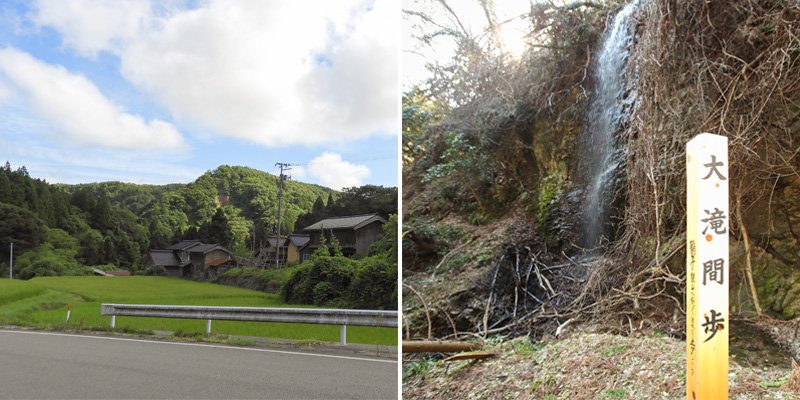
Mount Toramaru at the historic Nishimikawa gold mine (left) and the entrance of the Ōtakimabu tunnel at the Tsurushi silver mine (right). These sites predate the Sado kinzan.
-
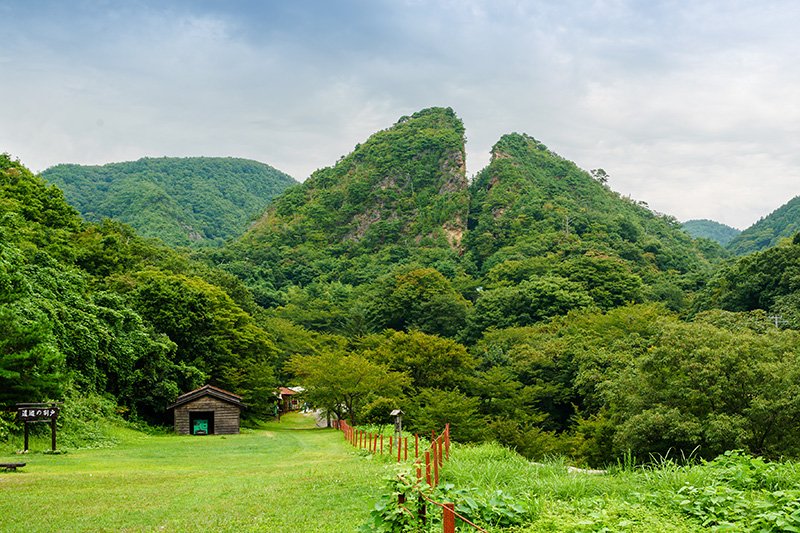
The split mountain top of the kinzan gold mine attests to the intensity with which the site was exploited. The man-made crevice measures 30 meters across and 74 meters deep.
-
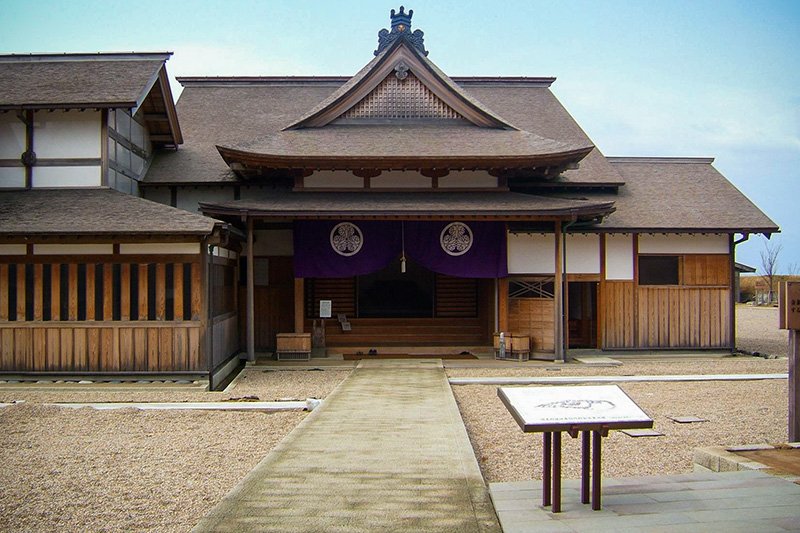
A reproduction of the magistrate’s headquarters on Sado near the kinzan.
-
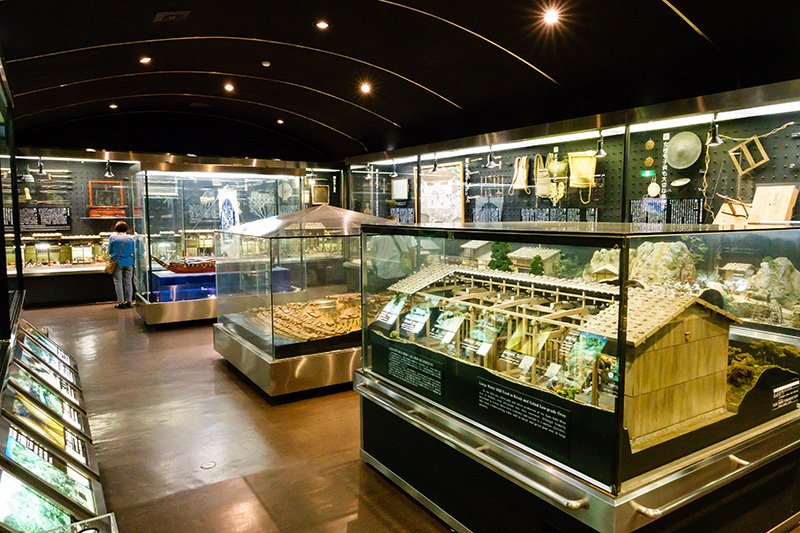
The Sado Kinzan Museum offers visitors a glimpse at Aikawa’s lively past.
-
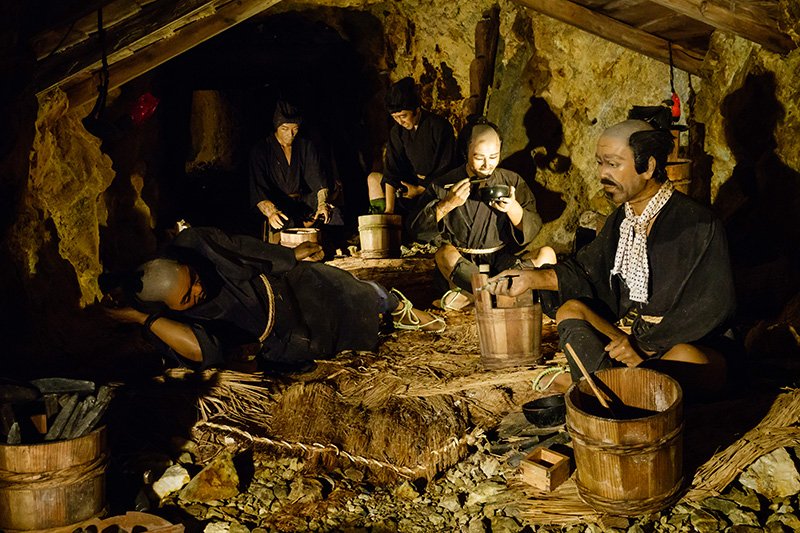
A display shows mineworkers inside the Sōdayū tunnel taking a break. Minework could be lucrative for skilled laborers.
-
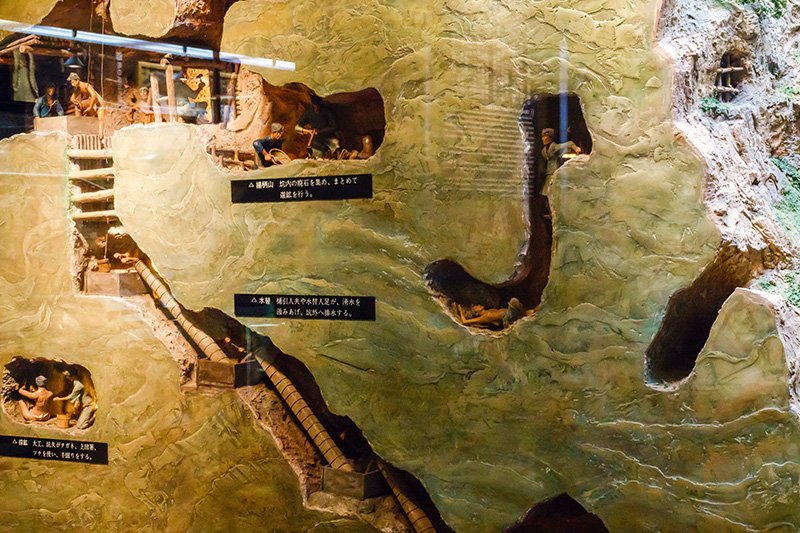
A display shows the snaking tunnels miners carved through the mountain in pursuit of gold and silver.
-
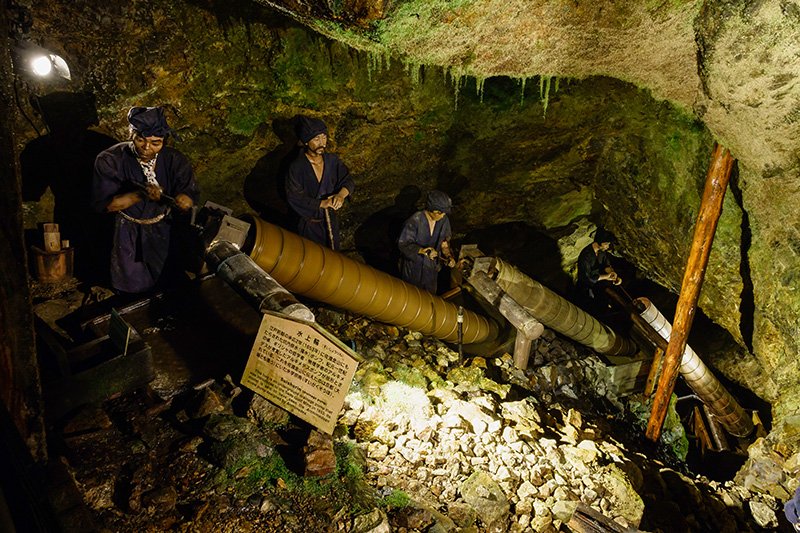
Hand-cranked screw pumps were used to bring water out of the mine shafts.
-
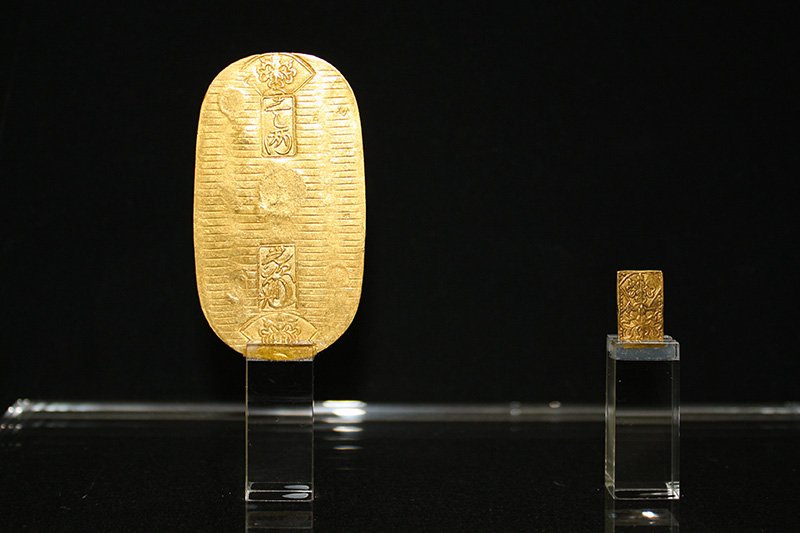
A gold koban coin (left) and ichibu ingot. (Photo courtesy of Golden Sado)
-

The mine’s 50-meter-wide thickener was built in 1940 to separate tailings and water.
-
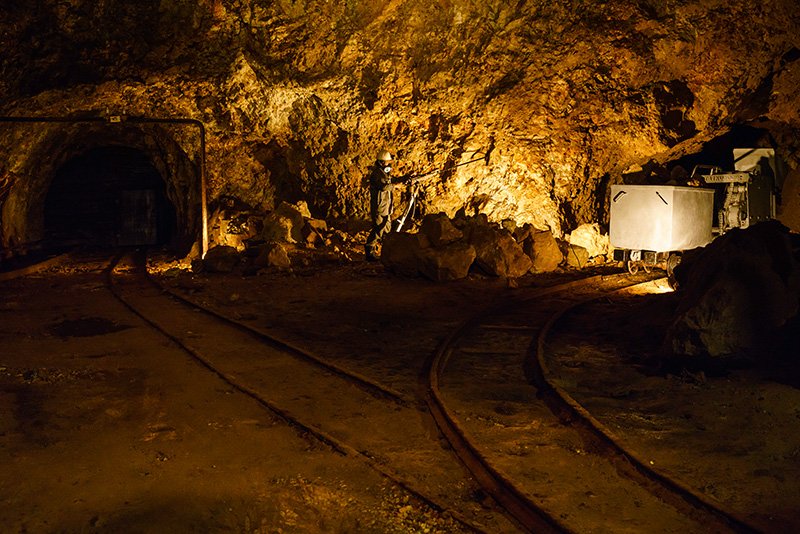
The Dōyū tunnel was excavated from the end of the Meiji era (1868–1912) until the mine was closed.
-
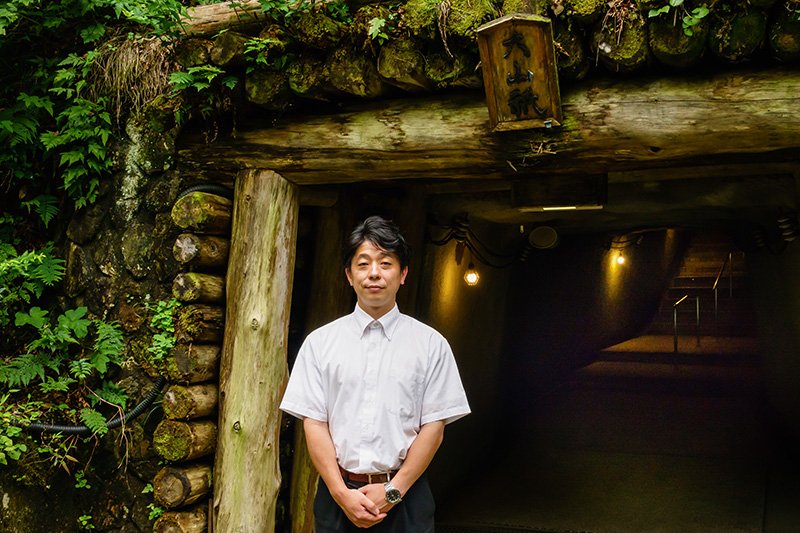
Golden Sado employee Nabata Shō stands at the entrance of an old mining tunnel.
-
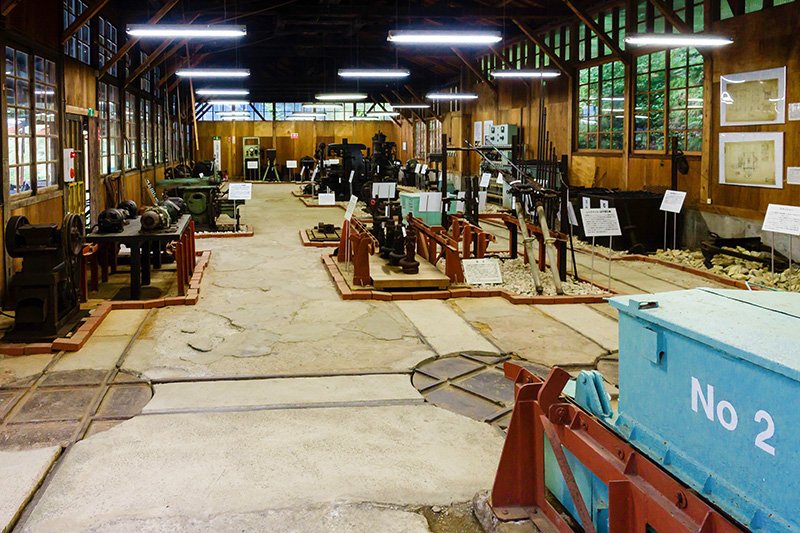
The Sado Kinzan Museum preserves mining machinery used from the Meiji era onward.
-
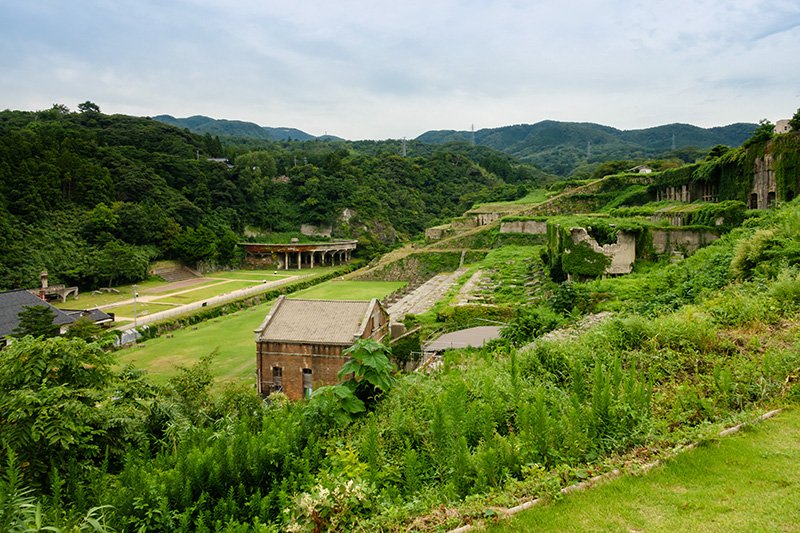
Operating from the nineteenth century to the early twentieth century, the Kitazawa floatation plant—a facility for separating precious metal from raw ore—boasted the largest capacity in East Asia.
-
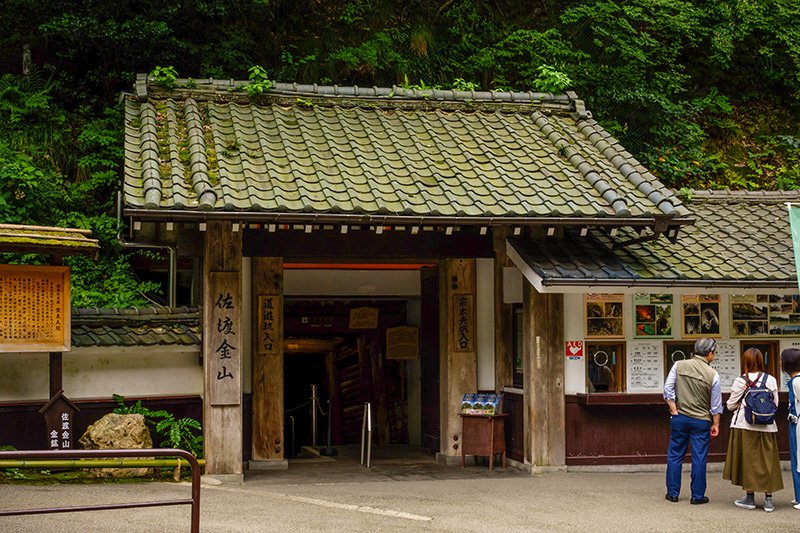
Entrance to the Sado Kinzan Gold Mine.


 Read in other languages