-
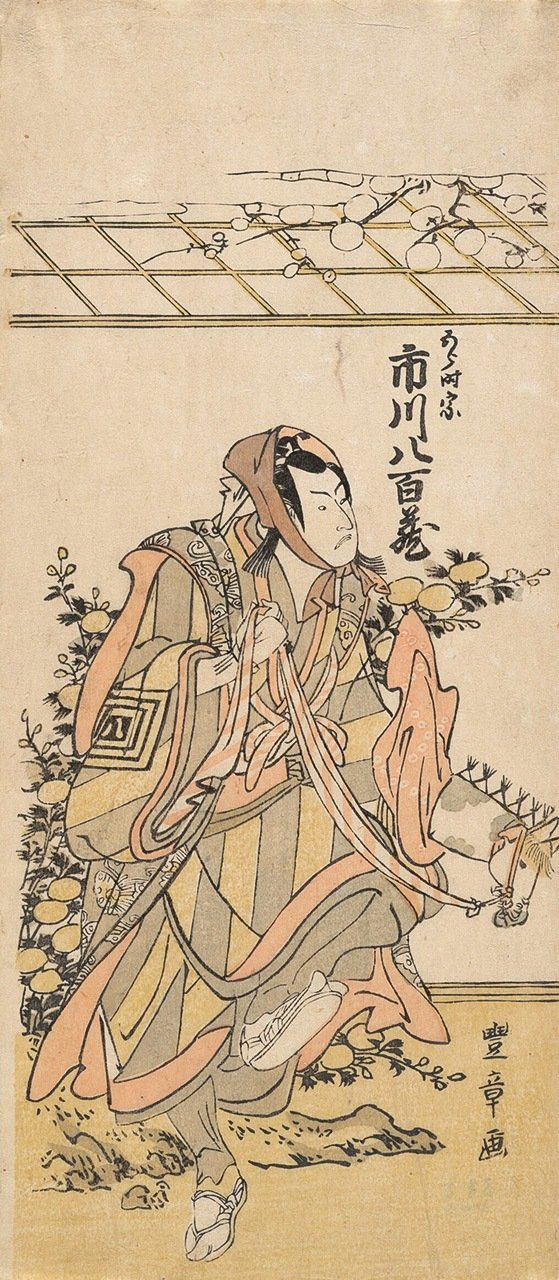
This print of actor Ichikawa Yaozō as Gorō Tokimune was produced around 1776–77. (Courtesy Harvard Art Museums)
-
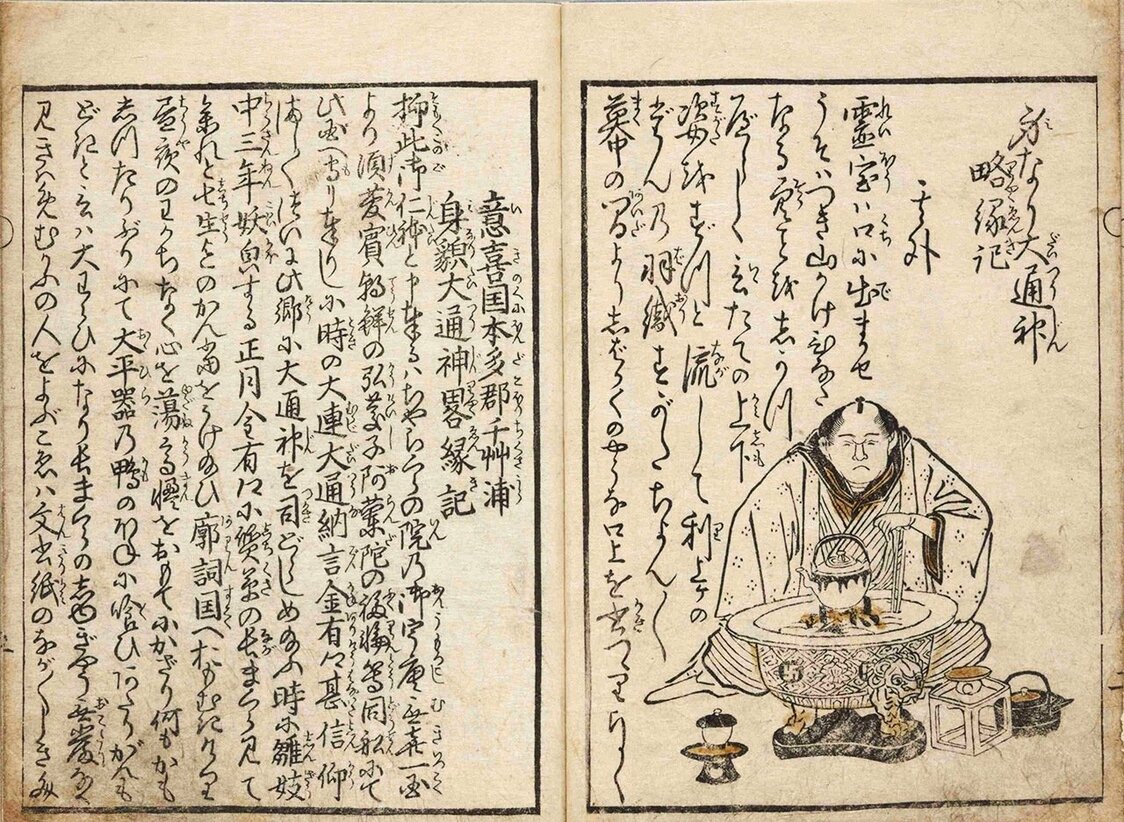
The 1781 Minari daitsūjin ryakuengi (A Brief History of the Exploits of a Great Dandy), written by Shimizu Enjū with illustrations by Utamaro. (Courtesy Tokyo Metropolitan Central Library)
-
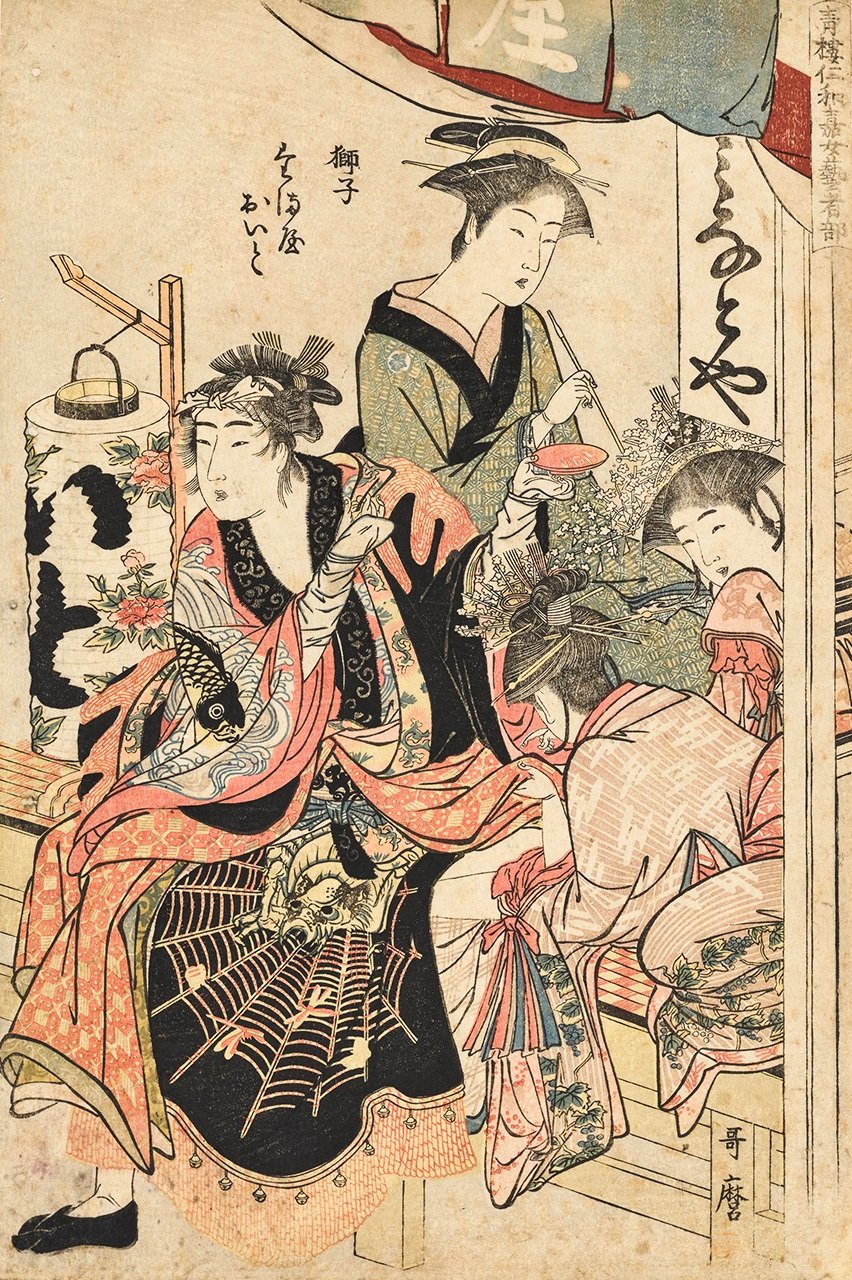
Seirō niwaka onna geisha no bu: Shishi Tamaya Oito (Female Geisha Section of the Yoshiwara Niwaka Festival: Lion Dance: Oito of the Tamaya), 1783. (Courtesy Tokyo National Museum/Colbase)
-
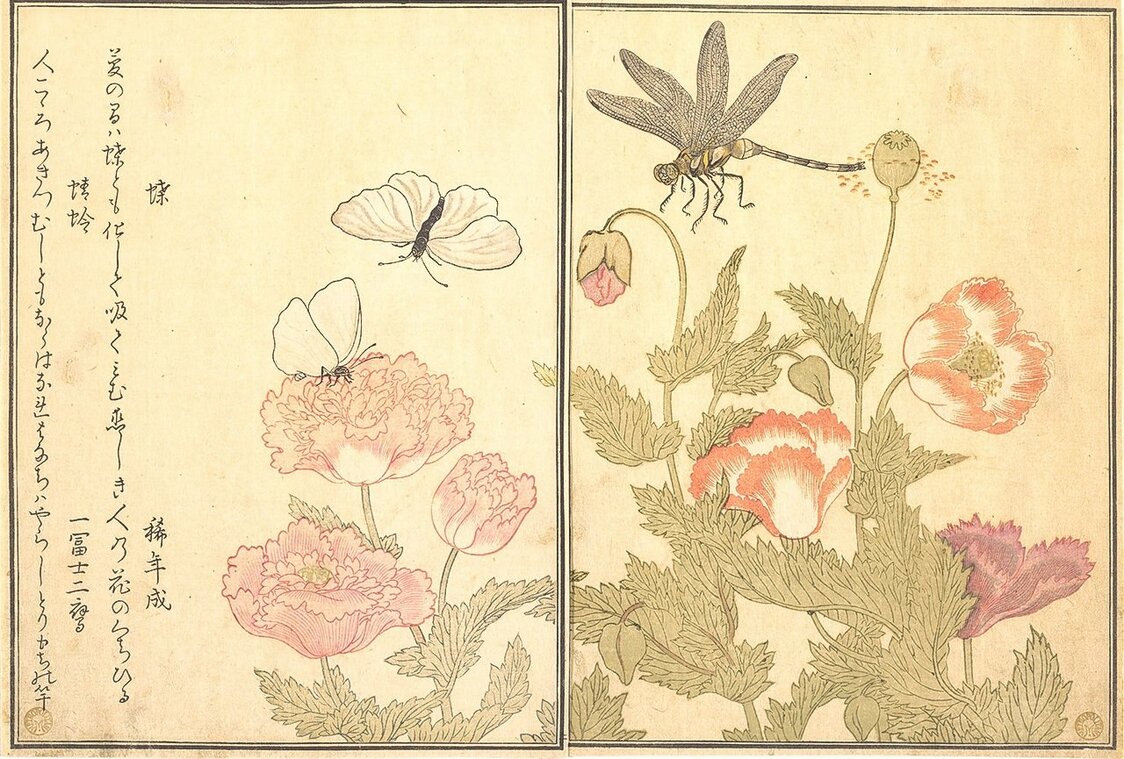
Ehon mushi erami (Picture Book of Selected Insects) with kyōka selected by Ishikawa Masamochi and illustrations by Utamaro, 1788. (Courtesy The Metropolitan Museum of Art)
-
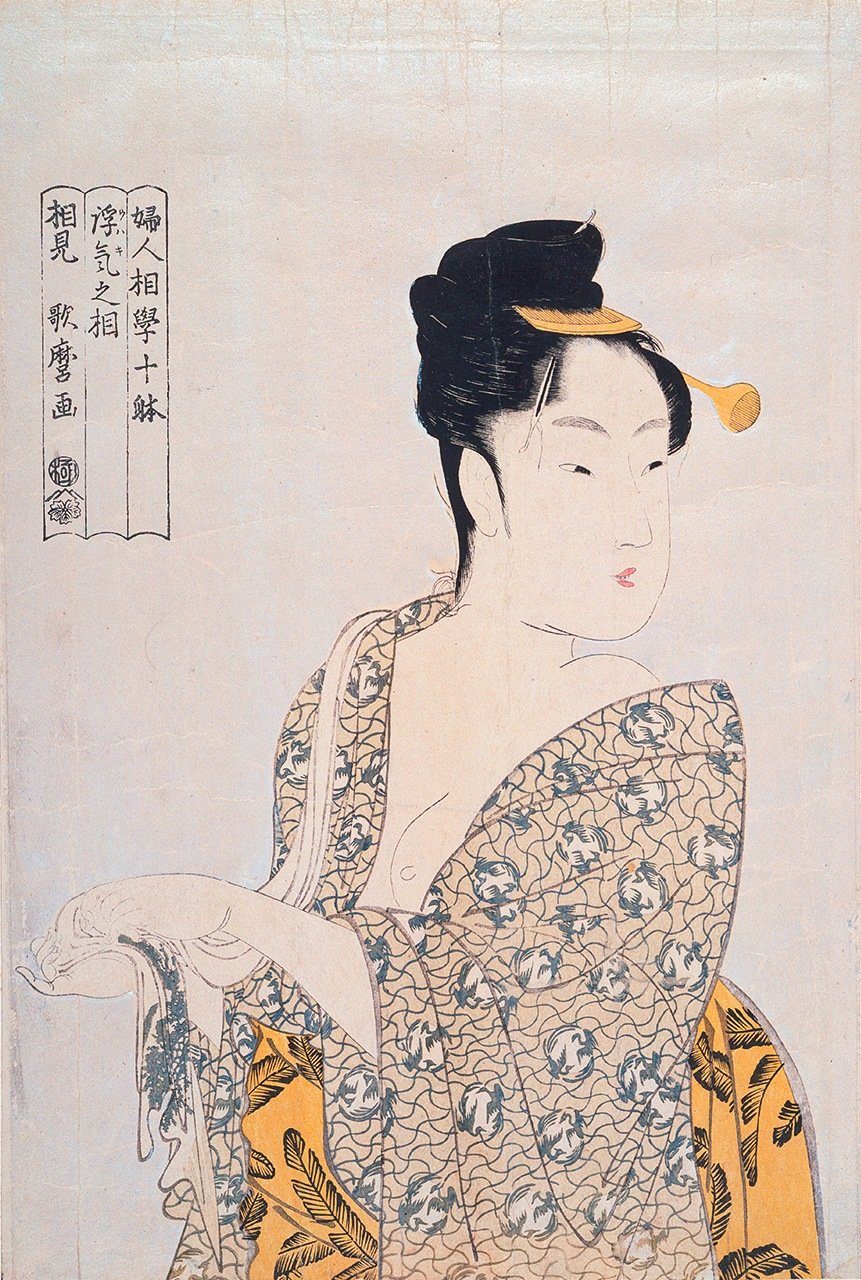
Fujin sōgaku juttai: Uwaki no sō (Ten Types of Feminine Physiognomy: The Fickle Type), around 1792–93. (Courtesy New York Public Library)
-
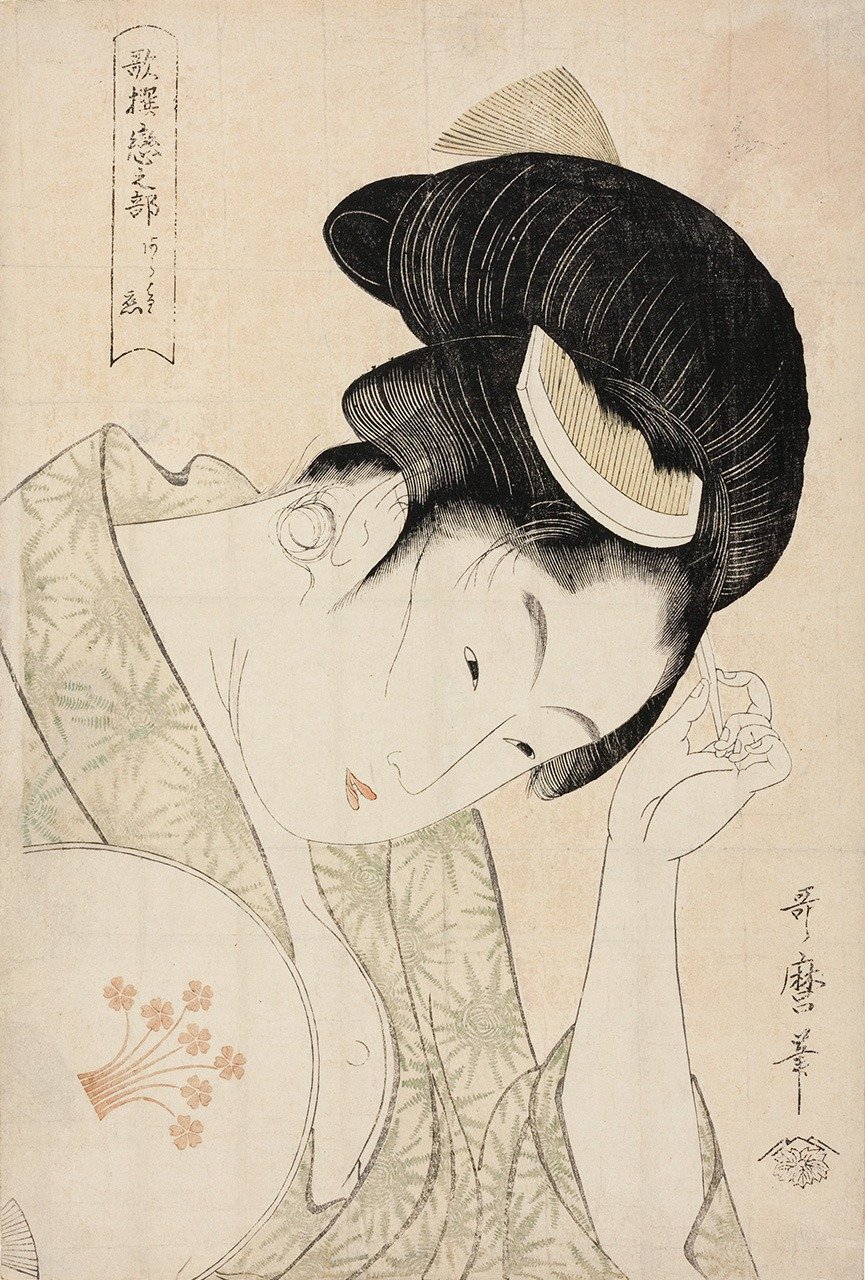
Kasen koi no bu: Arawaruru koi (Anthology of Poems: The Love Section: Obvious Love), around 1793–94. (Courtesy The Art Institute of Chicago)
-
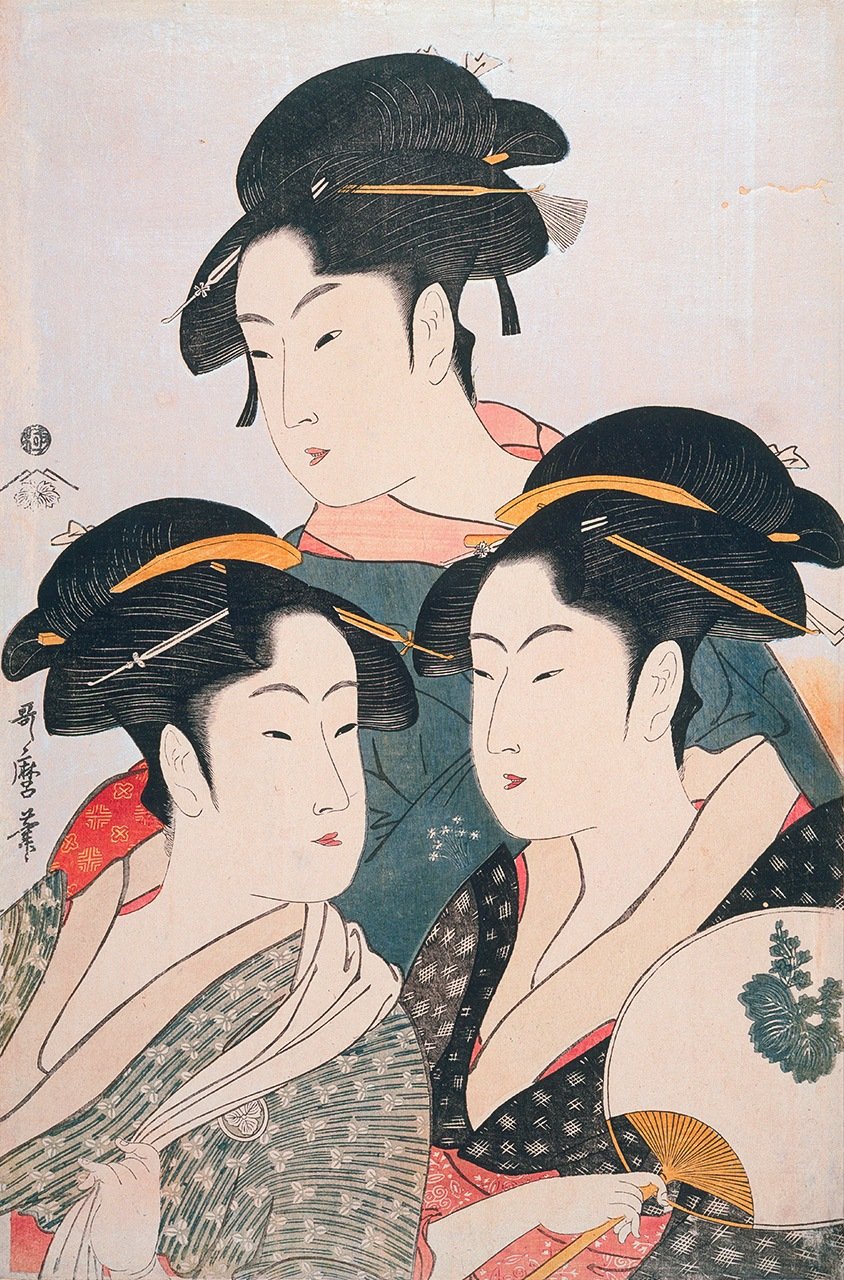
Tōji san bijin (Three Beauties of the Present Day), around 1792–93. (Courtesy New York Public Library)
-
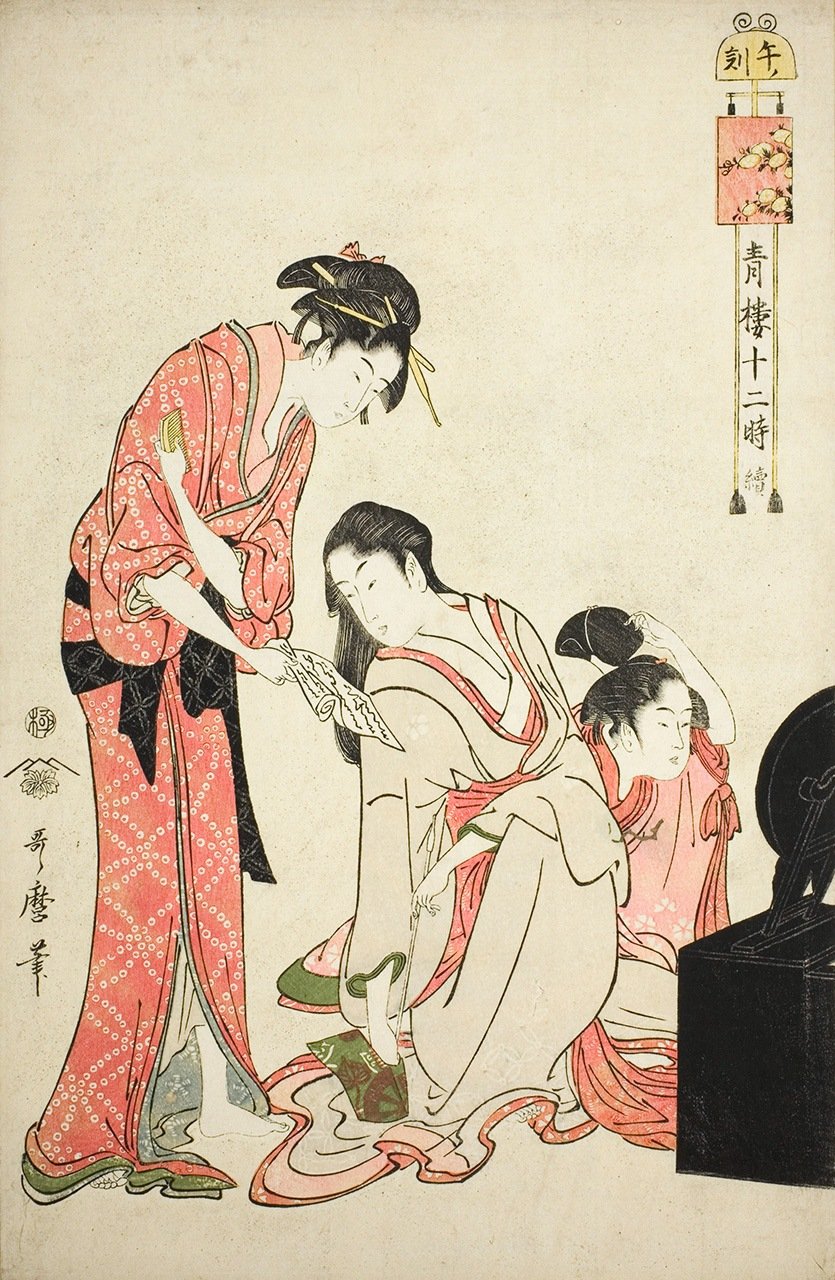
Seirō jūni toki tsuzuki: Uma no koku (A Day in the Pleasure Quarters: The Hour of the Horse), around 1794. (Courtesy The Art Institute of Chicago)
-
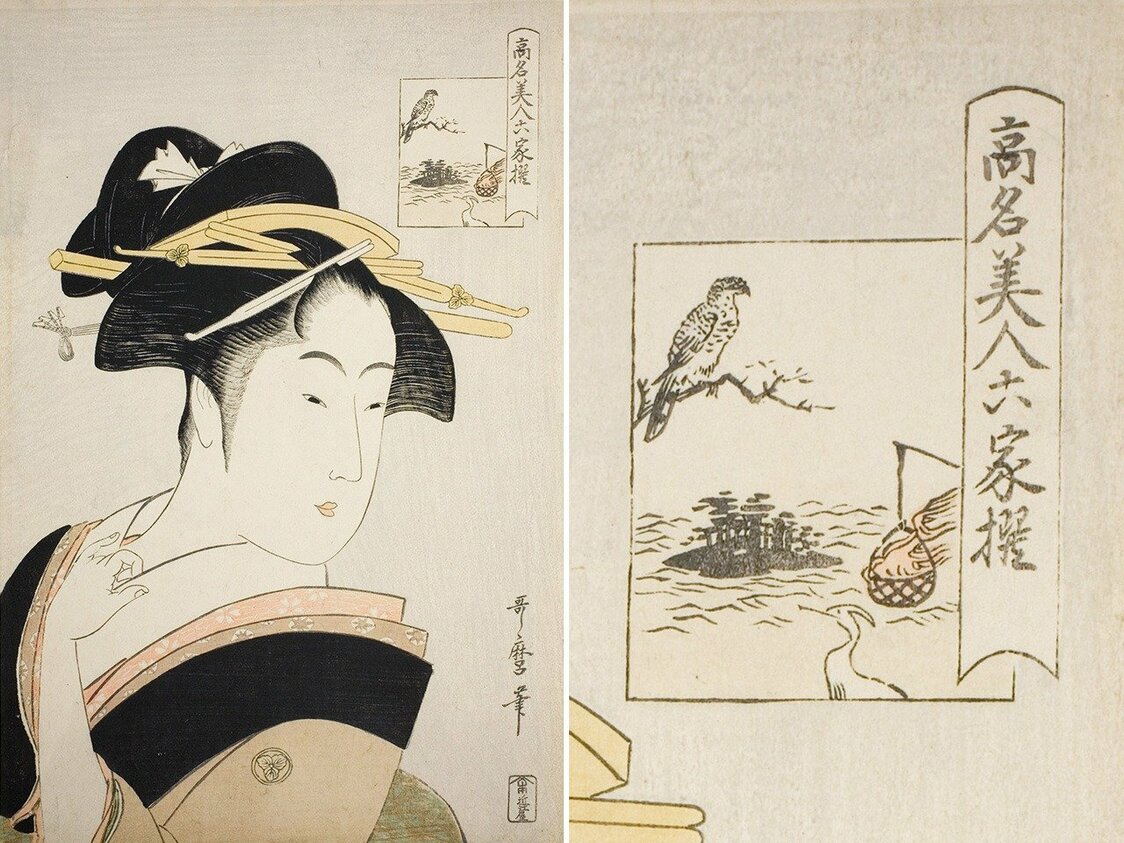
Kōmei bijin rokkasen: Takashima Hisa (Six Renowned Beauties: Takashima Hisa), around 1795–96. In the top right of the picture is a rebus revealing the name of the woman (see detailed view to right). A hawk (taka), island (shima), fire (hi), and half a heron (the sa of sagi) combine to spell out Takashima Hisa. (Courtesy The Art Institute of Chicago)
-
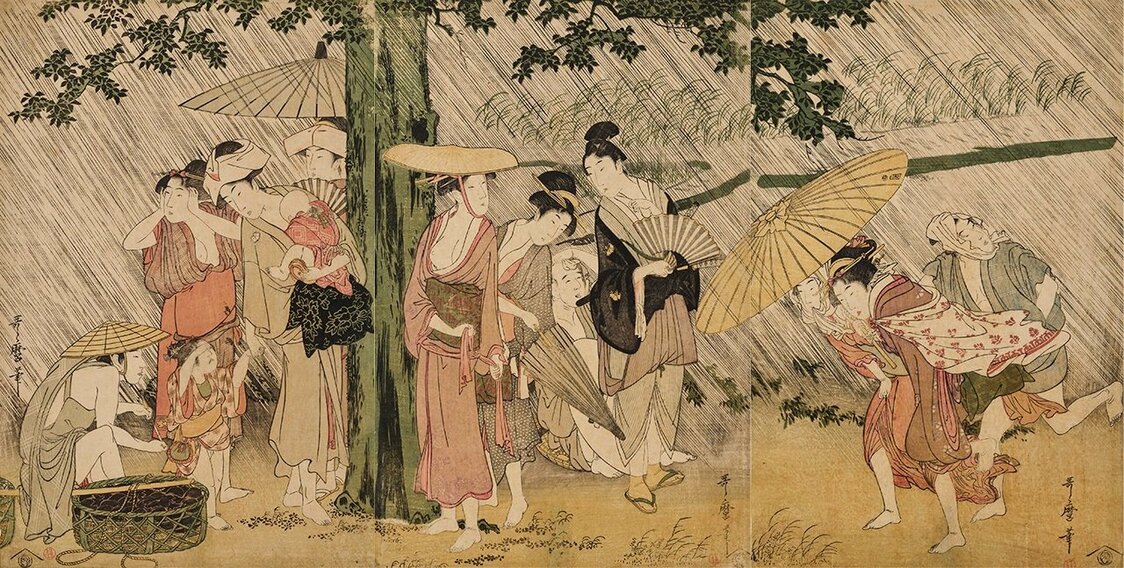
Taiboku no shita no amayadori (Sheltering from the Rain Under a Tree), around 1799–1800. (Courtesy Tokyo National Museum/Colbase)
-
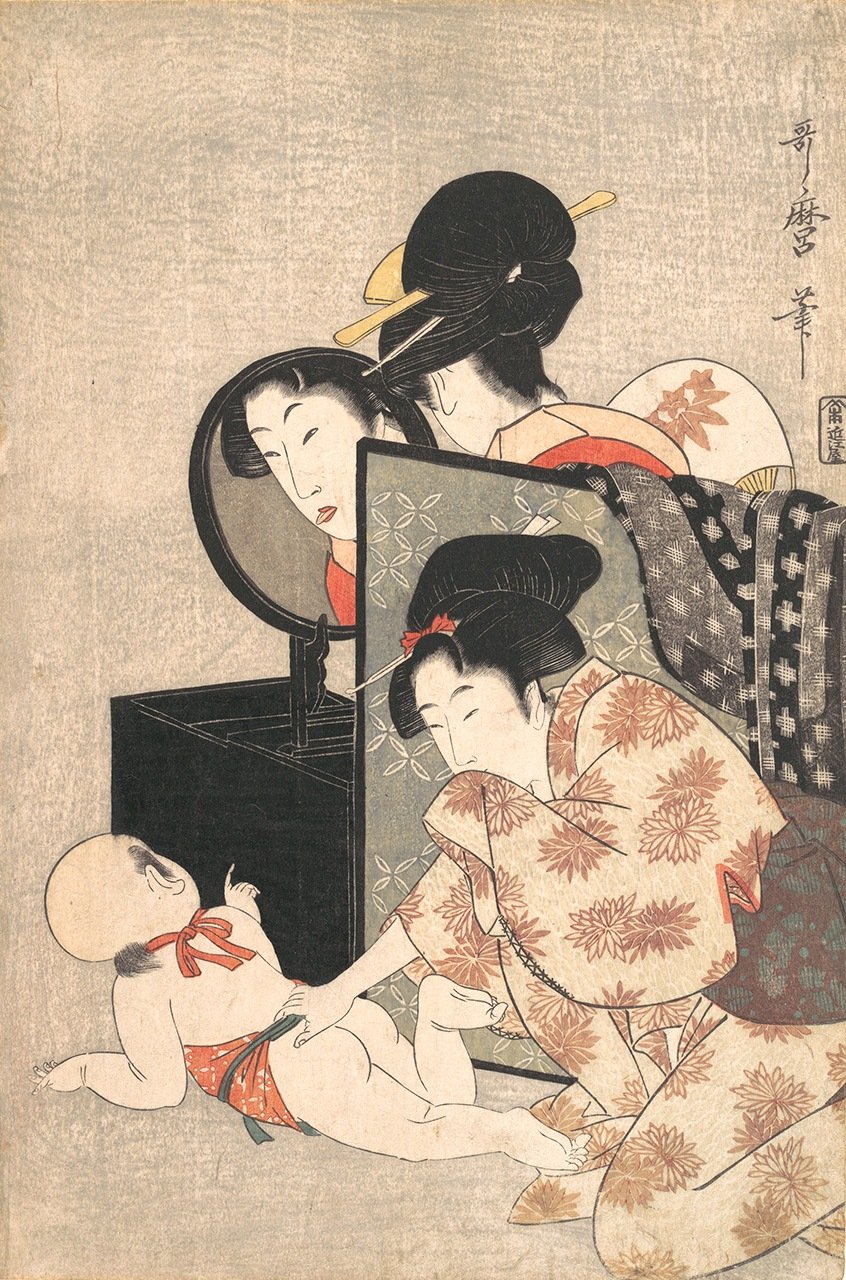
Nozoki (Peeping), around 1799–1800. (Courtesy The Metropolitan Museum of Art)


 Read in other languages