-
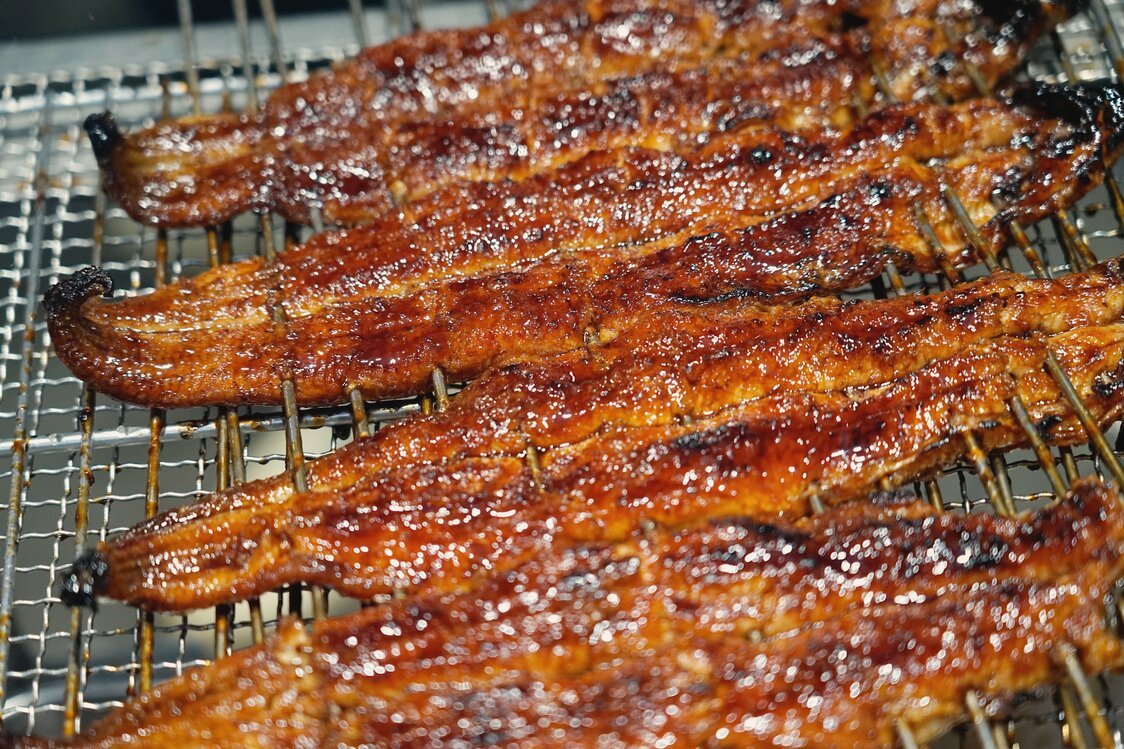
Female eels are raised from fry captured in March until they are large enough to ship out in late November. (© Ukita Yasuyuki)
-
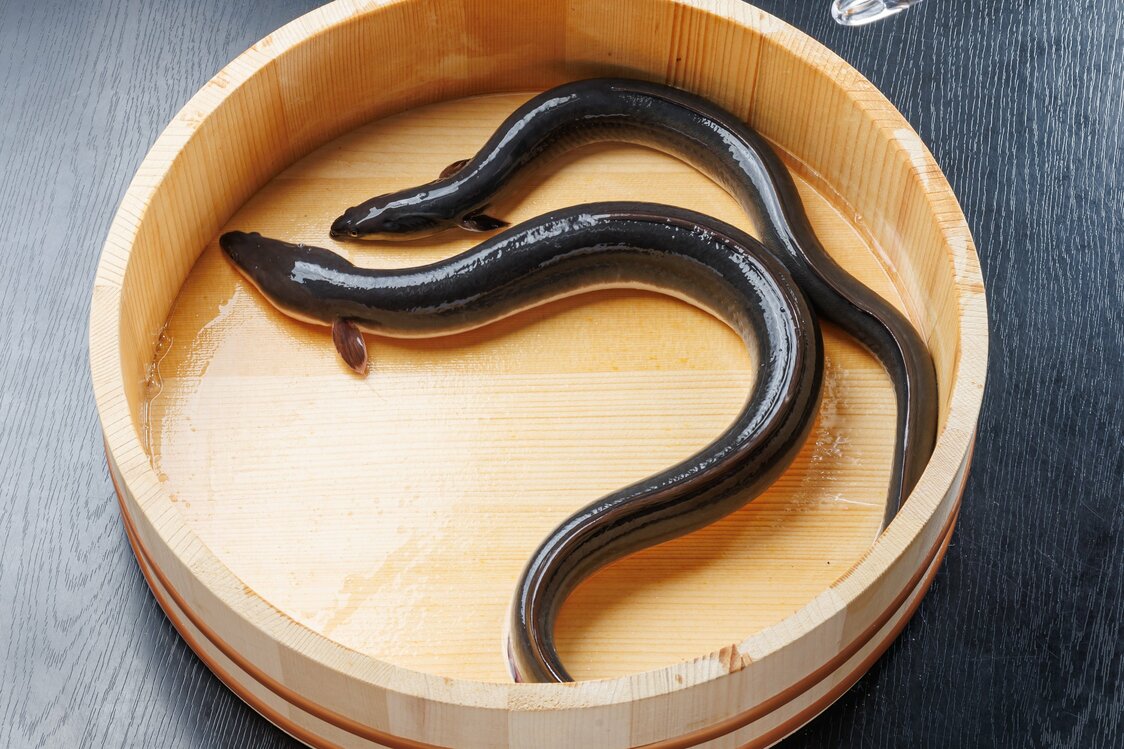
The size difference between male (top) and female (bottom) eels is clear at first sight. (Photo courtesy of the Consortium for New Market Development of Large Female Eels)
-
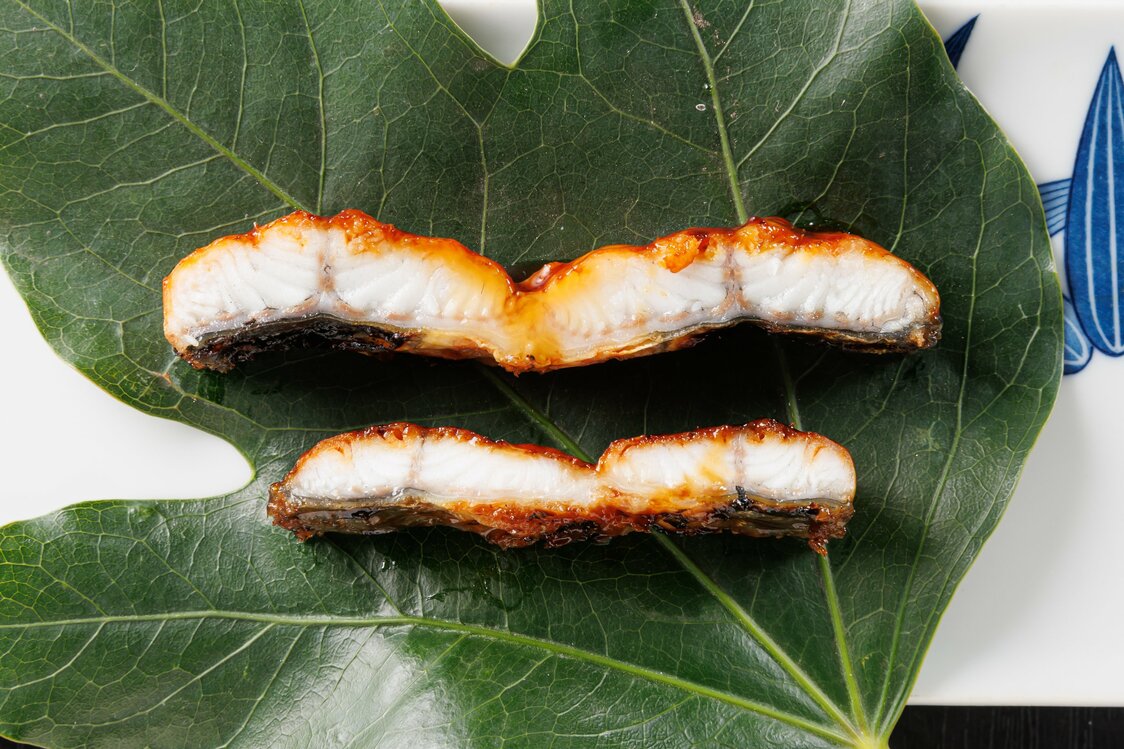
Cross section of female (top) and male (bottom) kabayaki eel. Not only are females bigger, but the fat layering and meat quality are better. (Photo courtesy of the Consortium for New Market Development of Large Female Eels)
-
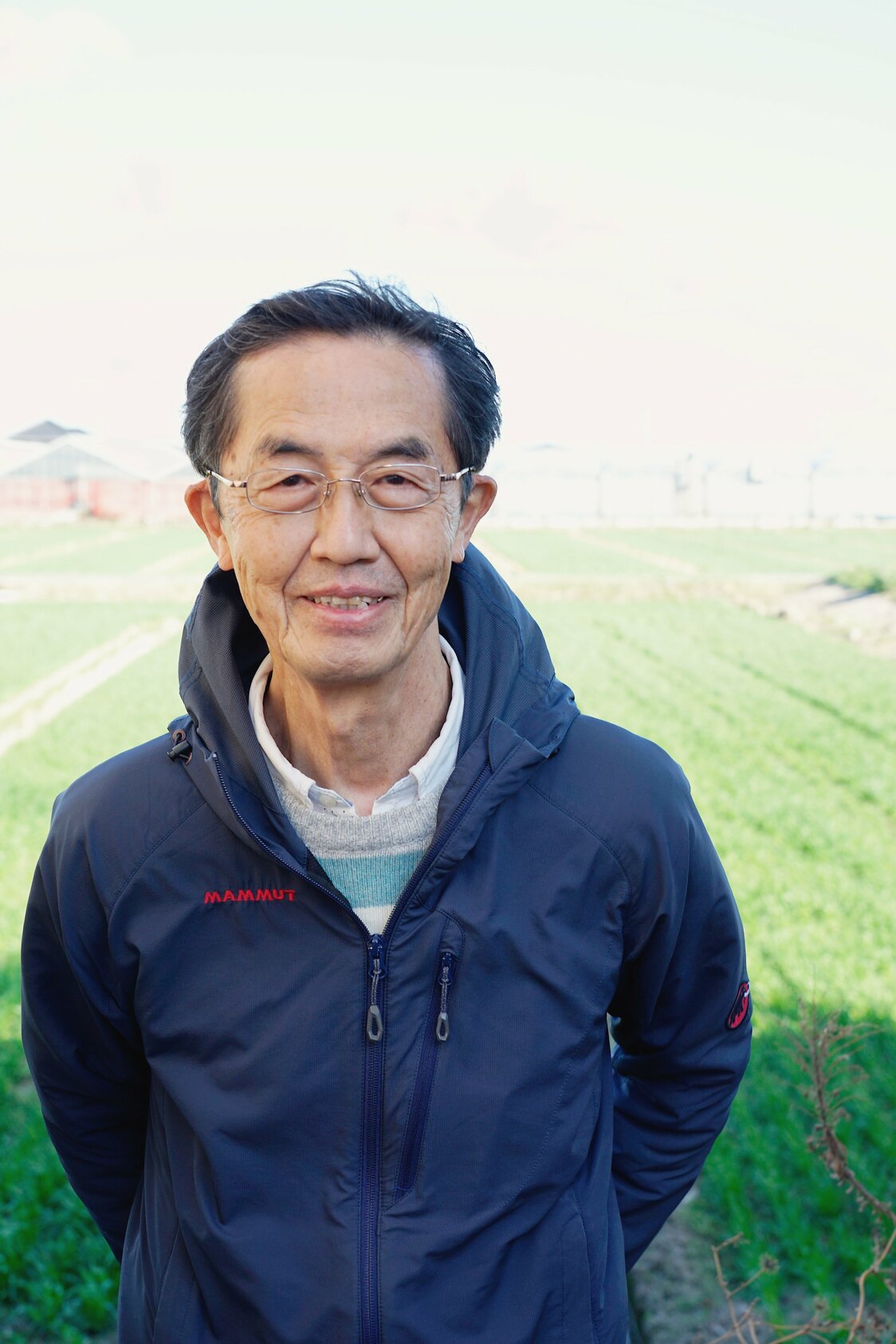
Ōishi Kazushi, a strong supporter of female eels. (© Ukita Yasuyuki)
-
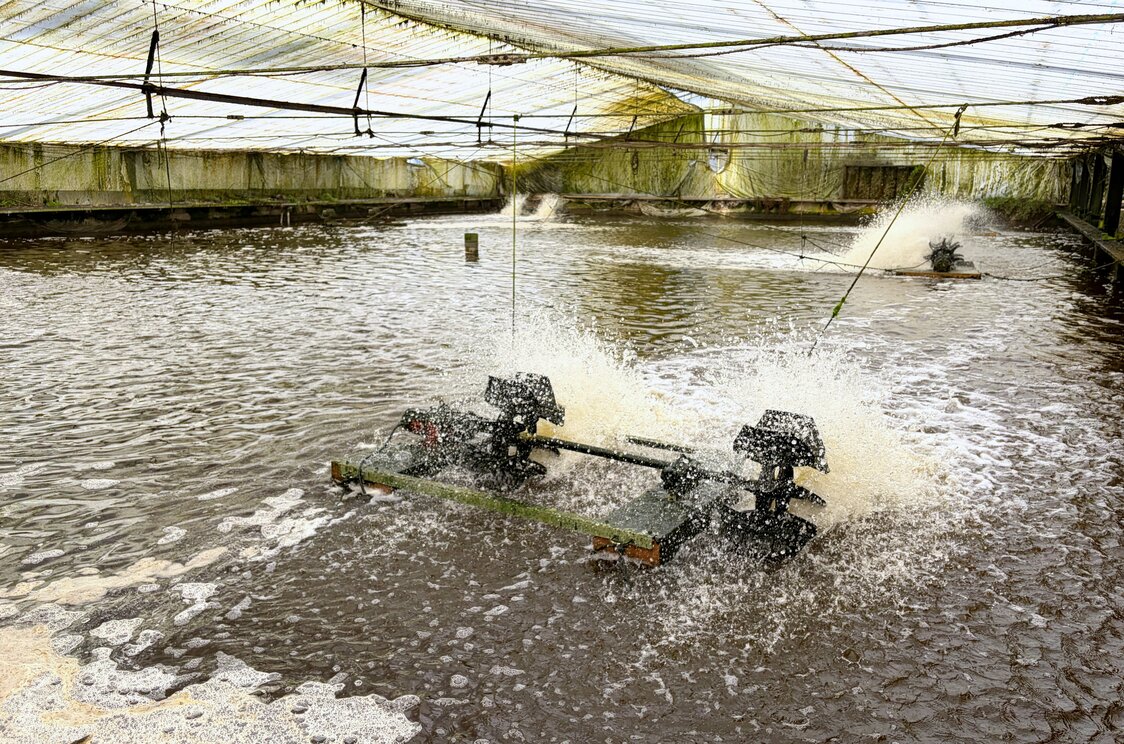
An eel farm in Isshiki. (© Ukita Yasuyuki)
-
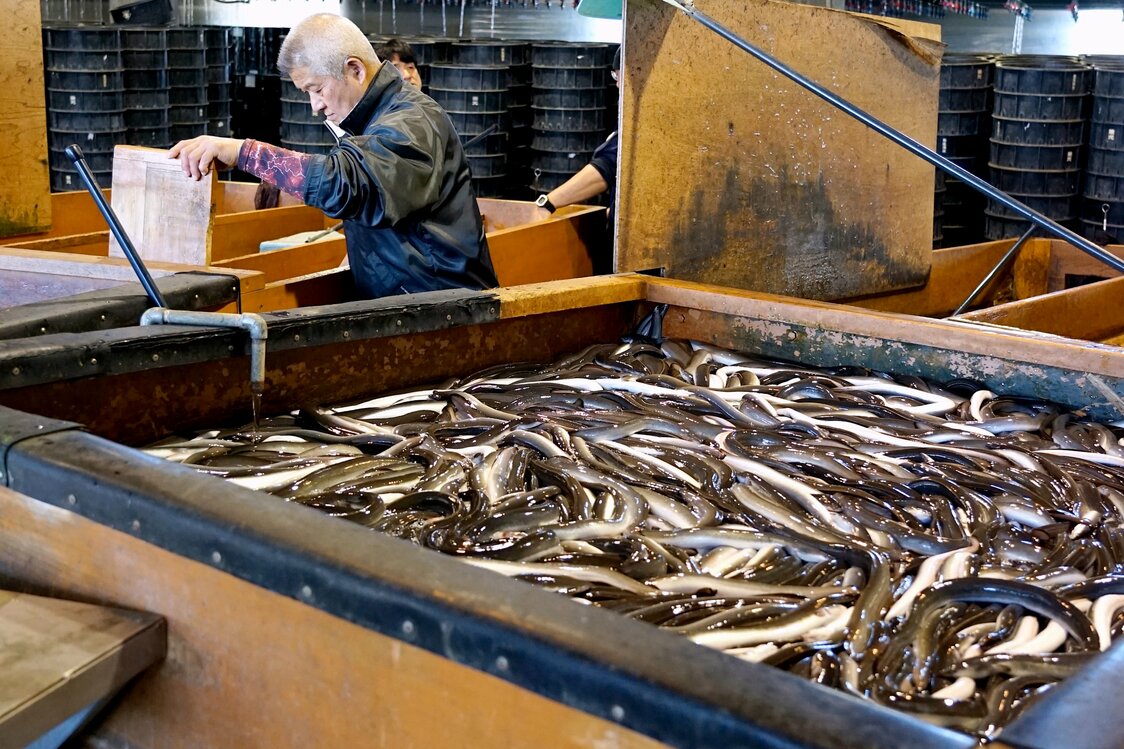
Processing at Kanemitsu Tansuigyo. Eels delivered from the farm are sorted by size and then placed in plastic containers in the holding area in back, where clean spring water is circulated to flush silt and mud from the eels. (© Ukita Yasuyuki)
-
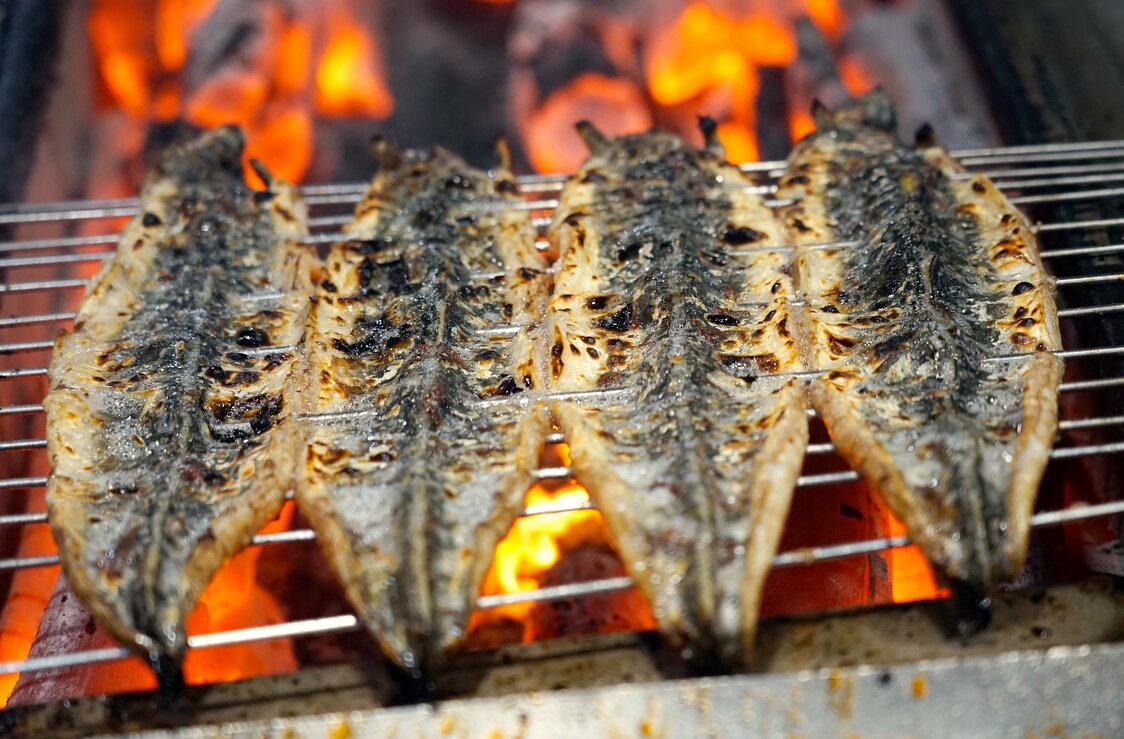
In Mikawa, eel is served butterflied from the belly, and restaurants skip the common Tokyo-region practice of steaming before grilling. (© Ukita Yasuyuki)
-
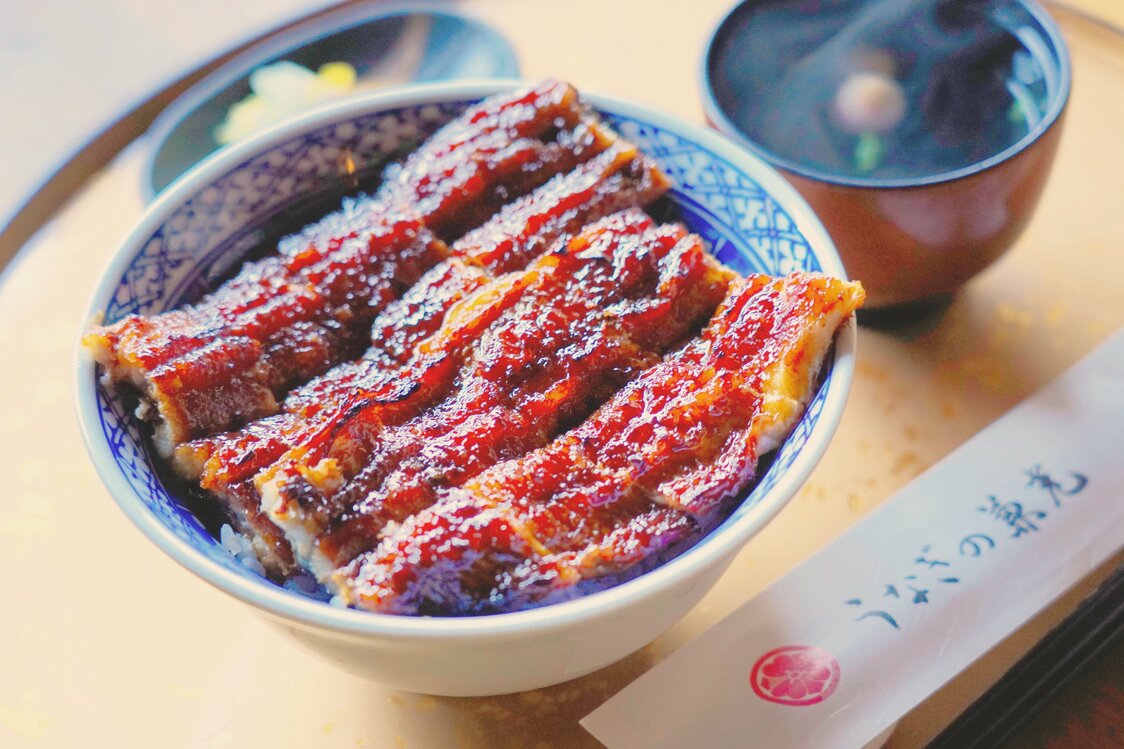
The deluxe eel bowl. The female eels even have a better aroma, apparently. (© Ukita Yasuyuki)
-
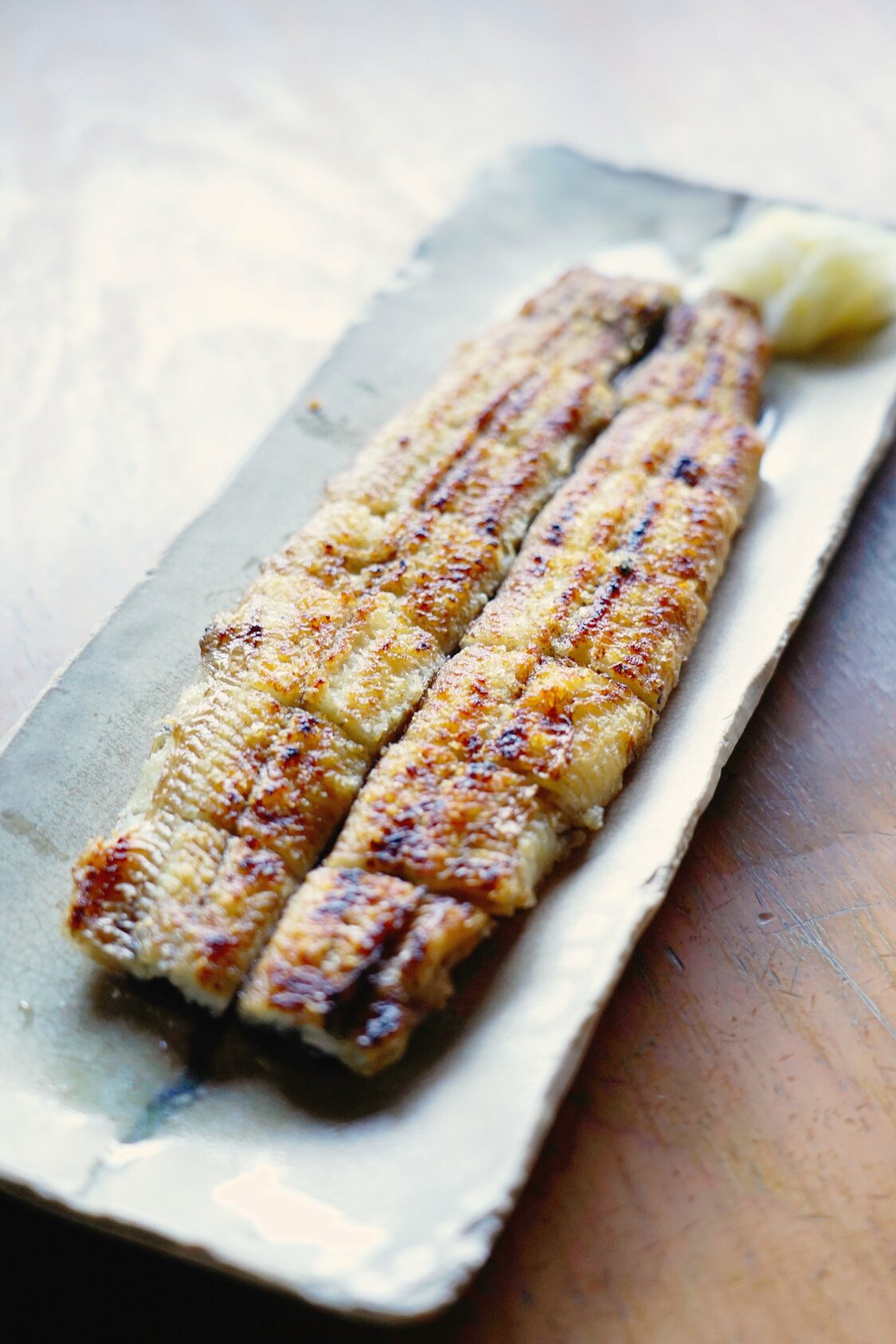
Shirayaki female eel, grilled without sauce. The flesh is plump and tender, with an elegant flavor. (© Ukita Yasuyuki)


 Read in other languages