-
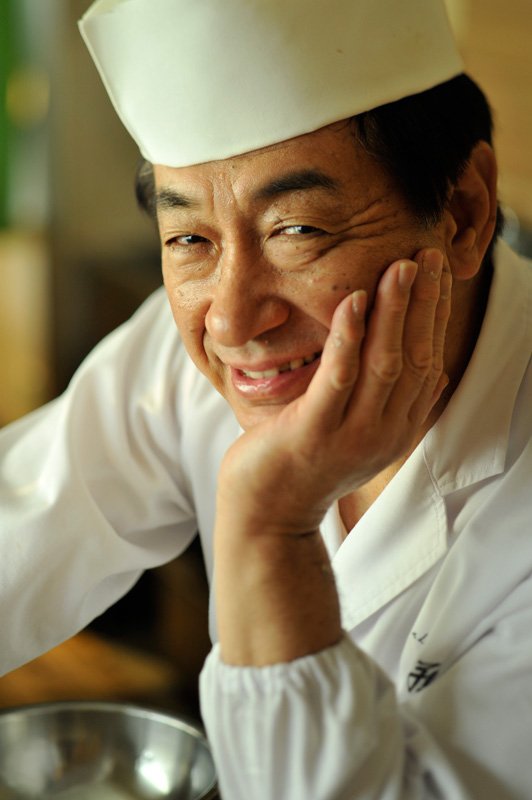
Kondō FumioHead chef and proprietor of the Tempura Kondō restaurant in Ginza, Tokyo. Born in Tokyo in 1947. After graduating from high school, started work at the Hilltop Hotel in Tokyo, where he served his apprenticeship at the Yamanoue Tempura and Japanese Cuisine restaurant. In 1970 he became head chef at the young age of 23. He left to open Tempura Kondō in 1991. He published several books on food and culinary culture co-written with Ikenami Shōtarō, one of Japan’s best-loved authors of historical fiction.
-

In front of Ikenami’s house, with osechi ryōri in hand.
-
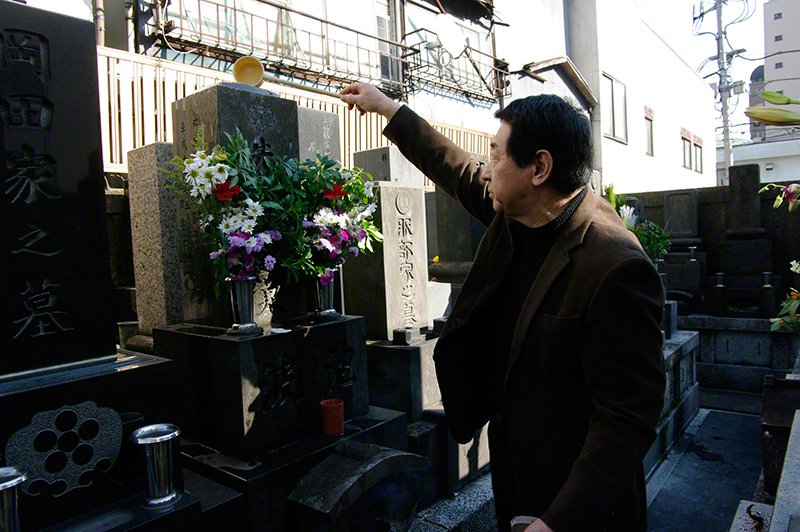
On January 3, Kondō visits Ikenami’s grave to report on the previous year’s events.
-
-
-
-
-
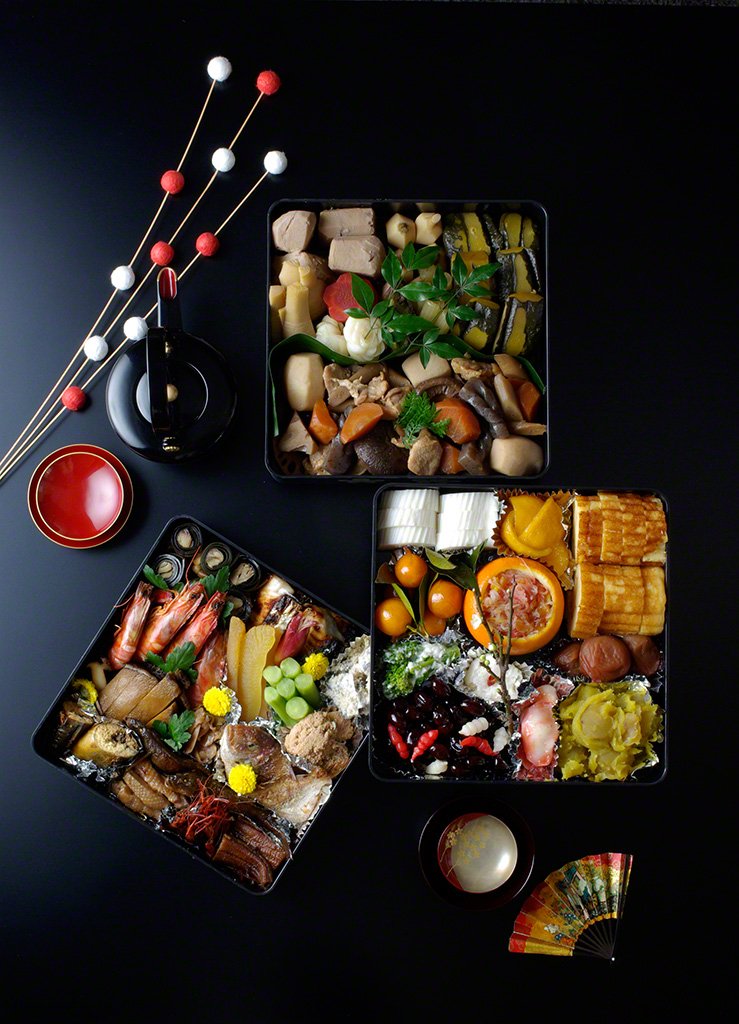
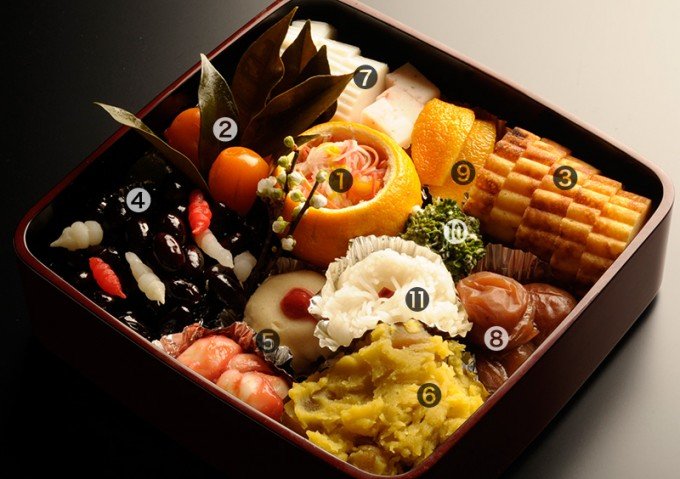
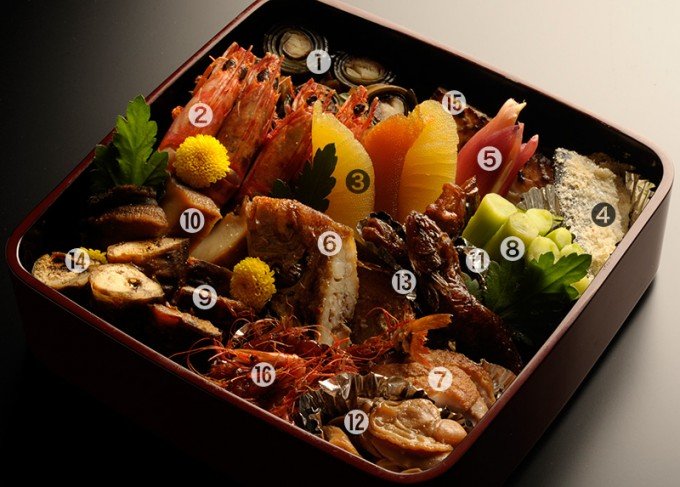
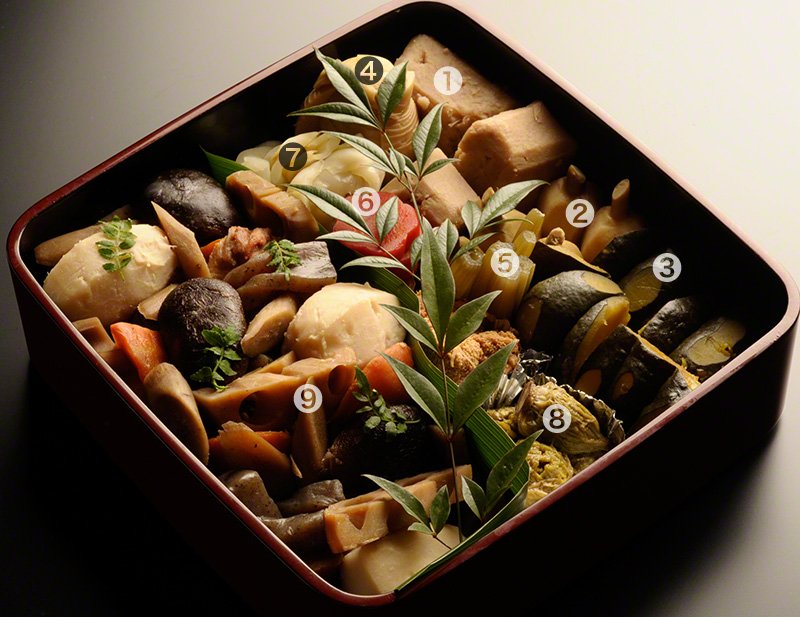
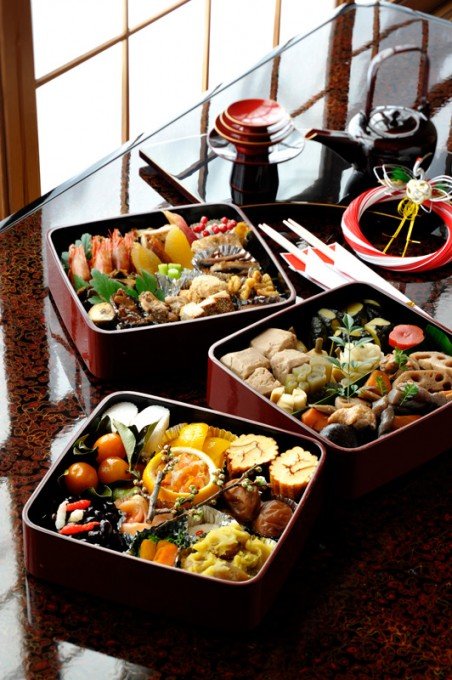
“Osechi ryōri” as prepared at the Tempura Kondō restaurant.
-
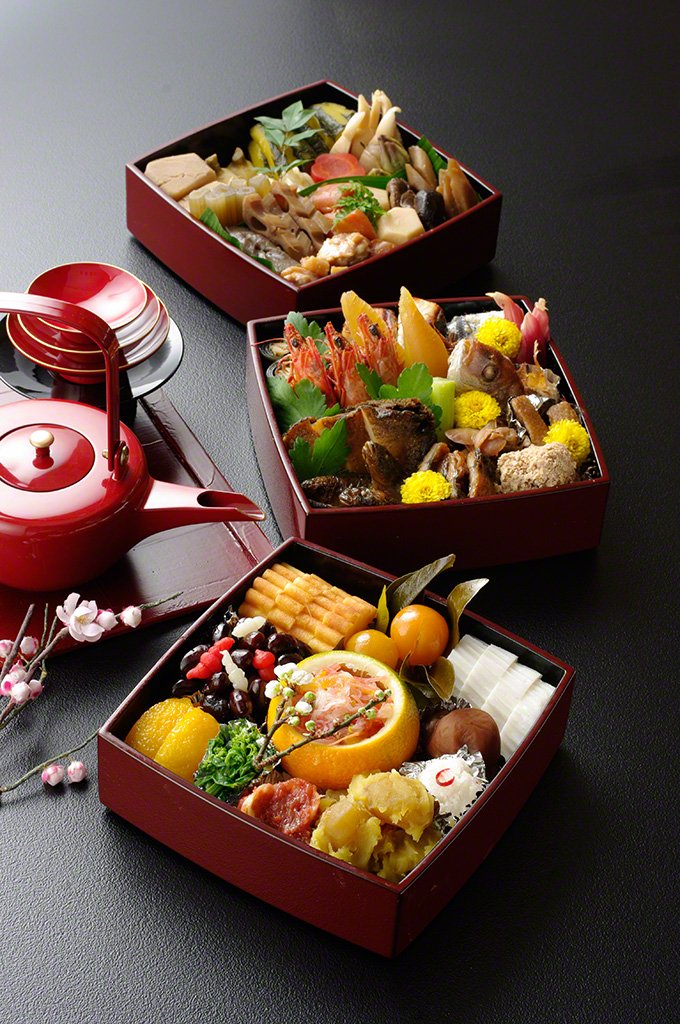
The same delicious flavors are delivered to the Ikenami household every New Year’s Eve.
-
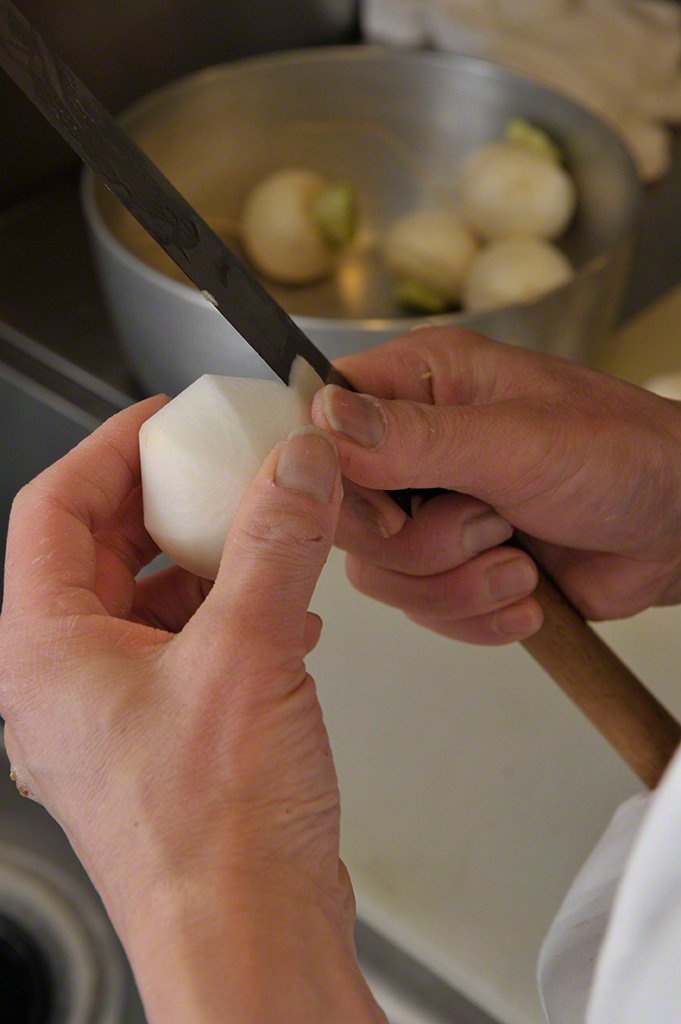
Japanese cuisine calls for all the ingredients to be trimmed to the same size.
-
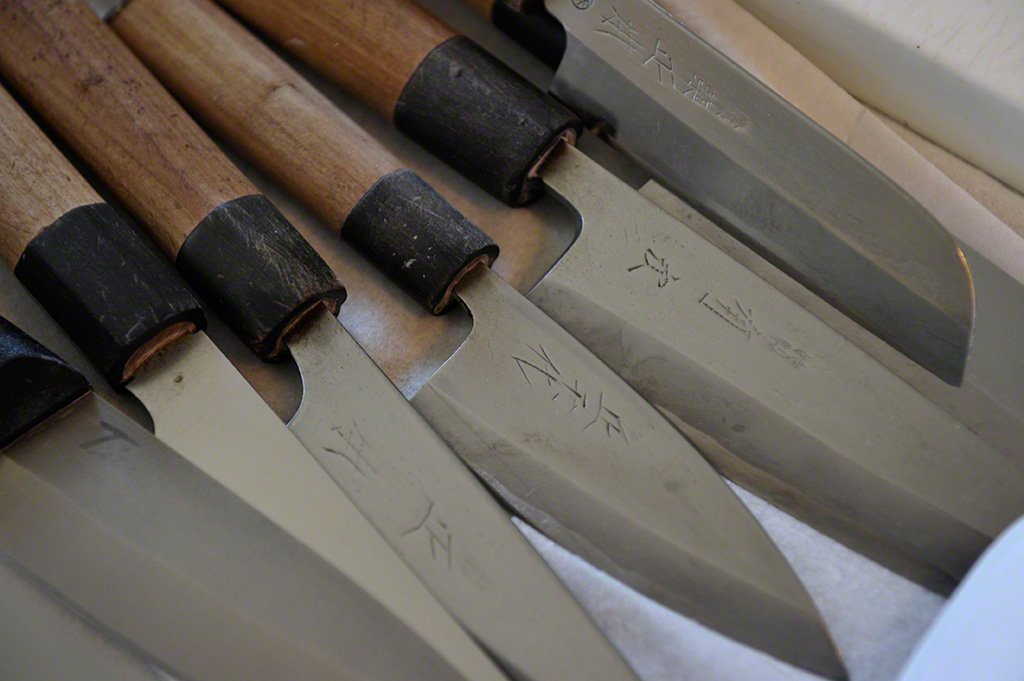
These knives are Kondō Fumio’s most prized possessions.
-
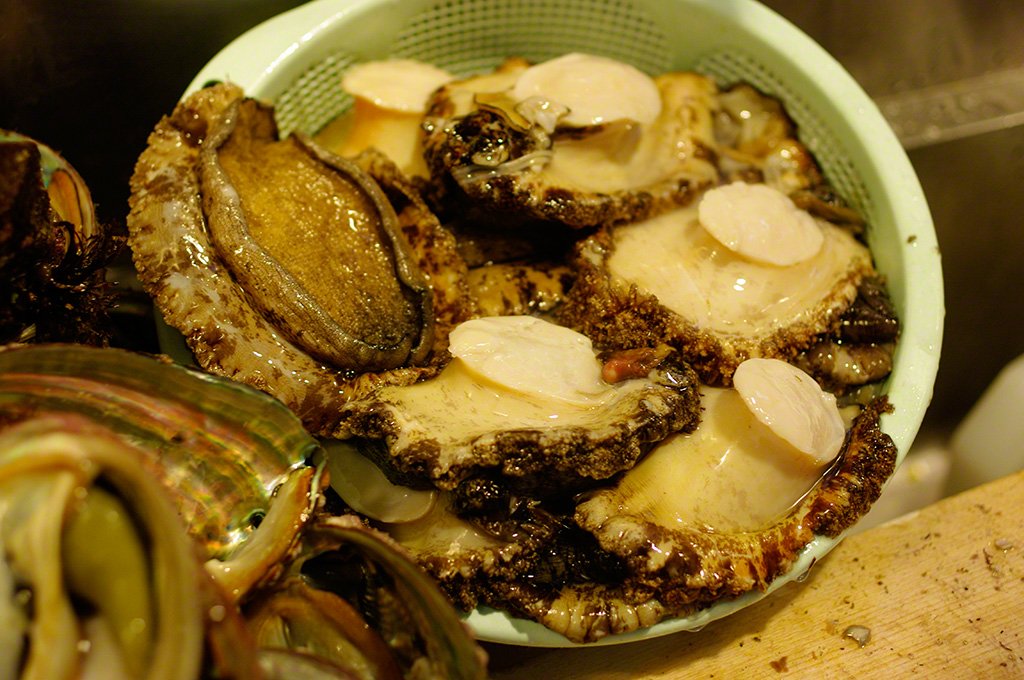
The finest-quality abalone are selected from the Tsukiji fish market and cleaned by hand.
-
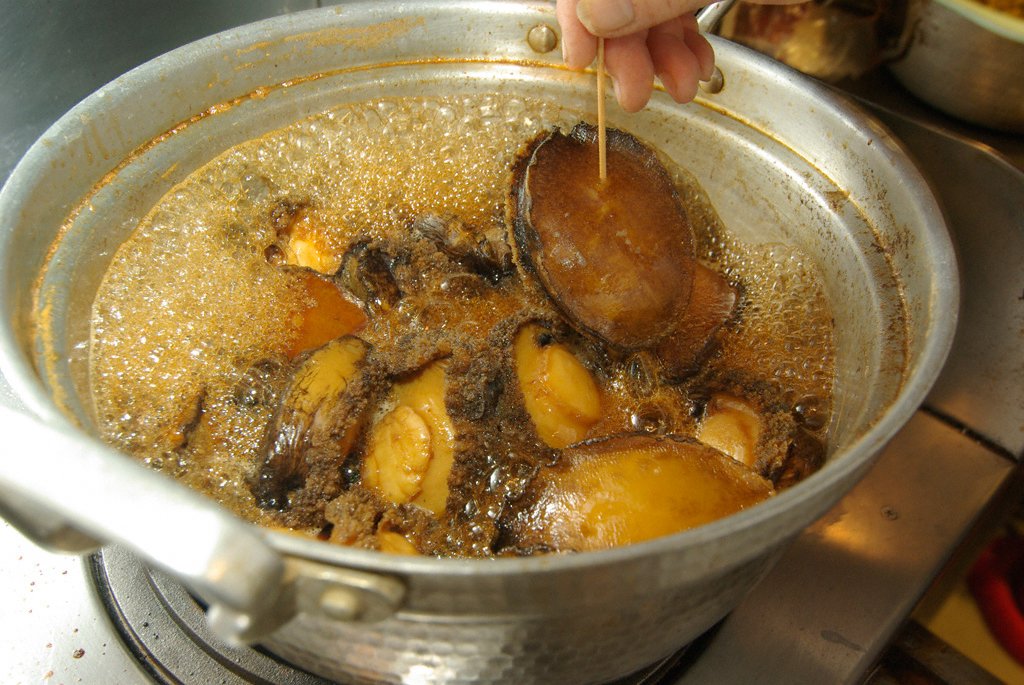
-

Frying sea bream. In frying, speed is essential to avoid overcooking the fish.
-

-
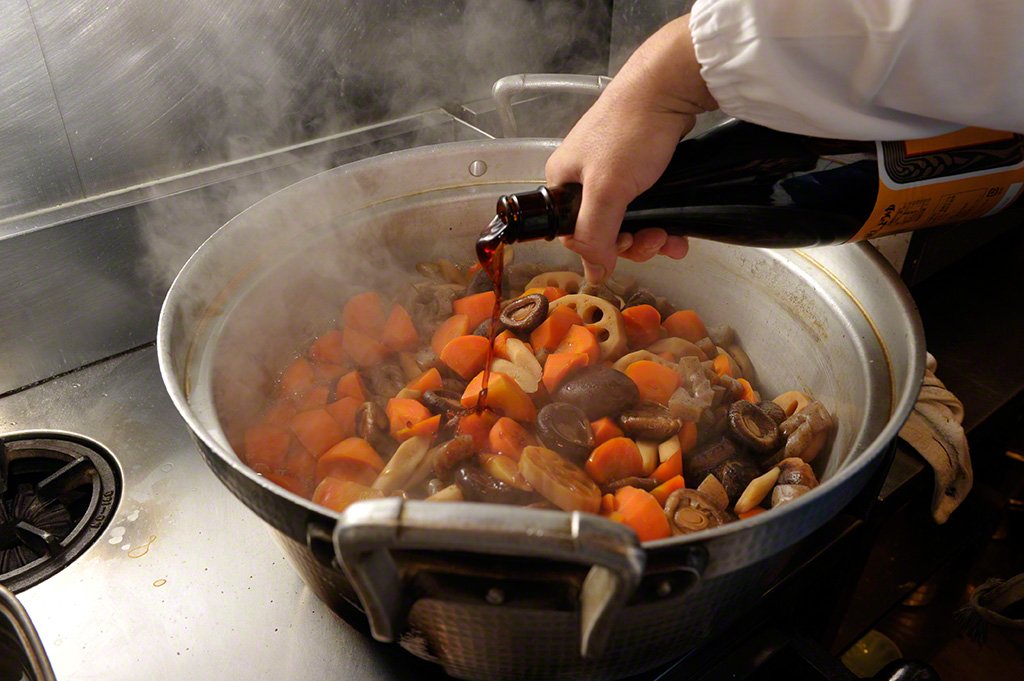
Adding dark soy sauce to the stock for the “nishime” vegetable stew.
-
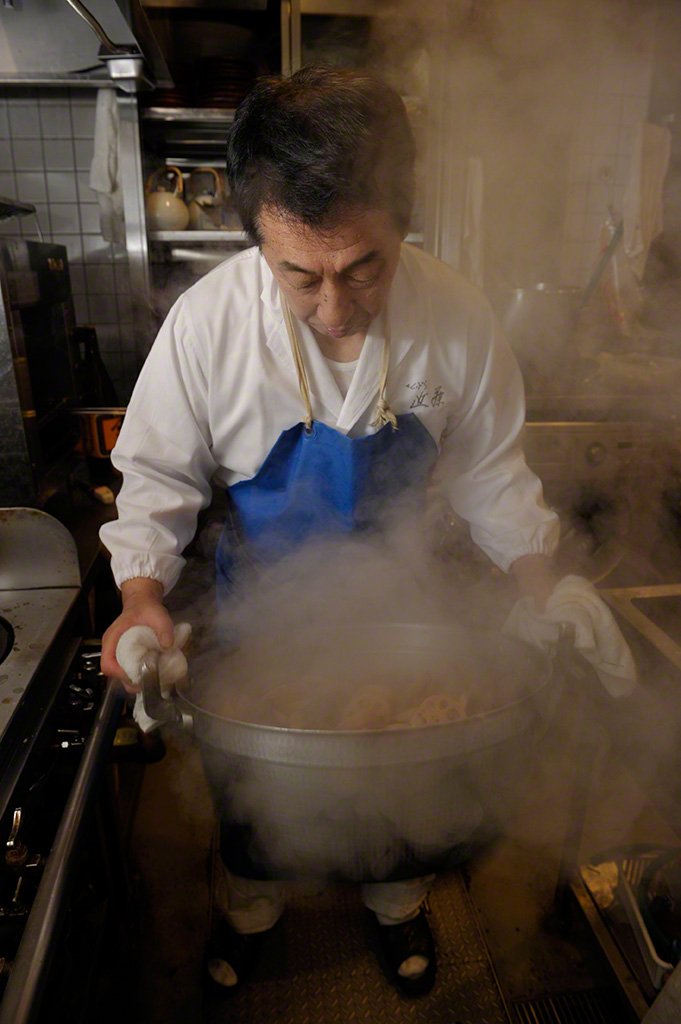
Shaking the cooking pot is heavy work.
-
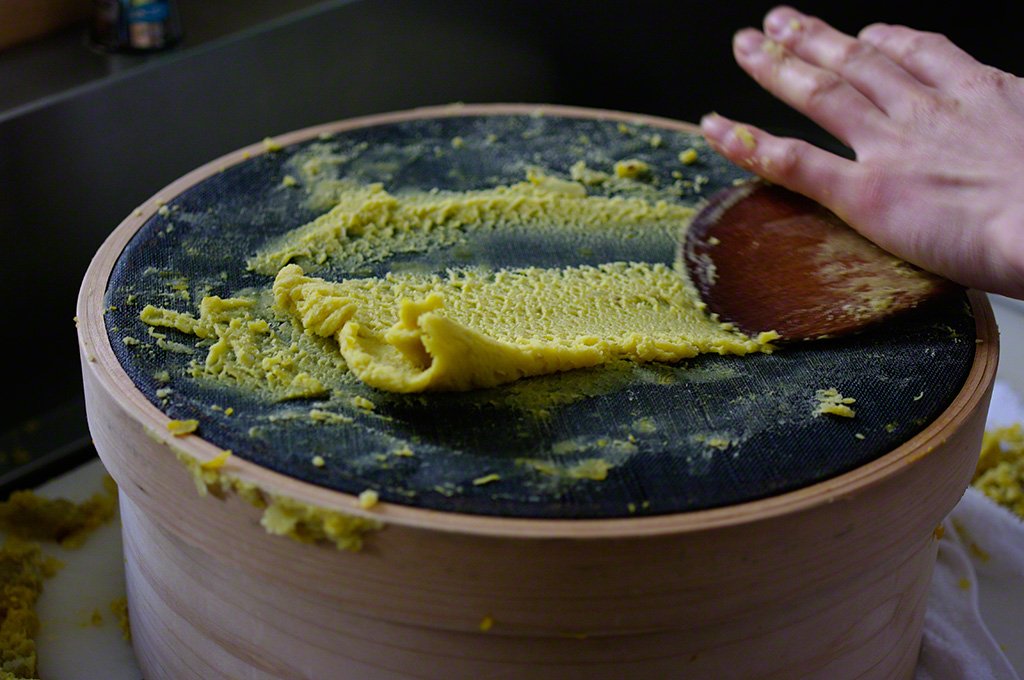
Preparing the sweet potato puree for the “kuri kinton” is time-consuming work, the hand patiently following the lines of the fine netting.
-
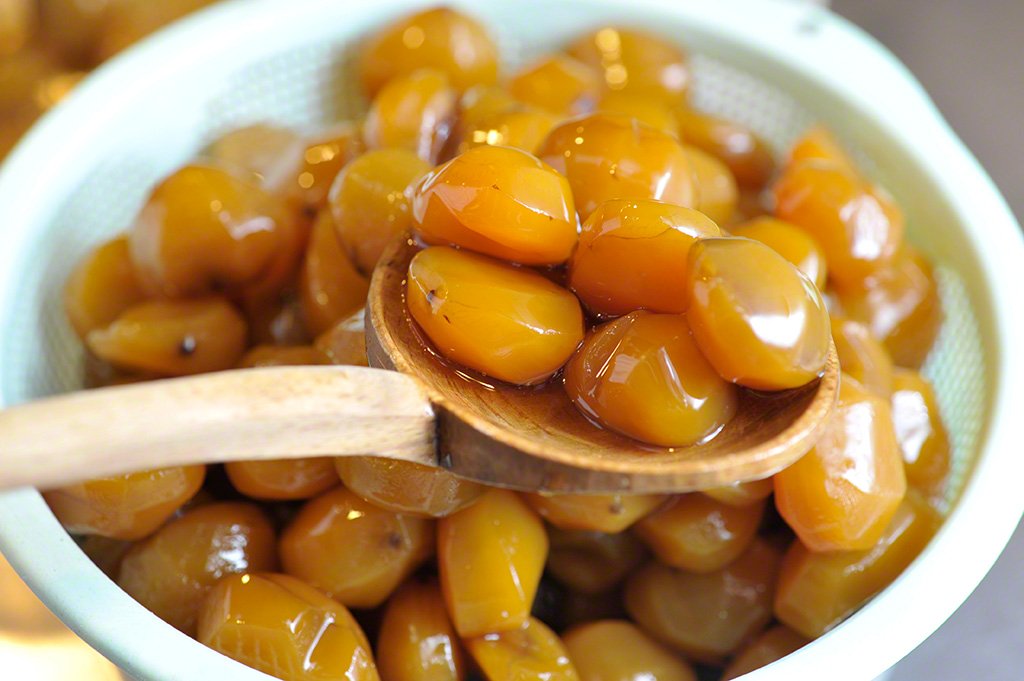
Chestnuts are simmered in honey and left for a whole day.
-

Eel cooked in “sanshō” (Japanese pepper). Because the meat is so soft, the cook needs to take special care to make sure that it does not fall apart as it is cooked.
-
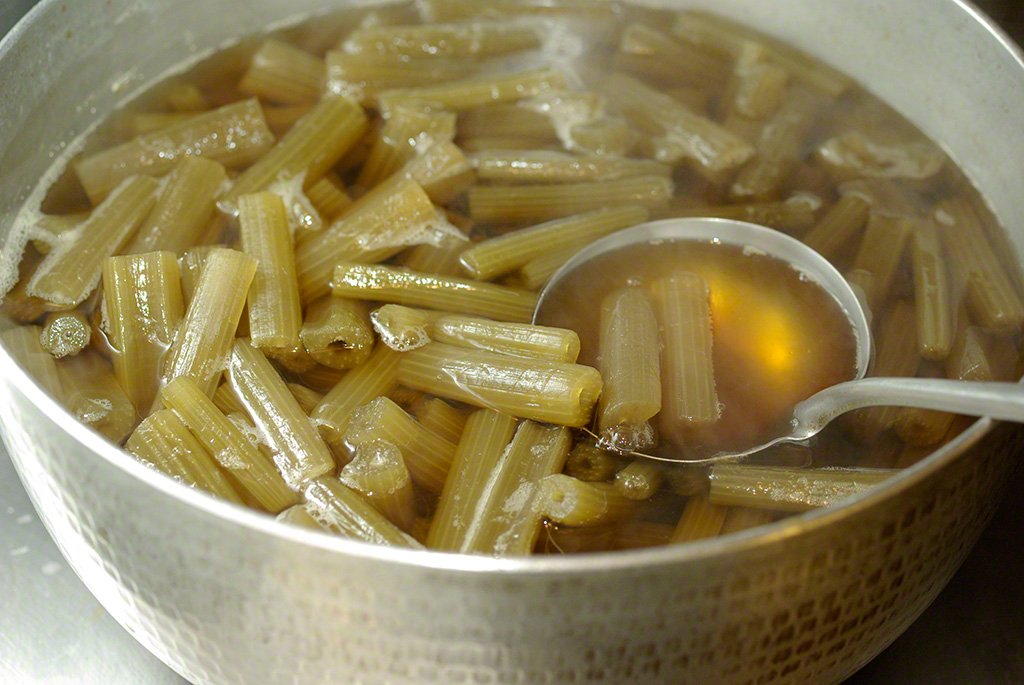
The butterbur is simmered in a light green stock to prevent it from losing its color during the cooking process.
-
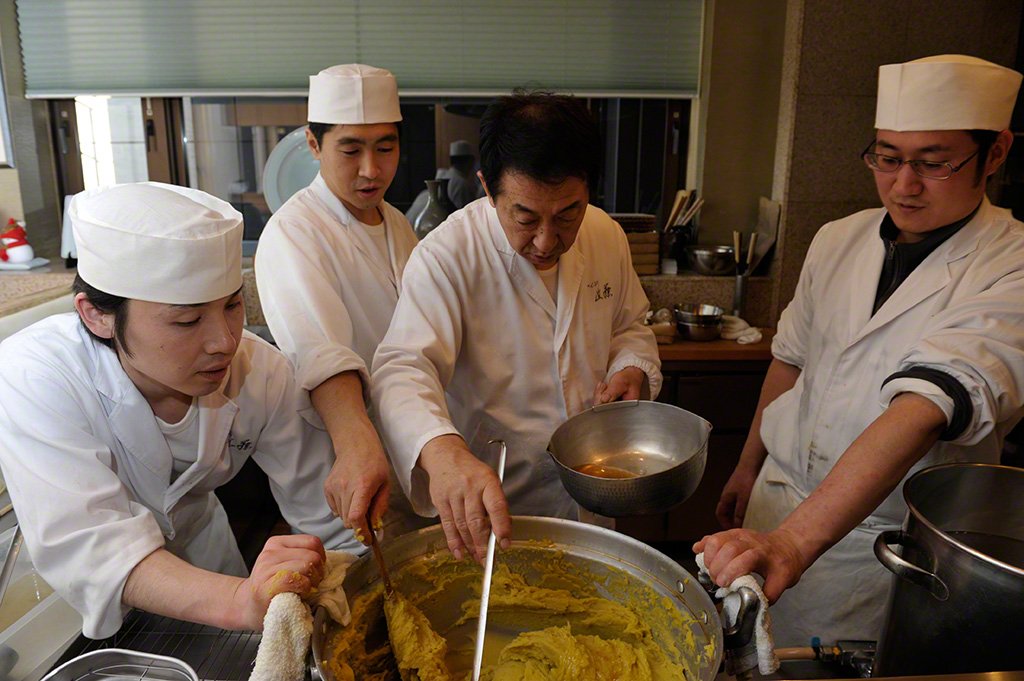
Preparing the chestnuts and sweet potato “kinton” takes many hours of work, and requires the help of several chefs.
-
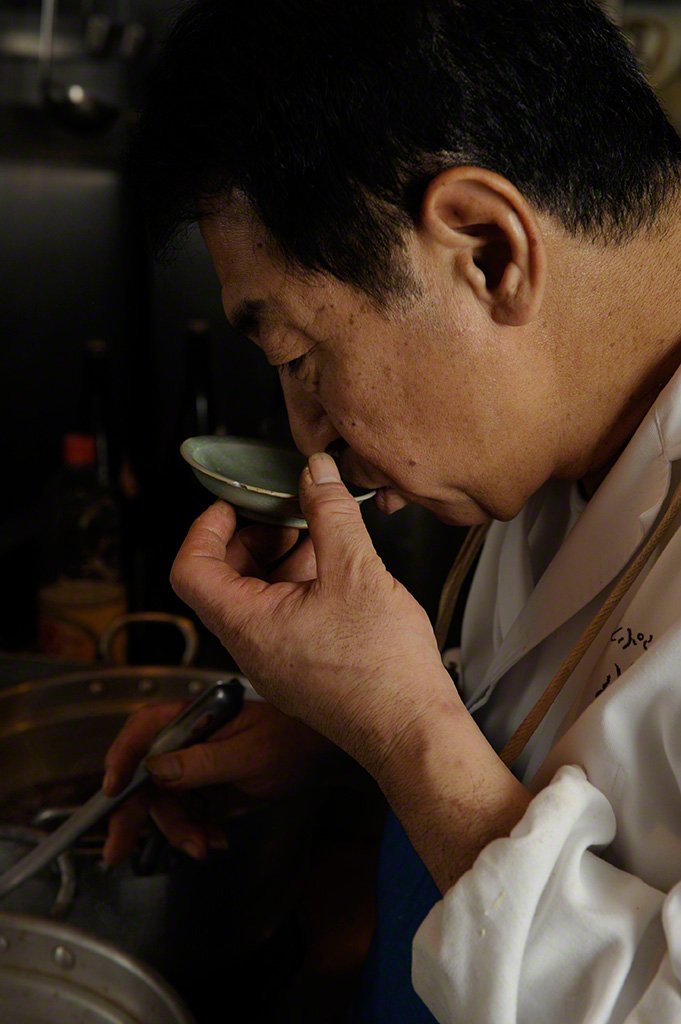
Kondō tastes the simmered dishes frequently to keep a close check on the constantly evolving flavors.
-
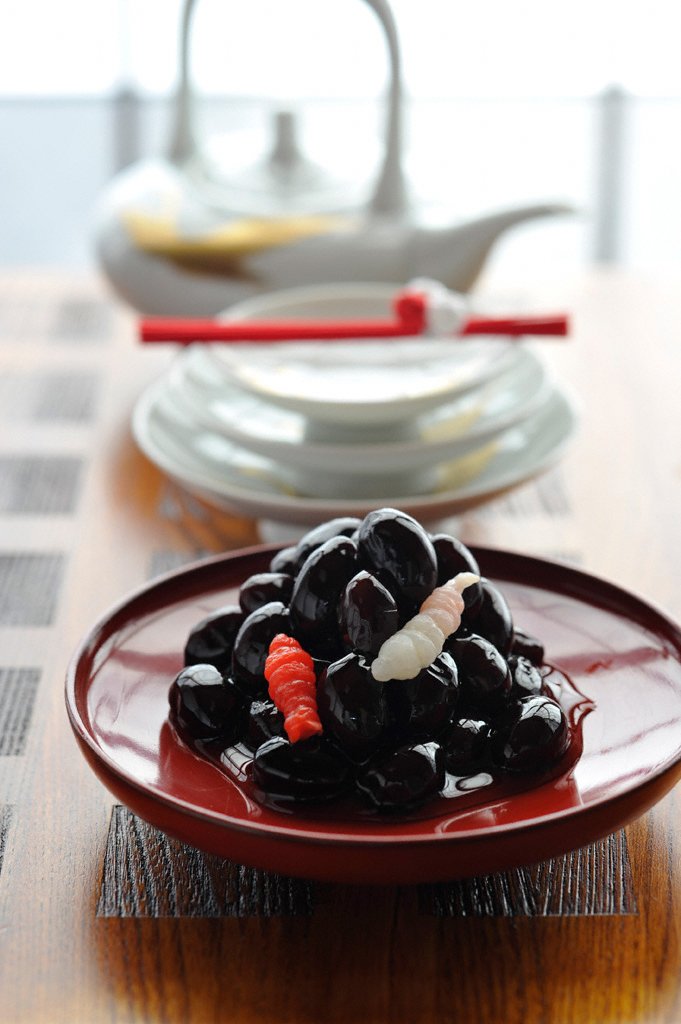
Four different types of sugar are used in the preparation of these sweet black soybeans.
-
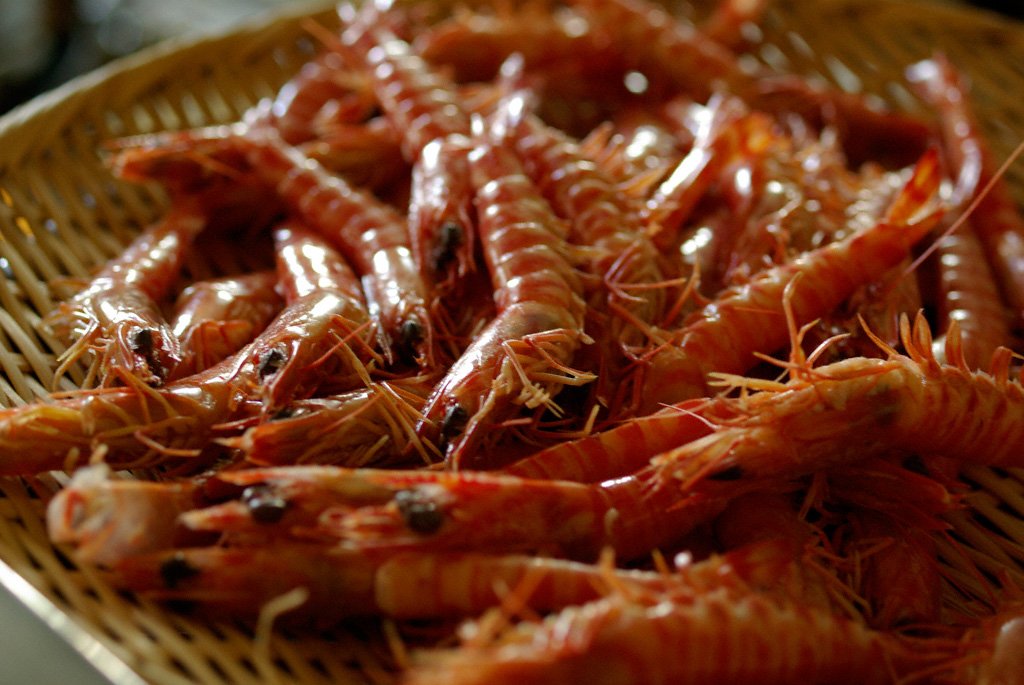
The shrimp are briefly boiled while still alive and then simmered to avoid shrinkage.
-
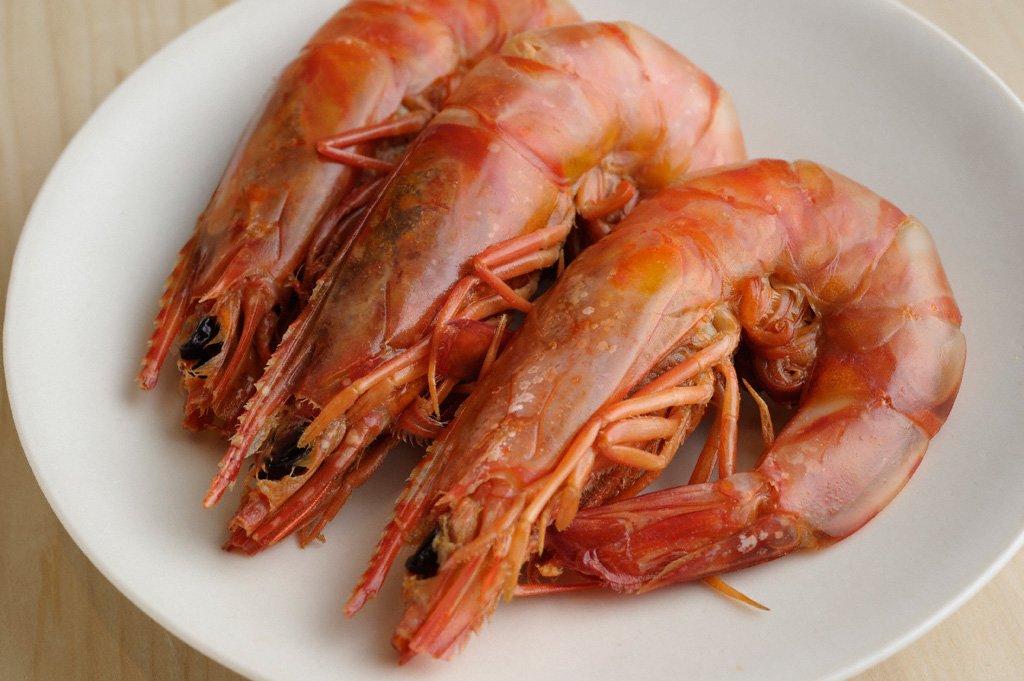
Shrimp cooked in their shells.
-
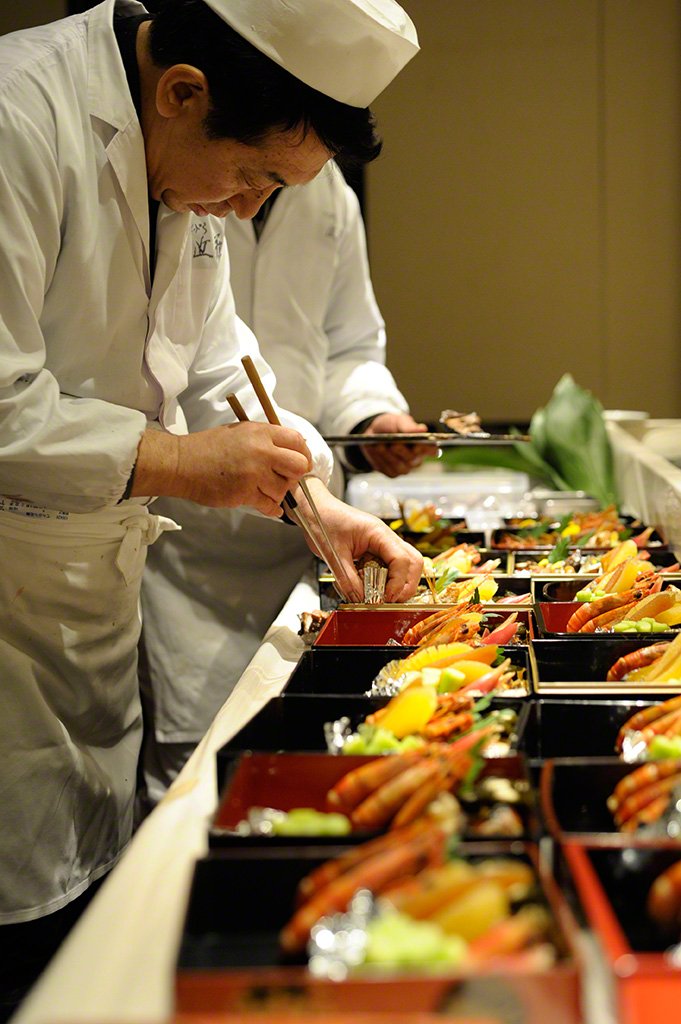
Packing the boxes carefully so that the contents do not shift.
-
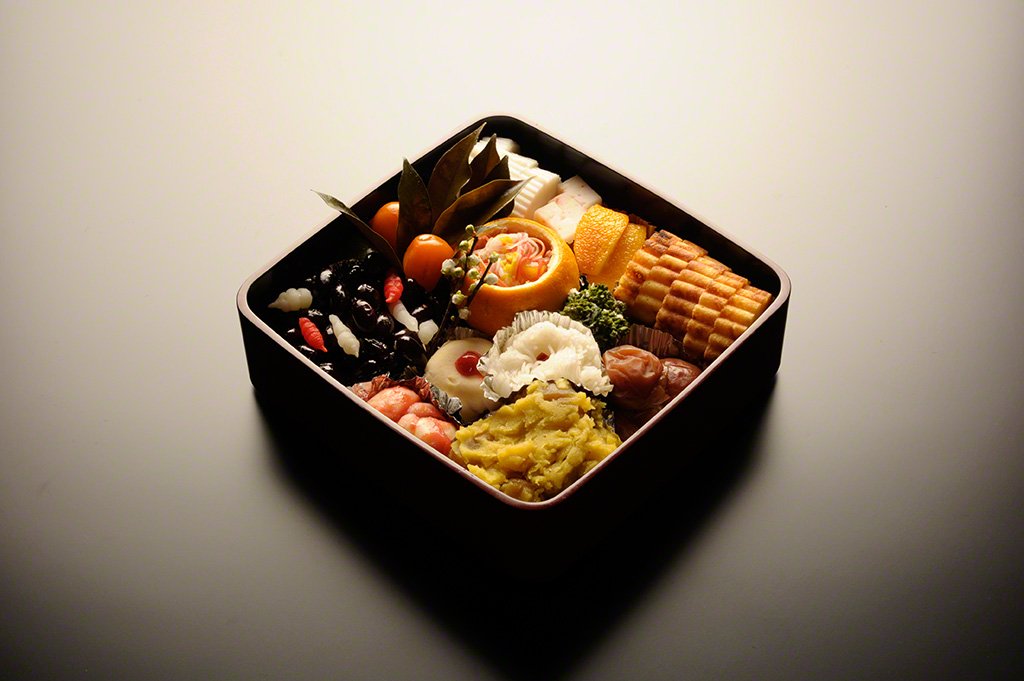
The first layer: celebratory foods and auspicious appetizers.
-
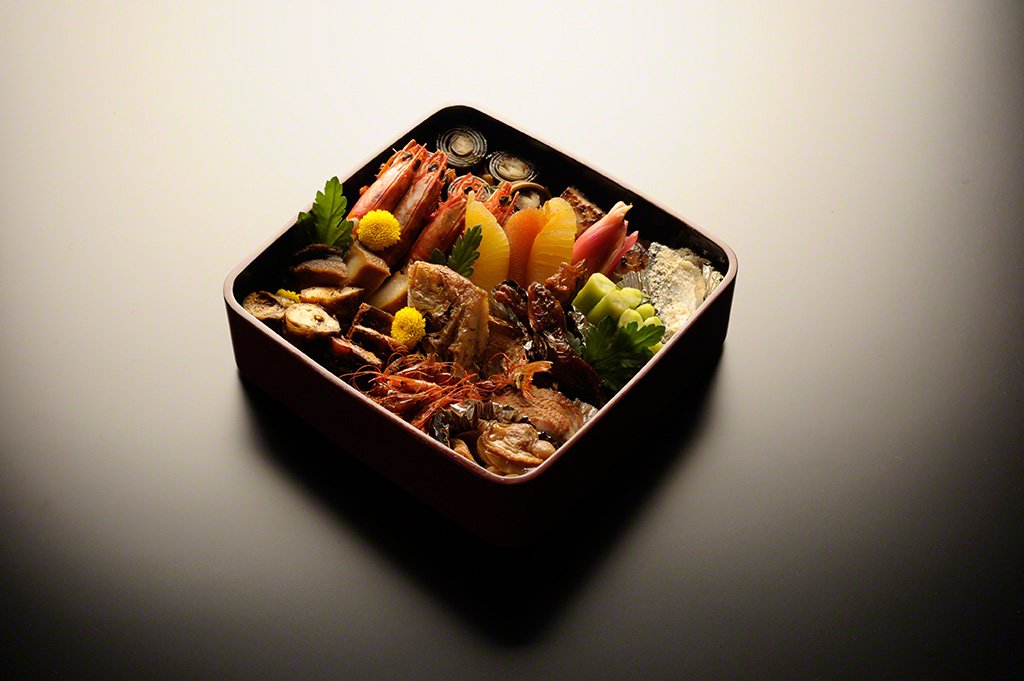
The second layer: braised dishes and vinegar-dressed dishes.
-

The third layer: simmered dishes.
-
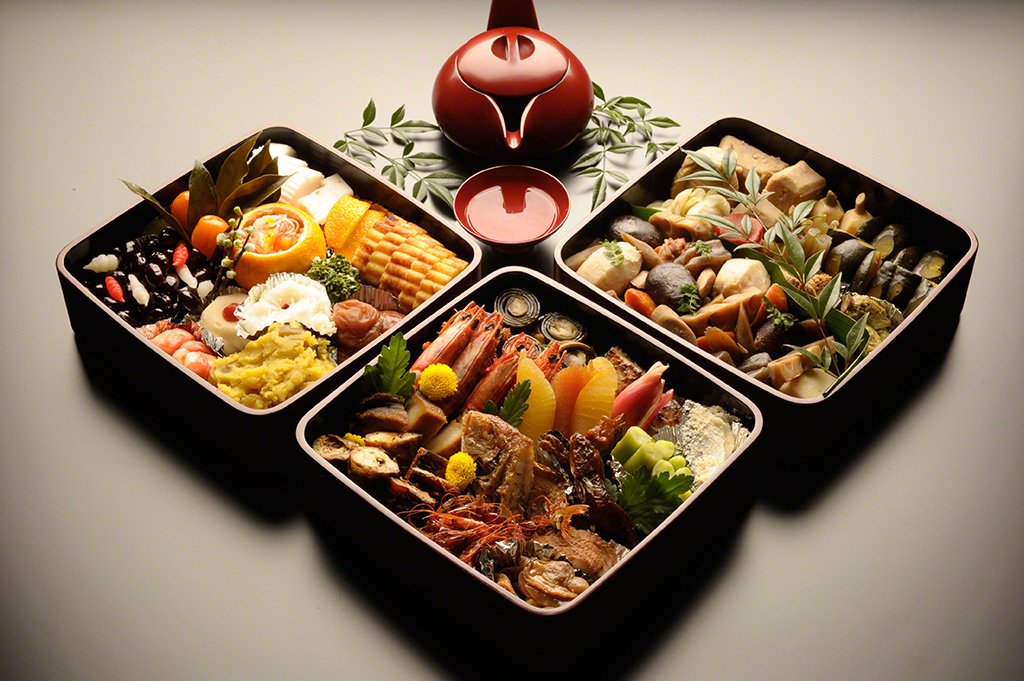
A complete “osechi” meal takes roughly 20 days to prepare.


 Read in other languages