-
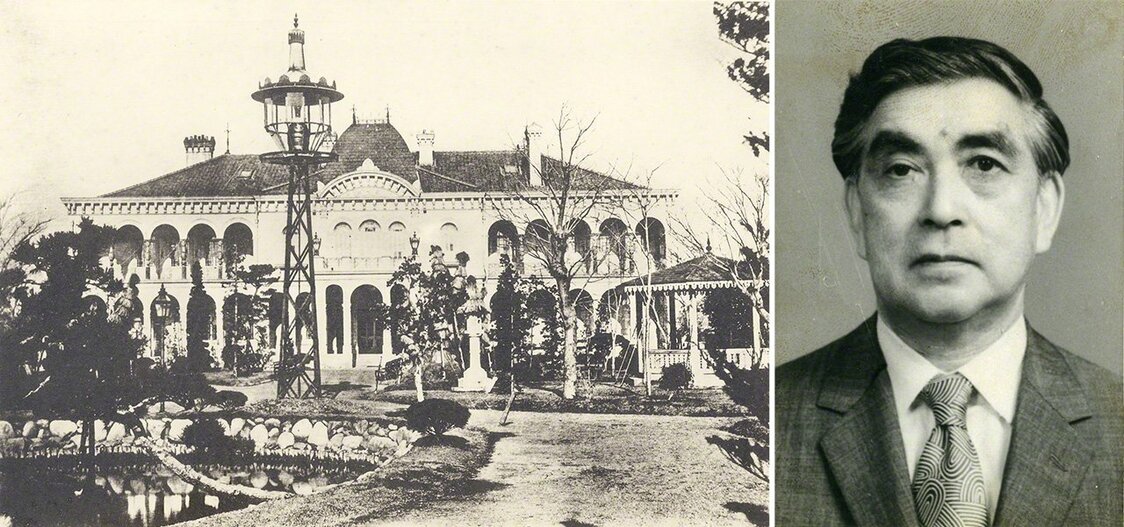
The Rokumeikan, demolished in 1940, and architect Taniguchi Yoshirō.
-
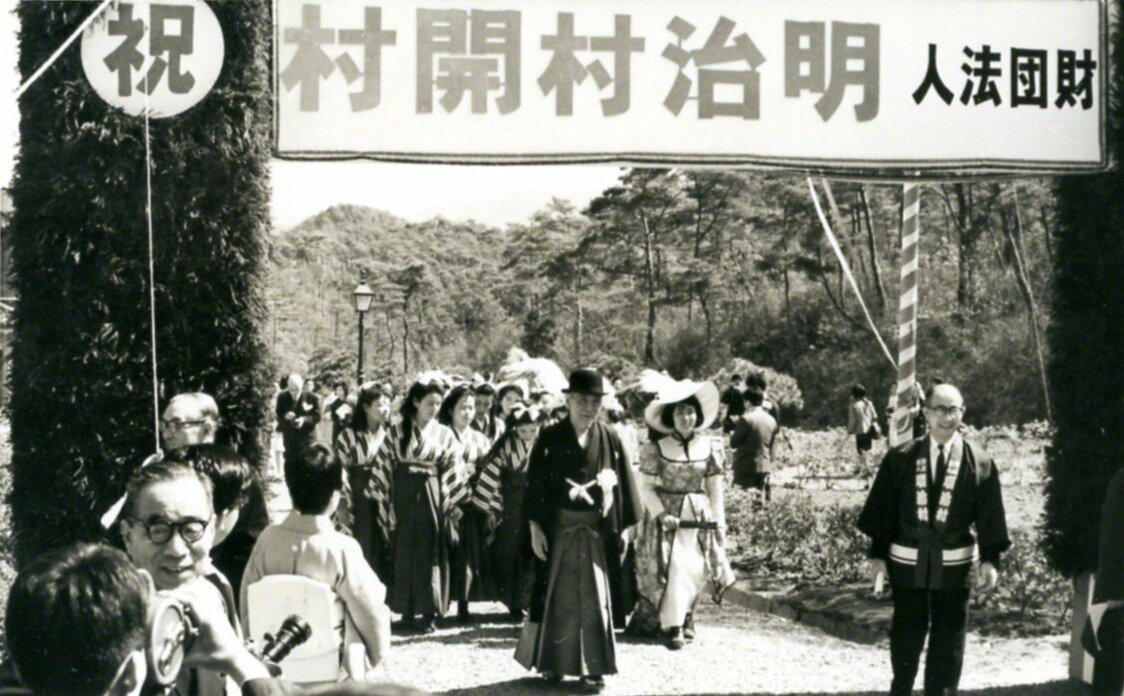
The first guests enter the park at the Meiji Mura opening ceremony.
-
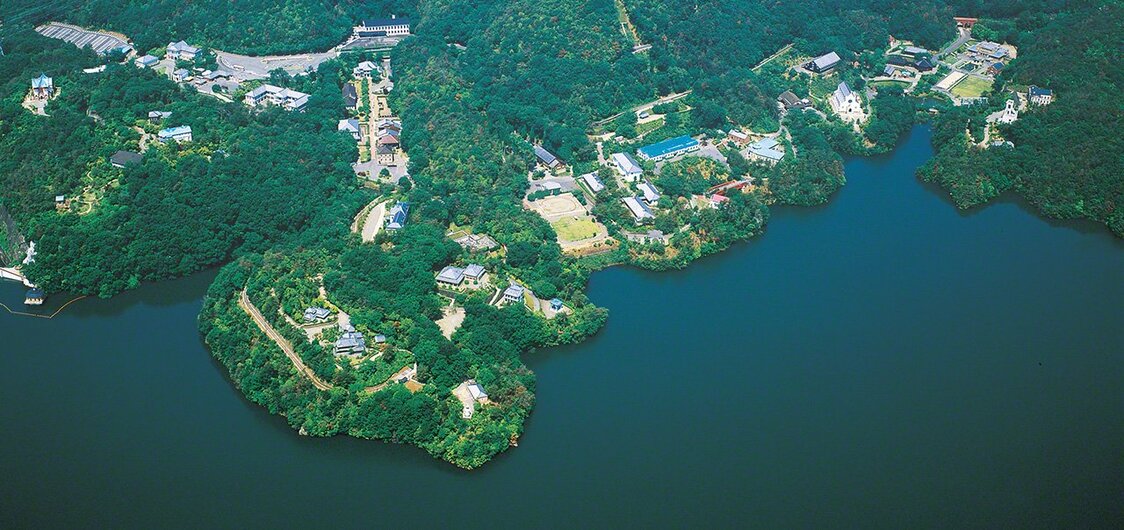
Meiji-era architecture scattered across 100 hectares of rolling landscape in Inuyama, Aichi Prefecture.
-
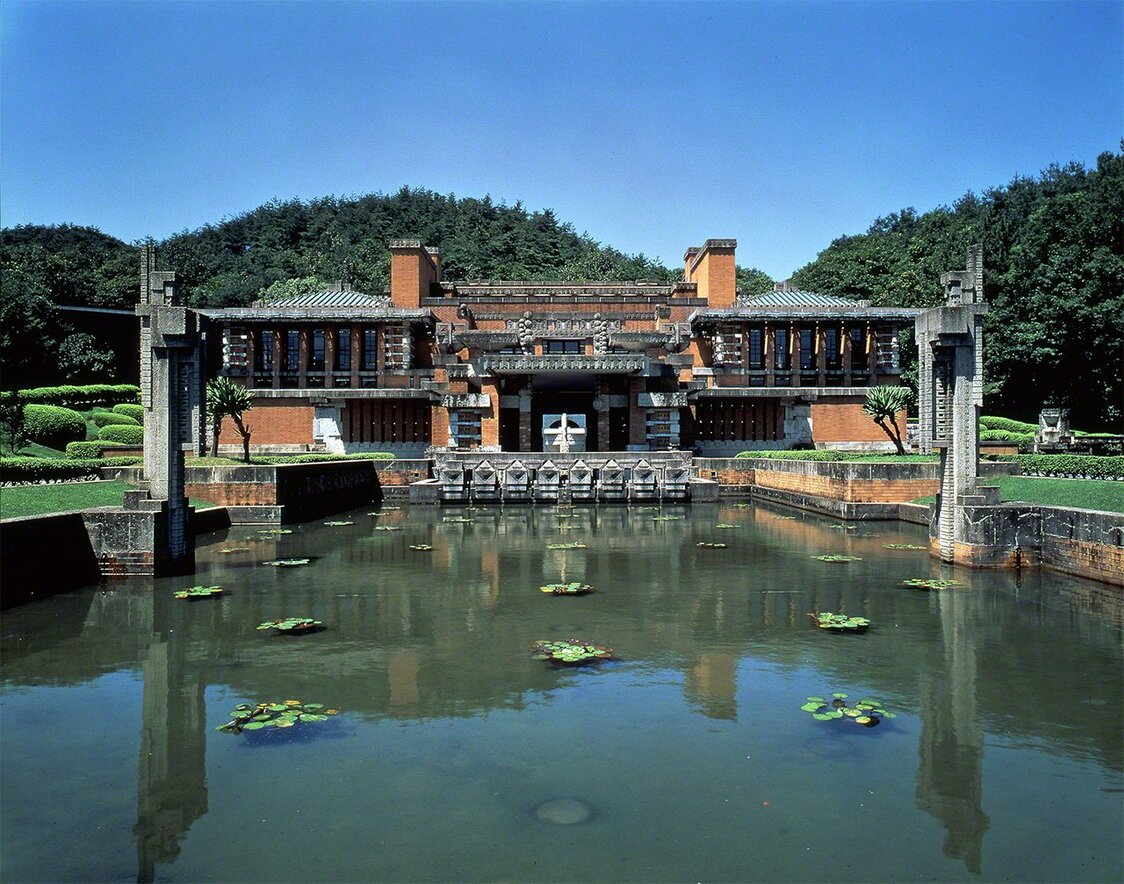
The central entryway of the Imperial Hotel, built 1923 in Hibiya, Tokyo.
-
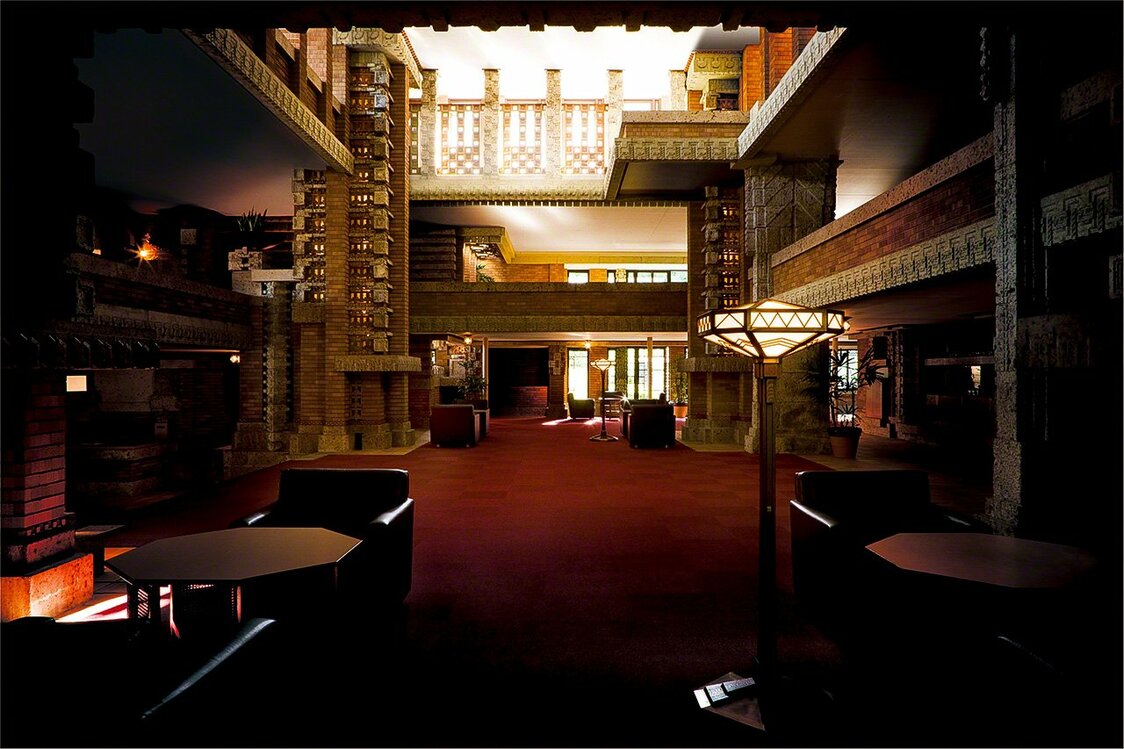
A view of the Imperial Hotel Main Lobby.
-
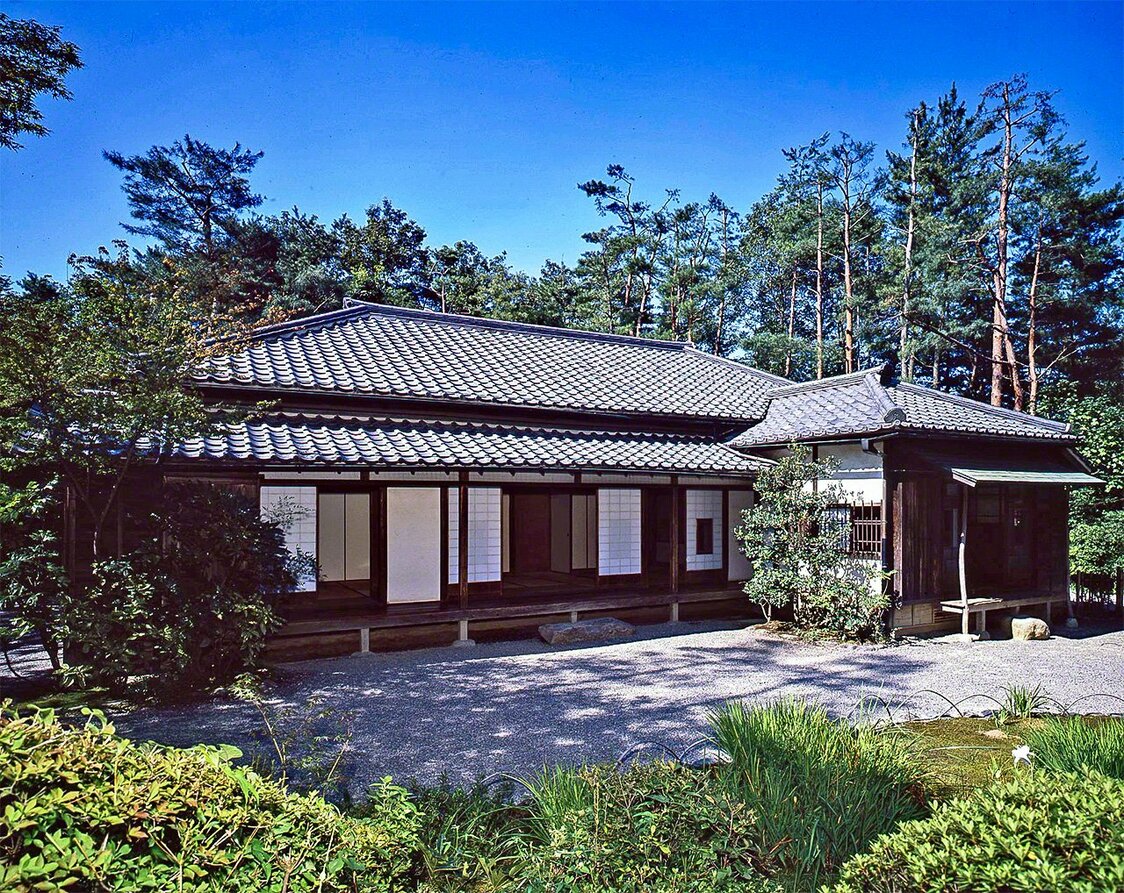
The residence where Mori Ōgai and Natsume Sōseki lived, built in 1887 in Tokyo.
-
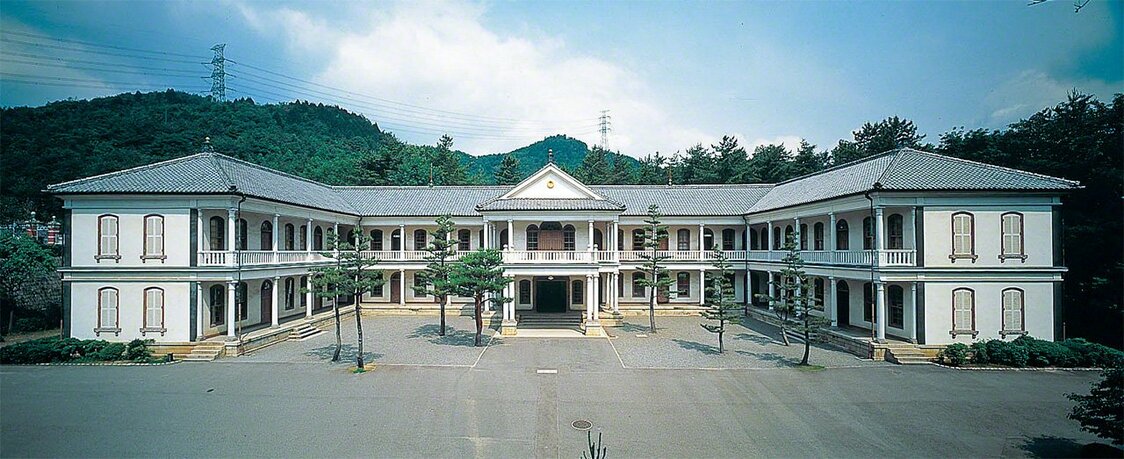
The Mie Prefectural Government building was built in Tsu, Mie Prefecture, in 1879.
-
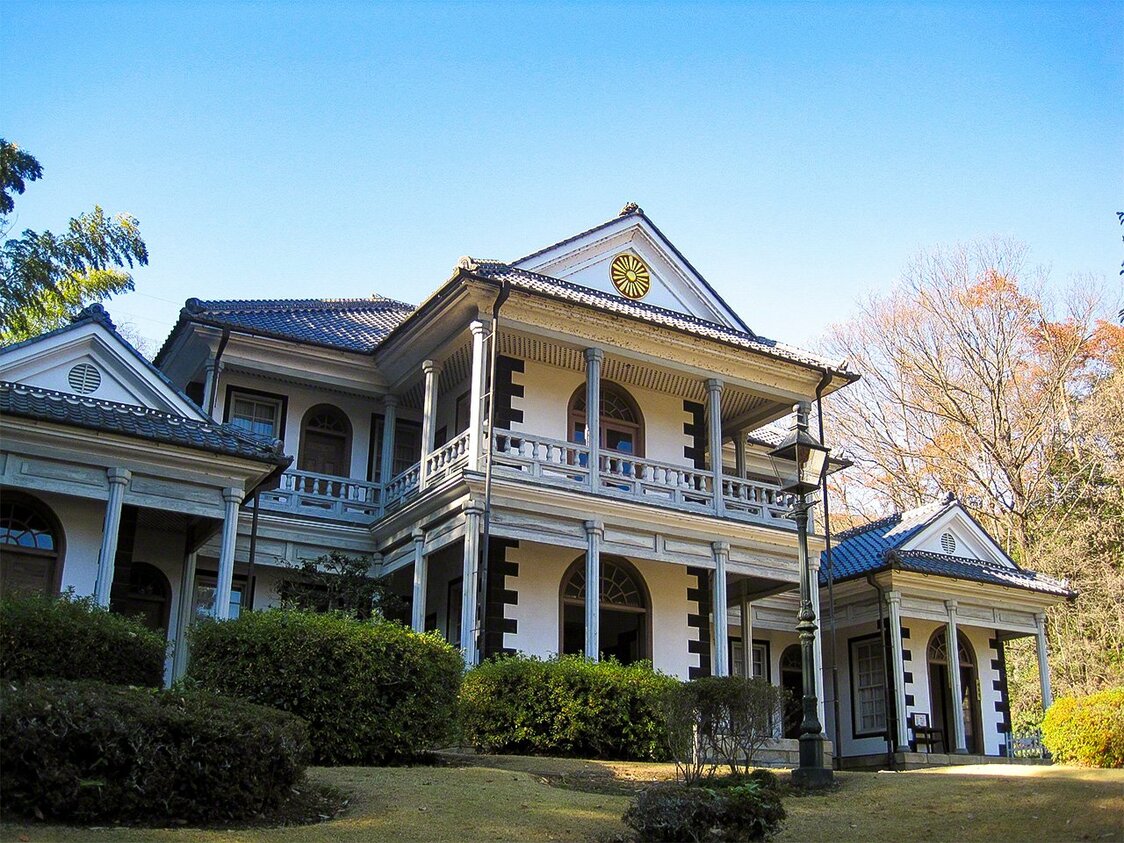
The Higashi-Yamanashi District Office was relocated from Yamanashi, Yamanashi Prefecture.
-
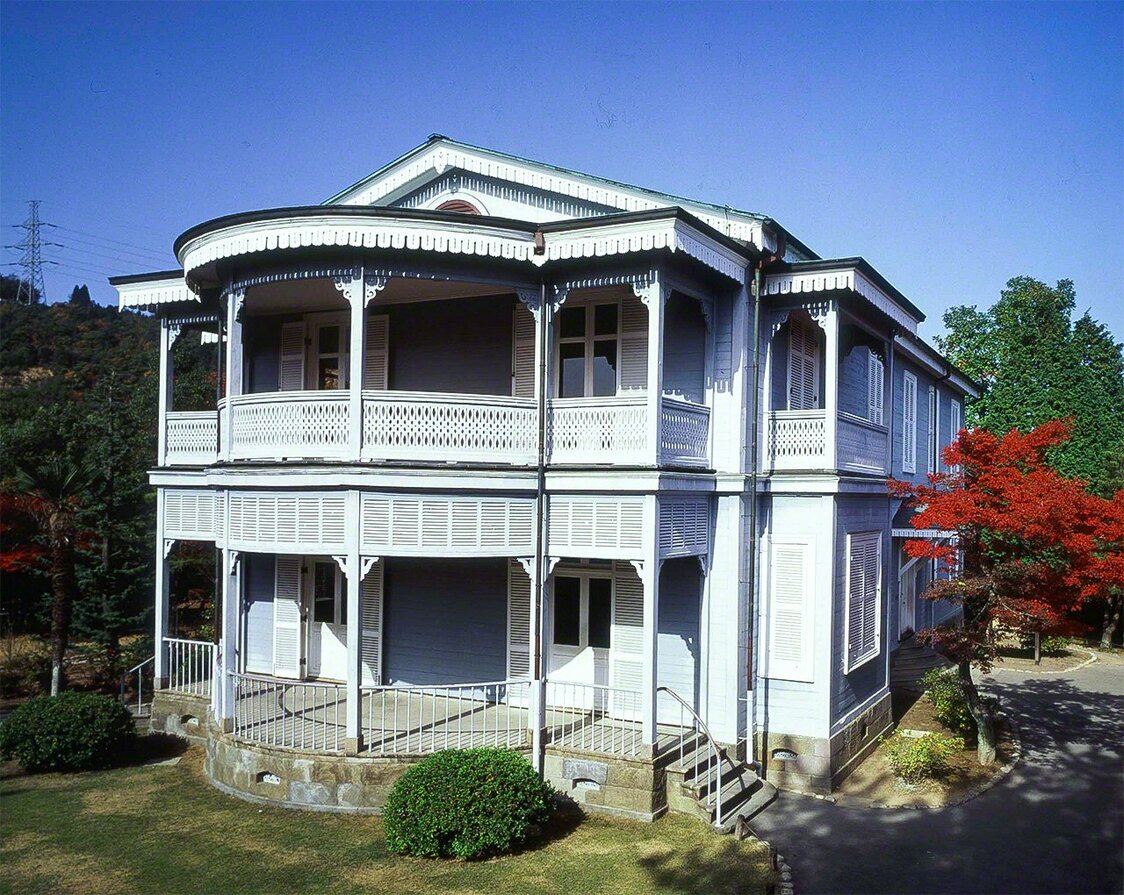
The Saigō Tsugumichi Mansion, built 1880 in what is now Meguro, Tokyo. Tsugumichi was the older brother of Saigō Takamori , a famous leader of the Meiji Restoration.
-
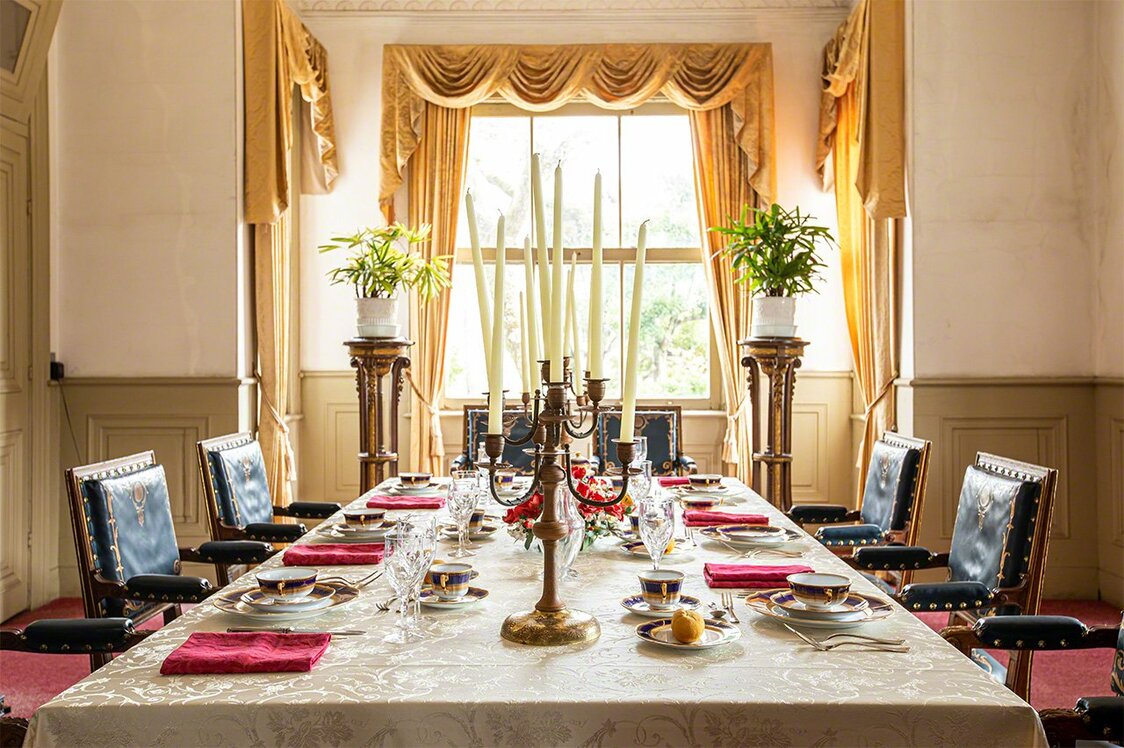
The dining room in the Saigō mansion.
-
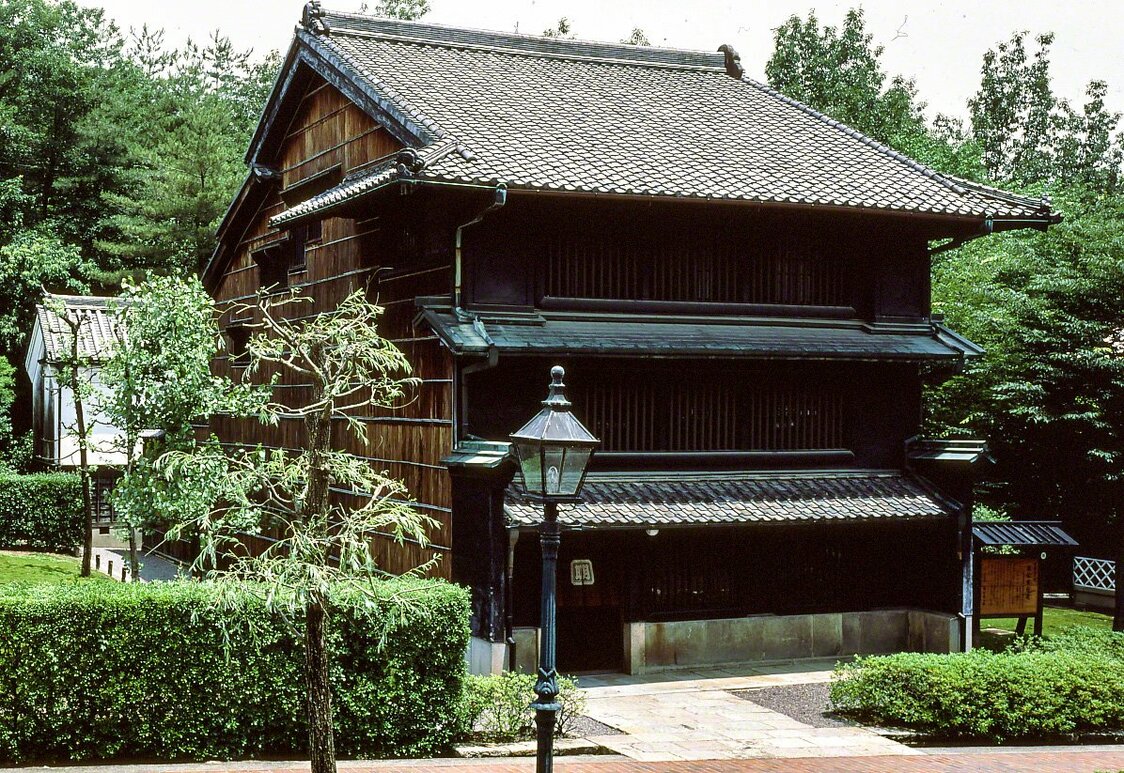
The Tōmatsu Family Residence reached its current state in 1901, after multiple rounds of renovation.
-
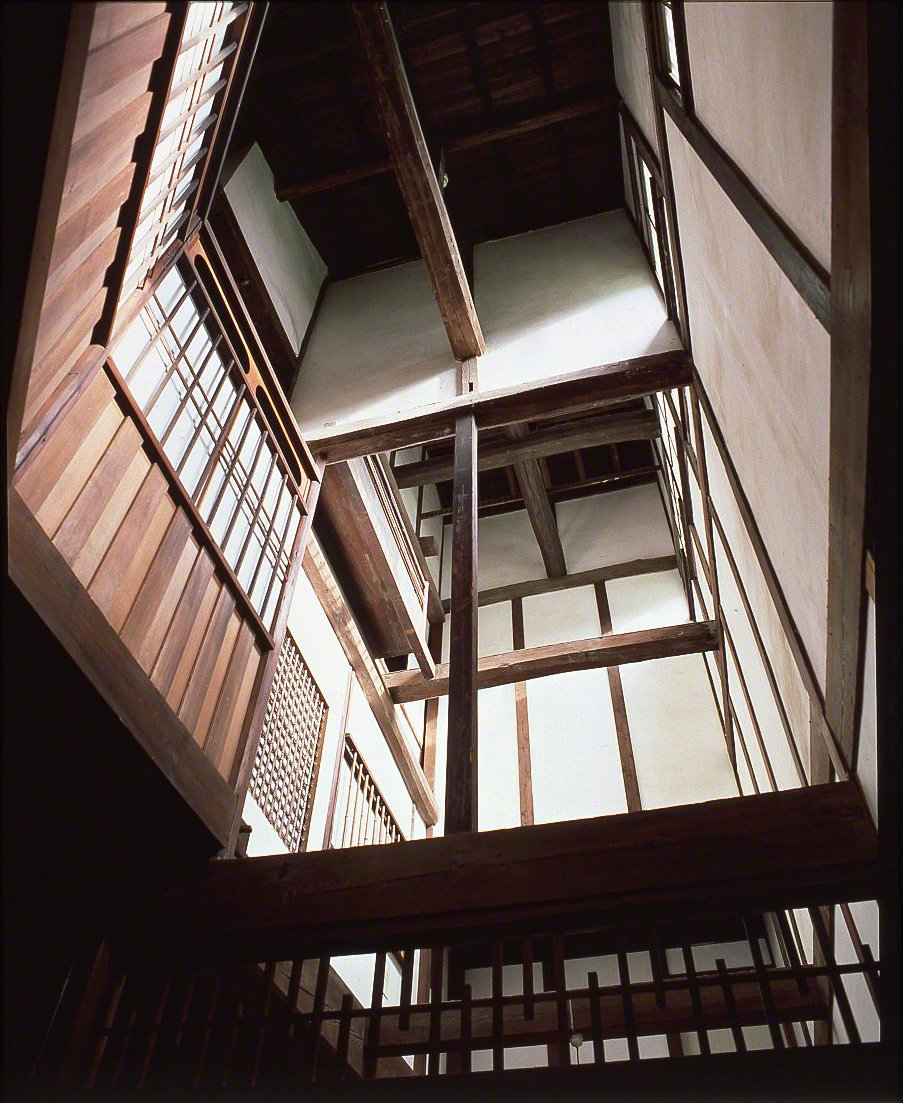
The atrium of the Tōmatsu Family Residence, extending up to the third floor.
-
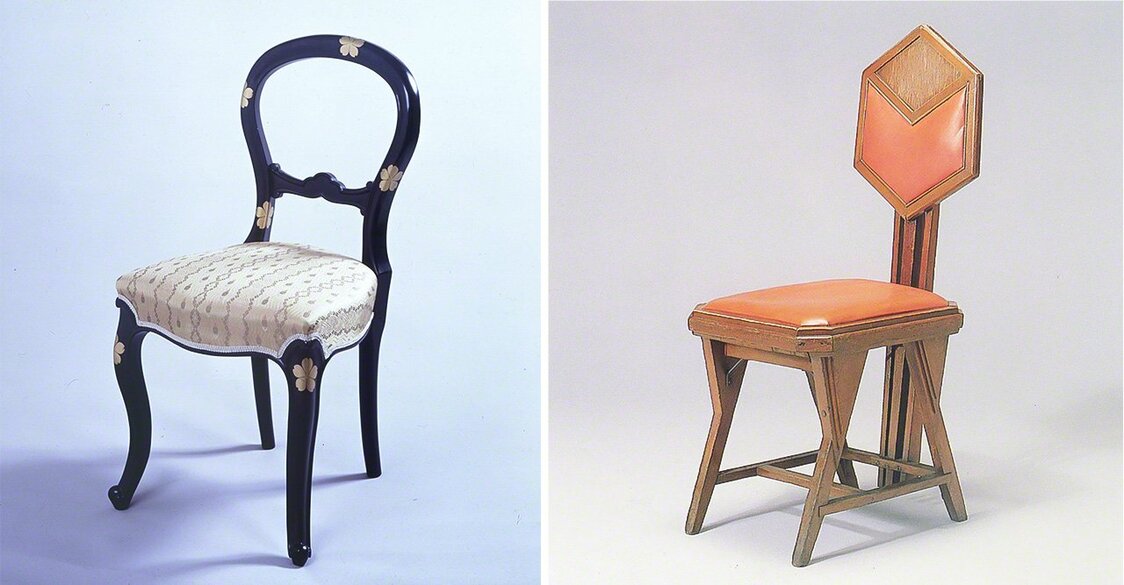
At left is a balloon-back chair in a style popular in nineteenth-century Britain, decorated with Japanese decorative cherry blossom makie lacquer patterns, from the Saigō Tsugumichi Mansion; at right is a peacock chair designed by Frank Lloyd Wright on display in the lobby of the Imperial Hotel.
-
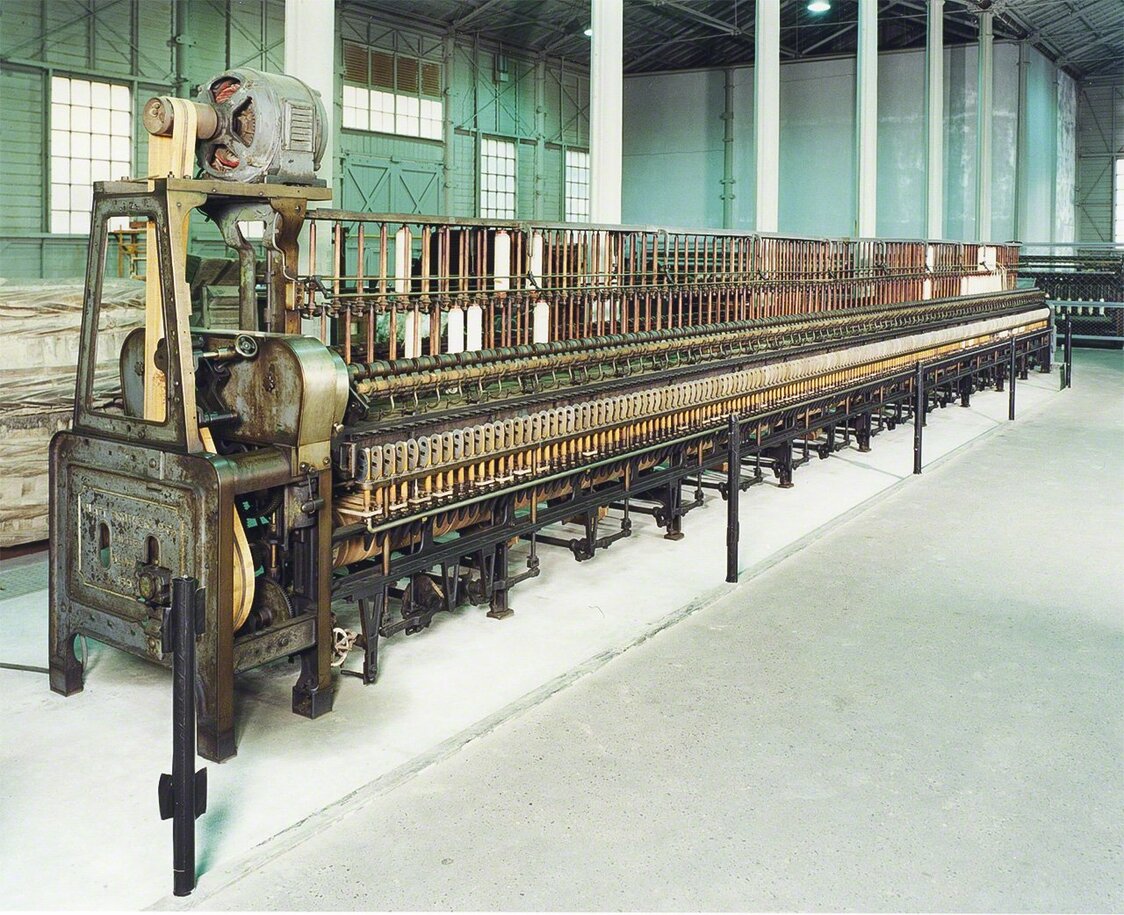
Ring spinner made by the British company Platt Brothers.
-
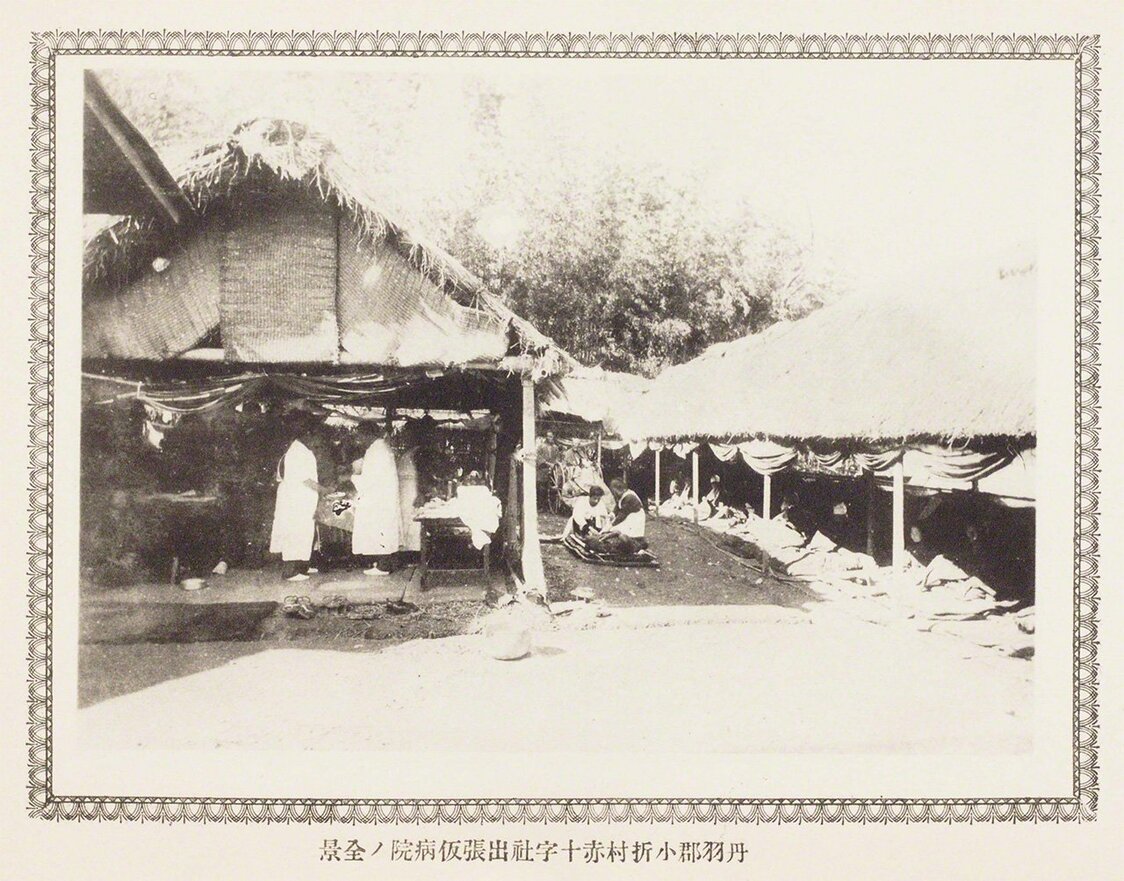
Photographs documenting relief efforts by the Japanese Red Cross Society after the Nōbi earthquake of 1891.
-
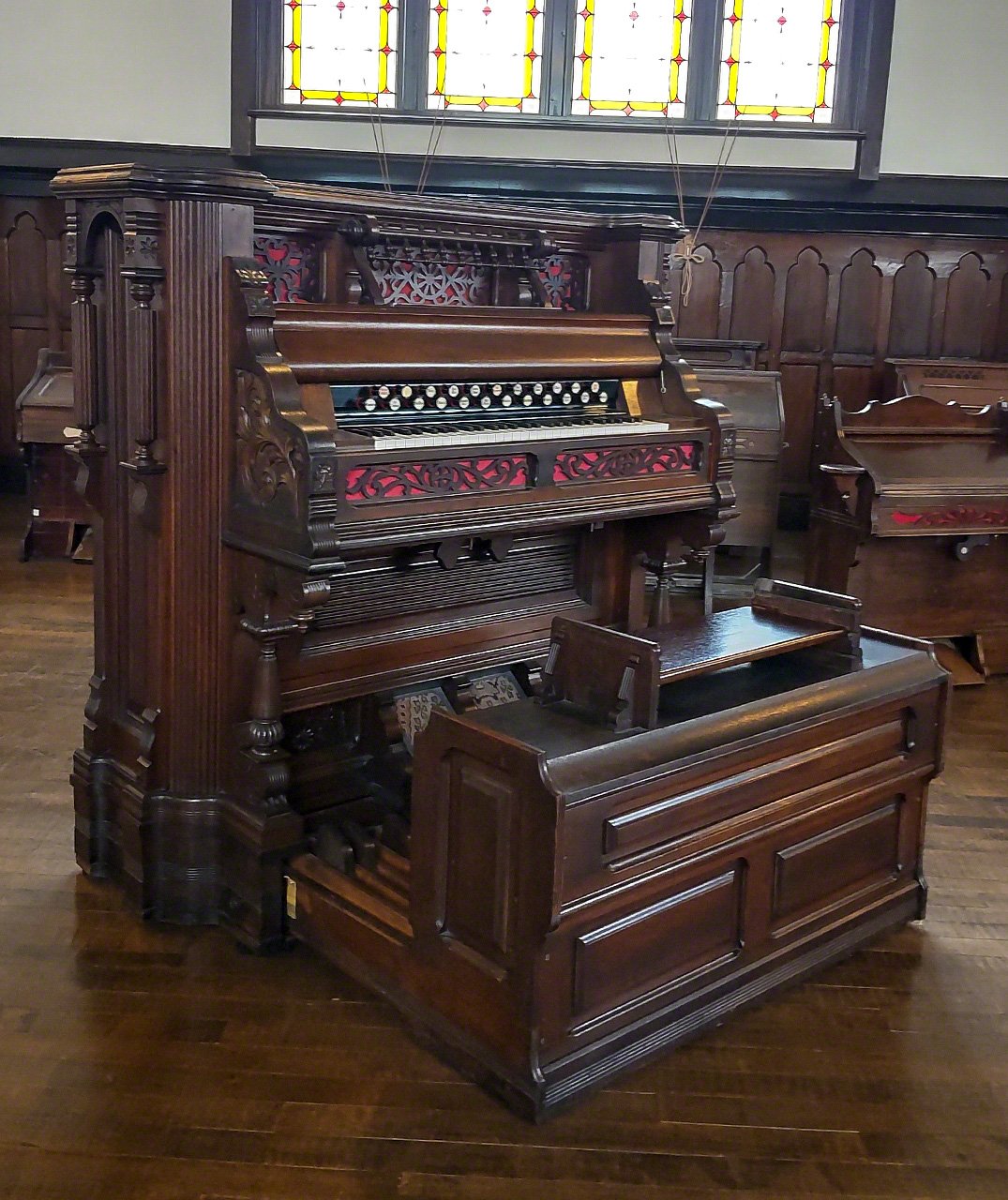
The 1890 American organ still produces music today.
-
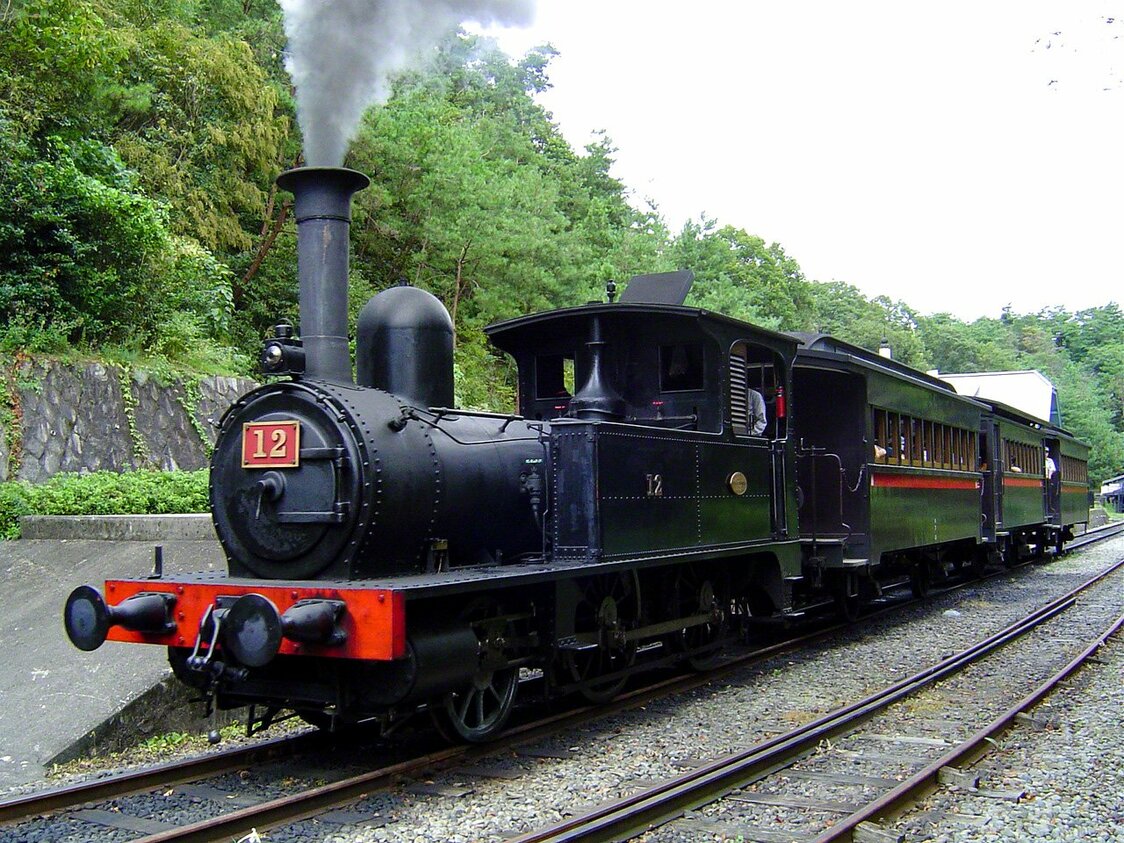
A British Sharp Stewart Steam Locomotive that once ran between Shinbashi and Yokohama.


 Read in other languages