-
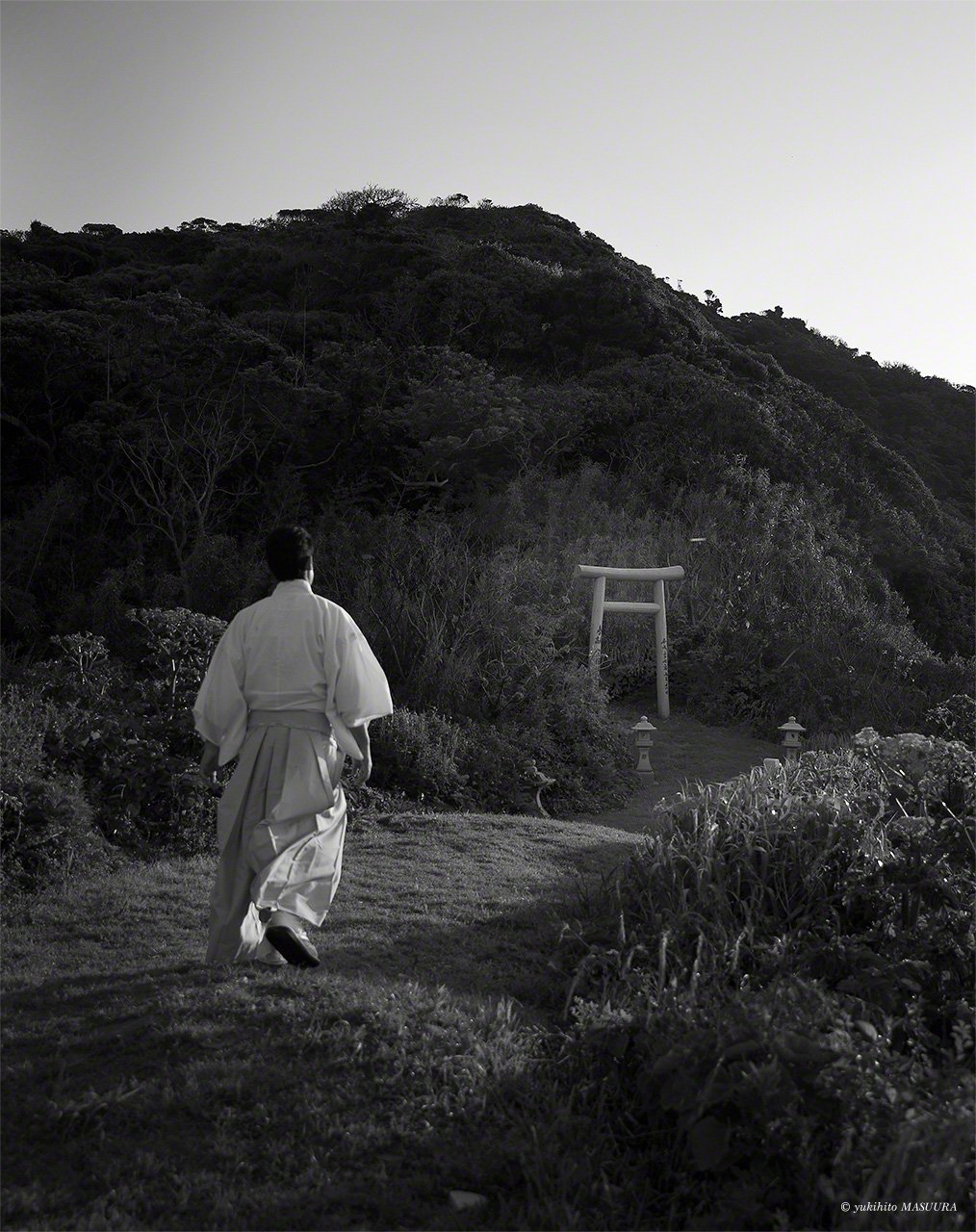
Twelve Shintō priests, each staying 10 days at a time, take turns living on the island year-round. Every day, the resident priest purifies himself in the sea before heading to Okitsumiya. When seas are rough and travel is difficult, the priest remains on Okinoshima until his replacement can arrive. (© Masuura Yukihito)
-
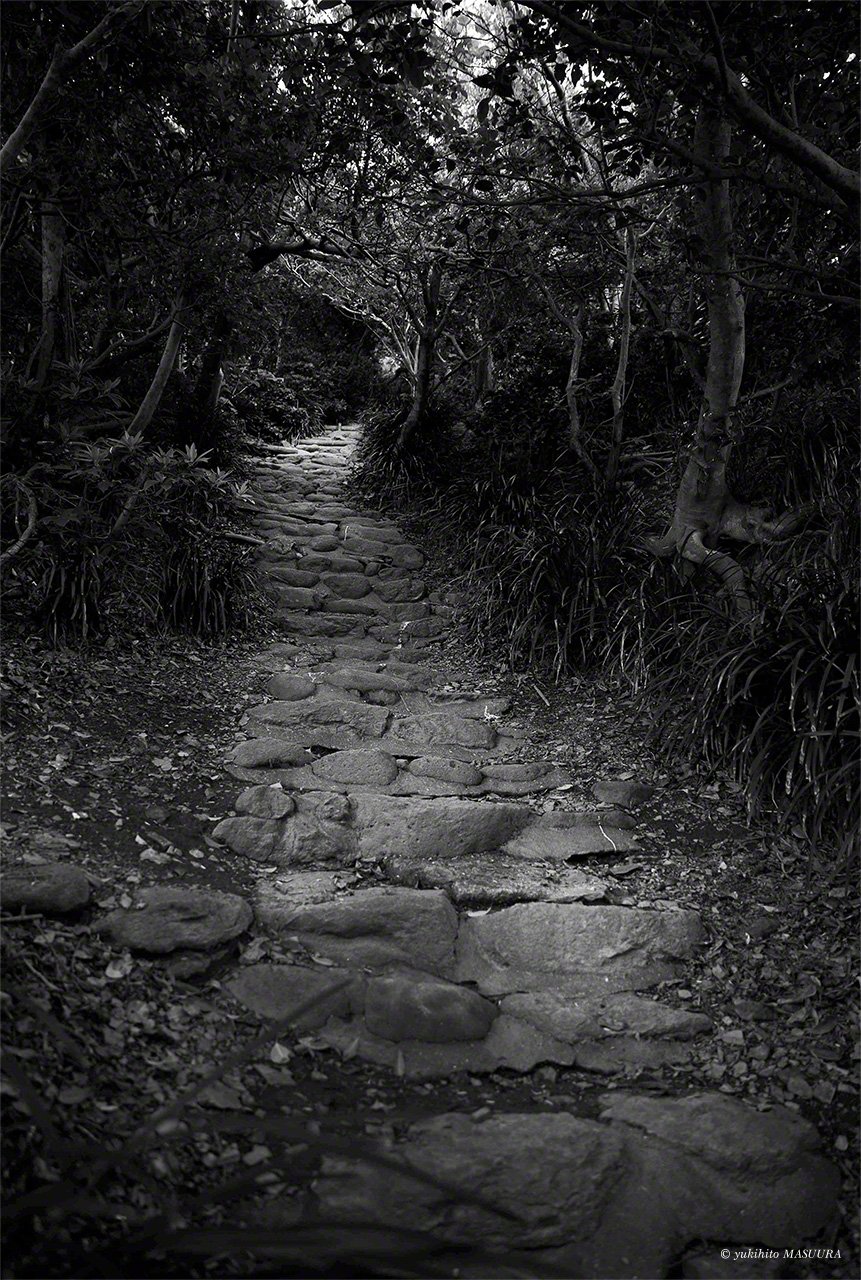
Dense forest closes in over the path to Okitsumiya. (© Masuura Yukihito)
-
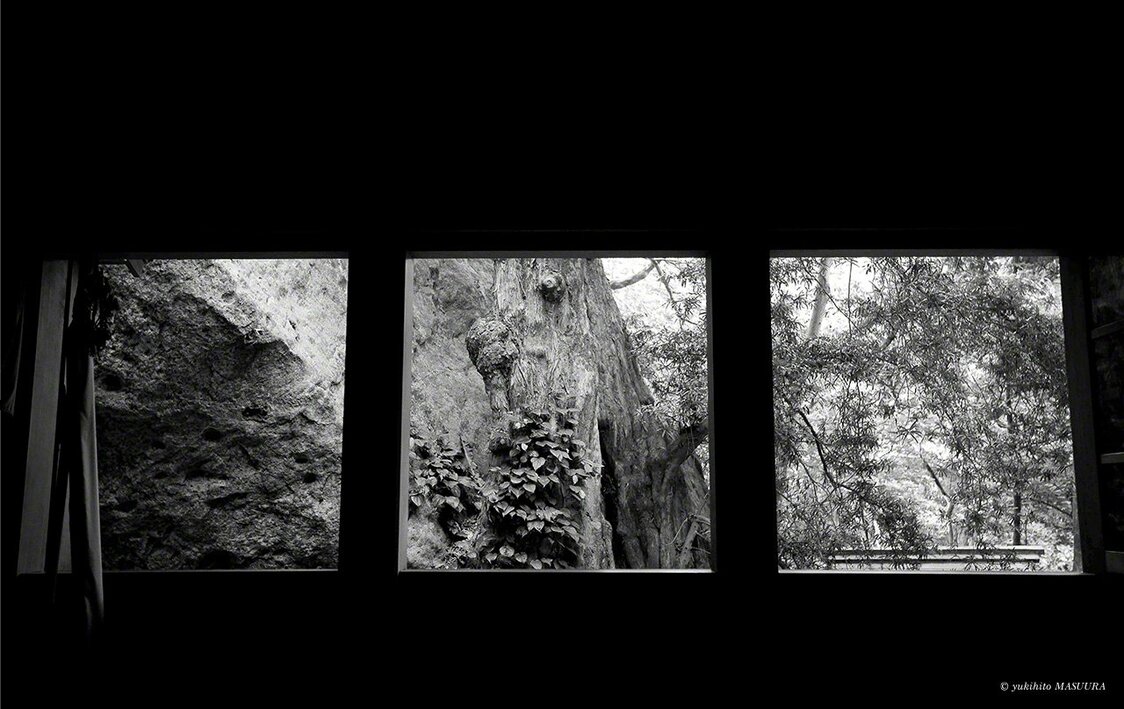
A view of huge rocks and virgin forest from inside Okitsumiya’s prayer hall. (© Masuura Yukihito)
-
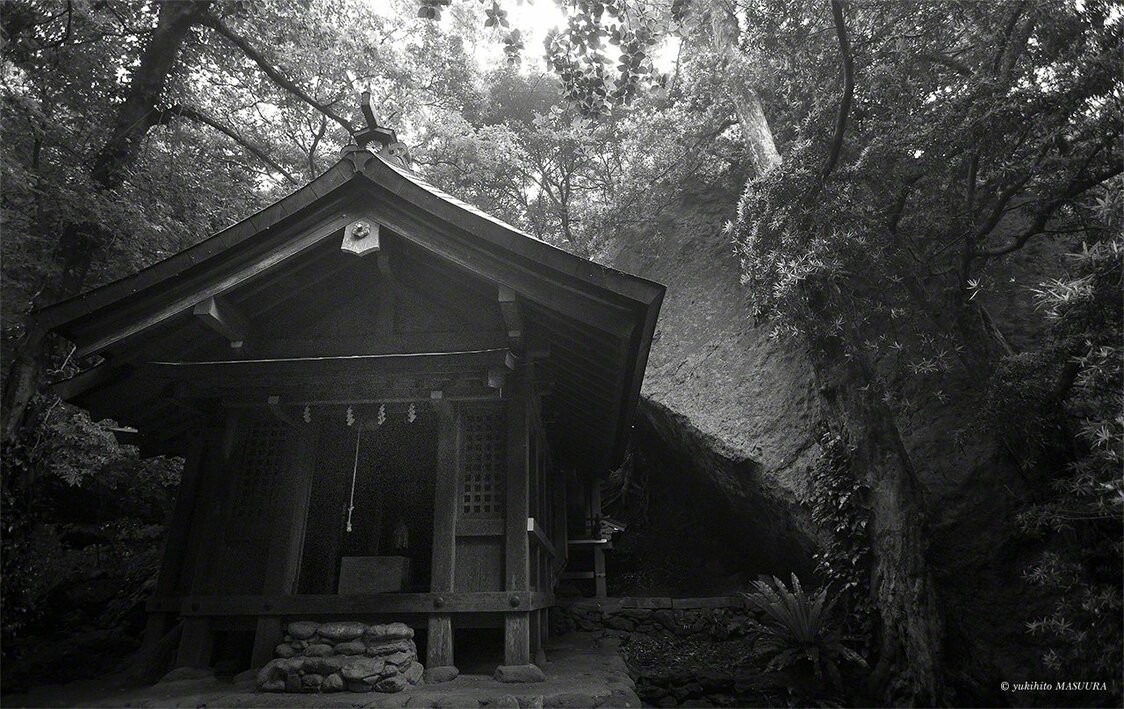
Okitsumiya’s main hall, surrounded by boulders. (© Masuura Yukihito)
-
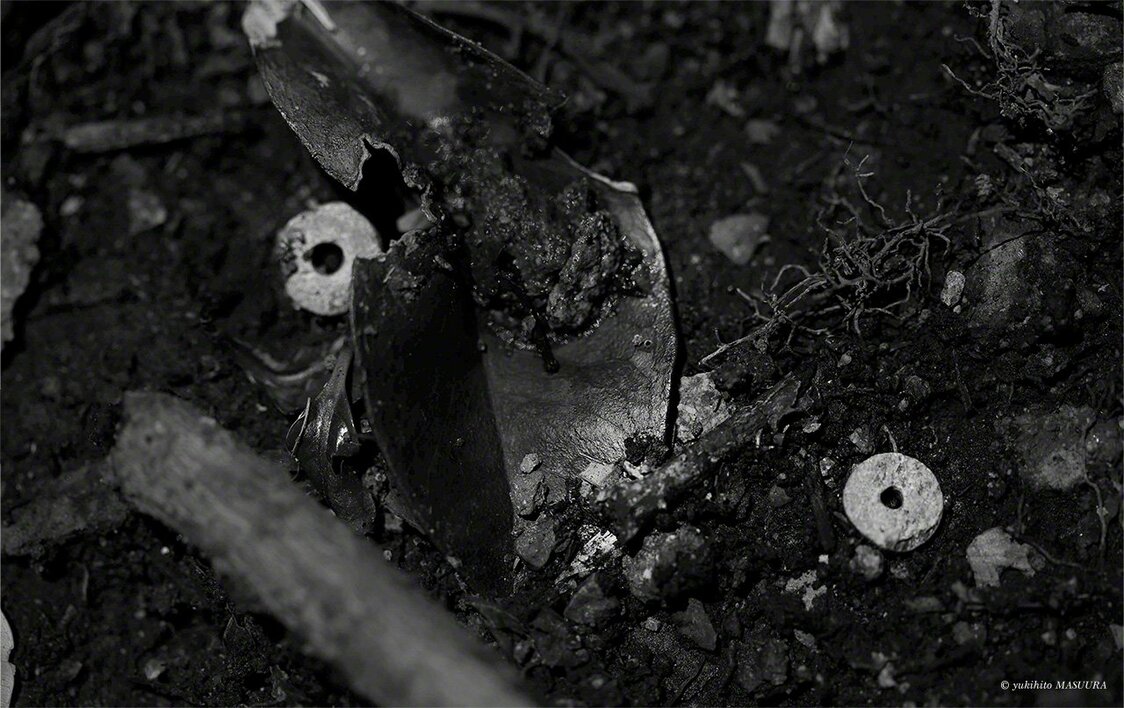
Votive offerings used for rituals lie scattered in and around ceremony sites. (© Masuura Yukihito)
-
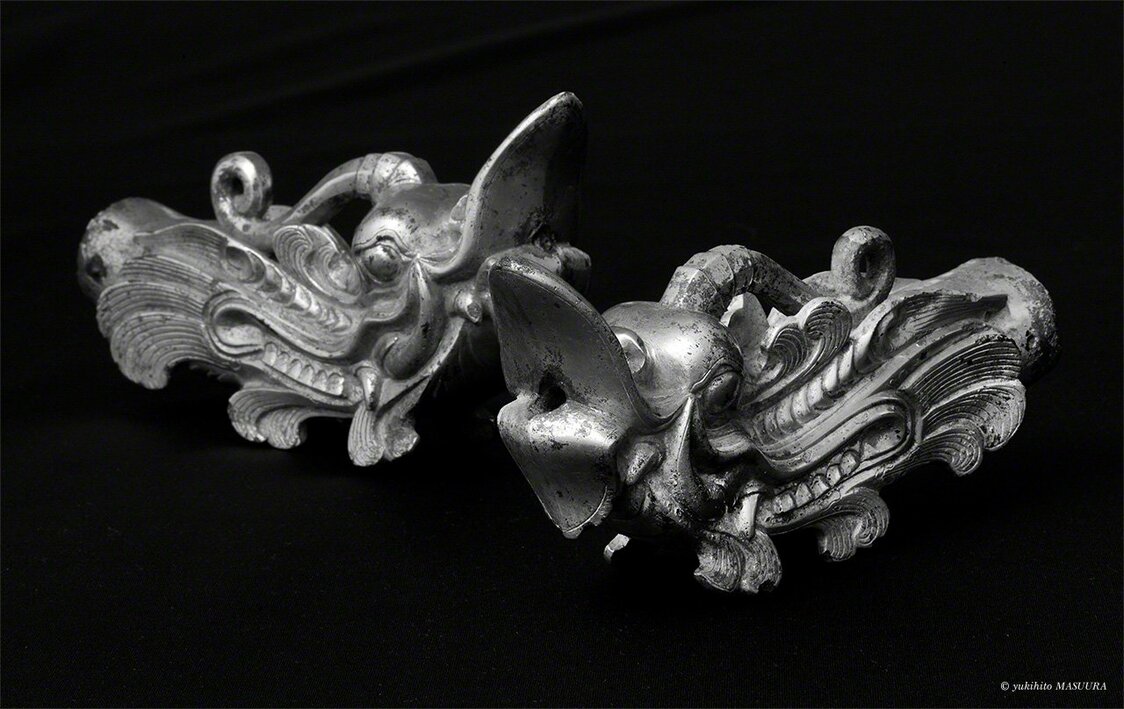
Gilt bronze dragon-head ornaments excavated from a ritual site. Over 80,000 objects, collectively designated national treasures, have been found on Okinoshima. This has earned the island the name of “Shōsōin of the seas,” a reference to the eighth-century Nara repository built to store priceless historical treasures. (© Masuura Yukihito)
-
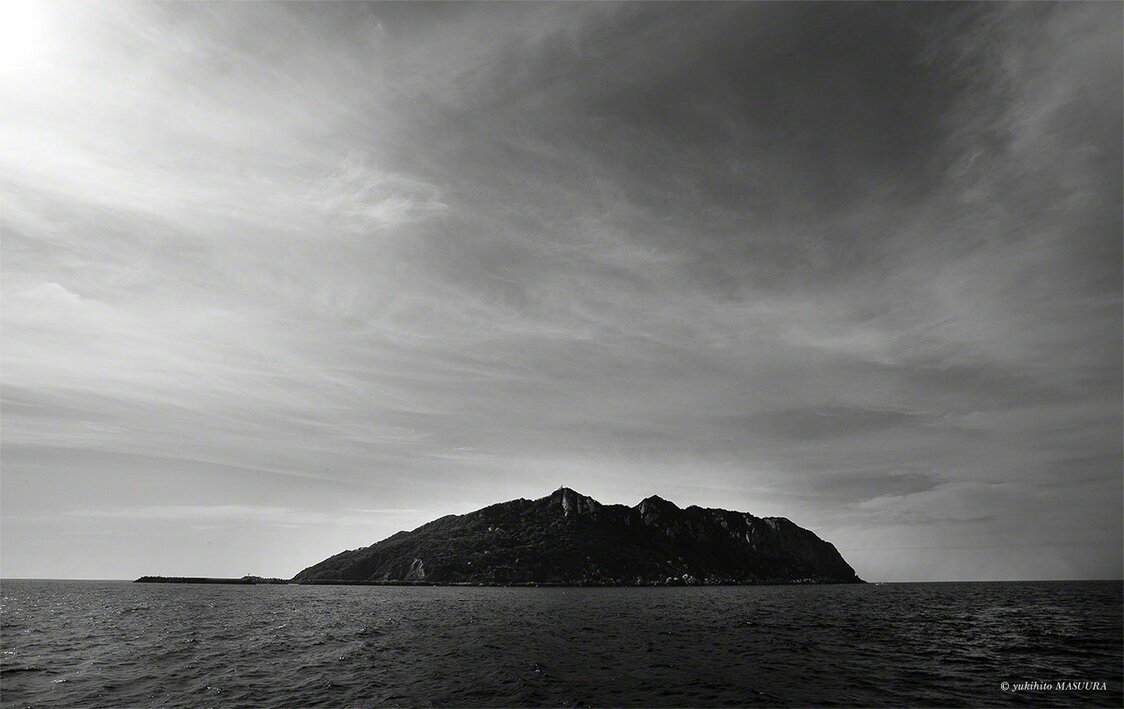
Sacred island Okinoshima, a monolith between sea and sky. (© Masuura Yukihito)
-
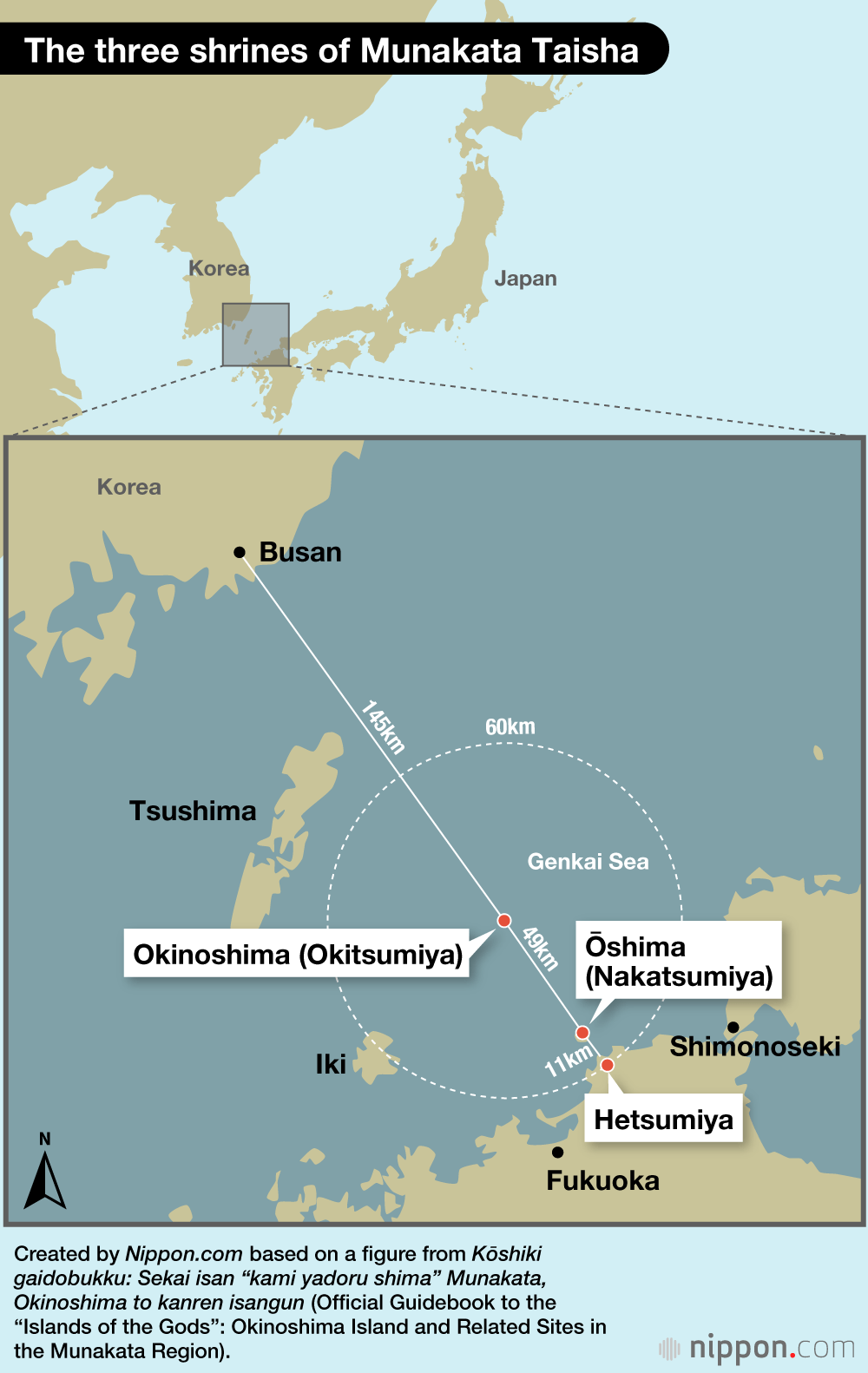
The three shrines of Munakata Taisha
-
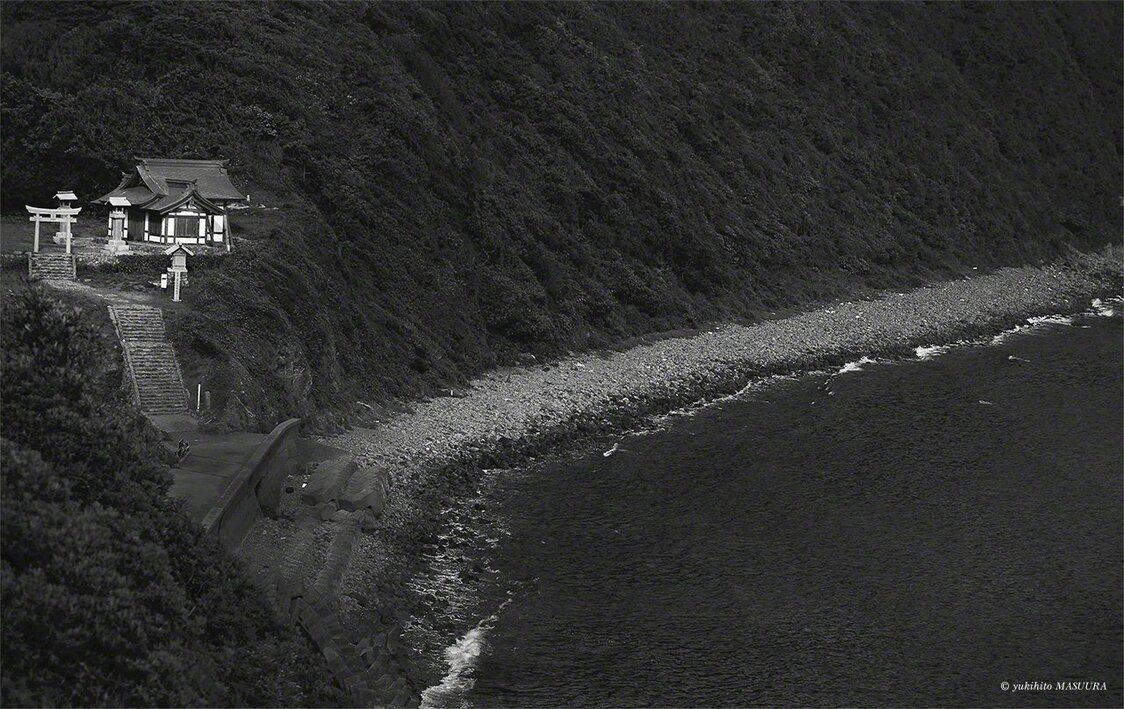
The worship hall on the north side of Ōshima faces Okinoshima. Since members of the general public are not allowed on Okinoshima, they address their prayers to Okitsumiya here instead. (© Masuura Yukihito)
-
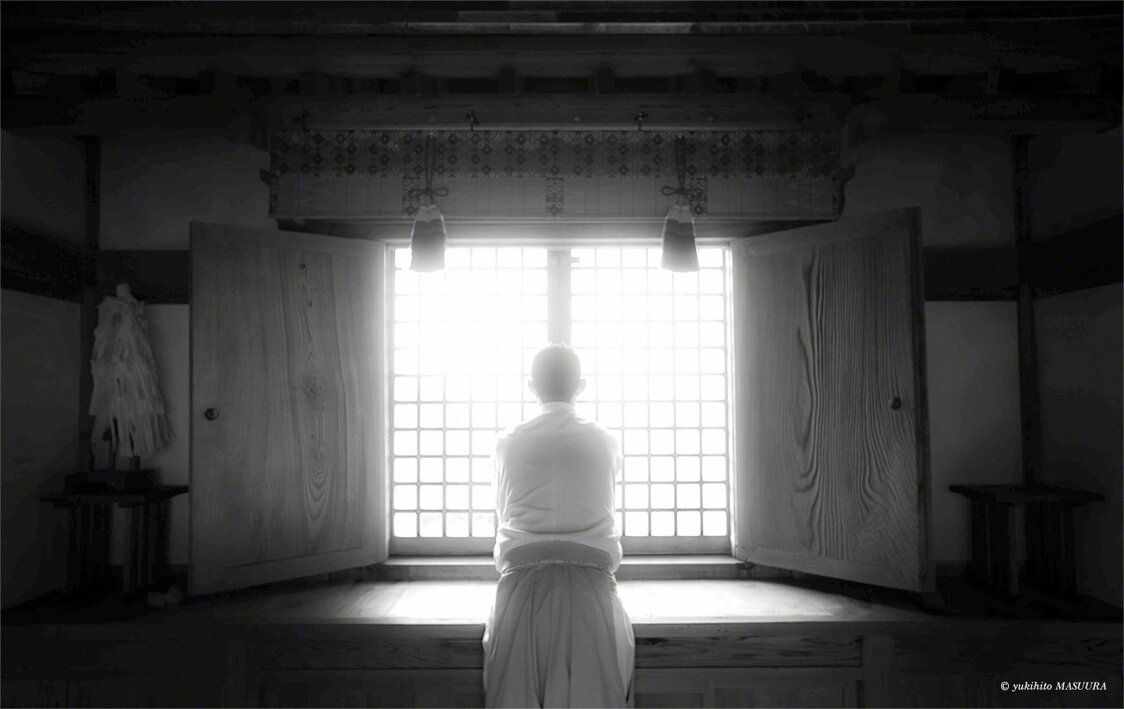
Inside Nakatsumiya’s worship hall on Ōshima. On clear days, Okinoshima is visible far across the water. (© Masuura Yukihito)
-
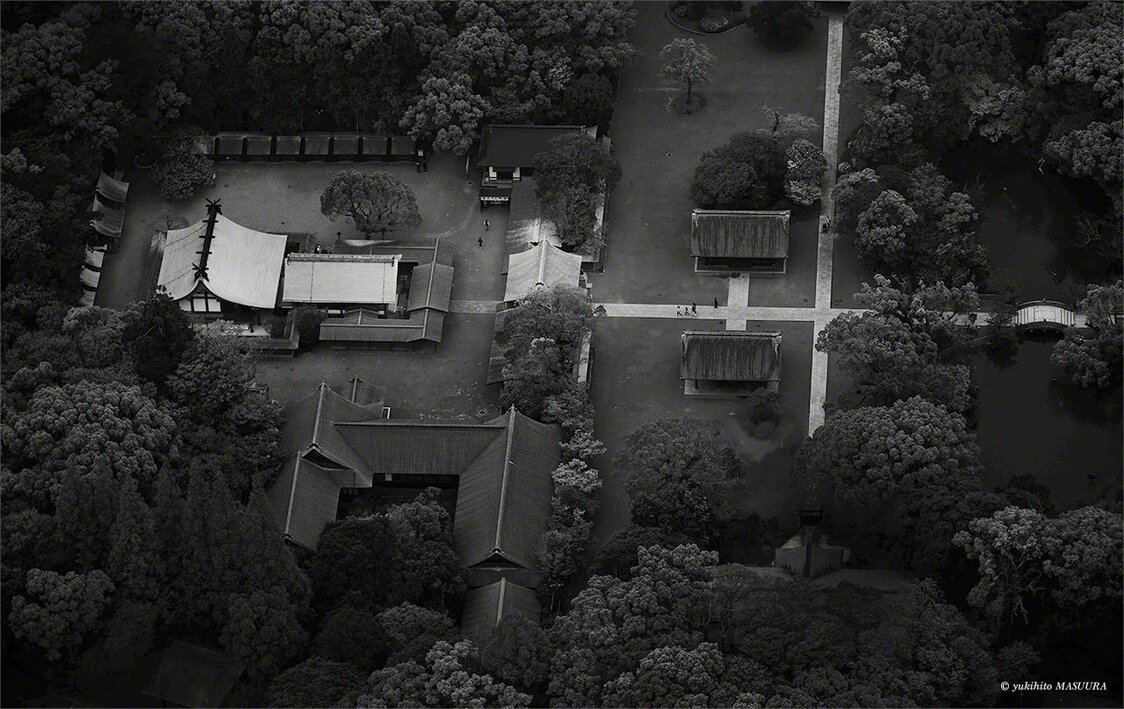
The shrine precincts of Hetsumiya on Kyūshū. The 108 spirits once worshipped at 75 of Hetsumiya’s subordinate shrines have been transferred to the main shrine. (© Masuura Yukihito)
-
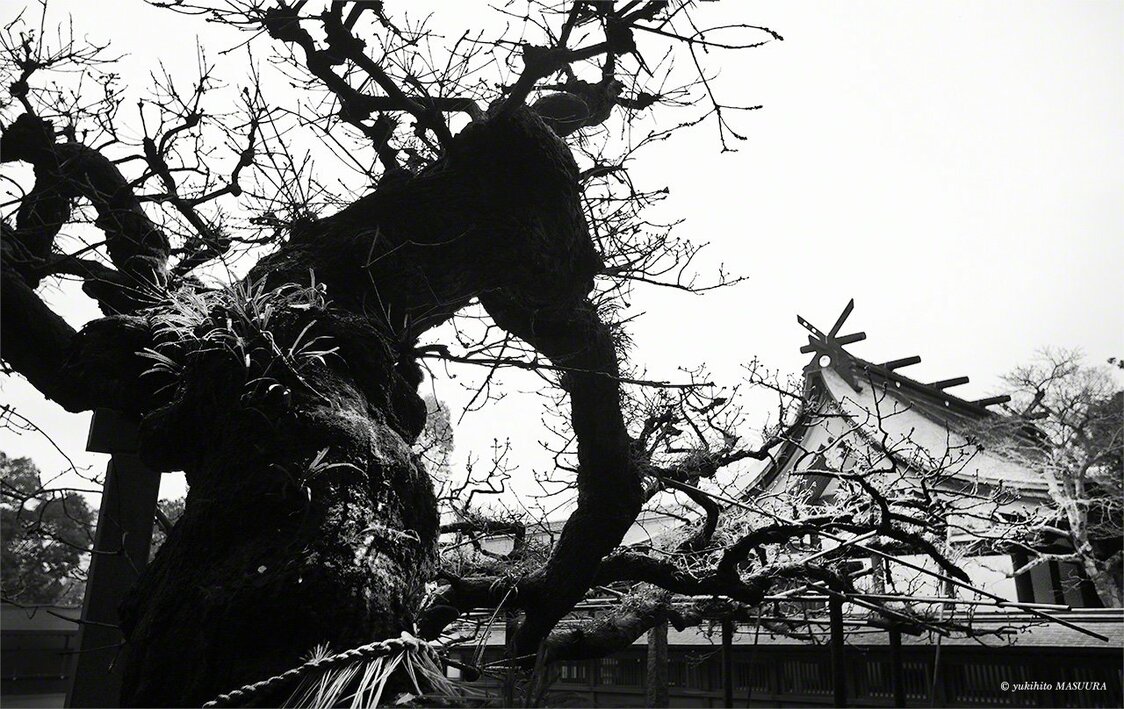
The sacred oak standing beside Hetsumiya’s main hall was planted about 550 years ago. Its thick trunk attests to the passage of the centuries. (© Masuura Yukihito)
-
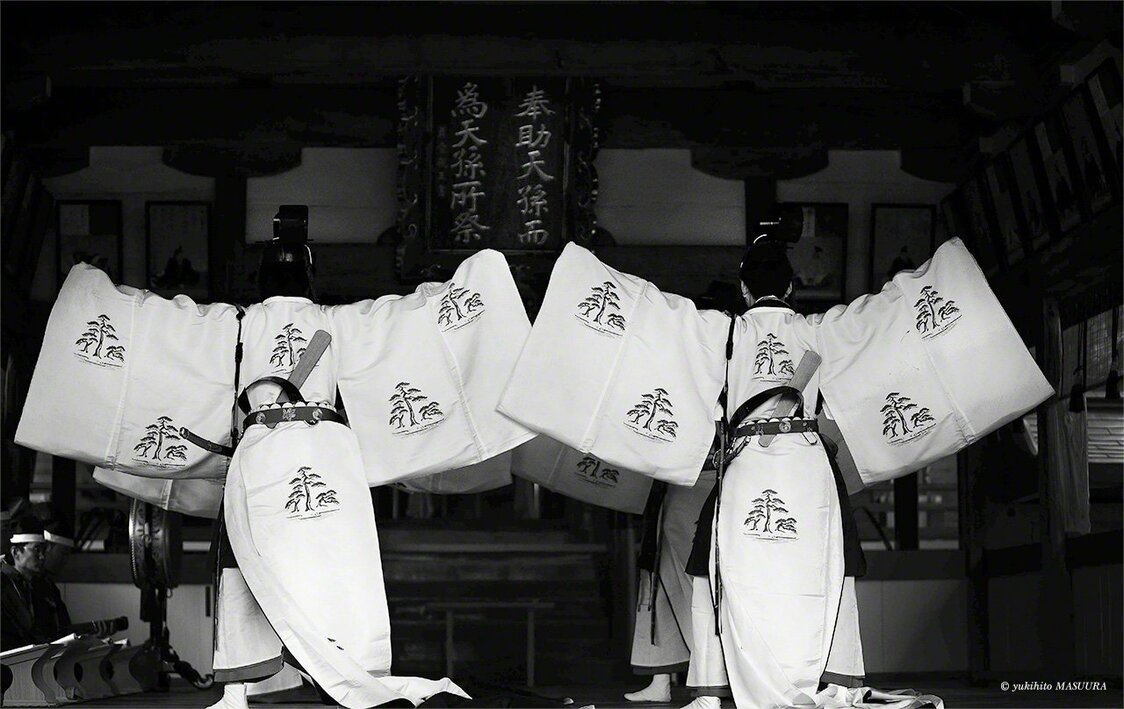
A dance performance in the Suki style at Hetsumiya’s spring festival. (© Masuura Yukihito)
-
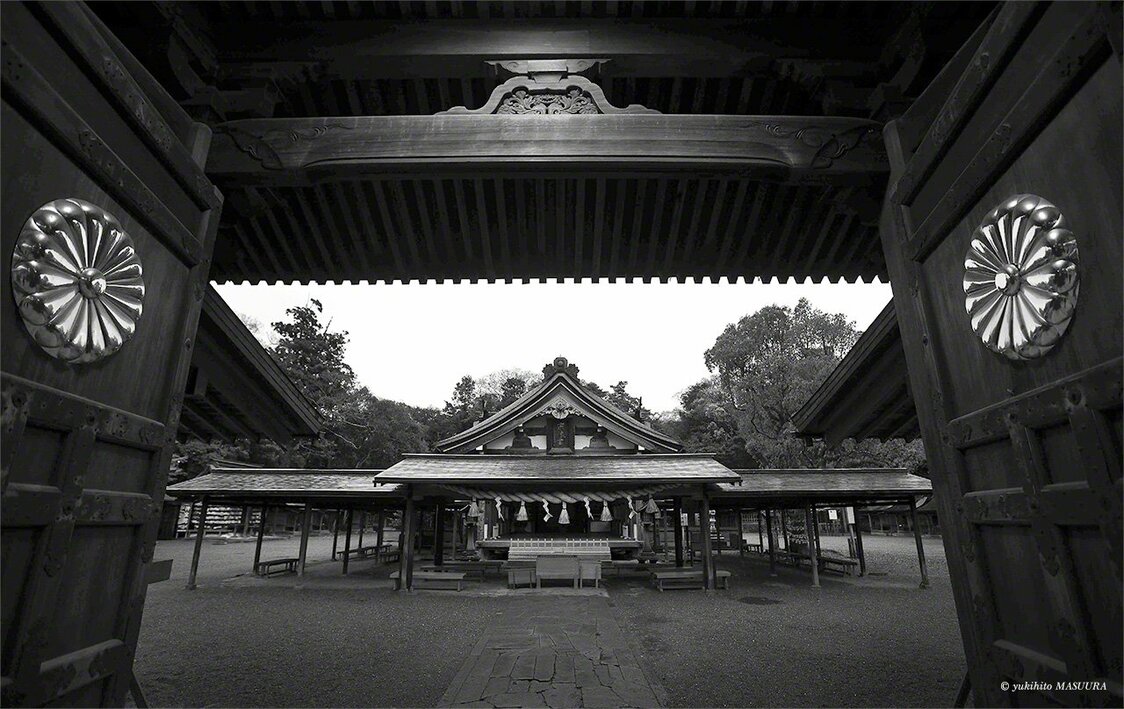
Hetsumiya’s prayer hall is visible from the shrine gate. Behind it lies the inner shrine, where Ichikishimahime is worshiped. Munakata Taisha’s chrysanthemum crest features prominently on the gate. (© Masuura Yukihito)
-
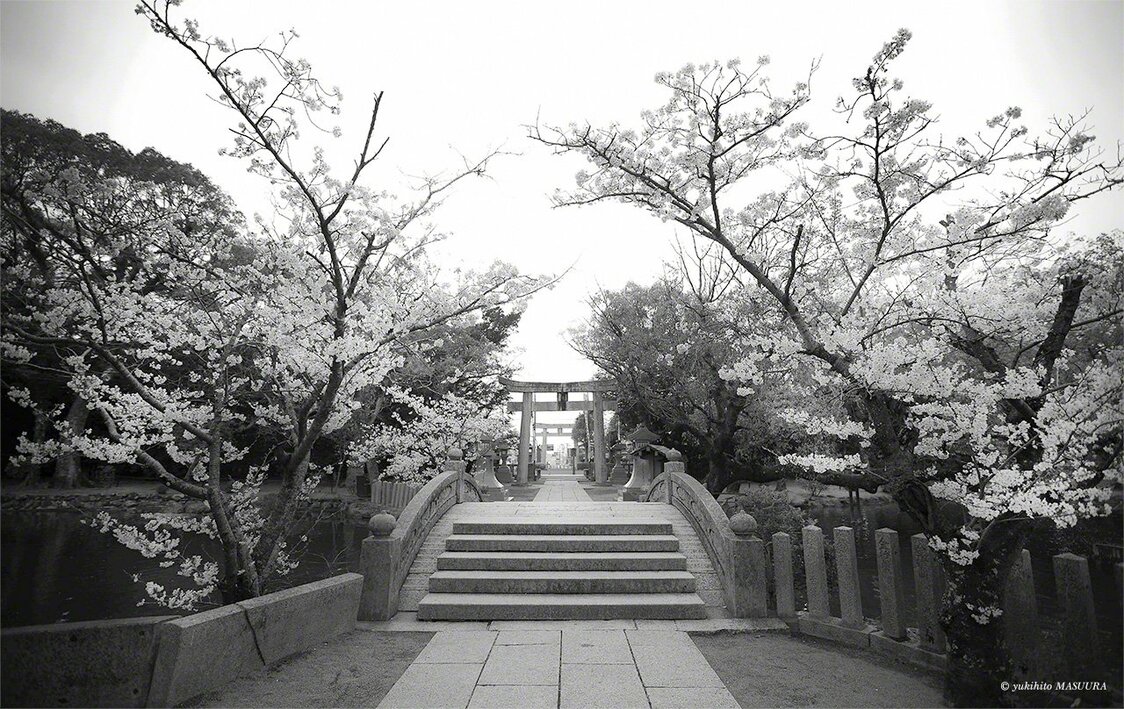
The arched bridge over Shinji Pond amid blossoming cherry trees. The stone lanterns in front of the torii gate were a gift from Idemitsu Sazō, founder of petroleum company Idemitsu Kōsan. (© Masuura Yukihito)
-
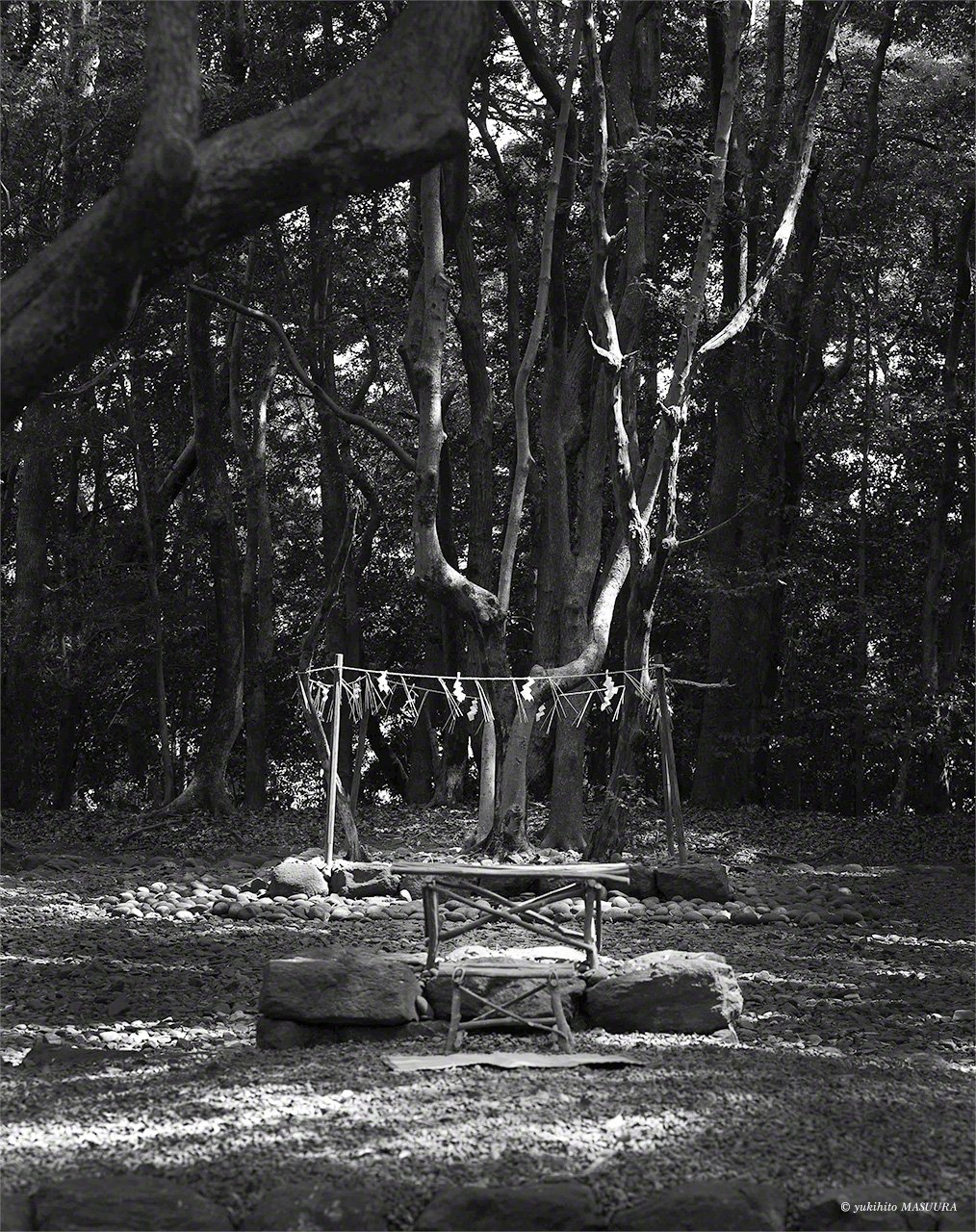
The Takamiya ceremony site, in the rear of Hetsumiya’s vast grounds. The open-air site, said to be where Ichikishimahime alighted to Earth, exemplifies Japan’s ancient form of indigenous worship. (© Masuura Yukihito)


 Read in other languages