-
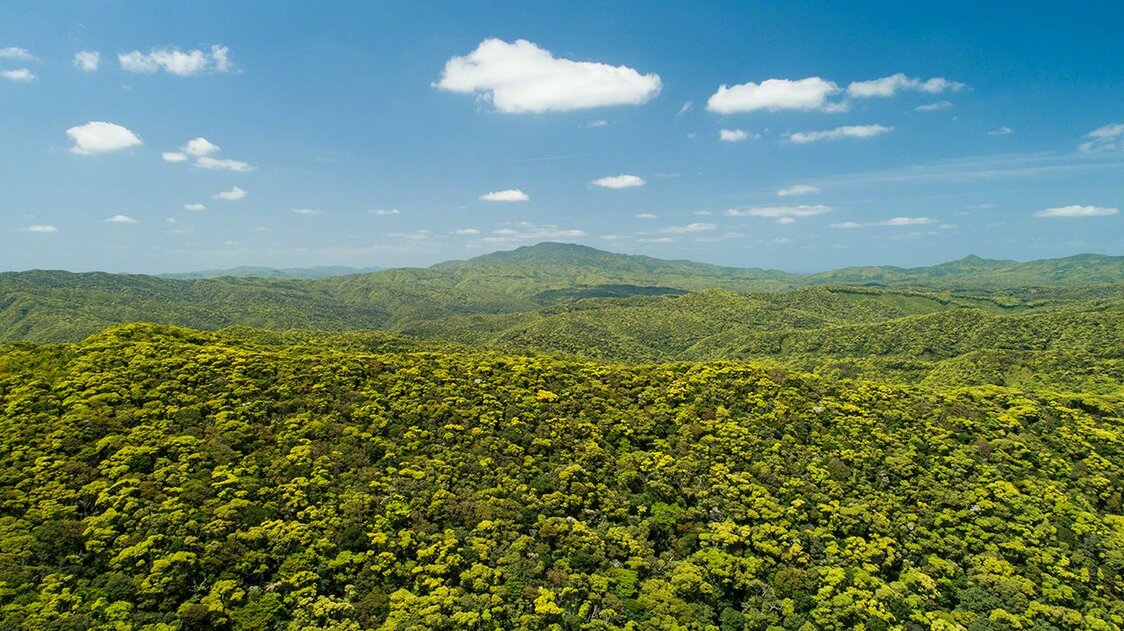
Subtropical forest spreads across the foothills of Mount Yuwandake. At 694 meters, it is Amami Ōshima’s tallest peak.
-
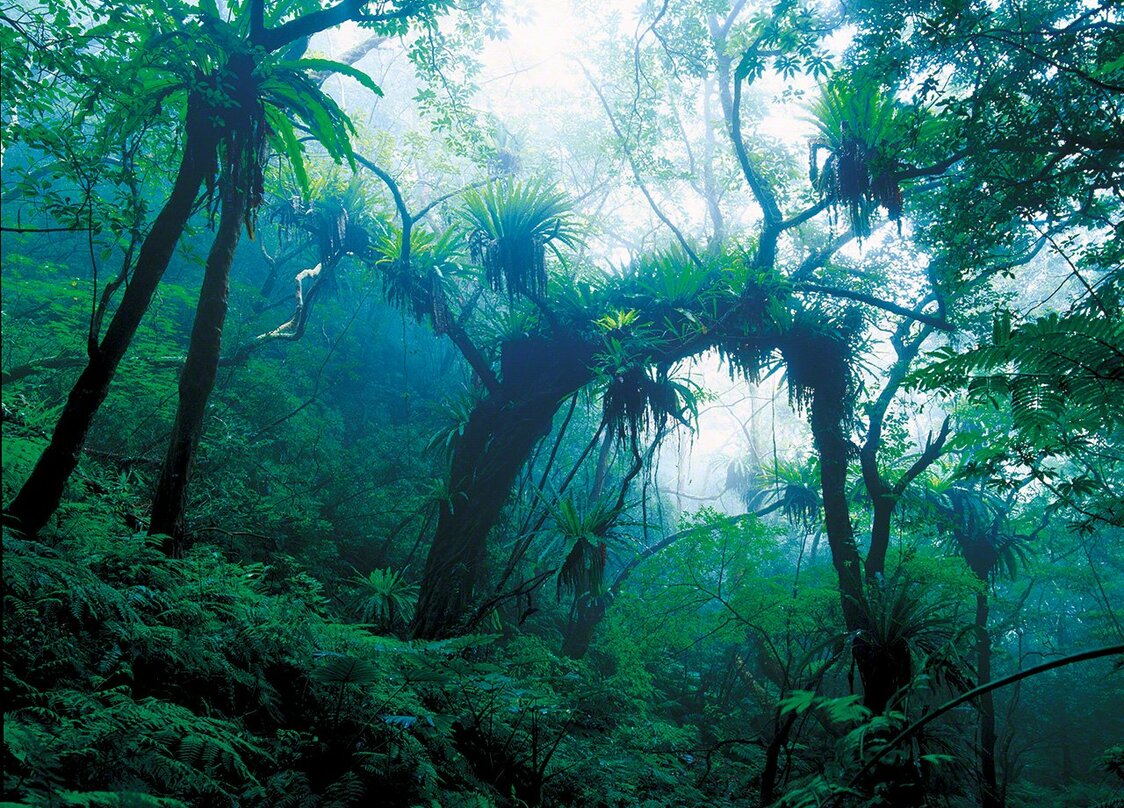
Dense, primeval forest like this covers large swaths of Amami Ōshima.
-
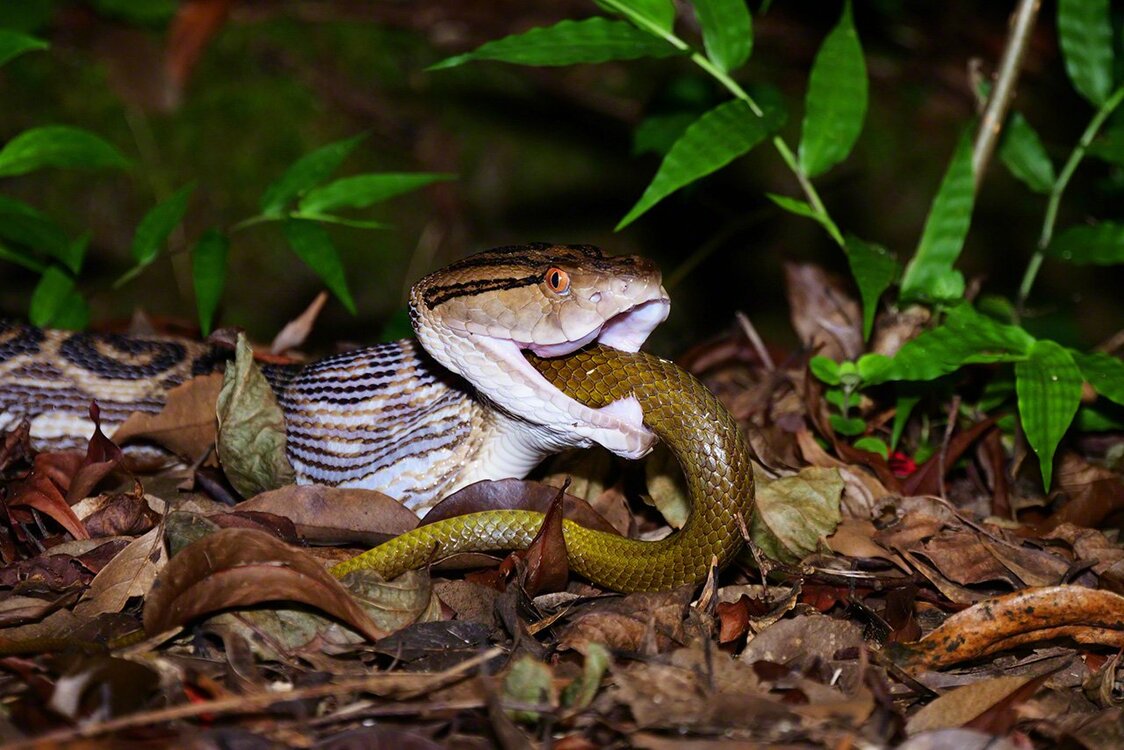
Habu are at the top of the food chain. Here one devours a nonvenomous Ryūkyū green snake.
-
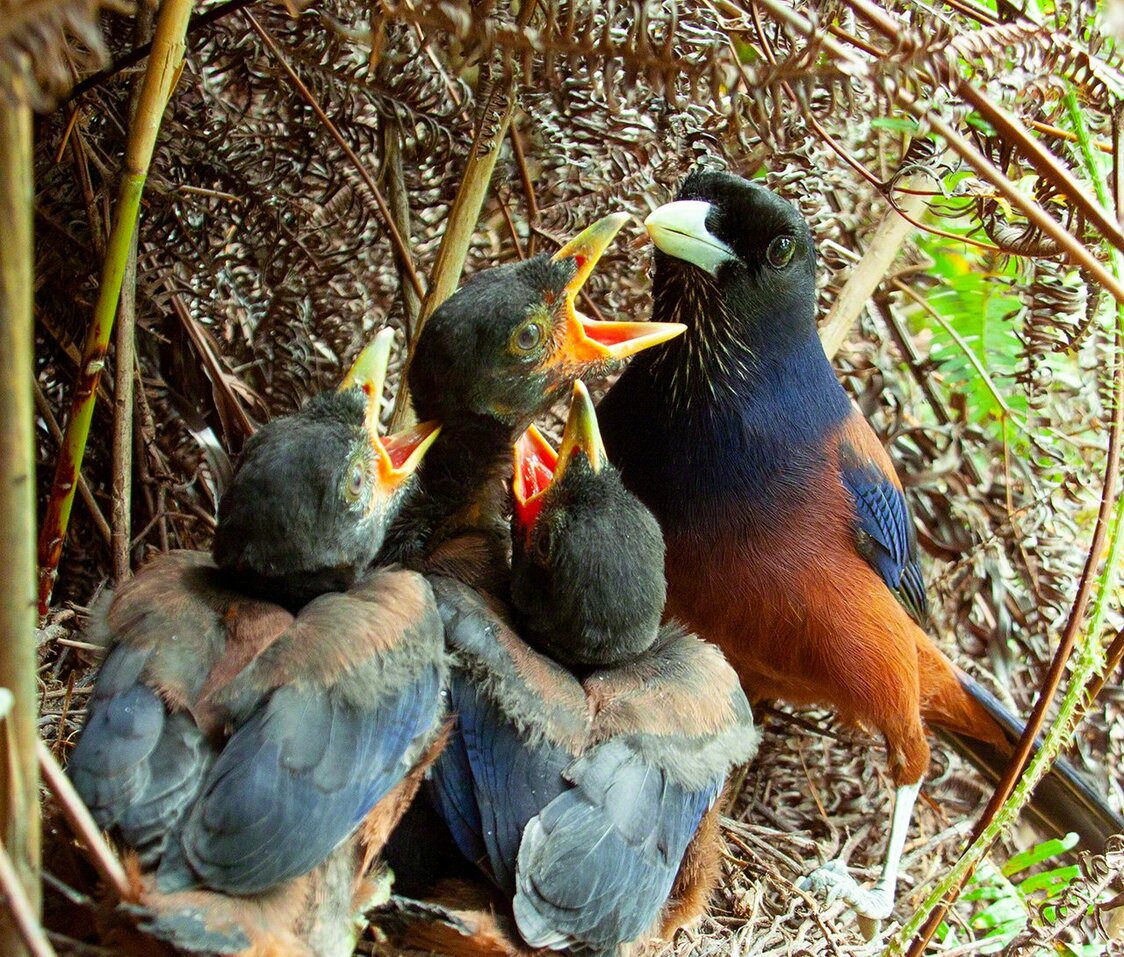
A Lidth’s jay feeds its young. Registered a national natural monument, the bird is found only on Amami Ōshima and the islands of Kakeromajima and Ukejima, also in the Amami archipelago.
-
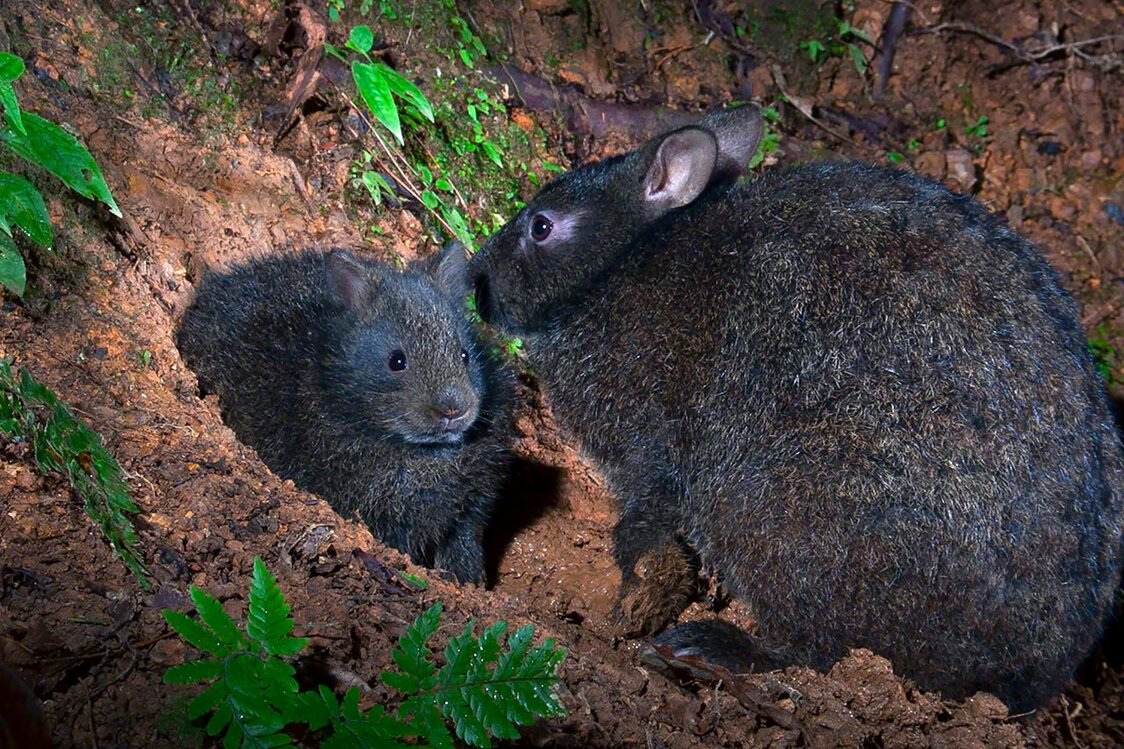
An Amami rabbit mother and kitten outside their nest.
-
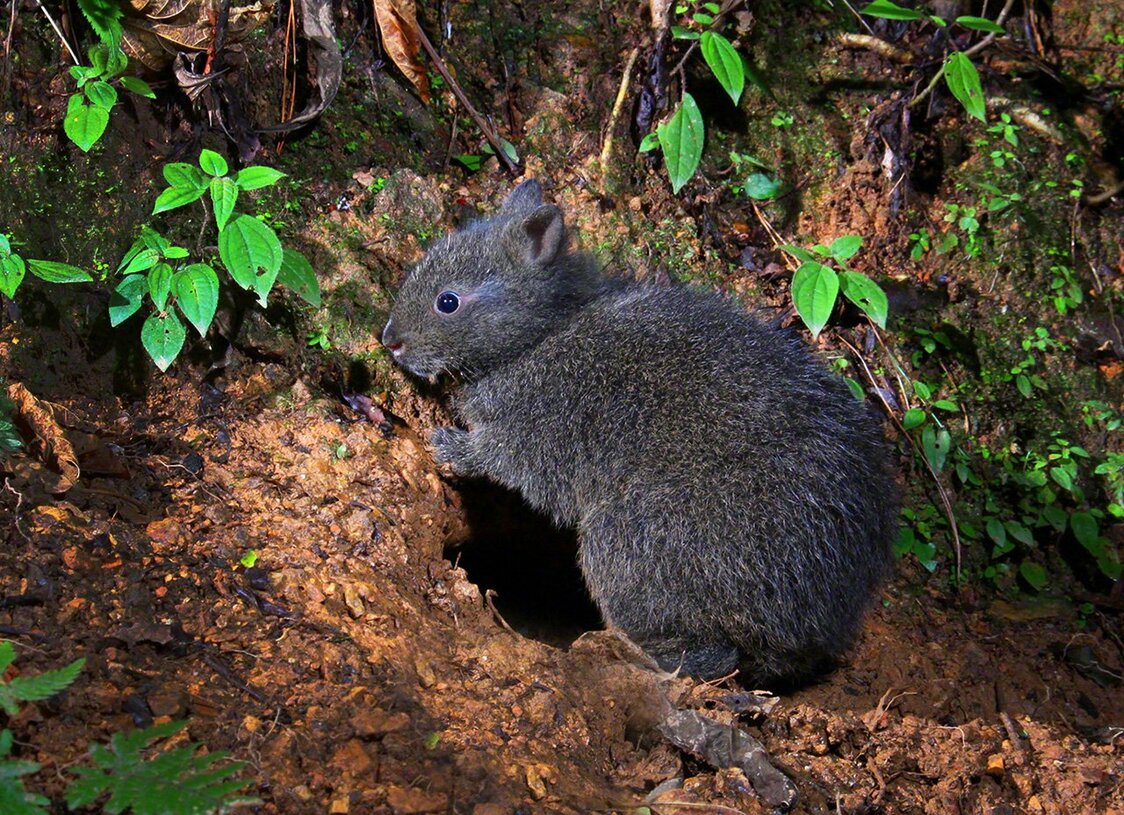
An Amami rabbit kitten prepares to leave its nest.
-
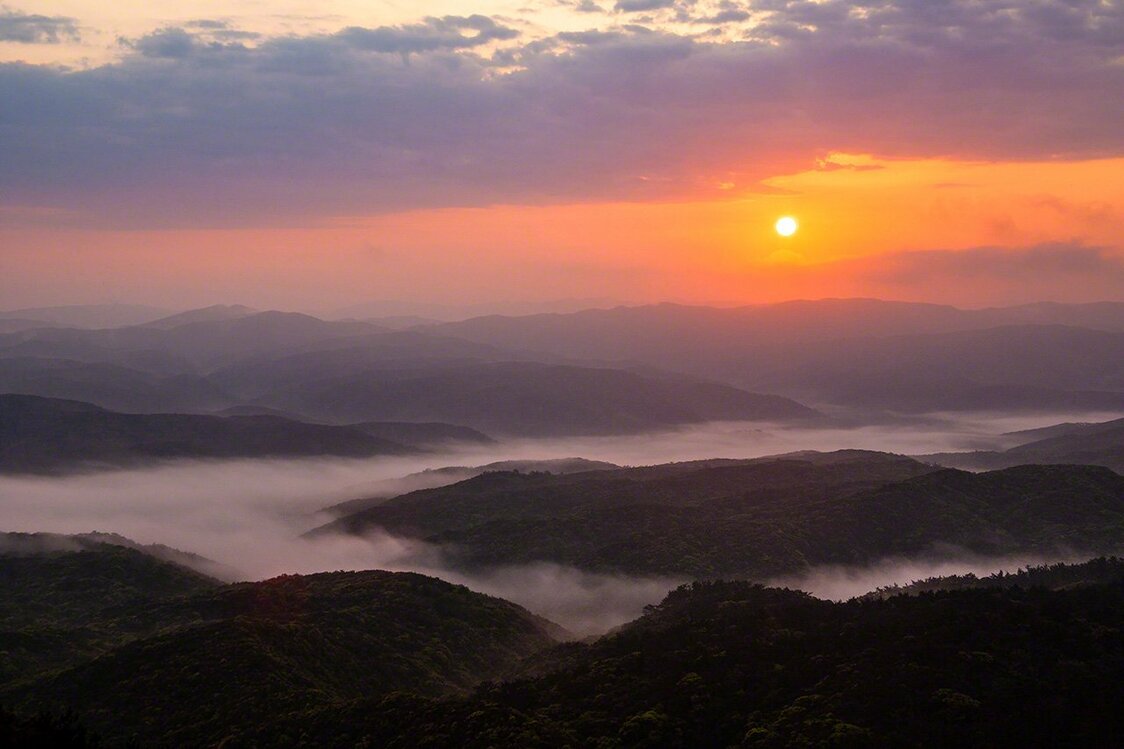
Early morning mist fills the valleys on Amami Ōshima.
-
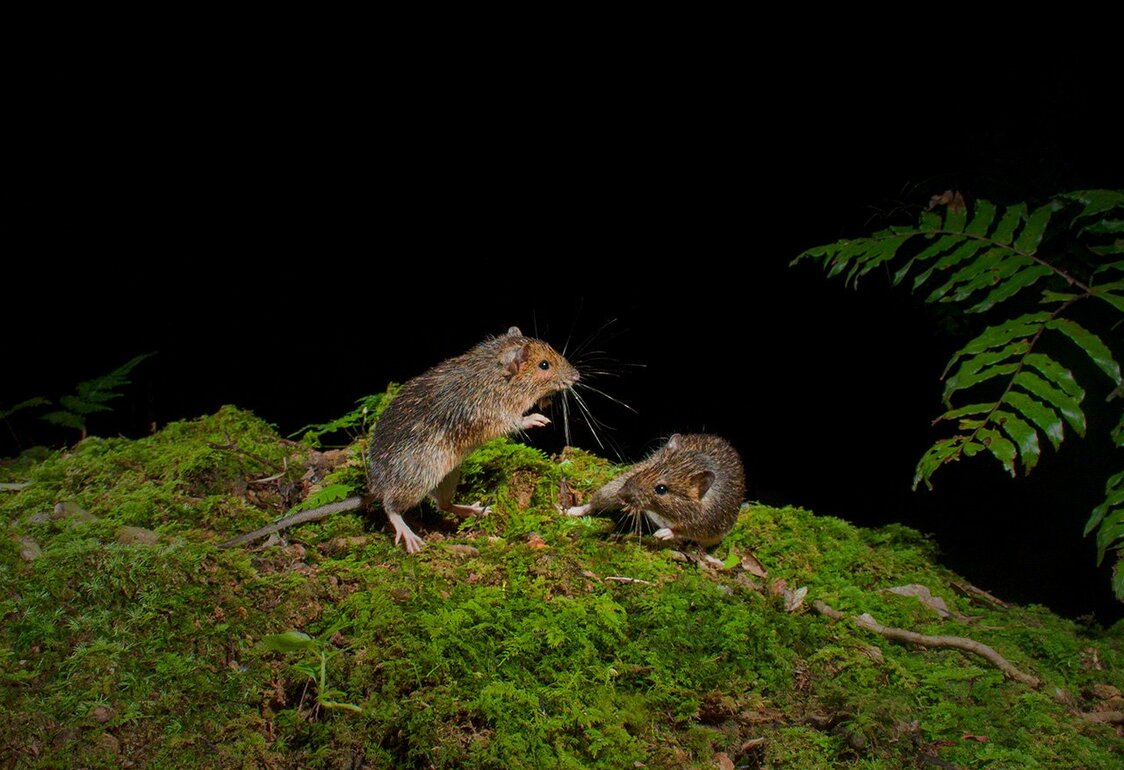
A pair of Amami spiny rats battle on the forest floor. The species, a national natural monument, has drawn the attention of researchers as males lack a Y chromosome.
-
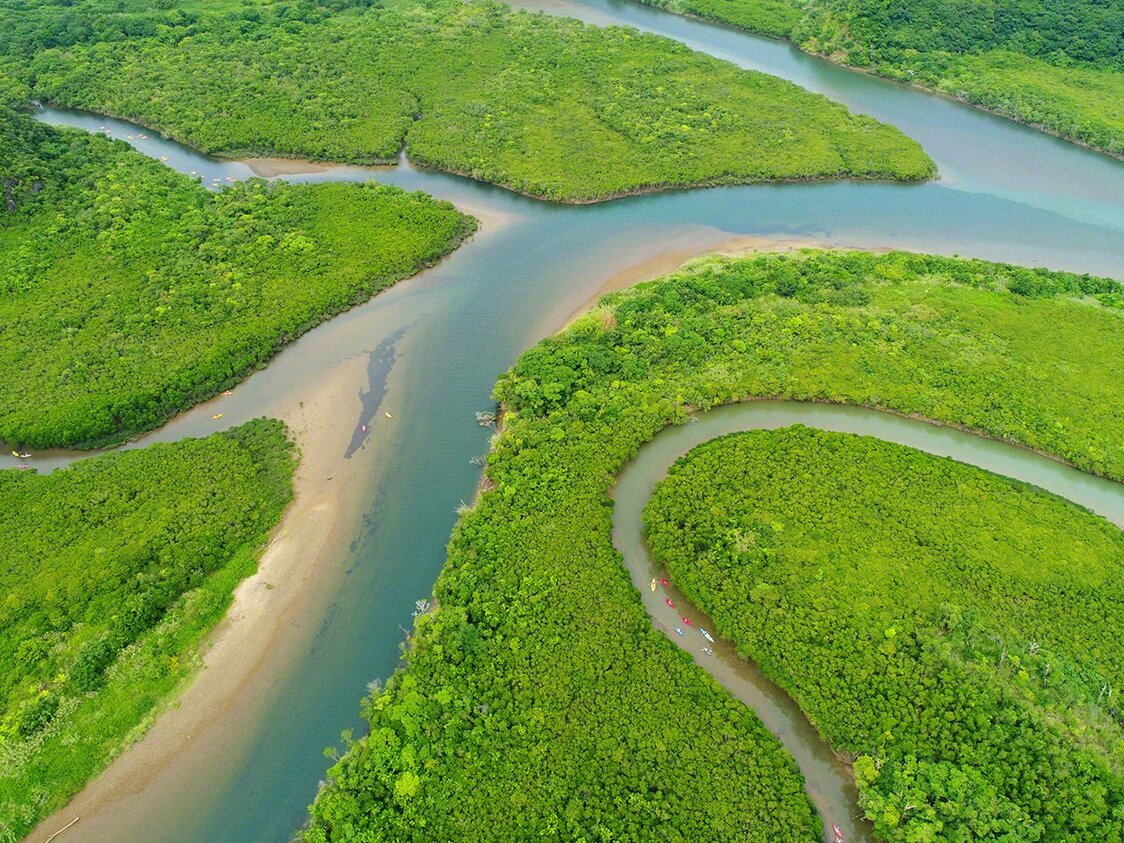
Mangroves spread along a waterway on Amami Ōshima. The island has the second largest mangrove forest in Japan, after Iriomotejima.
-
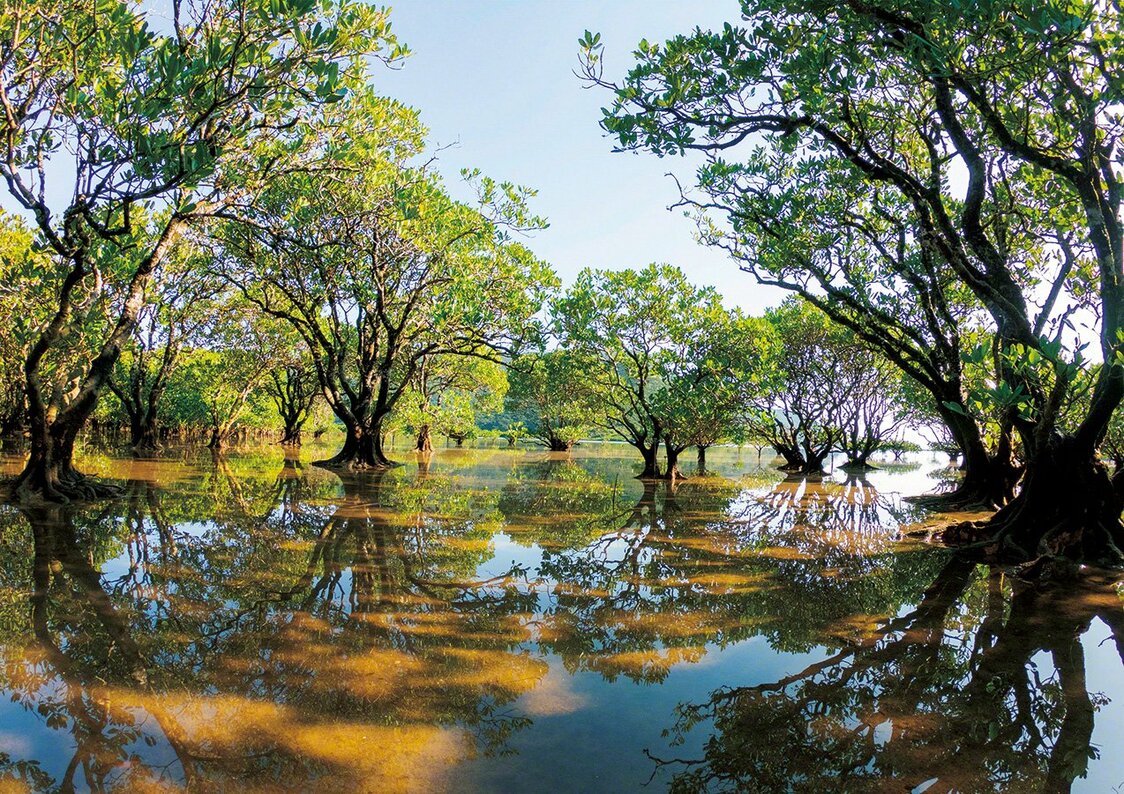
Mangroves growing along a tidal flat. The forests support an array of plants and animals.
-
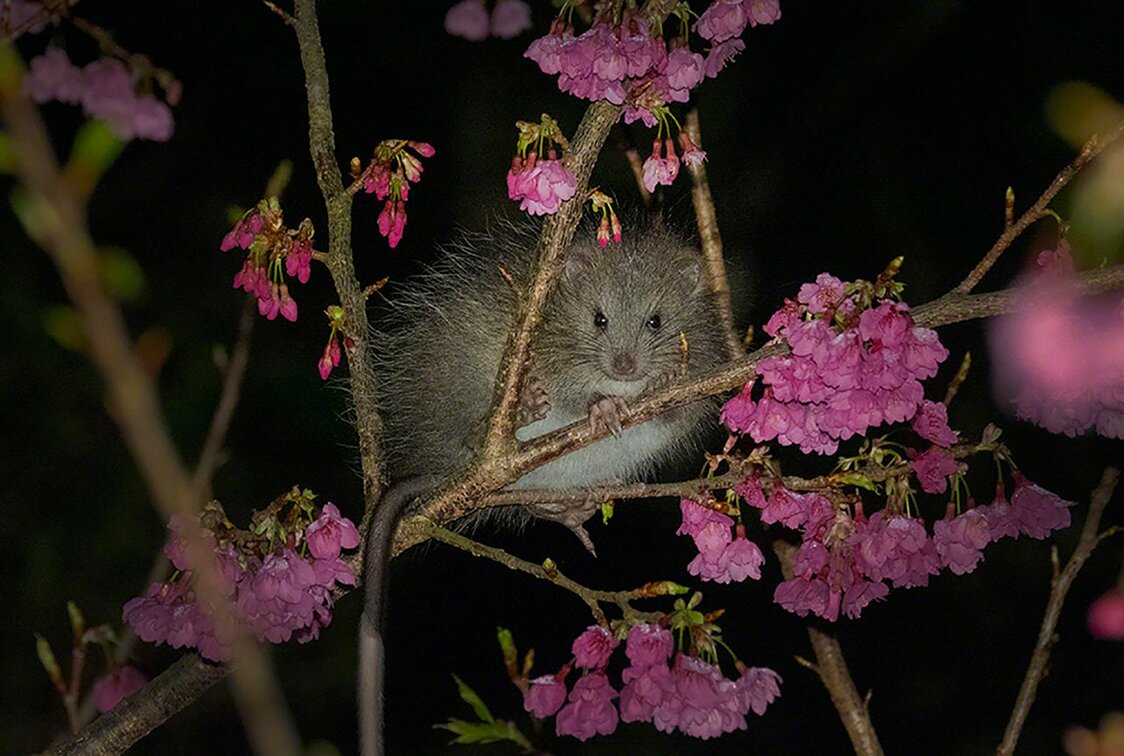
A Ryūkyū long-haired rat makes a rare appearance. Designated as a national natural monument, the species, the largest rodent in Japan, is extremely difficult to spot in the wild. Subsequently, much about it remains a mystery.
-
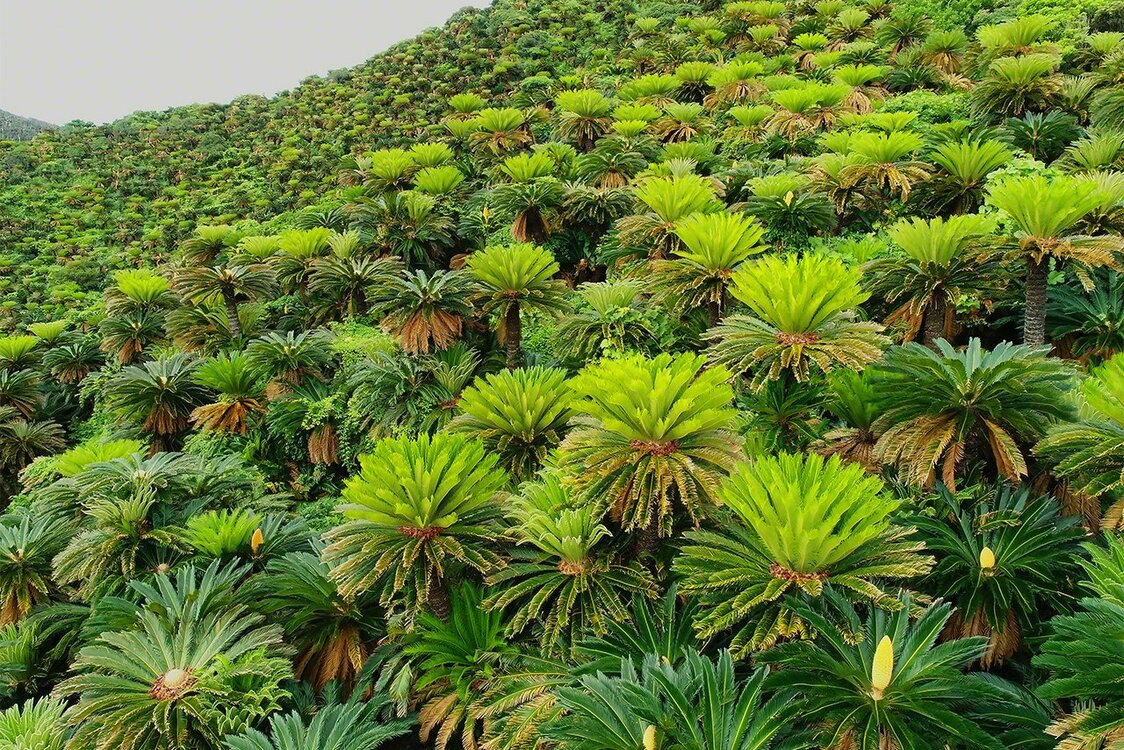
Sago palms along the coast show off their new foliage, a familiar scene from May to June.
-
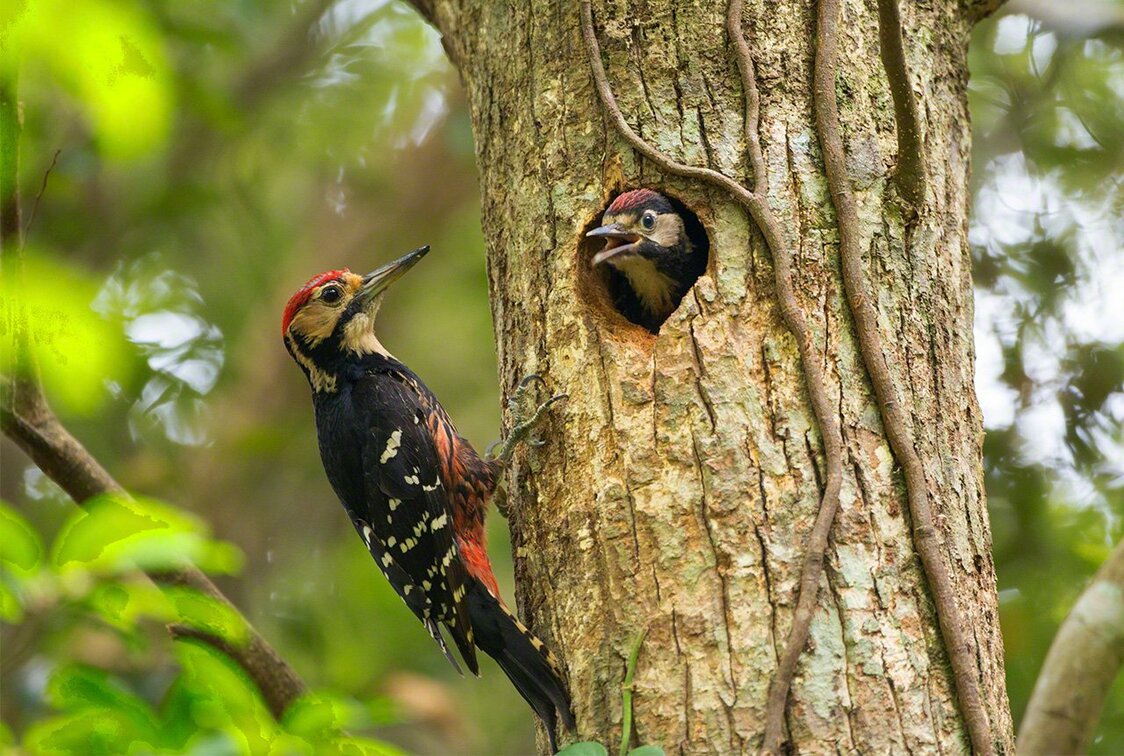
The white-backed woodpecker rears its young in nests hollowed out of trees. A type of woodpecker, it is designated a national natural monument.
-
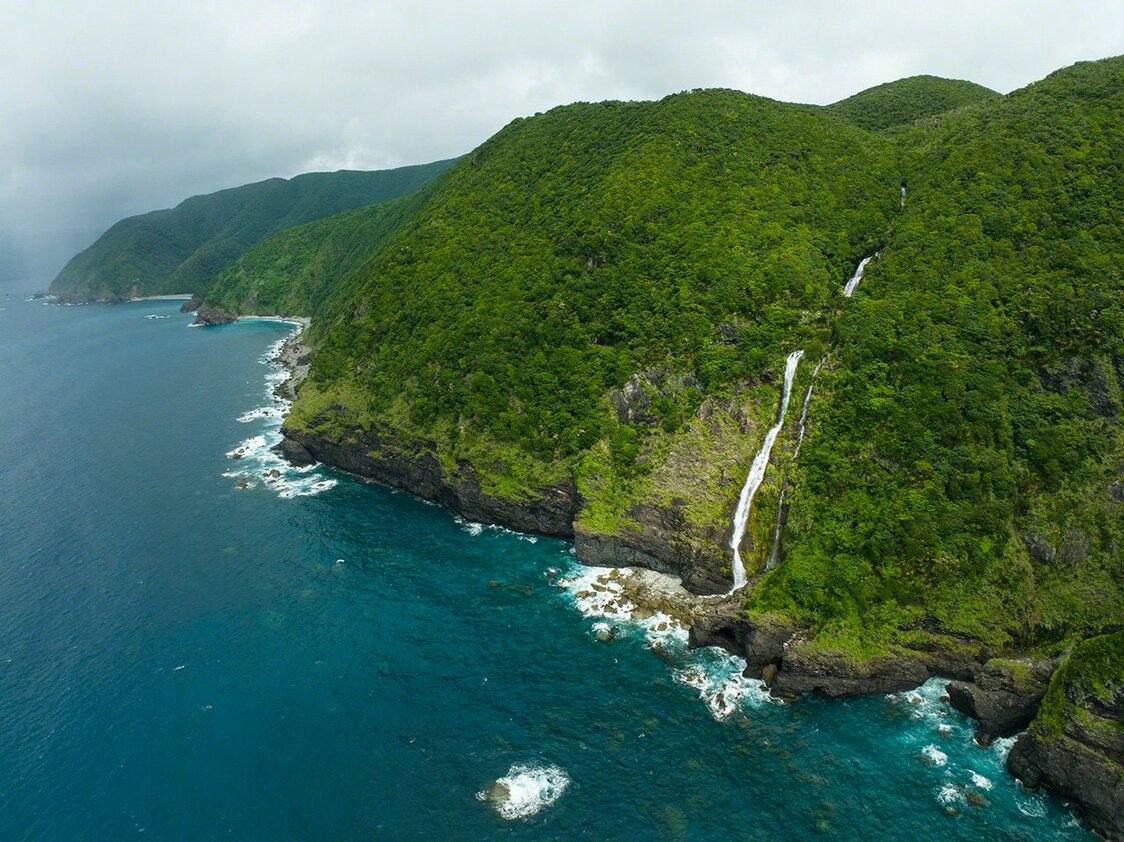
Kurukichi Falls, one of many cascades on the sheer cliffs along Amami Ōshima’s eastern shore. At 181 meters, it was designated the largest waterfall in Kyūshū in 2021.
-
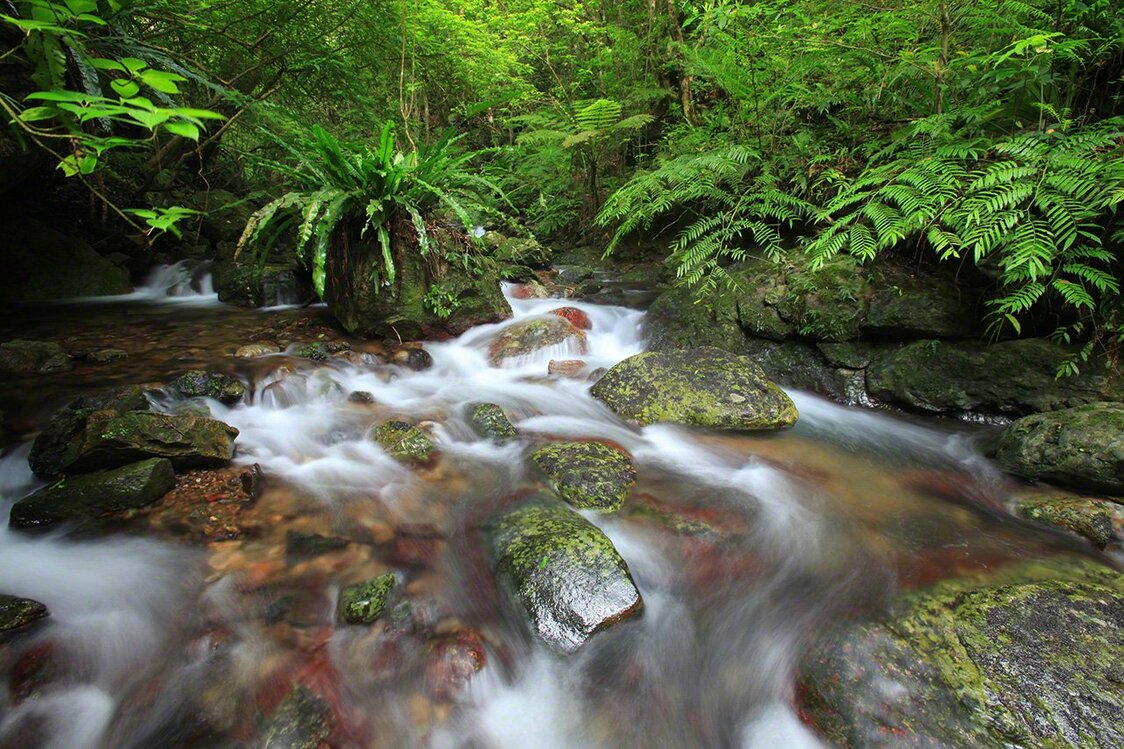
Forest streams like this one are vital to island wildlife.
-
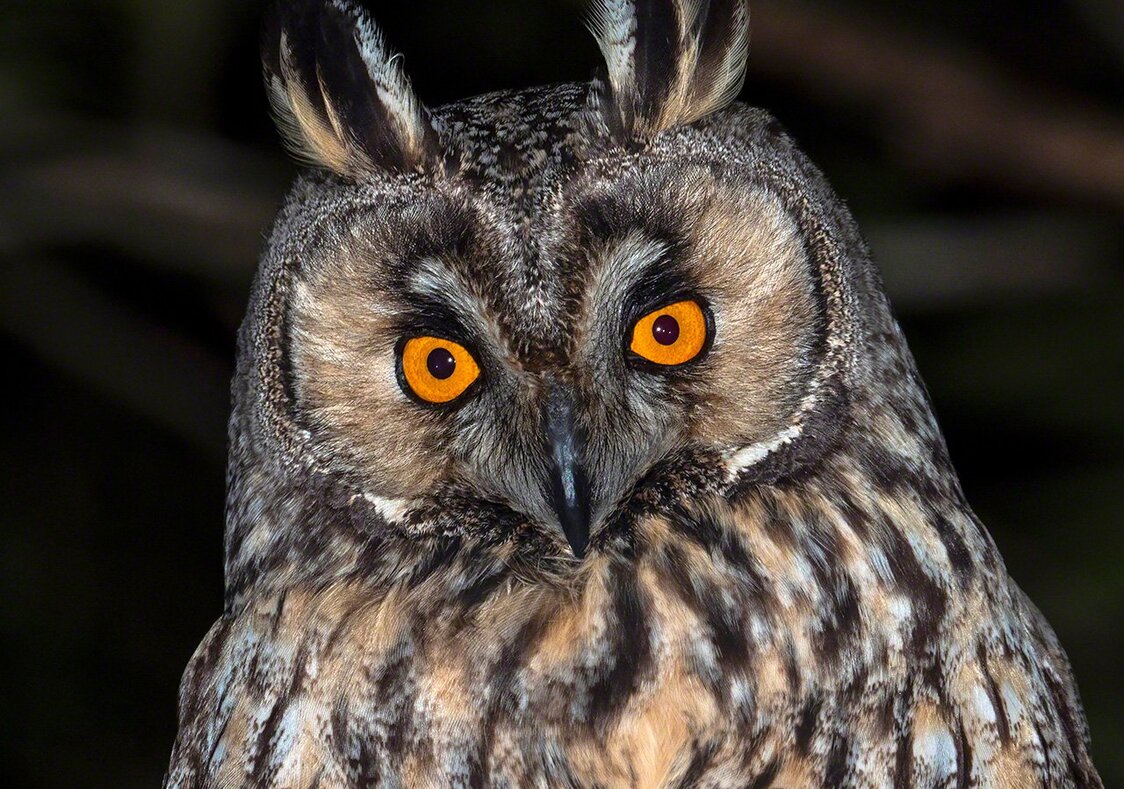
A long-eared owl. The forest-dwelling species is known to winter on Amami Ōshima, but its nocturnal behavior keeps it mostly out of sight of human inhabitants of the island.
-
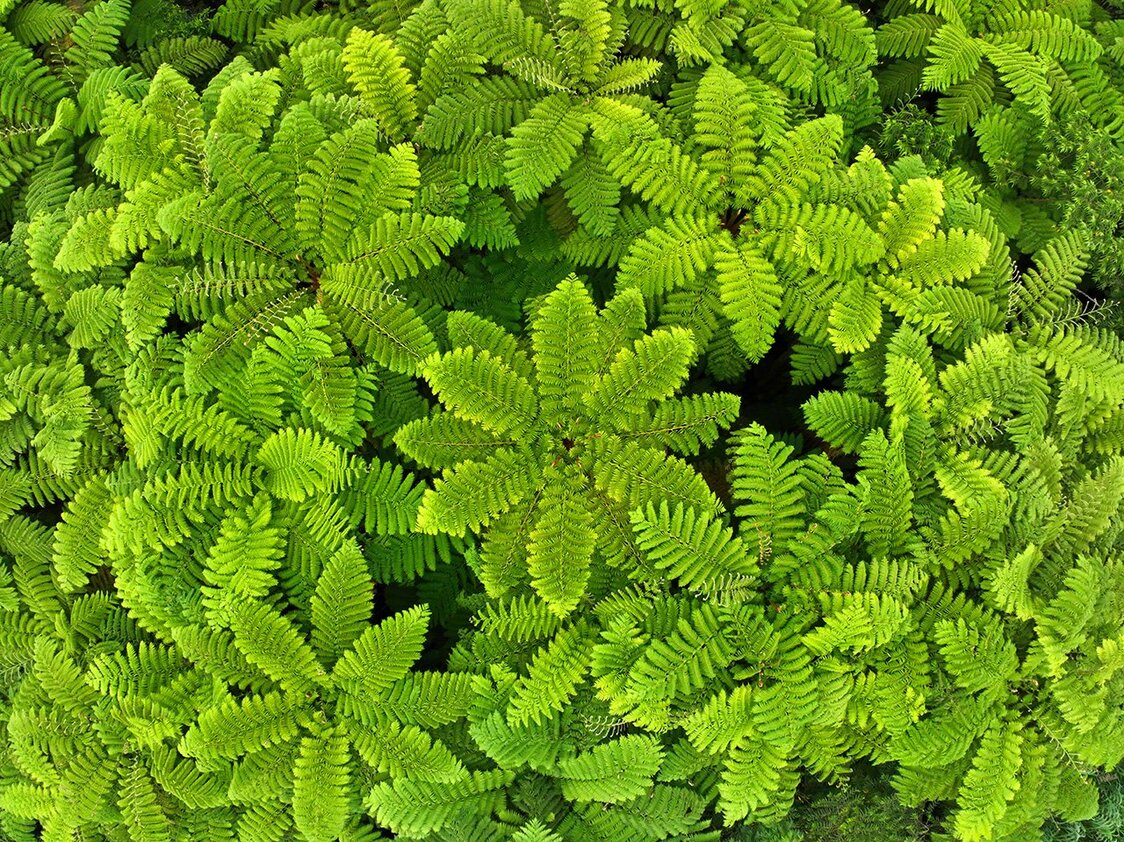
A stand of flying spider-monkey tree ferns. During the rainy season, these remnants of the Jurassic period drink up the abundant rainfall, pumping it into the canopy to spread their broad fronds.
-
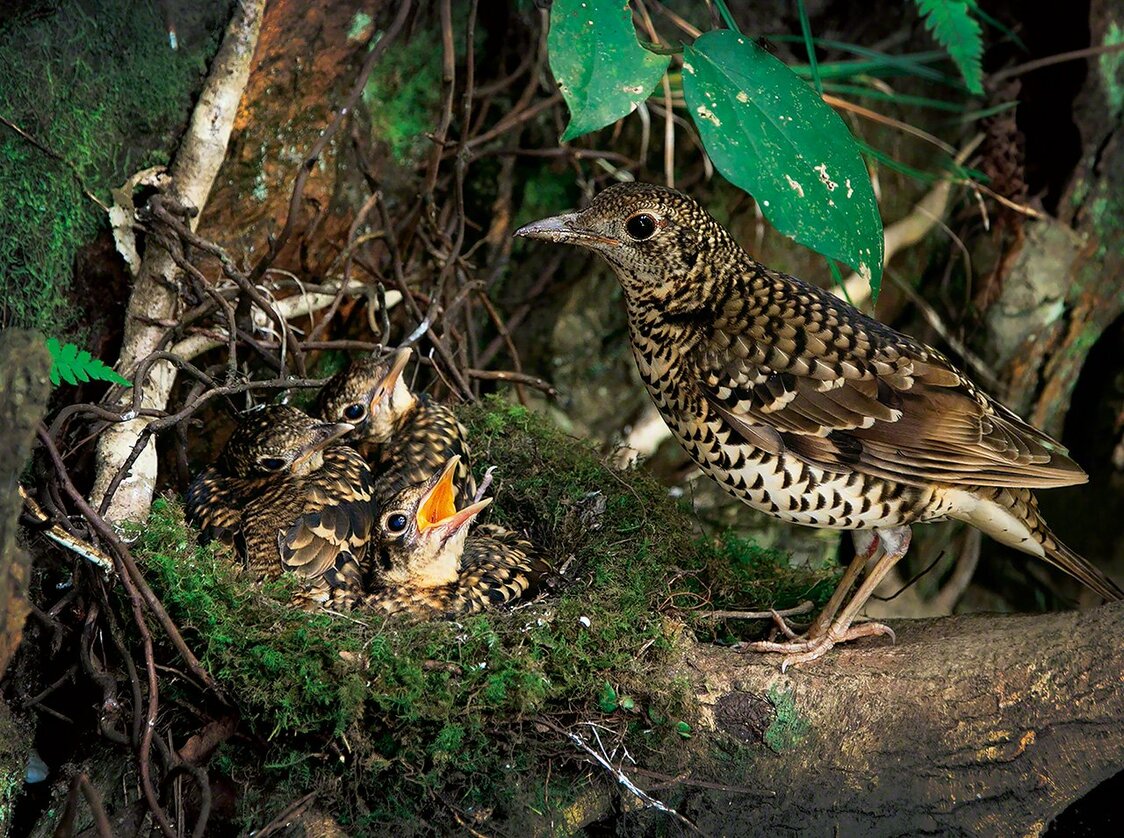
An Amami thrush and its young. A national natural monument, the bird was driven nearly to extinction due to the loss of its habit from logging. The population is gradually recovering as reforestation efforts continue.
-
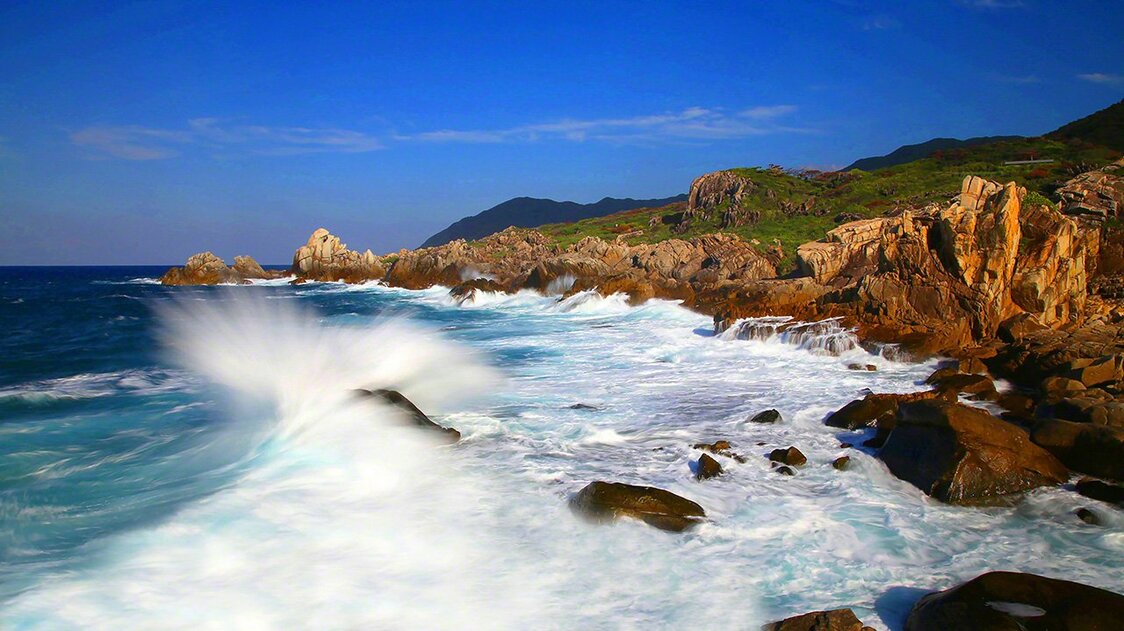
Tokunoshima’s rocky Mushirose coast. The name derives from the area’s numerous large stone slabs, which are said to resemble woven mats called mushiro laid out on the ground.
-
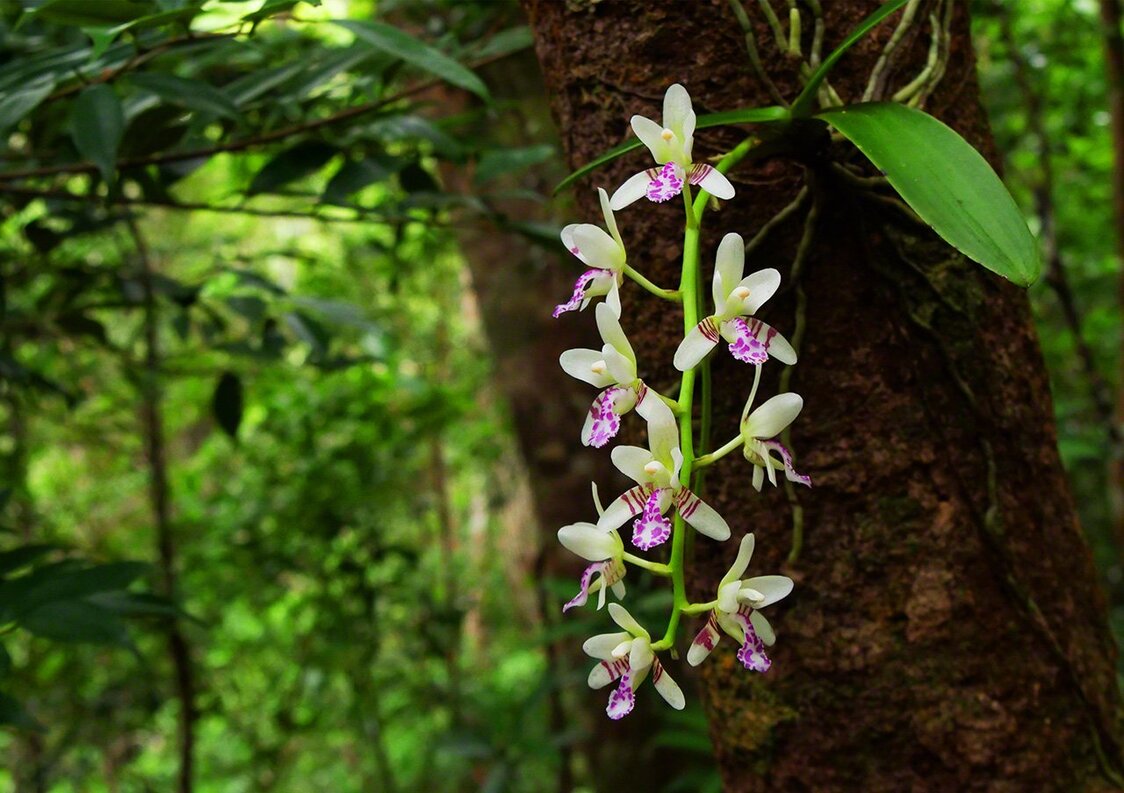
A Sedirea japonica blooms in the forest. Although the species of orchid is named for Nago in Okinawa, where it was first identified, it also thrives on Amami Ōshima and Tokunoshima.
-
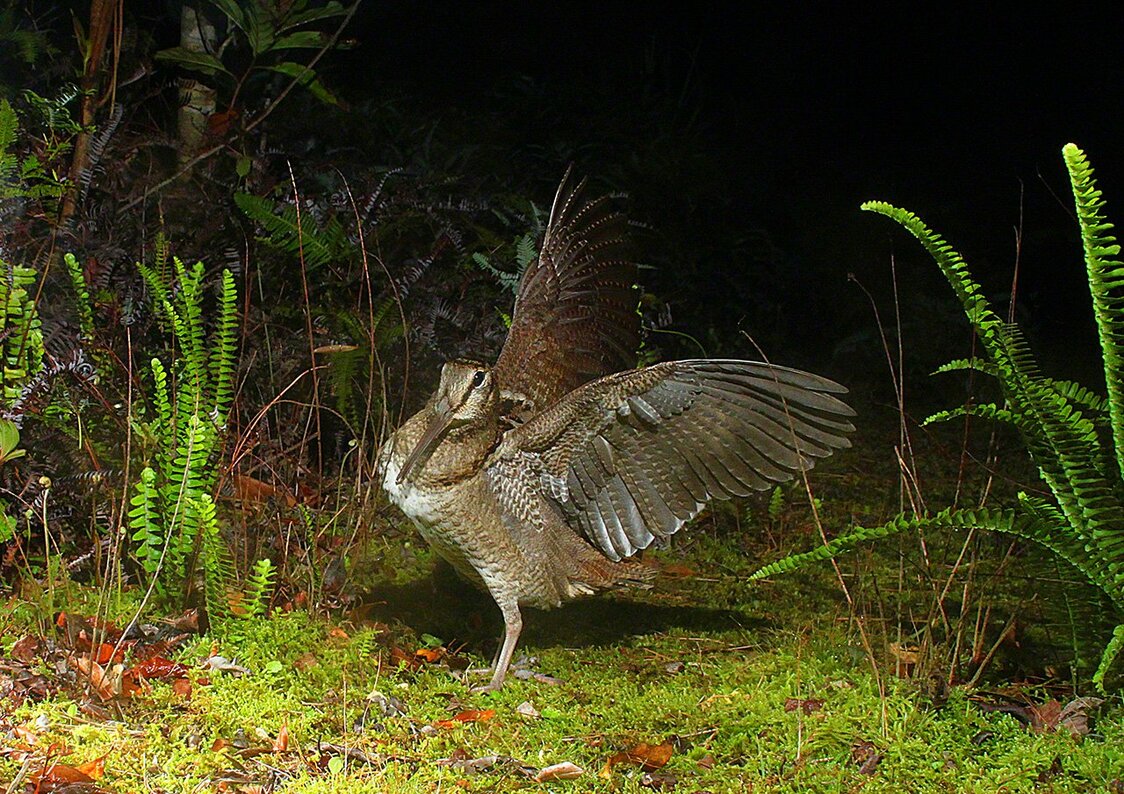
An Amami woodcock puts on a threat display.
-
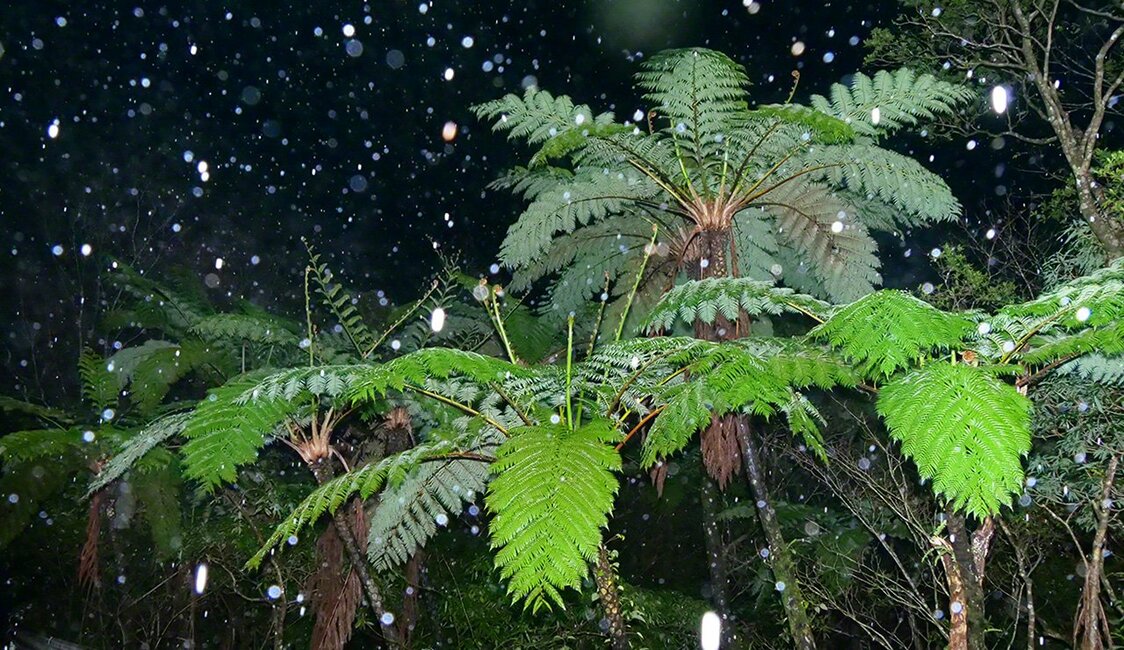
Snow falls on flying spider-monkey tree ferns at the top of Mount Yuwandake in January 2021. Such weather events are rare in the subtropics.
-
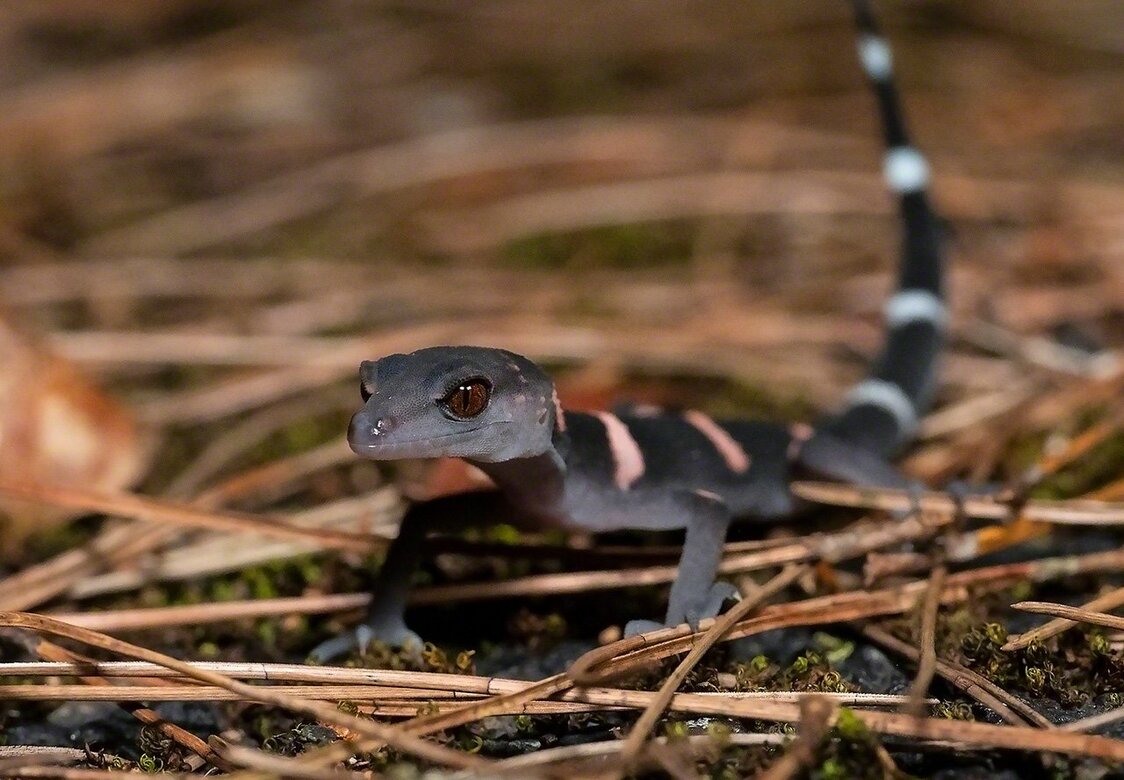
A banded ground gecko. Endemic to Tokunoshima, the lizard is characterized by its brilliant pink and white stripes.
-
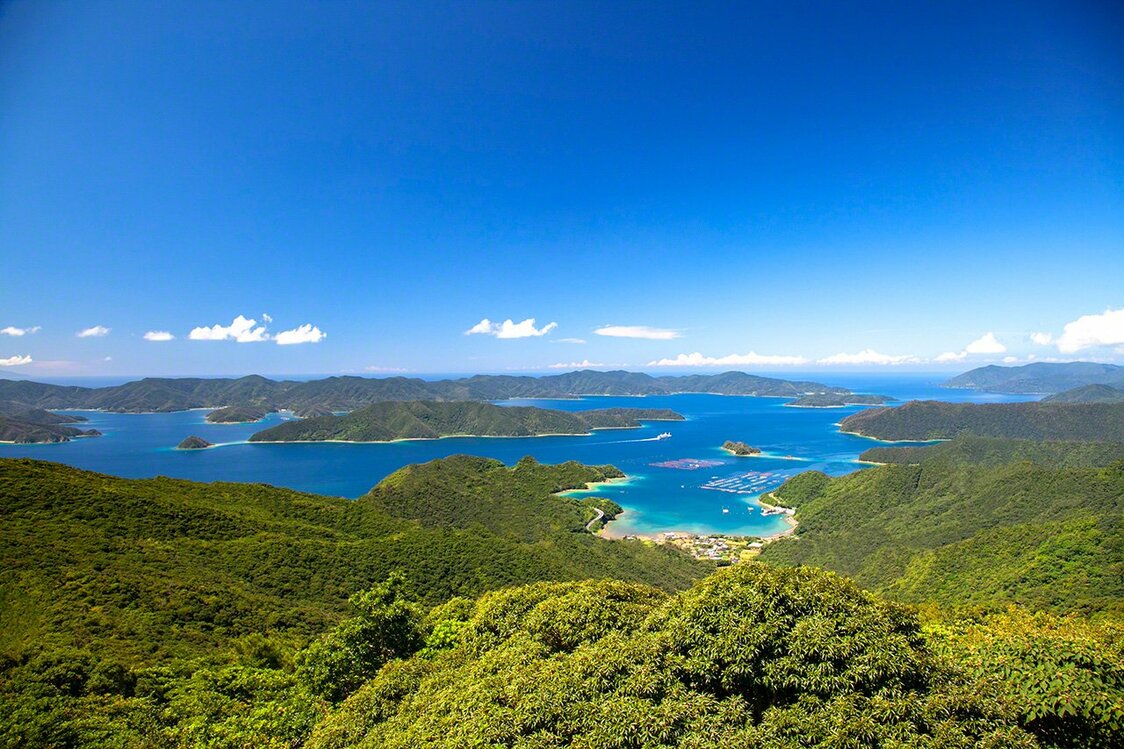
Looking south from Amami Ōshima toward Kakeromajima, Ukejima, Yorojima, and other islands in the Amami archipelago.


 Read in other languages