-
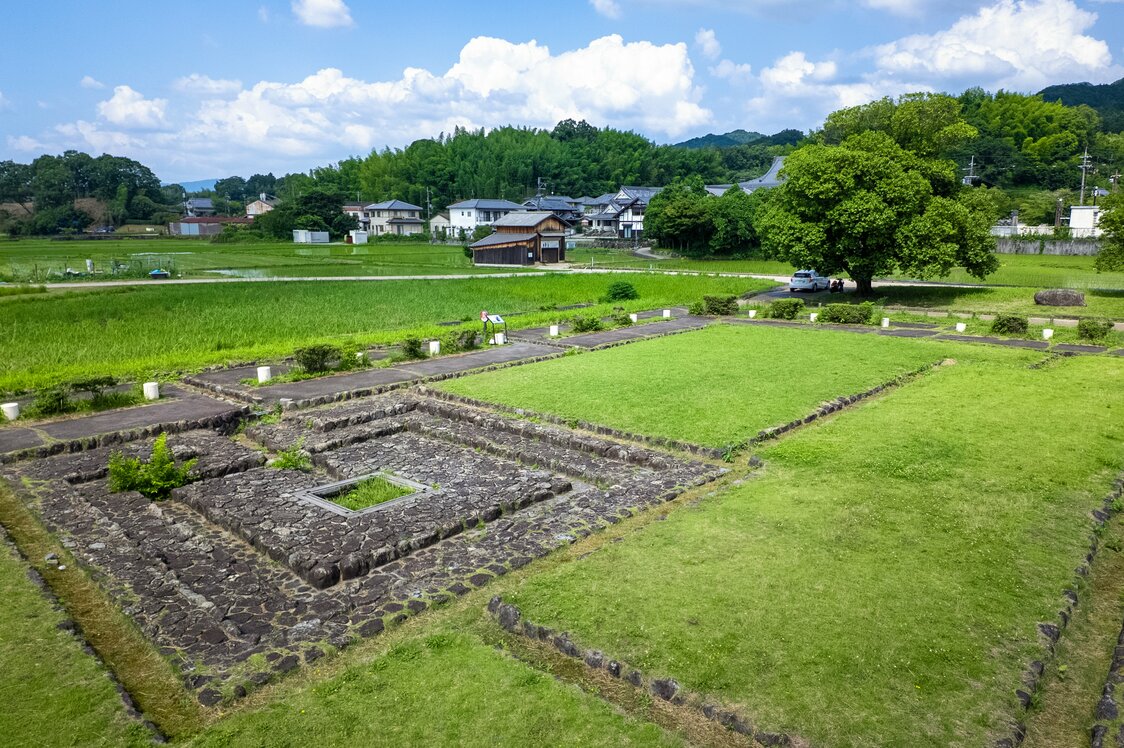
The Asuka Palace Site was the stage for the 645 Isshi Incident, which restored political authority from the powerful Soga clan to the emperor. (© 96Box)
-
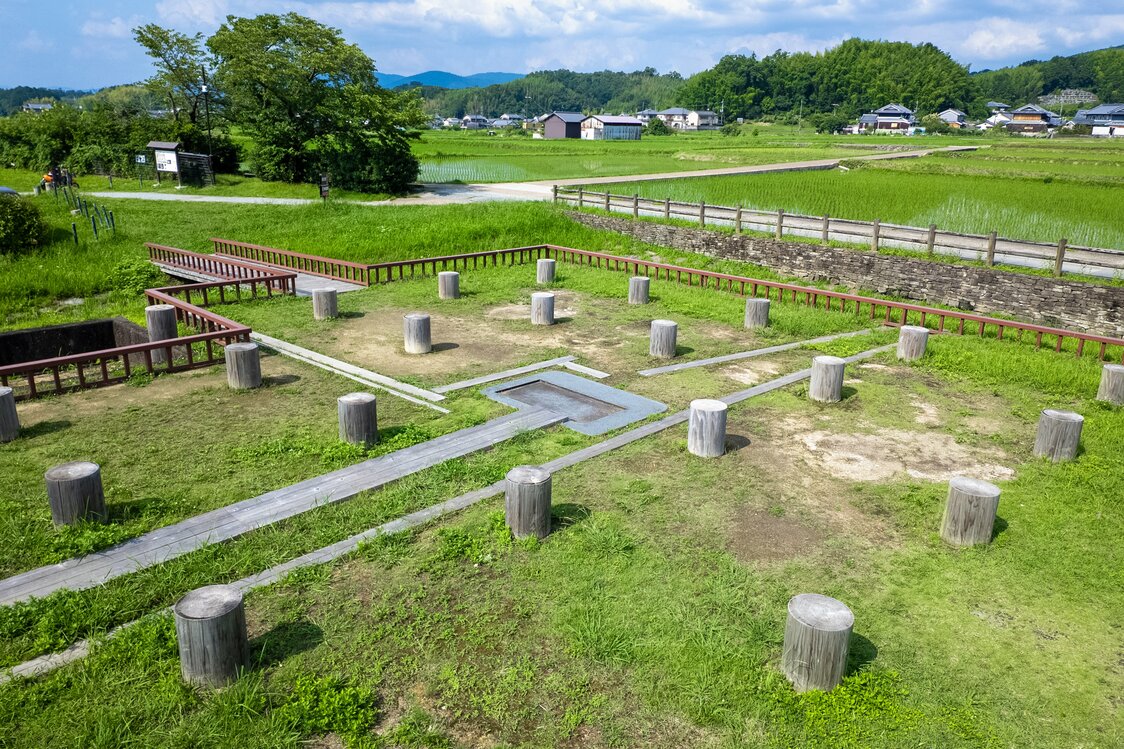
The Asuka Water Clock Site contains the remains of Japan’s oldest water clock, built in 660. (© 96Box)
-
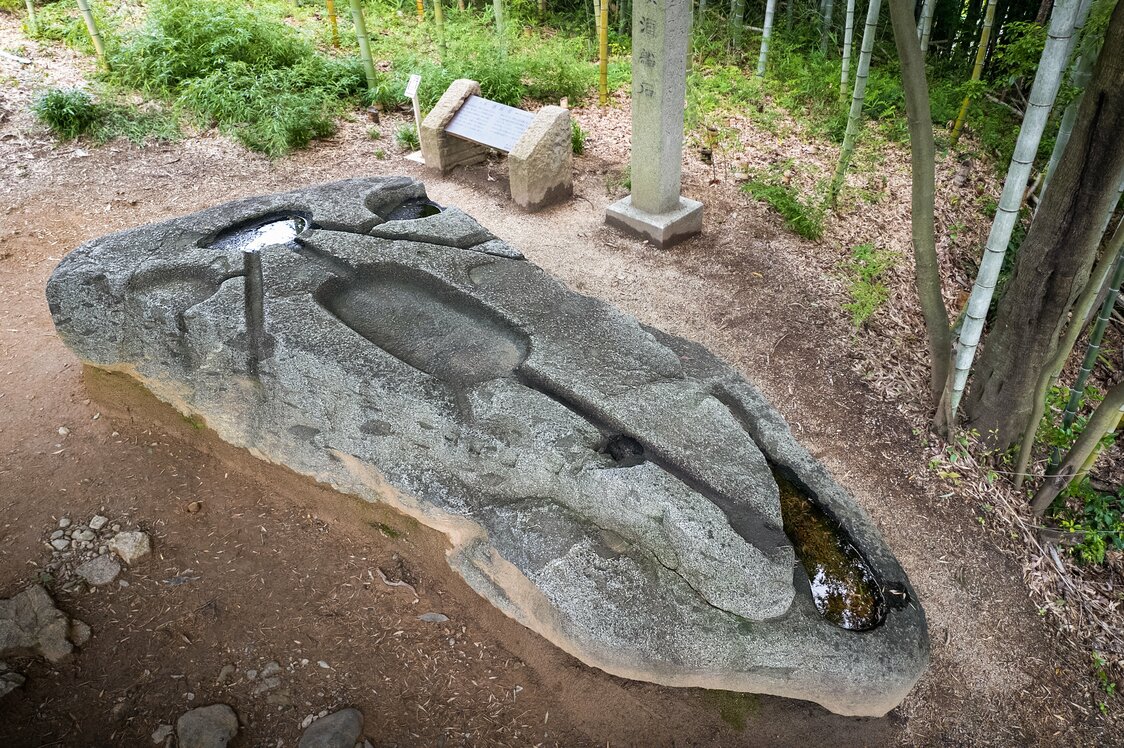
The Sakafuneishi Ritual Site features a large stone carved with enigmatic channels—once thought to have been used to brew sake. (© 96Box)
-
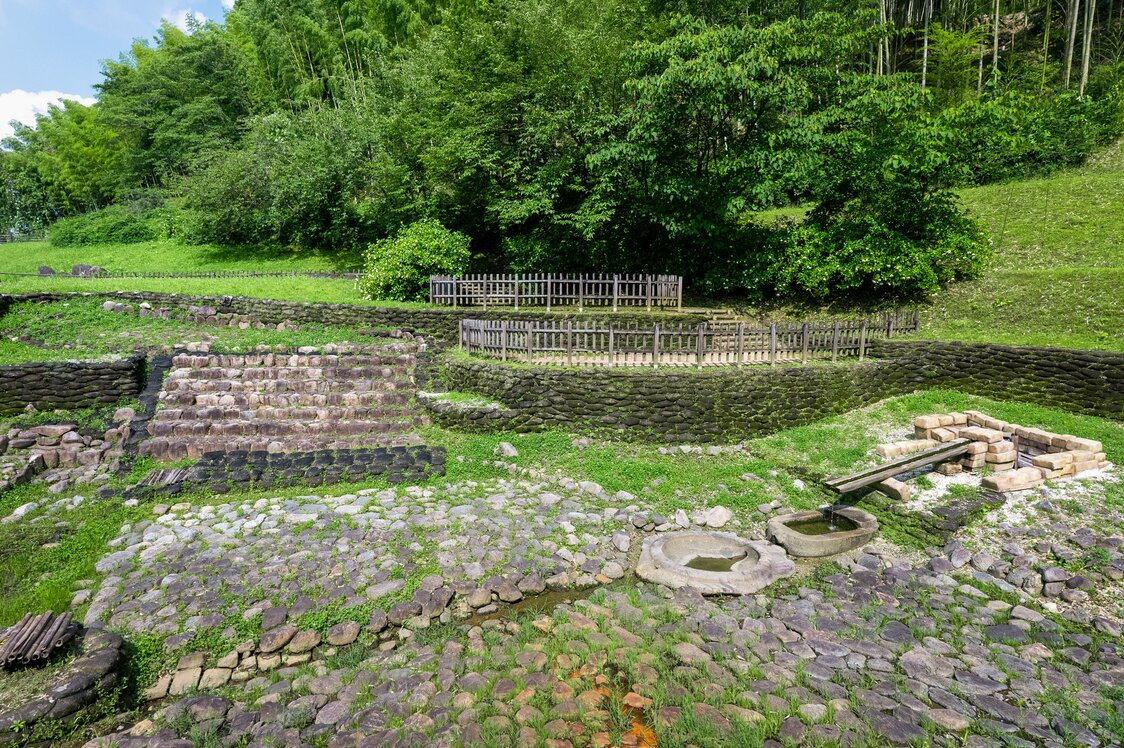
A turtle-shaped stone, right, formed part of the water-control facility that fed spring water to the Sakafuneishi stone. (© 96Box)
-
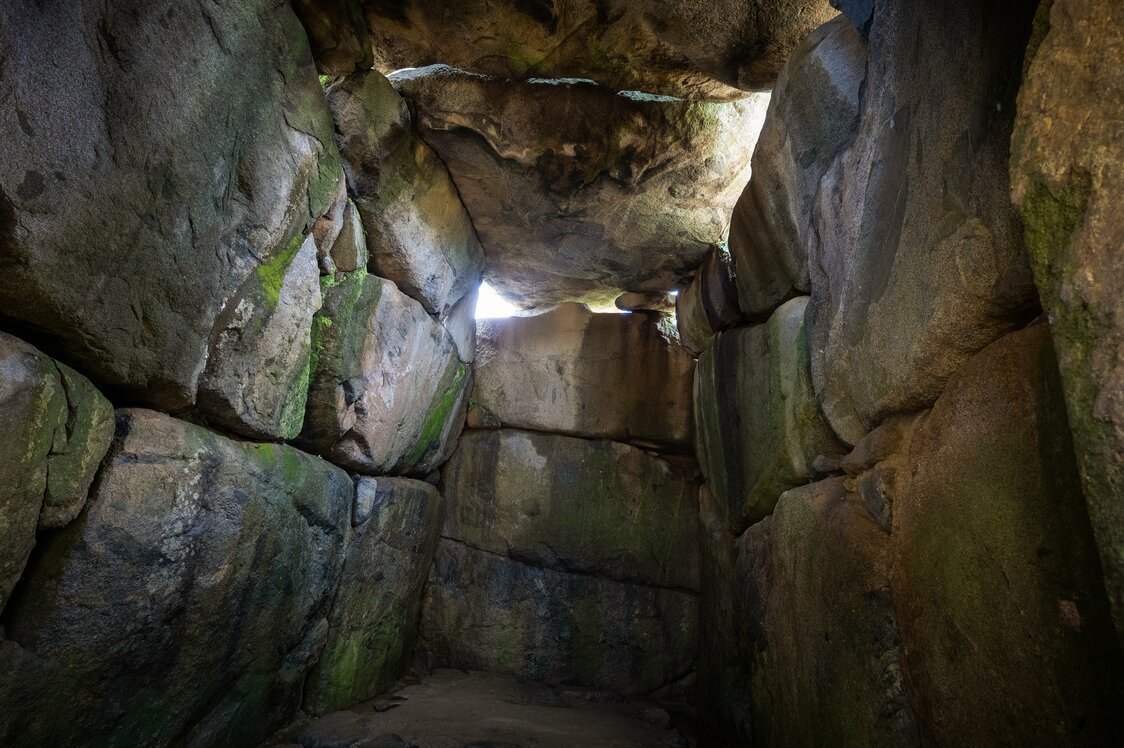
The horizontal stone chamber of the Ishibutai Mounded Tomb. (© 96Box)
-
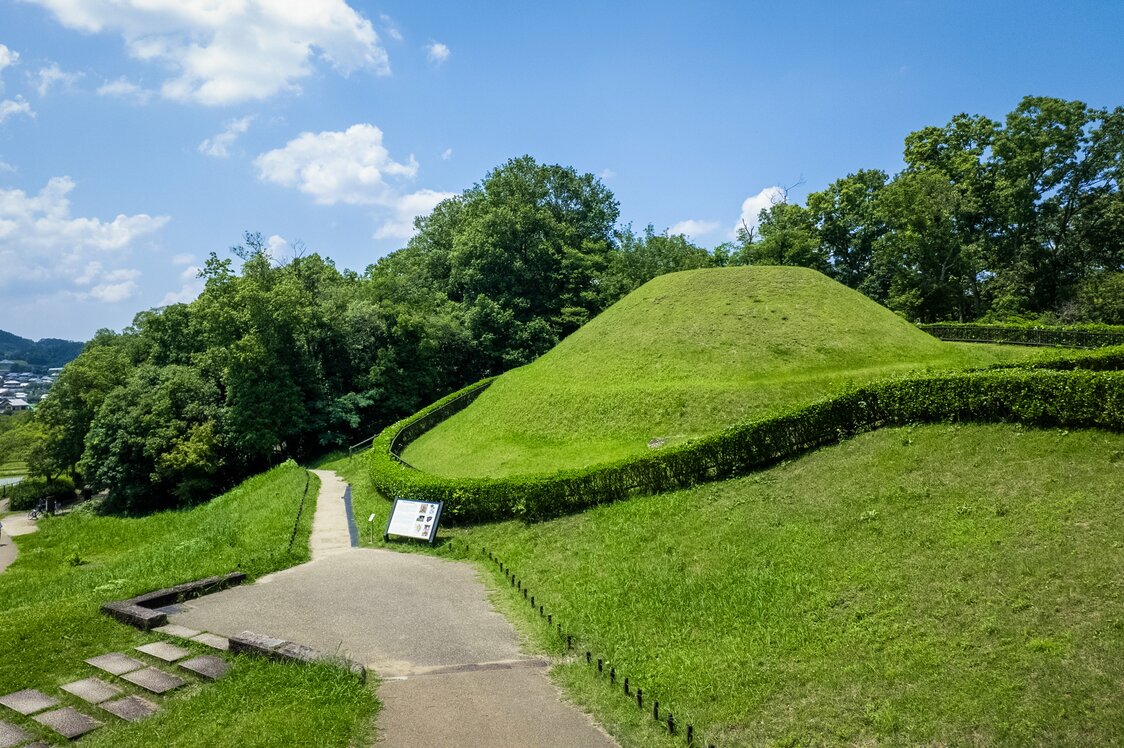
The murals of the Takamatsuzuka Mounded Tomb (national treasure) are now preserved at a nearby conservation facility. (© 96Box)
-
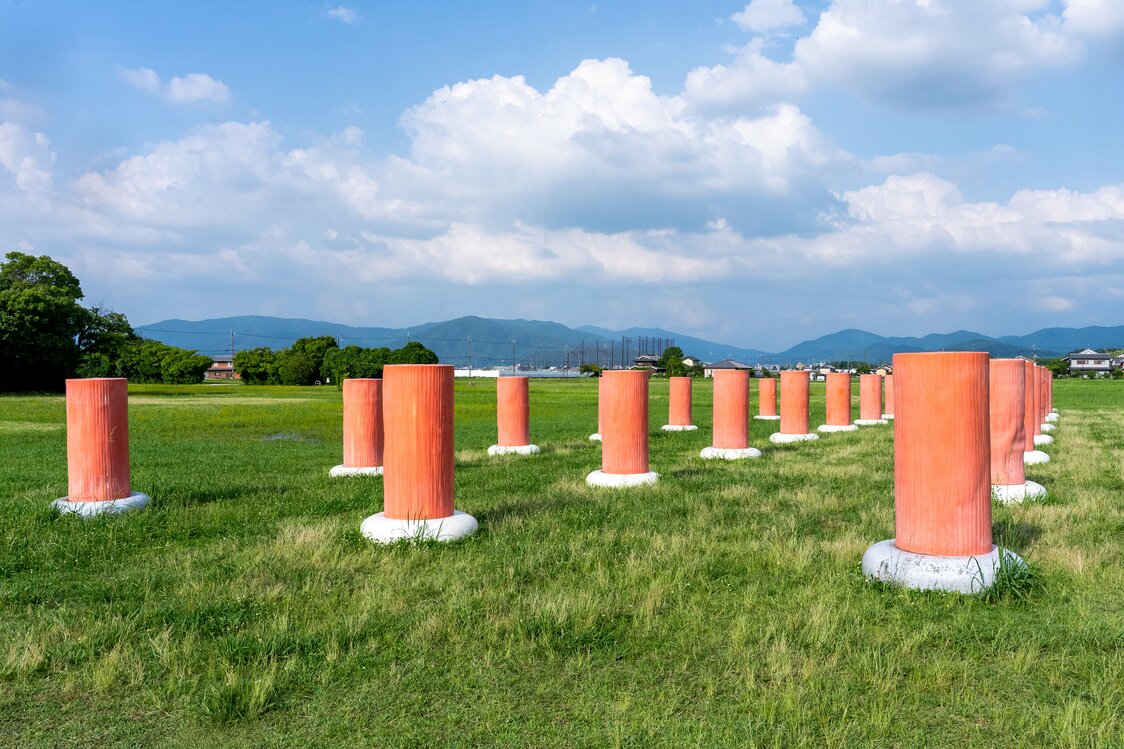
The Fujiwara Palace Site—the center of the roughly 5-kilometer-square capital. (© 96Box)
-
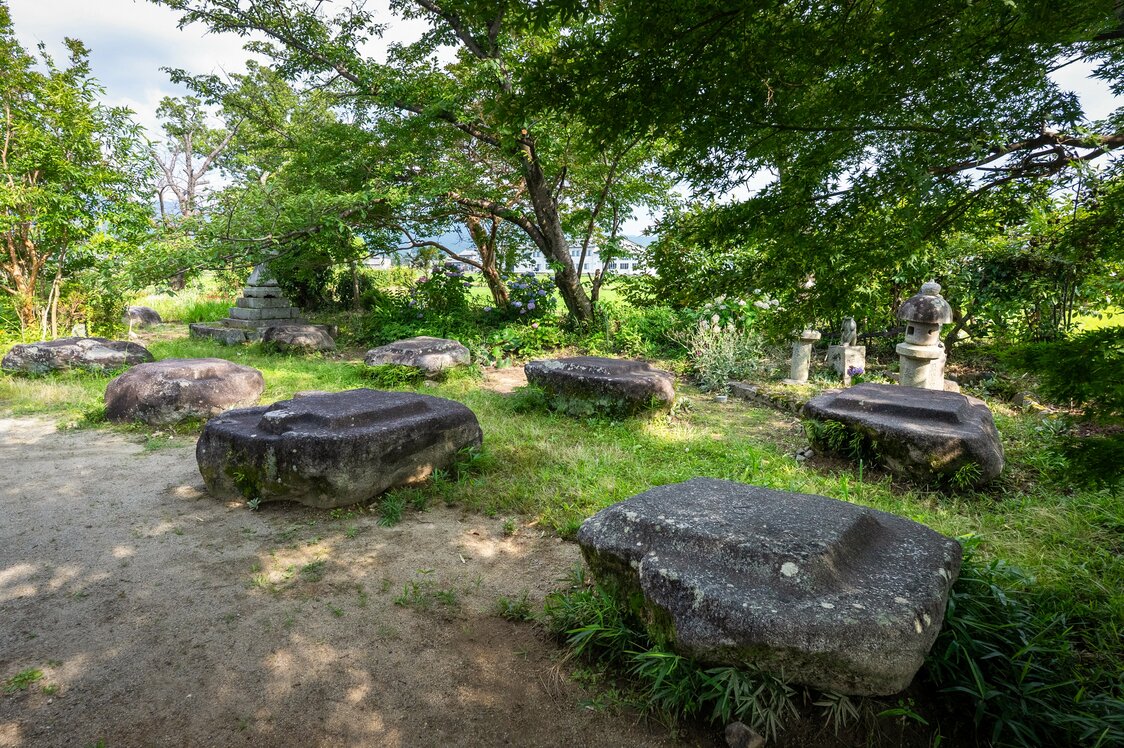
The Motoyakushiji Temple Site, one of Fujiwarakyō’s state temples. (© 96Box)
-
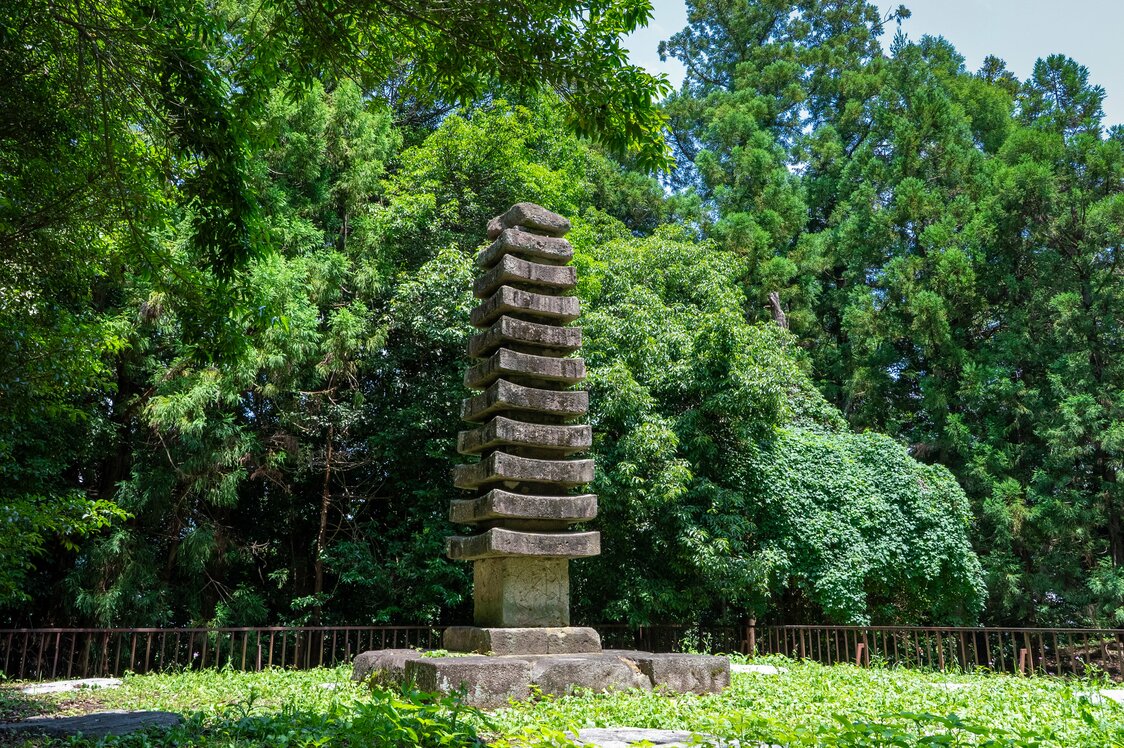
A late‑Heian stone pagoda (important cultural property) stands as a memorial to the site of Hinokumadera, a Buddhist temple built by a powerful migrant clan. (© 96Box)
-
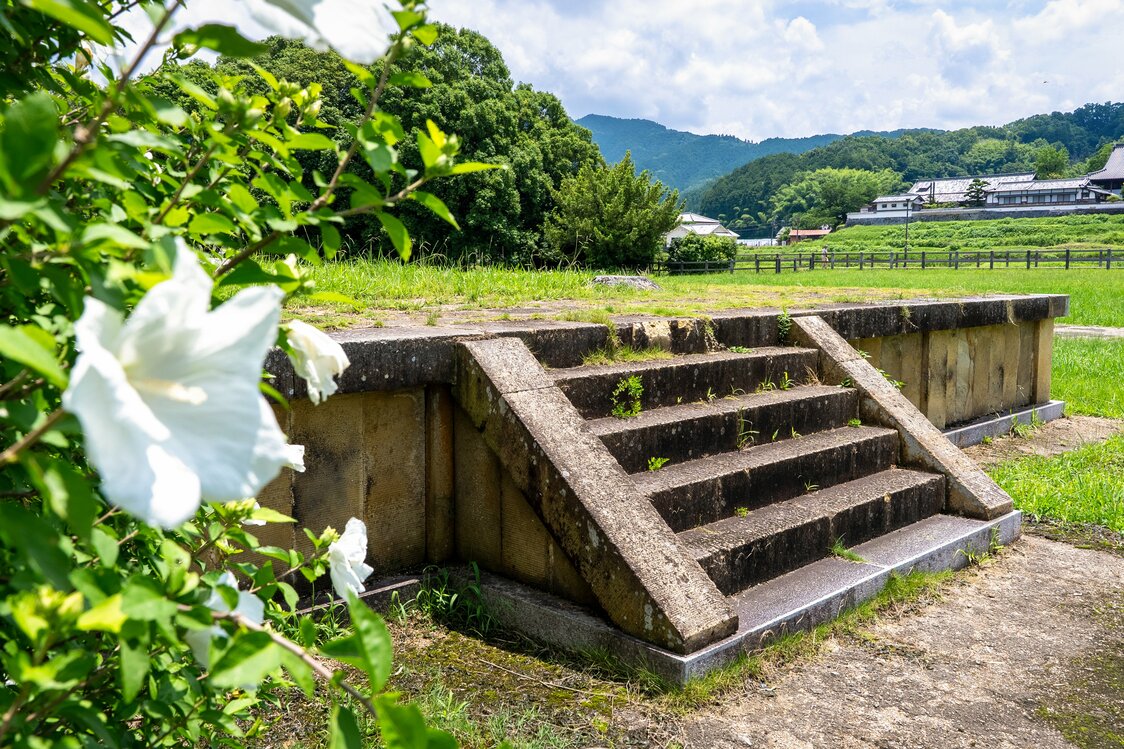
The Kawaradera Temple Site once housed one of Japan’s state temples. (© 96Box)
-

The Kengoshizuka Mounded Tomb, an unusual octagonal mound restored in 2022. (© 96Box)
-
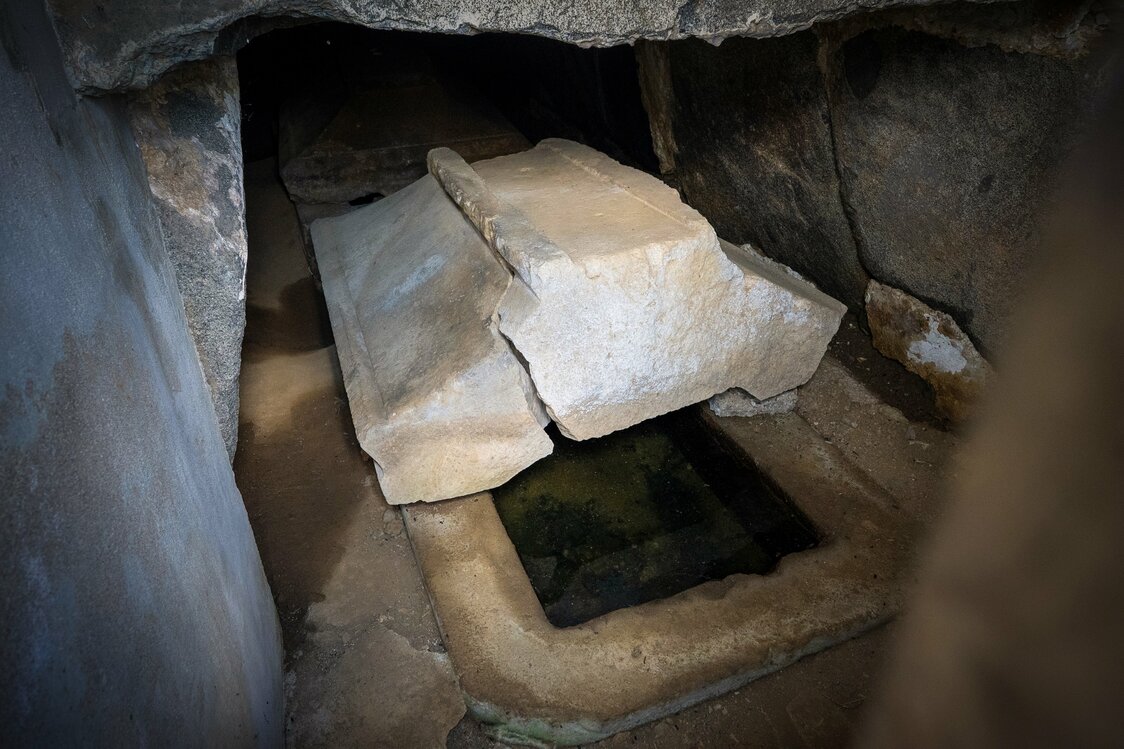
Visitors to the Shōbuike Mounded Tomb can view the interior of the horizontal stone chamber. (© 96Box)


 Read in other languages