Contemporary Culture Going Global
The Tokyo Game Show Turns 30: Tracing the History of Video Game Evolution
Guideto Japan
Entertainment Culture- English
- 日本語
- 简体字
- 繁體字
- Français
- Español
- العربية
- Русский
Games as a Cultural Industry
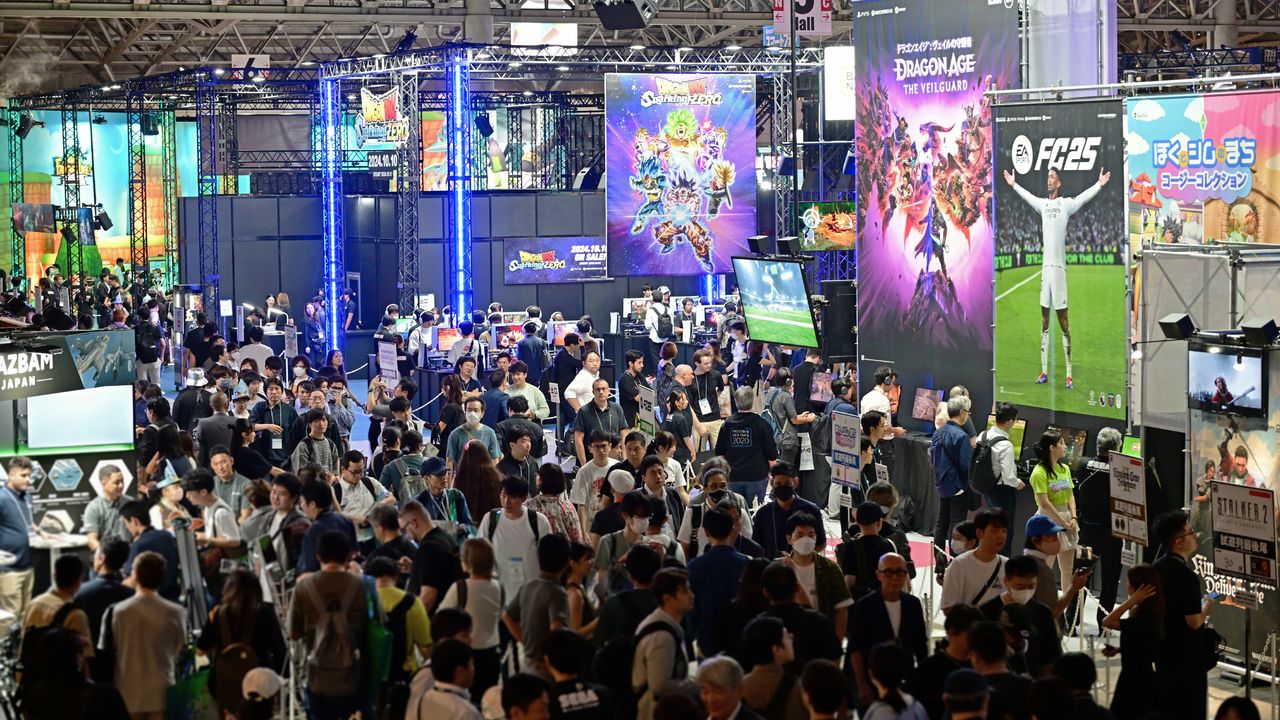
The Tokyo Game Show, one of the world’s largest gaming events, was first held in August 1996. It was an era when a wave of next-generation consoles was hitting the market, and the inaugural show was a huge success, drawing more than 100,000 visitors over the three days it was open to the general public. Since then, attendance has never fallen below 100,000, except in 2020 and 2021, when the event moved online due to the COVID-19 pandemic. In 2018, TGS attracted 298,690 visitors over four days. The number of exhibitors has also continued to grow, rising from just 87 at the first show to a record 1,138 in 2026.
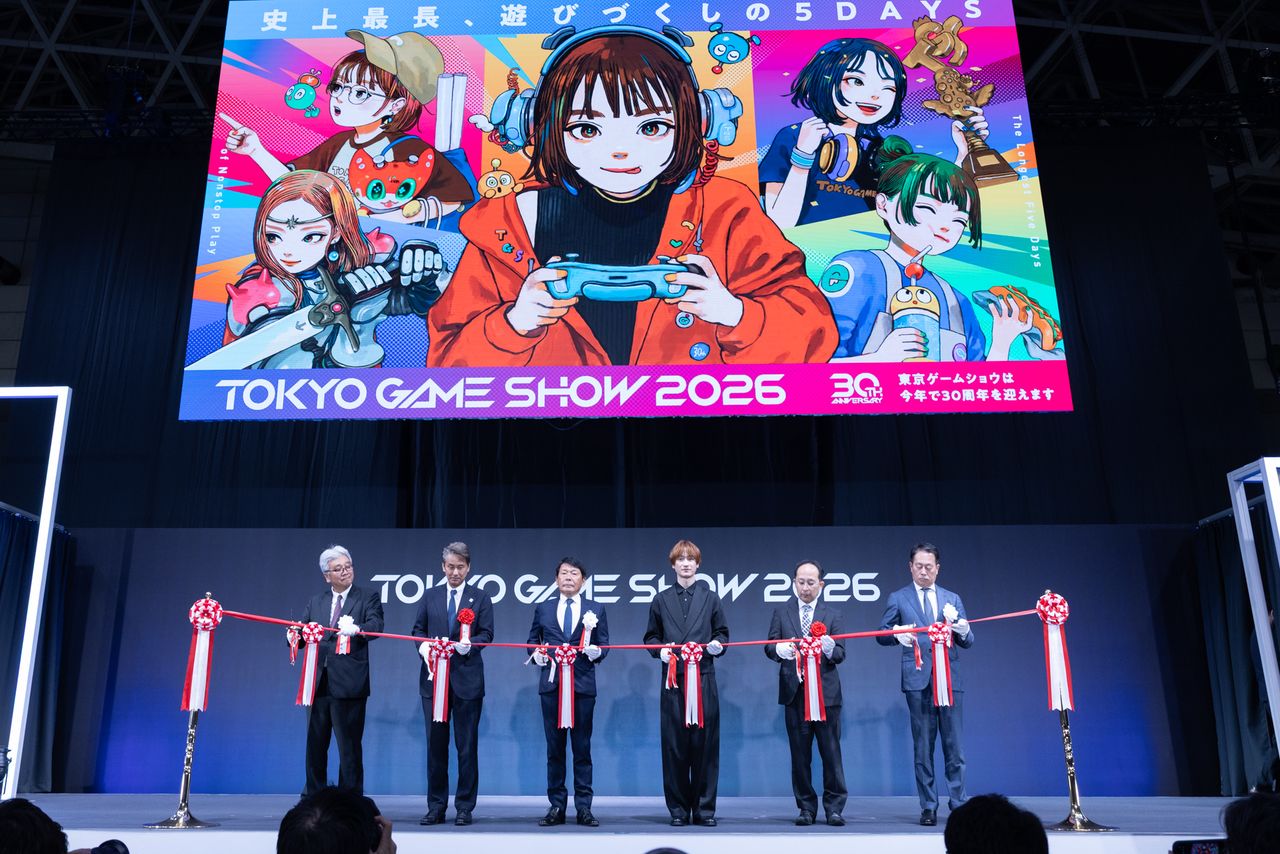
Industry dignitaries gather to kick off the 2026 show. (Courtesy CESA)
But TGS was intended to be more than just a trade show. Masuda Tsutomu, managing director of the Computer Entertainment Supplier’s Association, which organizes the event, explains that its goal was “to develop games into a major industry with cultural value.”
CESA was established in 1995, the year before the first TGS, and its members include representatives from companies across the game industry. Masuda himself spent many years working in marketing at Capcom and has been involved with TGS as an exhibitor as well. As TGS marks 30 years alongside the growth of gaming culture, we look back at its history through Masuda’s recollections.
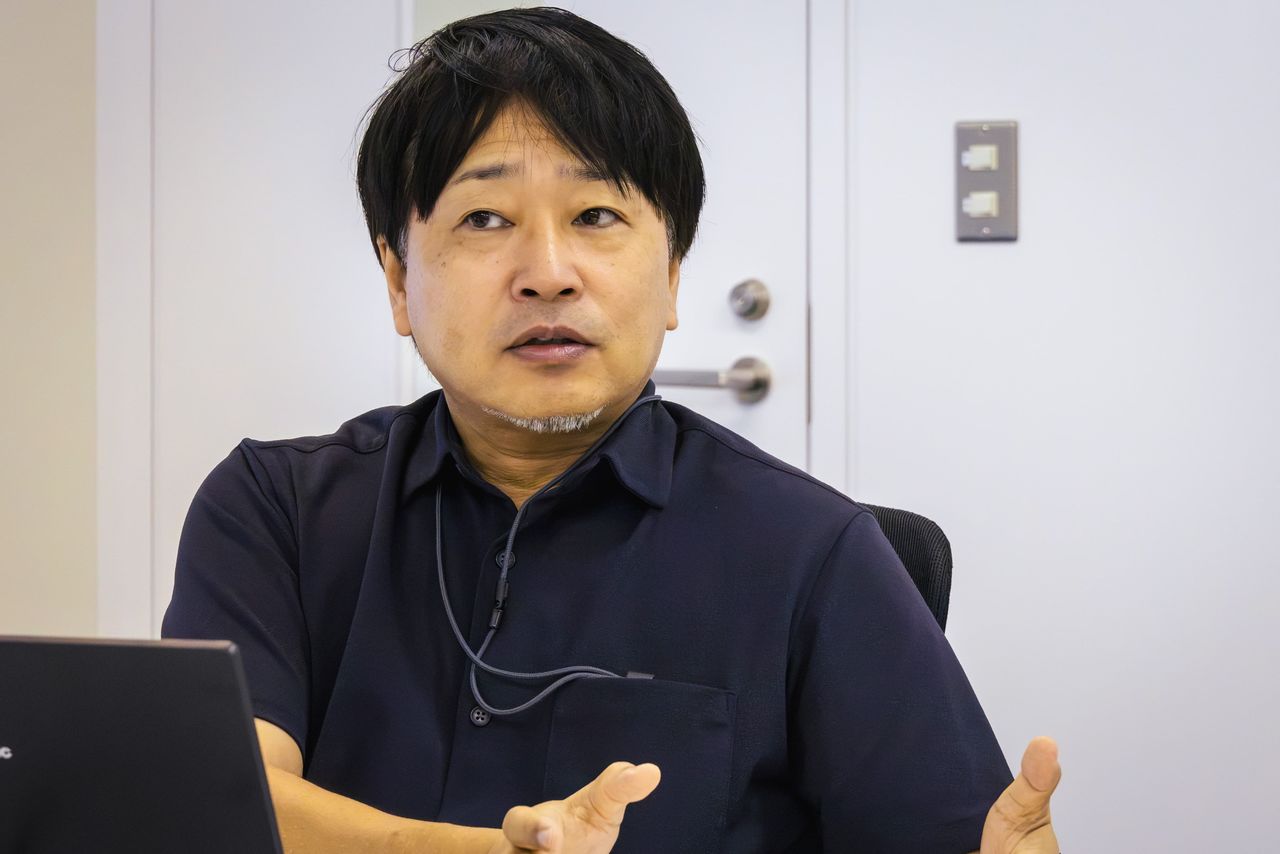
Masuda Tsutomu, who oversees TGS. During his time at Capcom, he handled promotion for titles including Resident Evil and Monster Hunter. (© Nippon.com)
An Era of Fierce Console Competition
When TGS was first held in 1996, Japan’s home console market was in the midst of a major transition. Nintendo’s Super Famicom—marketed abroad as the Super NES, or Nintendo Entertainment System—had once dominated the scene, but a new generation of hardware capable of producing high-quality 3D graphics was now competing for players. The Nintendo 64, Nintendo’s successor hardware; the Sega Saturn, which used optical discs; and Sony’s original PlayStation were battling for market share while also expanding gaming’s draw to a much broader range of age groups. “It was an era when major titles could sell more than a million copies in Japan alone,” Masuda recalls.
The centerpiece of the inaugural TGS was the limited distribution of a demo disc for Final Fantasy VII, the highly anticipated latest entry in the popular series, which was due for release the following January. Even before the show, the game had attracted enormous attention for moving from the Super Famicon to the PS1 and making full use of 3D computer graphics. Long lines formed at the booth for a chance to try it. That anticipation translated into massive sales when FFVII was released. Its striking visuals also captivated players in Europe and North America, and worldwide sales eventually surpassed 10 million copies.
The first TGS ended on a high note, demonstrating the event’s promotional power while establishing one of its greatest attractions—the chance to experience highly anticipated games before anyone else. At the second TGS in April 1997, the CESA Awards were held for the first time. The awards, which later became the Japan Game Awards and are still organized by CESA today, named Sakura Wars as the year’s top title. TGS subsequently began taking place twice a year, further strengthening its presence within the game industry.
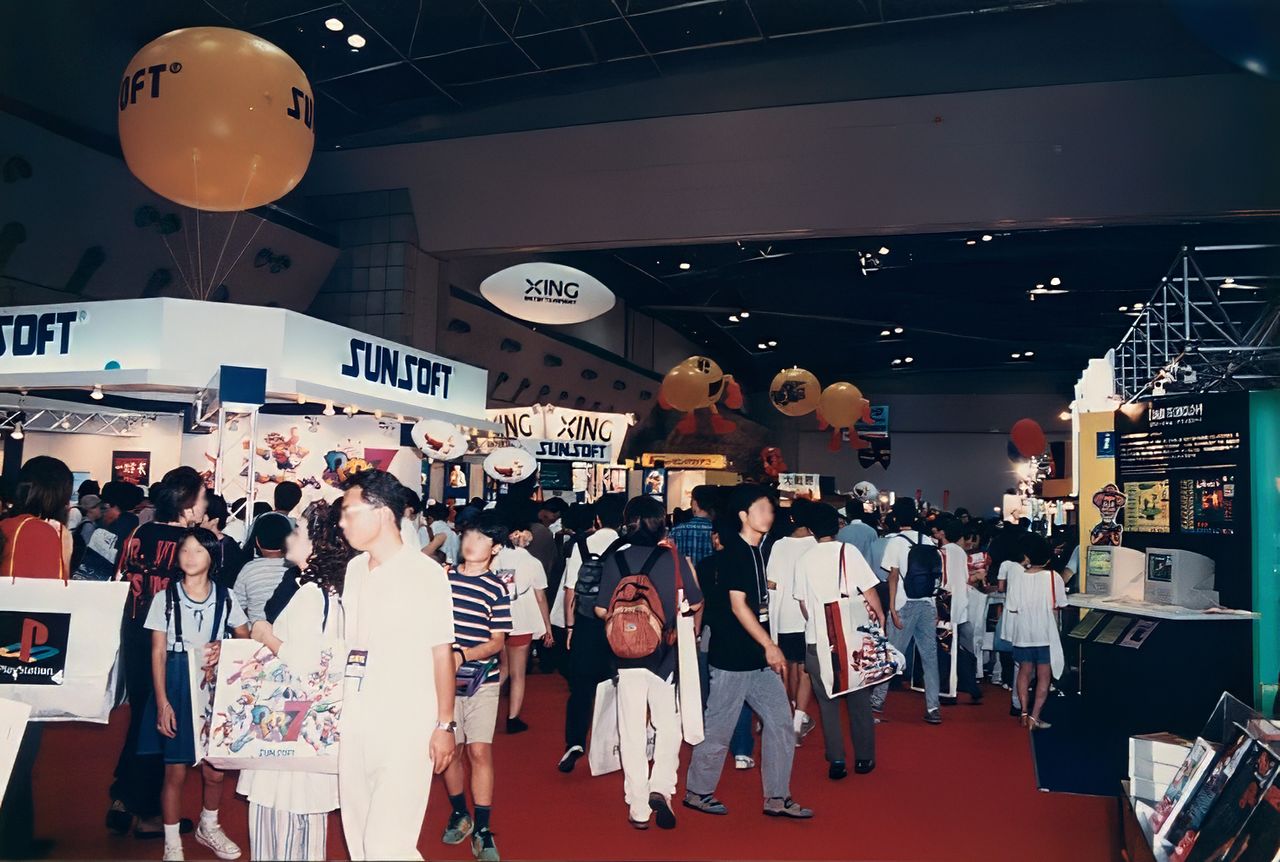
The inaugural TGS venue. (Courtesy CESA)
Entering the 2000s, the console market shifted to yet another generation. New systems such as the Sony PlayStation 2, Nintendo’s GameCube, and Microsoft’s Xbox arrived one after another, offering dramatically improved graphics capabilities. At the same time, however, the number of game titles released each year began to decline after peaking shortly before the turn of the millennium. As hardware became more powerful, game development took longer and costs rose, slowing the pace of releases across the industry.
Masuda, who was an exhibitor at the time, recalls: “The reality was that it was difficult to prepare for two events a year, including producing demo versions of new games.” To give exhibitors a clearer opportunity to showcase what they wanted to promote and to strengthen the overall focus of TGS, the event was consolidated into a once-a-year format beginning in 2002. It has since been held in the fall, timing it directly with the crucial year-end and New Year sales season.
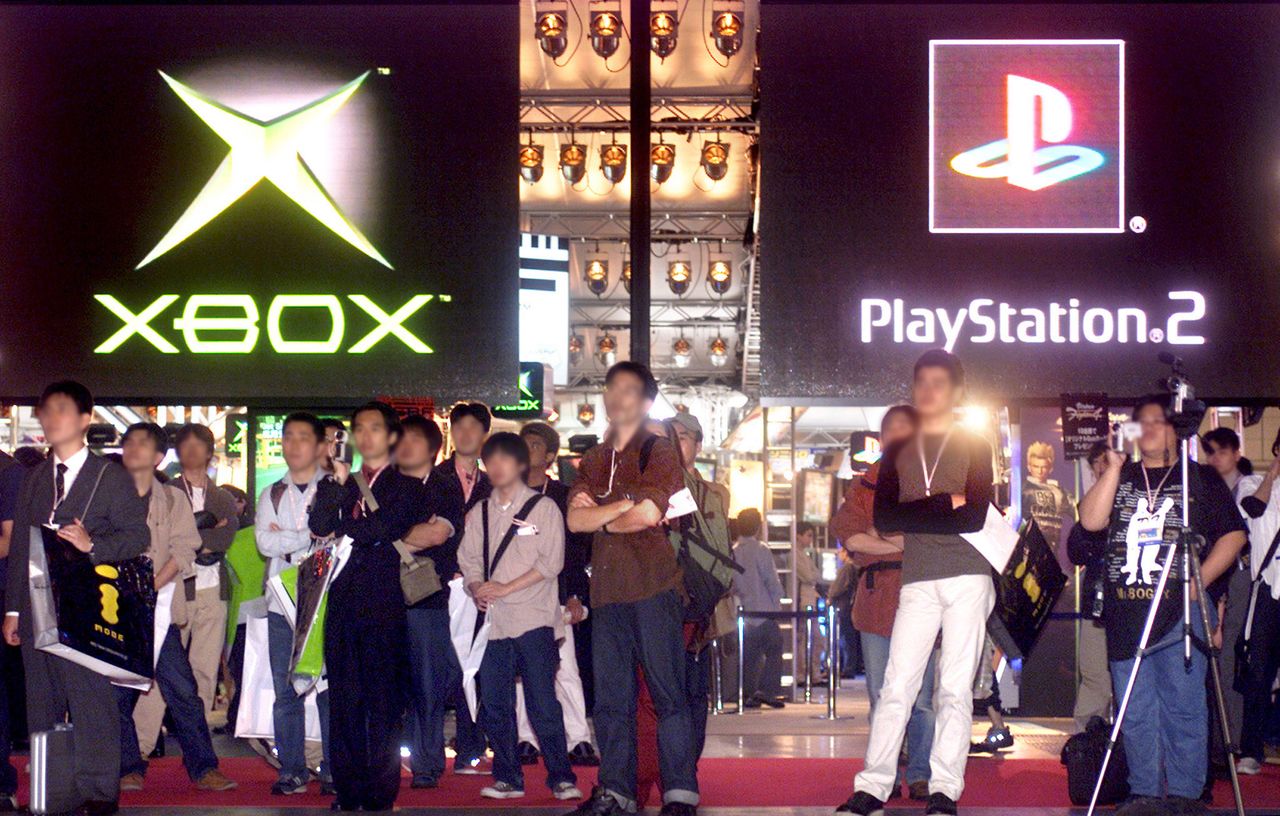
Visitors watch demonstrations of new Xbox and PS2 games at TGS 2001 Autumn. (© Reuters)
The Shift to Mobile and PC
In Europe and North America, PC gaming grew steadily from the 1990s, as personal computers became more widespread, through the 2000s, when digital distribution began to take off. Japan, however, remained a stronghold of dedicated gaming hardware, with home consoles accounting for around 90% of the market until the latter half of the 2000s. Demand for handheld systems also grew alongside home consoles. Beginning with the Nintendo DS and PlayStation Portable in 2004, handhelds increasingly featured wireless connectivity. When the popular PS2 franchise Monster Hunter was brought to the PSP, gathering with friends for cooperative play became a major trend.
The explosive spread of smartphones in the 2010s transformed gaming habits once again. Mobile games took center stage, allowing players to download games of their choice as apps and play them anytime, anywhere.
Around the same time, general-purpose game engines became increasingly common in software development, making it easier to release games across different hardware platforms. Consoles such as the PS4 also adopted architectures closer to those of PCs. As a result, game development increasingly shifted toward a multiplatform model, with titles released across multiple types of hardware, including smartphones and PCs.
While gaming continued to establish itself as an everyday form of entertainment, Japan lagged behind in esports, a field centered largely on competitive online PC gaming. TGS has worked to broaden the base of professional players and fans by holding esports tournaments and other events aimed at promoting the scene.
“We’ve also focused on the appeal of watching games, such as the excitement generated by popular streamers providing live commentary,” Masuda says. “Interest in esports is steadily growing, as shown by its inclusion as an official medal event at this year’s Asian Games Aichi-Nagoya.”
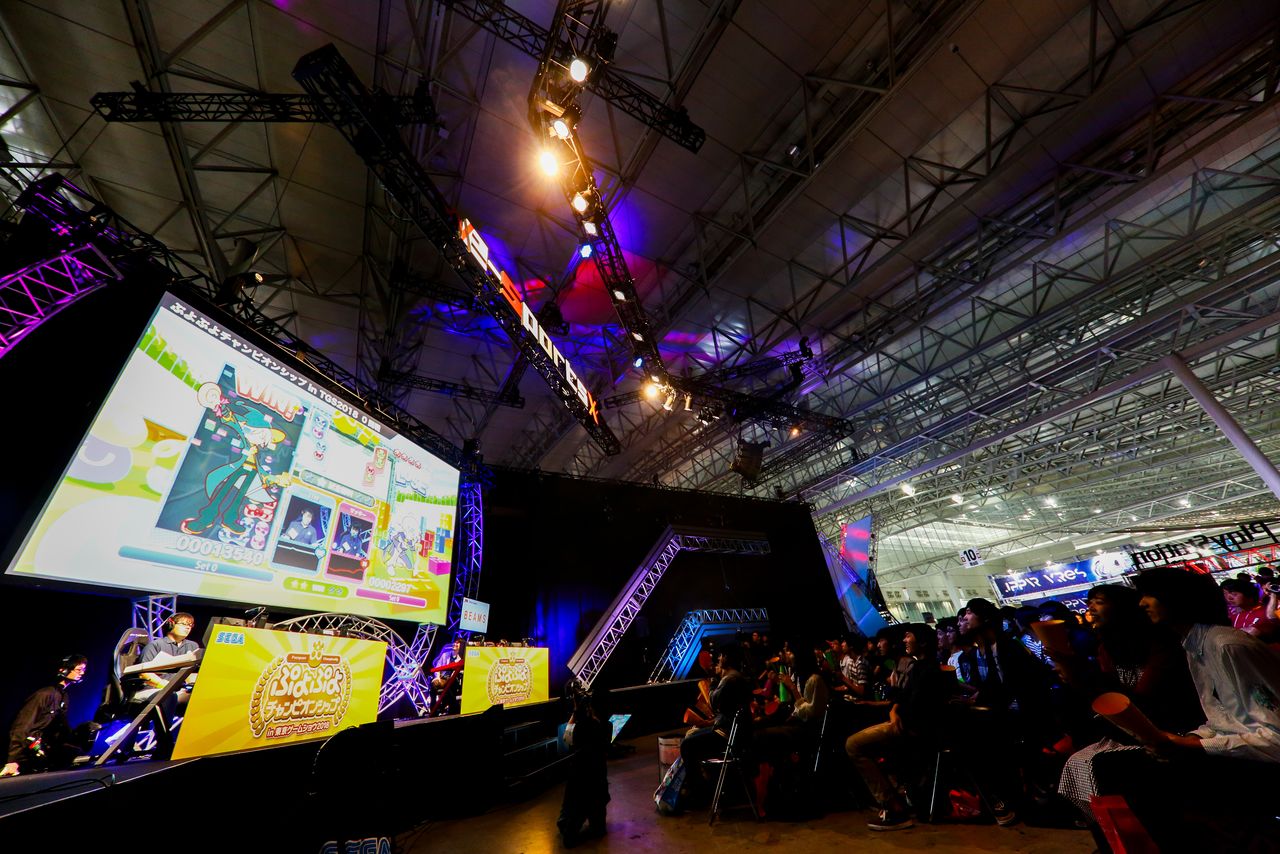
The e-Sports X professional gaming competition has become one of the highlights of TGS. (Courtesy CESA)
Using Online Platforms to Become a Global Hub
The COVID-19 pandemic in 2020 marked a major turning point for TGS, as the event was held entirely online for the first time. Although individual exhibitors had streamed their own video content before, TGS launched its official programming that year, and a hybrid format combining an in-person event with online coverage has since become the norm.
“Because TGS is held in Chiba, most visitors usually came from the greater Tokyo area,” Masuda says. “One unexpected benefit was that we created an environment where people from farther away, including overseas, could participate in real time more easily.”
Online access offers clear advantages, but TGS is still an annual festival that brings together game fans from around the world. Part of its appeal lies in experiencing the energy of the venue firsthand, trying newly released games and cutting-edge hardware, and enjoying demos with top-quality visuals and sound.
“For exhibitors, being able to hear users’ impressions and opinions directly and feed them back to the development teams can boost motivation and help improve quality,” Masuda says. “Event stages also have a completely different atmosphere when you can feel the audience’s reactions firsthand.”
In recent years, growing interest in gaming environments has also led TGS to expand its sections devoted to gaming chairs and peripherals. The All Accessibility Area, introduced in 2025, drew particular attention for a brainwave controller allowing people with limited use of their hands to play games. As technology continues to advance, the number of exhibitors has grown, and new categories have continued to emerge.
TGS has also helped broaden the pool of talent entering the game industry, not just its player base. From an early stage, the event has featured dedicated areas for educational institutions such as technical colleges and IT-related programs at universities, as well as for independent game developers.
Another initiative aimed at nurturing future creators is CESA’s Family Game Park. Kawamura Kentarō, who oversees the area, explains: “Children of junior high school age and younger can enjoy the area free of charge, along with the adults accompanying them. Through experiences such as programming and sound creation, we hope to spark their interest in careers in the game industry.”
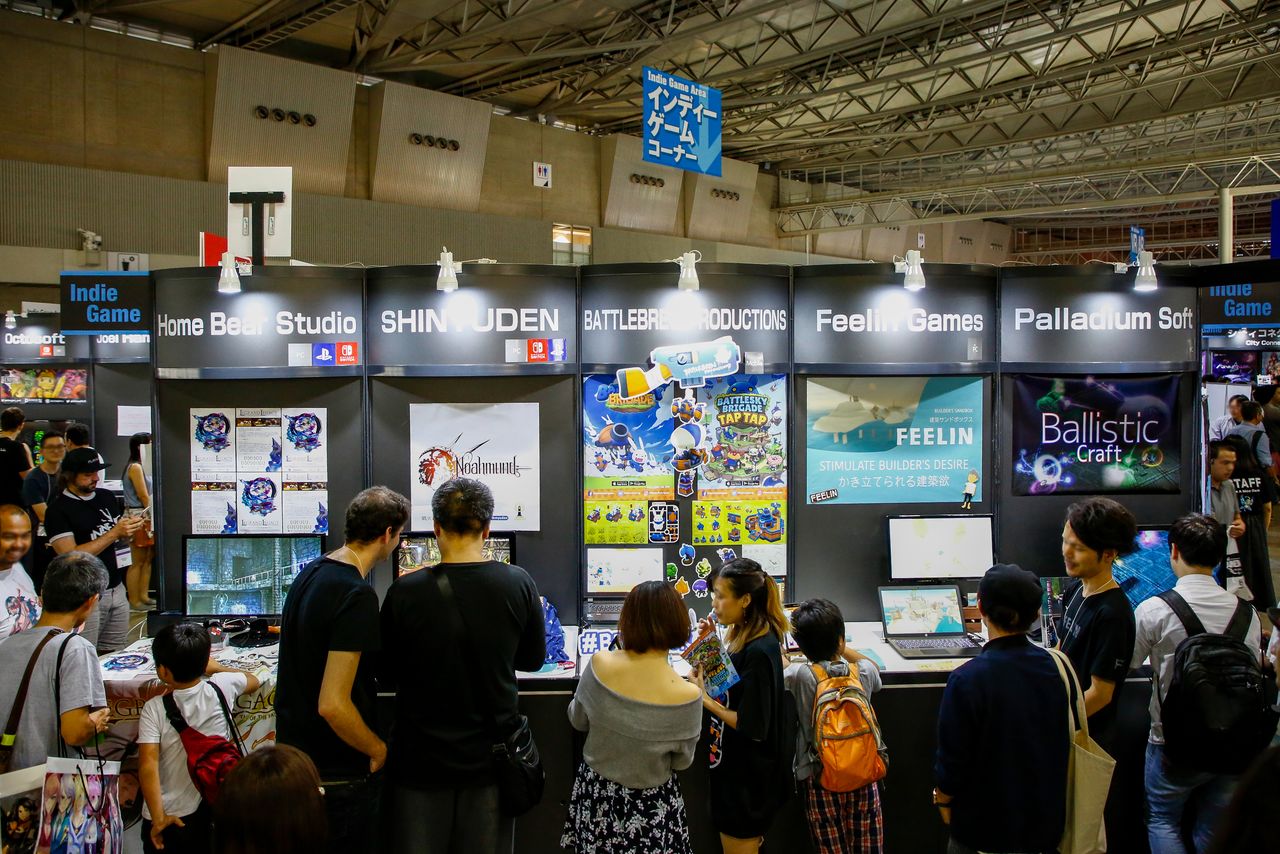
Indie games are also showcased through dedicated areas and competitions. (Courtesy CESA)
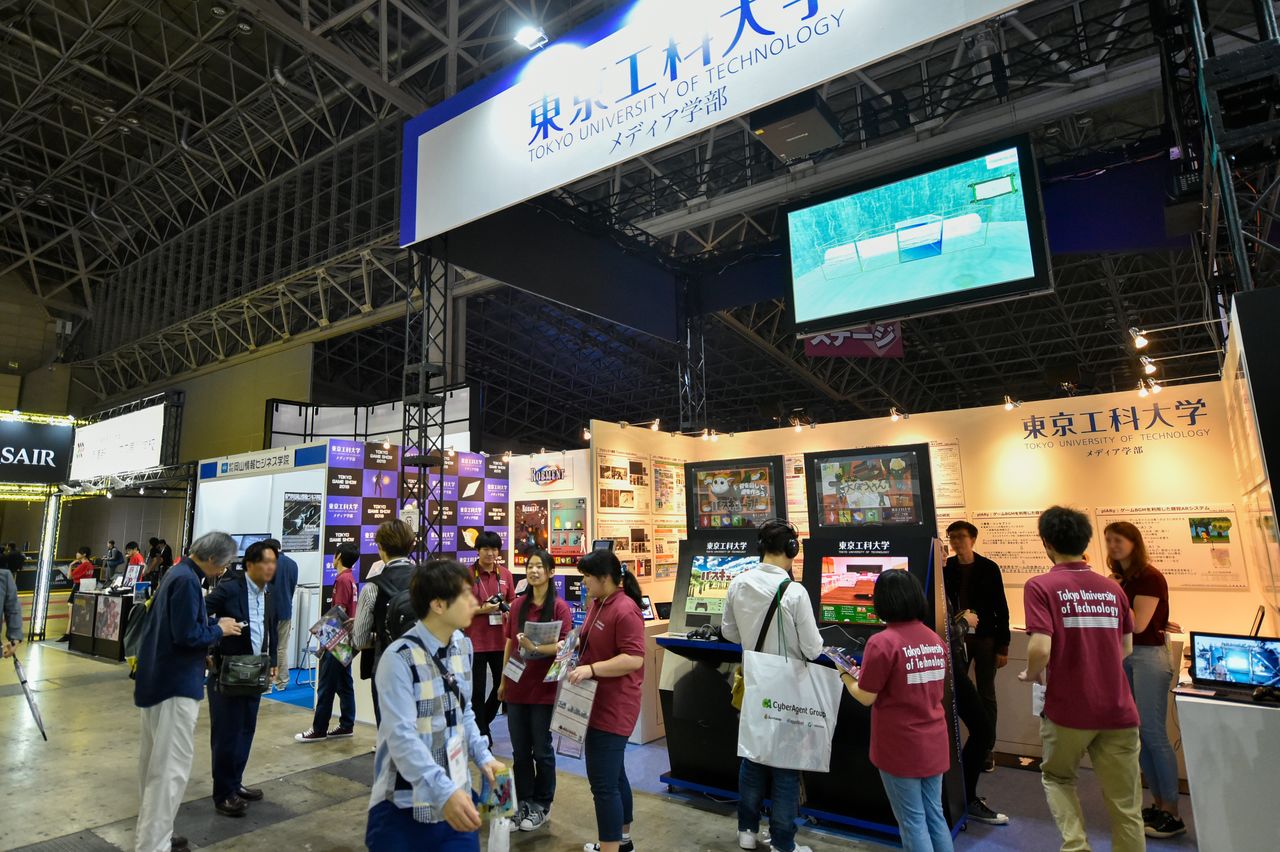
The Game Academy Area brings together educational and research institutions involved in game development. (Courtesy CESA)
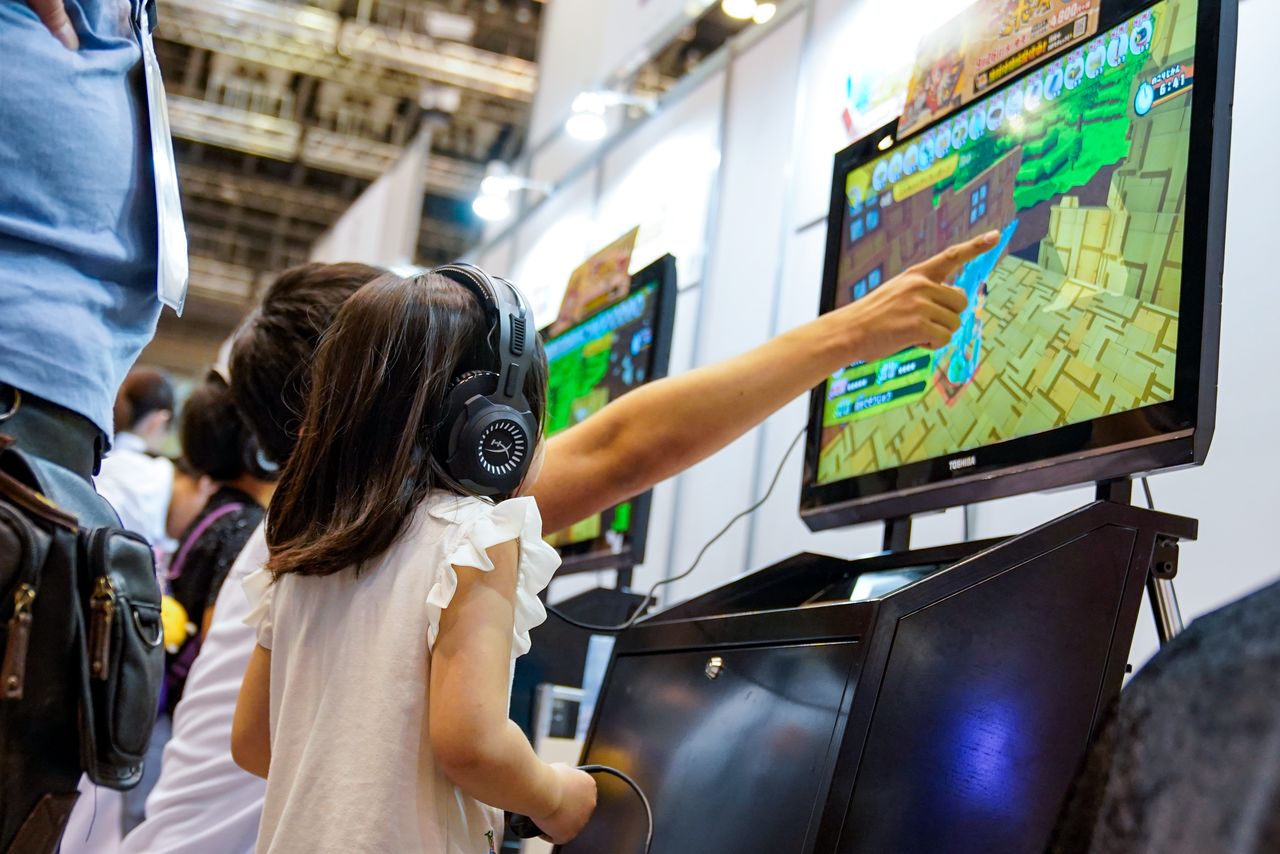
At the Family Game Park, children who have grown up with programming as a required school subject, particularly in Japan, can play and learn alongside their gamer parents. (Courtesy CESA)
Today, Japan’s major game companies generate 70% to 80% of their sales overseas. At TGS, more than half of exhibitors now come from outside Japan, particularly from elsewhere in Asia. The event’s role has gradually shifted from unveiling new titles for the domestic market to showcasing gaming culture from around the world.
While the venue may be far more international than it was 30 years ago, but the atmosphere remains the same, with everyone there sharing a love of games.
“When I see people of all ages and from all kinds of backgrounds enjoying games, I’m reminded of this genre’s power to bring people together,” Masuda says. “I hope game fans overseas will not only watch the online broadcasts, but also come and experience TGS in person.”

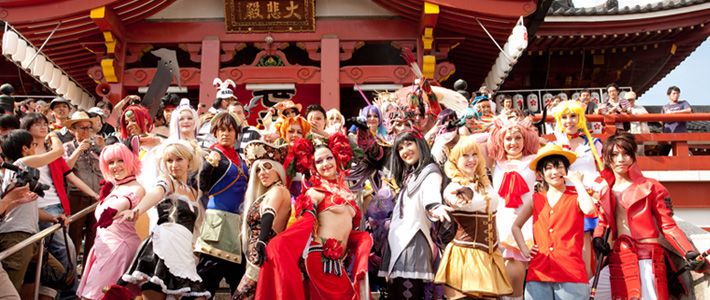
Cosplayers add to the excitement at the venue. (© Stanislav Kogiku/Sopa Images via Reuters Connect)
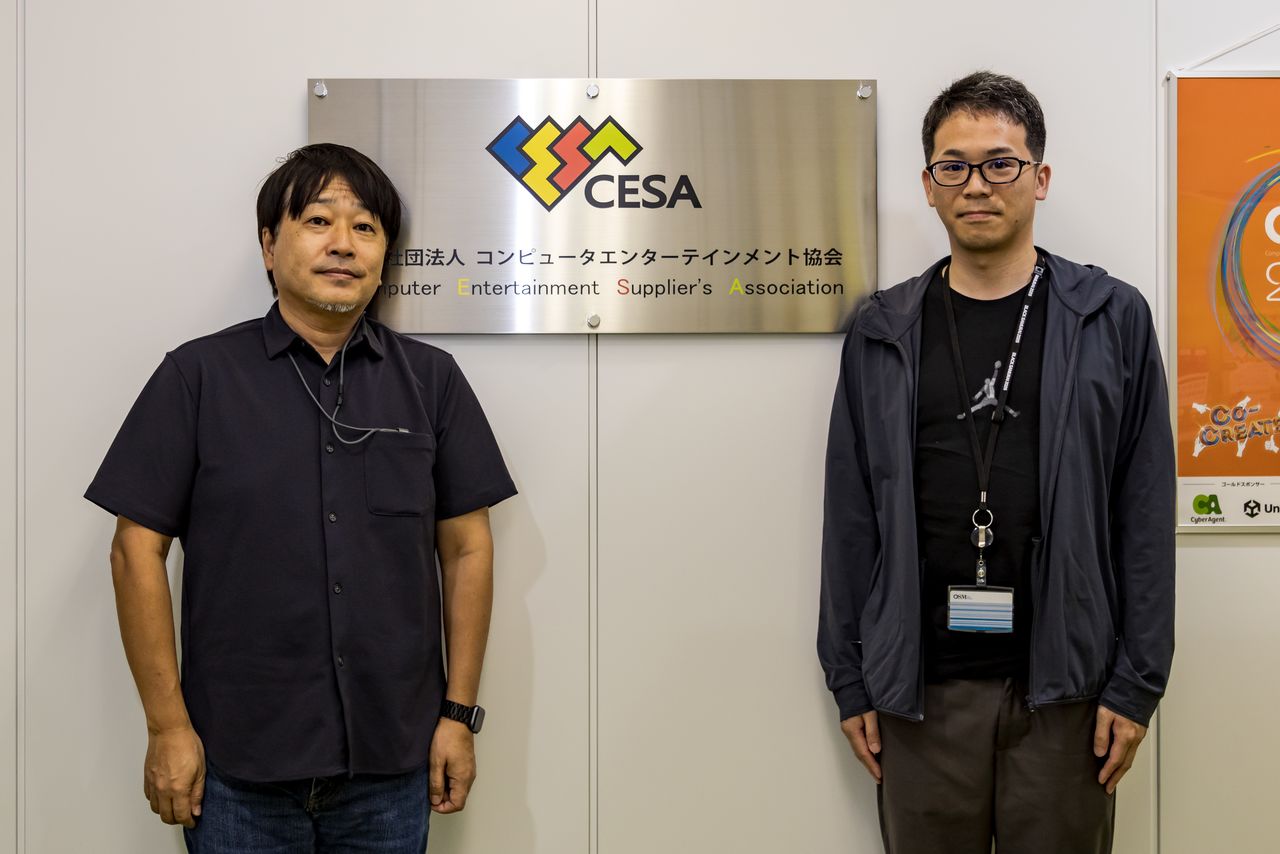
CESA’s Masuda (left) and Kawamura. Both turned their passion for games into careers in the industry. (© Nippon.com)
Data Sources
- CESA’s Thirtieth Anniversary Site (Japanese)
(Originally published in Japanese on September 10, 2026. Banner photo: The show floor of the Tokyo Game Show 2024. © CFOTO via Reuters Connect.)