The Year of the Horse: Galloping into 2026
Culture Society Lifestyle- English
- 日本語
- 简体字
- 繁體字
- Français
- Español
- العربية
- Русский
Prayers and Festivals
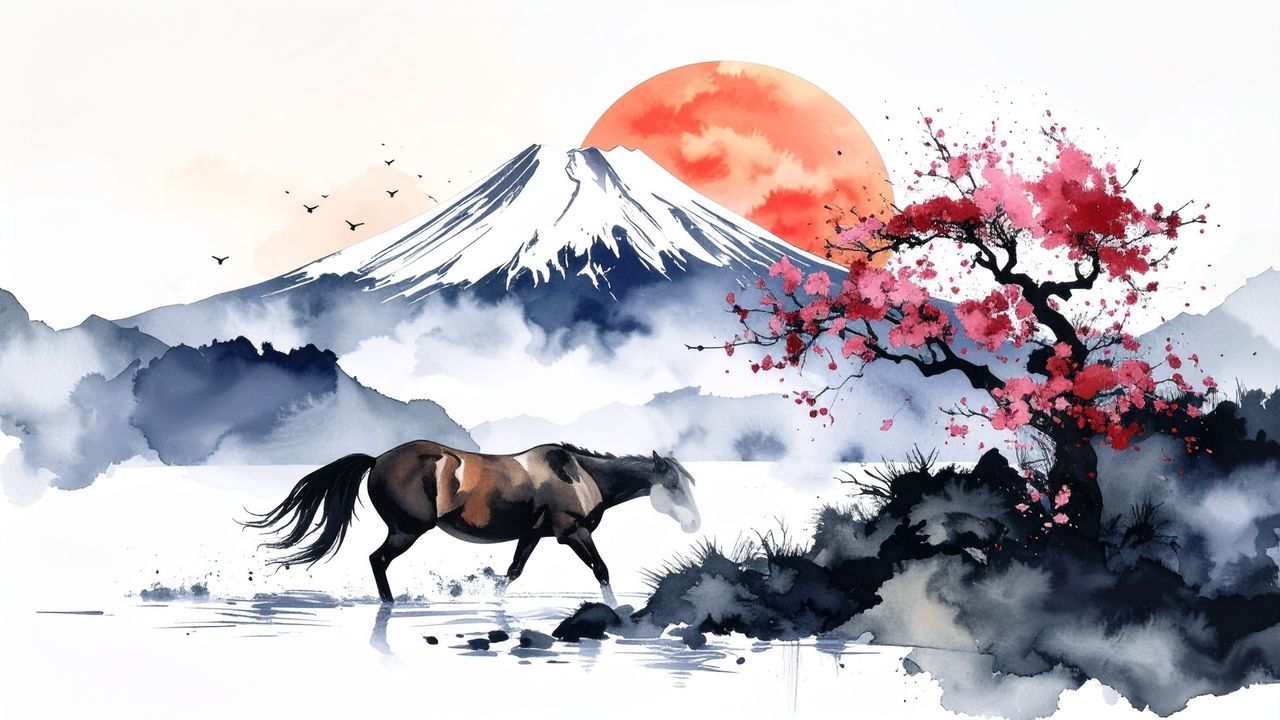
In 2026, it will be the Year of the Horse according to the 12-year cycle of zodiacal animals, known in Japanese as eto. The animals will appear on themed displays, nengajō cards, and calendars that are common sights across the country from December into the new year.
Horses have been revered in Japan as divine steeds since ancient times, leading to the practice of donating horses to Shintō shrines. Only rich, high-ranking people were able to bestow such gifts, however, so model horses created from clay, wood, straw, or other materials came to be dedicated as substitutes. Later, there were even simpler wooden tablets that were decorated with pictures of horses. These are known as ema, and can be seen at shrines today, hung up with people’s wishes for the future written upon them.
Japan also has a number of festivals connected with horses, including Fukushima’s famous Sōma Nomaoi with hundreds of riders in samurai armor. Yabusame ceremonies at shrines feature mounted archers firing arrows at targets as a form of prayer.
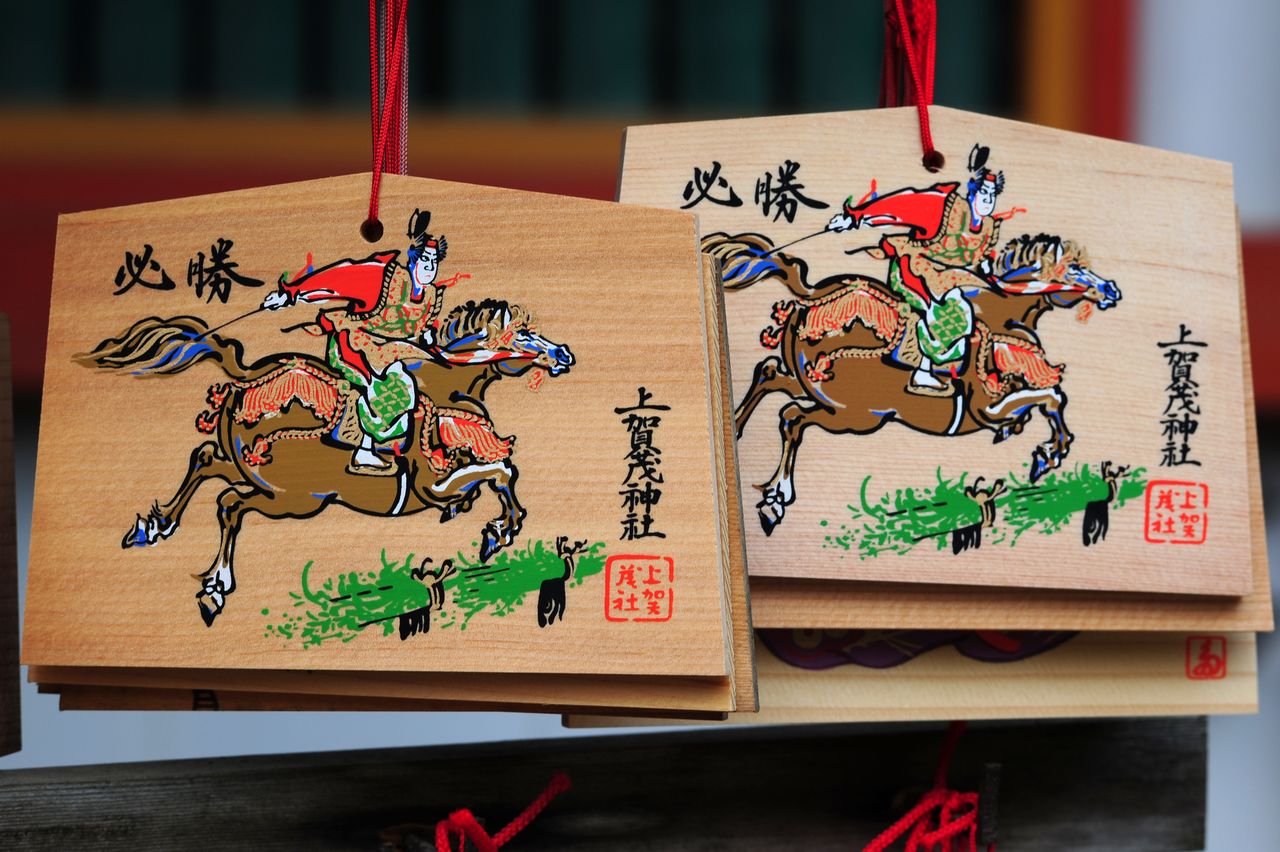
Ema votive tablets at Kamigamo Shrine in Kyoto. (© Pixta)
Noon Creatures
Historically the eto cycle was also used for compass directions and times of day. Go (午), meaning “horse,” corresponds with south. In the system whereby the day was divided into 12 “hours,” the hour of the horse took place during the middle of the day, from eleven in the morning to one in the afternoon. In other words, it is roughly equivalent to noon, and the kanji can be seen in the words for “morning” (午前, gozen or “before noon”) and “afternoon” (午後, gogo), as well as the “precise hour of noon,” or 正午, shōgo.
Incidentally, special kanji are used for the eto that are different from everyday usage. The eto kanji for horse is 午 (go), but 馬 (uma) is used when talking about horses in general.
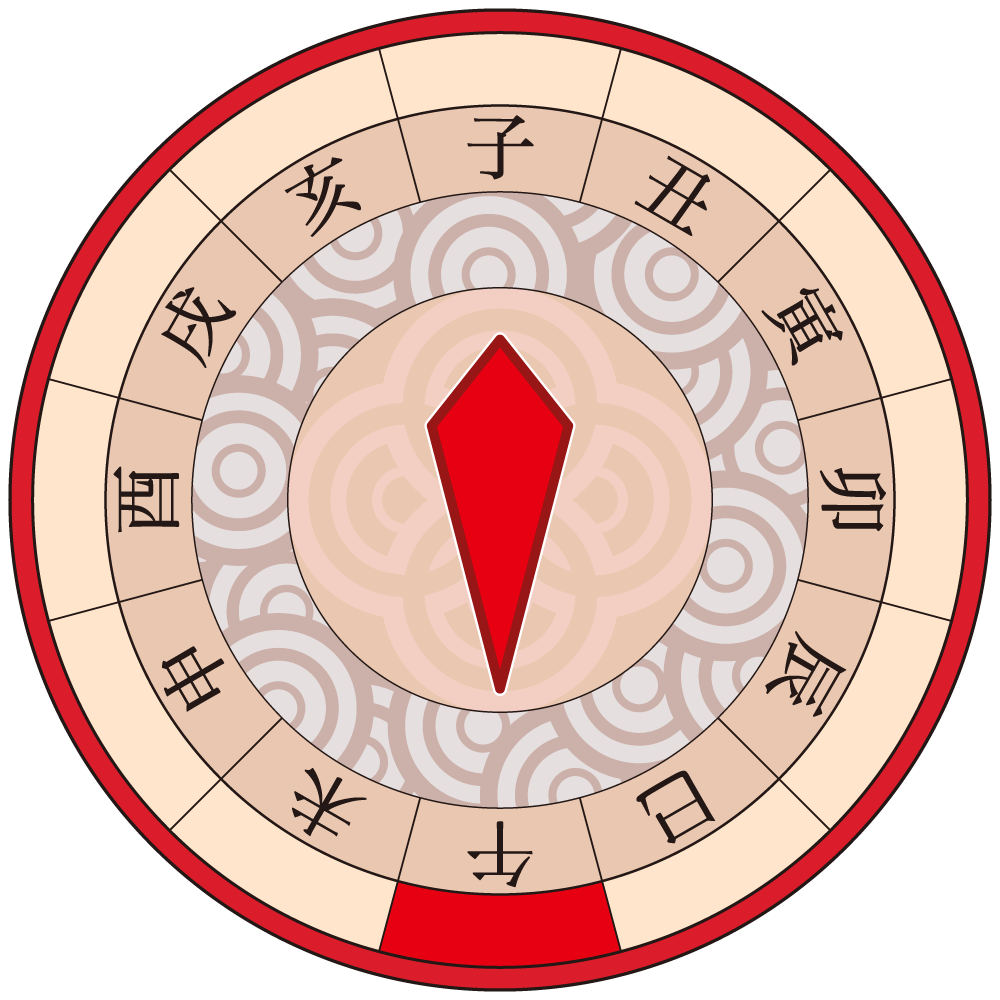
Kanji for the 12 eto line up in order around a circle. Clockwise from the top, they represent the rat, ox, tiger, rabbit, dragon, snake, horse, sheep, monkey, rooster, dog, and boar. (© Pixta)
Horse Sayings
馬の耳に念仏—Uma no mimi ni nenbutsu. “To say a nenbutsu prayer in a horse’s ear” means to say something that is not understood or totally ignored, just as horses do not comprehend the chanting of the name of Amida Buddha in this form of prayer.
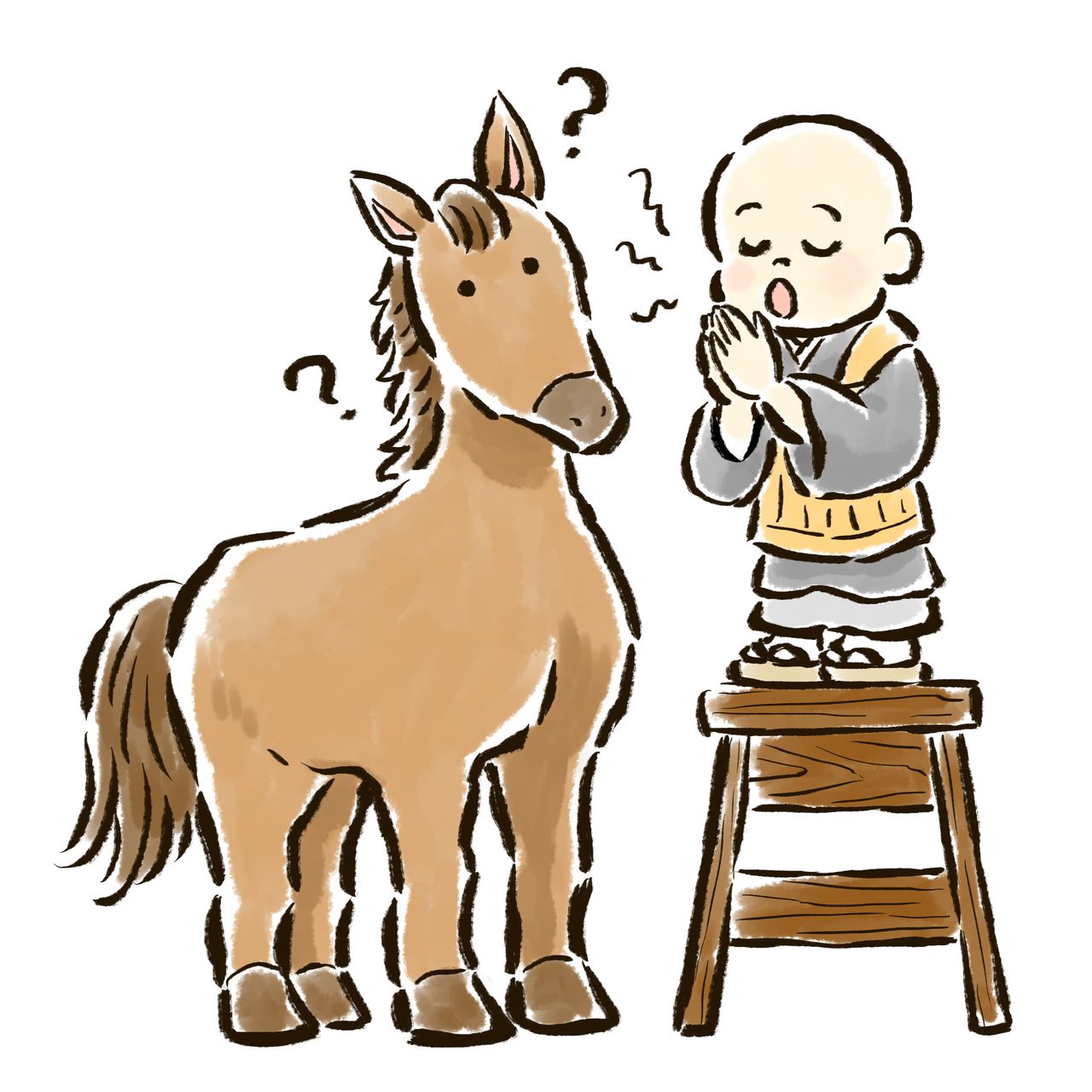
A horse cannot understand a nenbutsu prayer, so reciting it is a waste of time. (© Pixta)
馬が合う—Uma ga au. The expression that “the horse matches well” is used for when people get on well with each other, based on the idea of riders being a good fit with their steeds.
人間万事塞翁が馬—Ningen banji saiō ga uma. “For humans, everything is like the horse belonging to the old man at the fort.” This proverb expresses the idea that life is unpredictable, and it is impossible to predict both good and bad fortune. It is based on a story about an old man in ancient China who lived at a border fort. One day, his horse ran away, but later returned with another fine breed of horse. The man’s son rode on the new steed, but fell and broke his leg. However, this turned out to be lucky as it meant he was not called up for war.
生き馬の目を抜く—Ikiuma no me o nuku. “To pluck an eye from a live horse” means to profit by sharp practices that may be legally dubious.
下馬評—Gebahyō. In former times, wherever people got off their horses, such as at castle gates or temples, retainers and others waiting for their masters would gossip to each other. This “dismounting talk” is used for idle rumors from people who are not directly involved with particular matters.
尻馬に乗る—Shiriuma ni noru. This phrase, either “to ride on the back end of a horse behind someone else holding the reins” or “to follow the back end of the horse walking in front,” is used for following other people’s words or actions without thinking for oneself.
馬脚をあらわす—Bakyaku o arawasu. “To reveal one’s horse’s legs” is to show one’s true colors or shortcomings.
(Translated from Japanese. Banner photo © Pixta.)