A Calendar of Japan’s Traditional Events
Society Lifestyle- English
- 日本語
- 简体字
- 繁體字
- Français
- Español
- العربية
- Русский
January
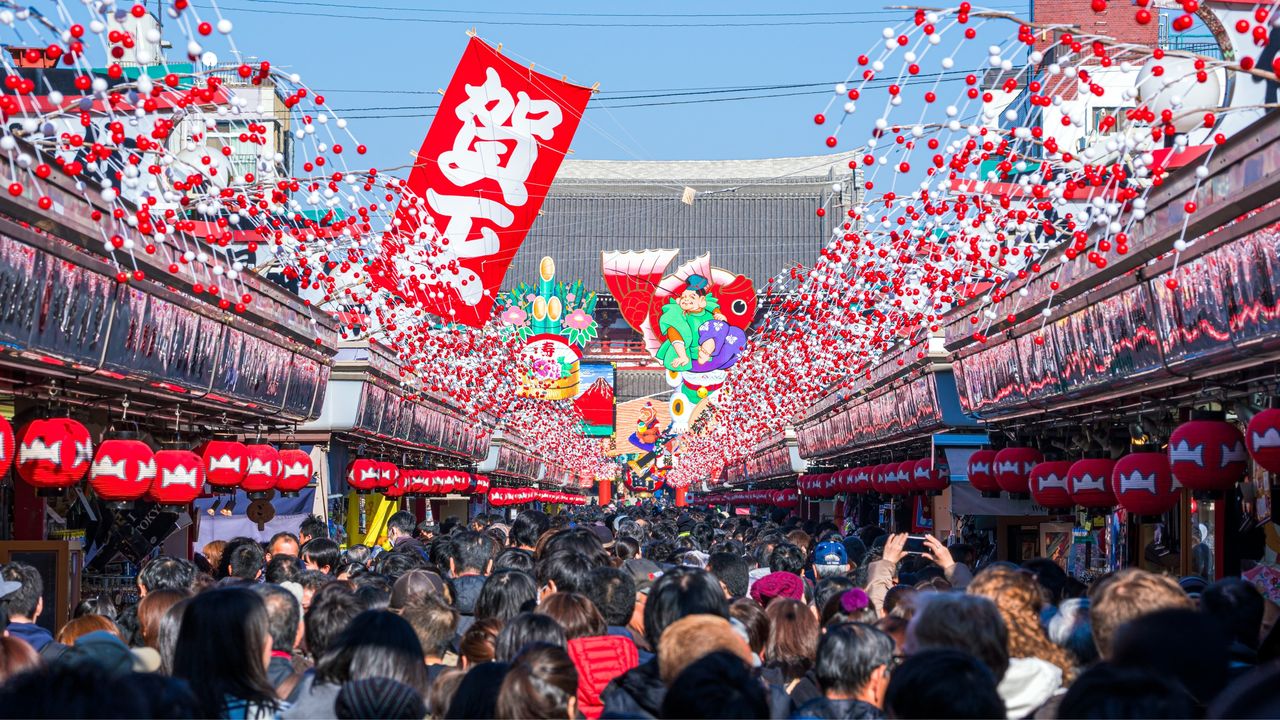
Shōgatsu
The New Year Shōgatsu season runs through January 7, or January 15 in some regions. During the first three days—known as sanganichi—people enjoy special dishes like osechi ryōri and visit shrines or temples.
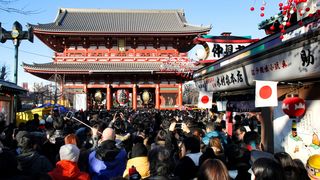
Nanakusa: Seven‑Herb Festival (January 7)
January 7 is one of the traditional five sekku, or seasonal festive days. People eat nanakusa-gayu, a rice porridge with seven spring herbs, to pray for good health and to soothe the stomach after New Year feasts.
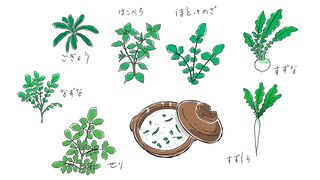
Coming‑of‑Age Ceremonies (Second Monday of January)
On the Coming of Age Day national holiday, local governments across Japan hold ceremonies to celebrate young people entering adulthood. Although Japan lowered the legal age of adulthood from 20 to 18 in 2022, many municipalities still hold ceremonies for those turning 20.
February
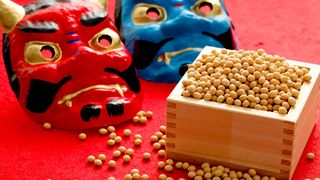
Setsubun (Around February 3)
Held on the eve of the traditional first day of spring, Setsubun is known for the custom of driving away fearsome creatures called oni by throwing beans at them. In recent years, it has also become popular to eat a sushi roll called ehōmaki while facing the direction deemed the most favorable for the year.
March
Hinamatsuri: Girls’ Day (March 3)
Another of the five seasonal sekku is the Hinamatsuri, when families display ornamental dolls and pray for the healthy growth and happiness of girls.
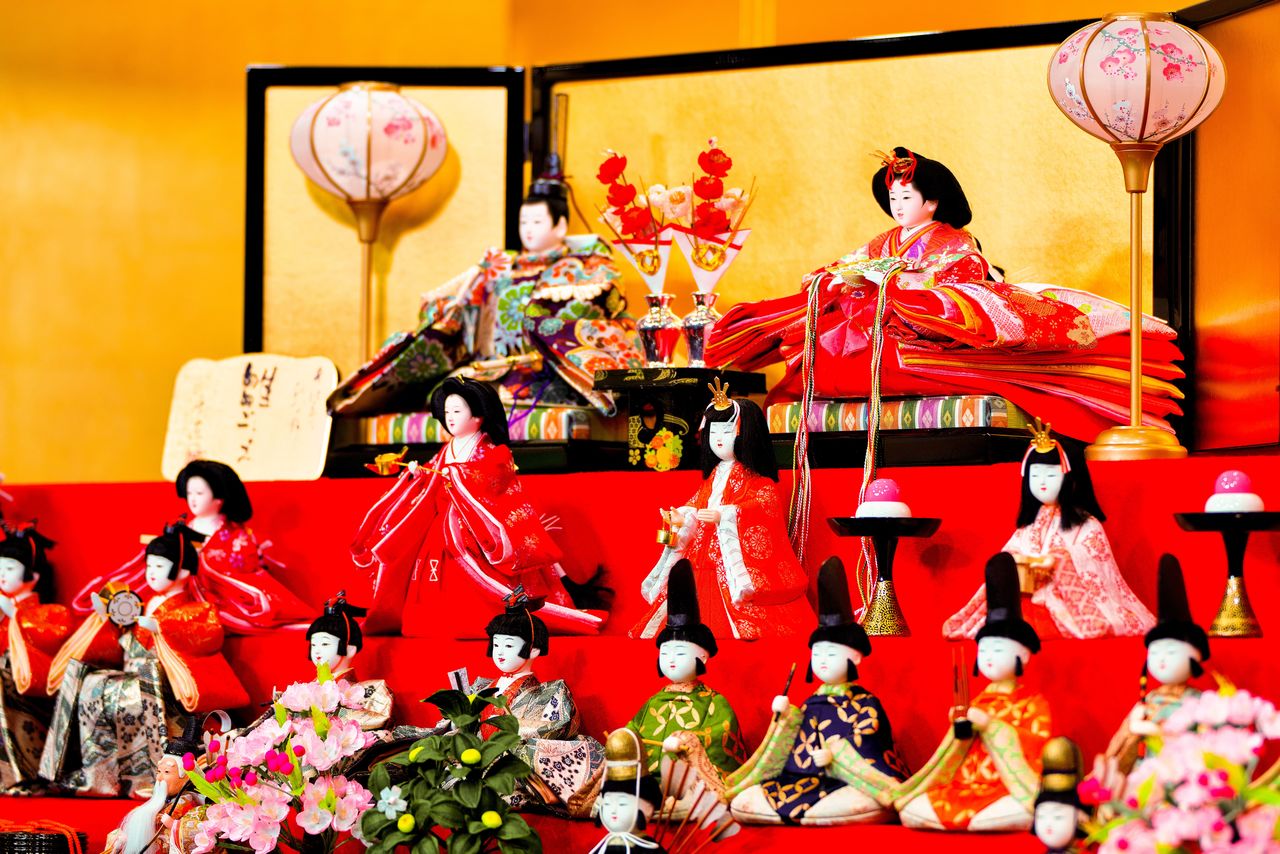
Hinamatsuri. (© Adobestock)
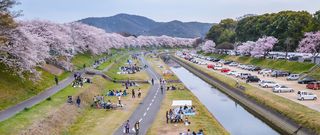
Cherry‑Blossom Viewing (Late March–April)
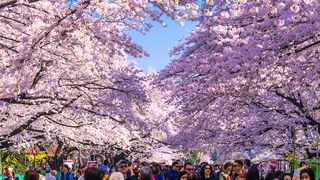
Hanami (flower-viewing) is the beloved custom of gathering under blooming cherry trees with friends, family, or work colleagues to enjoy food, drinks, and the arrival of spring. The iconic somei-yoshino variety, known for its characteristic pale pink flowers, typically blossoms from late March to April.
Higan (Around the Spring Equinox)
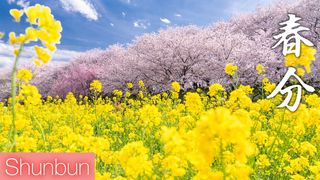
Higan, marked in the periods around the spring and autumn equinoxes, is a Buddhist observance when people pay respects to their ancestors, such as by visiting their graves. Both last for one week, starting three days before the equinox and finishing three days later.
April
School and Corporate Entrance Ceremonies (Early April)
Japan’s school and business year begins in April. Entrance ceremonies mark an important milestone for students and employees embarking on a new stage in life.
May
Children’s Day (May 5)
Originally a festive day for boys and one of the five seasonal sekku, this national holiday now celebrates the health and happiness of all children. Some families display koinobori (carp‑shaped streamers).
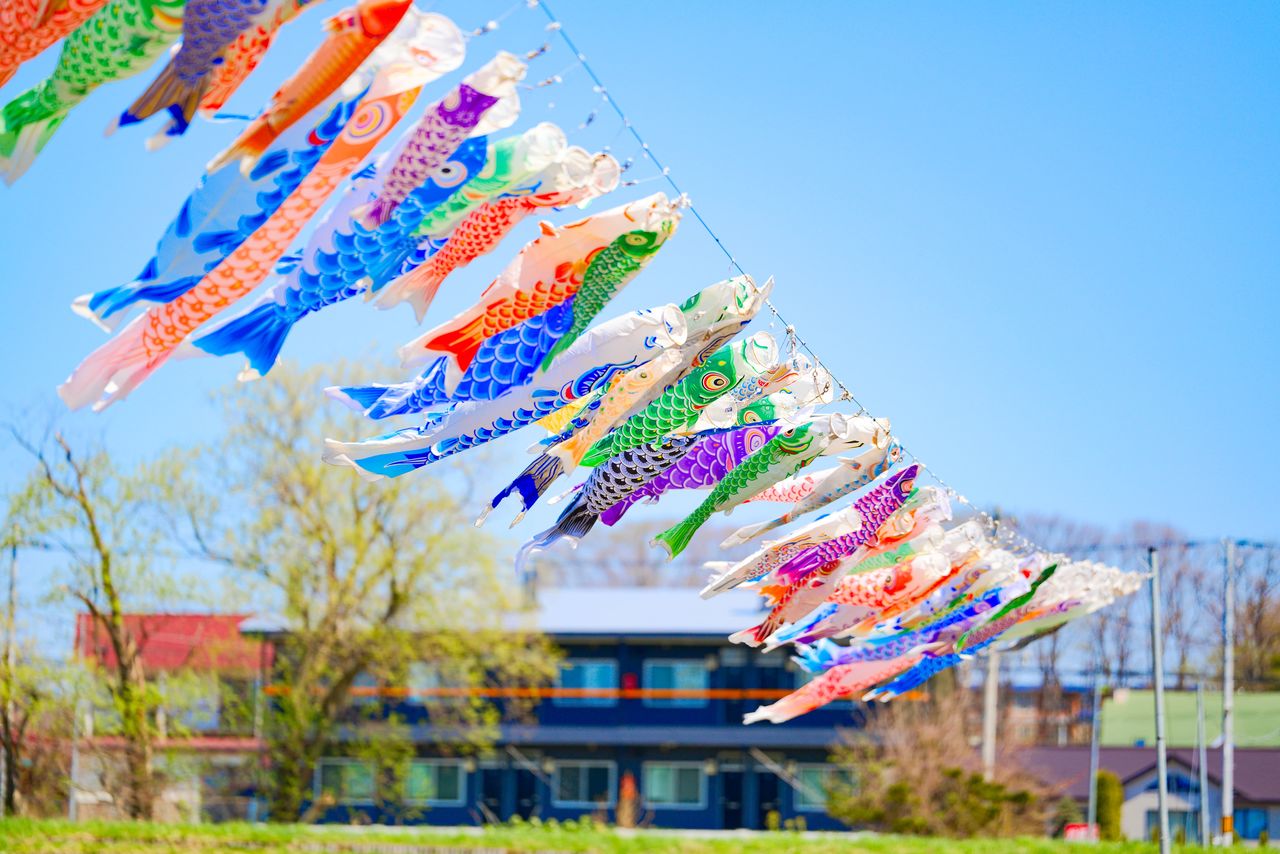
Koinobori. (© Adobestock)
Mother’s Day (Second Sunday of May)
Introduced from the United States, Mother’s Day in Japan typically involves giving carnations to express gratitude.
June
Seasonal Switch to Summer Wear (June 1)
Many schools and workplaces with uniforms switch to summer attire from June 1 through September 30.
Father’s Day (Third Sunday of June)
Father’s Day is also a celebration that came to Japan from the United States.
July
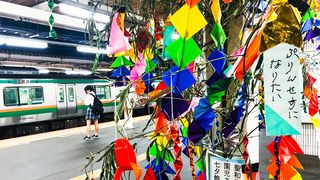
Tanabata (July 7)
Tanabata is based on a Chinese legend about two star‑crossed lovers who meet once a year by crossing the Milky Way. People write wishes on colored strips of paper and hang them on bamboo branches. Eating sōmen (thin wheat noodles) is also common, as the noodles evoke the image of the Milky Way.
Doyō no Ushi no Hi (Midsummer Day of the Ox, Late July/Early August)
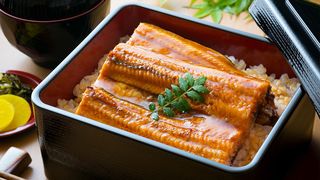
Doyō refers to the roughly 18-day period preceding the traditional start of spring, summer, autumn, and winter, and ushi no hi (the day of the ox) is a calendar designation based on the 12 signs of the zodiac. The doyō no ushi no hi before the traditional beginning of autumn (in early August on today’s calendar) has long been associated with eating unagi (grilled eel) to build stamina for the heat.
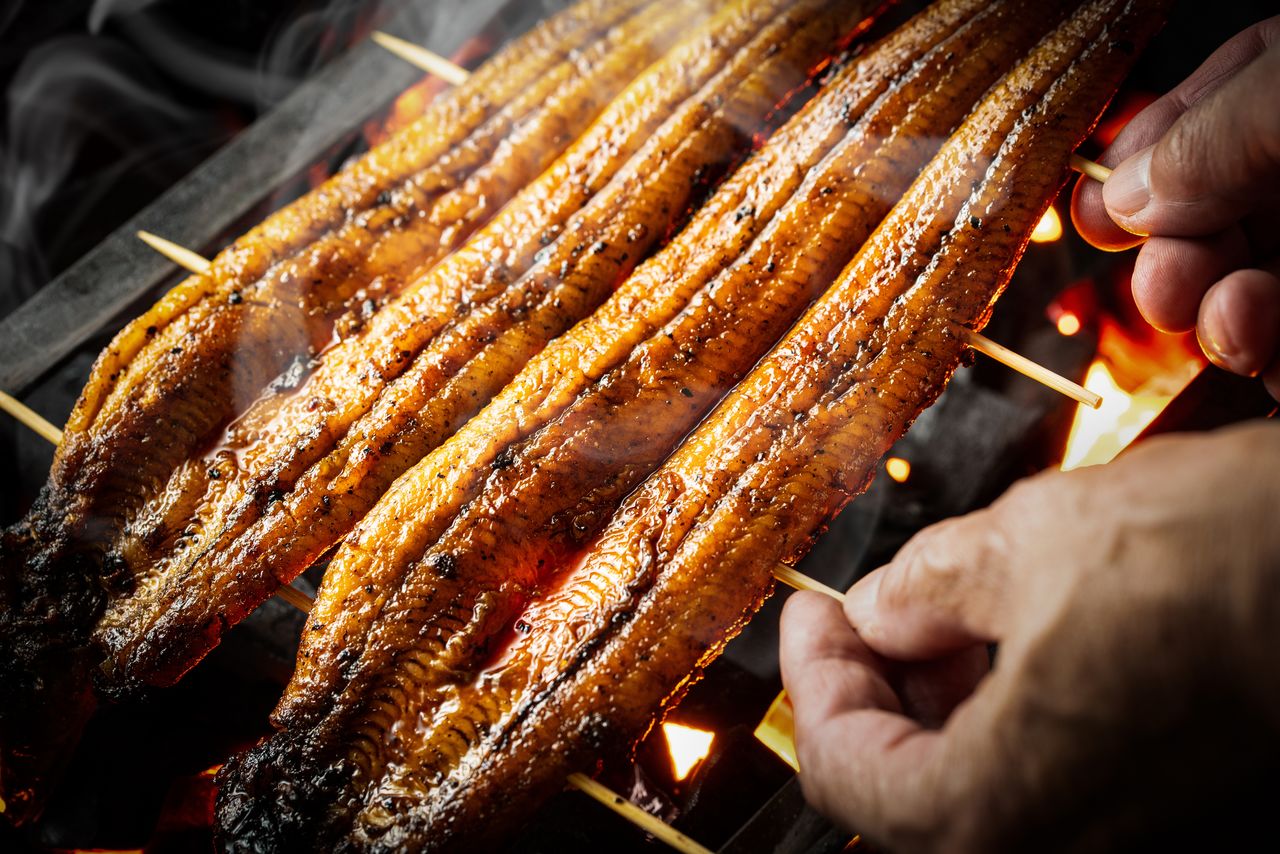
Kabayaki-style grilled eel. (© Adobestock)
Fireworks Festivals (Late July–August)
Summer fireworks are a major seasonal highlight across Japan. Famous festivals include those over the Sumida River in Tokyo (last Saturday of July), in Nagaoka, Niigata (August 2 and 3), and in Daisen, Akita (last Saturday of August).
August
War-Related Memorial Days (August 6, 9, and 15)
A period of remembrance for the tragedies of World War II, marked by ceremonies for atomic bomb victims in Hiroshima and Nagasaki on August 6 and 9 and by commemorations of the end of the war on August 15.

Obon (Around August 13–16)
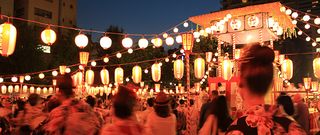
Obon is a Buddhist tradition honoring ancestors. Typically, families get together and invite ancestral spirits with a small welcoming fire on the evening of August 13 and send them off with a farewell fire on August 16, although some regions observe Obon in July. Many communities hold bon odori folk dances during this season.
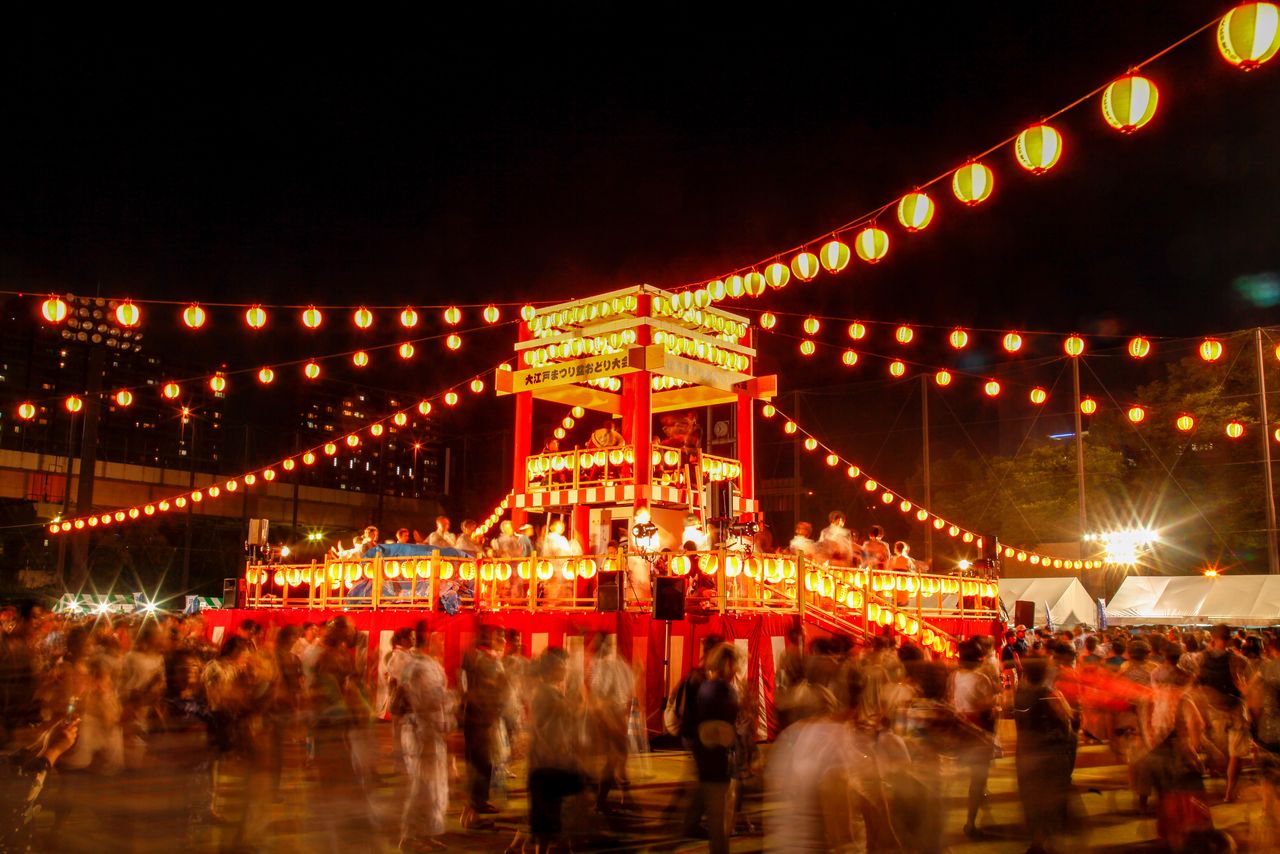
Bon odori performed for the visiting spirits. (© Adobestock)
September
Higan (Around the Autumn Equinox)
Like its spring counterpart, the autumn Higan is a week-long period when people pay respects to their ancestors.
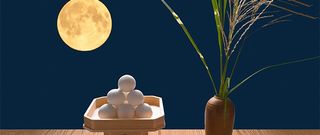
Tsukimi (Moon Viewing, September/Early October)
While a full moon appears on the fifteenth day of each lunar month, the one in the eighth month (at some point between mid-September to early October in the Gregorian calendar) is known as the harvest moon and is considered particularly beautiful. Tsukimi is observed by offering rice dumplings and pampas grass while praying for a bountiful harvest.
October
Seasonal Switch to Winter Wear (October 1)
Schools and workplaces with uniforms traditionally switch to winter styles on this day. However, many institutions now adjust the timing of the shift based on prevailing temperatures, especially in years when summer heat lingers.
Halloween (October 31)
Originally a Western religious festival marking the end of the harvest and the return of ghosts to earth, Halloween in Japan has become a popular secular event featuring costumes, parades, and themed parties.
November
Shichi‑Go‑San (November 15)
This is a rite of passage for girls aged three and seven and boys aged five. Families dress up and visit shrines to celebrate children’s growth and pray for their continued health.
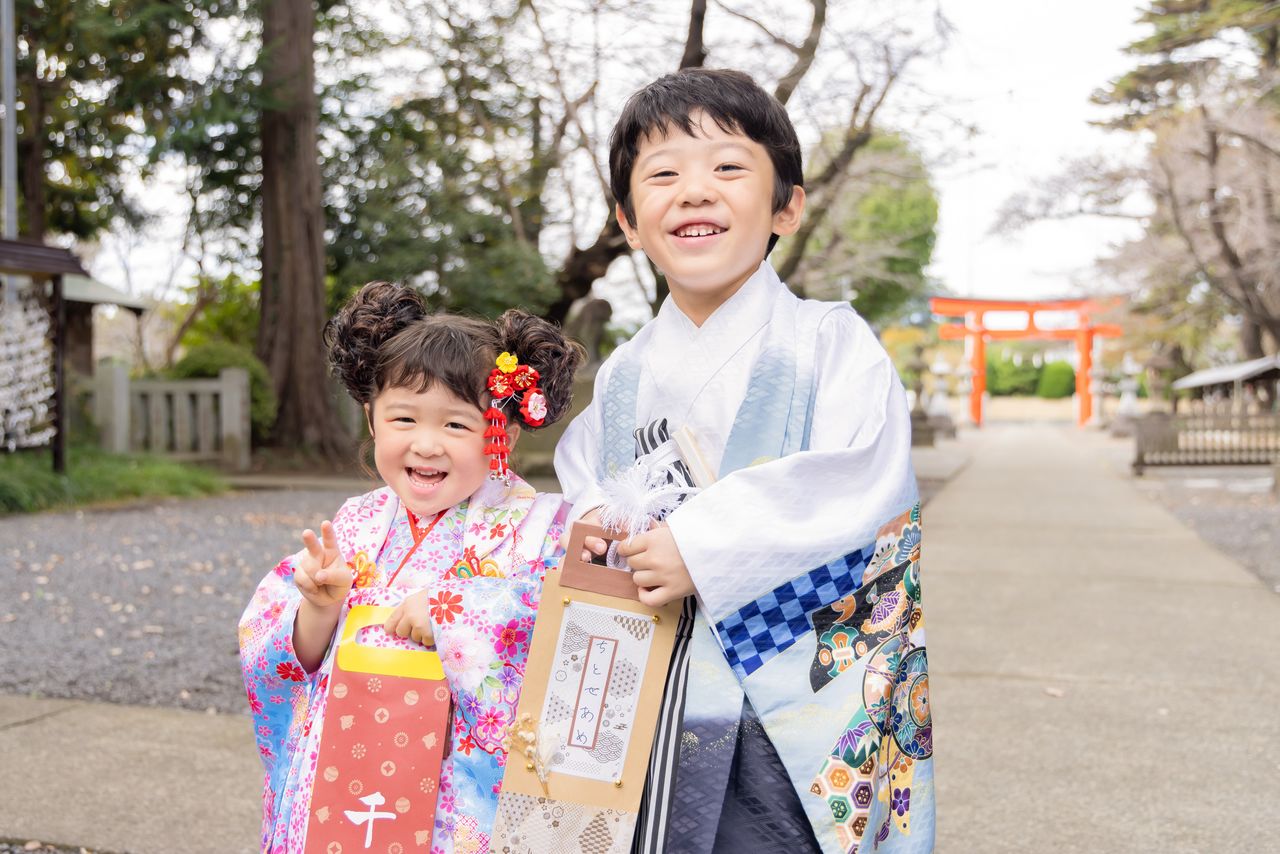
Shichi‑Go‑San shrine visit. (© Adobestock)
December
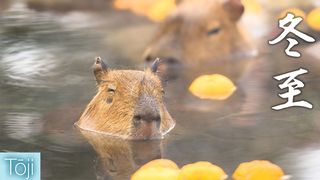
Winter Solstice (Around December 22)
The shortest day of the year in Japan and the rest of the northern hemisphere. On this day, people eat kabocha (Japanese pumpkin) for good luck and take a yuzu-infused bath to ward off misfortune.
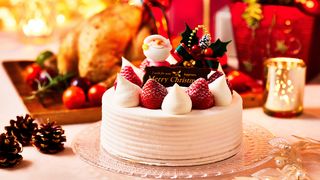
Christmas (December 25)
Although introduced as a Christian holiday, Christmas in Japan is now enjoyed more as a seasonal event, celebrated with festive lights and decorations.
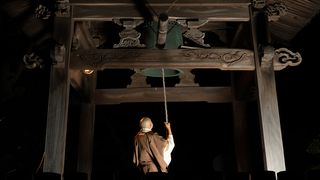
Ōmisoka (December 31)
End-of-year traditions include eating toshikoshi (year‑crossing) soba and ringing the joya no kane (temple bells) 108 times to cleanse worldly desires.
An Overview of the Japanese Year
To learn more about the various events that mark the year in Japan from January through December, see our content in the following articles.

(Banner photo: New Year at the Nakamise shopping street by the temple Sensōji in Asakusa. © Adobestock.)