


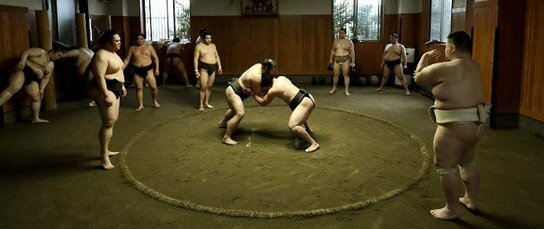
After Practice Comes Relaxing
After practice ends, the wrestlers head for the bath, sekitori going first. Wrestlers on kitchen duty need to make sure that the meal is ready by the time the sekitori have finished bathing, so they will have left the keikoba early and started meal preparations by shortly after 8:00.
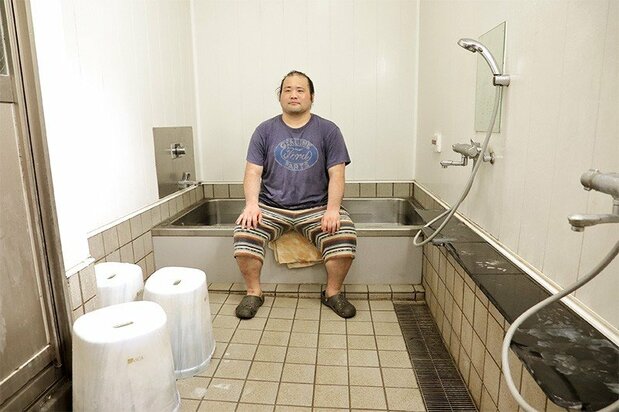
 The wrestlers take turns bathing, three at a time. Stable member Maenofuji in the bathroom.
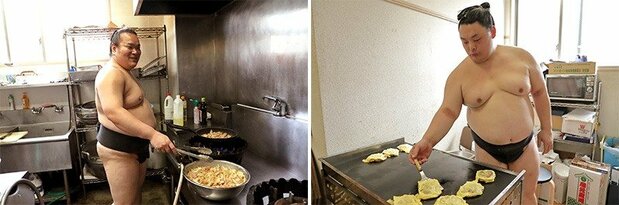 The stable chef Sakura (left); on duty in the kitchen today is Zendaishō.
Many people are familiar with the word chanko, which usually refers to the one-pot stew that’s the centerpiece of sumō stable meals, but in sumō parlance chanko refers to the meal as a whole. Every stable has its distinctive recipe for its chanko stew; it’s the ideal food for sumō wrestlers, as it’s nutritionally balanced and easy to digest, and it warms up the body to speed up metabolic activity. The wrestlers gobble it down, broth and all, accompanied by copious quantities of white rice. After the meal, they immediately head off for a nap, a routine that helps them gain the weight they need to win in the ring.
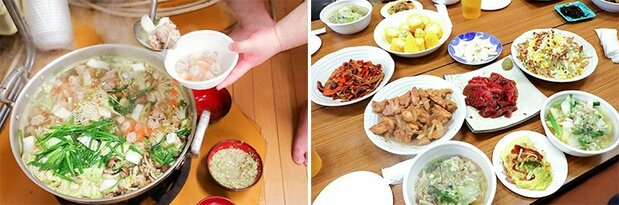 The centerpiece of the meal is the chanko stew (left), accompanied by a variety of dishes such as tuna sashimi, a chicken and onion stir-fry, sautéed vegetables simmered in sweetened soy sauce, salad, and more.
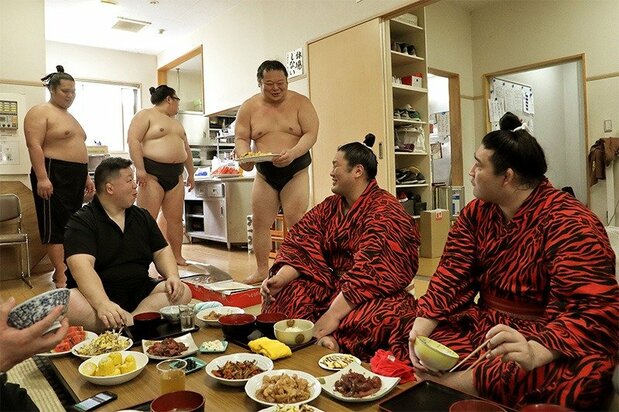 The oyakata is the first to sit down to eat, joined eventually by sekitori fresh from the bath. The relaxed atmosphere is completely different from the tension in the air during keiko, but a lot of the conversation centers on sumō.
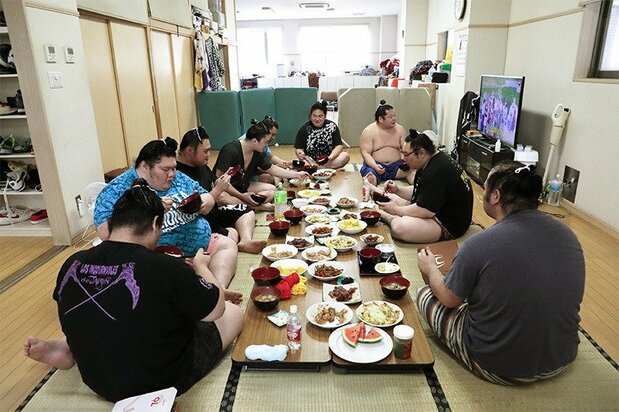 After the sekitori finish their meal, the lower ranks take their turn.
In addition to wrestlers, sumō stables are also home to affiliated personnel like referees (gyōji), bout callers (yobidashi), and hairdressers (tokoyama). Gyōji, attired in traditional garb, are known mainly for standing in the ring and adjudicating matches, but they also handle a variety of tasks outside the ring. For example, they are responsible for overseeing ring announcements and drawing up the daily match lists during tournaments, arranging for accommodation and transportation during regional tours (jungyō), and performing various duties related to the operation of the stable. Yobidashi are most prominent for announcing the names of the wrestlers pairing for a match, but they also see to the setting up and maintenance of the ring during tournaments. Tokoyama are in charge of doing up the wrestlers’ hair in their distinctive topknots.
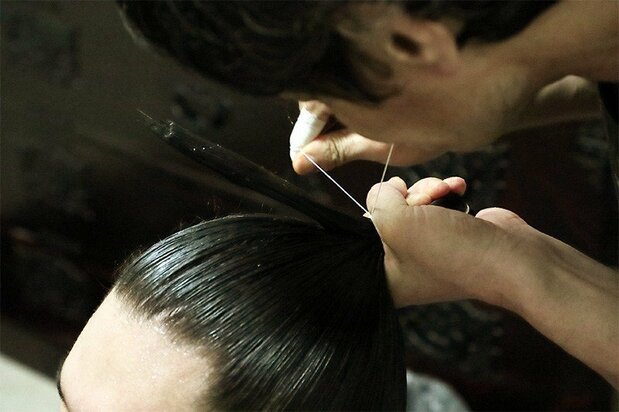 After eating, the sekitori return to their rooms to have their hair attended to by the tokoyama, a traditional sumō hairdresser.
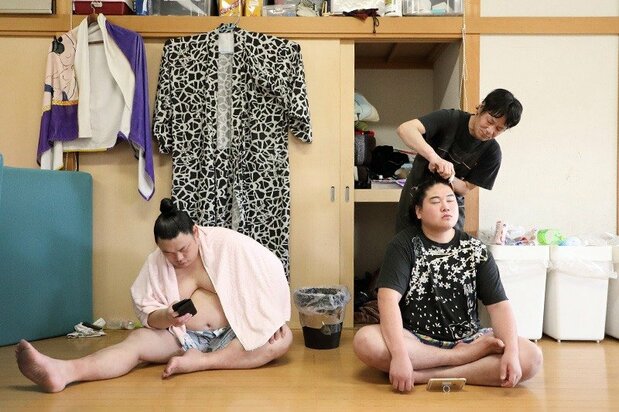 Now it’s the lower-ranked wrestlers’ turn, in the shared room that is their living quarters.
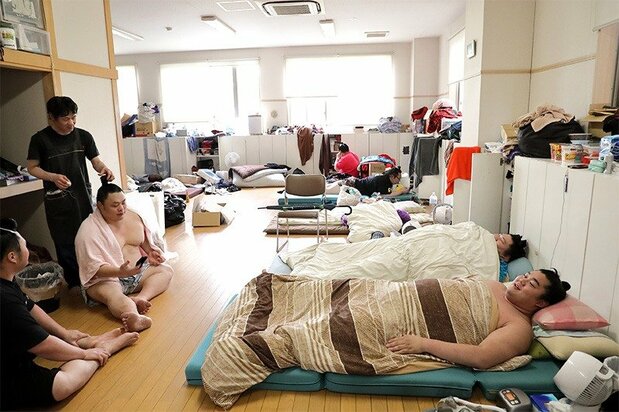 Naptime after the midday meal. Except for those on cleaning, laundry, or cooking duty, rikishi are free to spend the time until the evening meal as they like.
The Takadagawa stable has no yobidashi, but it has two gyōji, one of whom, who goes by the traditional name of Shikimori Kandayū XI, is the top-ranked referee among the 40 active referees as of July 2018. According to Kandayū, 80% of his duties involve work behind the scenes. He even sometimes plays the role of counselor to the rikishi and attends to their mental health, saying, “I believe my role is to support the rikishi so that they can perform at their best; the referee’s real work is seeing to a whole range of tasks.”
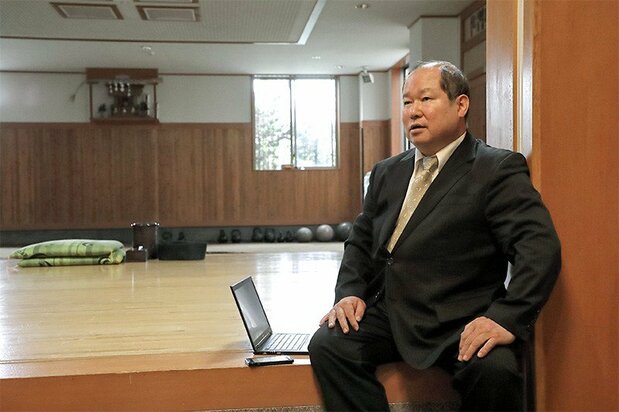 Gyōji Shikimori Kandayū XI in street clothing.
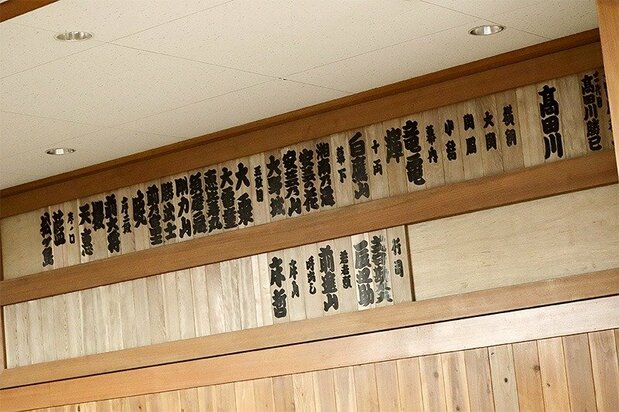 Wooden name plates written by Kandayū in traditional sumō script. The Takadagawa stable, with the oyakata as head, has 20 rikishi, two gyōji, and one tokoyama. (The wrestlers’ rankings shown here were as of the May 2018 grand tournament.)
There’s a saying that keiko and chanko are what make rikishi strong. Wrestlers, entering a stable as raw recruits, mature both mentally and physically by eating and sleeping under the same roof, engaging in friendly rivalry during practice bouts, and supporting each other during tournaments. Life at a sumō stable is like being in one big family, where everyone from the oyakata on down pulls together to ensure that the stable’s wrestlers will shine in the ring and exert a certain mystique on the public when outside of it.
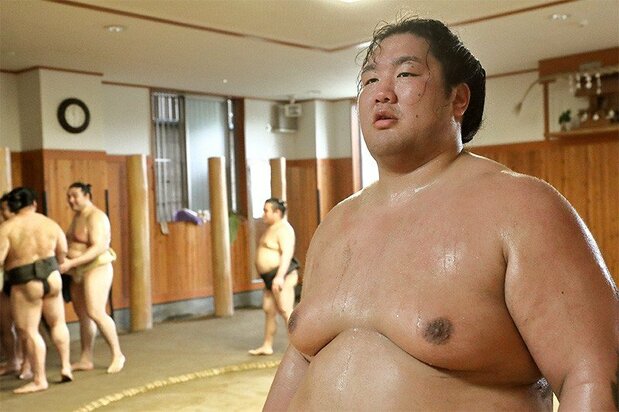 Makuuchi division rikishi Kagayaki.
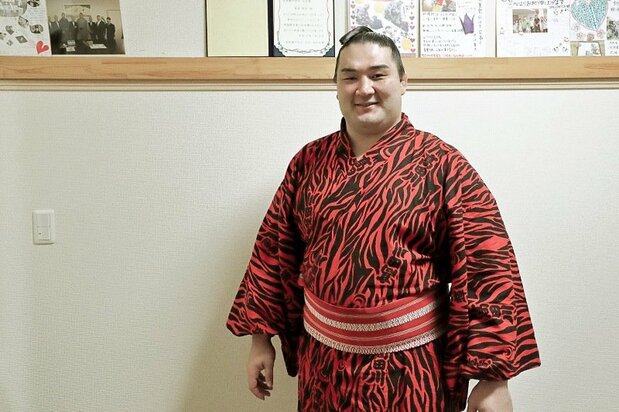 Makuuchi division rikishi Ryūden.
(Originally published in Japanese on August 3, 2018. With thanks to sumō web magazine Osumō-san. Reporting and text by Matsumoto Takuya of Nippon.com. Photographs by Hanai Tomoko. Video by Noguchi Kaori.)



 Read in other languages