


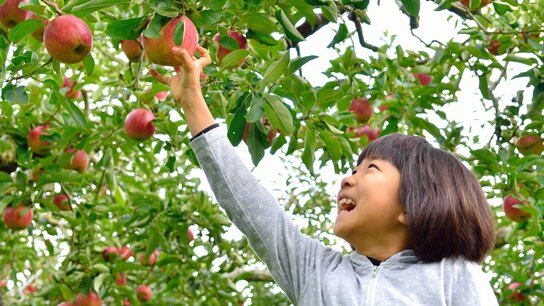
The top events in Japan in autumn include the return of the World Athletics Championship, a major exhibit at the Tokyo National Museum, and a host of traditional festivals.
Owara Kaze no Bon in Toyama: September 1–3
Early September is a blustery time as Japan’s typhoon season hits its peak, with storms often making landfall. The 300-year-old Oware Kaze no Bon festival in the city of Toyama features dancing that acts as a prayer for a good harvest and protection from wind damage to rice crops.
Dancers dressed in yukata, their faces hidden under straw hats, weave through the streets, the women performing elegantly and the men with stirring dynamism. The performers sometimes pair together for sensuous dances.
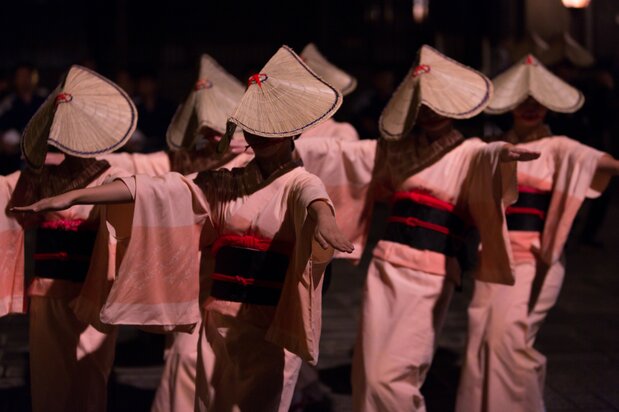
 Owara Kaze no Bon dancers. (© Pixta)
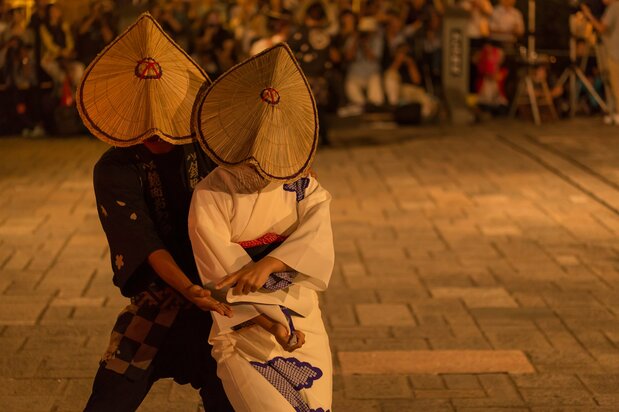 A pair of dancers perform together. (© Pixta)
All Japan Kokeshi Festival in Miyagi: September 6–7
Naruko Onsen in Ōsaki, Miyagi, is famous for its wooden kokeshi dolls. The All Japan Kokeshi Festival celebrates these distinctive dolls. Events include a memorial service, hands-on workshop where participants can make and paint dolls, and a captivating parade featuring papier-mâché kokeshi and yukata with kokeshi designs.
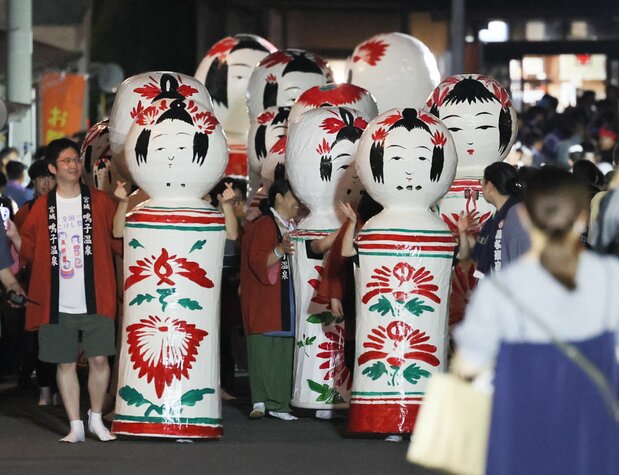 The All Japan Kokeshi Festival in August 2024. (© Jiji)
Buddhist Sculptures by Unkei at Tokyo National Museum: September 9–November 30
This exhibition brings together seven masterpieces by the medieval sculptor Unkei (c. 1150–1223) from the Northern Round Hall at the temple Kōfukuji in Nara. It commemorates the completion of repairs to the hall, which is only open for special viewings in spring and autumn.
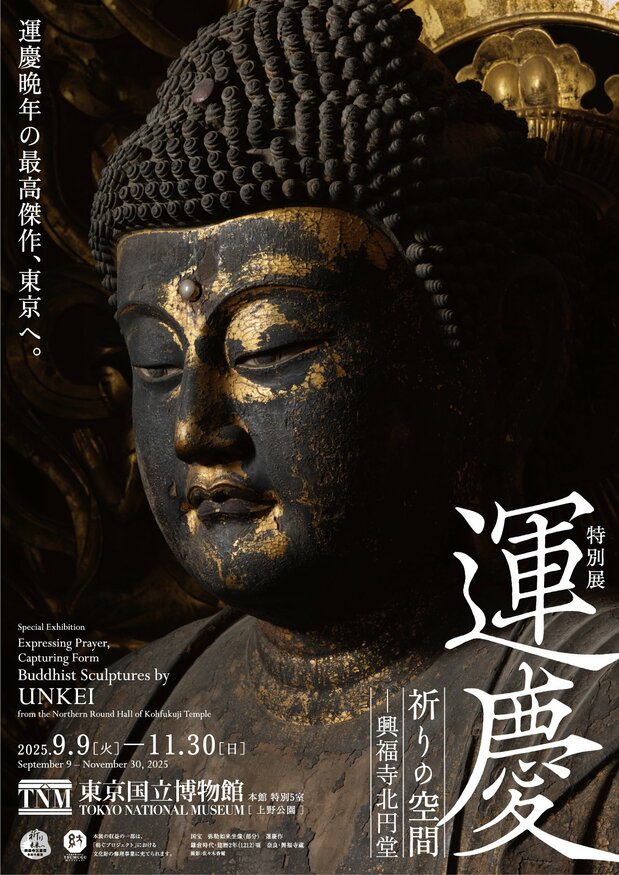 The exhibition poster. (© Tokyo National Museum)

Kishiwada Danjiri Matsuri: September 12–14
At this festival dating back to the early eighteenth century, hundreds of young men pull elaborately decorated floats, weighing about four tons each, at breakneck speeds through the streets of Kishiwada, Osaka. The floats, known as danjiri, sometimes collide as they careen along their course, giving the event its reputation as a “fighting festival.”
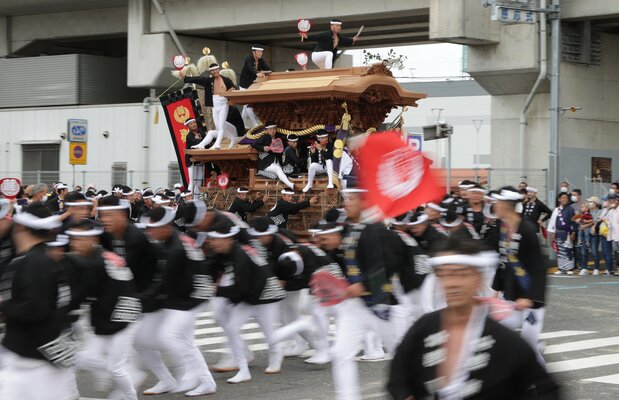 A float speeds past. (© Jiji)
World Athletics Championship in Tokyo: September 13–21
The World Athletics Championship will take place in Tokyo for the first time since 1991. Some 2,000 athletes will take part in the competition held at the National Stadium.
Official website: https://worldathletics.org/competitions/world-athletics-championships/tokyo25
 Japanese athletes at a press conference ahead of the championships: from left, Tanaka Nozomi (1,500 meters, 5,000 meters), Uzawa Towa (200 meters), Muratake Rachid (110 meters hurdles), Kitaguchi Haruka (javelin), Izumiya Shunsuke (110 meters hurdles), and Inoue Shunta (400 meters hurdles). (© Jiji; pool photo)
Aichi Triennale 2025: September 13–November 30
Held every three years since 2010, the Aichi Triennale showcases diverse forms of contemporary art. More than 60 artists from varied backgrounds take part, with exhibitions and performances taking place in art galleries and theaters as well as outdoors. The main venues are in Seto and Nagoya, Aichi Prefecture.
Official website: https://aichitriennale.jp/en/index.html
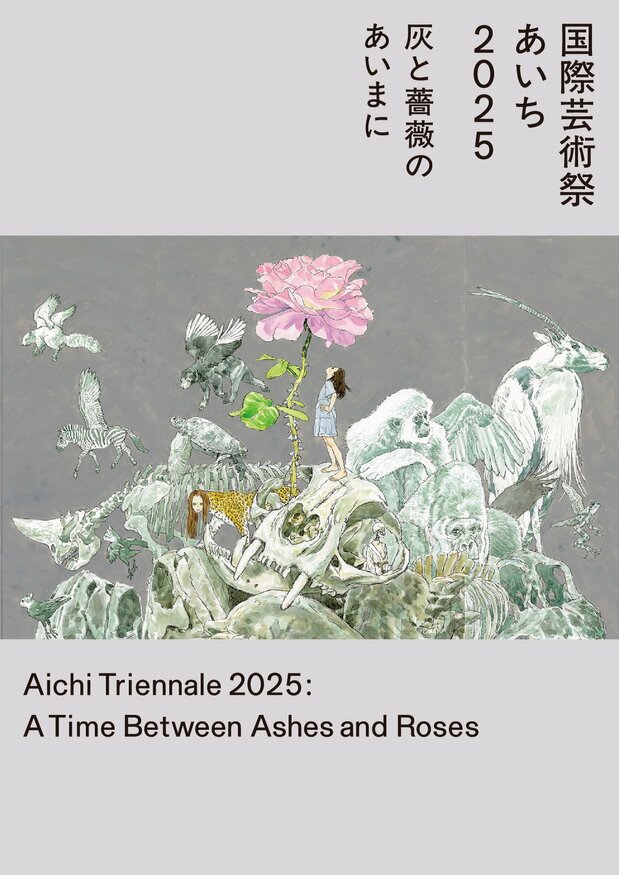 Official poster. (© 2024 Daisuke Igarashi All Rights Reserved)
The Mid-Autumn Moon: October 6
The appearance of the mid-autumn moon (chūshū no meigetsu) is traditionally the best night for enjoying the ancient custom of moon viewing. It falls on October 6 in 2025, with moon-viewing events being held at temples, shrines, and other locations across the country.
Moon viewers can also enjoy the full moon on October 7. Sunshine 60 in Ikebukuro will hold a special event on that day at its observatory deck, 251 meters up.
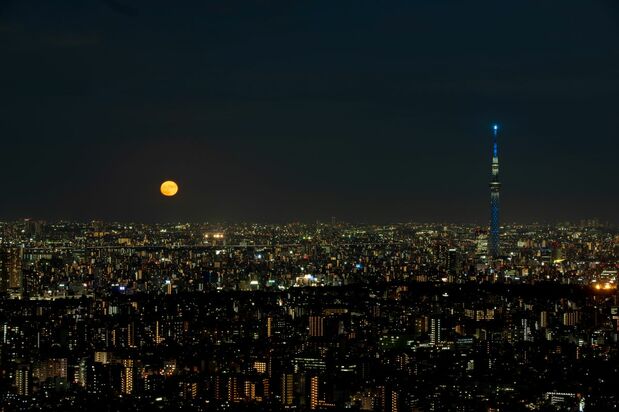 The Tokyo skyline at night as seen from the observatory deck of Sunshine 60. (© Sunshine City)
 The Sunshine 60 event will feature full-moon themed sweets and other items. (© Sunshine City)
Kasama Chrysanthemum Festival: October 25–November 24
Japan’s oldest chrysanthemum festival, this event in Kasama, Ibaraki, dates back to 1908. The main venue is Kasama Inari Shrine, where visitors can admire a wide array of chrysanthemums on display.
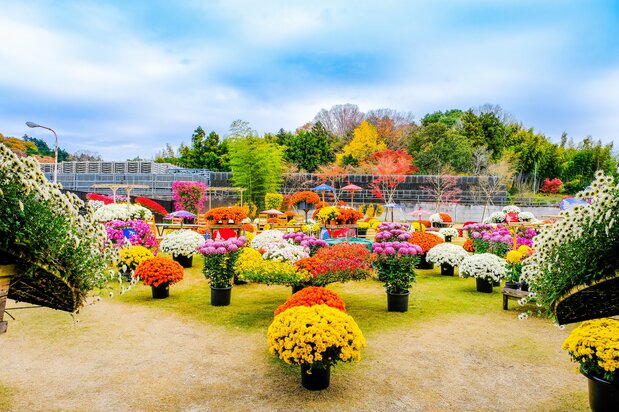 Colorful displays of chrysanthemums (© Pixta)
Autumn Foliage: Mainly November and December
As the weather cools, trees across Japan delight with displays of autumn colors. The autumn leaf front moves from north to south, starting in the mountains and gradually descending to lower elevations.
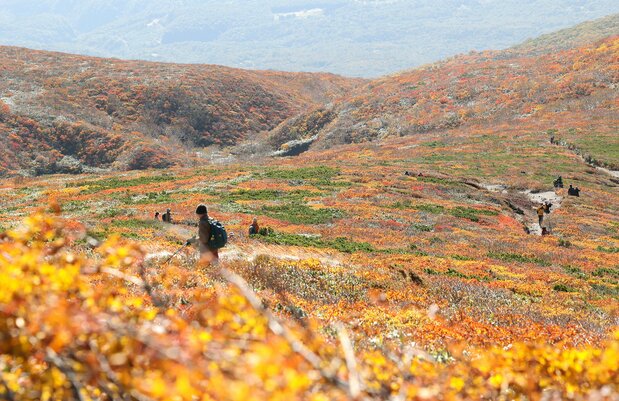 Autumn foliage on Mount Kurikoma, a 1,626-meter peak that straddles Miyagi, Iwate, and Akita in northern Japan. (© Jiji)
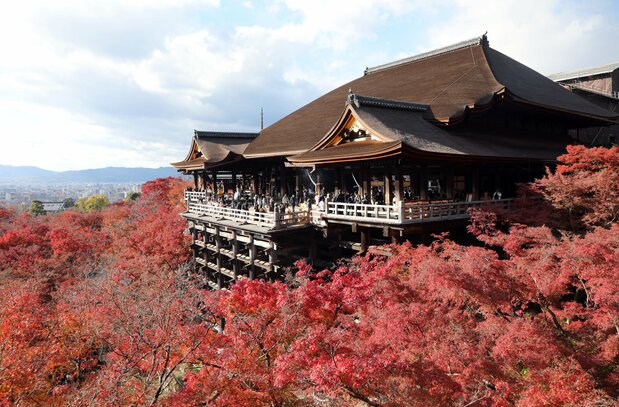 Kiyomizudera in Kyoto. (© Jiji)
Tori no Ichi Markets in Asakusa: November 12 and 24
Festive markets known as Tori no Ichi take place at Ōtori Shrine in Asakusa, Tokyo, every year in November on the day of the rooster according to the old lunisolar calendar. The events center around the sale of lucky kumade bamboo rakes, used for “raking in” good fortune. It is believed that buying a new rake each year brings new fortune. In 2025, the day of the rooster falls on November 12 and 24.
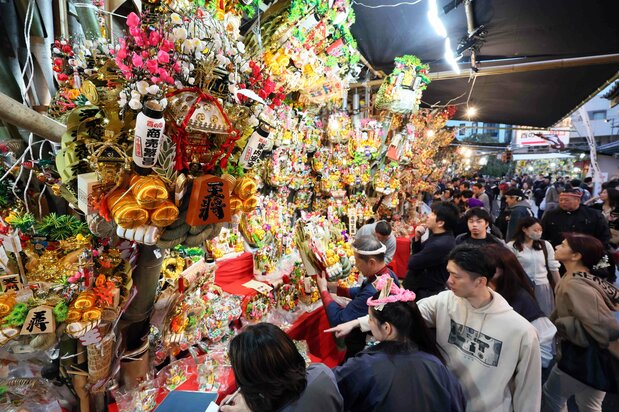 Kumade for sale at the Tori no Ichi market. (© Jiji)
(Translated from Japanese. Banner photo © Pixta.)



 Read in other languages