


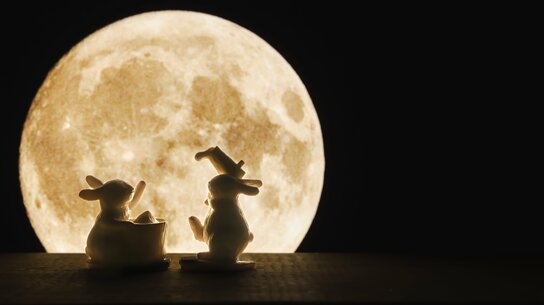
From ancient poems to modern fast food, Japan’s tsukimi custom of autumn moon-viewing has endured and evolved as a key cultural tradition.
What Is Tsukimi? Enjoying Japan’s Autumn Moon
Autumn in Japan brings crisp, clear skies, making it an ideal season for tsukimi, the tradition of admiring the moon. The fifteenth night of the eighth month of the lunar calendar is known as the jūgoya, meaning literally “fifteenth night,” and has long been celebrated as the occasion for viewing the chūshū no meigetsu, traditionally considered the most beautiful moon of the year. On the modern calendar, the jūgoya falls sometime between September and October.
Tsukimi is about more than simply gazing up at the night sky. Along with appreciating the beauty of the moon and the surrounding scenery, it is also an occasion to give thanks for the rich autumn harvest. Even today, moon-viewing culture remains a familiar part of life in Japan, from traditional celebrations to seasonal foods.
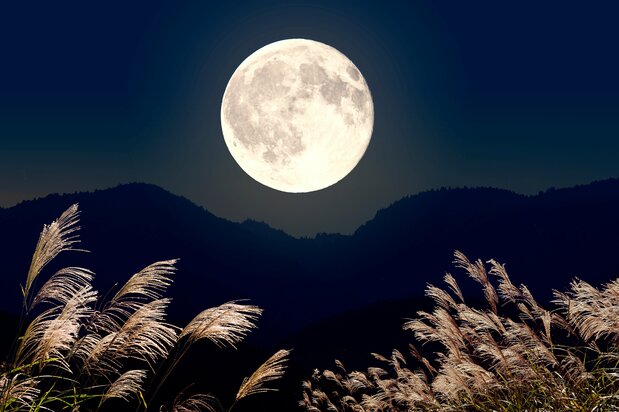
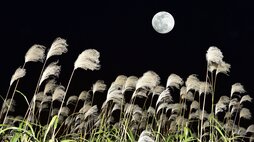
 A full moon in the clear autumn sky above susuki pampas grass.(© Adobestock)
Tsukimi Traditions That Continue Today
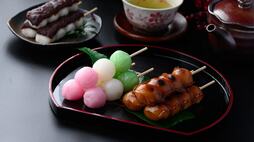
The custom of displaying tsukimi dango dumplings, plumes of susuki pampas grass, and autumn produce such as sweet potatoes and taro by a window or in a traditional tokonoma alcove continues today. The round dumplings represent the full moon, and susuki is said to symbolize ears of rice, expressing hopes for a plentiful harvest while also serving as a decoration believed to ward off evil.
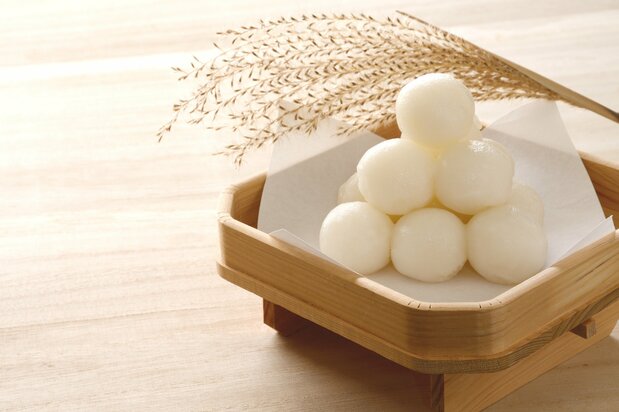 Tsukimi dango dumplings and susuki pampas grass. (© Adobestock)
Tsukimi is not limited to foods associated with traditional moon-viewing celebrations. The idea has become a common motif in everyday Japanese cuisine. Many restaurants offer dishes with names beginning with tsukimi, typically featuring an egg yolk that resembles the full moon. Classic examples include tsukimi udon, a bowl of hot udon noodles topped with a raw egg, and the tsukimi burger, which features a patty crowned with a fried egg and has become a standard seasonal offering at fast-food chains in autumn.
 Tsukimi udon, at left, and a tsukimi burger (© Adobestock)
Moon viewing can also be enjoyed away from the home. Some shrines, temples, historic buildings, and Japanese gardens hold special kangetsukai, or moon-viewing events. Kyoto’s Daikakuji temple and its Ōsawa Pond, Nara Park’s Sarusawa Pond, and Shiga’s Ishiyamadera temple are regarded as Japan’s three most celebrated moon-viewing sites. Events are also held at Kyoto’s Katsura Imperial Villa, which was designed with appreciating the moon in mind, and at Himeji Castle, a national treasure and UNESCO World Heritage Site.
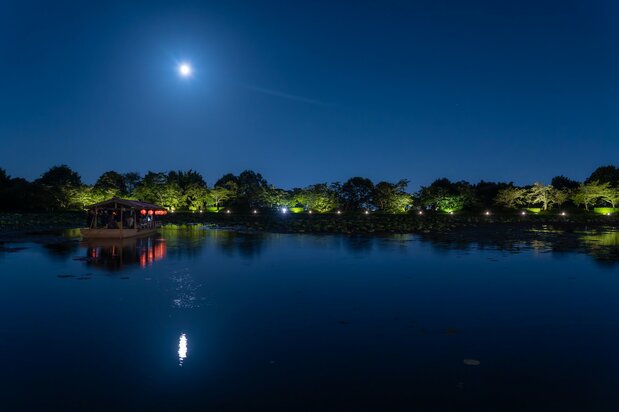 The moon above Ōsawa Pond at Daikakuji, Kyoto. (© Pixta)
From Court Parties to Harvest Traditions
The custom of moon viewing is said to have been introduced to Japan from China during the Heian period (794–1185). Aristocrats at the time held gatherings where they composed waka poetry while admiring the moon, not only directly in the sky but also reflected on the surface of ponds or in cups of sake. During the Edo period (1603–1868), the custom spread to ordinary townspeople, and moon viewing also came to be associated with giving thanks for the autumn harvest.
Why Japan Sees a Rabbit on the Moon
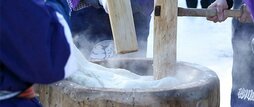
In Japan, people traditionally say that a rabbit lives on the moon, where it pounds mochi rice cakes with a mallet, based on the image formed by patterns on the moon’s surface. The association between the moon and rabbits can be found in the Buddhist Jataka tales from India. In one story, a rabbit sacrifices itself to feed a starving old man, who is actually the deity Indra, known in Japan as Taishakuten. Moved by the rabbit’s selflessness, the deity draws the rabbit’s image on the moon. The story eventually reached Japan, helping establish the enduring association between rabbits and the moon. For this reason, during the moon-viewing season, it is common to see Japanese sweets decorated with or shaped like rabbits.
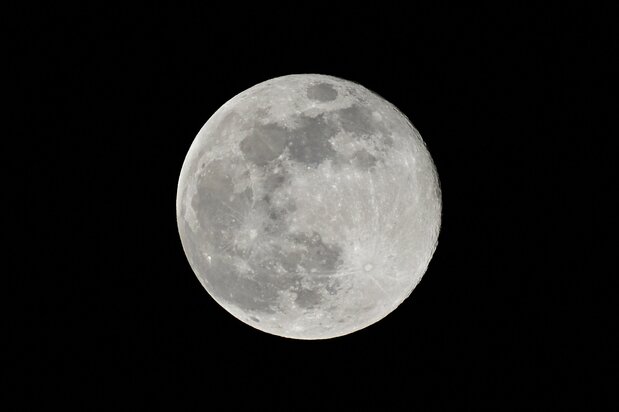 Can you see a rabbit pounding a mochi with a mallet? The rabbit is leaning over the mortar, with its head and ears stretching horizontally across the top of the moon. (© Adobestock)
(Translated from Japanese. Banner photo © Adobestock.)


 Read in other languages