-
-
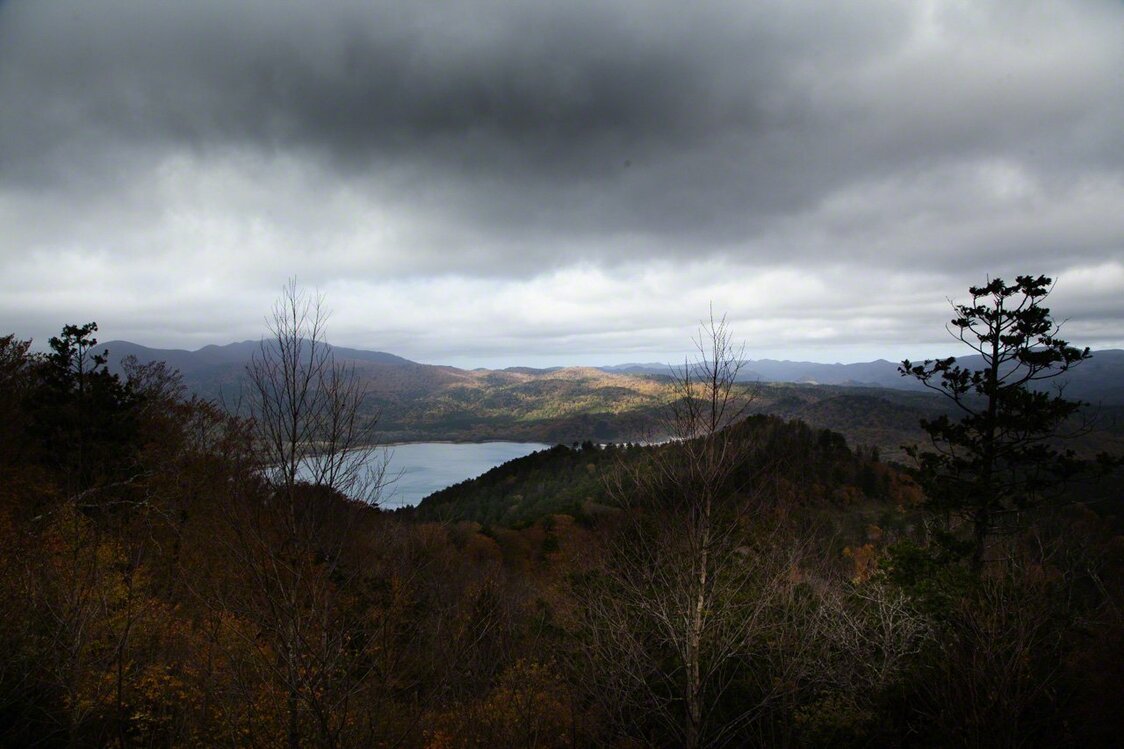
The sacred Osorezan rises around Usoriko in the northernmost reaches of Aomori Prefecture. (© Ōnishi Naruaki)
-
-
-
-
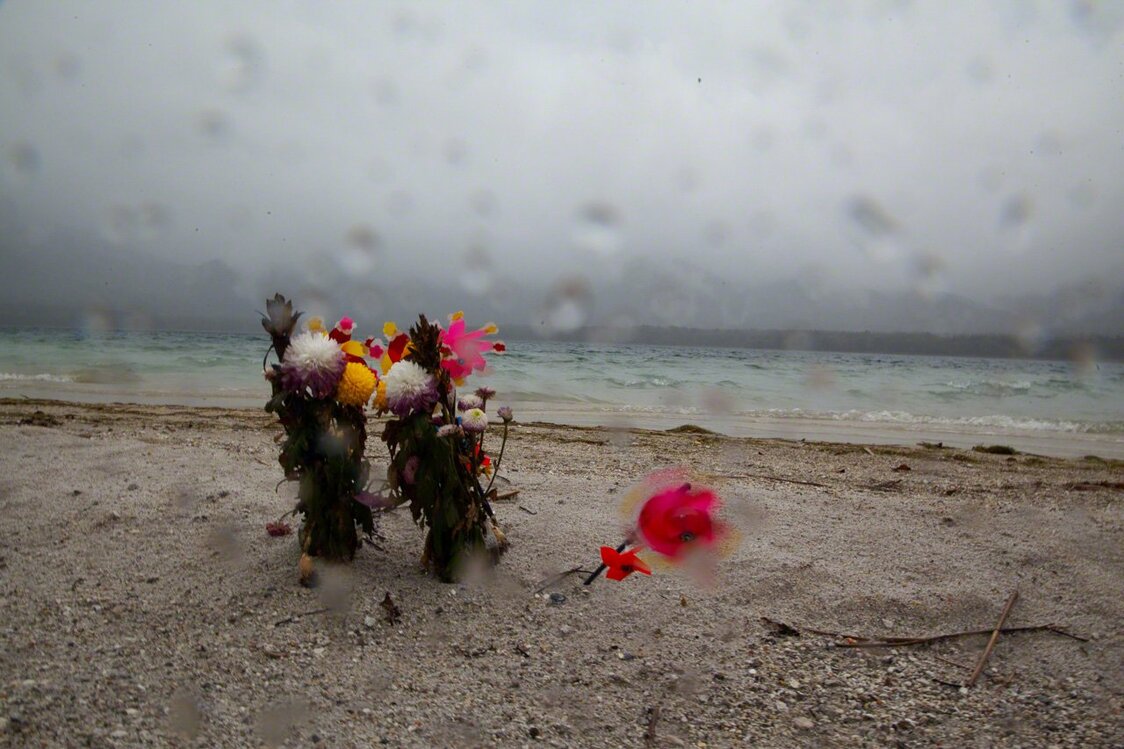
The shores of Usoriko are strewn with offerings to the dead, including pinwheels intended to comfort the lonely souls of departed children. (© Ōnishi Naruaki)
-
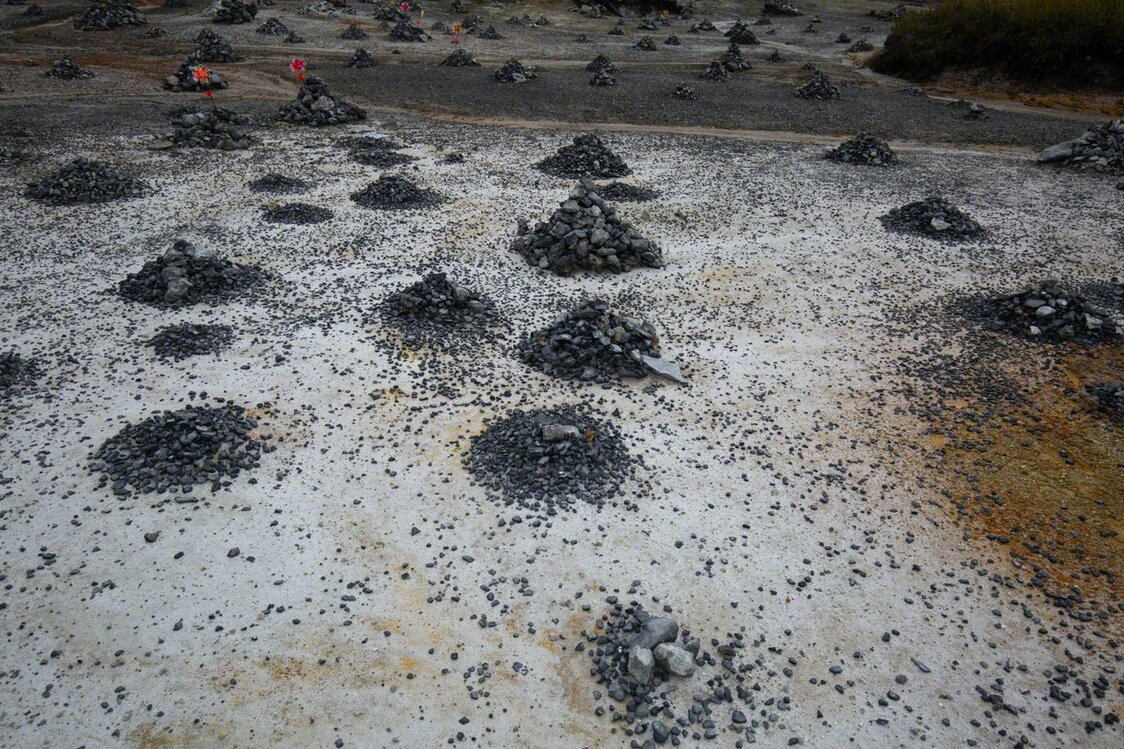
Mounds of stones line the tract known as Sai no Kawara, a reference to the riverbank separating the two worlds in Japanese Buddhist lore. The cairns are placed there on behalf of children who died before they could perform their sacred filial duty to their parents. (© Ōnishi Naruaki)
-
-
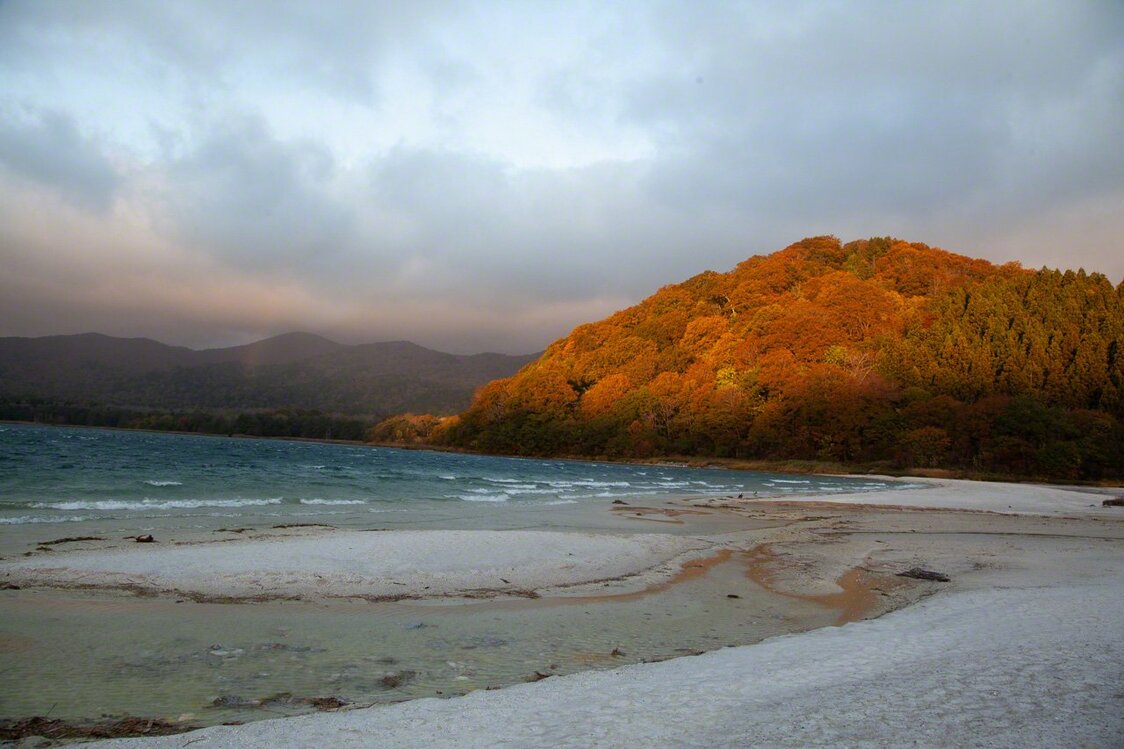
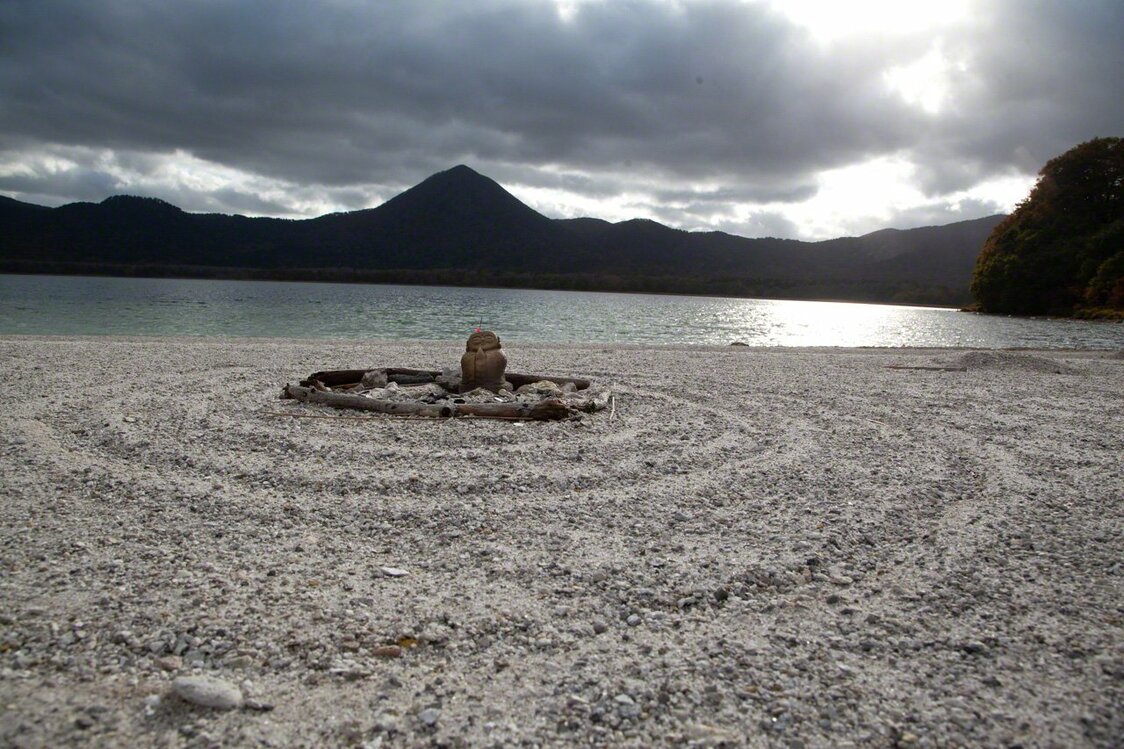
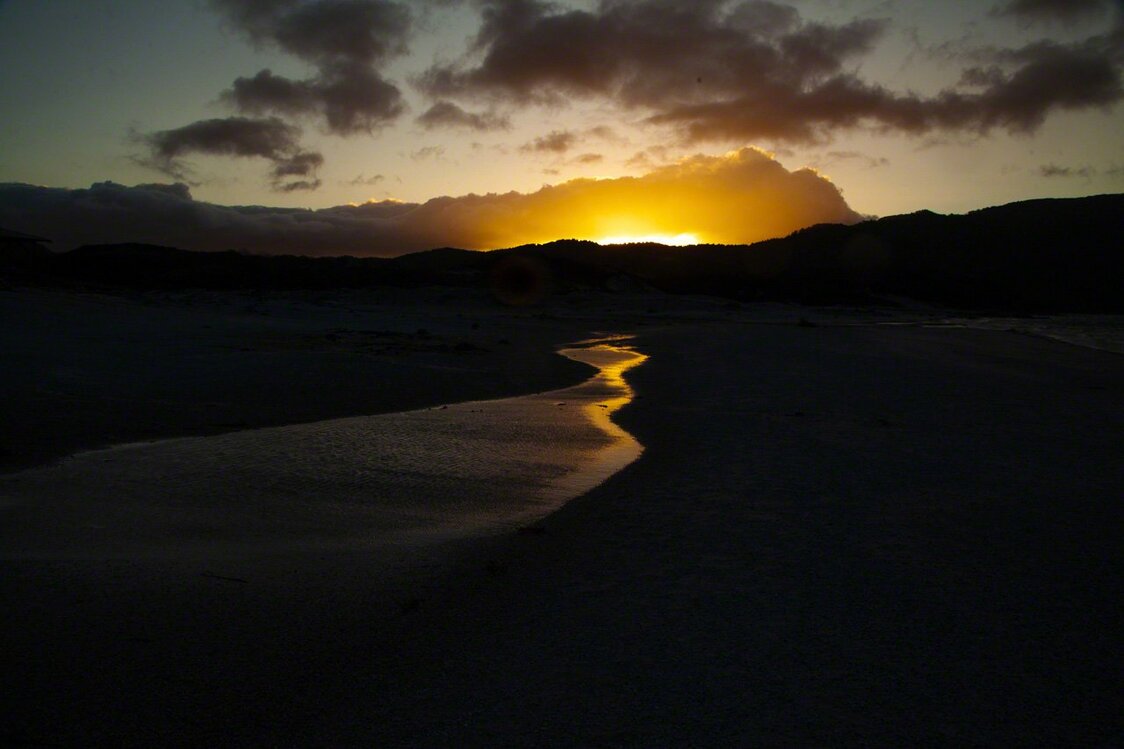
Usoriko and Gokurakuhama catch the sun’s first rays. (© Ōnishi Naruaki)
-

A pair of Niō, or guardian kings, adorn Bodaiji’s temple gate. The Niō are said to be uttering the Sanskrit syllables ah and hum, signifying the divine breath and the cosmos in its entirety, from beginning to end. (© Ōnishi Naruaki)
-
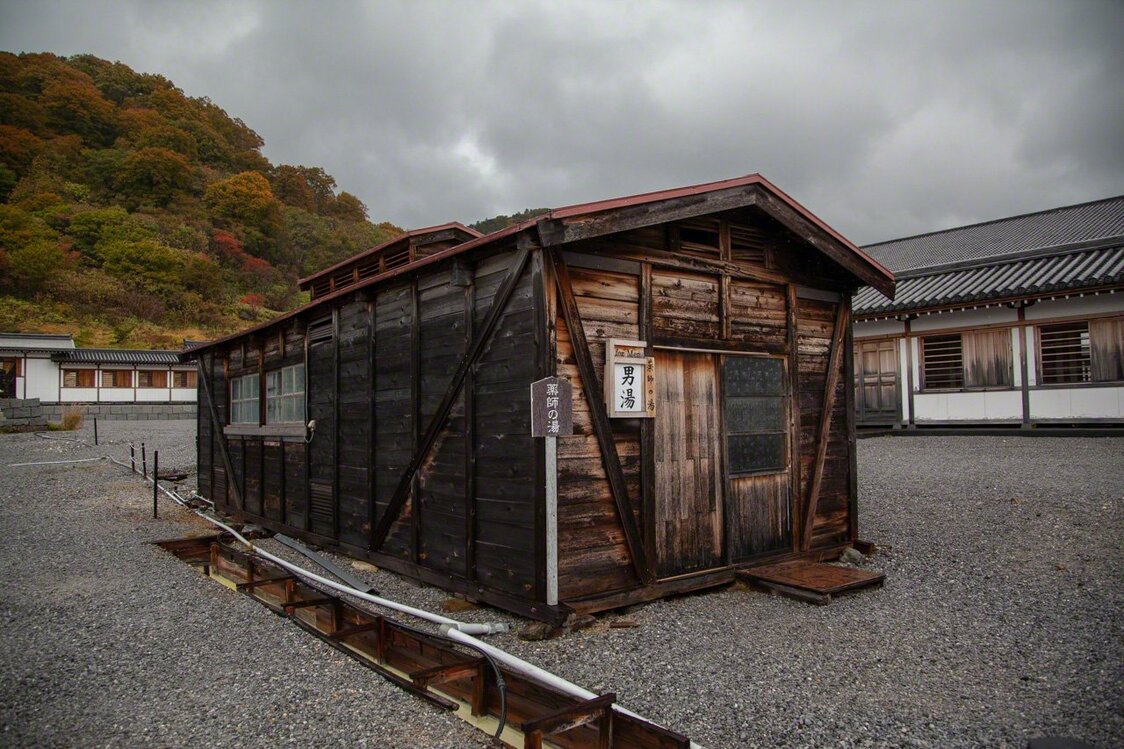
A rustic bath house on the temple grounds provides visitors with access to Yakushinoyu (named after the Buddha of healing), one of Osorezan’s sulfur springs. (© Ōnishi Naruaki)
-
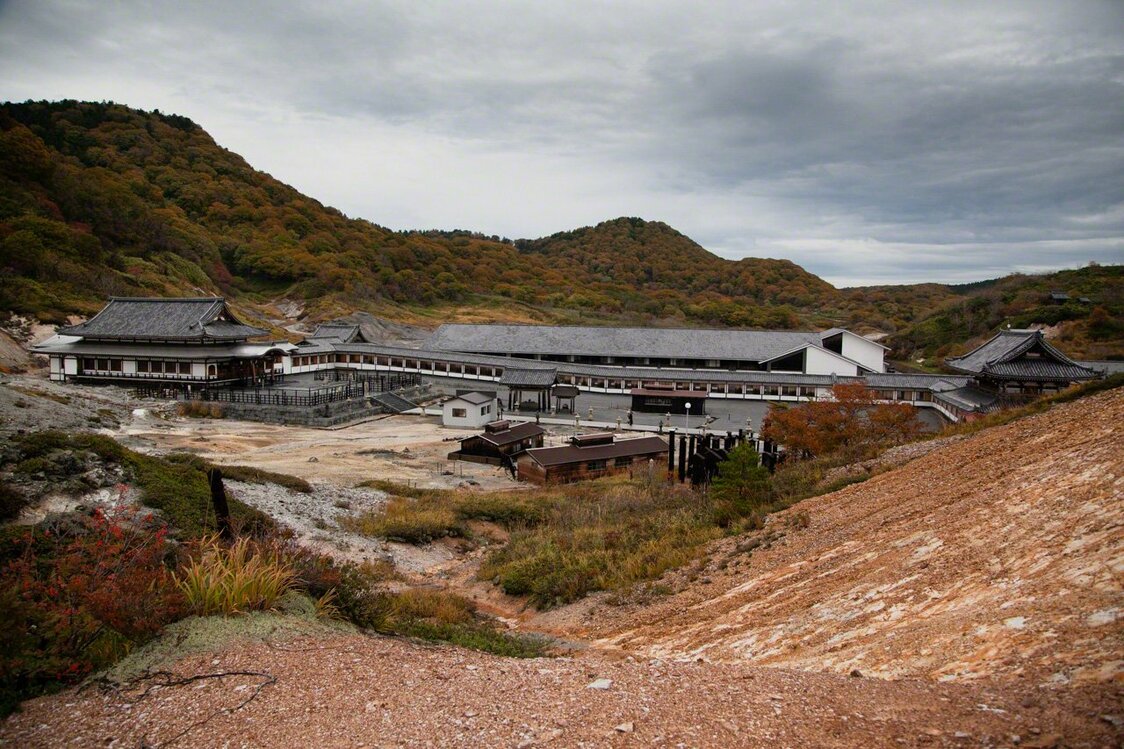
Bodaiji temple now belongs to the Sōtō sect of Zen Buddhism. It is closed in the winter, when the area is subject to heavy snowfall. (© Ōnishi Naruaki)
-
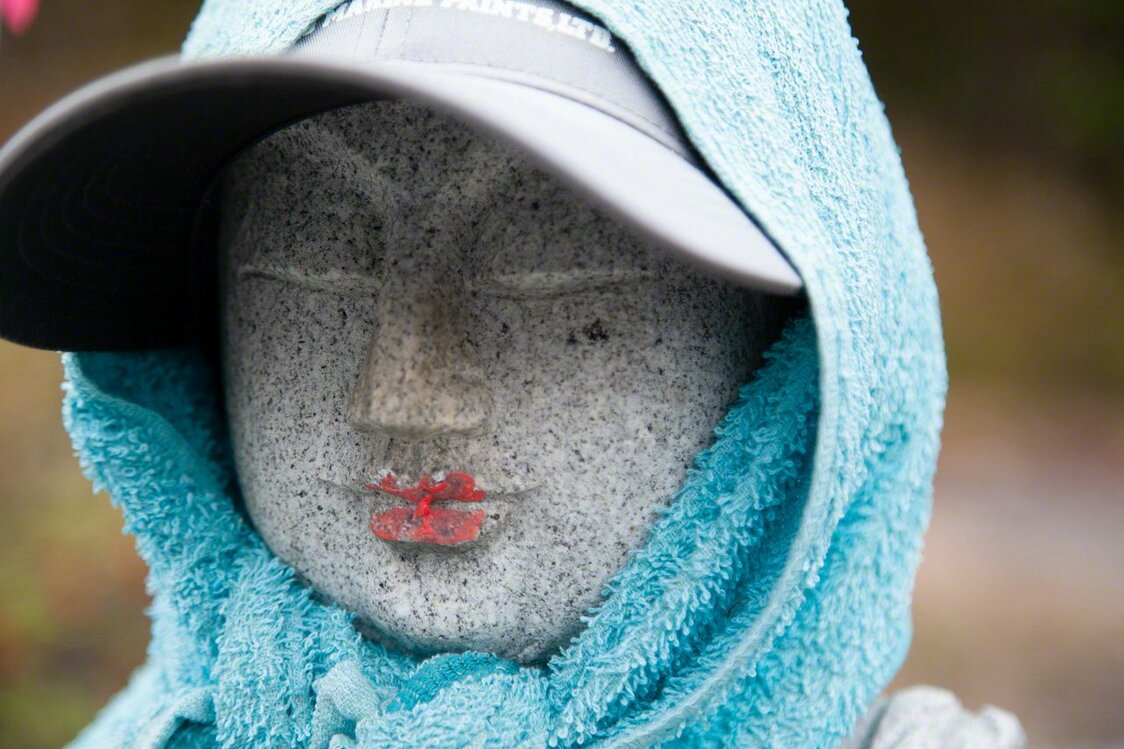
“Where do people’s souls go when they die?” the priest asked in his sermon. “They go to be with their loved ones.” This made perfect sense to me. (© Ōnishi Naruaki)
-
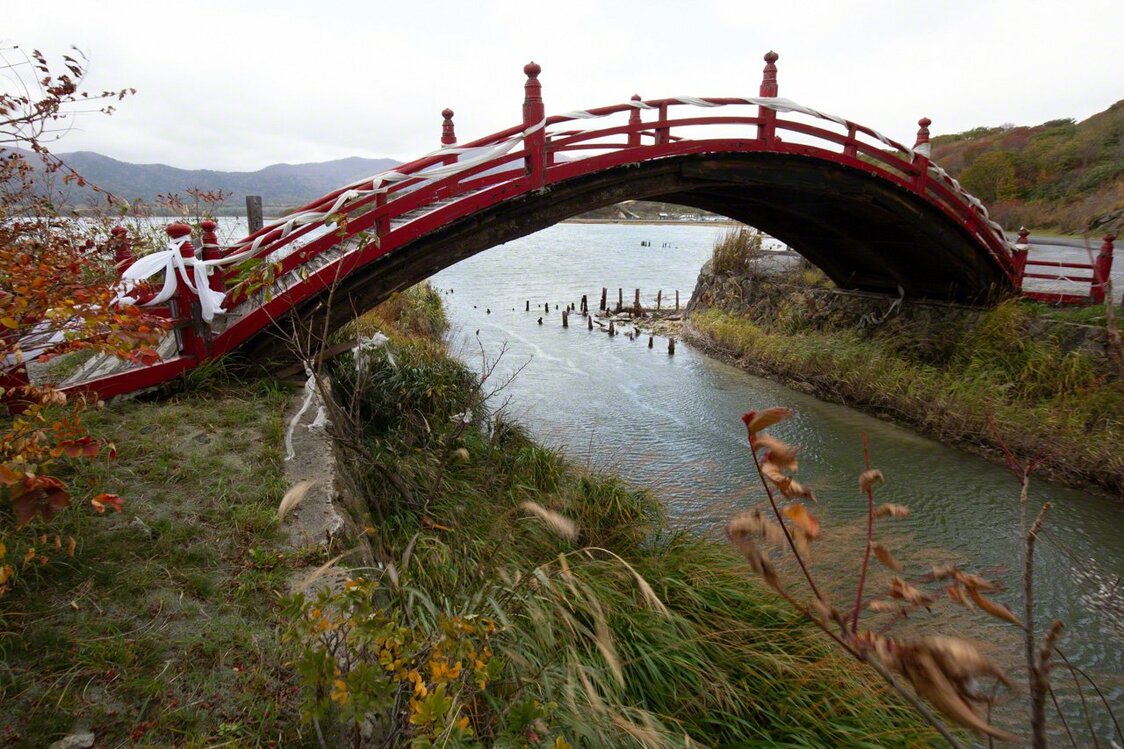
The brook running beneath the red bridge is called Sanzu no Kawa, the Buddhist equivalent of the River Styx. (© Ōnishi Naruaki)
-
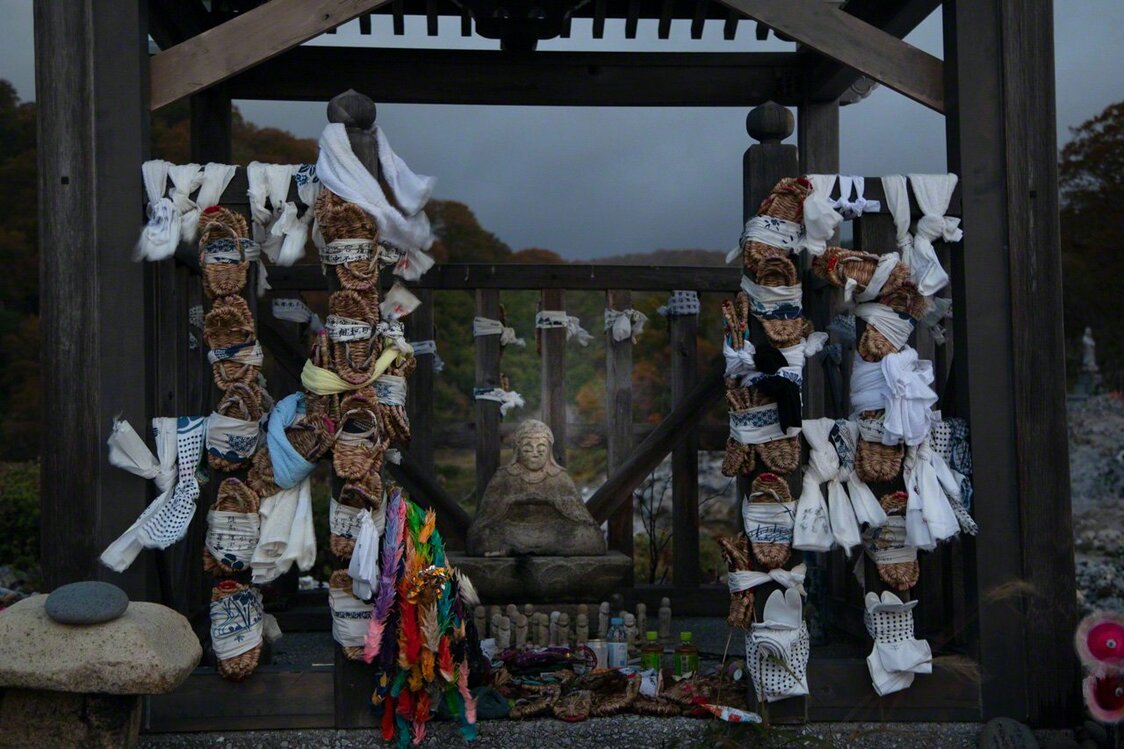
Hand towels and straw sandals surround the stone image of the Tendai priest Ennin, said to have discovered Osorezan and founded Bodaiji in 862. Pilgrims offer up the objects as prayers to speed the souls of the dead on their journey to the afterworld. (© Ōnishi Naruaki)
-
-
-

-
-
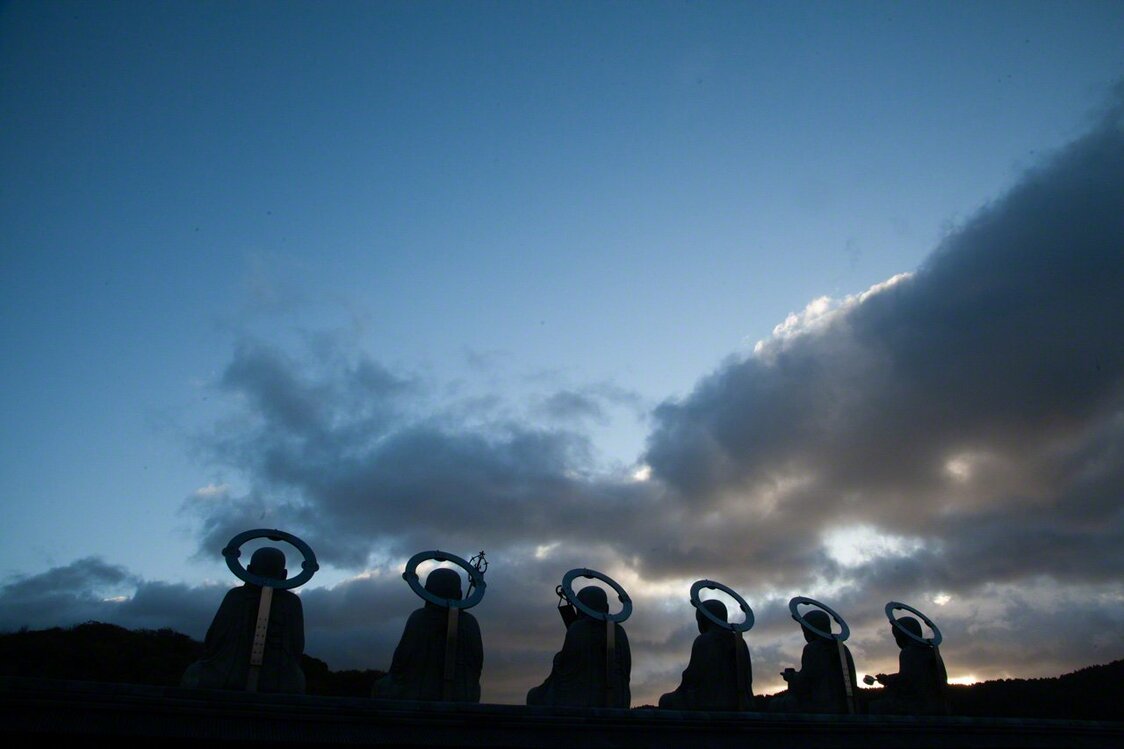
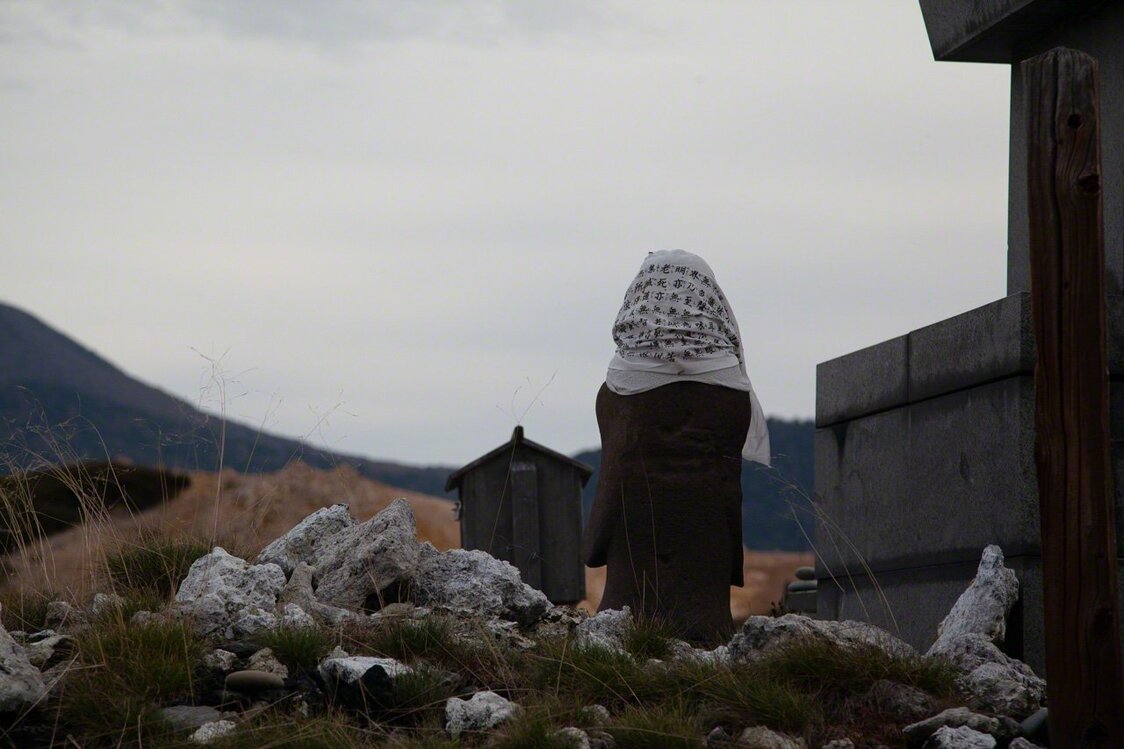
A view of the Six Jizō, corresponding to the six realms of existence into which souls are reborn in the Buddhist cycle of reincarnation. Jizō is a bodhisattva dedicated to easing the suffering of all beings. (© Ōnishi Naruaki)


 Read in other languages