-
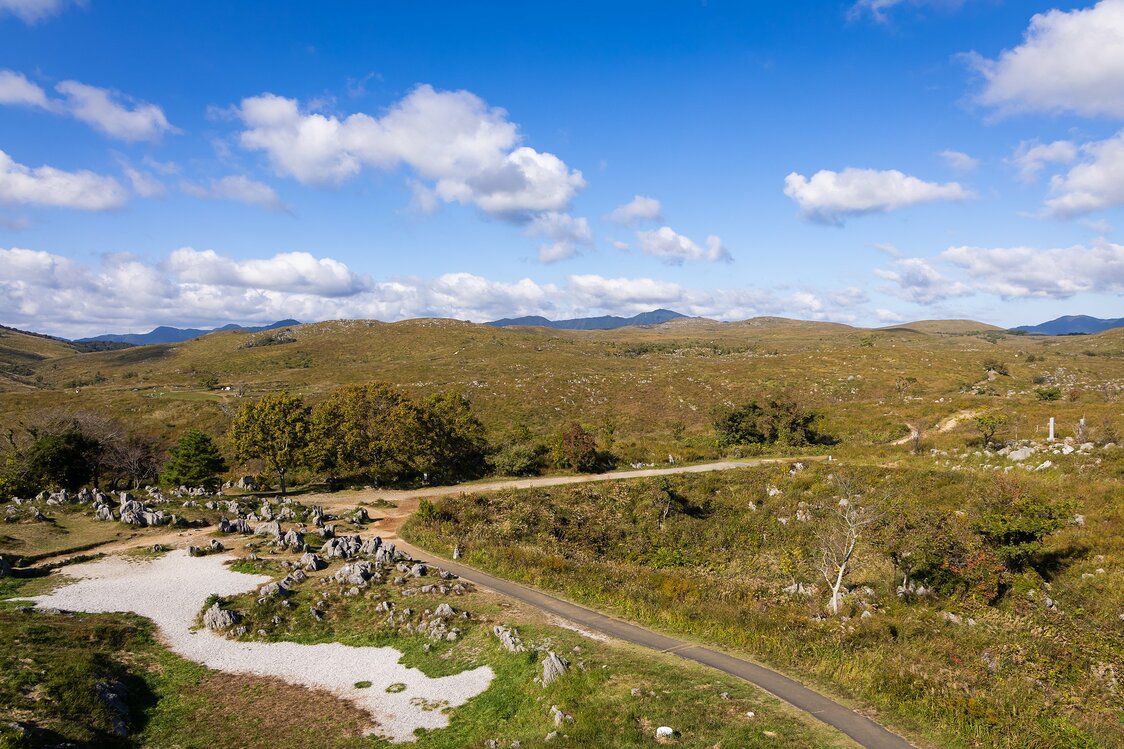
The view of Akiyoshidai Quasi-national Park from the Karst Observatory deck. (© Nippon.com)
-
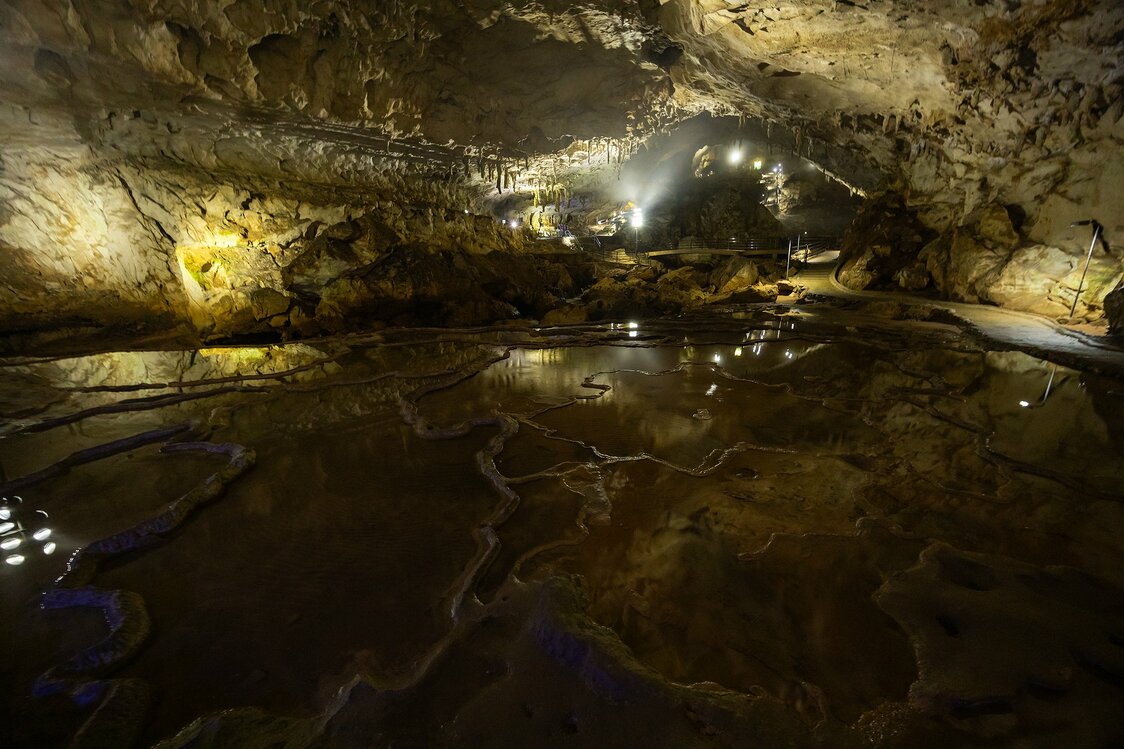
The cave complex has massive open spaces. This photo shows a formation called Chimachida at the bottom of the Senjōjiki cavern, which is 80 meters wide and 175 long. (© Nippon.com)
-
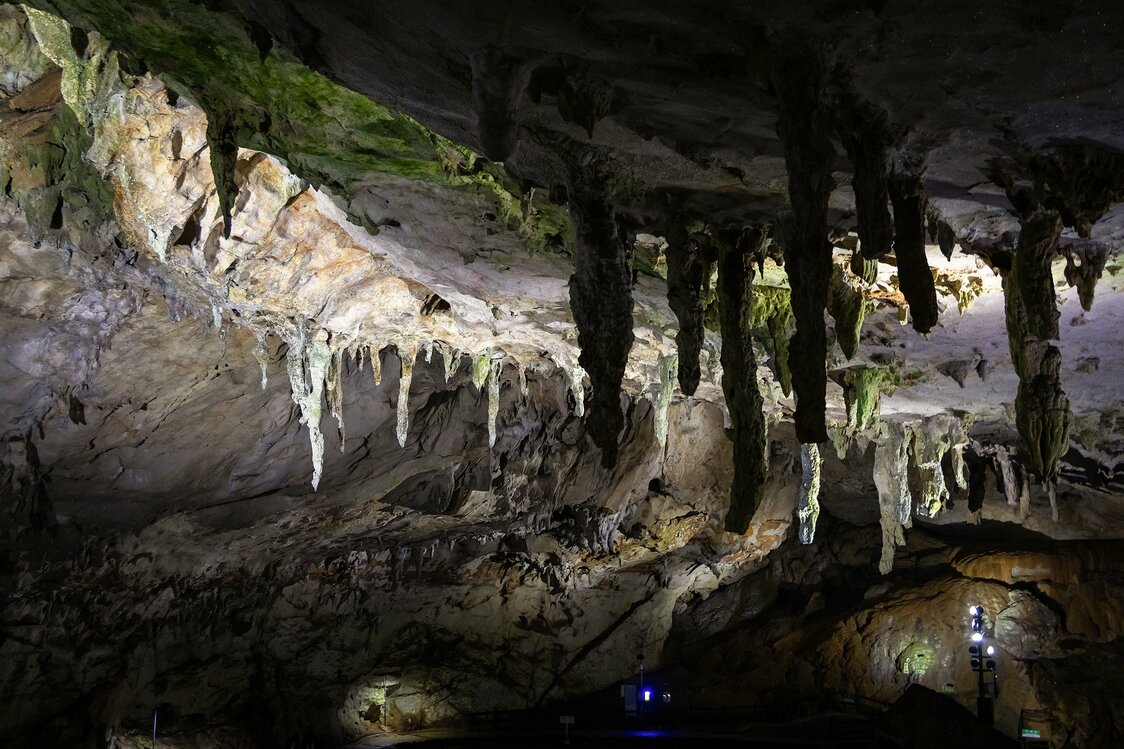
The ceiling above Senjōjiki is covered with countless stalactites, which are called kasazukushi, or “hanging umbrellas.” (© Nippon.com)
-
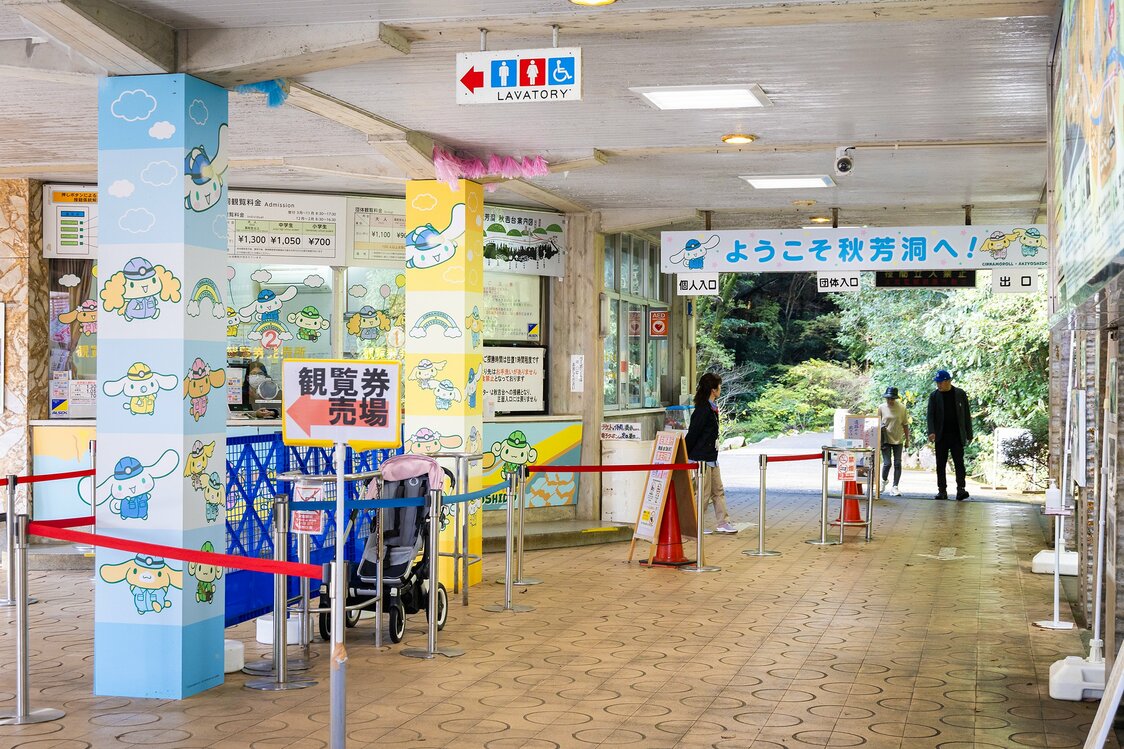
The ticket office at the cave’s main entrance. (© Nippon.com)
-
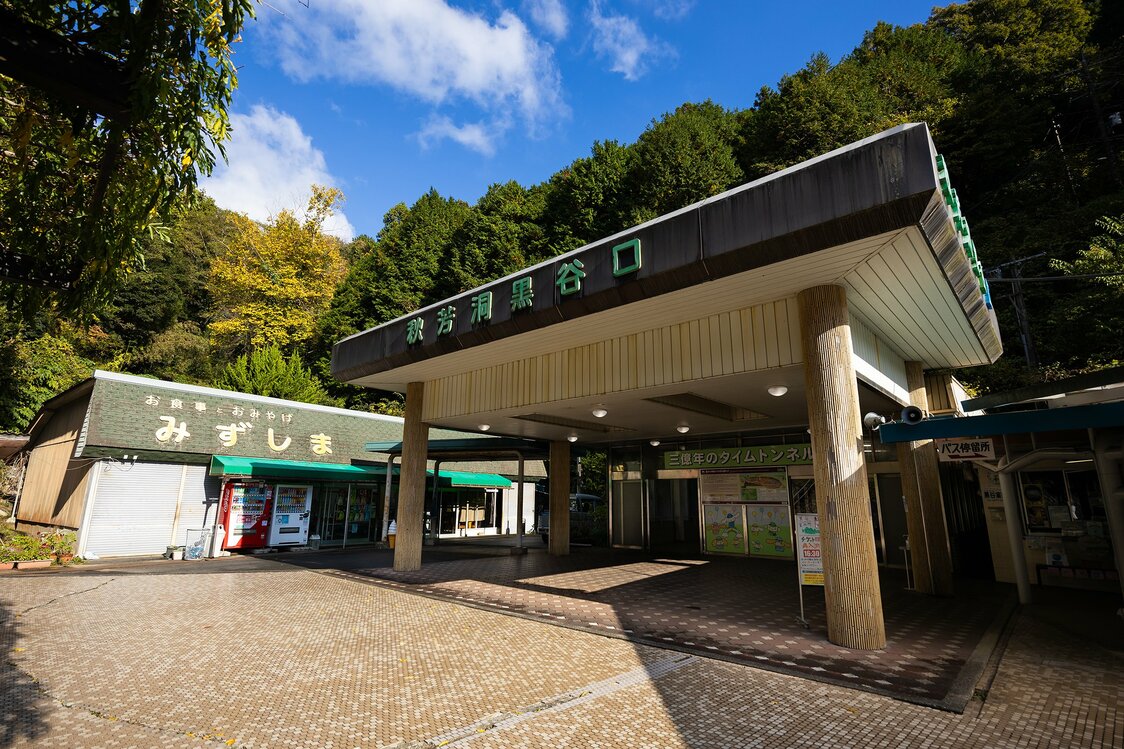
There is a shuttle bus running between the Kurotani Entrance stop, the Akiyoshidai stop near the Karst Observatory deck, and the Akiyoshidō terminal at the main entrance on weekends. It only runs five times a day, so be sure to check times. (© Nippon.com)
-
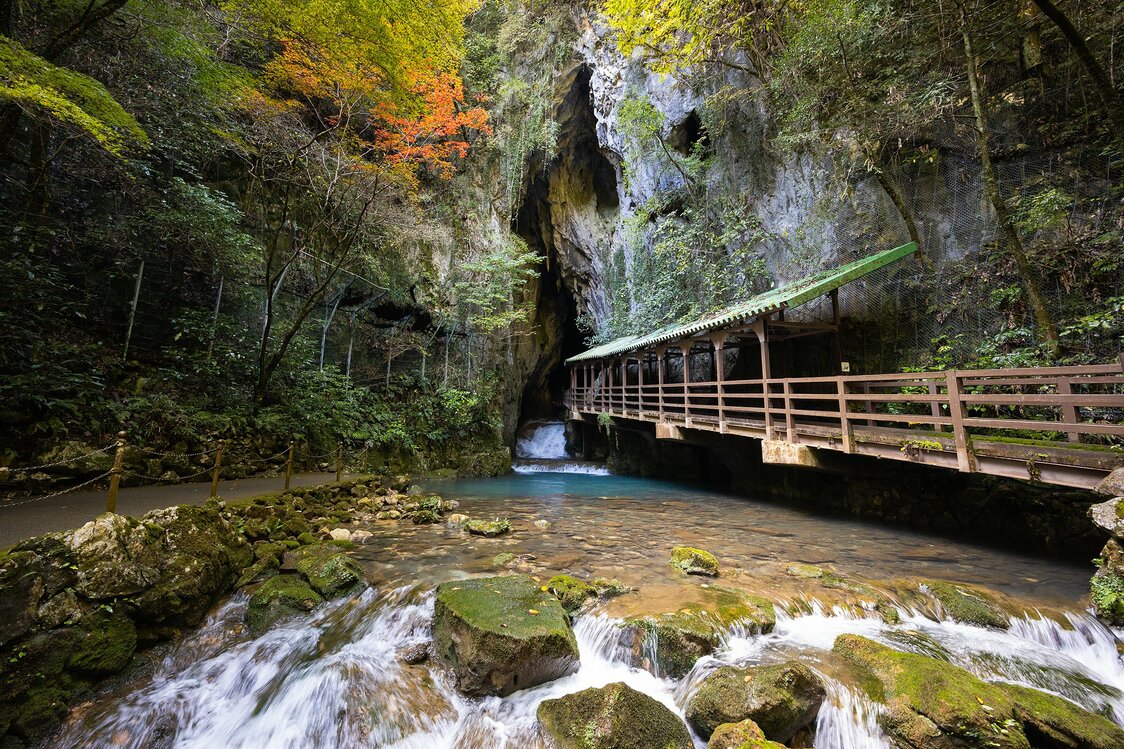
The main entrance to Akiyoshidō is particularly beautiful in the autumn. (© Nippon.com)
-
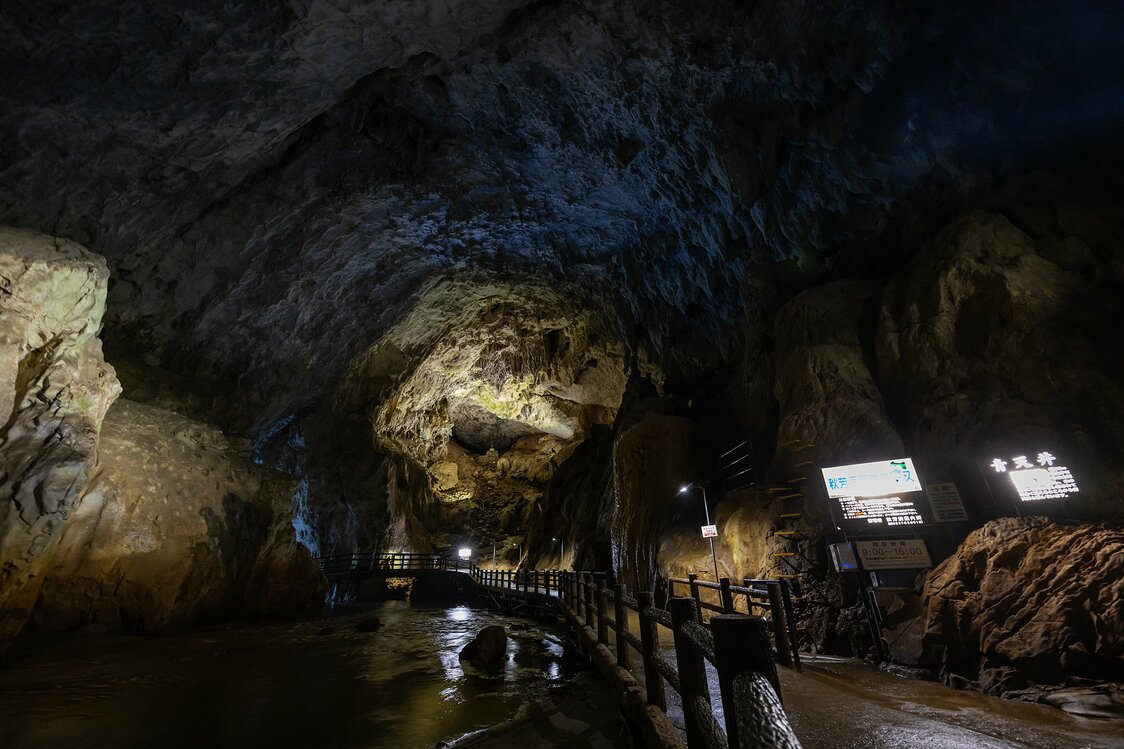
The air inside the cave is a stable 17 degrees Celsius, cool in summer and warm in winter, so it’s best to dress appropriately with layers to add or remove. (© Nippon.com)
-
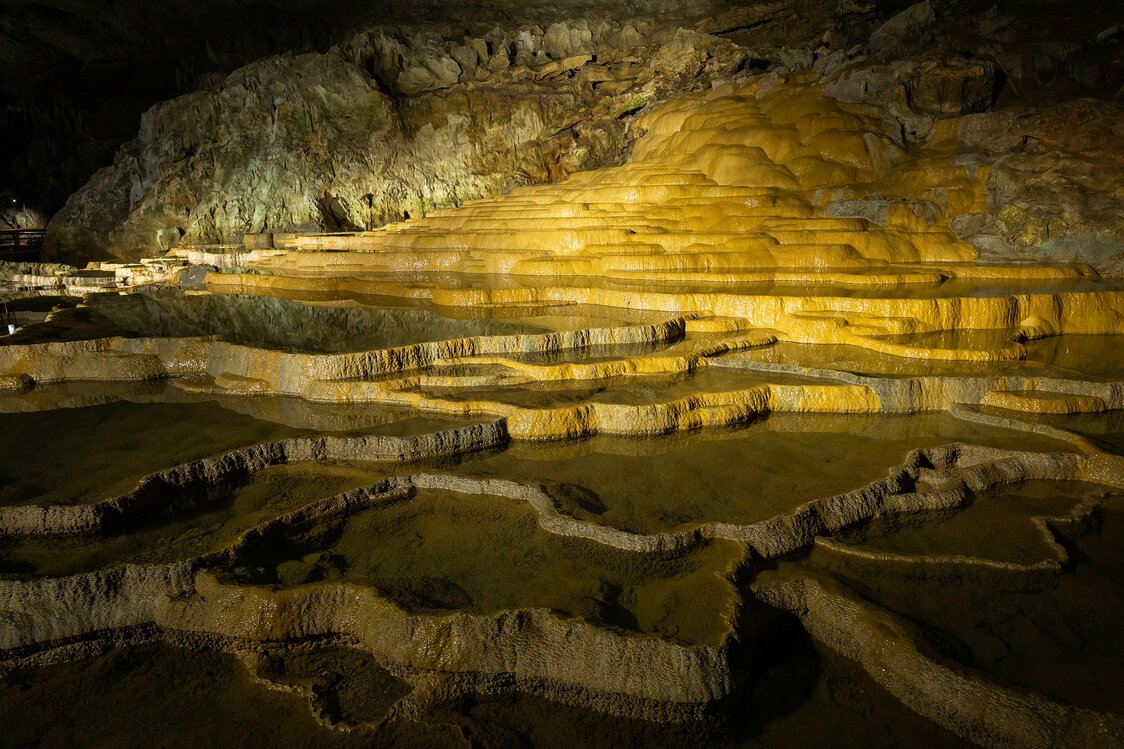
The celebrated Hyakumaizara. (© Nippon.com)
-
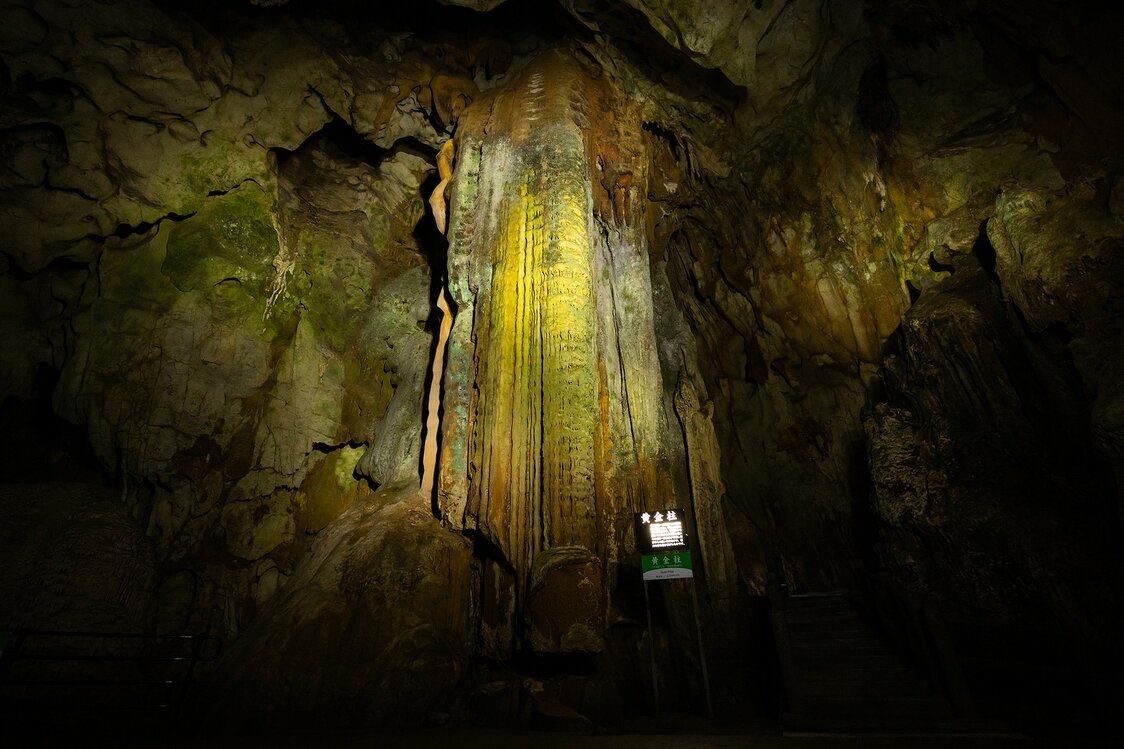
Koganebashira stands just beyond the Senjōjiki chamber. (© Nippon.com)
-
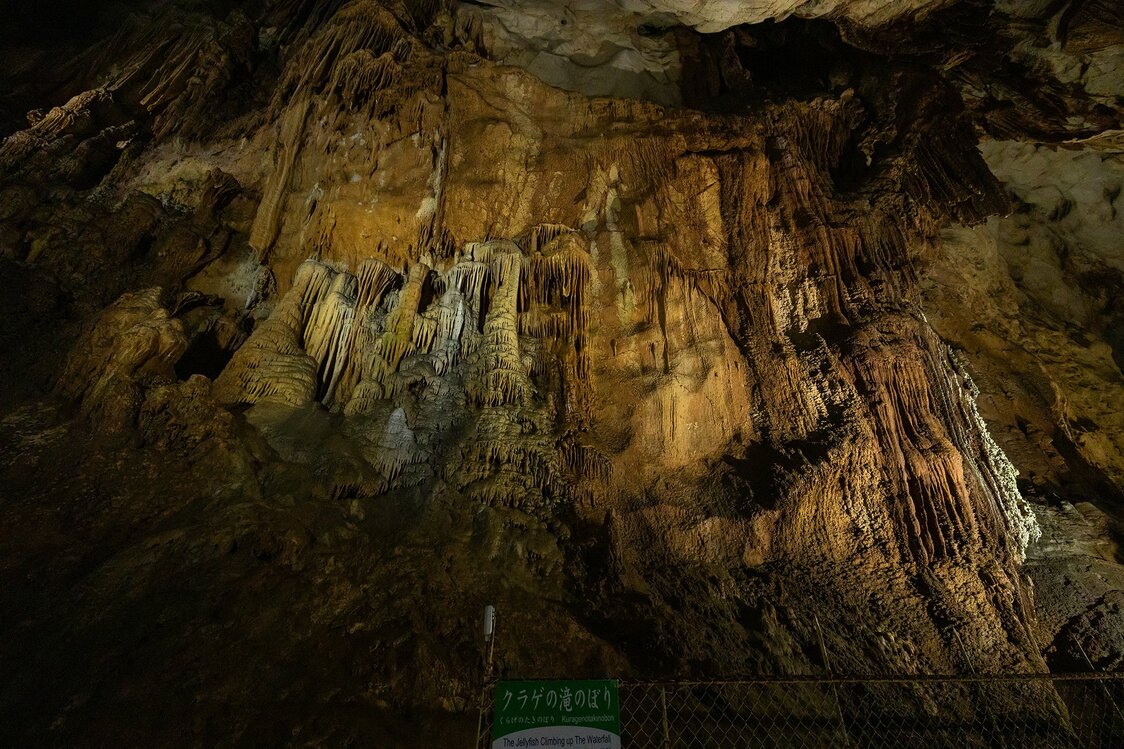
This formation looks like jellyfish swimming up a waterfall. (© Nippon.com)
-
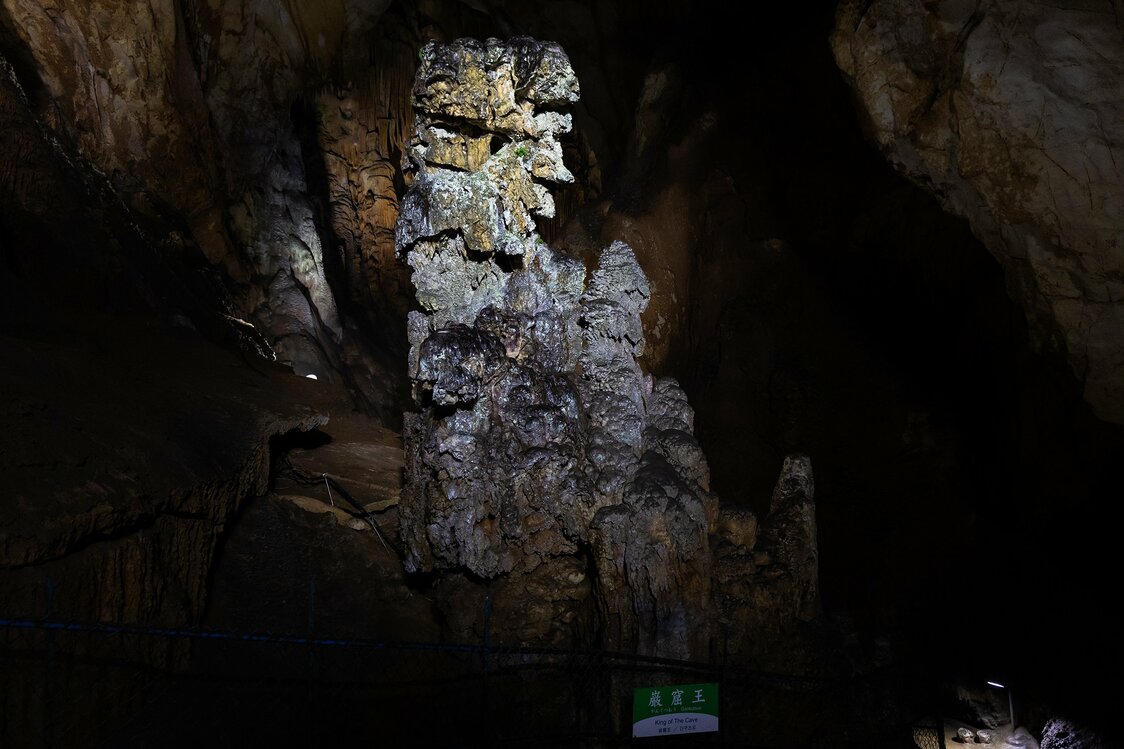
The Gankutsuō, made of several stalagmites blended together, gives off the aura of a spirit watching over the cave. (© Nippon.com)
-
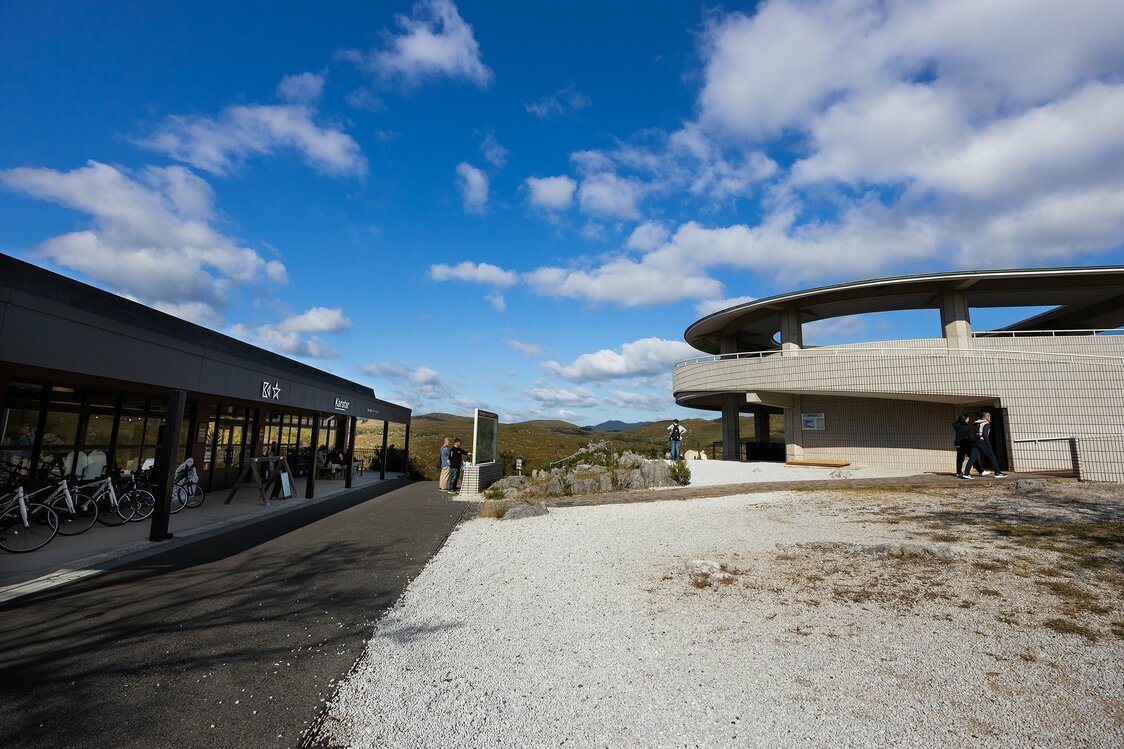
The Karst Observatory is to the right and Karstar is to the left. (© Nippon.com)
-
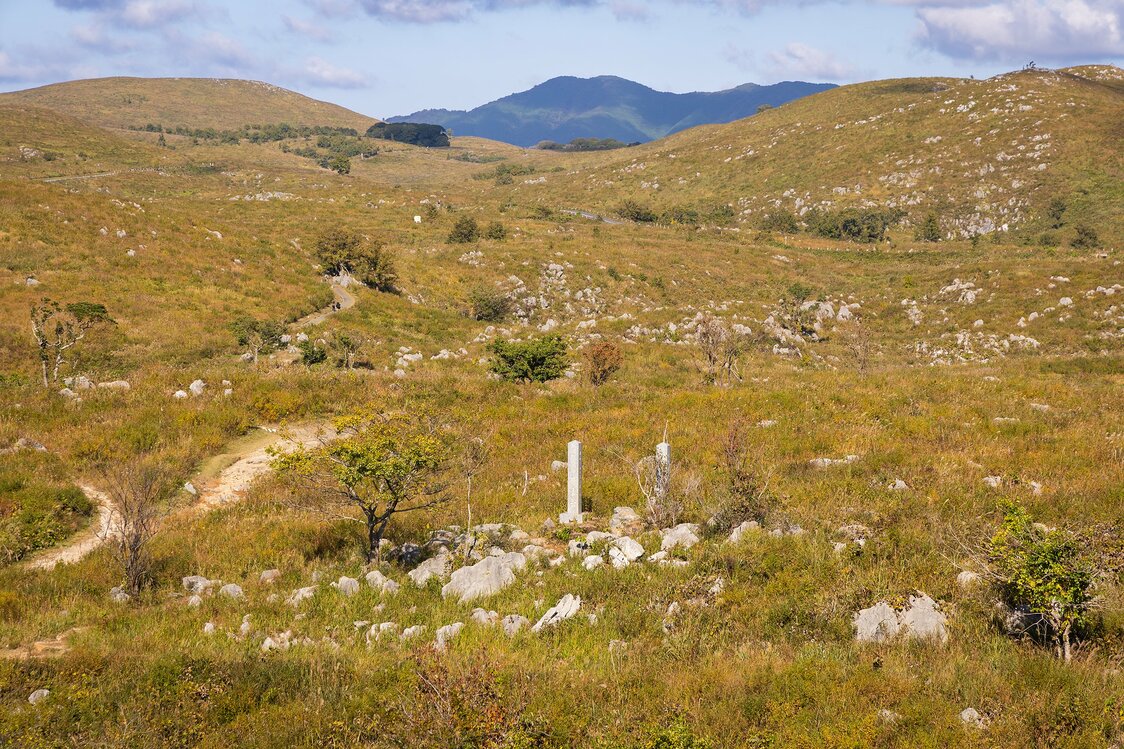
There are five mapped walking courses through the plateau. The shortest is the Karst Observatory Course, at around one hour round-trip. (© Nippon.com)


 Read in other languages