-
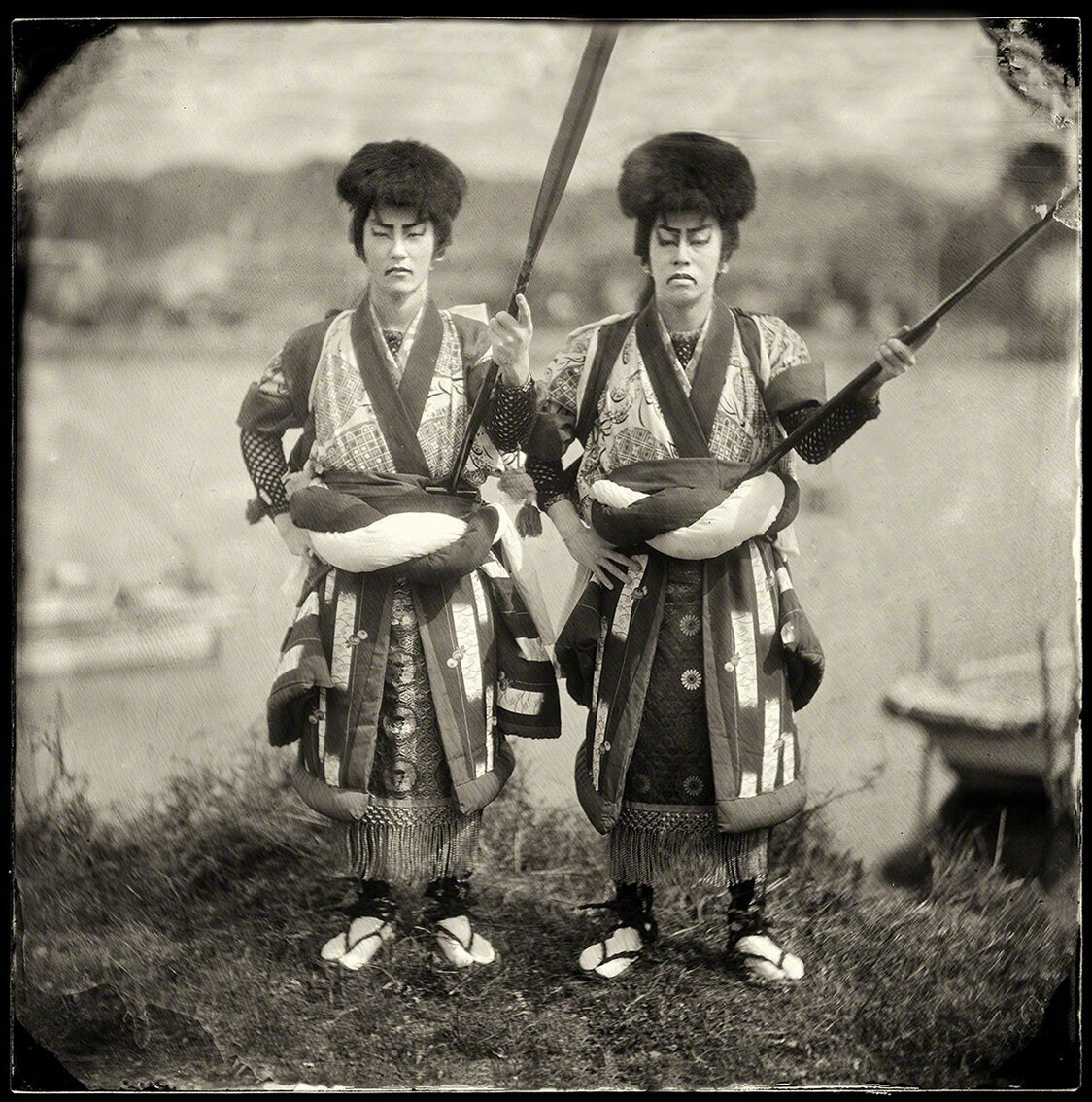
Young men participating in a festival in the city of Matsue dating back to the Edo period (1603–1868). The festival, called Hōran-Enya, is held only once every 10 years.
-
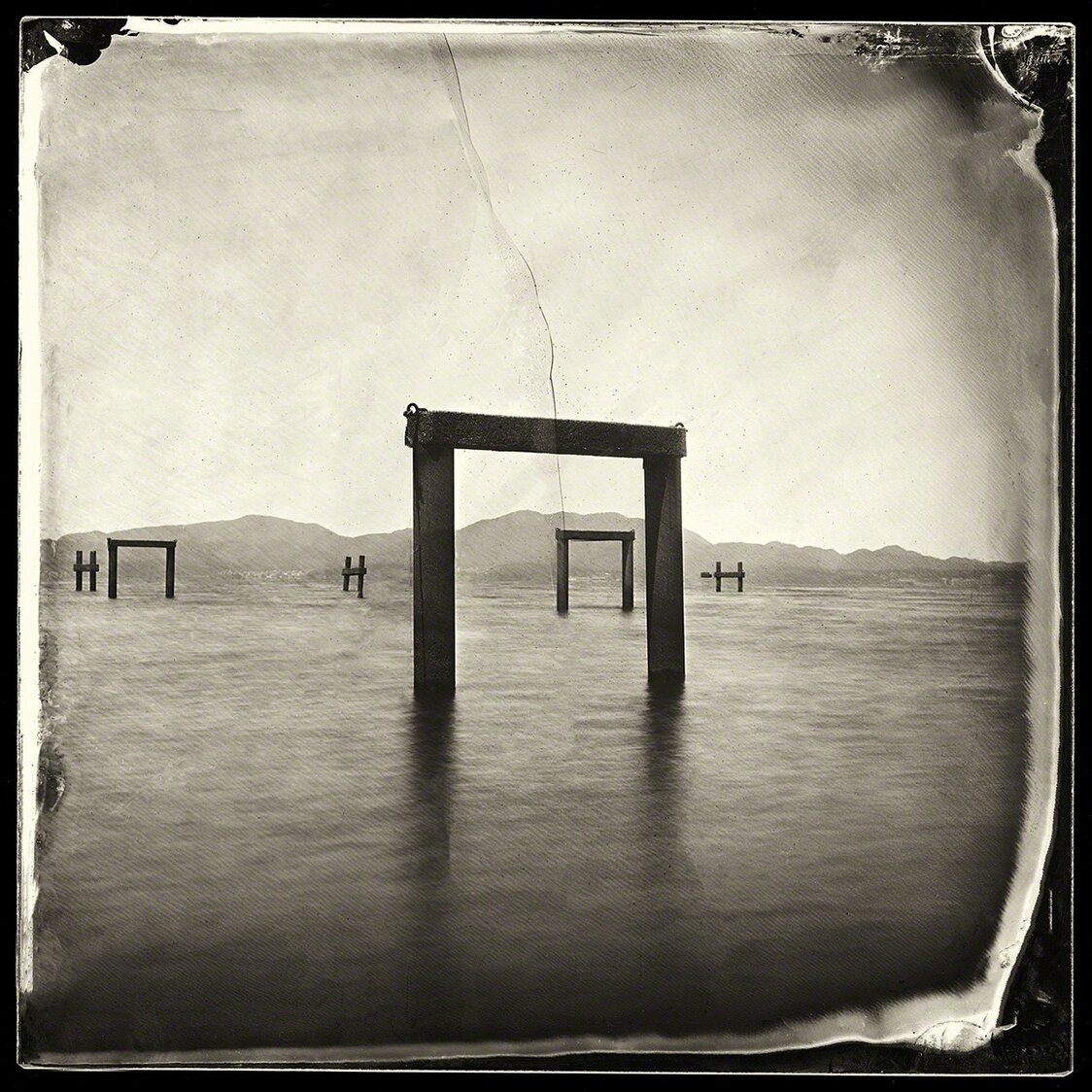
Concrete structures used by clam fishermen on Lake Shinji. They resemble Shintō torii gates, which are believed to be portals into the spiritual world.
-
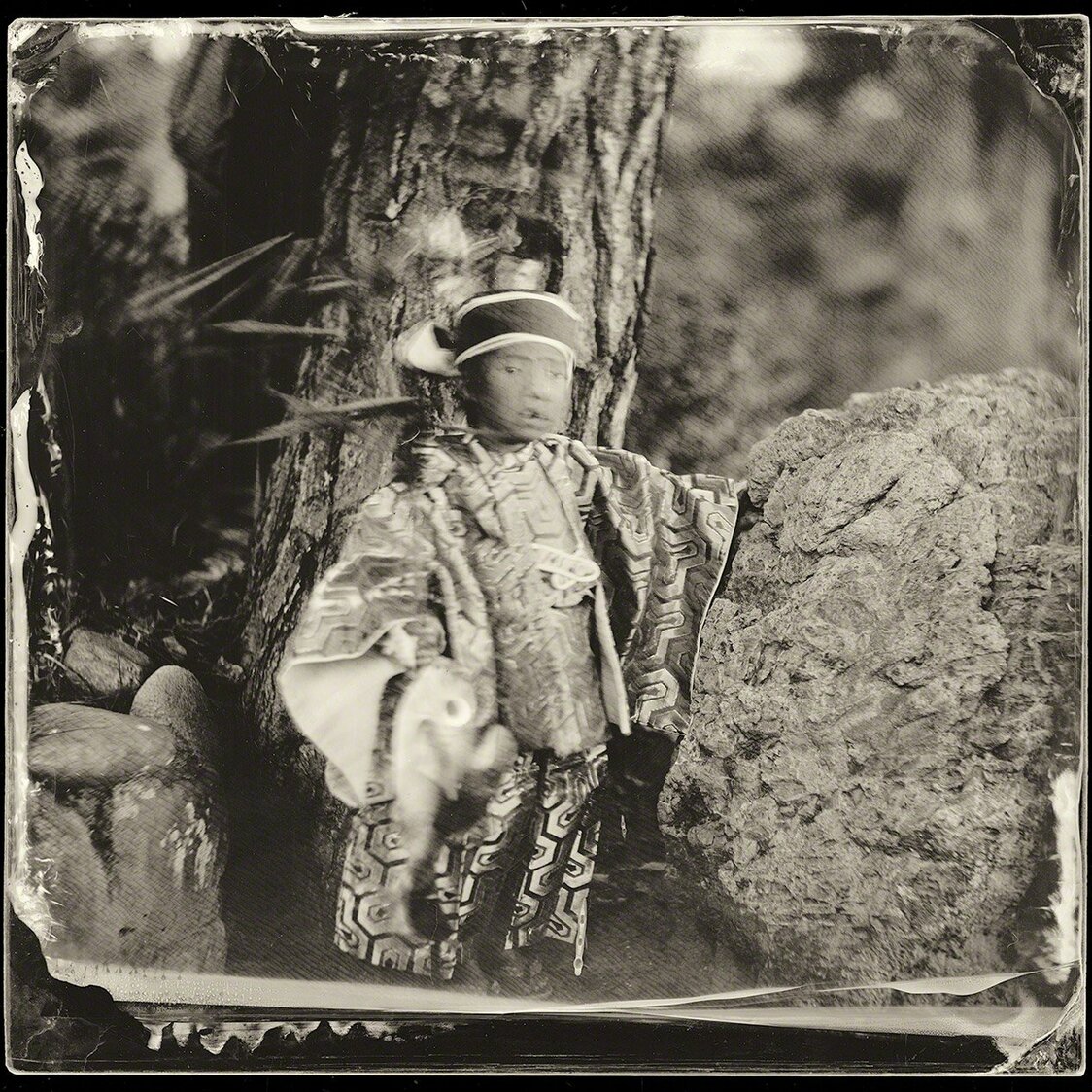
A five-year-old kagura trance dancer in Izumo city. It is remarkable that the boy already knows many of the complex trance dances. The local kagura has been performed in the community for hundreds of years.
-
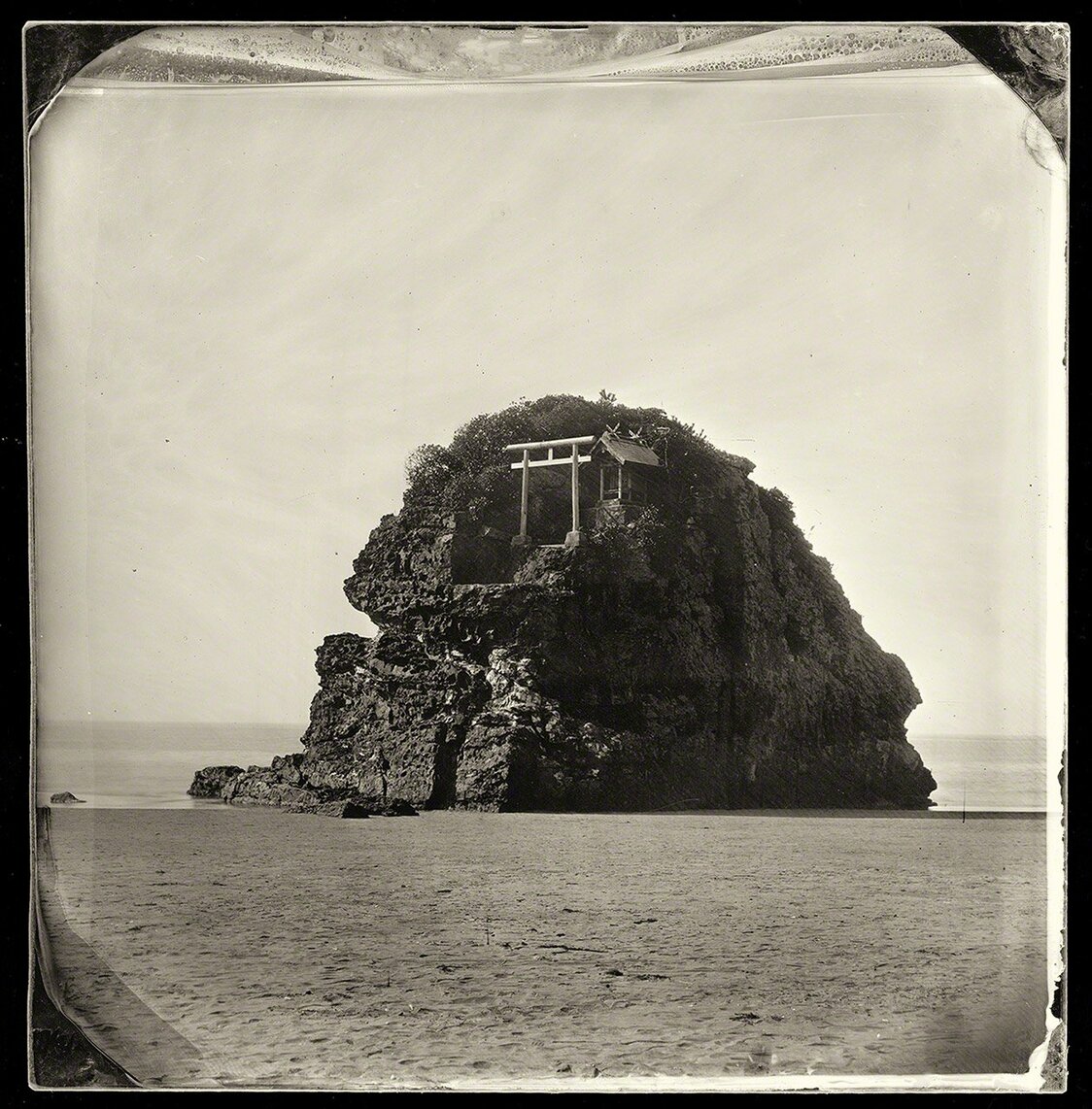
The sacred rock at Inasa-no-hama. This is where the priests from the shrine Izumo Taisha come to welcome the “ten thousand Japanese gods” back to Izumo every autumn.
-
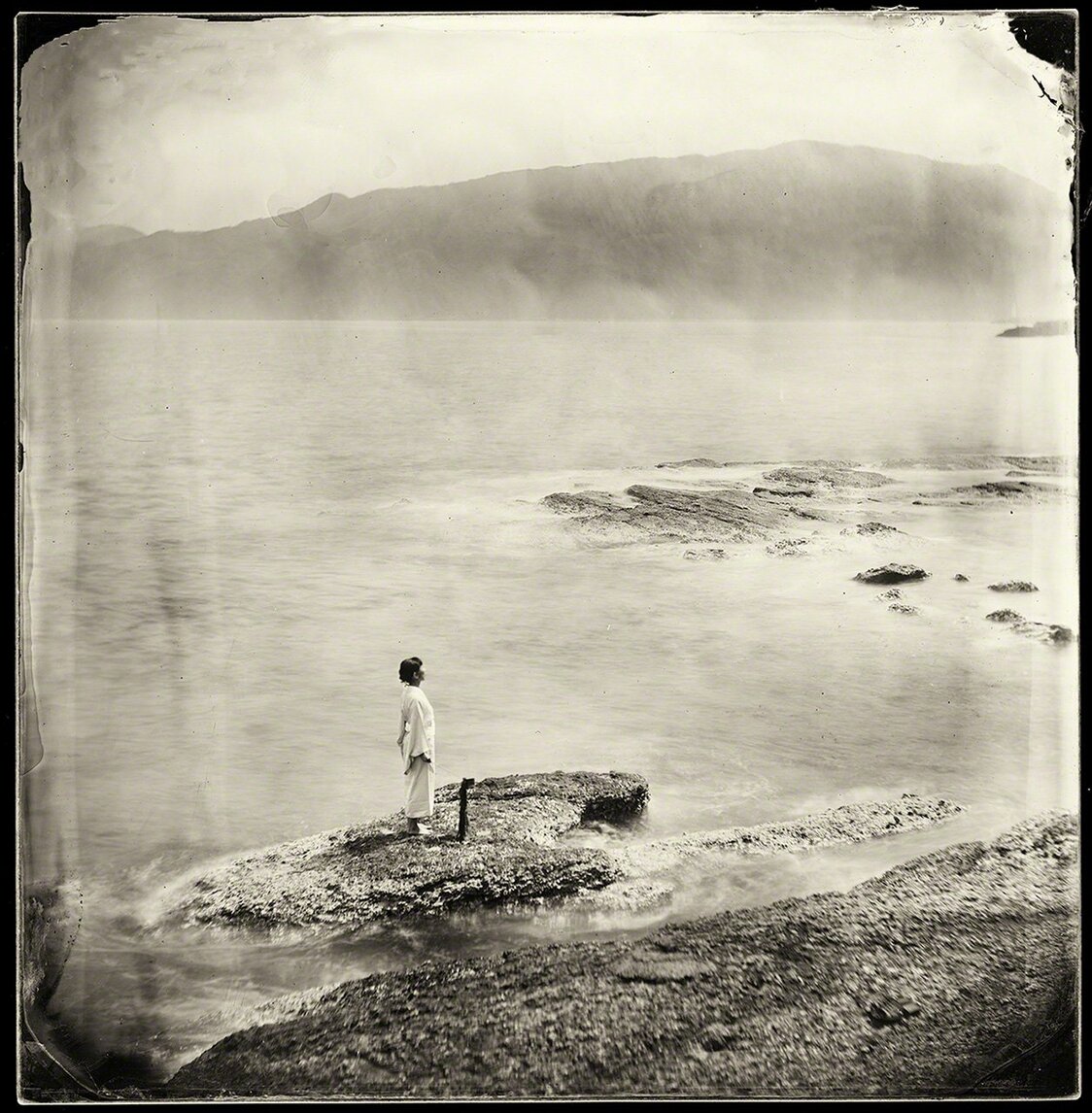
A young woman performs an ancient water purification ritual on the Shimane Peninsula.
-
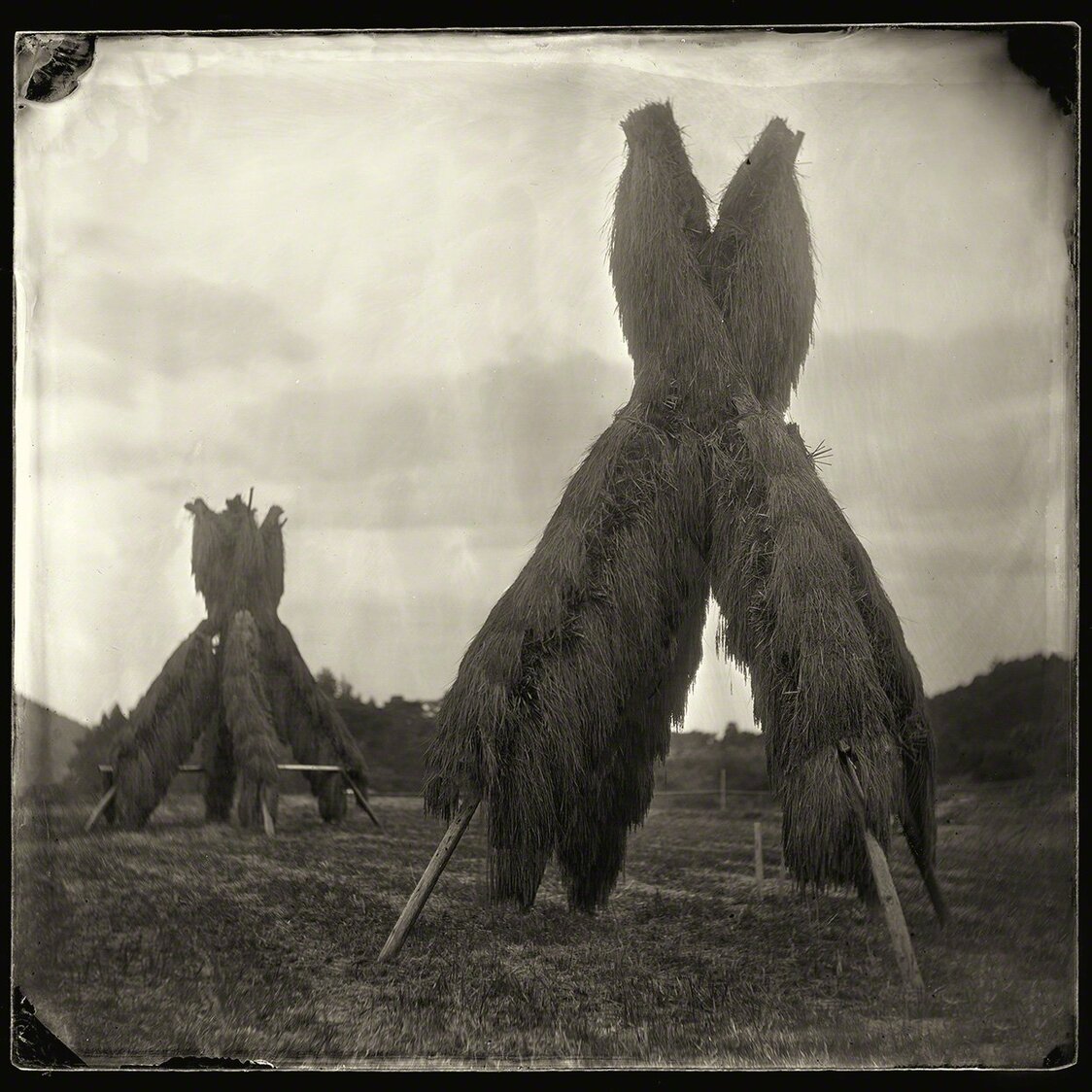
>Rice bundles drying on wooden structures that are believed to resemble owls, a symbol of good luck and longevity.
-
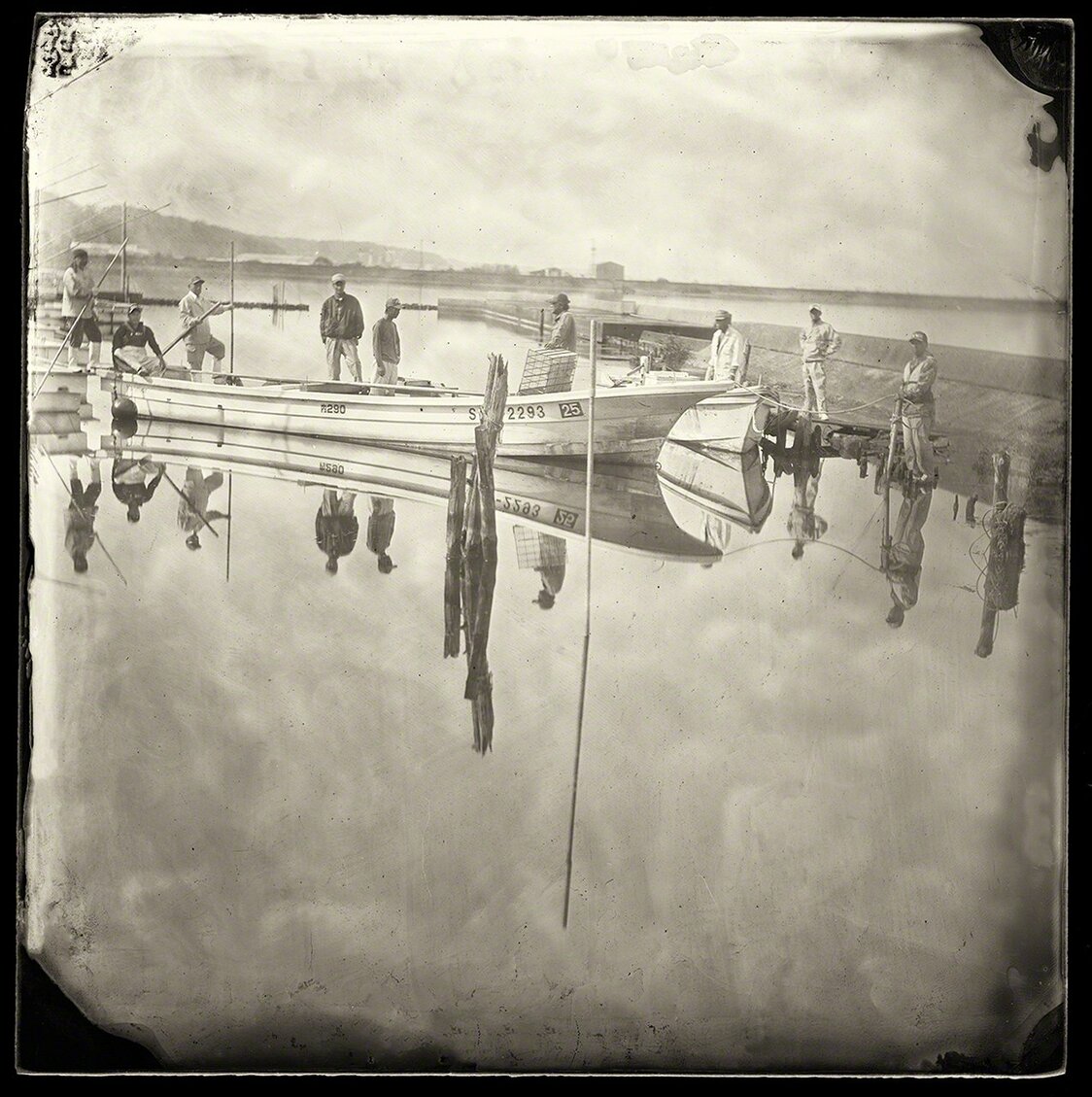
Clam fishermen at a port at the southwest corner of Lake Shinji, renowned for its shijimi clams.
-
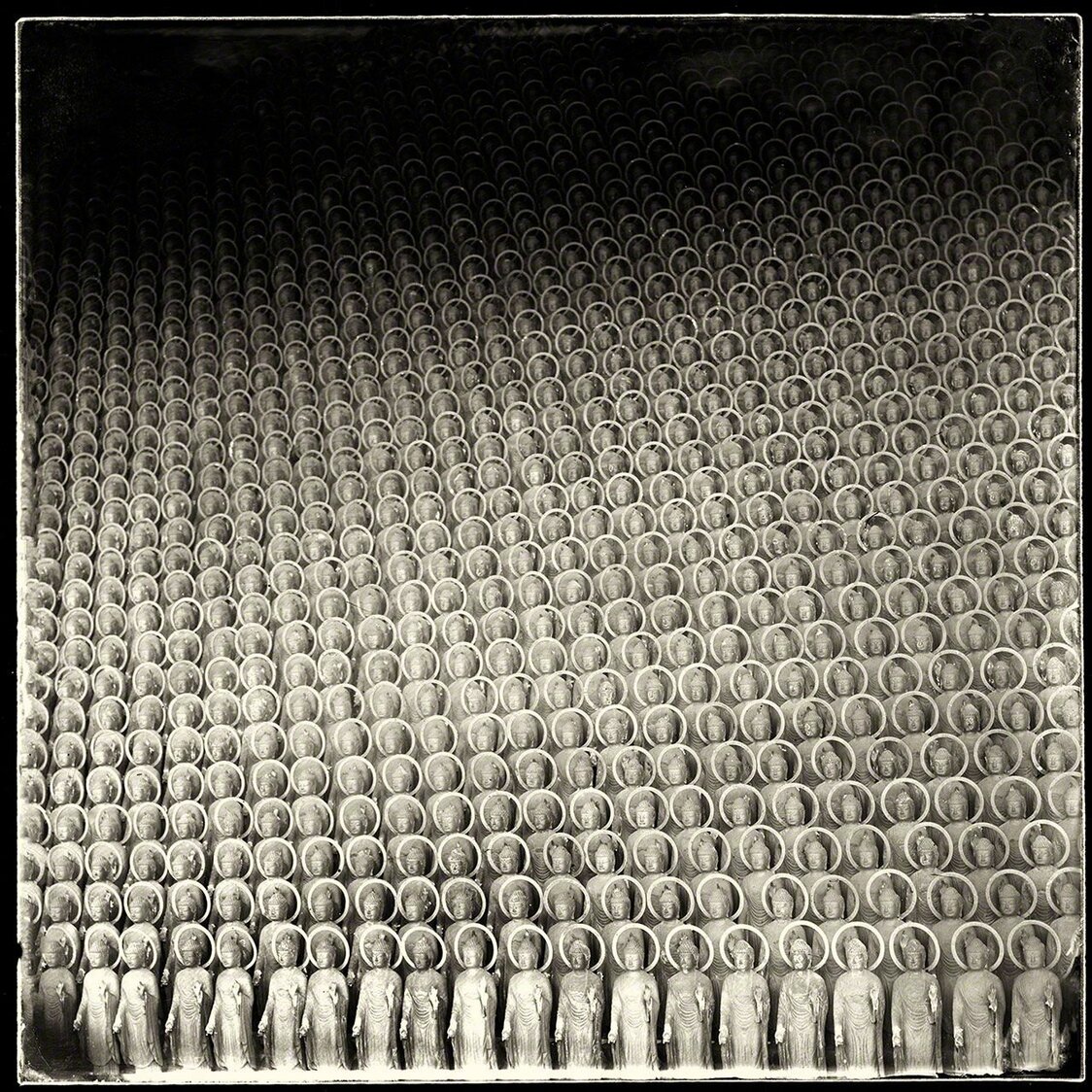
A view of the 84,000 Buddhist statues at Izumo’s Ichibata Yakushi temple. Worshippers come to the temple to heal eye ailments.
-
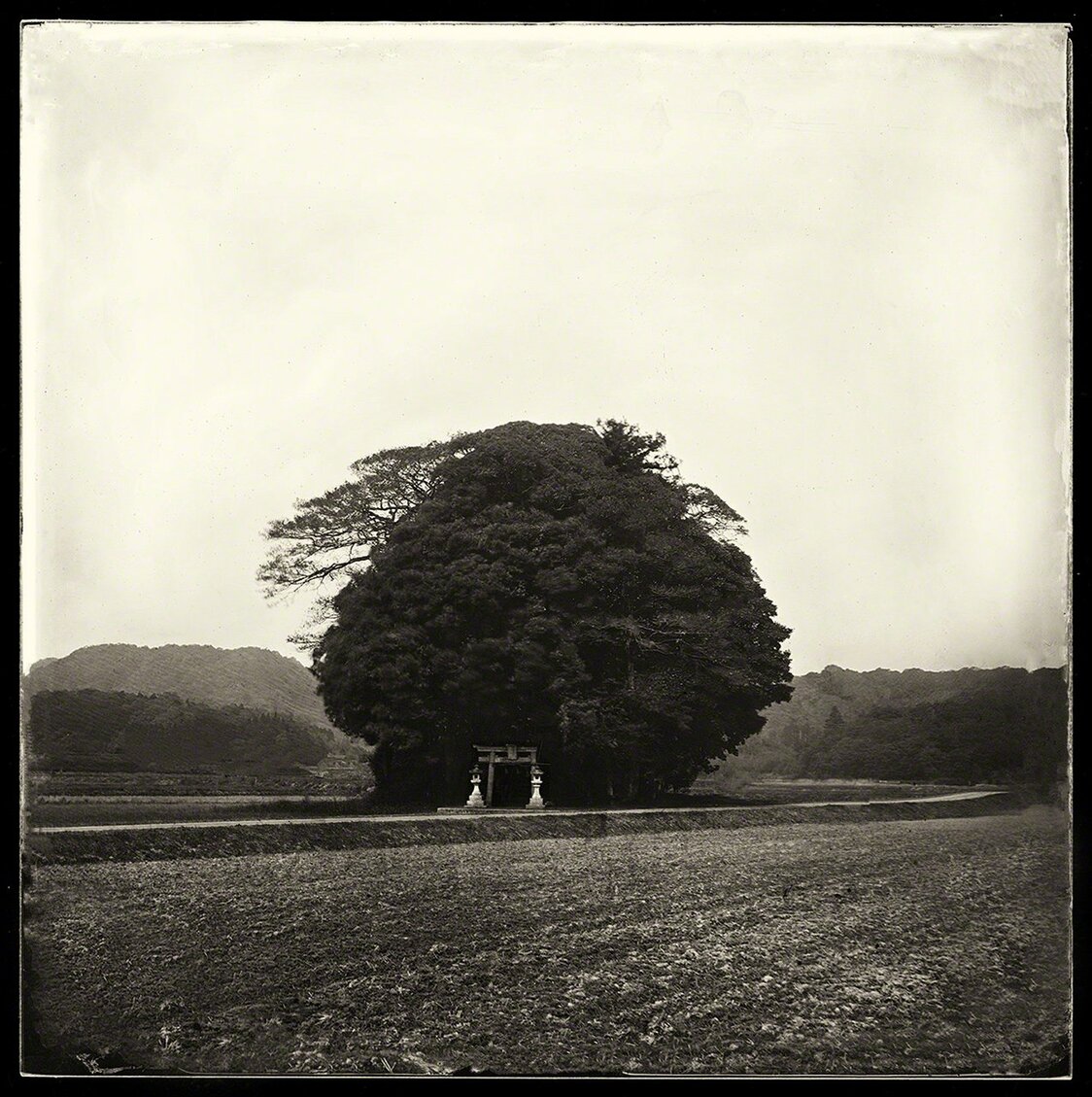
An ancient burial mound in a rice field. According to local legend, the voices of spirits can be heard in the trees.
-
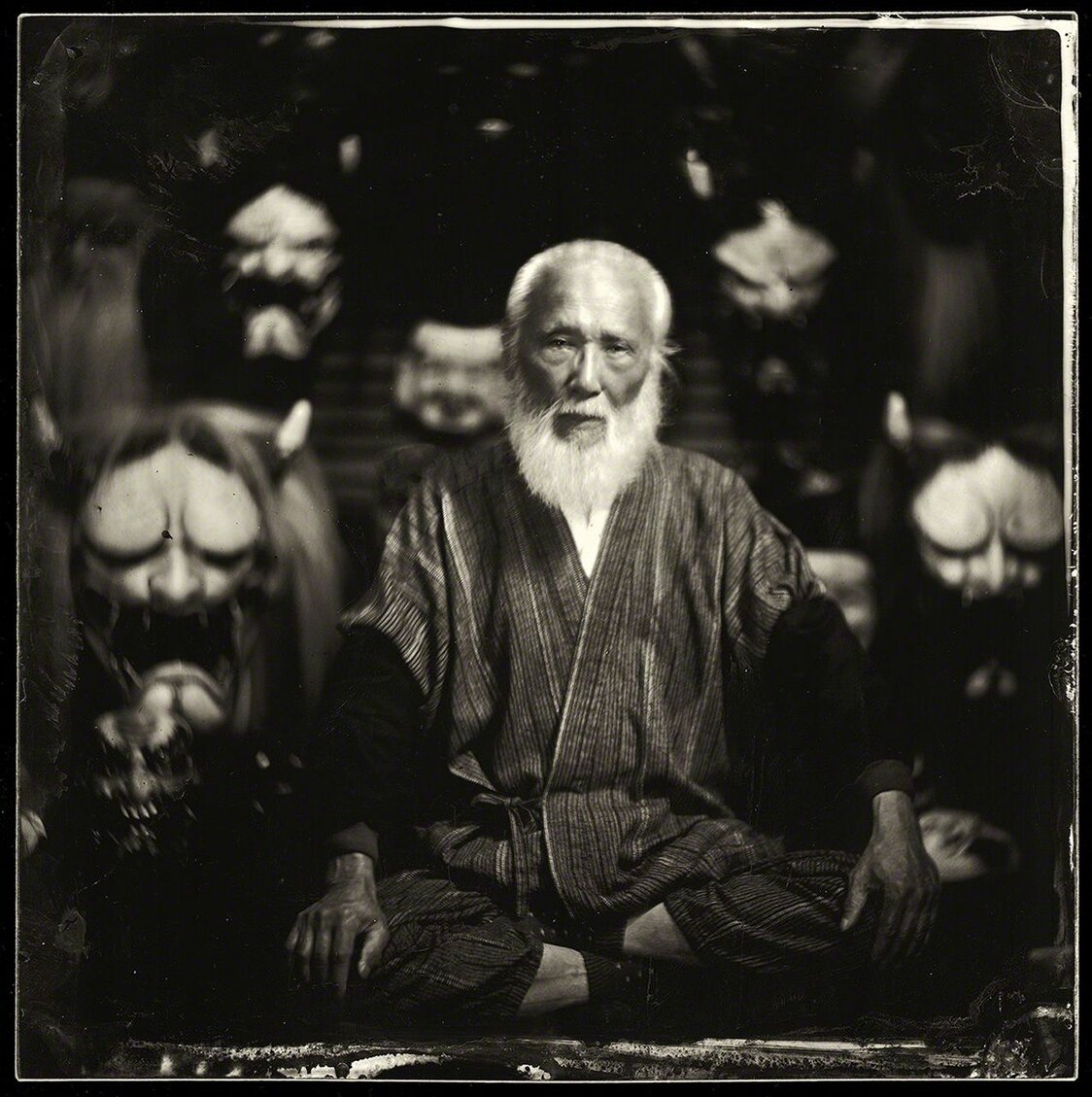
A kagura dance mask maker in the Iwami region.
-
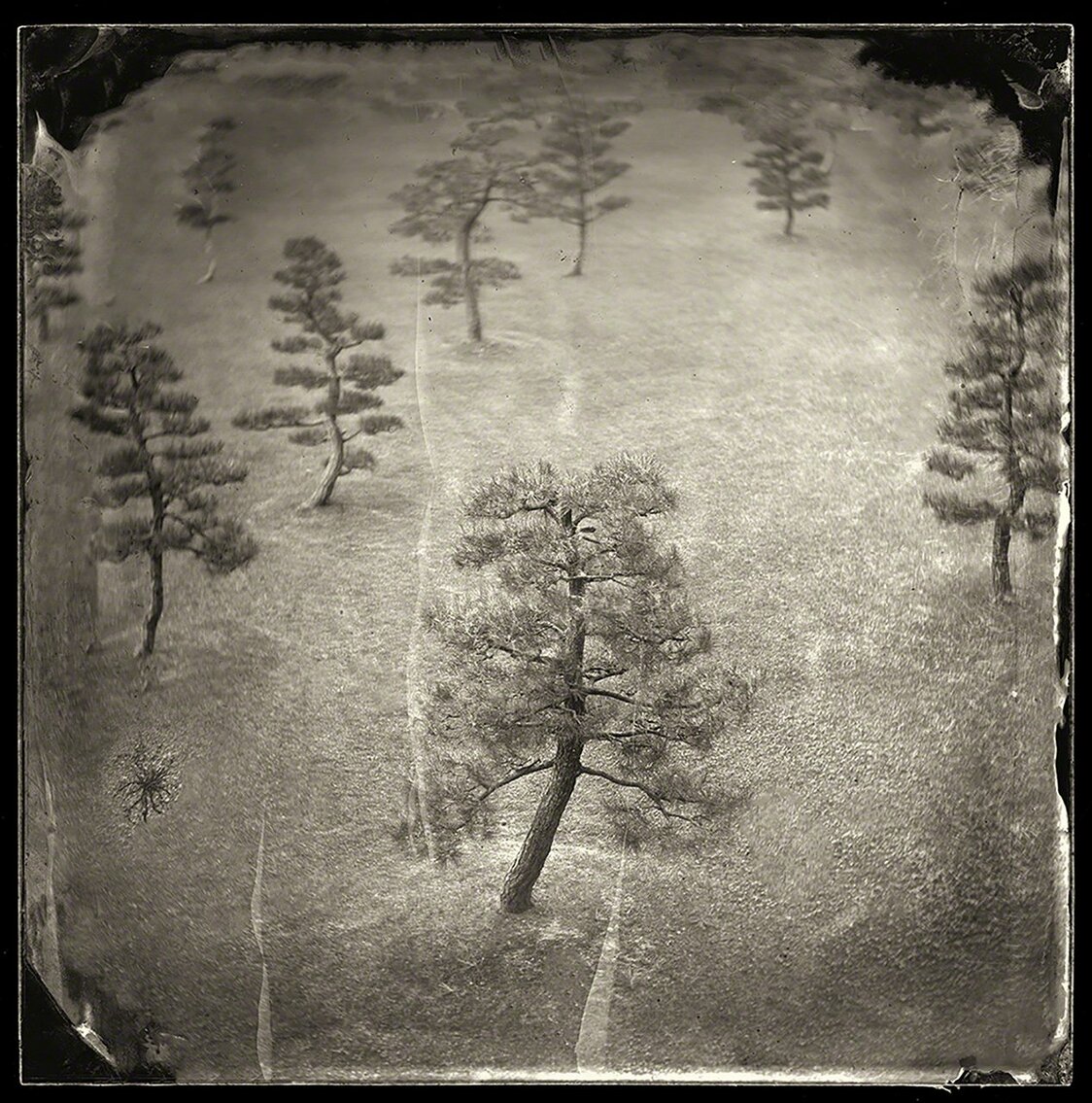
Pine trees on the grounds of Matsue Castle.
-
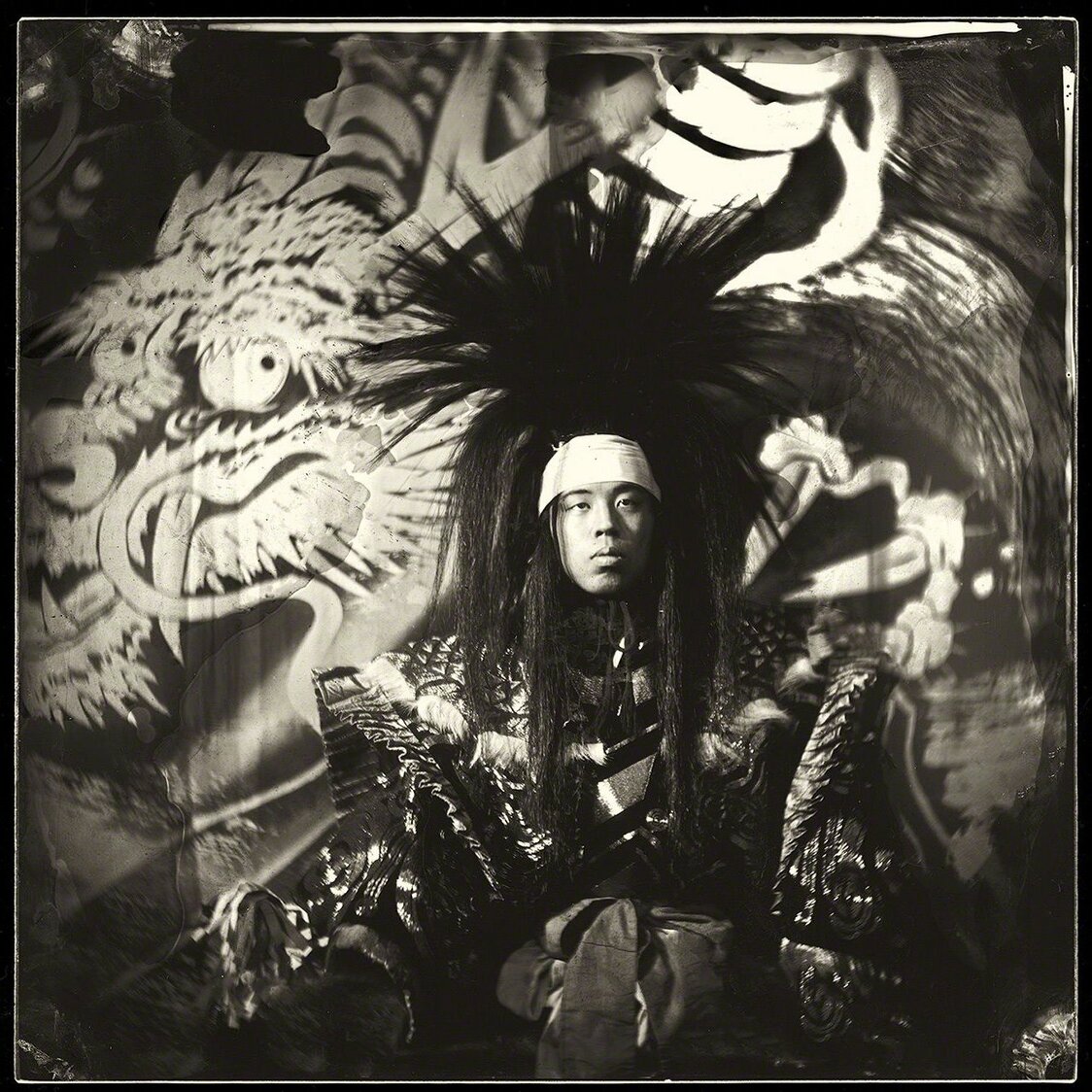
A young kagura dancer. Trance dance is popular among young people and children in the Iwami region.
-
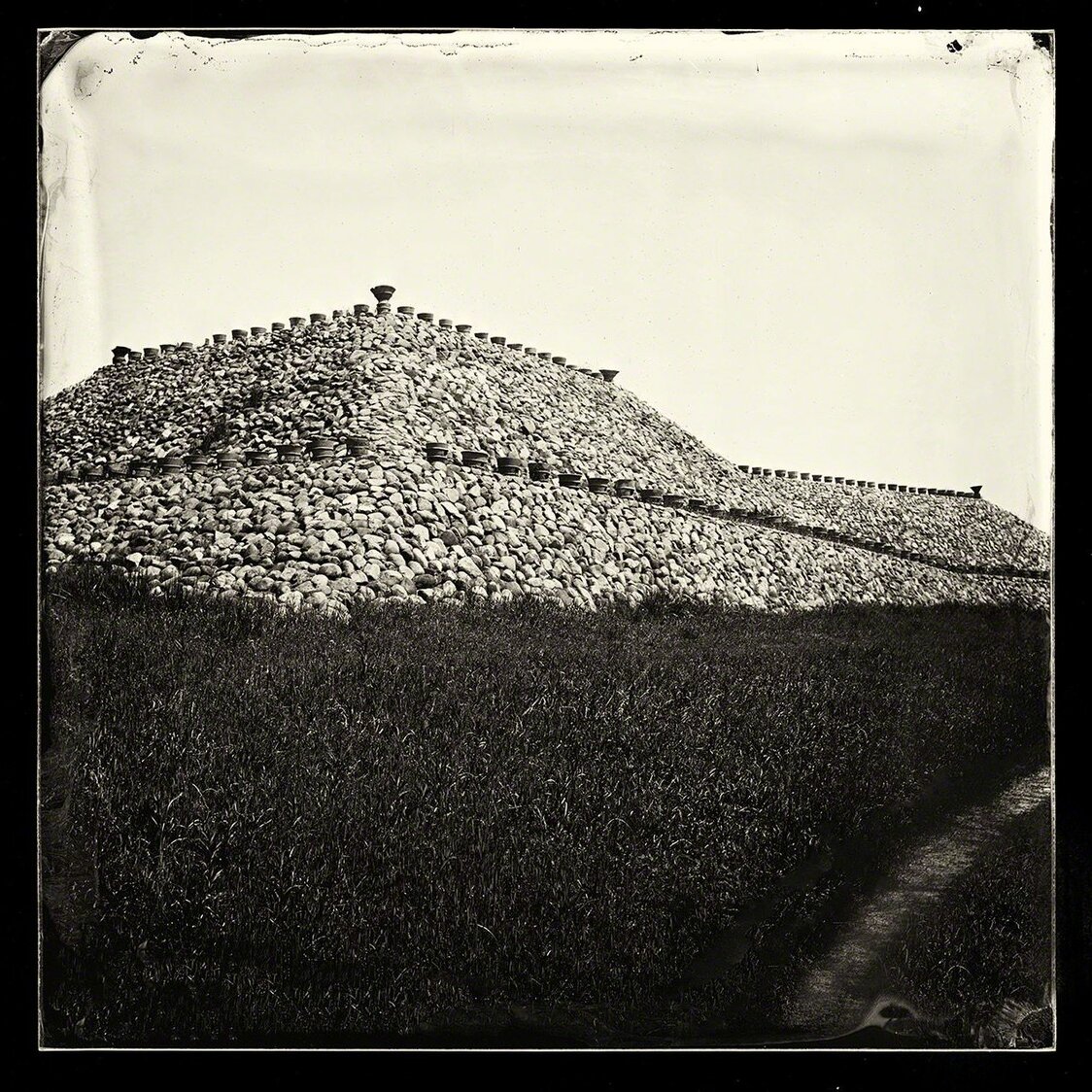
A late-fifth-century-style grand burial mound overlooking Lake Shinji.
-
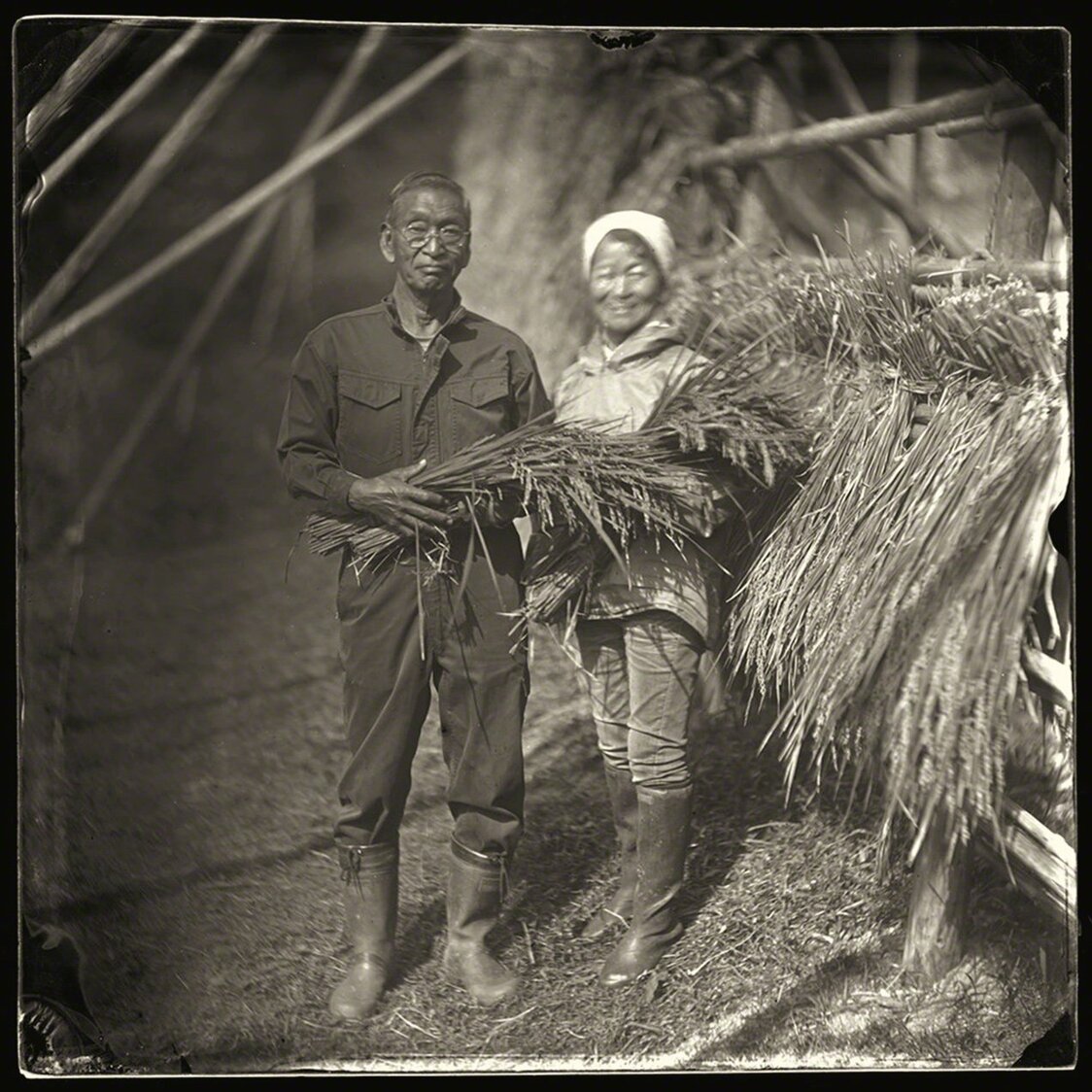
A farmer couple harvesting heirloom organic rice in the Izumo region.
-

A rice farmer planting seedlings in a rice paddy in the mountains of Izumo. The region is one of the oldest rice-producing regions in Japan.
-
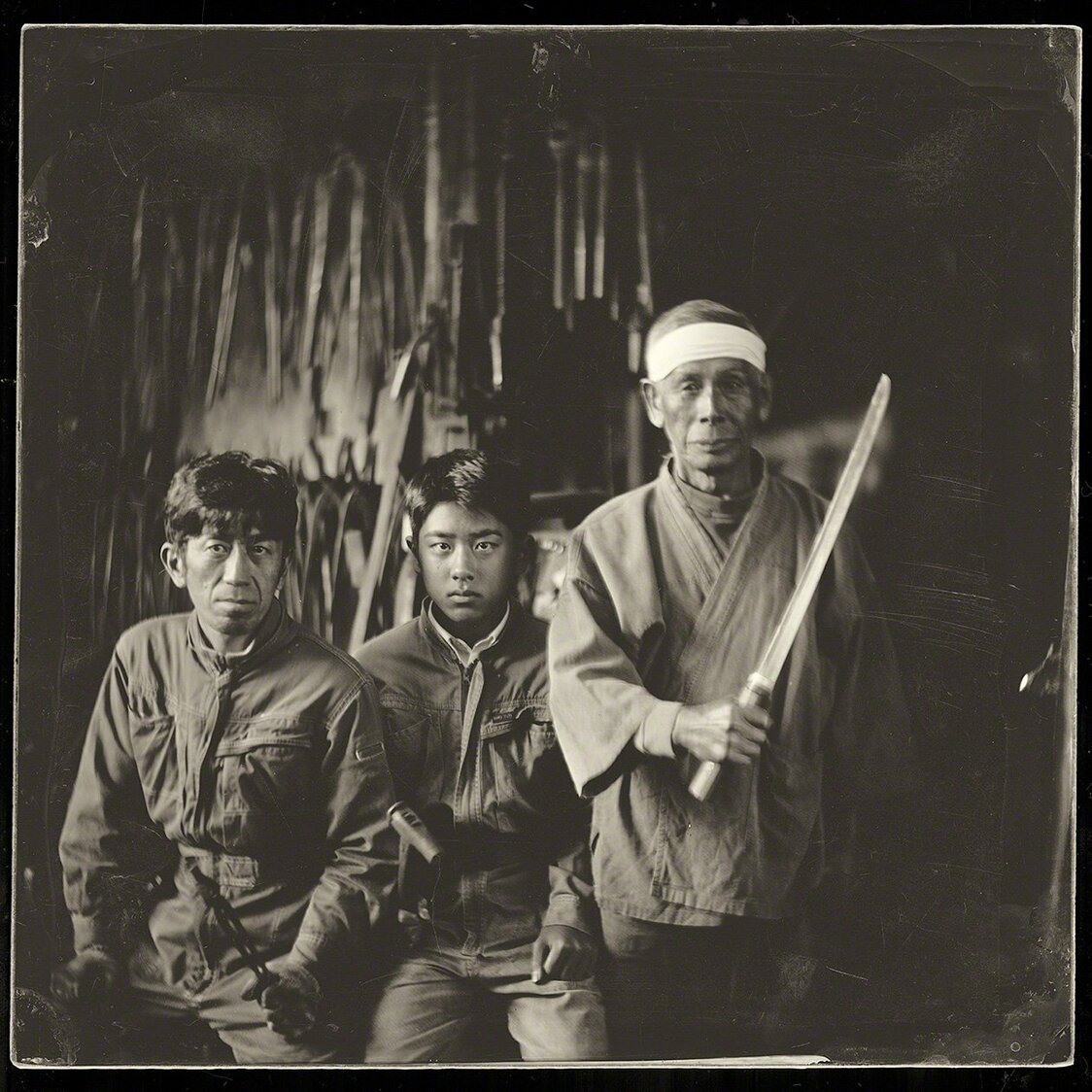
Three generations of blacksmiths in the nearby city of Yasugi. The region is renowned for iron smelting and fine sword craftsmanship.
-
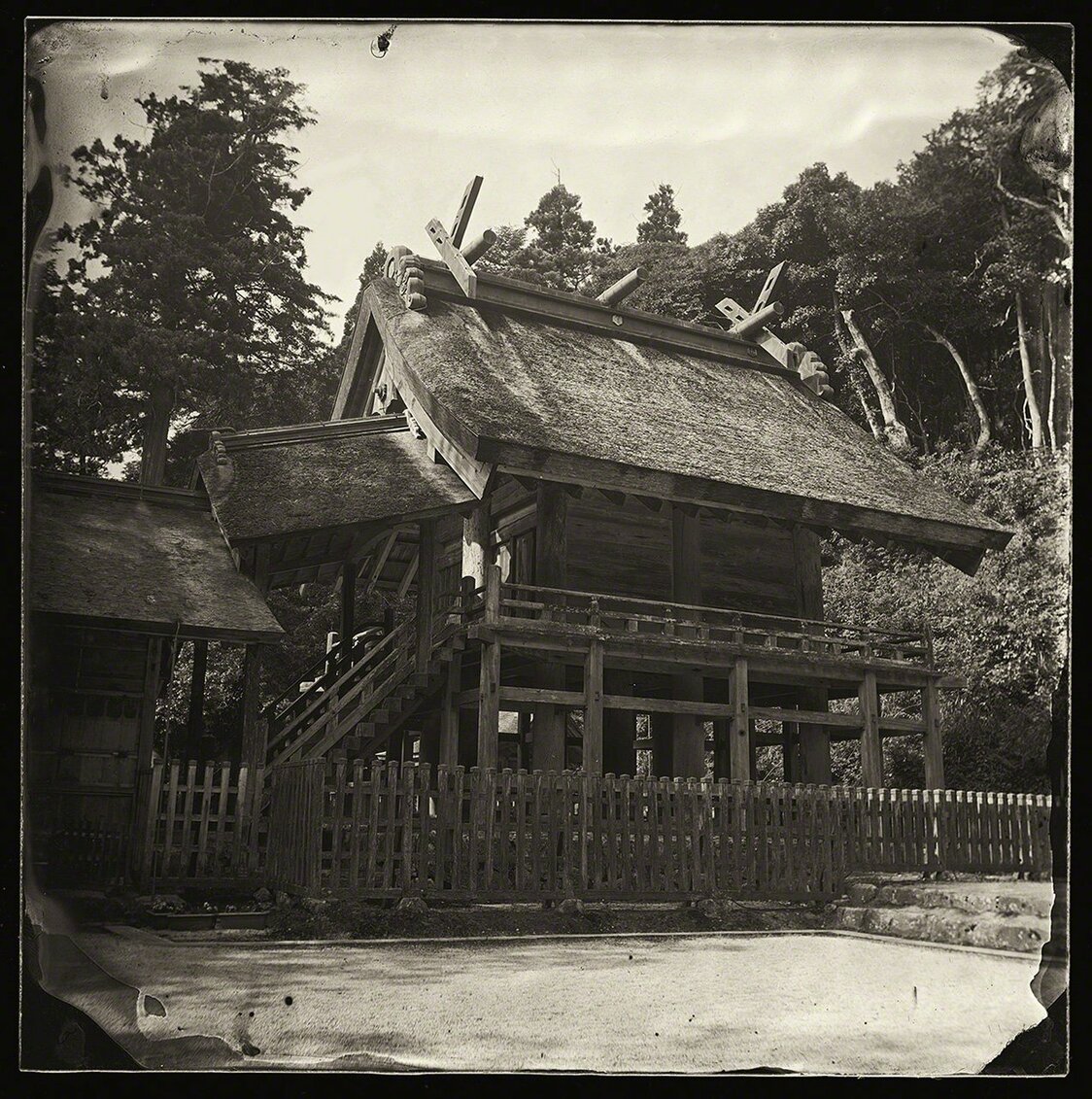
Kamosu Shrine in the city of Matsue. The Shintō shrine is example of one of the oldest architectural styles in Japan.
-
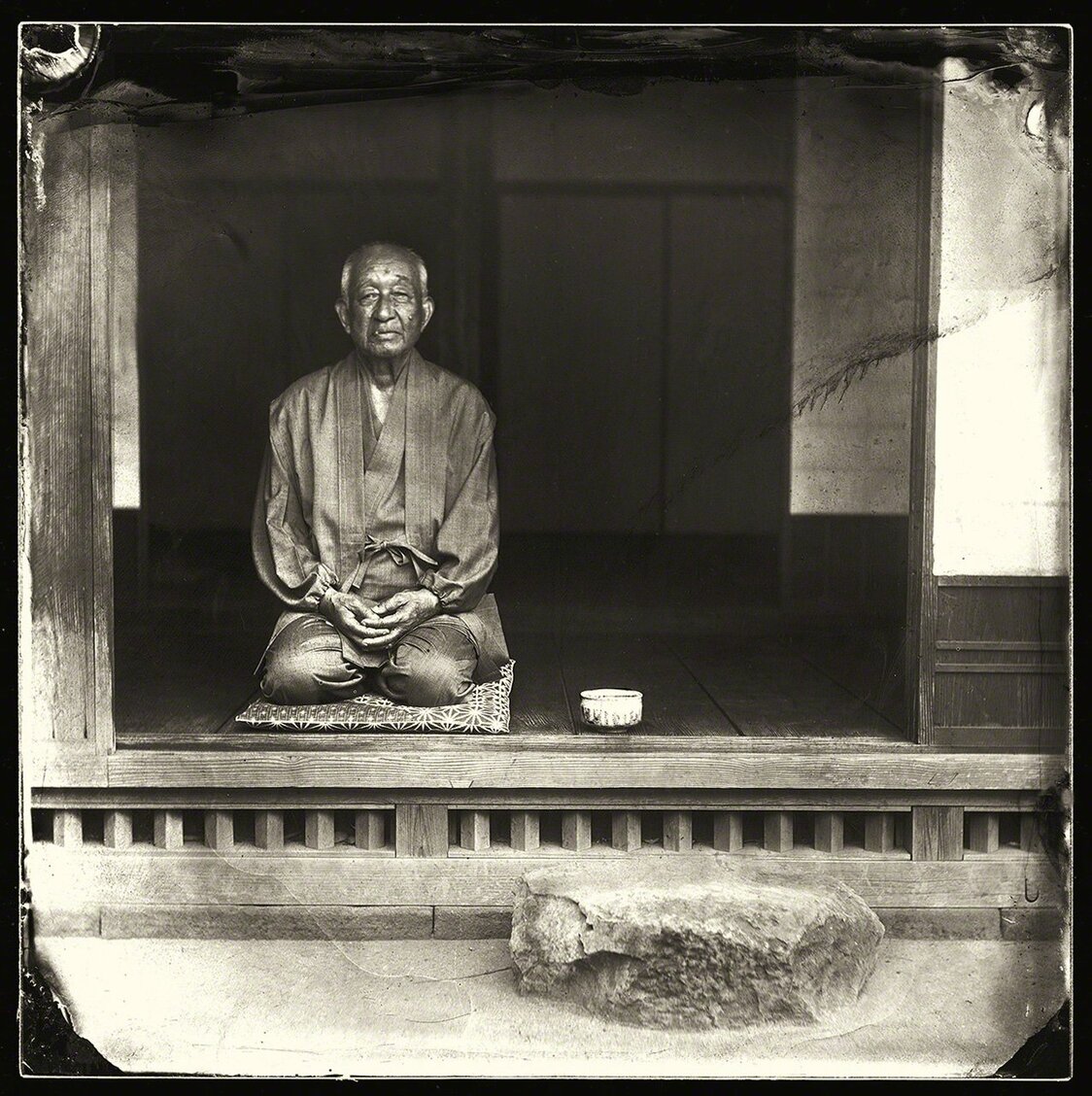
The local historian and storyteller Fujioka Daisetsu. His stories of the Izumo region were a major inspiration for this photography project.
-
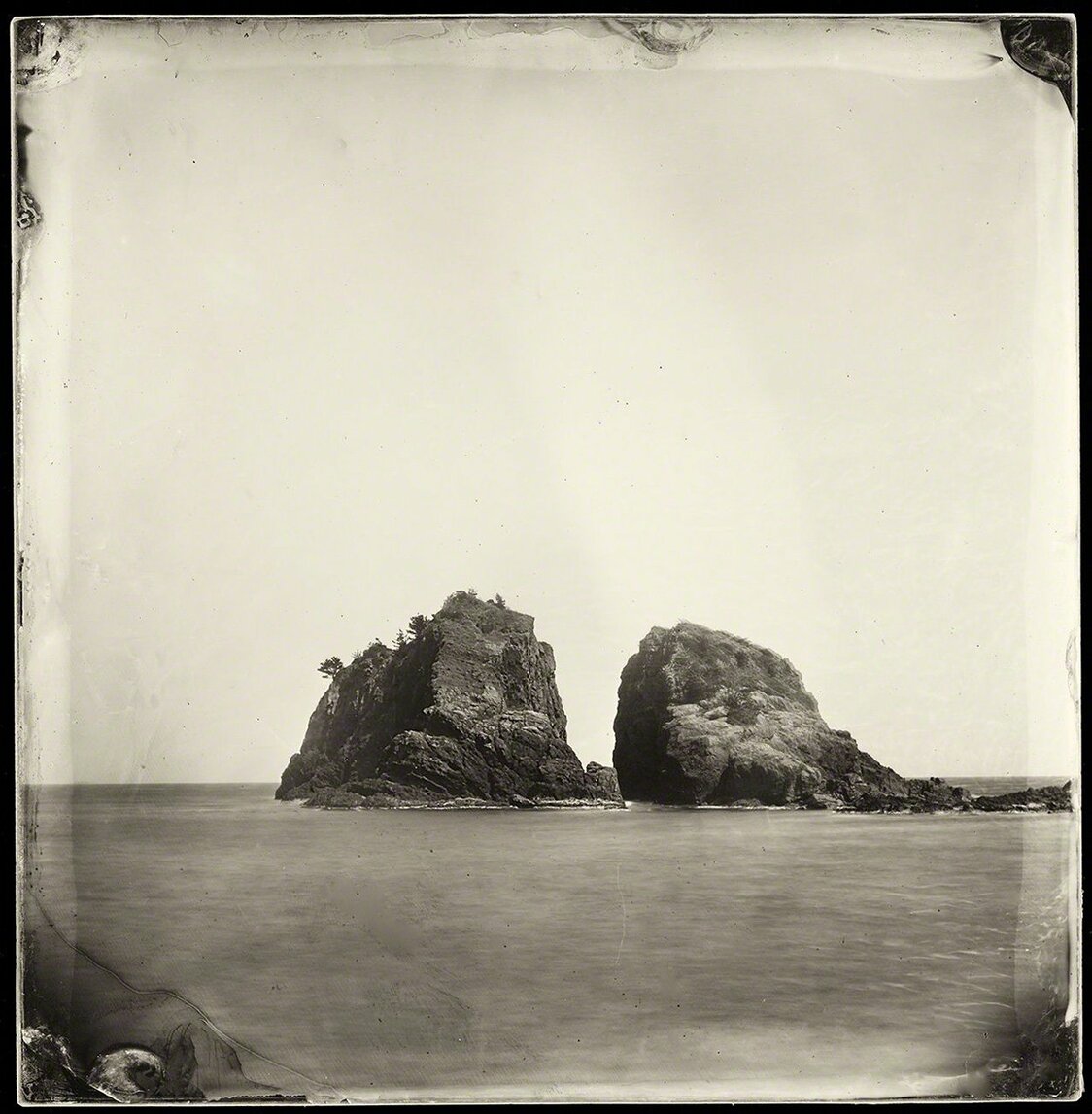
Sacred rocks on the Shimane Peninsula, said to represent male and female energies.
-
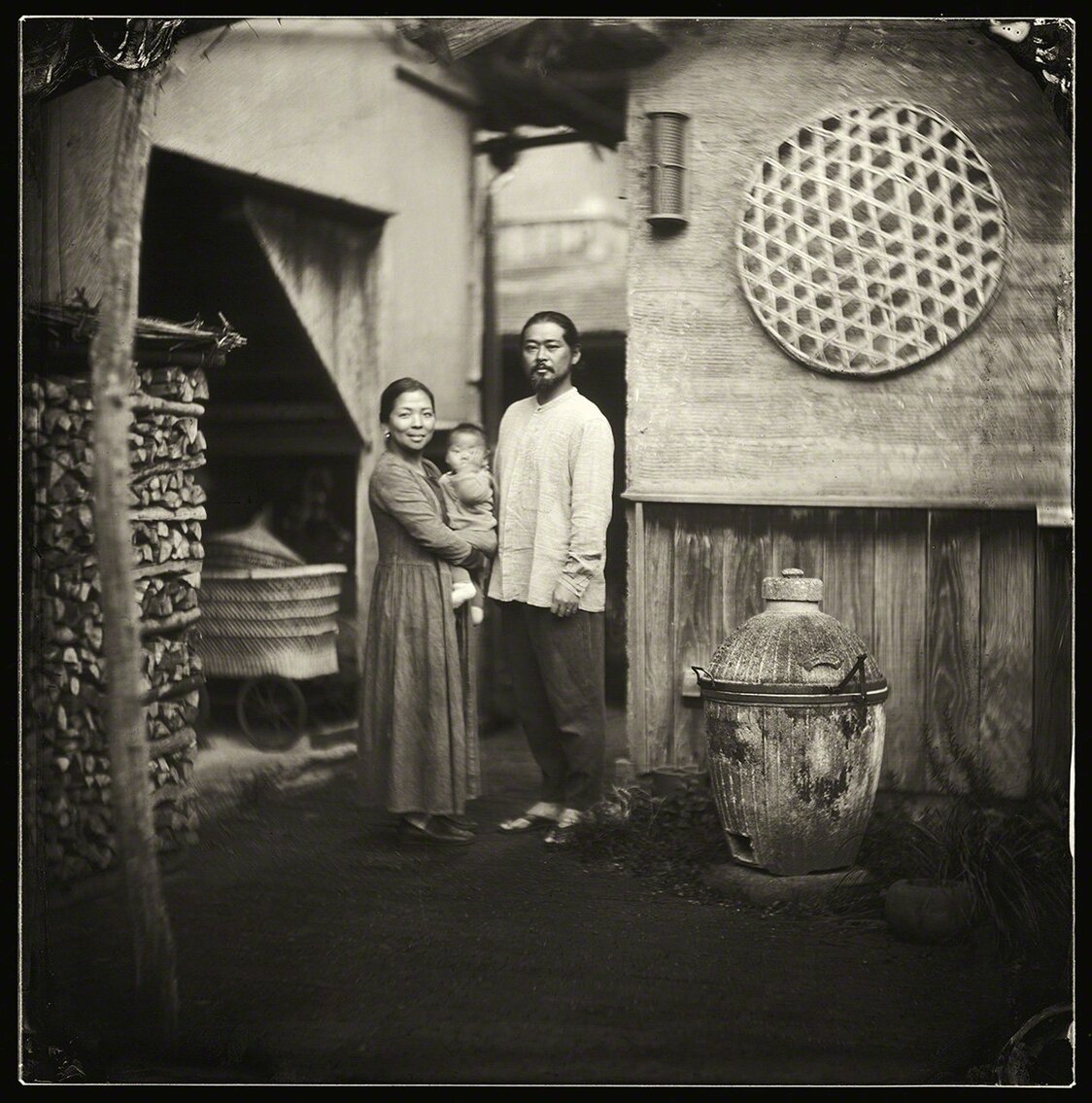
A young family in the city of Ōta, just southwest from Izumo, home to the silver mine Iwami Ginzan. The place is a World Heritage Site and a center for young people living an “archaic future.”
-
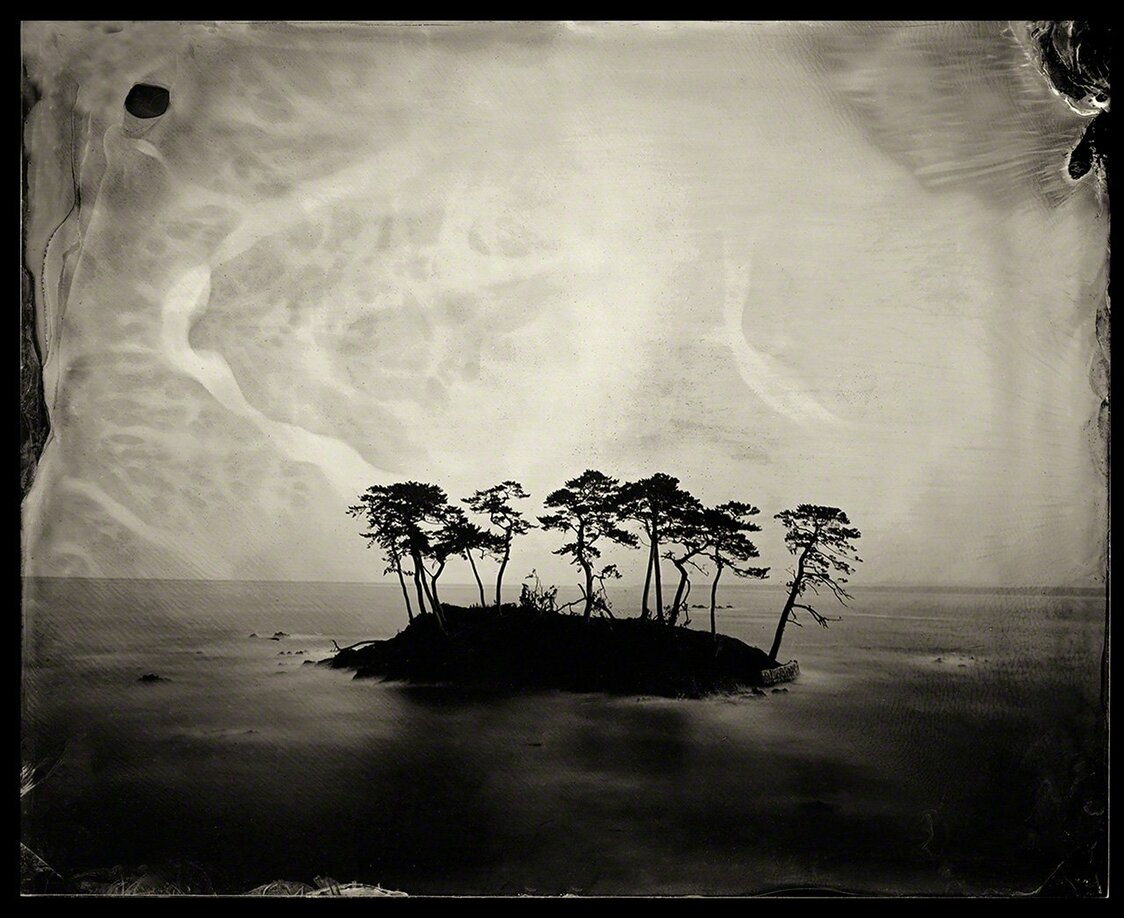
A pine-forested island. The Izumo region is renowned for its beautiful pine trees, which represent longevity and rebirth in Japan.


 Read in other languages