
Higan: Japan’s Buddhist Equinox Holiday
Guideto Japan
Culture Lifestyle- English
- 日本語
- 简体字
- 繁體字
- Français
- Español
- العربية
- Русский
The Distant Shore
Higan, marked in the periods around the spring and autumn equinoxes, is a Buddhist holiday when people pay respects to their ancestors. In Buddhist teachings, Higan (literally the “distant shore”) originally referred to the ideal state one strives for through enlightenment. Scriptures describe the Pure Land of paradise as lying “in the west,” and the Pure Land is believed to be closest when the sun rises due east and sets due west at the equinoxes. This led to the belief that spiritual practices and ancestral offerings on these days were especially effective, which is why many people visit family graves during this period.
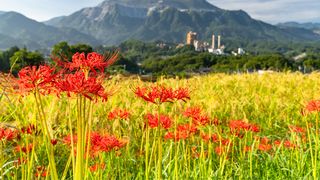
The Higan weeks start three days before each equinox and continue for the three days after. Botamochi and ohagi are traditional Japanese sweets that are enjoyed during the period. In autumn, higanbana (red spider lilies) are flowers associated with visiting graves. It is said that the end of Higan brings warmer spring or cooler autumn temperatures.
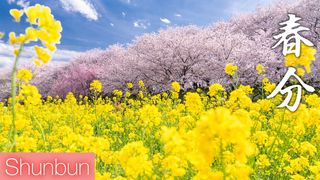
(Originally written in English. Banner photo © Pixta.)