Ten Exceptional Utensils from Kappabashi, Japan’s Kitchen
Onigiri Molds and Sushi Roll Mats for Beautifully Formed Japanese Cuisine in a Flash
Culture Guide to Japan Food and Drink- English
- 日本語
- 简体字
- 繁體字
- Français
- Español
- العربية
- Русский
No Shaping Needed
Onigiri, the humble rice ball, is becoming well-known overseas and fast gaining fans. As its name, deriving from the Japanese verb nigiru (“to grip”), indicates, the rice is traditionally shaped by hand. It is not unusual, though, to use a mold for efficiency and hygiene.
A wide variety of these molds are sold at Iidaya, a kitchen goods store in Kappabashi, the Tokyo district known for its wealth of cooking-oriented wares. Some of the foreign customers who come to Iidaya for these tools run onigiri shops overseas and make bulk purchases.
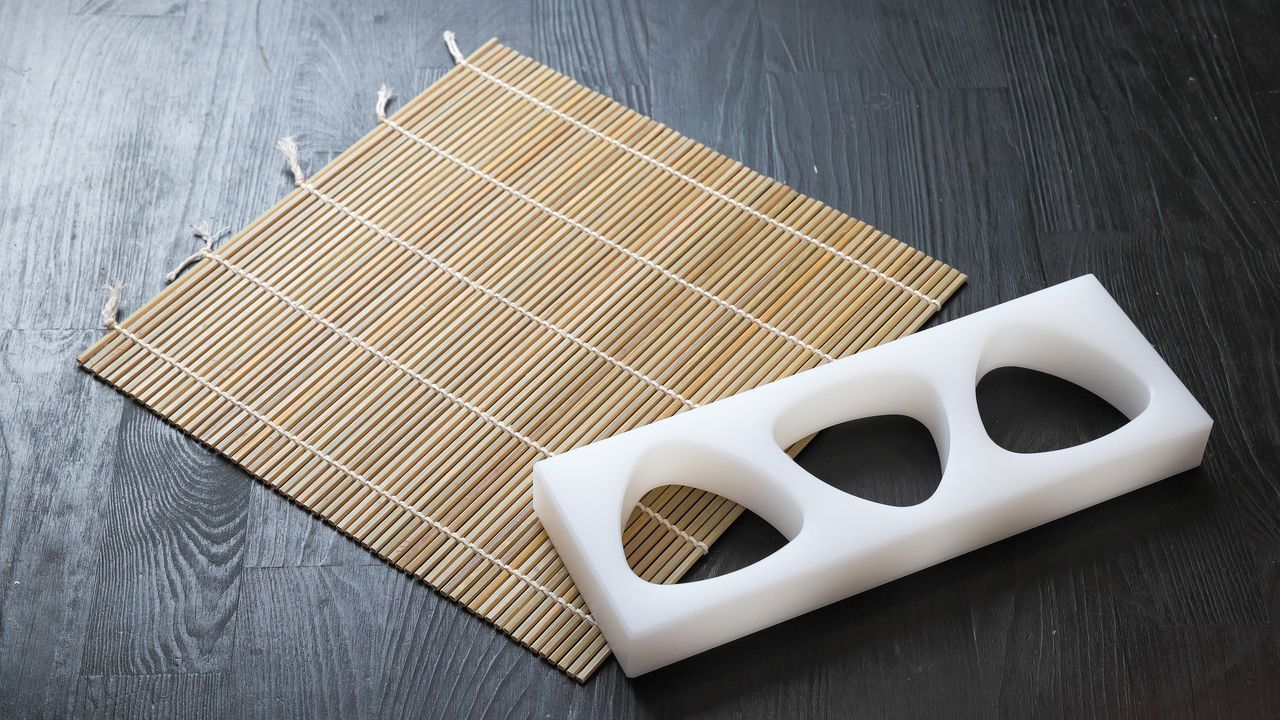
Using an onigiri mold is simple. Just fill it with warm rice, make a small indentation, add the filling, and then cover with more rice. All that’s left is to close the mold to complete the shape, pop the rice out of the mold, sprinkle it with salt, and wrap it in nori, and it’s ready to eat. Anyone can make perfectly triangular onigiri this way.
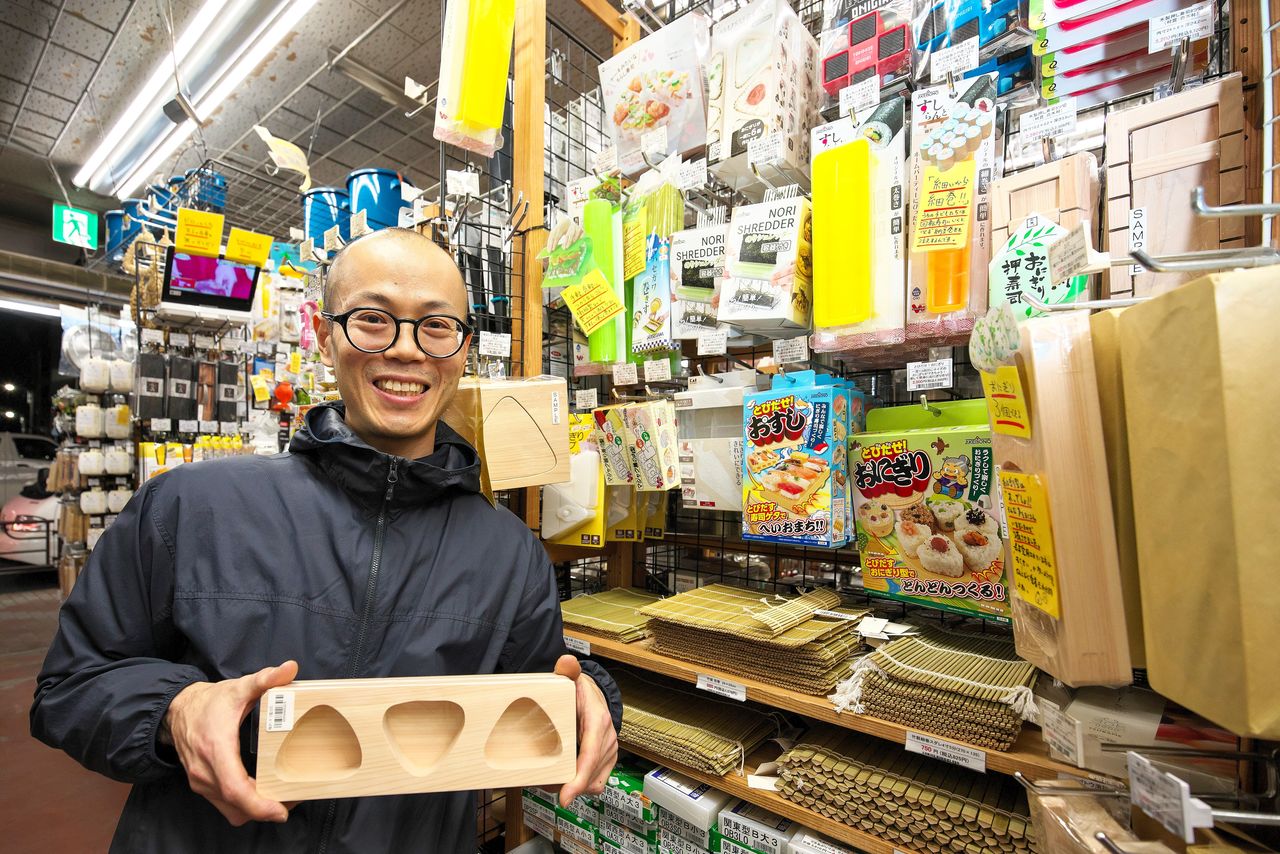
An Iidaya staff member in the section for onigiri molds and makisu sushi roll mats. (© Nomura Kazuyuki)
Many of Iidaya’s overseas customers are also interested in the unique Japanese culture of kyaraben (character bentō). Animal-shaped onigiri molds that come with nori cutters are a favorite.
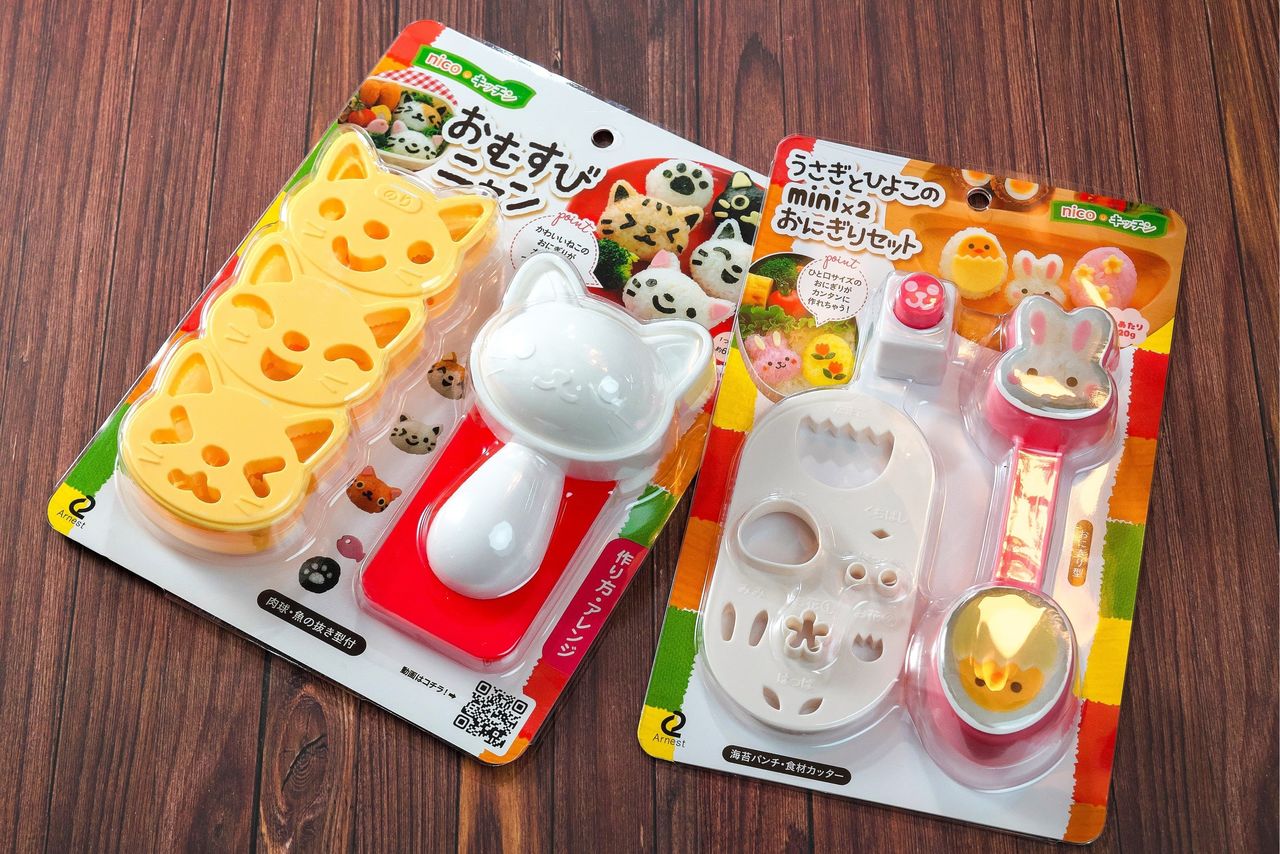
Molds for making cute animal-shaped onigiri. (© Nomura Kazuyuki)
An Essential Tool for Authentic Makizushi
Norimaki sushi rolls are also known worldwide, and many overseas customers come to Iidaya to ask about makisu bamboo mats. With a single mat, you can create all sorts of norimaki by adjusting how thick you make the roll. The su of makisu comes from sudare (a bamboo blind), referring to a mat made from bamboo strips woven together with string. Along with making norimaki, this mat is also handy for shaping freshly cooked dashimaki rolled omelet or squeezing excess moisture out of ingredients like daikon oroshi and boiled spinach.
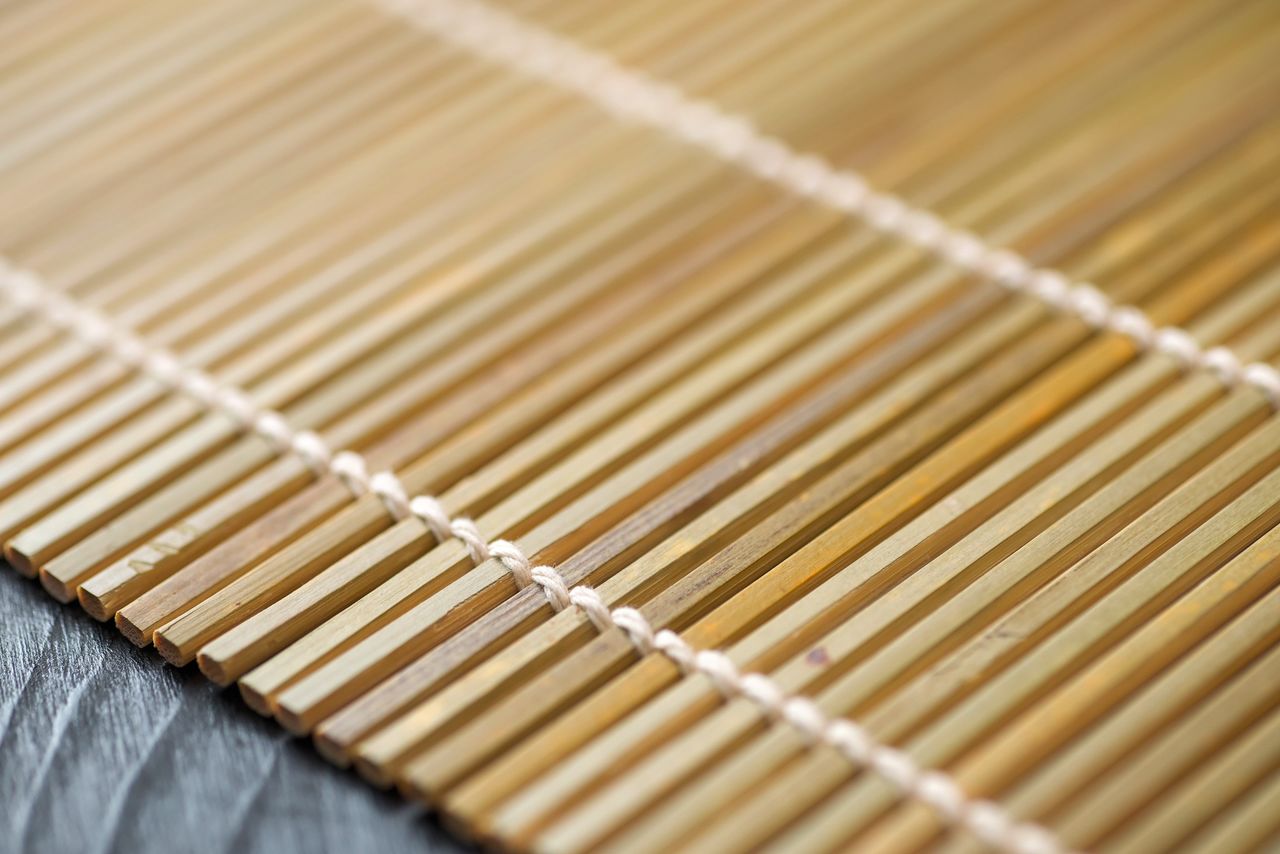
Neatly woven bamboo strips. (© Nomura Kazuyuki)
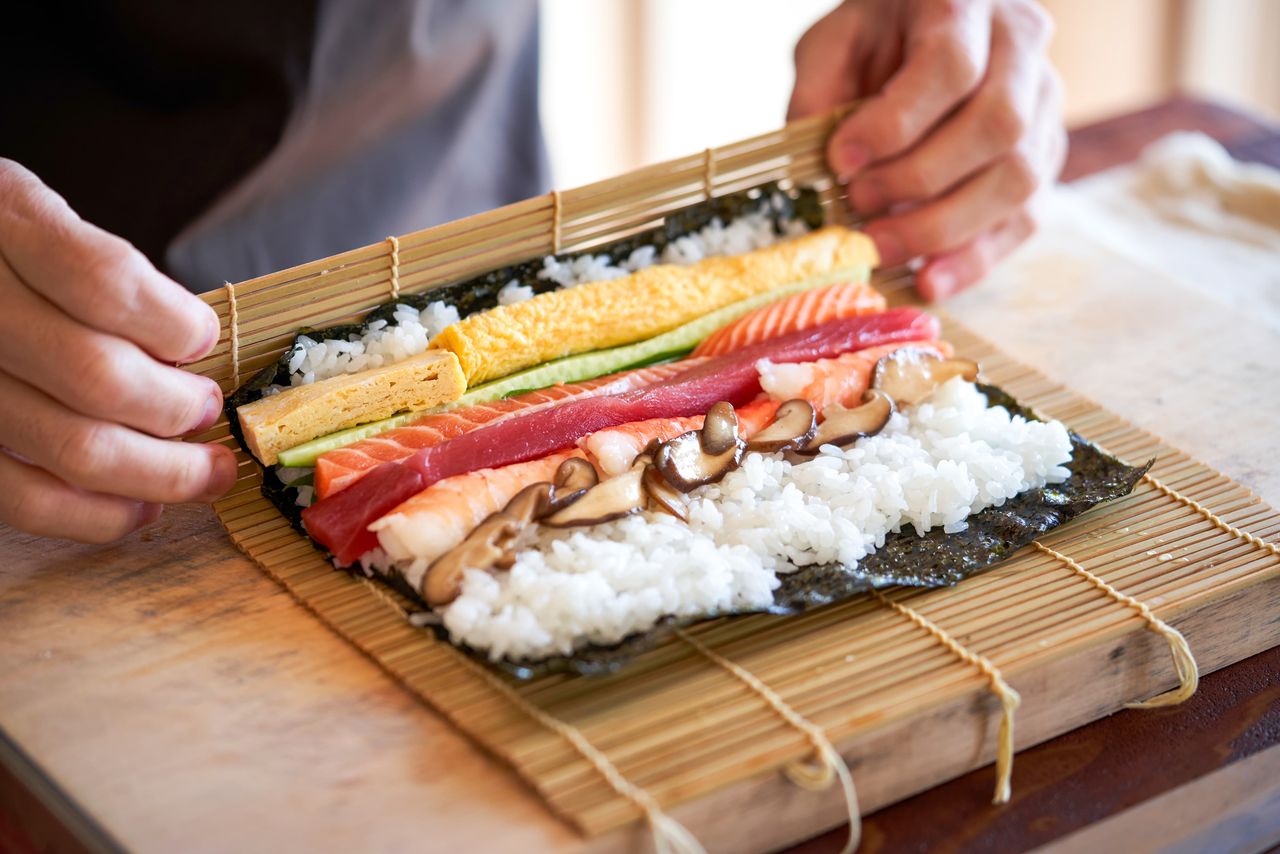
Place a sheet of dried nori on the mat, top it with rice and fillings, and then, pressing gently, roll everything up and away from you. (© Pixta)
Ten Utensils Sought by Overseas Visitors
- Oroshigane: Traditional Japanese Graters for Every Ingredient on Your Plate
- Suribachi and Surikogi: Function Meets Beauty to Create the Perfect Texture
- Onigiri Molds and Sushi Roll Mats for Beautifully Formed Japanese Cuisine in a Flash
- Japan’s Cutting Edge: Peelers, Slicers, and Scissors
- Tea Kettles and Strainers: Traditional Items with Surprising New Uses
- Pots Galore: Donabe and Yukihira Offering Quick Ways to Cook Every Day
- Frying Pans: Weighing the Choices Between Lifetime Use and Lightweight Cooking Action
- Bentō Essentials: From Tamagoyaki Pans to Nonslip Chopsticks
- Japanese Cutting Boards for the Kitchen and Table
- Innovative and Easy: Soy Sauce Dispensers and Miso Muddlers

(Originally published in Japanese. Banner photo: An onigiri mold and a makisu sushi roll mat. © Nomura Kazuyuki.)