Ten Exceptional Utensils from Kappabashi, Japan’s Kitchen
Bentō Essentials: From Tamagoyaki Pans to Nonslip Chopsticks
Culture Guide to Japan Food and Drink- English
- 日本語
- 简体字
- 繁體字
- Français
- Español
- العربية
- Русский
Demo Lessons Setting Customers on a Roll
The food cultures of the Kantō region containing Tokyo and the western Kansai region, home to Kyoto and Osaka, differ in many ways. These differences extend to everything including the simple tamagoyaki egg roll. In Kantō, it is usual to add sugar to make the thick, sweet atsuyaki tamago, while in Kansai, dashi stock is used to create the savory-tasting dashimaki tamago. Technically, they are rolled differently, too. What they both have in common, though, is the square pan designed specifically to make them.
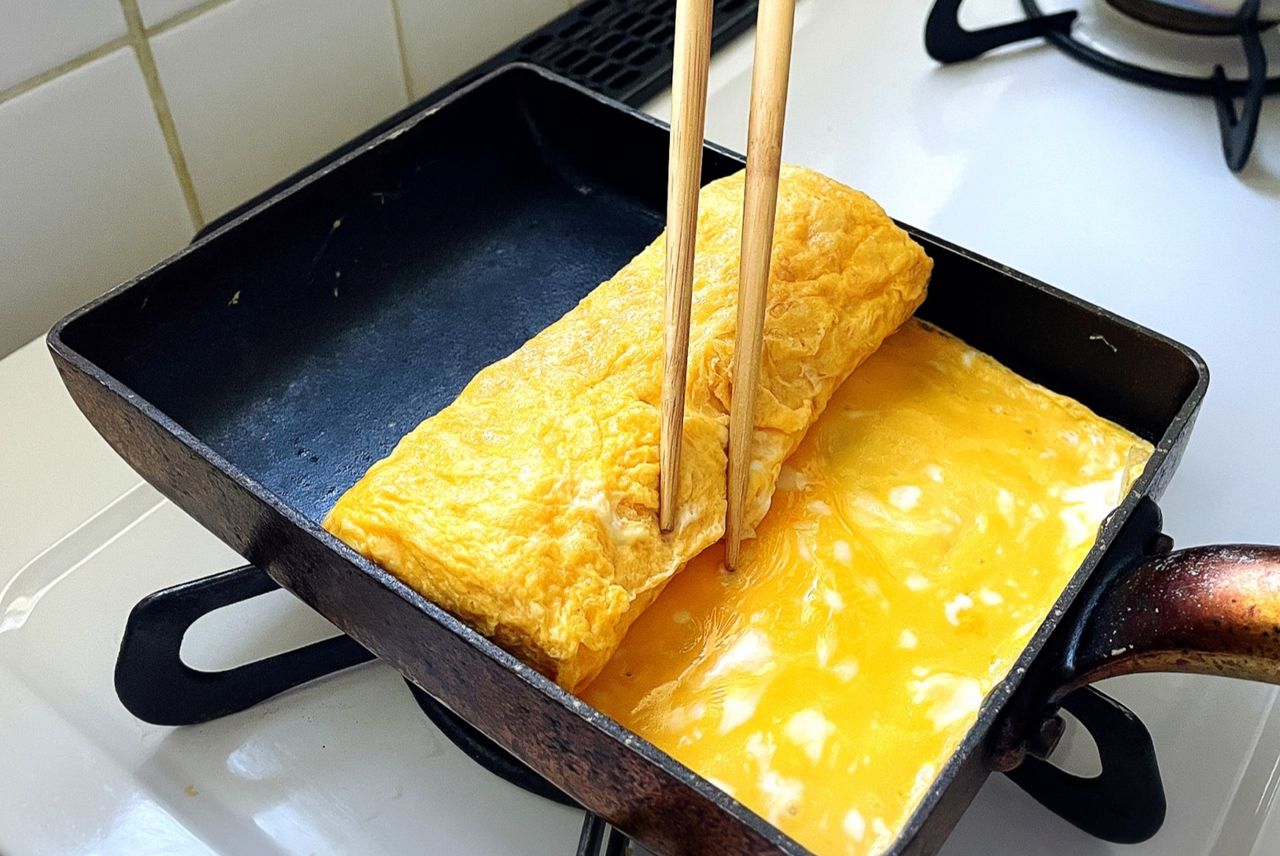
The beaten egg mix is poured into the pan in several small batches, and the egg is folded over as it cooks to form a roll. (© PhotoAC)
According to Iida Yūta, the sixth-generation owner of the kitchenware shop Iidaya in Tokyo’s Kappabashi district, inbound tourists have recently become interested in taking demo lessons on how to make this treat, and tamagoyaki pans are selling well. Pans with a nonstick, easy-to-clean fluororesin coating are the easiest for beginners, with the ones rated highest for their durable coating being by far the most popular.
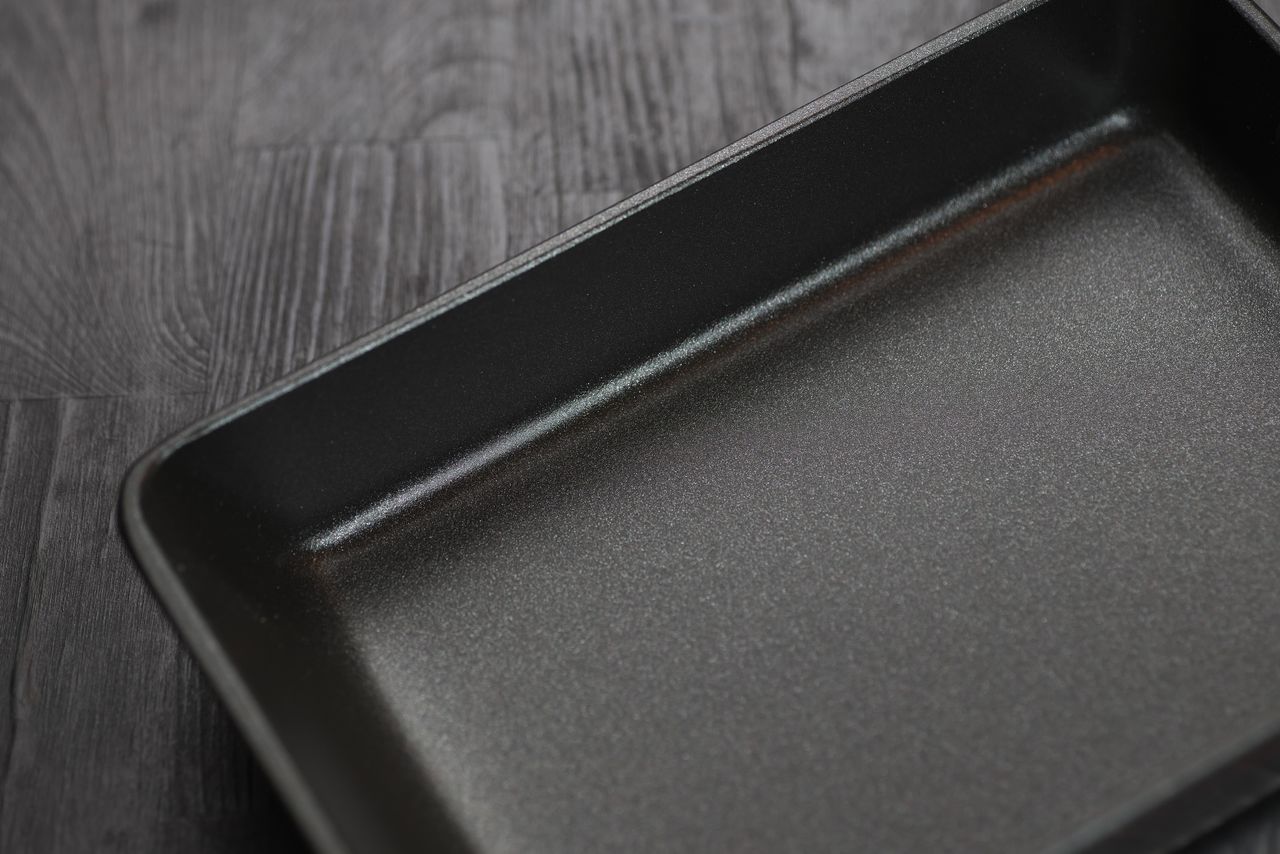
The side farthest from the handle is sloped, making it easier to fold the egg over into a roll. (© Nomura Kazuyuki)
Pro chefs, meanwhile, favor tamagoyaki pans made of pure copper. They have excellent thermal conductivity, so the egg mixture sets before the moisture evaporates, creating soft, fluffy egg rolls. “Another key point is that there is practically no difference in the temperature between the base and the sides,” Iida states. As the heat is evenly distributed from the sides too, the rolls can be cooked to perfection. Taking care of this kind of pan is more difficult though, so it’s recommended to use a tin-plated version when cooking at home.
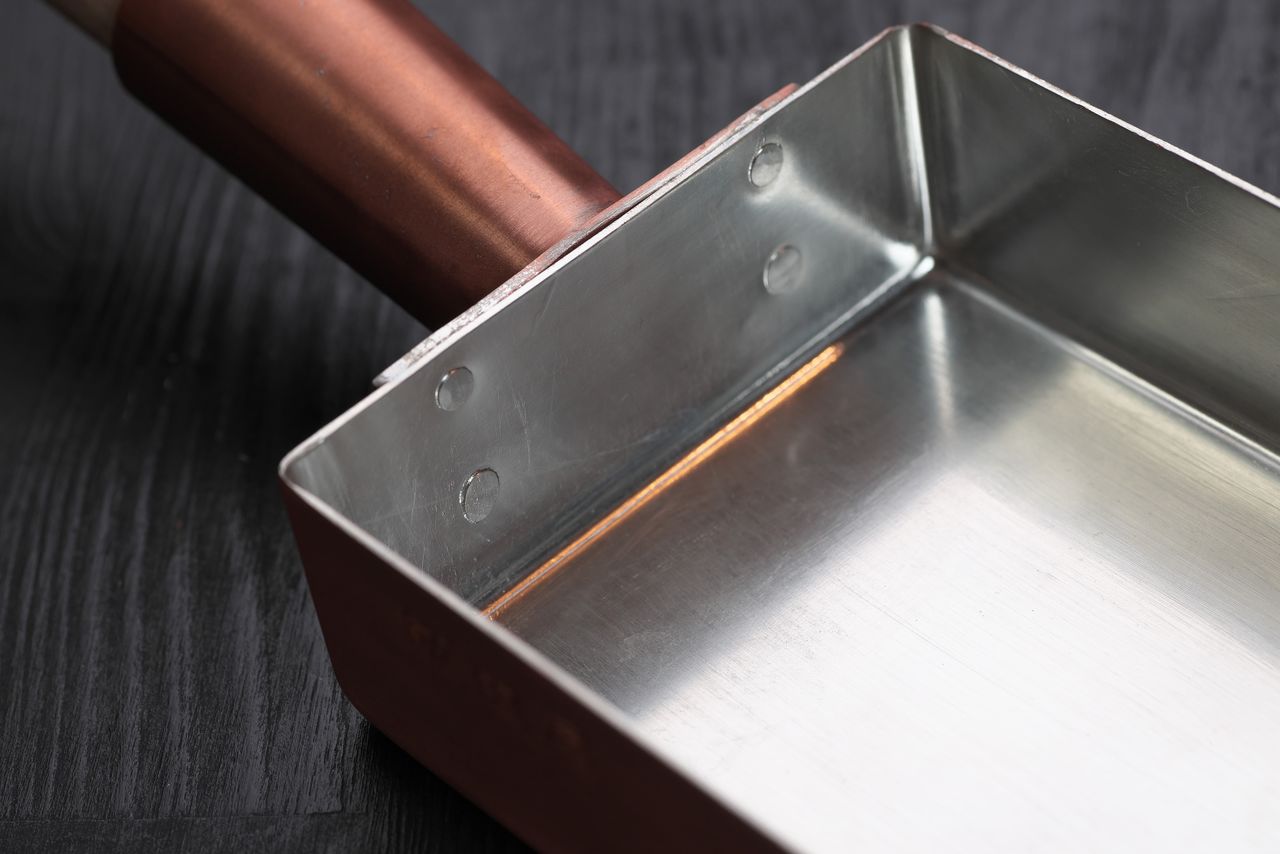
An originally designed Iidaya copper tamagoyaki pan, suitable for making a roll using four eggs. (© Nomura Kazuyuki)
Handy for Bentō Making
One of the unique, innovative products available at Iidaya is the Center Egg Triple Pan, which features three separate compartments. While the egg is cooking in the center section, other dishes can be made on either side. It saves on time and washing up, making this a handy utensil for preparing ingredients for bentō meals on busy mornings. With the increasing overseas interest in bentō culture, this item could become a global hit.
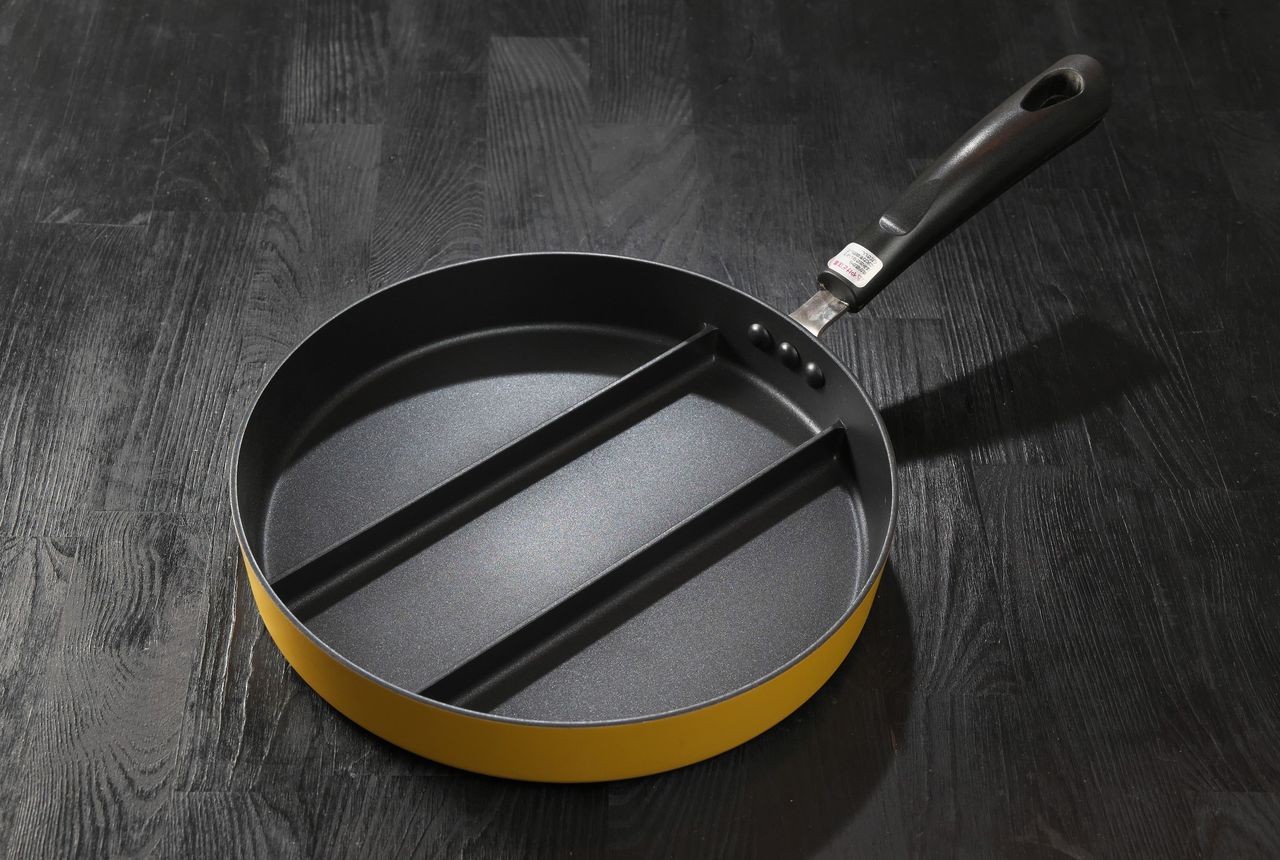
The center section is for making tamagoyaki. It’s just the right size for making a one-egg roll, perfect for fitting into a bentō box. (© Nomura Kazuyuki)
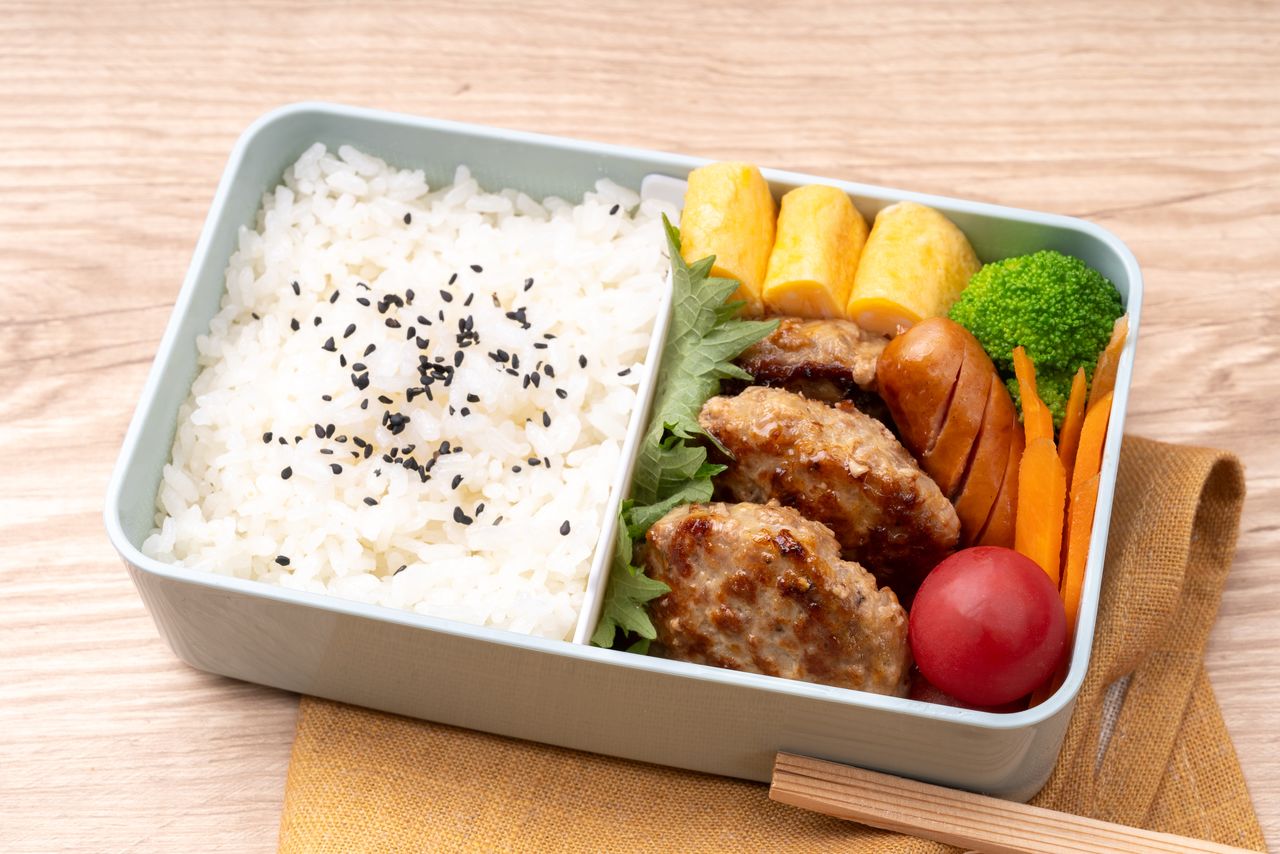
Three separate dishes can be prepared at the same time in one pan, letting you prepare a rolled egg, sausages, and mini hamburgers all at once for the lunch box. (© Pixta)
An essential item for making all kinds of Japanese cuisine, not just tamagoyaki, are saibashi cooking chopsticks. A particularly popular version at Iidaya is the Hontō ni Suberanai (“truly nonslip”) series, highly regarded as a product that even people not accustomed to chopsticks find easy to use. The tips have a special coating to let them grip slippery food like noodles and konnyaku.
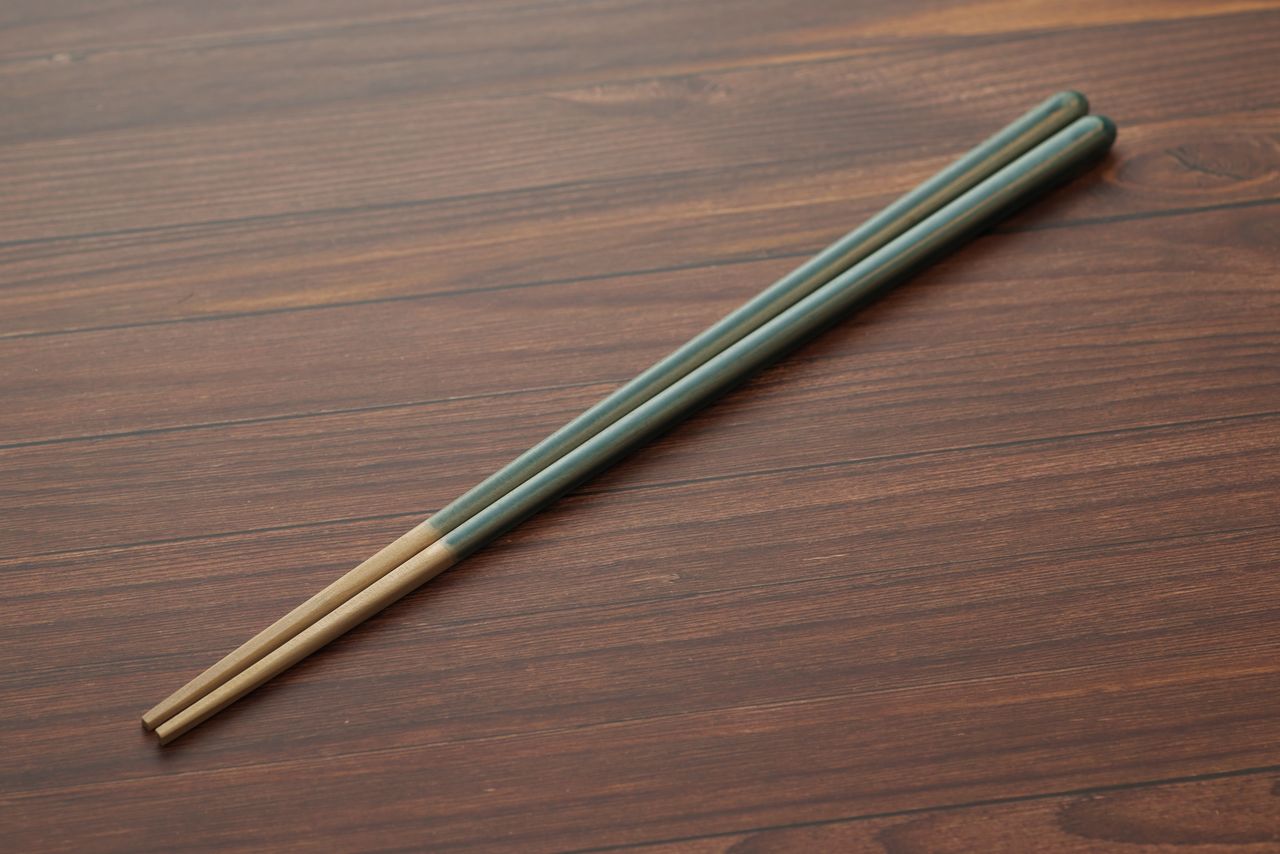
Long saibashi chopsticks for cooking. Chopsticks used for eating also come for every hand size, from children to adults. (© Nomura Kazuyuki)
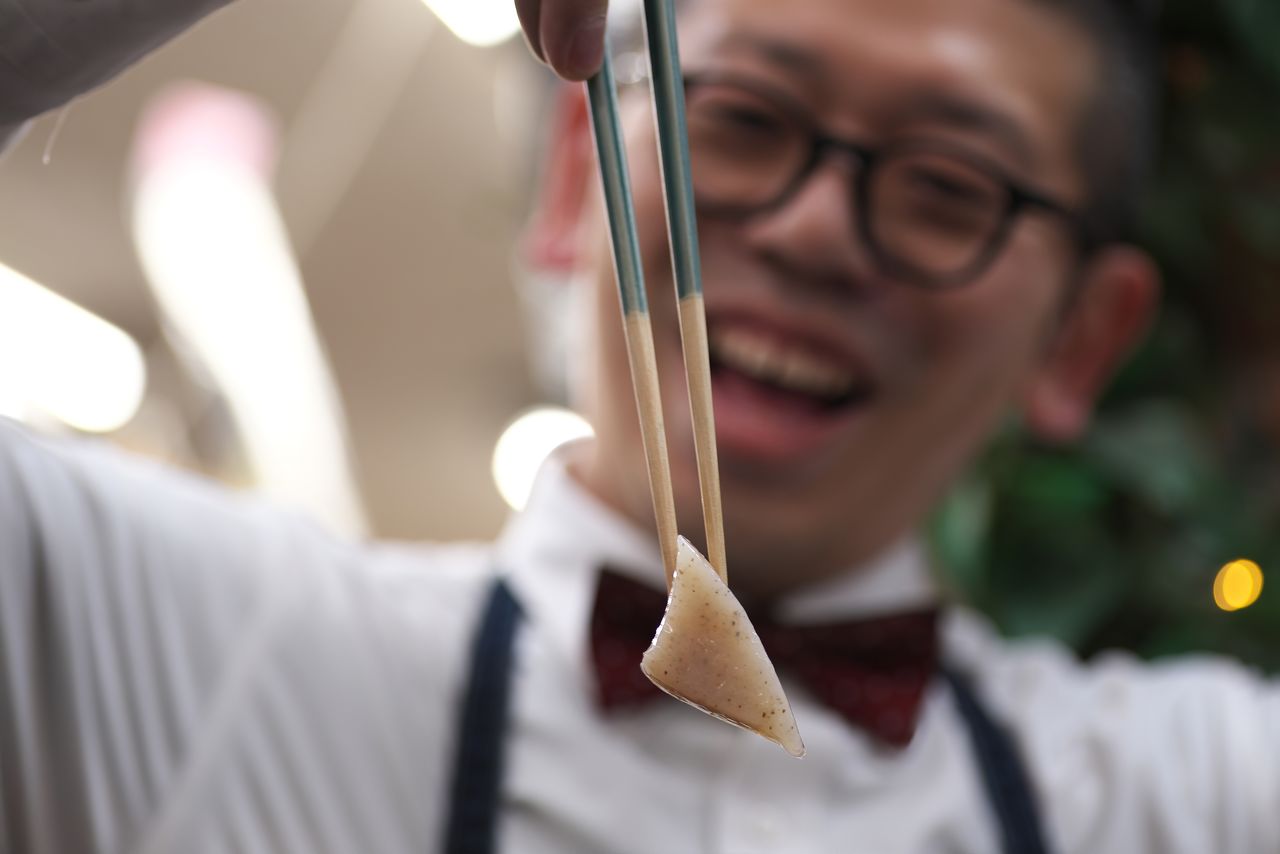
Iida firmly holds a notoriously slippery piece of konnyaku to showcase the grip. (© Nomura Kazuyuki)
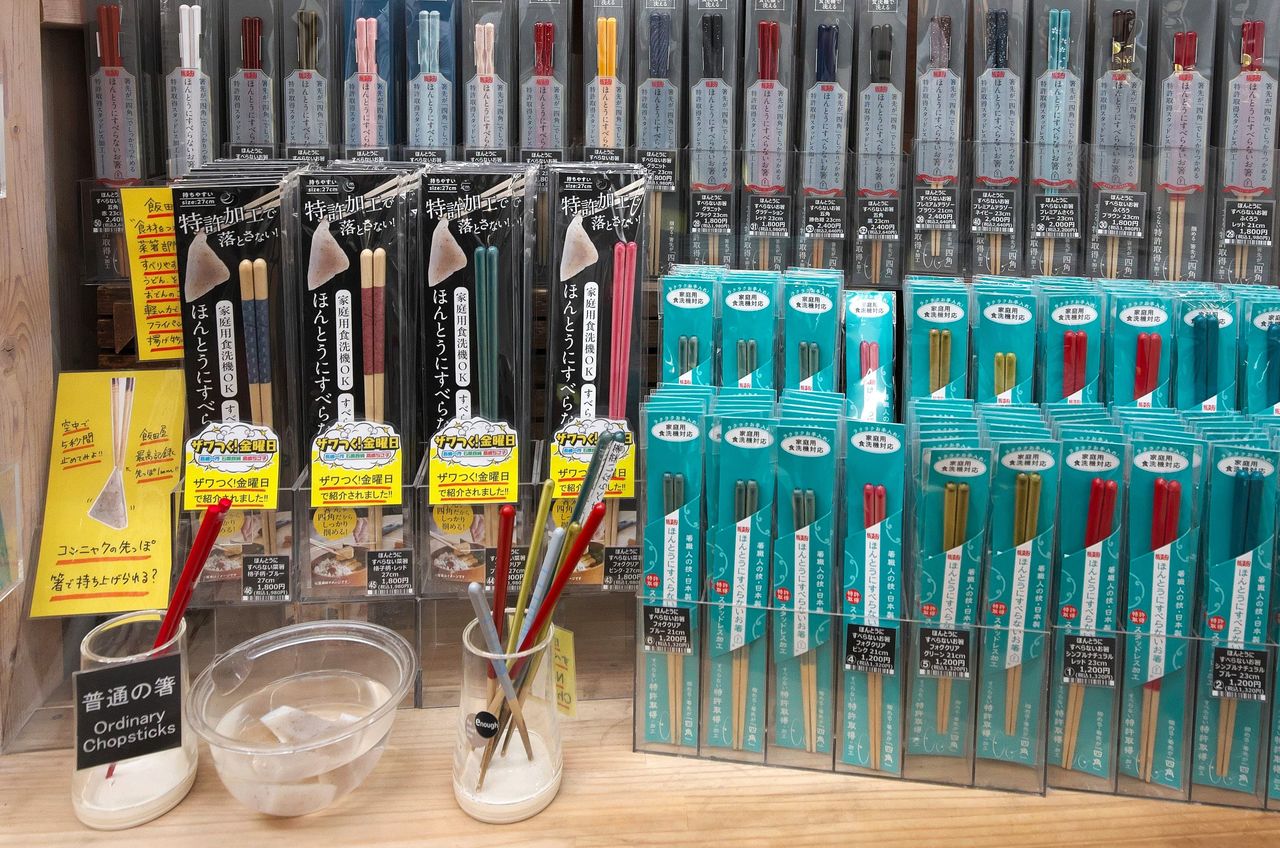
Customers can compare for themselves how the nonslip chopsticks compare to ordinary ones. (© Nomura Kazuyuki)
Ten Utensils Sought by Overseas Visitors
- Oroshigane: Traditional Japanese Graters for Every Ingredient on Your Plate
- Suribachi and Surikogi: Function Meets Beauty to Create the Perfect Texture
- Onigiri Molds and Sushi Roll Mats for Beautifully Formed Japanese Cuisine in a Flash
- Japan’s Cutting Edge: Peelers, Slicers, and Scissors
- Tea Kettles and Strainers: Traditional Items with Surprising New Uses
- Pots Galore: Donabe and Yukihira Offering Quick Ways to Cook Every Day
- Frying Pans: Weighing the Choices Between Lifetime Use and Lightweight Cooking Action
- Bentō Essentials: From Tamagoyaki Pans to Nonslip Chopsticks
- Japanese Cutting Boards for the Kitchen and Table
- Innovative and Easy: Soy Sauce Dispensers and Miso Muddlers
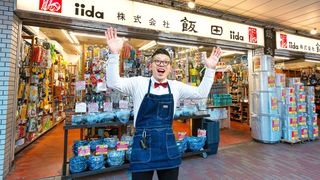
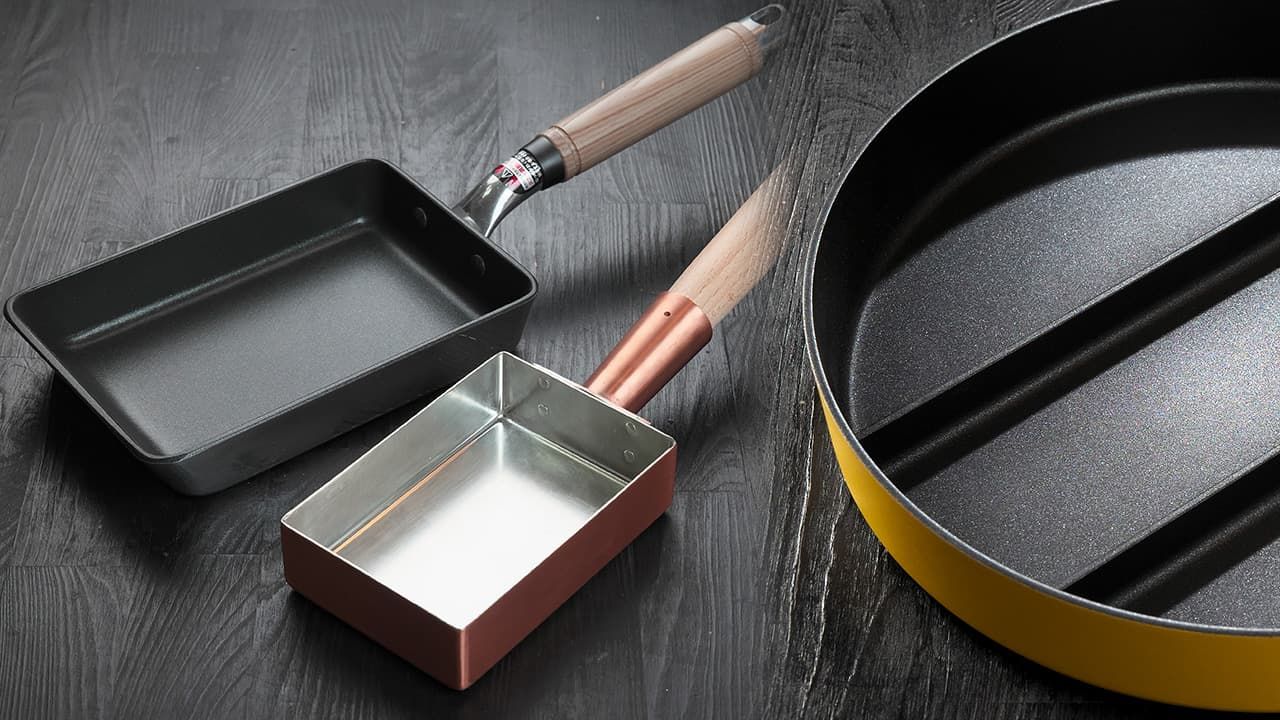
(Originally published in Japanese. Banner photo: Some of the tamagoyaki pans available at Iidaya. © Nomura Kazuyuki.)