Ten Exceptional Utensils from Kappabashi, Japan’s Kitchen
Tea Kettles and Strainers: Traditional Items with Surprising New Uses
Culture Guide to Japan Food and Drink- English
- 日本語
- 简体字
- 繁體字
- Français
- Español
- العربية
- Русский
Loyalty for Nanbu Tekki Ironware
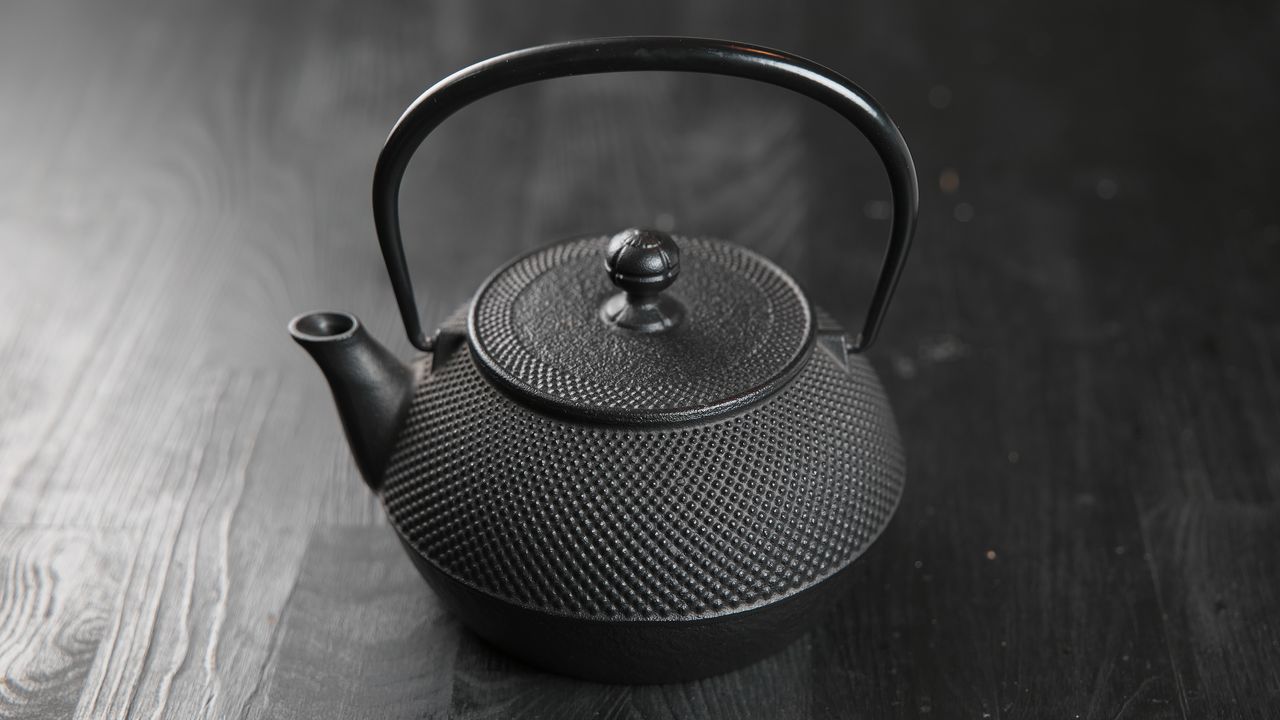
Cast-iron kettles, or tetsubin, are often blasted as heavy, expensive, and easily rusted, when compared to their stainless steel or enamel counterparts. But still their charm wins out. Among the cast-iron tea kettles available at Iidaya, the most popular is the Nanbu tekki, proudly produced in Iwate Prefecture.
Nanbu tekki ironware is said to have originated in the Edo period (1603–1868), at a time when tea ceremony culture was flourishing, and the Nanbu lords of the Morioka domain (today’s Iwate Prefecture) recruited casters from Kyoto. From the start of the eighteenth century, sencha (steamed green tea) became popular, leading to the production of iron kettles with spouts. The manufacturing process, some 50 to 70 steps in all, is done by hand; the more the kettles are used, the more seasoned they become. Rather than being an item to be used over just one lifetime, they have the charm of an heirloom that can be passed from parent to child to grandchild.
When water is boiled in an iron kettle, calcium and other minerals present in the tap water are thought to be absorbed into the interior, resulting in smoother water and an enhanced flavor to the tea. There are also people who are conscious of it being a way to supplement their iron intake, as trace amounts of iron get released into the water when the kettle is used.
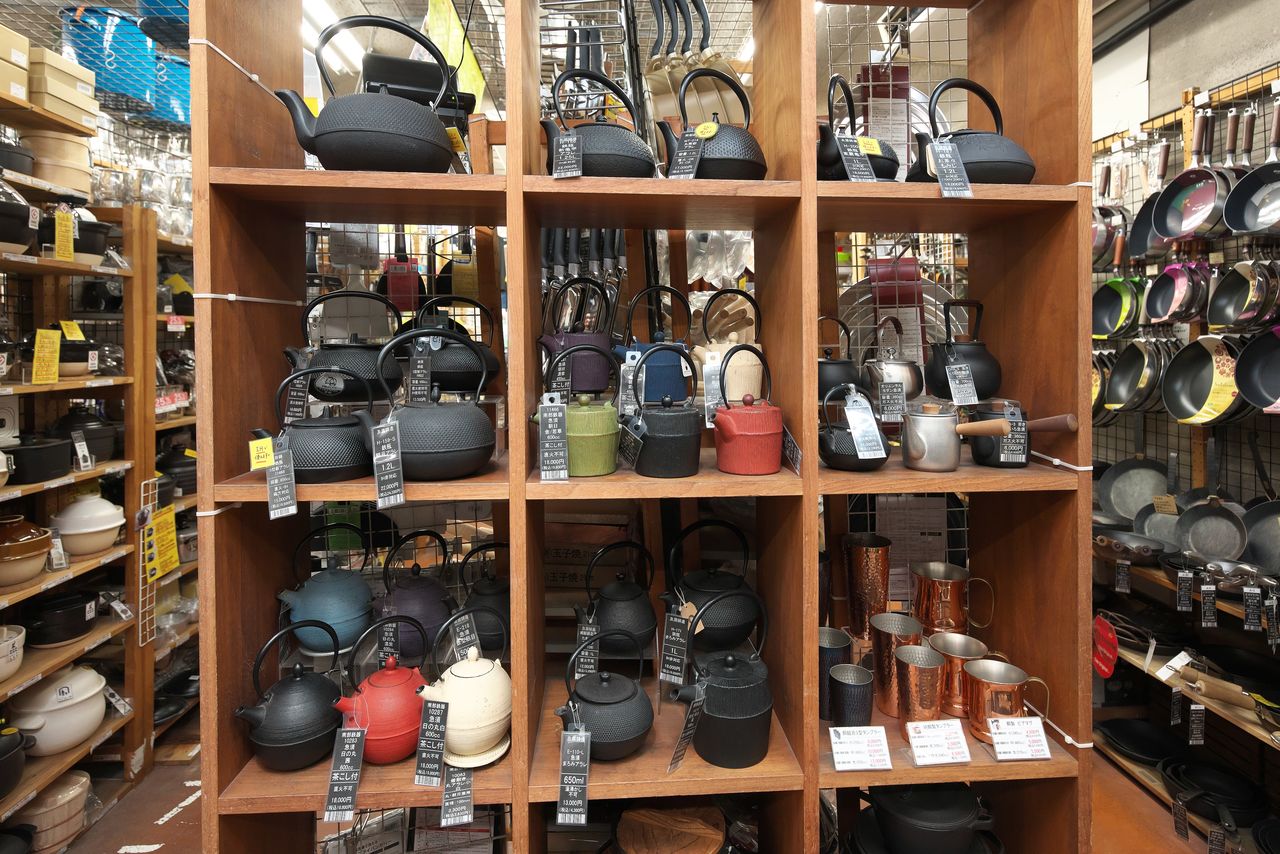
The tetsubin iron tea kettle section at Iidaya. Visitors to Japan tend to buy slightly larger ones. (© Nomura Kazuyuki)
It seems that not all overseas customers are buying iron kettles to boil water, though.
Attracted by the traditional yet elegantly modern design, “many foreign customers ask specifically if we stock Nanbu tekki,” Iida Yūta, the sixth-generation owner of Iidaya, explains while introducing the retail section. Exclaiming that “I love the solid feel and want this in my room!” say some of the shoppers, according to Iida; it seems they buy them regardless of the weight.
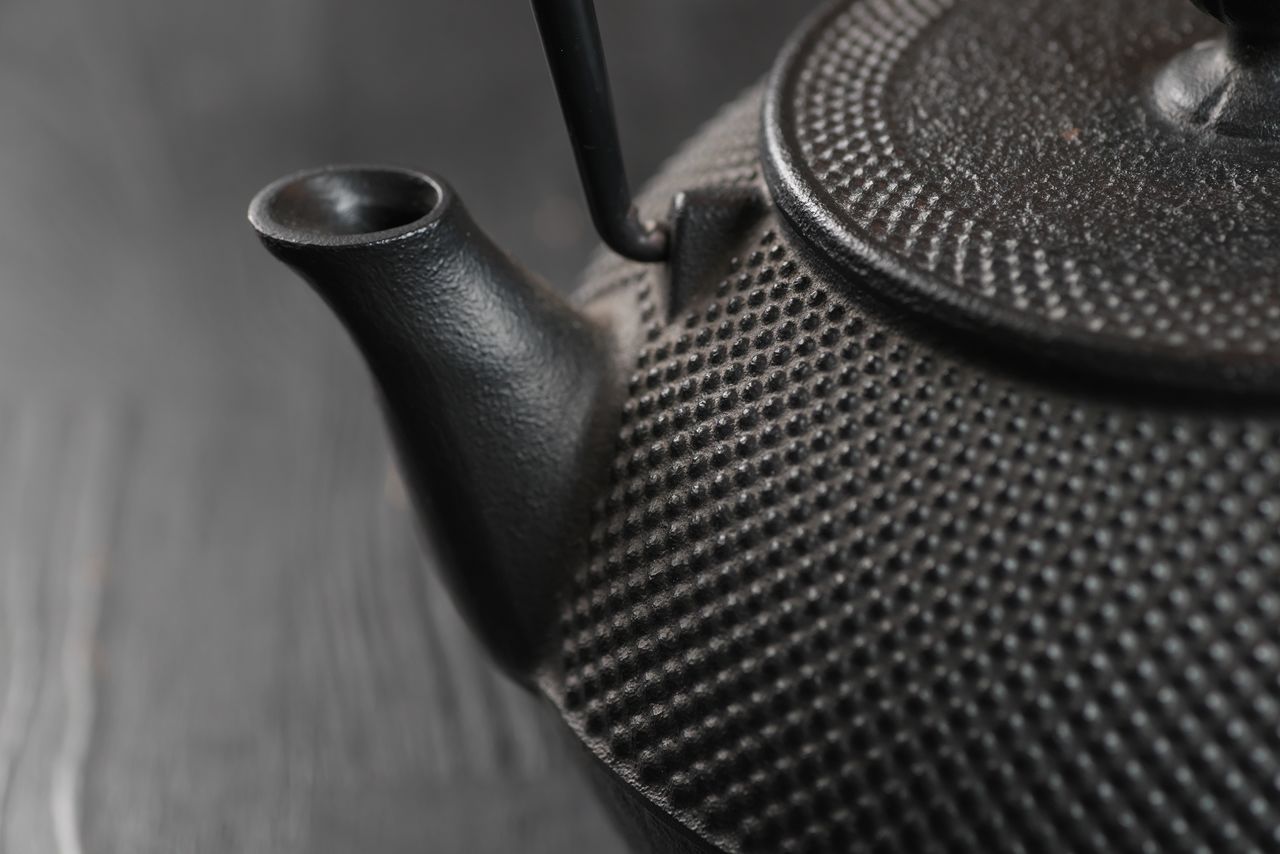
Using an arare (hailstone) pattern, featuring small, evenly-spaced, raised dots, is a traditional manufacturing technique to increase surface area and improve heat retention. (© Nomura Kazuyuki)
The sophisticated appearance of these tea kettles may be the initial draw for people, but the demand is also being driven by unprecedented worldwide demand for matcha. Could it be that iron kettles will entice even more people to dive into the art of the tea ceremony?
A Fine Match for Matcha
“With such a huge demand for matcha, these are selling well,” Iida says as he points out the chakoshi fine-mesh tea strainers. The 40-mesh tea strainer, in particular, is exceptionally popular.
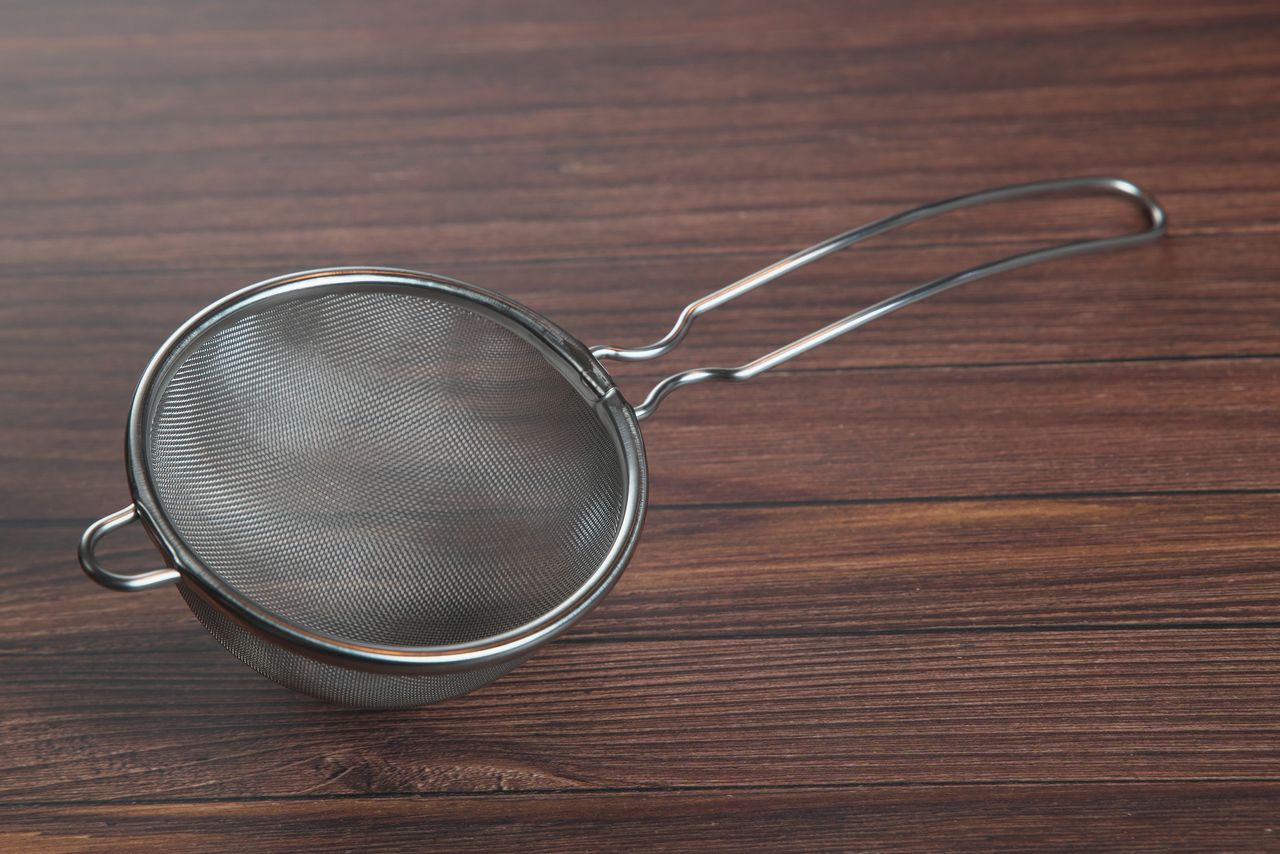
A 40-mesh chakoshi tea strainer. They are made entirely from stainless steel by a manufacturer based in the Tsubame-Sanjō region of Niigata Prefecture. (© Nomura Kazuyuki)
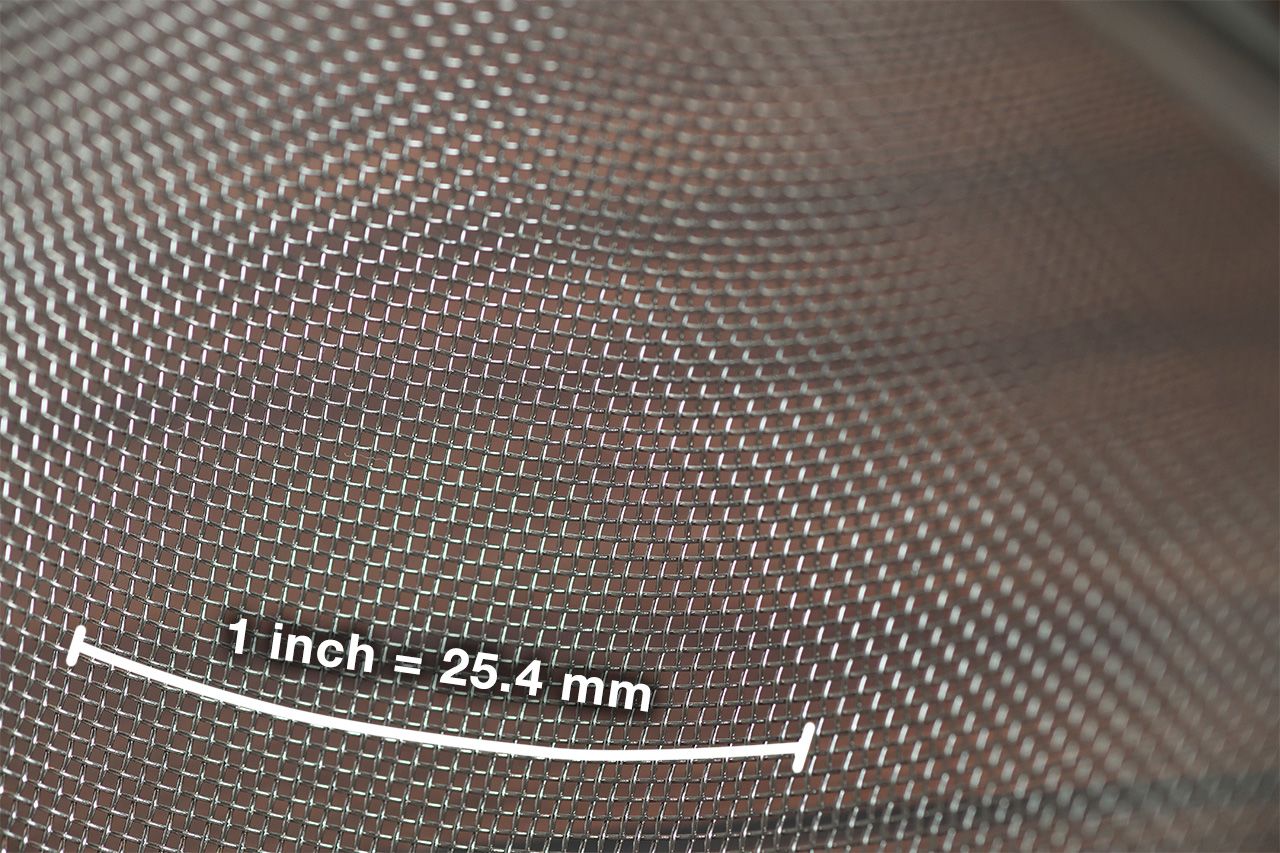
The mesh size for strainers is calculated by the number of openings per inch (25.4 millimeters), with a higher number indicating a finer mesh. Many people ask for a 40-mesh strainer as it is ideal for sifting matcha into a fine powder. In other words, they use it like a flour sifter. Be it an iron kettle or a tea strainer, there are surprising new perspectives that can be gained on how to make the most of these utensils.
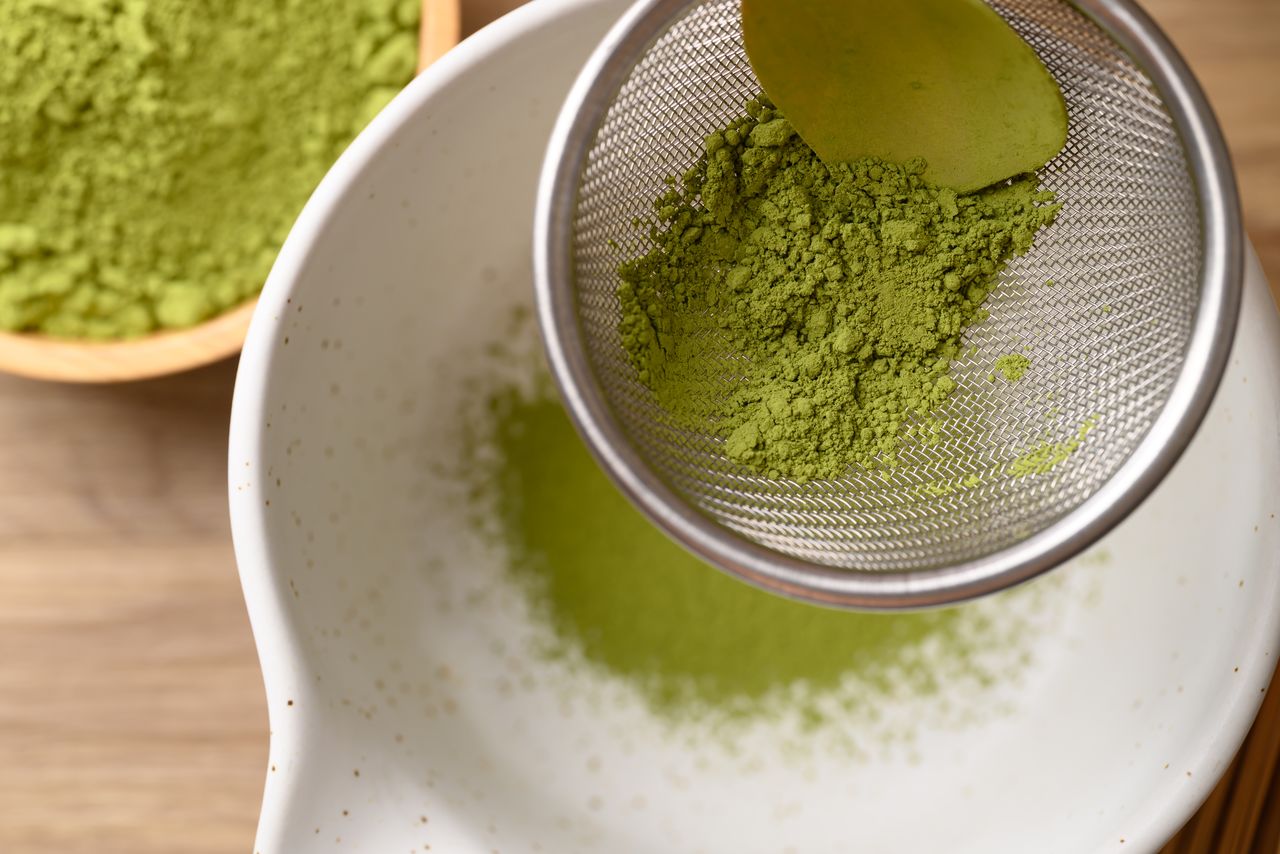
Matcha is sifted to create a fine, smooth powder that can be used for whisking or for making sweets. (© Adobe Stock)
Ten Utensils Sought by Overseas Visitors
- Oroshigane: Traditional Japanese Graters for Every Ingredient on Your Plate
- Suribachi and Surikogi: Function Meets Beauty to Create the Perfect Texture
- Onigiri Molds and Sushi Roll Mats for Beautifully Formed Japanese Cuisine in a Flash
- Japan’s Cutting Edge: Peelers, Slicers, and Scissors
- Tea Kettles and Strainers: Traditional Items with Surprising New Uses
- Pots Galore: Donabe and Yukihira Offering Quick Ways to Cook Every Day
- Frying Pans: Weighing the Choices Between Lifetime Use and Lightweight Cooking Action
- Bentō Essentials: From Tamagoyaki Pans to Nonslip Chopsticks
- Japanese Cutting Boards for the Kitchen and Table
- Innovative and Easy: Soy Sauce Dispensers and Miso Muddlers
(Originally published in Japanese. Banner photo: A Nanbu tekki iron tea kettle. © Nomura Kazuyuki.)