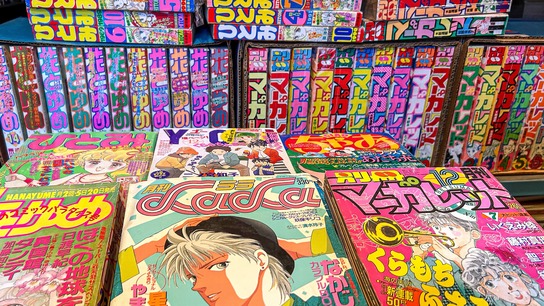
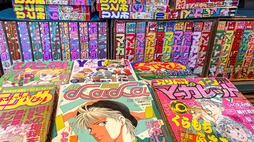
The twentieth century brought fresh focuses on a number of different audiences in the manga field. One of these was shōjo manga, which would go beyond “works for girl readers” to impact other works across all genres. A look at the magazines that propelled these manga into the limelight.
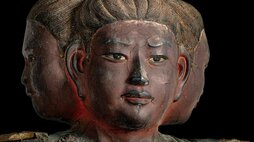
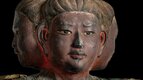
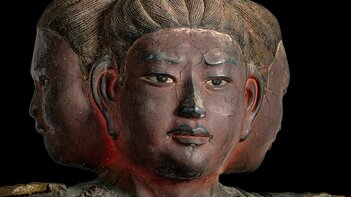
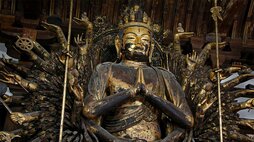
The temple Kōfukuji in Nara is home to a three-faced, six-armed masterpiece created some 13 centuries ago. A look at the lasting brilliance of the Ashura statue and its evocative expressions.


-
1
Miyazaki Hayao’s Animism: The Historical Theories That Shaped “Princess Mononoke”

-
2
A Short History of Studio Ghibli: Four Decades of Anime Classics

-
3
Nara’s Three-Faced Ashura: The Resolute, Sorrowful Gazes of a Kōfukuji Masterpiece
-
4
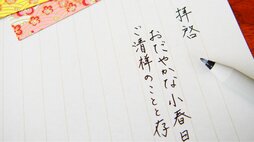
“Otsukare Sama Desu”: A Daily Greeting in Japanese Workplaces

-
5
Making It Through: Considering Iran’s Decision to Let a Japanese Tanker Pass Hormuz


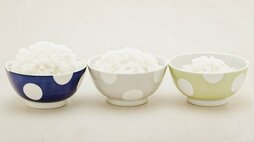


Bottled water topped a ranking of the sources Japanese people mainly use for drinking water, with convenience as the most popular reason for doing so.

Japan’s total expenditure on nursing and preventive care for elderly residents rose by 2.3% to ¥12.2 trillion in fiscal 2025.

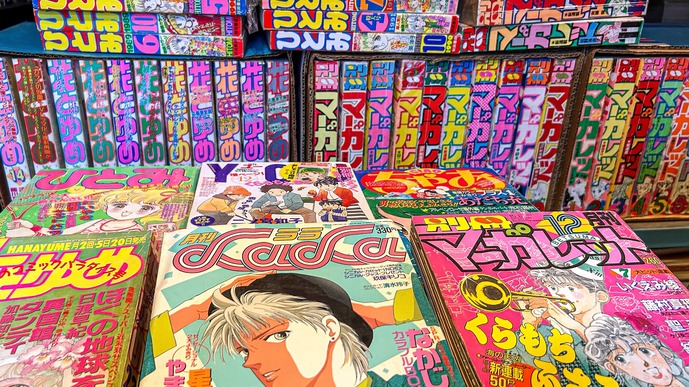
The twentieth century brought fresh focuses on a number of different audiences in the manga field. One of these was shōjo manga, which would go beyond “works for girl readers” to impact other works across all genres. A look at the magazines that propelled these manga into the limelight.


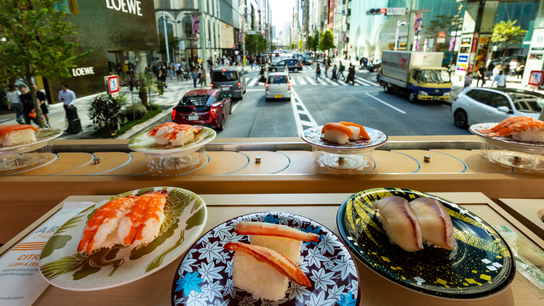
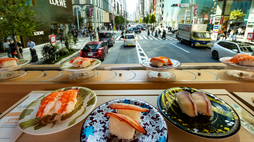
The scenery rolls by outside, and the sushi rolls by inside. A new gourmet sightseeing bus has hit the streets of Tokyo, taking passengers through some of the city’s best-known sites while they are treated to all-you-can-eat sushi.
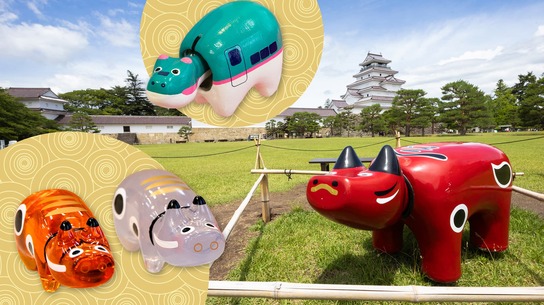
Fukushima’s akabeko is a favorite souvenir from the Aizu region in the prefecture’s west. A look at the history and ongoing popularity of this adorable, bobbleheaded crimson cow.











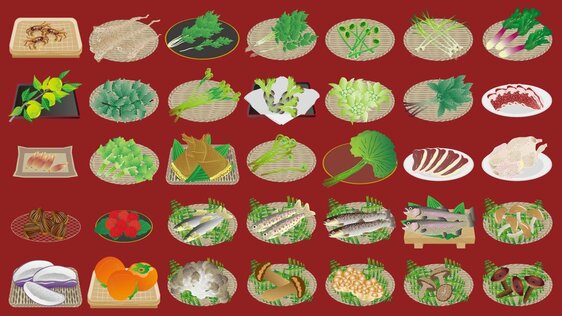
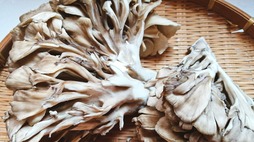
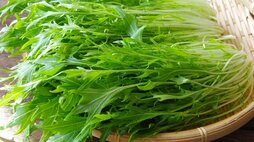
Today Japanese cuisine is popular all around the world. But at its heart lie many ingredients that are much less well-known. This series explores some of the items underpinning the dishes that diners love. (Banner photo © Pixta)
View More

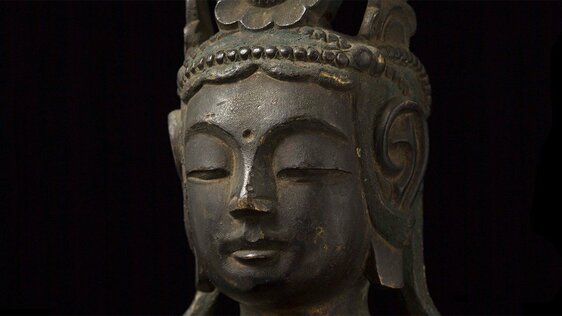
Buddhist statues in Japan have a history going back to the early seventh century CE, when Buddhism was brought to the country from the Asian continent. The methods and motifs of the artform underwent several shifts in early centuries before the sculptor Jōchō brought it to a peak of native Japanese refinement in the late Heian period. Buddhist sculpture continued to evolve thereafter, notably in the hands of the Kamakura period master Unkei. In this series, a specialist in Buddhist studies and art sets forth the details that will deepen observers’ understanding of these religious art masterpieces, accompanied by photographs by Muda Tomohiro.
(Photo: Close-up of a bronze image of a standing bodhisattva in the collection of the Tokyo National Museum. © Muda Tomohiro.)
PHOTOS



-
1
Japan Births Edge Up in First Half of 2026 After a Decade of Decline

-
2
Family, Baseball, and Friendship: Venezuelan Ambassador Seiko Ishikawa on Japan-Venezuela Bonds

-
3
Color in the North: Hokkaidō’s Seasonal Flora in Photos

-
4
Miyazaki Hayao’s Animism: The Historical Theories That Shaped “Princess Mononoke”

-
5
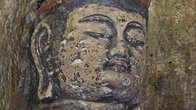
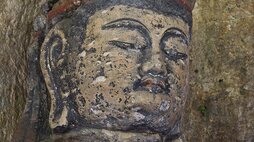
The Japanese Masterpiece That Lost Its Head: The 1,000-Year-Old Usuki Stone Buddha