


No Reduction in Evacuee Numbers
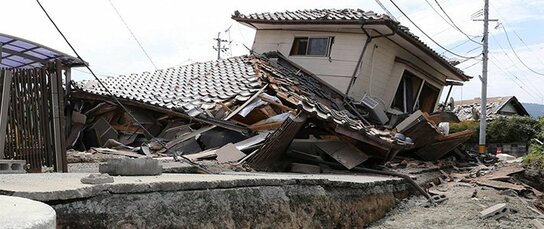
The Japan Meteorological Agency upgraded the shaking from the April 16 earthquake to 7, the highest level on the Japanese seismic intensity scale, in the town of Mashiki and the village of Nishihara. This put it on parity with the April 14 tremor, which caused intensity 7 shaking in Mashiki. The level of shaking was equal to that felt in Kurihara, Miyagi Prefecture in the 2011 Great East Japan Earthquake and marks the first time since records have been kept that multiple quakes linked to the same event have created such powerful seismic movement.
Ongoing aftershocks have rattled disasters areas, with over 700 recorded as of April 20. A JMA official during a press conference earlier in the week explained that experts are at a loss to know when the rumbling will abate.
Number and Seismic Intensity of Quakes
| 14-Apr | 15 | 16 | 17 | 18 | 19 | 20 | |
|---|---|---|---|---|---|---|---|
| Seismic intensity 1 | 12 | 30 | 20 | 29 | 19 | 24 | 18 |
| 2 | 10 | 51 | 70 | 70 | 33 | 33 | 40 |
| 3 | 6 | 19 | 67 | 28 | 22 | 20 | 15 |
| 4 | 9 | 10 | 36 | 11 | 4 | 2 | 1 |
| Lower 5 | 1 | 1 | 4 | 0 | 0 | 1 | 0 |
| Upper 5 | 0 | 0 | 1 | 0 | 1 | 1 | 0 |
| Lower 6 | 1 | 0 | 2 | 0 | 0 | 0 | 0 |
| Upper 6 | 0 | 1 | 1 | 0 | 0 | 0 | 0 |
| 7 | 1 | 0 | 1 | 0 | 0 | 0 | 0 |
| Total by day | 40 | 112 | 202 | 138 | 79 | 81 | 74 |
| Total | 40 | 152 | 354 | 492 | 571 | 652 | 726 |
Constant aftershocks and close to 100,000 homes without running water have forced over 90,000 residents to seek refuge at emergency shelters and other areas. Many evacuees are sleeping in parks or in their cars, citing a lack of privacy and concerns about caring for small children among their reasons for not wanting to stay in cramped evacuation facilities.
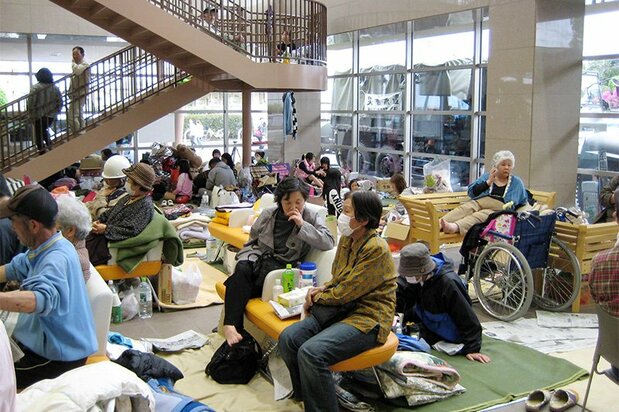
 Evacuees shelter at an elderly care facility in Mashiki, Kumamoto Prefecture, on April 18, 2016. (© Jiji)
Quake-Related Deaths on the Rise
As authorities scramble to respond to the needs of residents, a new concern over the health of evacuees, in particular the elderly, has emerged. As of April 20, 11 quake-related deaths in Kumamoto thought to be due to the fatigue and stress of living in emergency shelters have been reported.
With so many residents living in cars, relief workers are concerned over a potential increase in cases of pulmonary embolism, commonly known as “economy class syndrome,” with at least one death already confirmed. A medical relief worker cited poor access to toilets in evacuation areas as a possible risk factor, saying, “People tend to cut back on their water intake [to avoid having to use restrooms frequently], which can lead to a number of health problems.” Volunteers in Mashiki and other quake-effected areas are actively approaching residents living in their cars to make them aware of potential risks.
Lifelines Gradually Being Restored
Power has largely been restored across Kumamoto, while gas, water, and mobile phone services are slowly coming back on line in certain areas.
Workers have gradually opened transportation routes in and out of disaster areas, but a number of highways running through Kumamoto remain closed to traffic. A bus service linking Kumamoto with neighboring Fukuoka opened on April 21, helping ease access. Parts of Kumamoto Airport, which was heavily damaged in the tremors, have opened, but the Kyūshū Shinkansen remains stopped between Hakata and Shin-Minamata Stations due to a derailed train and track damage. JR Kyūshū said it is not sure when services will resume.
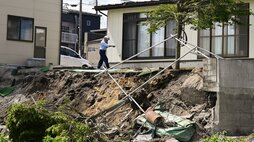
(Banner photo: The wreckage of a home in Mashiki, Kumamoto Prefecture, following a pre-dawn earthquake on April 16, 2016. © Jiji.)




 Read in other languages