


On November 5, the 30 candidates for Japan’s word or phrase of the year were announced. See the full list of terms that described 2026 for the Japanese-speaking population.
Phrases to Present Japan’s Latest Year
Each year the publisher Jiyū Kokumin Sha presents a long list of candidates for the word, or words, of the year in early November. On November 5, 2026, the list arrived, painting a picture of the events, people, incidents, and more that shaped the year for the Japanese people.
As always, the terms come from a broad range of fields—everything from public policy and legal decisions to pop culture like music and manga, cuisine, finance, sports, and more. Have a look at the full list below and look forward to our December article highlighting the winning words of the year of the horse!
Nominees for the Words of 2026
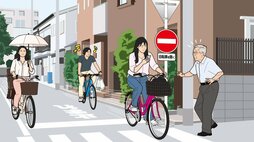
青切符 — Ao kippu. In April, revisions to the Road Traffic Act in Japan extended the “blue ticket” system for minor traffic violations—under which offenders pay a fine rather than face criminal prosecution—to cyclists aged 16 and over. With 113 violations covered, fines range from ¥3,000 for riding double to ¥12,000 for using a smartphone while cycling.
あかり、信じてるからな — Akari, shinjiteru kara na. “Akari, I’m trusting you on this,” is the go-to phrase among the huge social media following of cook and registered dietitian Hasegawa Akari, whose methods often involve unorthodox steps that leave fans re-creating her dishes with a mixture of trepidation at the shortcuts taken and fascination with the splendid results.
AI暴走 — AI bōsō. Reports of “AI running amok” have heightened public concern over the rapidly evolving technology. Newly released tools breaking out of their isolated environments during testing, resulting in cyberattacks, and the dramatic rise of AI-powered exploits online have triggered widespread worries about AI tech and its uses.
キオクシア — Kiokushia. Shares in Kioxia, a major Japanese semiconductor maker, rocketed on AI-driven demand for memory chips. In June it overtook Toyota as Japan’s most valuable company, but its stock dropped sharply later in the year, raising for investors the specter of an AI bubble.
ギルティ — Giruti. Decadence came front and center this year as consumers in Japan reached past guilt-free foods low in calories, carbs, or fat, to indulge in a growing number of products promising “guilty” pleasures.
警戒レベル5 — Keikai reberu 5. In May, the Japan Meteorological Agency launched a new scaled disaster weather information system. Different alert levels warning of flooding, heavy rain, landslides, and storm surges are now issued, with “alert level 5” being the highest and indicating that residents must act immediately to protect themselves.
言語化 — Gengoka. This phrase means to “put into words” vague opinions or hard-to-express desires. Japan has seen a growing number of books featuring gengoka in their titles, and social media users in Japan are increasingly called on to clearly articulate their views. At the same time, many in Japanese society are also placing value on the ability to deal with internal landscapes that cannot be verbalized so easily.
声の権利 — Koe no kenri. “Voice rights” have gained attention following a September ruling by the Tokyo District Court, in a case brought by voice actor Tsuda Kenjirō, declaring that a person’s voice, like his or her image, is protected by publicity rights. As generative AI’s capacity to create digital doppelgängers of people has increased, there is a growing movement to establish firm legal protections for an individual’s voice and other characteristics.
酷暑日 — Kokushobi. Adding to its scale of terms for hot days, the Japan Meteorological Agency in April adopted kokushobi to describe “severe heat days” when the maximum temperature reaches 40° Celsius or higher. The summer saw a record 36 instances of local weather stations registering kokushobi.
消費税1% — Shōhizei 1%. The cabinet of Prime Minister Takaichi Sanae in October approved a bill to lower the consumption tax on food and beverages from 8% to 1% for two years starting in April 2027. The bill aims to provide relief to a public squeezed by the growing cost of living. Japan’s consumption tax was 3% when first introduced in 1989.
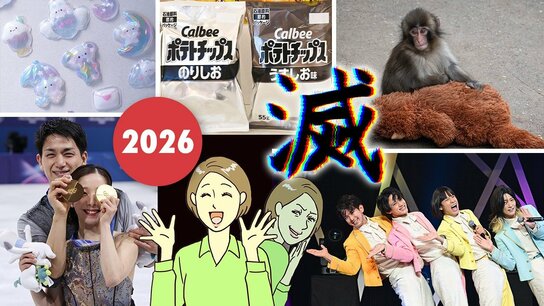
好きすぎて滅! — Suki sugite metsu! Japanese boy band M!LK struck gold again with this song, whose title translates to something like “I Love You to Death.” The track spawned spinoff phrases describing intense emotions and even a metsu pose.
スクイーズ — Sukuīzu.”Squeeze” is the Japanese name for squishies. The soft, scrunchable toys first took off as a YouTube craze with elementary school children around 2014. New versions of squishies, including ones that crackle when squeezed, have gained in popularity.
スマホ農場 — Sumaho nōjō. The term describes smartphone “click farms” that corral large herds of mobile phones to artificially inflate social media metrics such as likes, followers, and page visits. Their aim is to manipulate platforms’ algorithms to push their content in an attempt to sway public opinion, commit ad fraud, or a multitude of other devious ends.
Setlog. This social media and vlog app has gained popularity for allowing users to shoot 2-to-3-second clips over the day that are stitched into a video to share with a small group of friends. Like BeReal, a 2024 nominee, it provides an unstaged glimpse into a person’s daily life, but there are concerns that such casual sharing may cause users to inadvertently post personal or confidential information.
だけ弁当 — Dake bentō. These minimalist boxed lunches from the discount convenience store chain Lawson Store 100 made a splash in 2026 with cost-conscious customers for their low price and sparse presentation. Originally launched in 2021, they typically consist of rice and a single side dish, like meatballs or plain wieners.
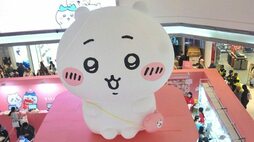
ちいかわ(現象) — Chiikawa (genshō). Chiikawa, or the “Chiikawa phenomenon,” describes the impact of the massively popular manga work created by the mysterious, single-named illustrator Nagano. Originally launched in 2020 as a single-panel comic on Twitter (X), the property has expanded into published books, character collaborations with restaurants and other companies, and a full-length film in 2026, attracting fans from young children to adults who delve more deeply into the Chiikawa world’s themes.
データセンター — Dēta sentā. In Japan as elsewhere around the world, “data centers” came to the fore of the public consciousness this year as artificial intelligence dramatically expanded demand for massive facilities to power the tools available on everyone’s devices and prompted concerns about the environmental impact of these installations.
ドパガキ — Dopagaki. Combining part of the word dopamine and gaki, a Japanese term meaning an unruly youth, this slang refers to people constantly seeking their next short-lived thrill from short-form online videos, social media, or video games built around gambling mechanics. These people—not all young today, by any means—tend to be unable to concentrate for extended periods. Other new terms related to dopagaki include dopachū, “dopamine fiends,” and sero-oji, older “serotonin guys.”
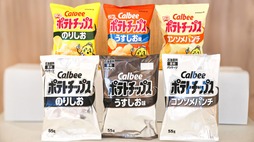
ナフサ — Nafusa. The petroleum-based material naphtha is a key component of many plastic products, including the ubiquitous PET bottles on Japanese shelves, as well as the ink used on product packaging. Japan depends on the Middle East for around 40% of its naphtha supply, and the US/Israeli attacks on Iran this year brought massive instability to the market, driving up prices and making it difficult to procure the materials needed in many industries.
なんとかなれーッ— Nantoka narē. Hachiware, one of the adorable characters in the Chiikawa franchise, is known to trot out “Come on, it'll all work out somehow!” at key moments in the narrative. The hopeful positivity of this phrase has resonated with viewers facing the travails of the real world.
NISA貧乏 — NISA binbō. NISA, or Nippon individual savings accounts, have been around for a while, but these tax-exempt investment vehicles are being expanded in 2027 to accounts for children. People socking away funds for their families’ futures are at times finding themselves in a state of “NISA poverty” as they dedicate so much to the investments that it impacts their day-to-day household finances.
パンチくん — Panchi-kun. “Punch-kun” was the name given to a Japanese macaque born in July 2025 at the Ichikawa City Zoo in Chiba Prefecture. Punch was abandoned by his mother early on and developed an attachment to a stuffed orangutan in her place, attracting widespread sympathy and dramatically boosting the popularity of the monkey enclosure and the zoo as a whole.
ピックルボール — Pikkuru-bōru. The boom in “pickleball” in the United States and other countries around the world made a splash in Japan this year, as more and more people took to the fast-paced but easily approached game.
フィジカルAI — Fijikaru AI. “Physical AI” describes the application of artificial intelligence solutions to the real world, integrating AI computer systems with on-site work in manufacturing, logistics, drones, automated mobility, or other fields.
フレネミー — Furenemī. Taken from the English portmanteau frenemy, this term has come into use in Japanese as well with the same meaning: a person with whom one is on superficially friendly terms, despite the underlying rivalry or distrust in the relationship.
ホビ垢 — Hobi aka. Shorthand for “hobby account,” this is a secondary social media account (separate from a hon-aka “main account”) set up mainly by young people to post about and support the bands, characters, or other media properties they want to boost online.
ボンボンドロップシール(ボンドロ) — Bonbon doroppu shīru (Bondoro). These “bonbon drop” stickers were a booming success among elementary schoolers and other collectors in 2026. The sticker collection books they treasured, bulging with the thickness of these popular plush adhesives, inspired their parents, along with many others in their twenties and thirties, who had gotten into the same hobby in their early years. Many are looking favorably on the pursuit as a purely analog diversion in an increasingly digital age.
モナキ — Monaki. This four-man vocal group, produced by Sakai Kazuyoshi of the unit Junretsu, burst onto the scene this year with its debut hit “Honma ya de, nande ya nen, shiran kedo” (It’s for Real, I Wonder Why, Who Knows, Though). Slightly older than the average idol performers, they were expected to appeal mainly to the older set already into Junretsu, but their easily mimicked dance moves and memorable lyrics gave them a place in younger listeners’ playlists as well.
夜の踊り子 — Yoru no odoriko. A memetic blast from the past, the band Sakanaction’s 2012 hit “Yoru no odoriko” (Dancer of the Night) gained fresh popularity when online performers in Japan and around the world paired it with dance moves on their social media channels.
りくりゅう — Riku-Ryū. Miura Riku and her partner, Kihara Ryūichi, formed the Riku-Ryū pair, winning the gold medal in the pairs figure skating competition at the Milano Cortina Winter Olympics in Italy in February this year. Their chemistry on the ice continued into the real world, as they went on to announce in August that they were engaged to be married.
(Originally published in English. Banner photo, clockwise from top left: Bonbon Drop Stickers [© Pixta]; Calbee Potato Chips printed without color amid the naphtha shortage [© Calbee]; Illustration of the kanji metsu [© Illust AC]; Punch the monkey [© Jiji]; Monaki [© Kyōdō]; Illustration of “frenemy” [© Illust AC]; Riku-Ryū [© Jiji]).








 Read in other languages