-
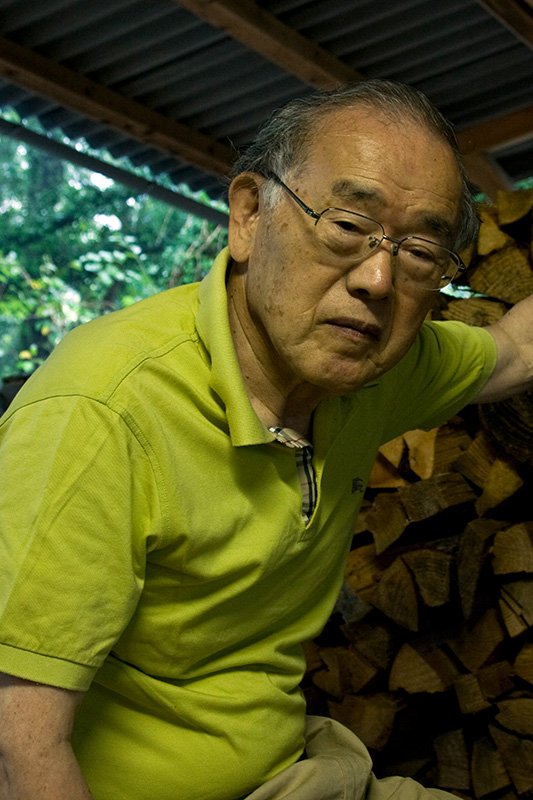
Isezaki JunBorn in 1936 in Bizen, Okayama Prefecture; the second son of bizen potter Isezaki Yōzan. Studied fine arts at Okayama University and then spent one year as a high school teacher before becoming a potter. Designated as a living national treasure in 2004.
-
-

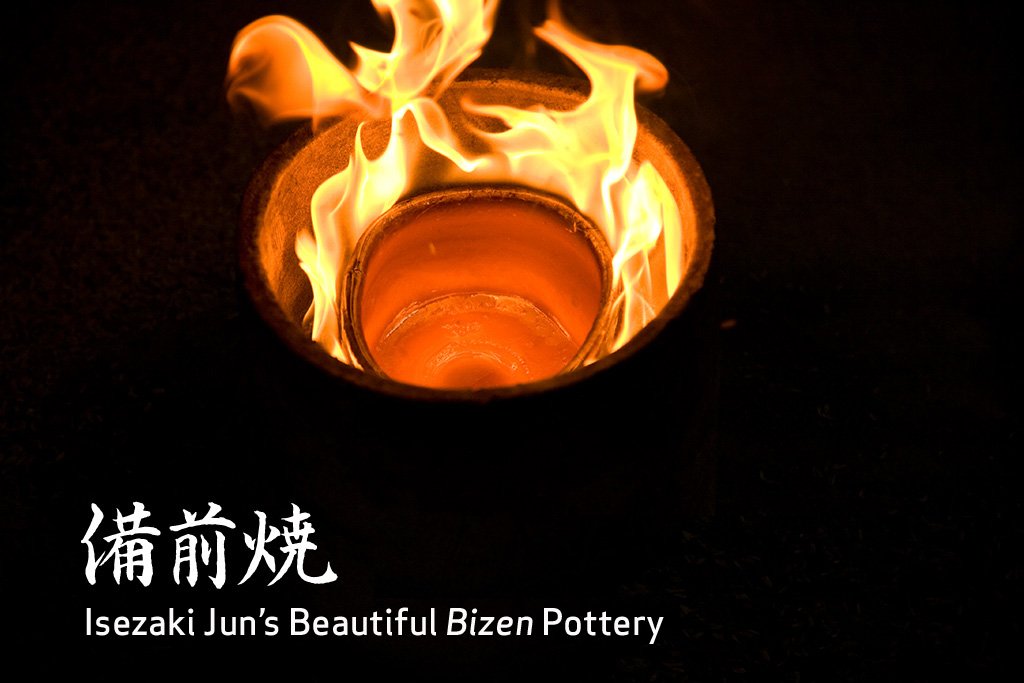
A tea bowl that has just been taken from the kiln.
-
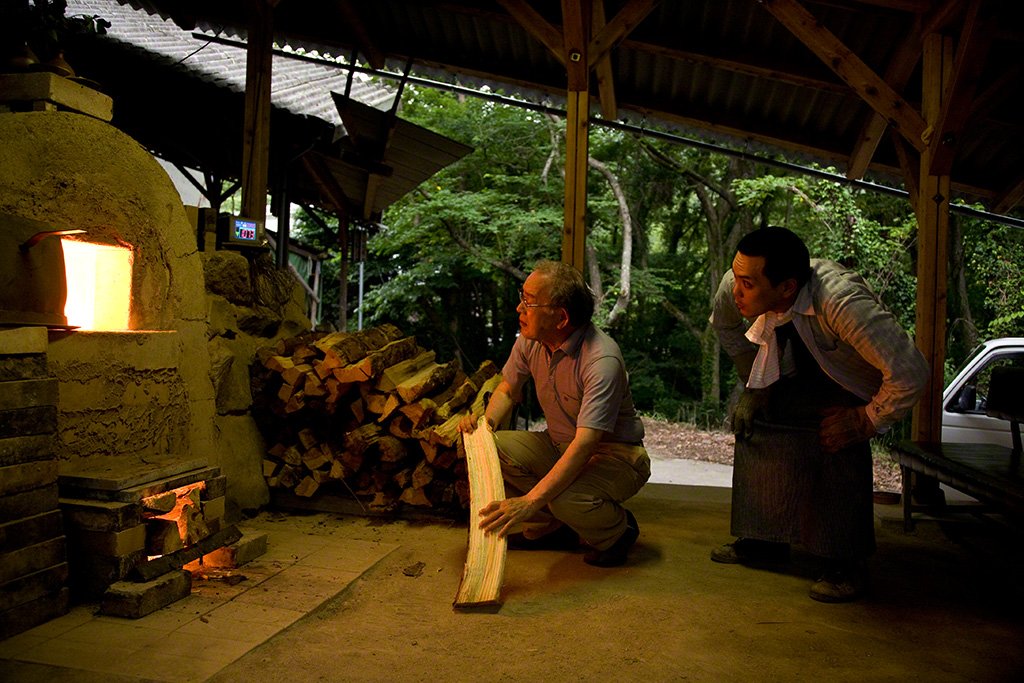
Isezaki (left) keeps a close eye on the inside of the kiln.
-
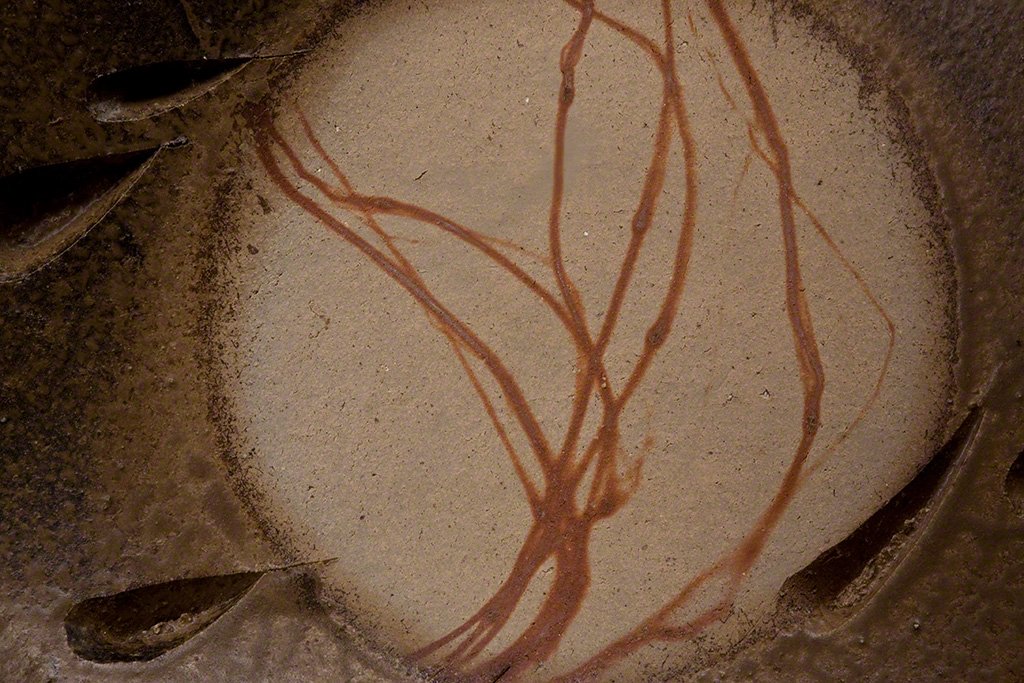
The “hidasuki” markings resulting from the chemical reaction between the iron in the clay and the straw in the kiln.
-
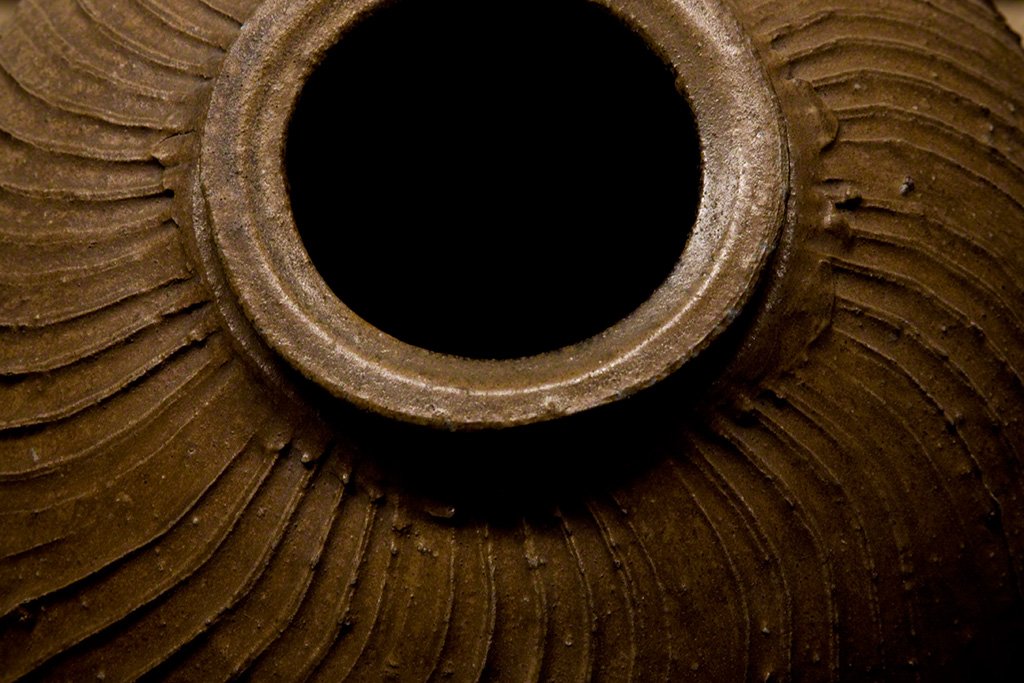
The top of a pot.
-
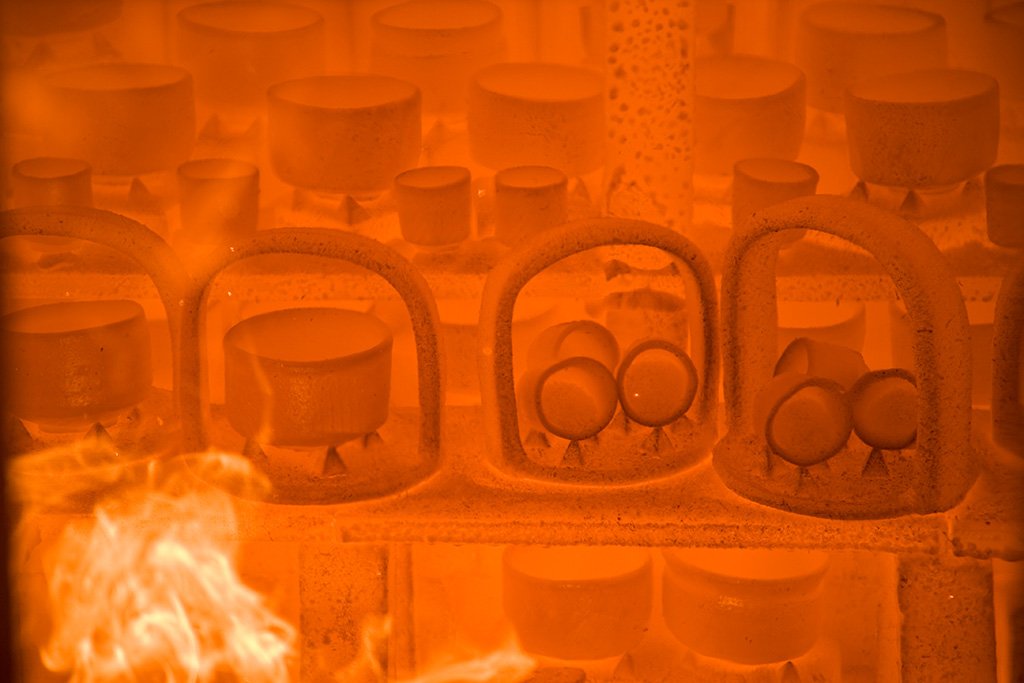
Containers being fired inside the kiln.
-
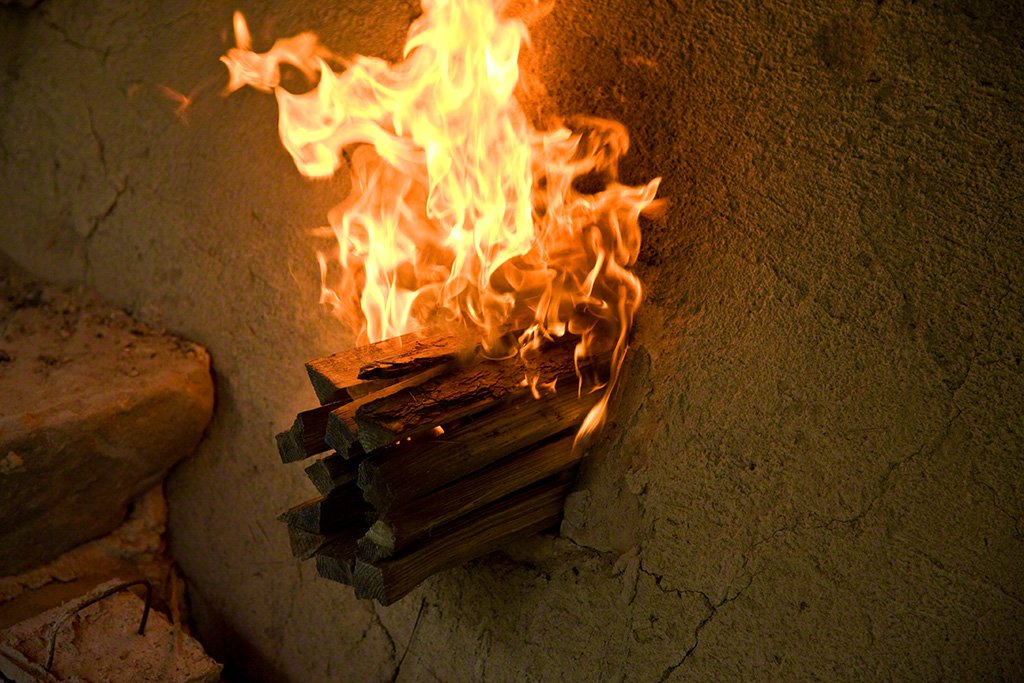
Red pine inserted to fire the kiln—its high resin content helps the fire burn strongly.
-
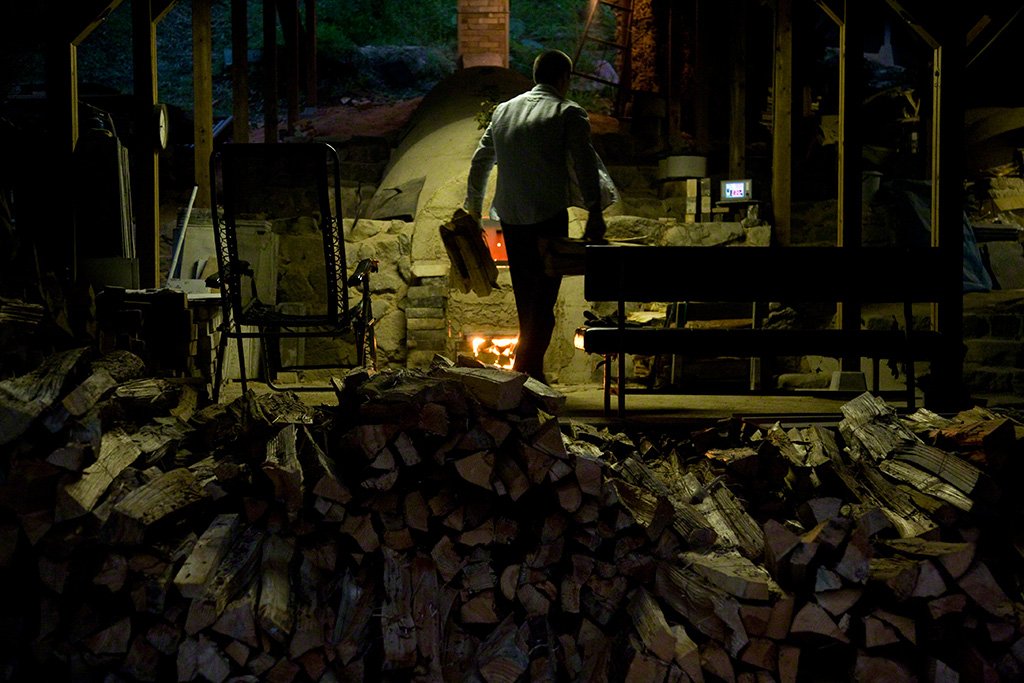
Putting more wood into the kiln—a process that lasts two weeks.
-
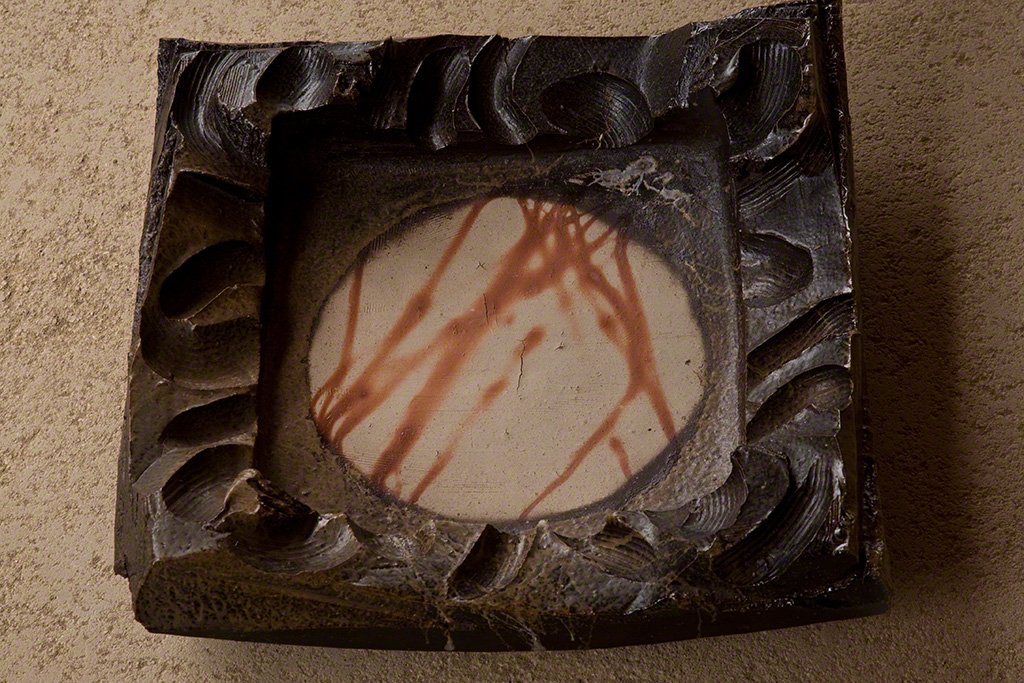
A large plate with the characteristic reddish-brown markings.
-
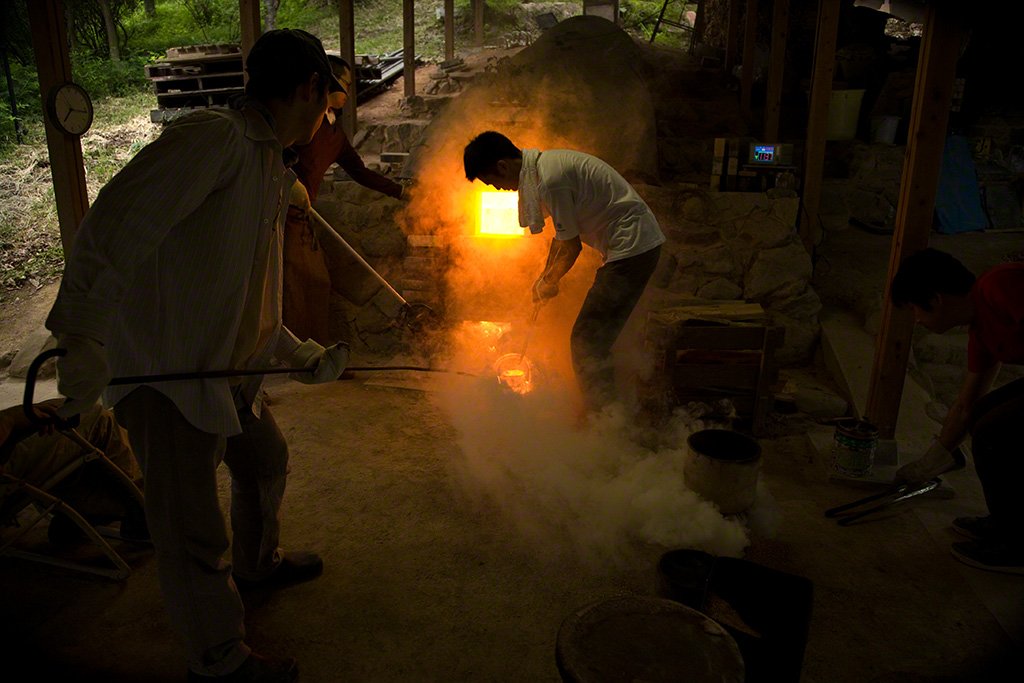
Wood is added and clay creations near the opening of the kiln are taken out and checked.
-
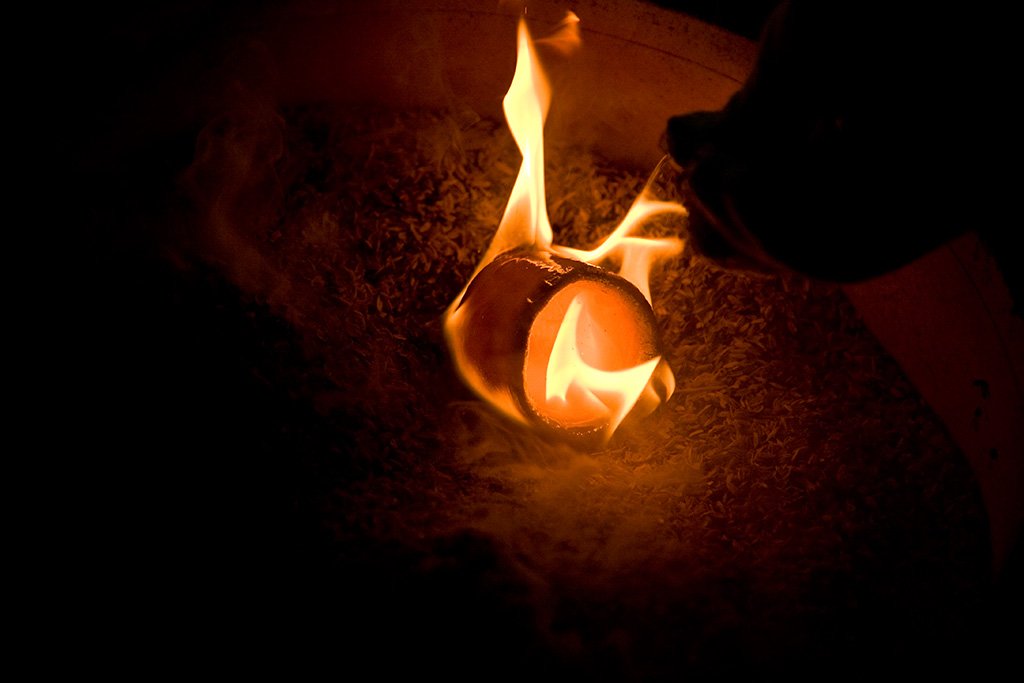
A tea bowl that was taken out in the middle of the firing process.
-
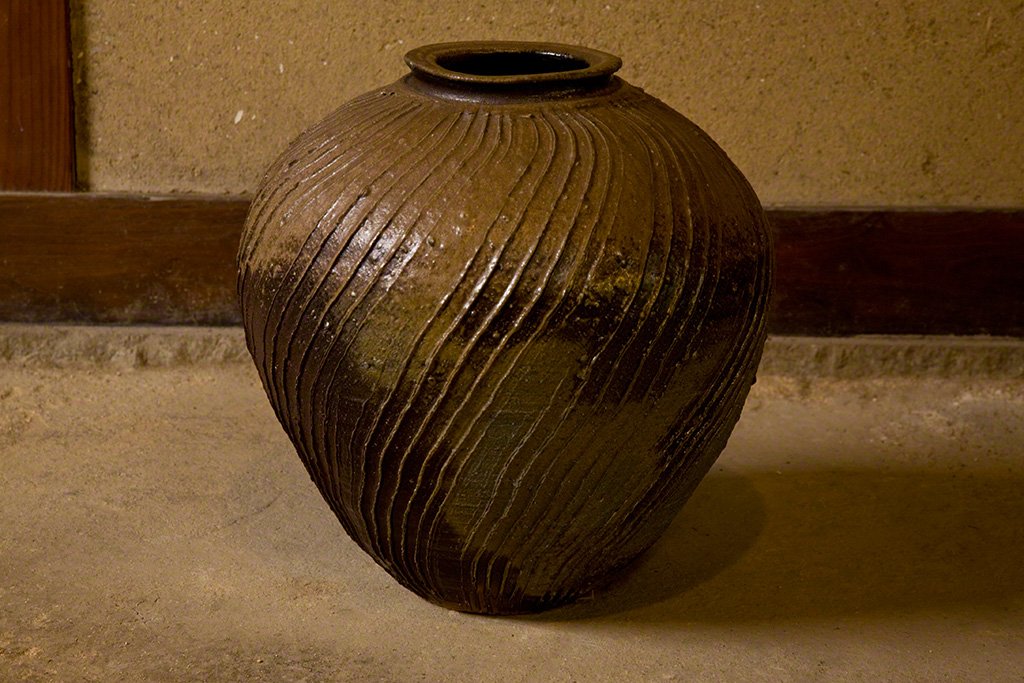
A pot with the distintive rustic, earthen feel of “bizen” pottery.
-
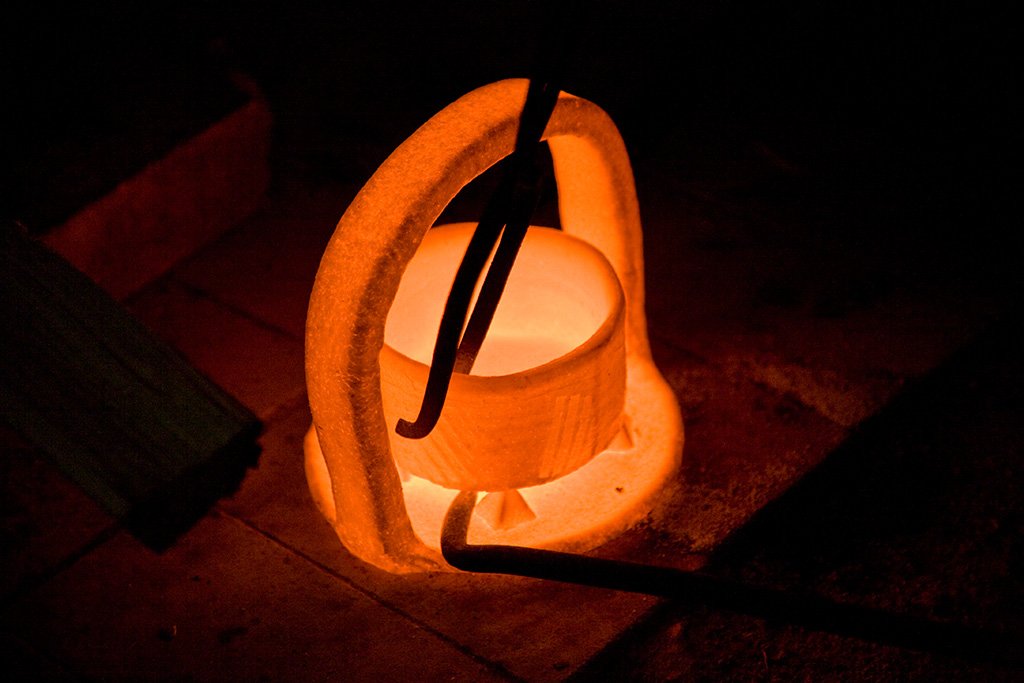
Another tea bowl taken out half way through the process.
-
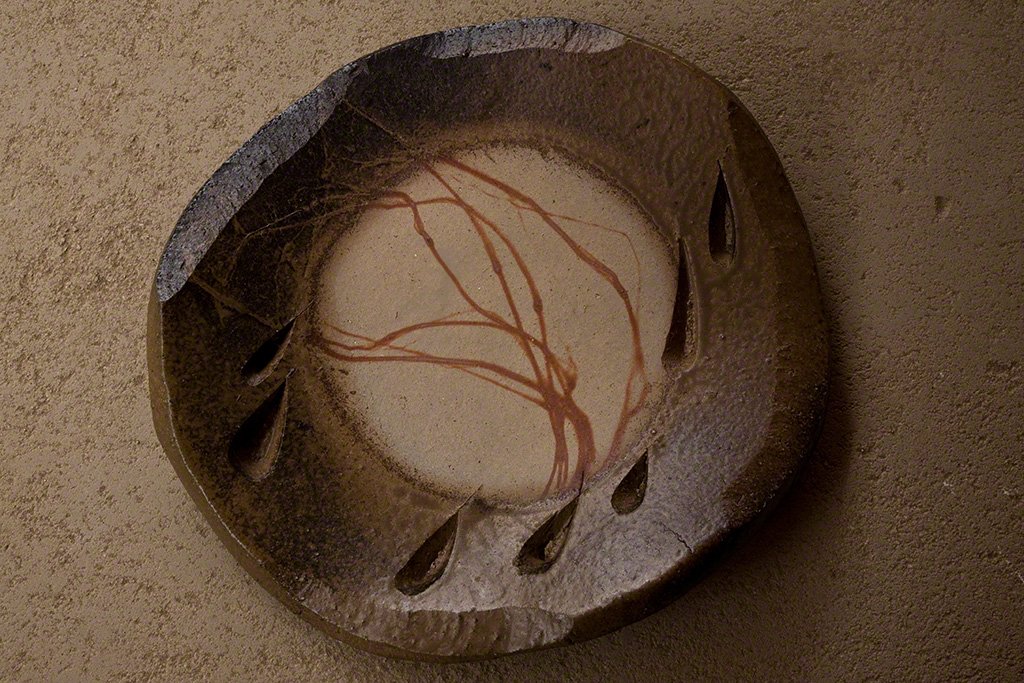
A round plate with the characteristic markings.
-
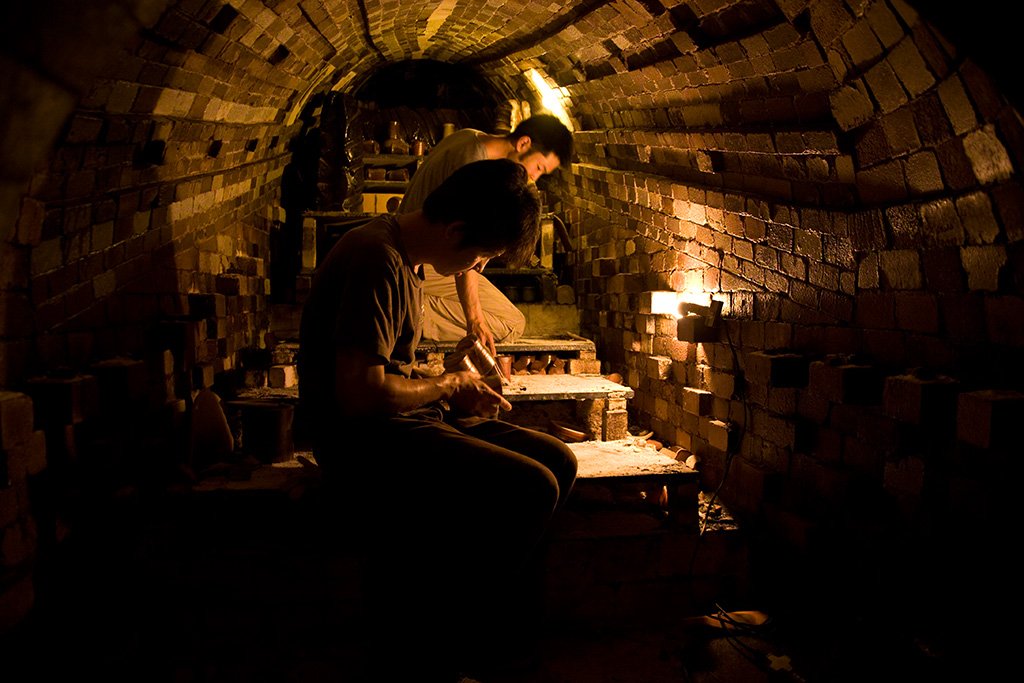
Pottery is taken out of the kiln.
-
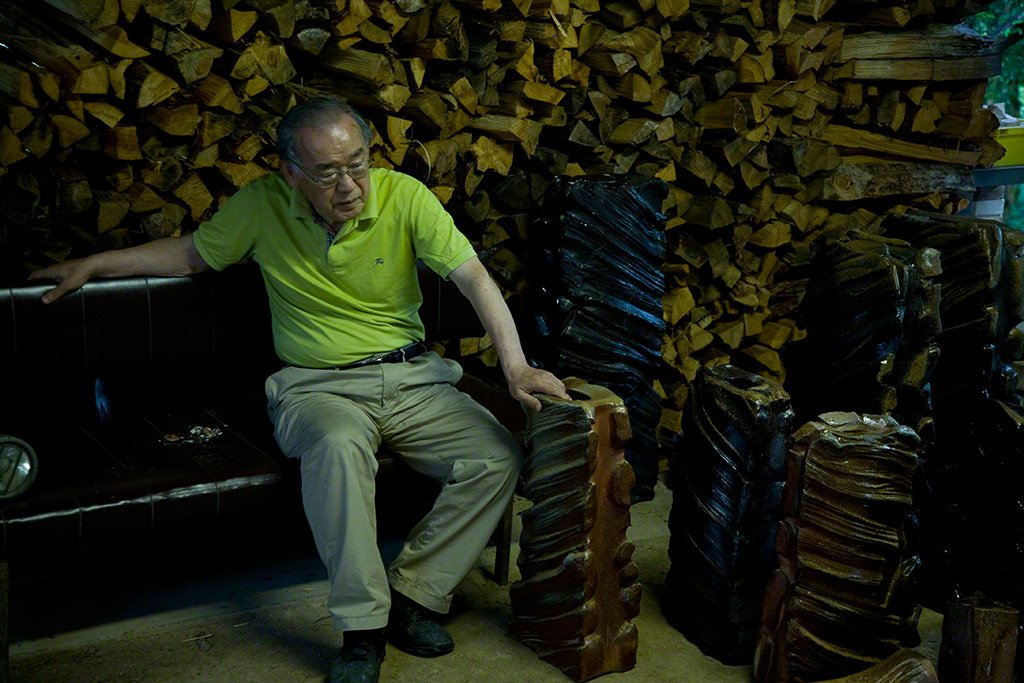
Isezaki looks on as the items are removed from the kiln.
-
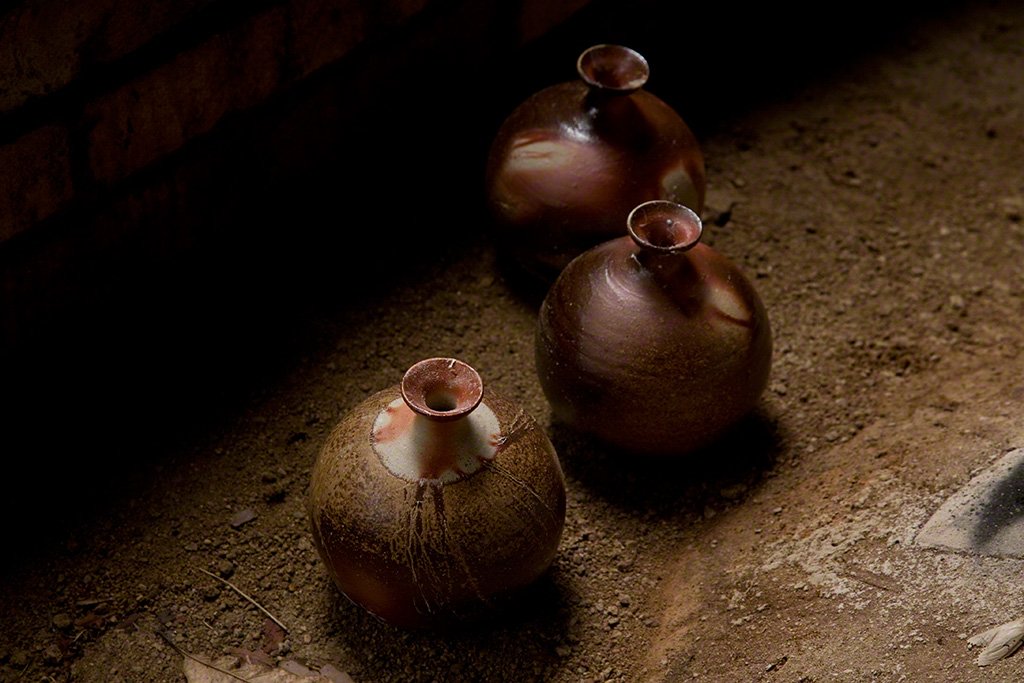
Sake bottles fresh from the kiln.
-
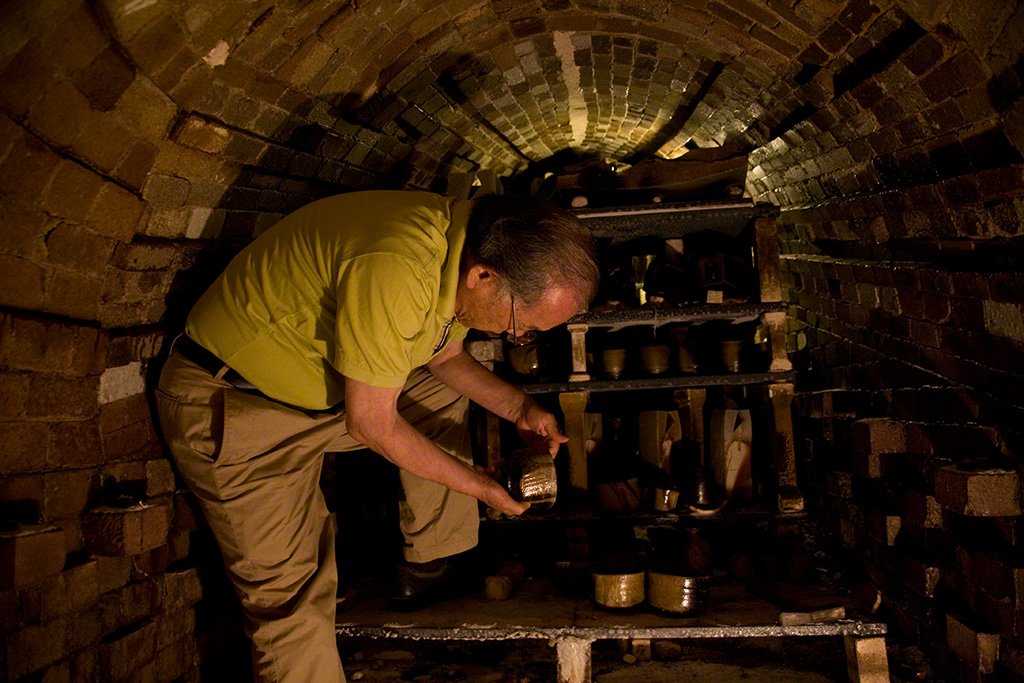
Isezaki enters the kiln after it has cooled down to check his creations.
-
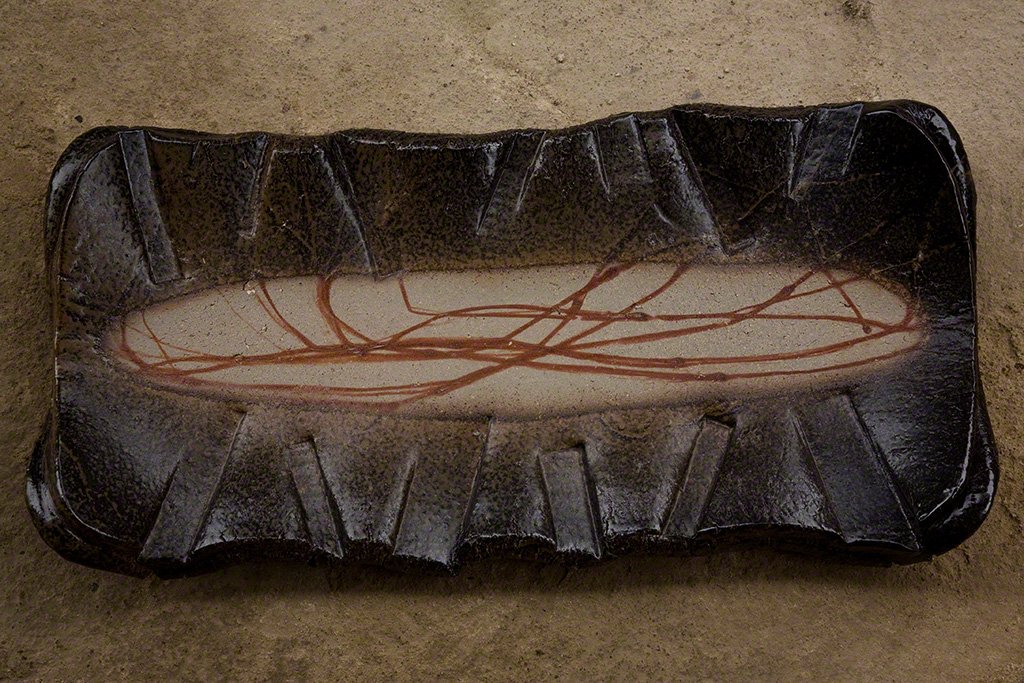
A long, thin plate in the “bizen” style.
-
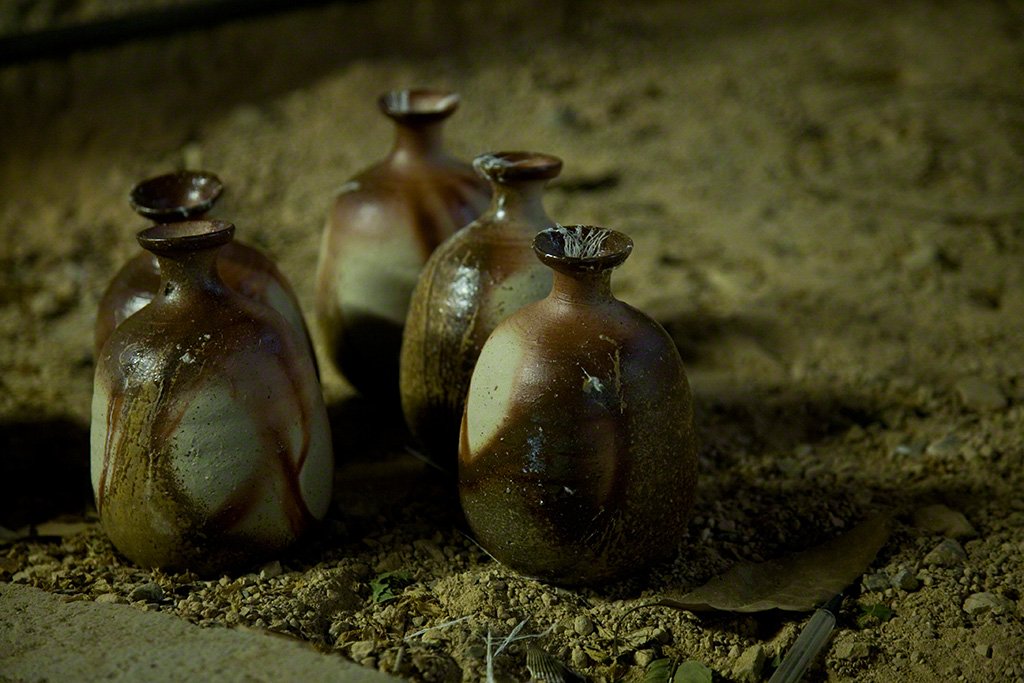
Sake bottles just removed from the kiln.
-
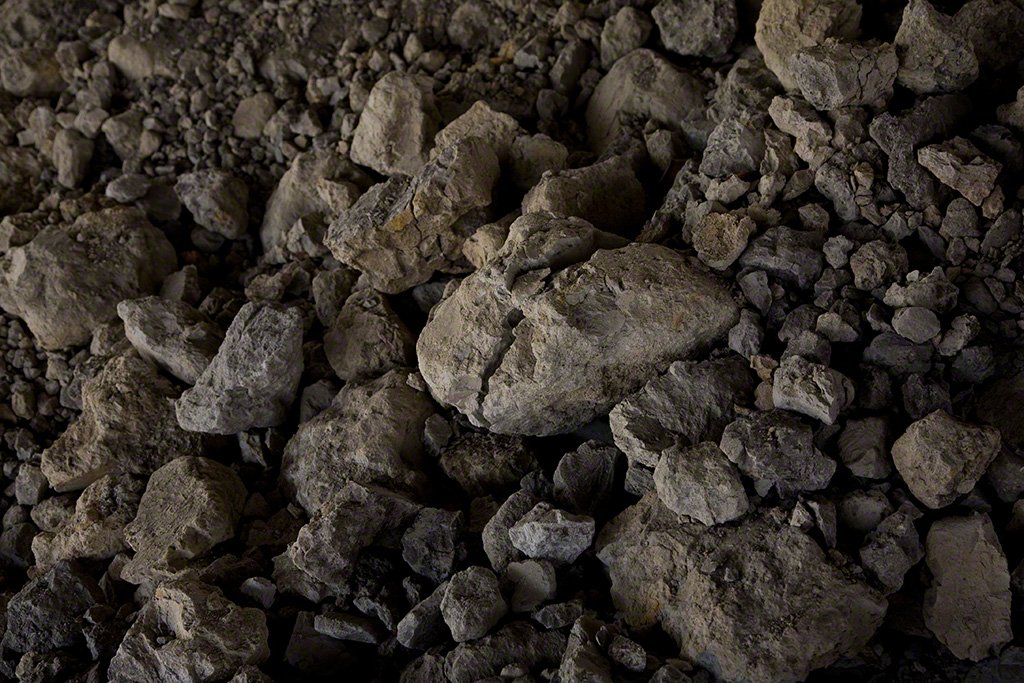
The clay used to make “bizen” pottery, collected from the earth beneath rice fields.
-
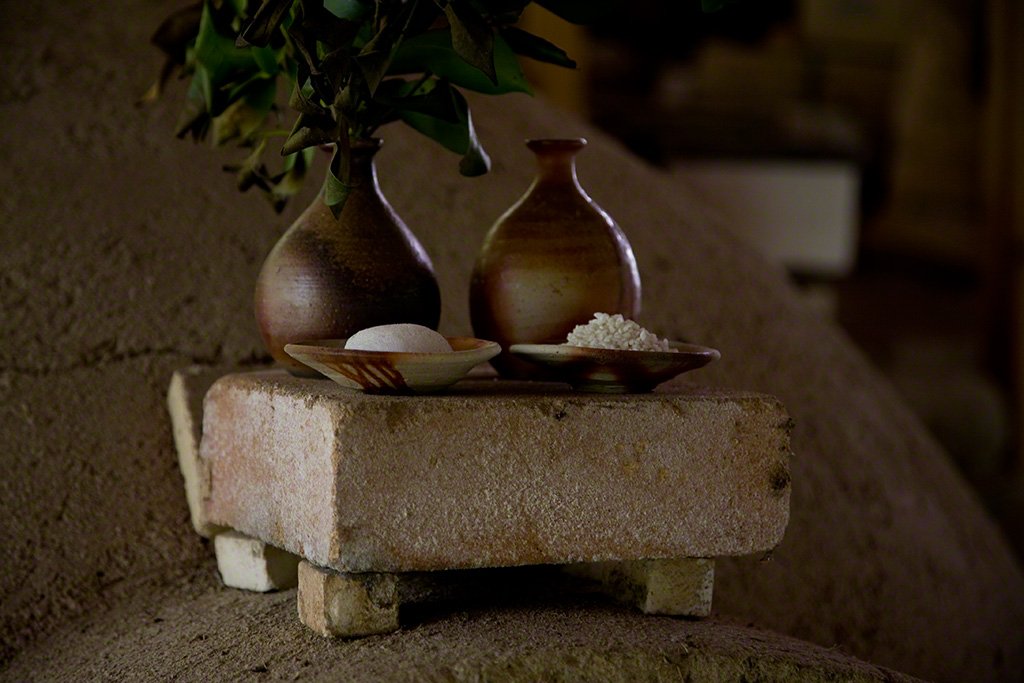
An offering to the gods placed above the opening to the kiln.
-
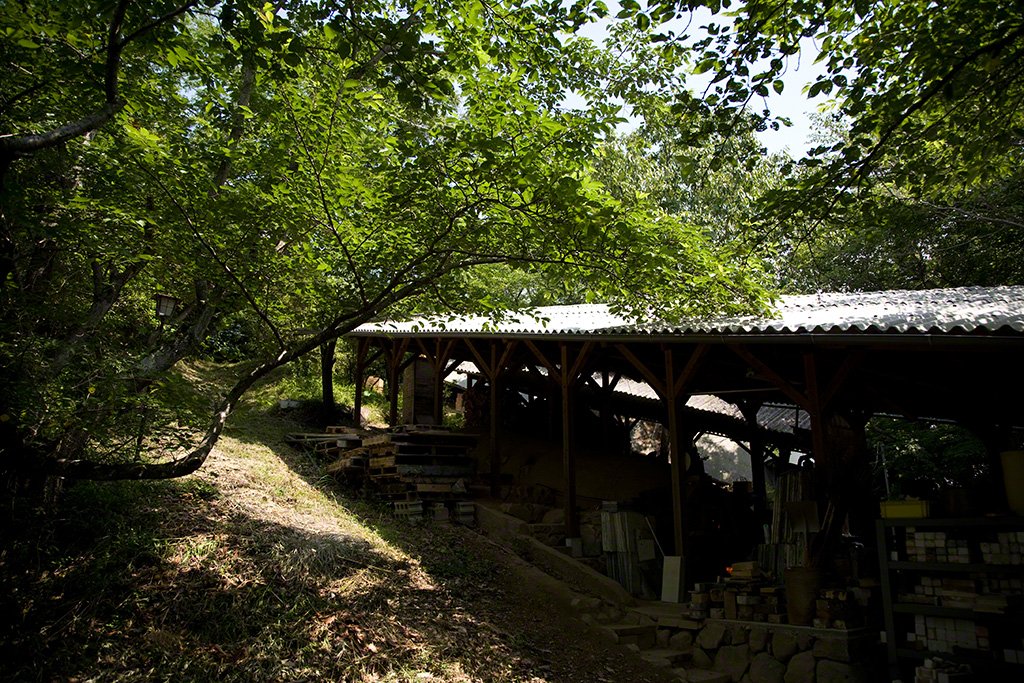
Isezaki’s kiln, which he uses twice a year.
-
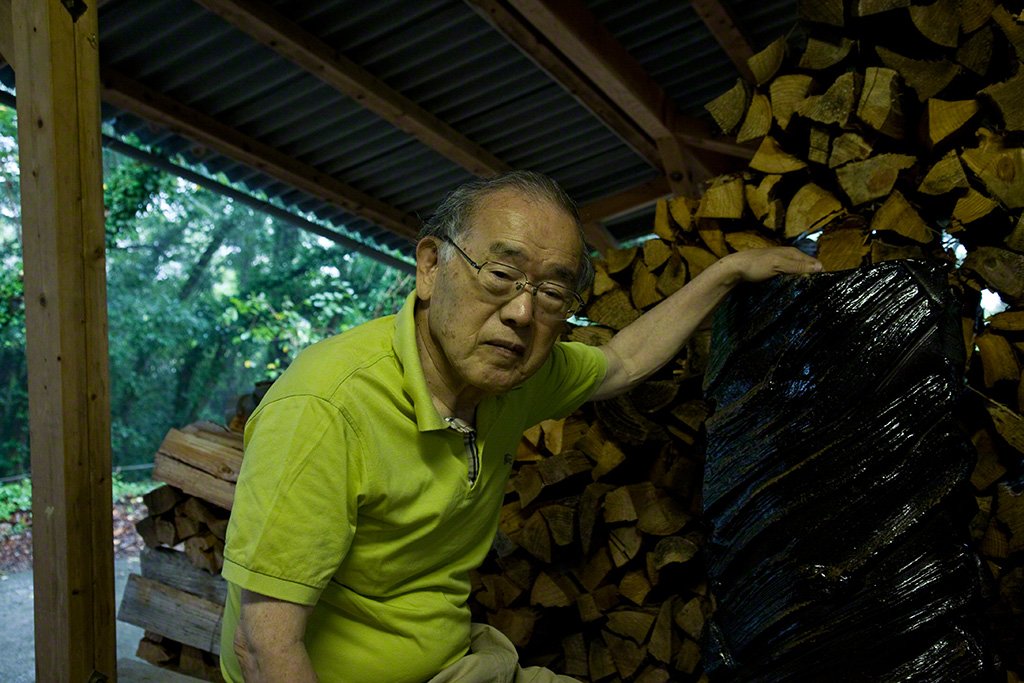
Isezaki with one of his creations.


 Read in other languages