-
-

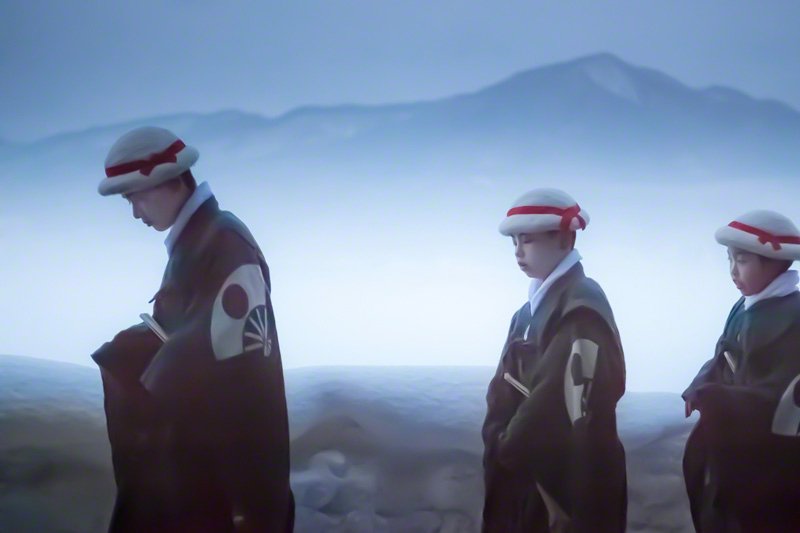
Performers from the villages of Azukizawa and Ōsato gather to perform the Gongenmai and Kōshōmai dances.
-
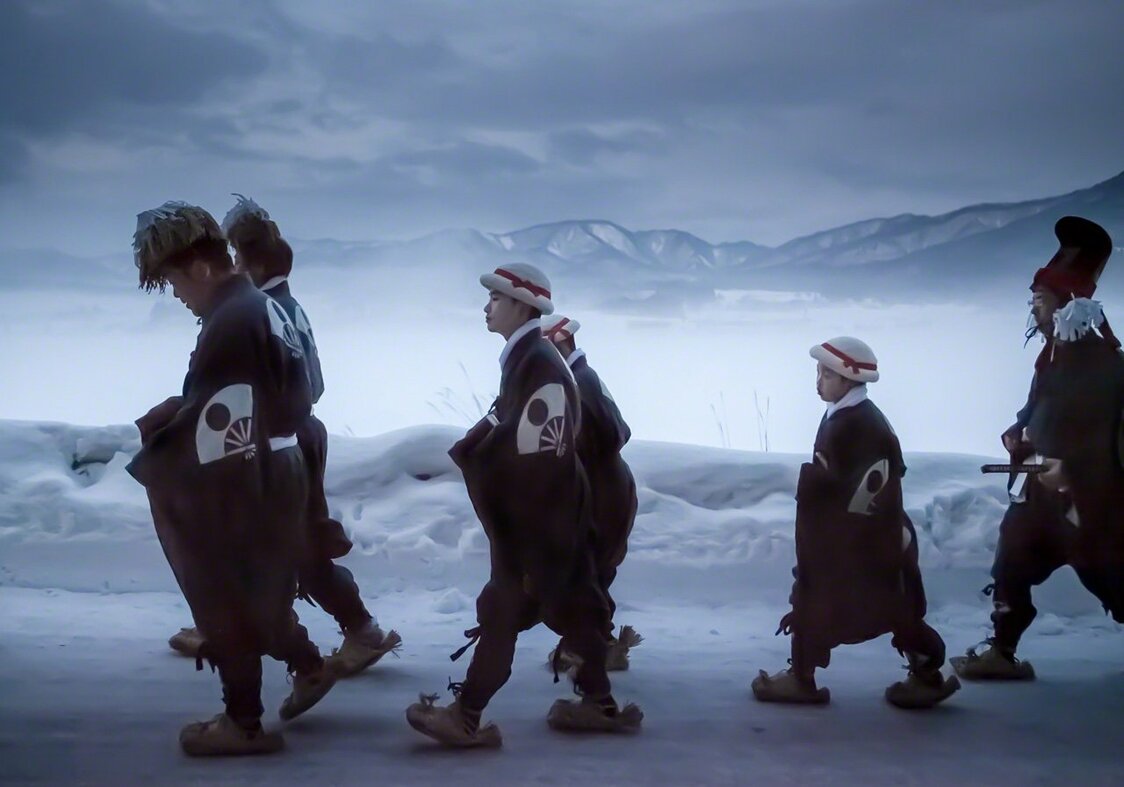
Performers walk along a snowy road to the shrine.
-

Performers must undergo spiritual purification that may last up to 48 days.
-
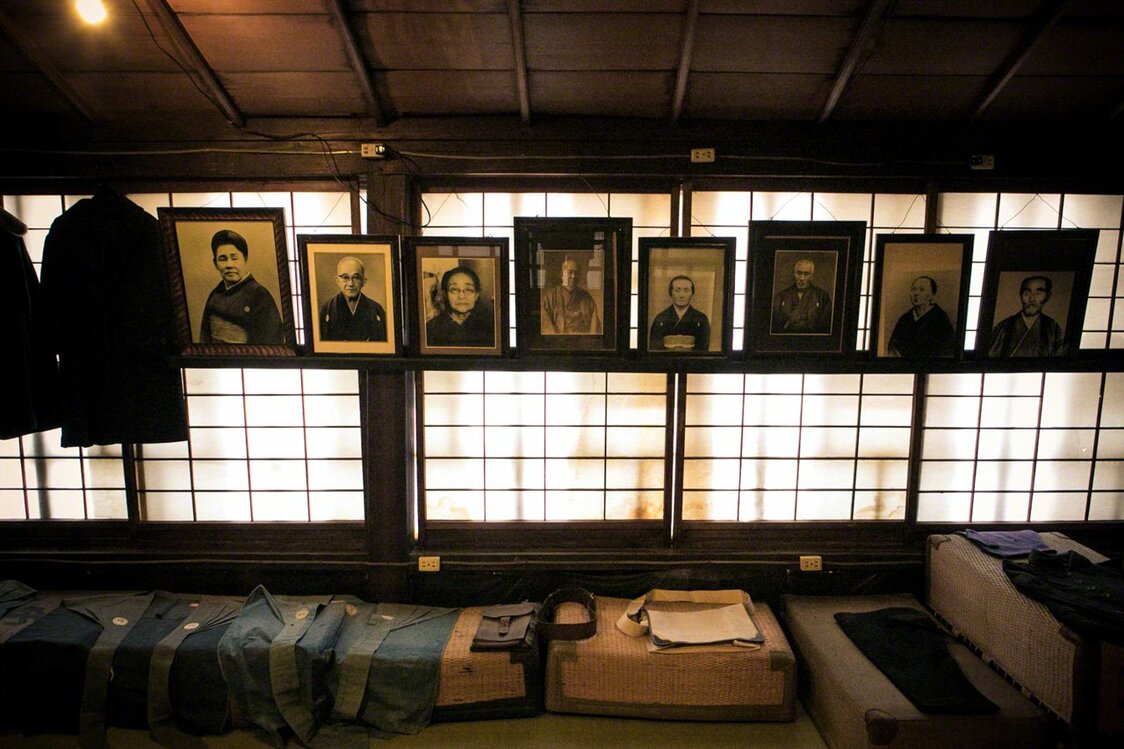
Photographs of ancestors displayed at a sake brewery established in 1856.
-
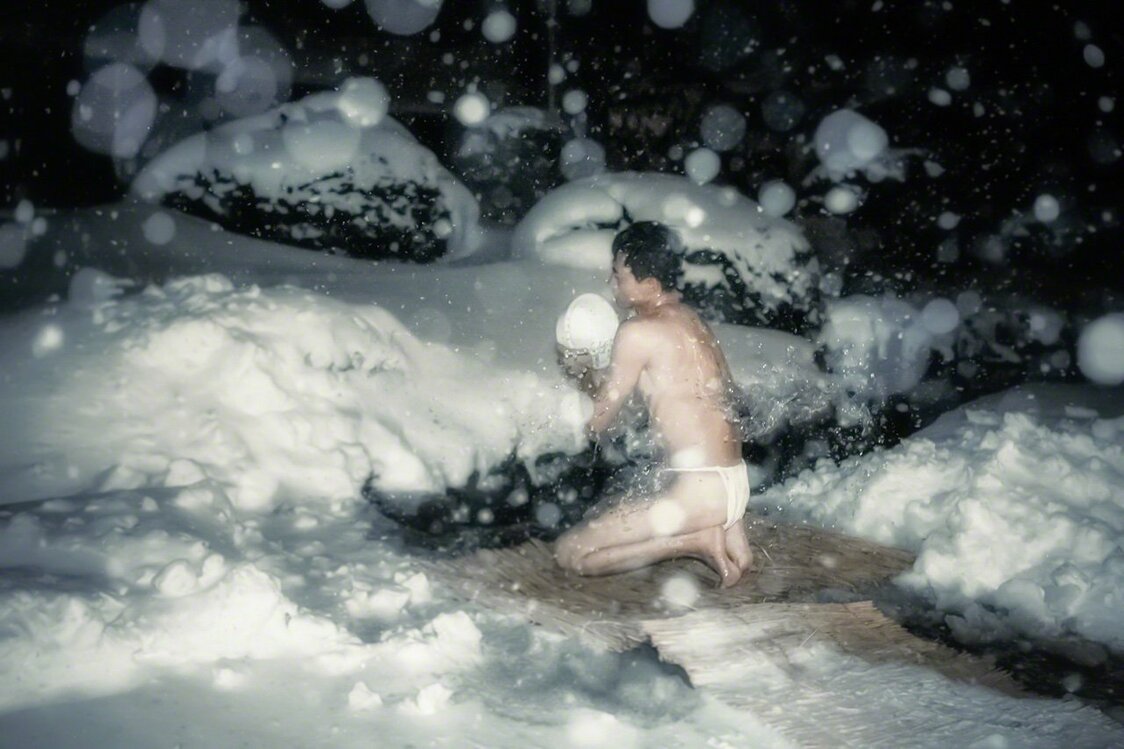
Bathing in icy waters as part of ritual purification.
-
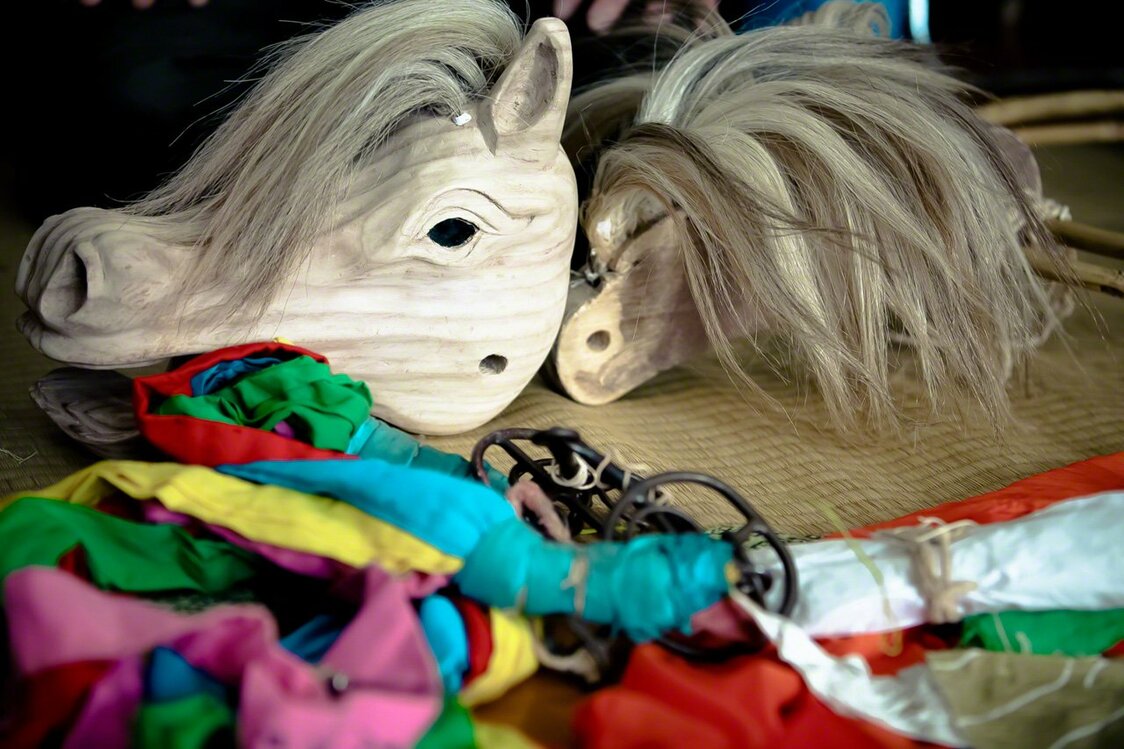
A horse head used in the Komamai (horse dance) at Ōsato, which is said to have been the original for other horse dances around Japan.
-
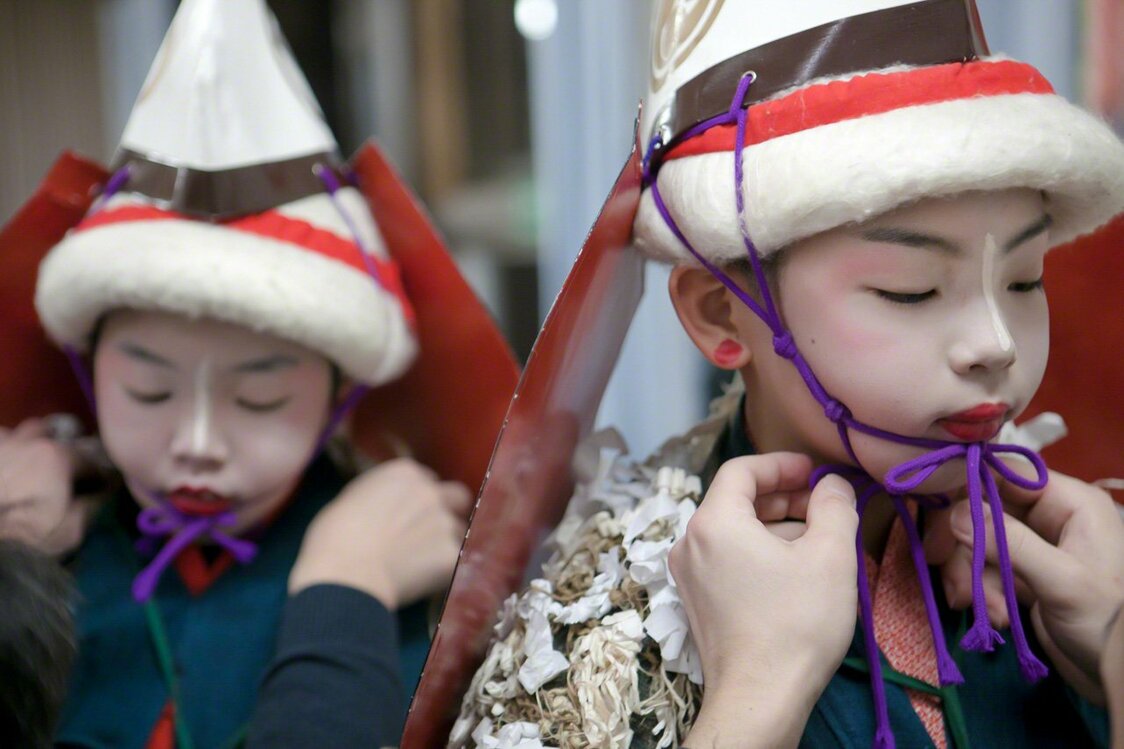
Children preparing for the Torimai (bird dance).
-
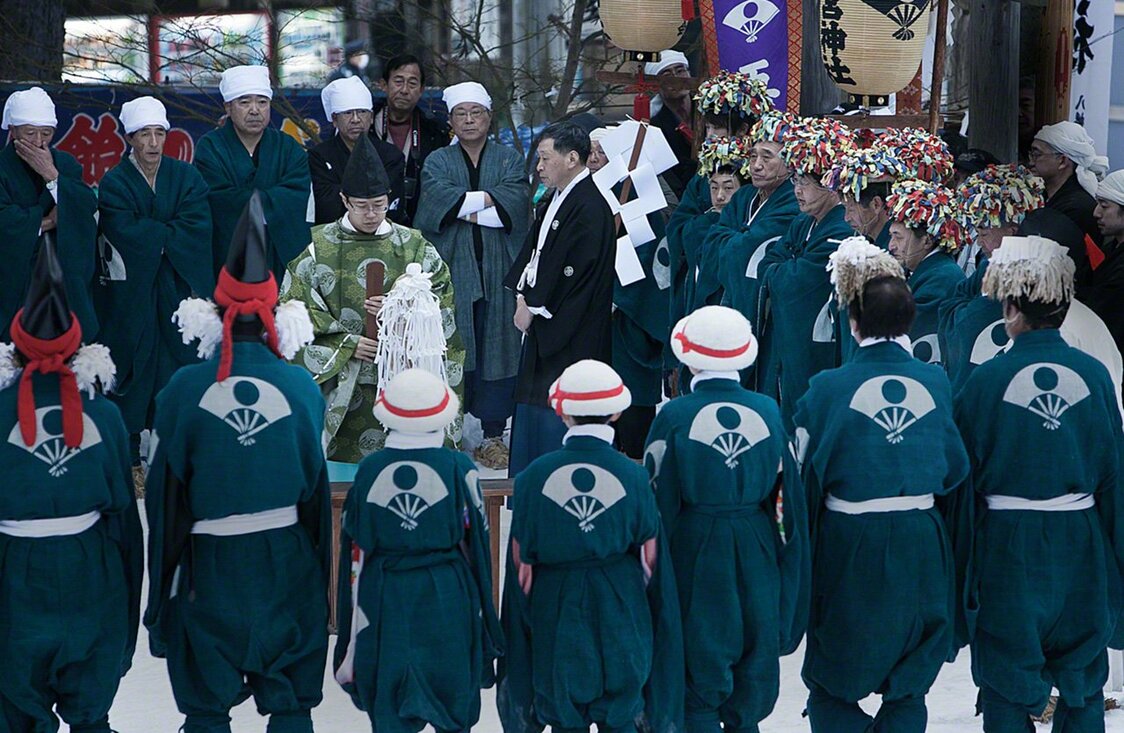
Performers from all four villages assemble within the shrine for a purification ritual.
-
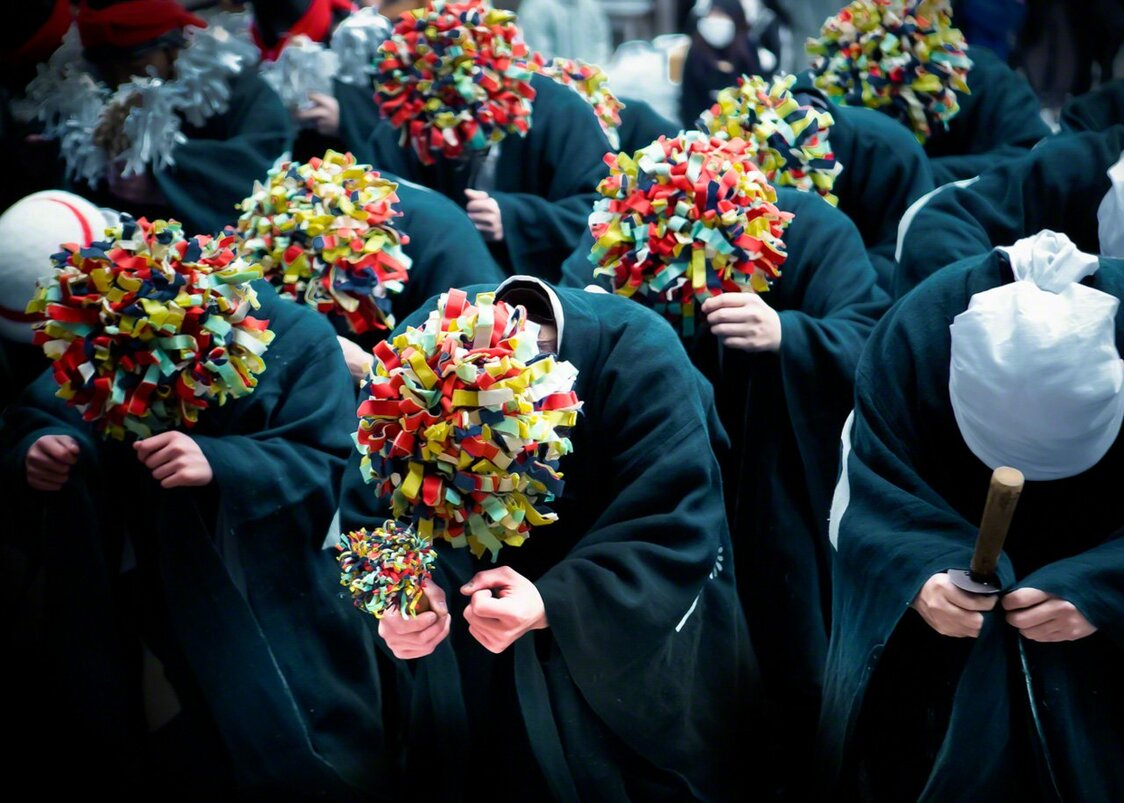
Bowing deeply in time with flute music before the Kanatemai dance.
-
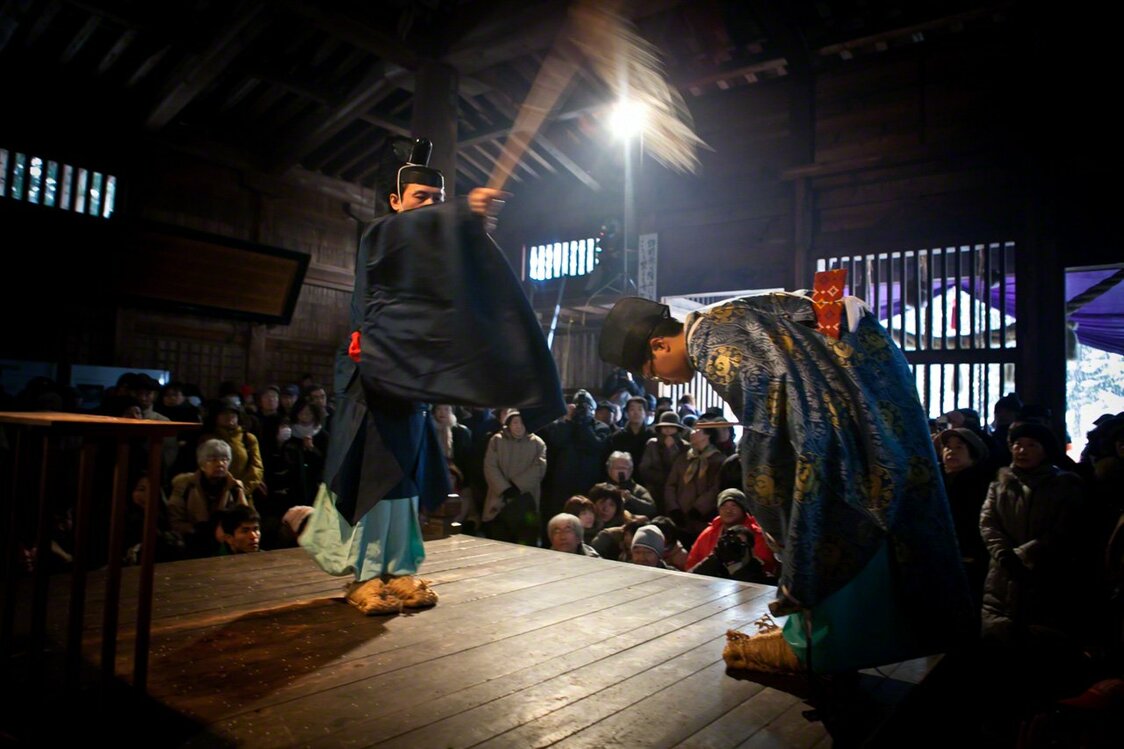
A ritual introduced in recent years.
-
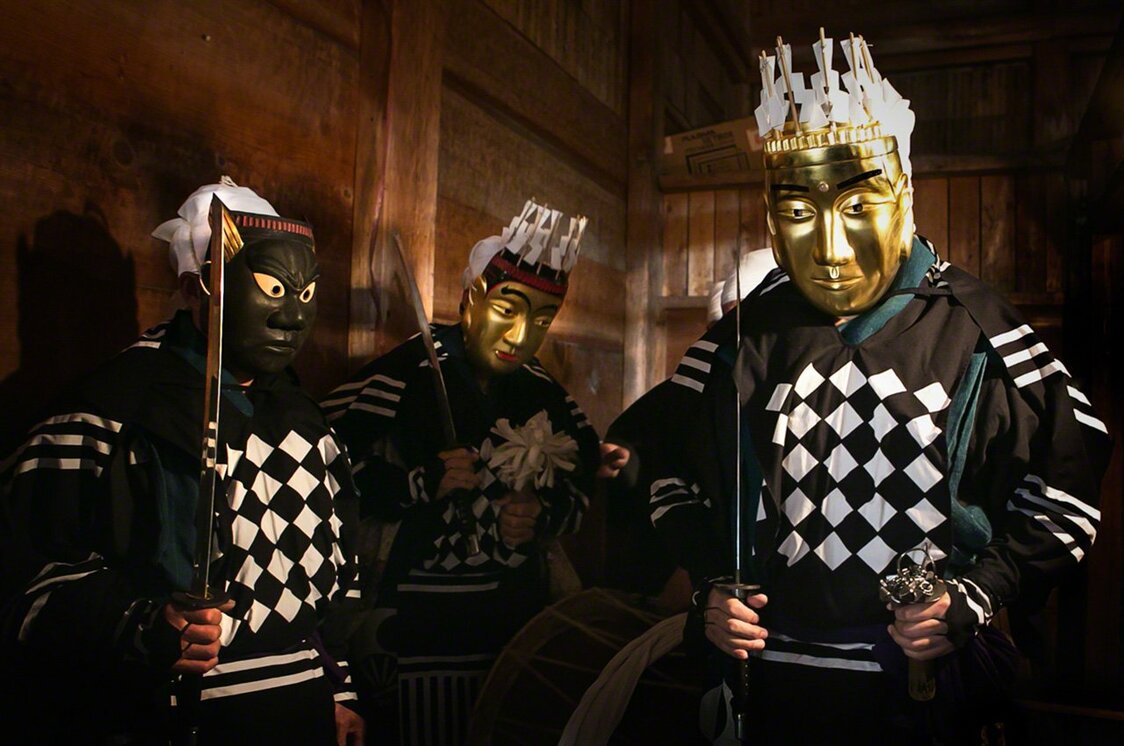
Sacred masks used in the Godaisonmai dance performed by residents of Taninai village may not be touched with bare hands.
-
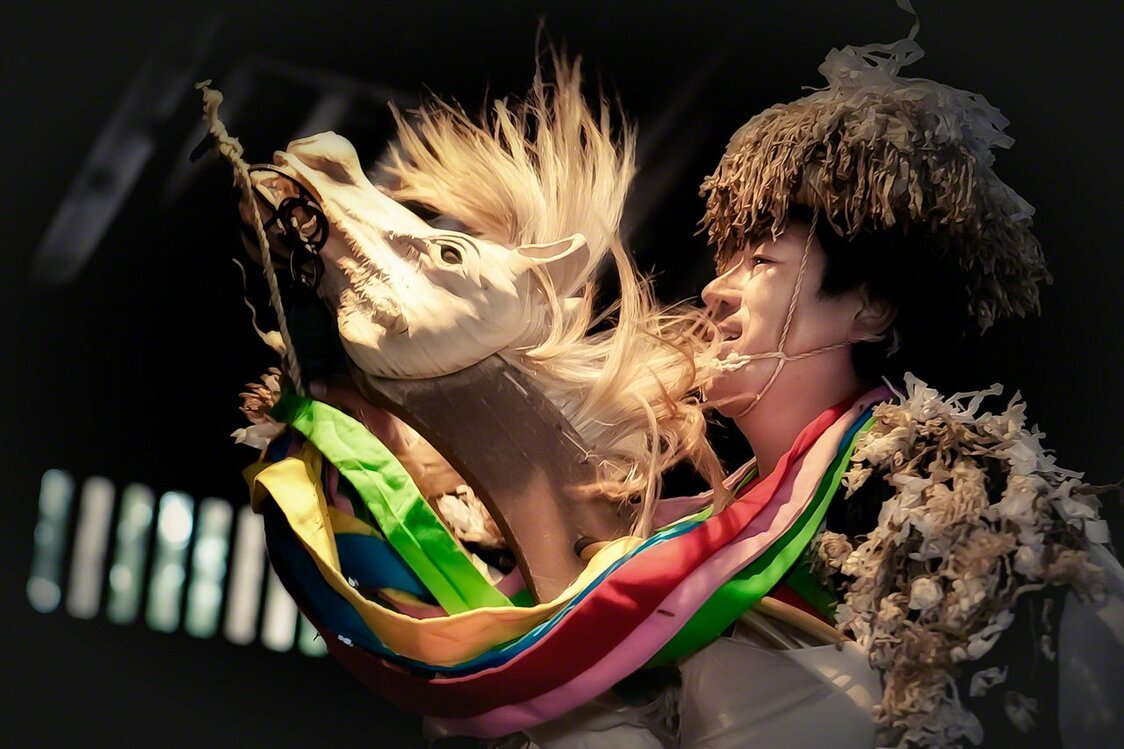
In the Komamai, two performers represent horses, beating time with their feet as they grip reins and move the animal’s heads.
-
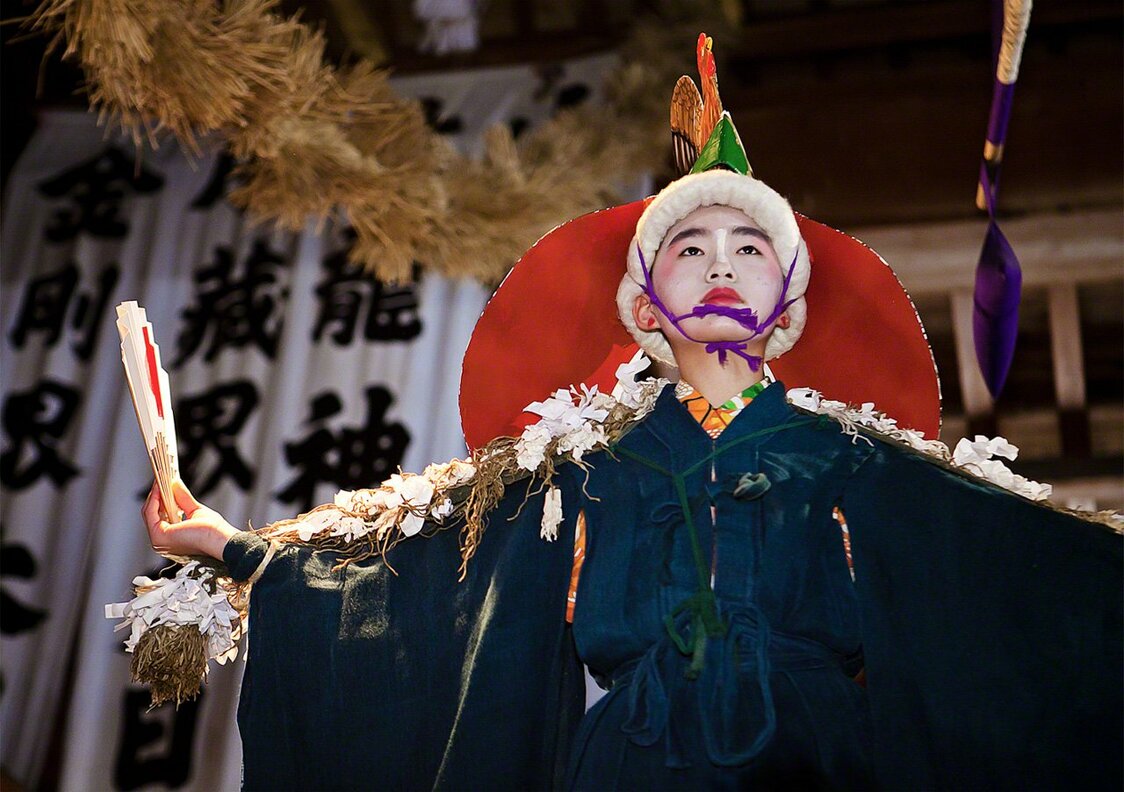
In the Torimai, three children from Ōsato wear “bird helmets” for a mother, father, and chick. The dancer representing the father bird holds a bell in his right hand, and all performers carry fans with a red sun design.
-
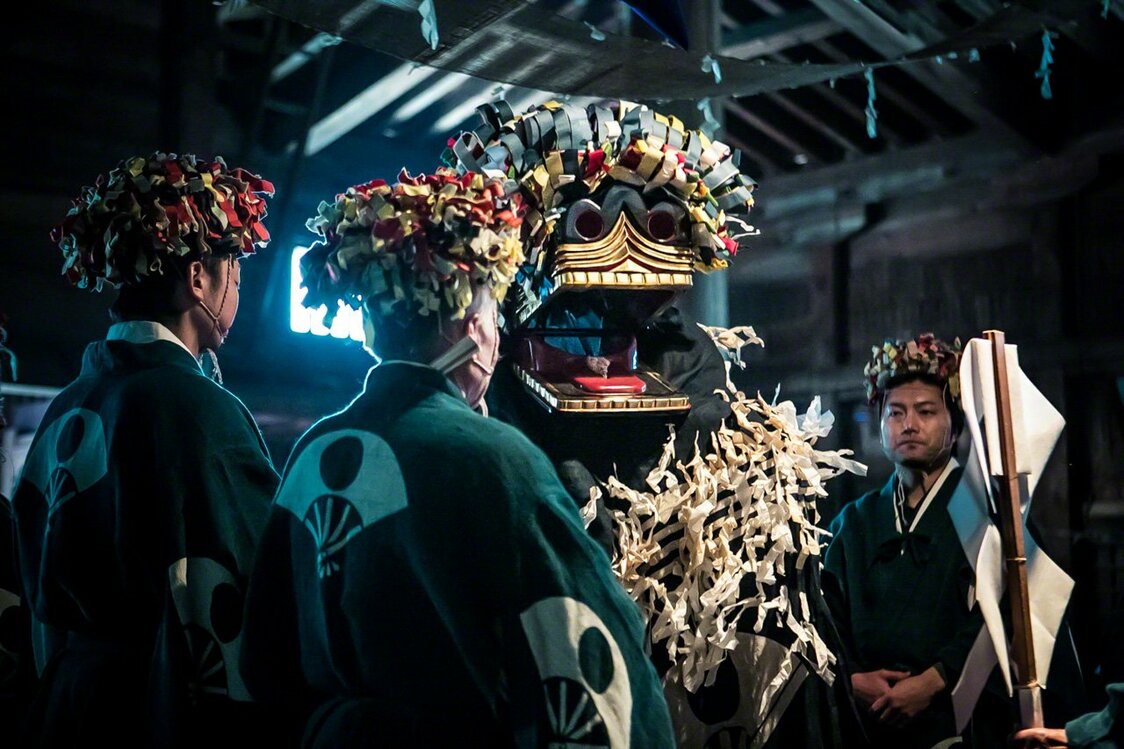
The Gongenmai dance offers solace to the spirit of a local prince. Dancers carry the lion head, with children waving its tail.
-
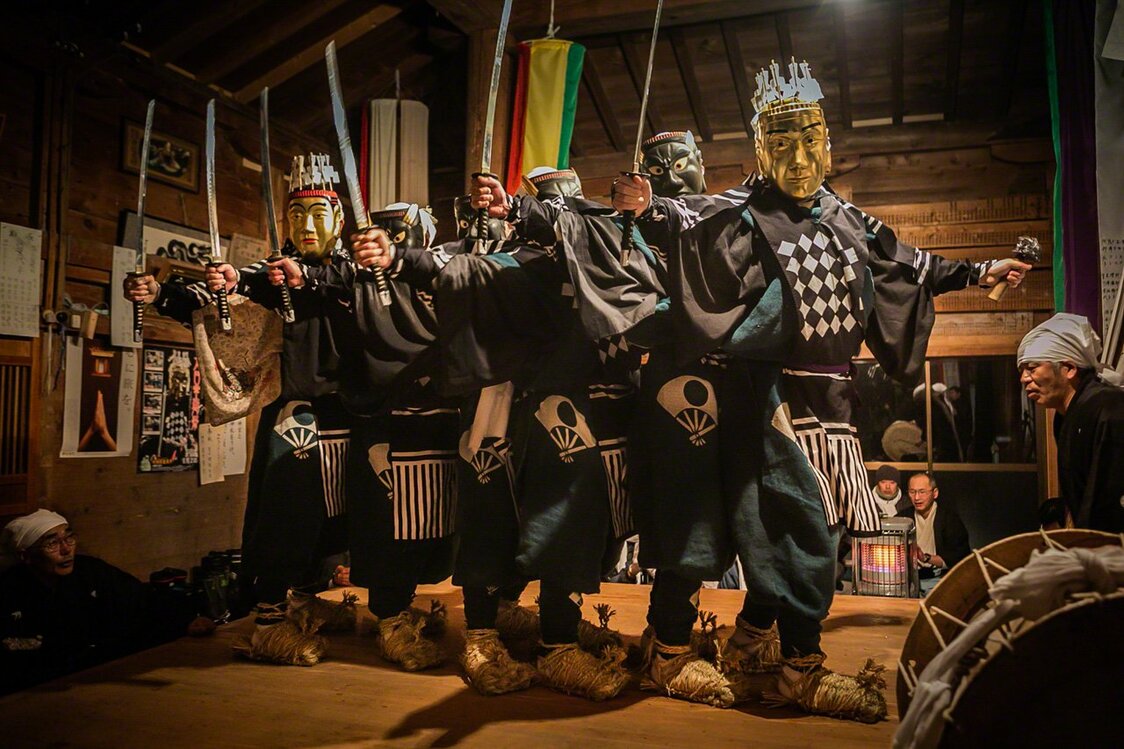
In the Godaisonmai dance, the two performers in golden masks represent the buddha Dainichi in the Diamond Realm and the Womb Realm.
-
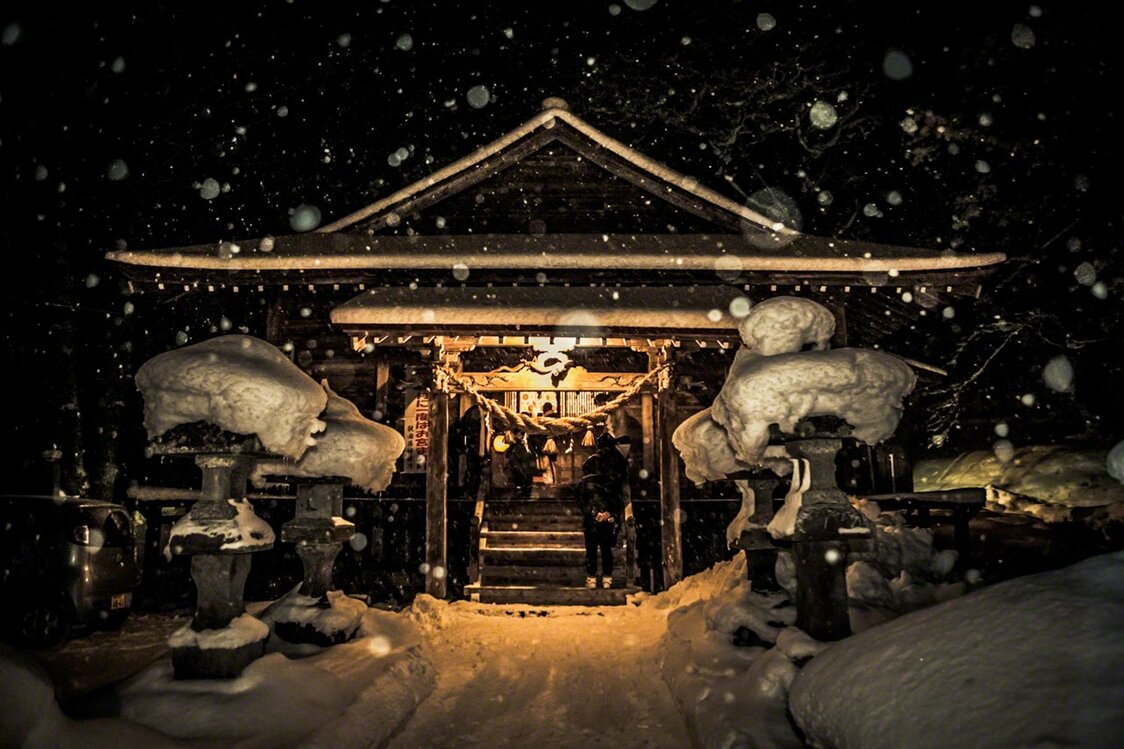
The Dainichidō hall amid falling snow.
-
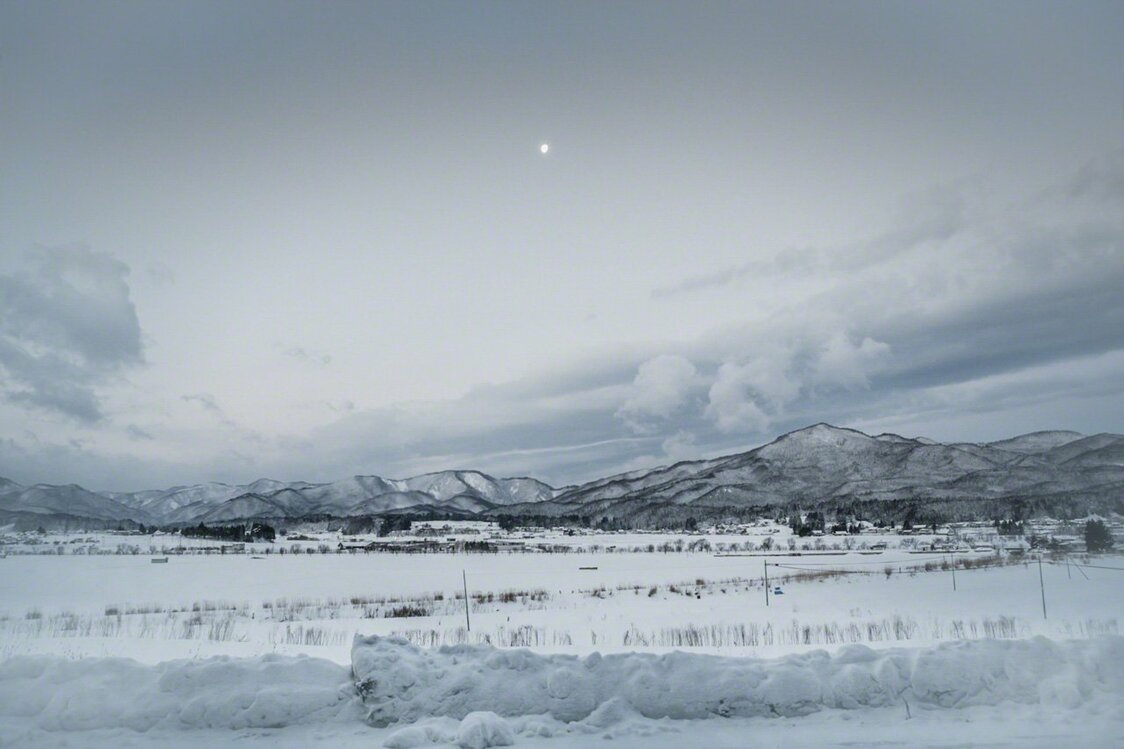
A new morning begins after the festival is over. In summer, this becomes a landscape of green fields.


 Read in other languages