-
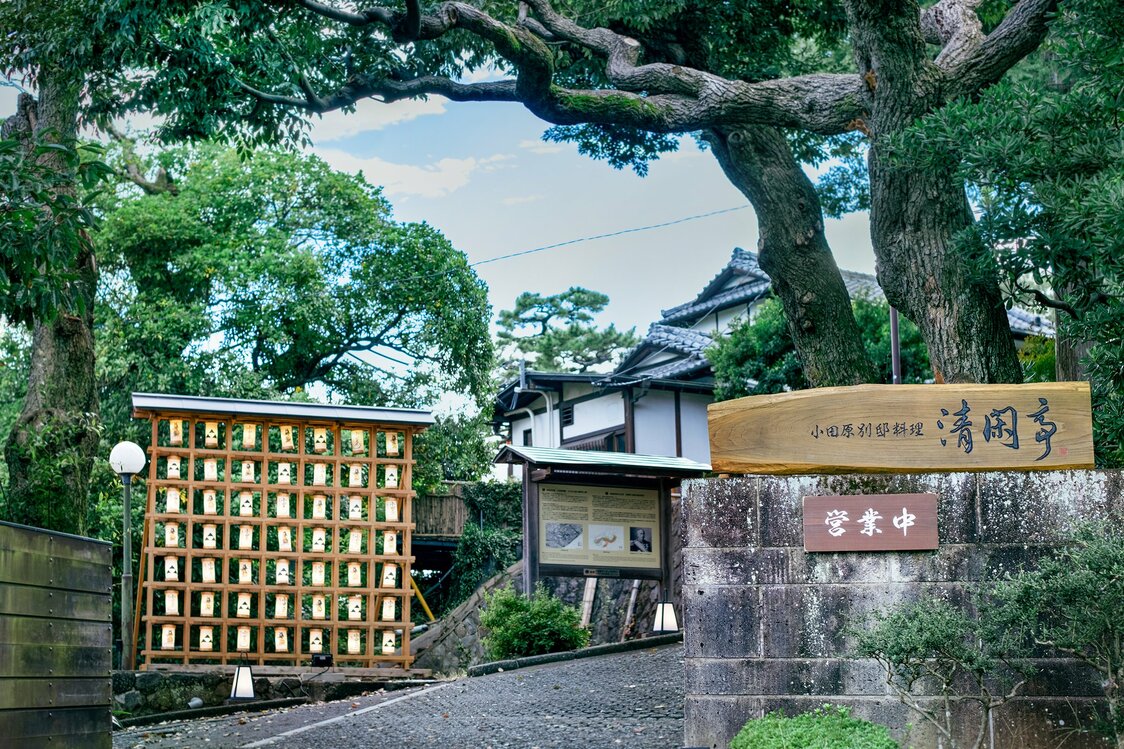
The entrance to Seikantei is enswathed in green. The decoration to the left is changed four times throughout the year, once for each season. (© Kawaguchi Yōko)
-
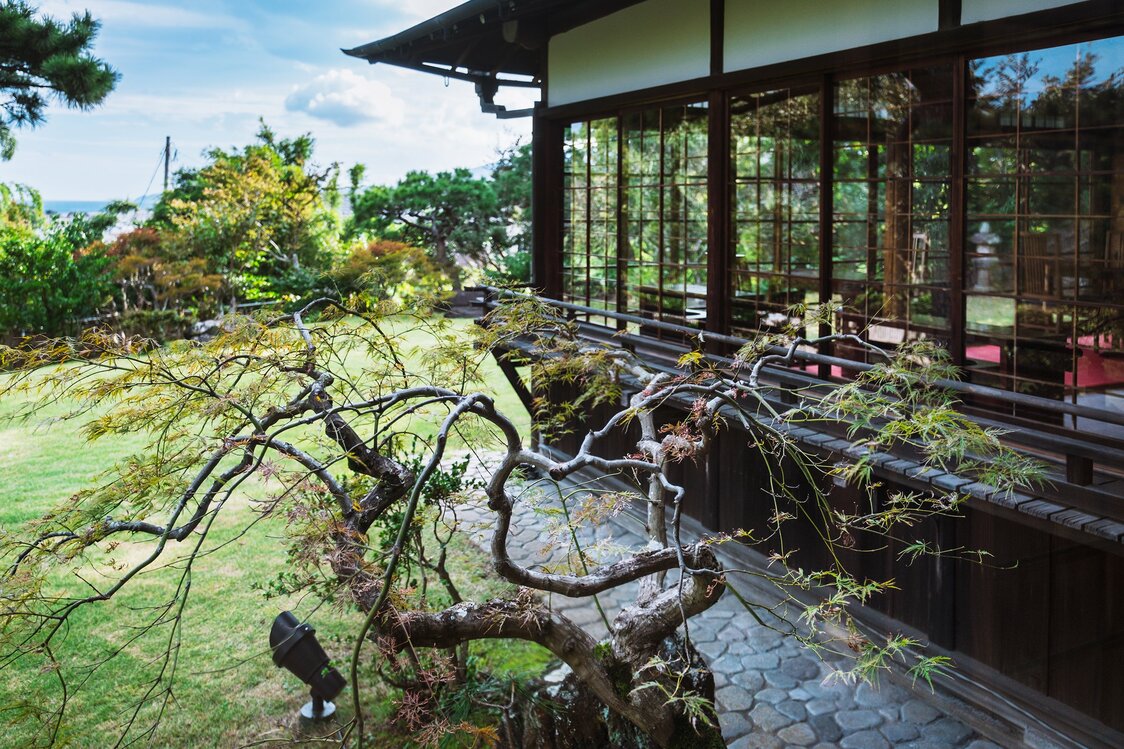
The building was destroyed in the Great Kantō Earthquake of 1923, but was recreated using what remained of the original structure. (© Kawaguchi Yōko)
-
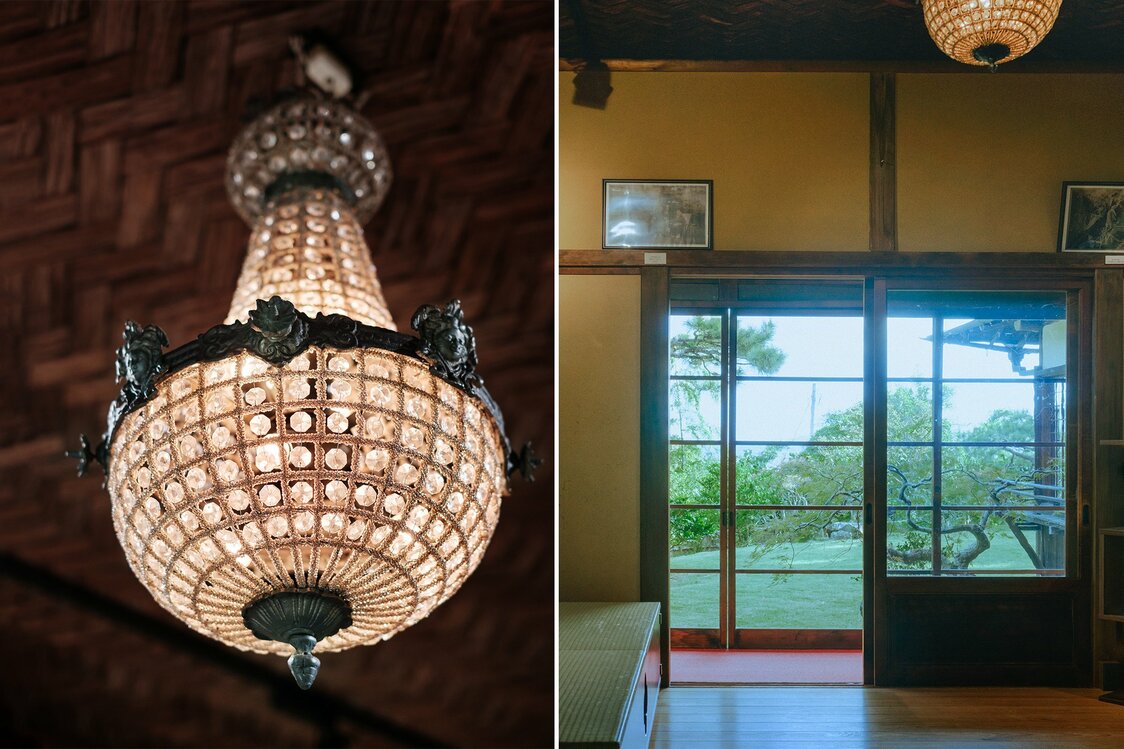
Left: A chandelier hangs from the woven cedar bark ceiling; right: Looking out on the garden from the wooden-floored tearoom. (© Kawaguchi Yōko)
-
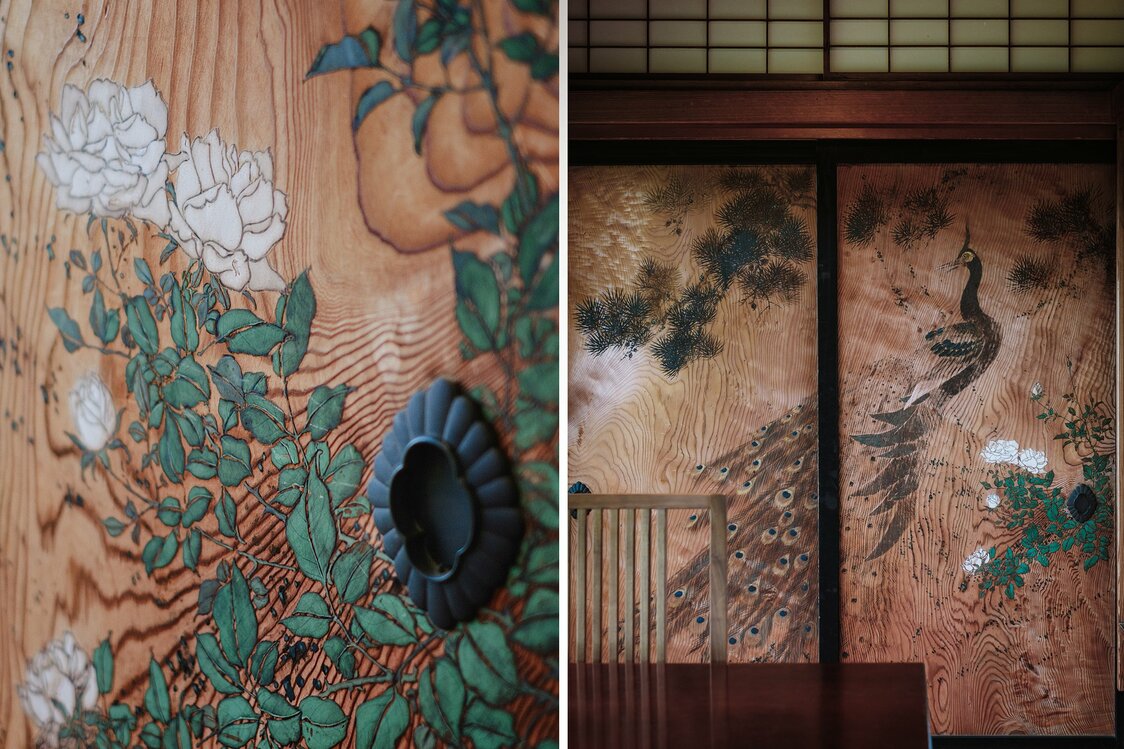
These cedar doors were used by the Kuroda family as far back as the Edo period. (© Kawaguchi Yōko)
-
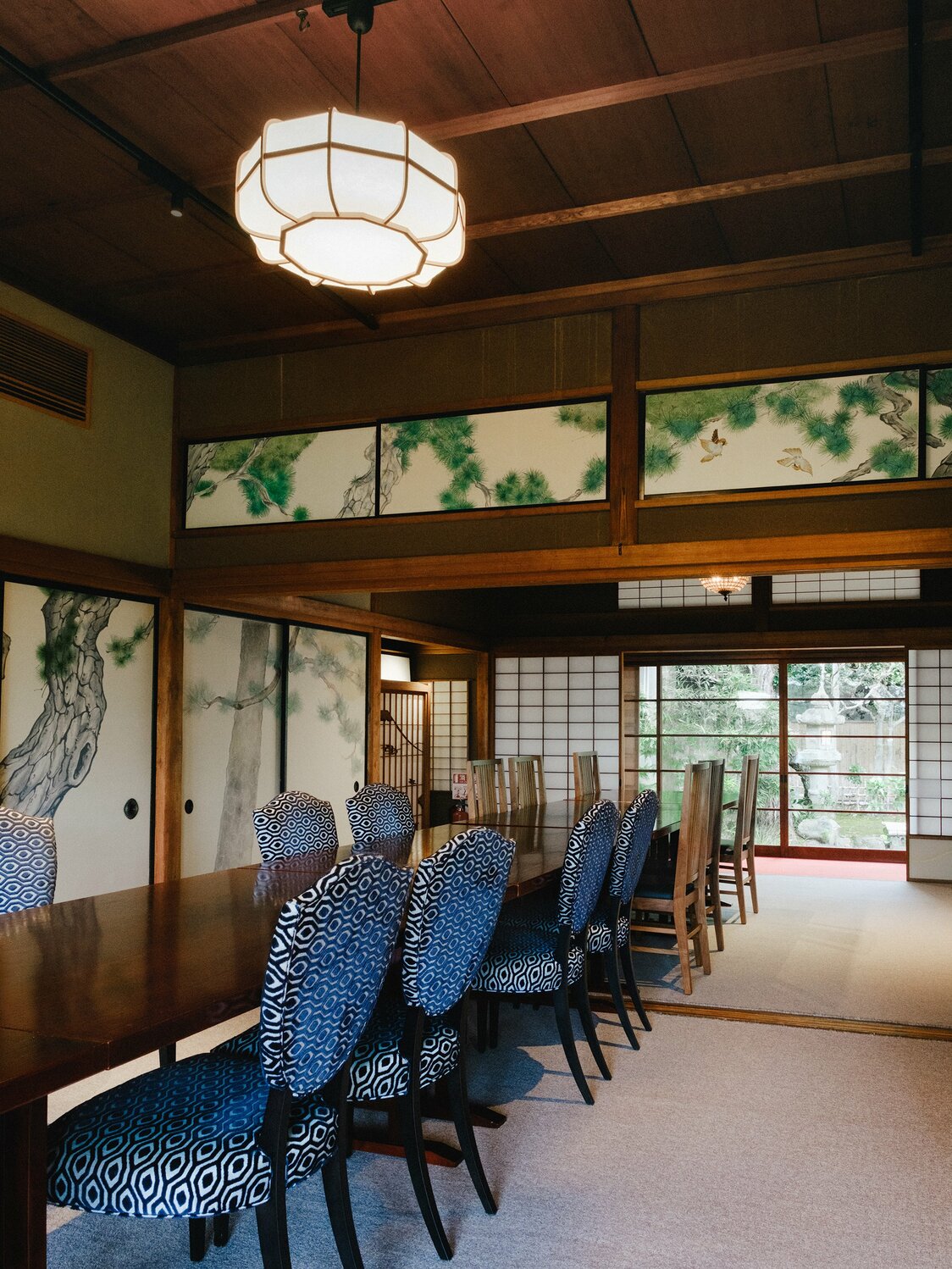
The fusuma-e painted by a contemporary artist blends seamlessly with the green of the garden. (© Kawaguchi Yōko)
-
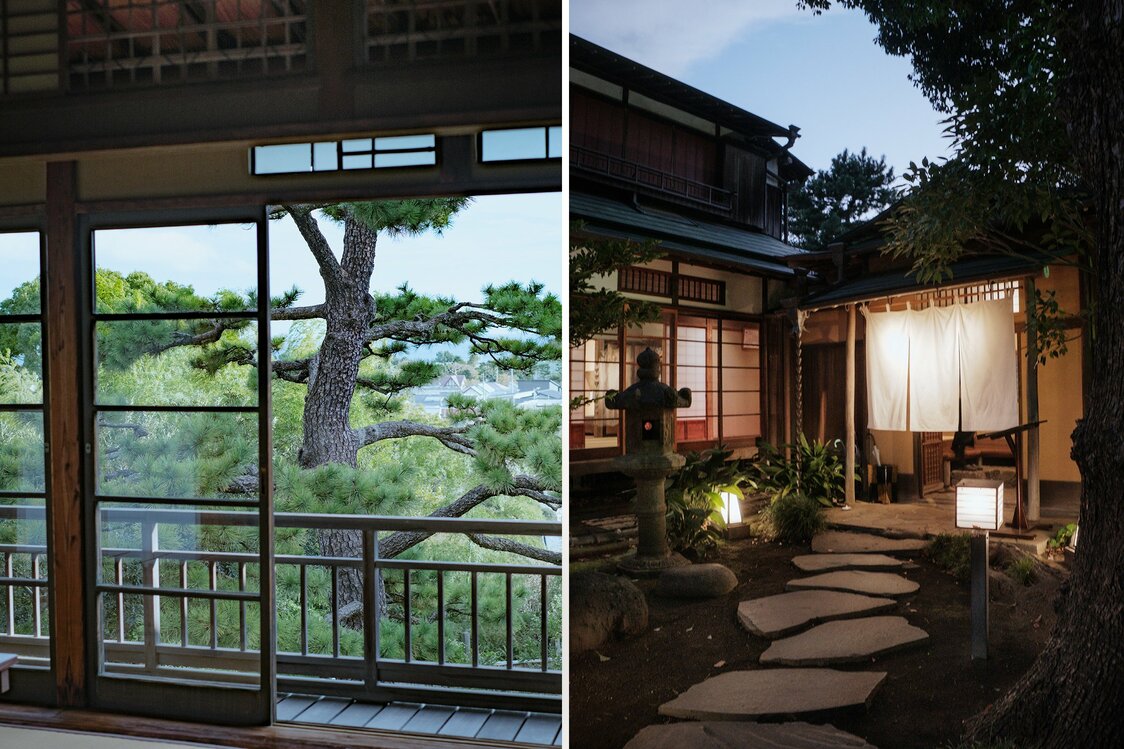
Left: Looking seaward from the second story; right: Seikantei in the evening. (© Kawaguchi Yōko)
-
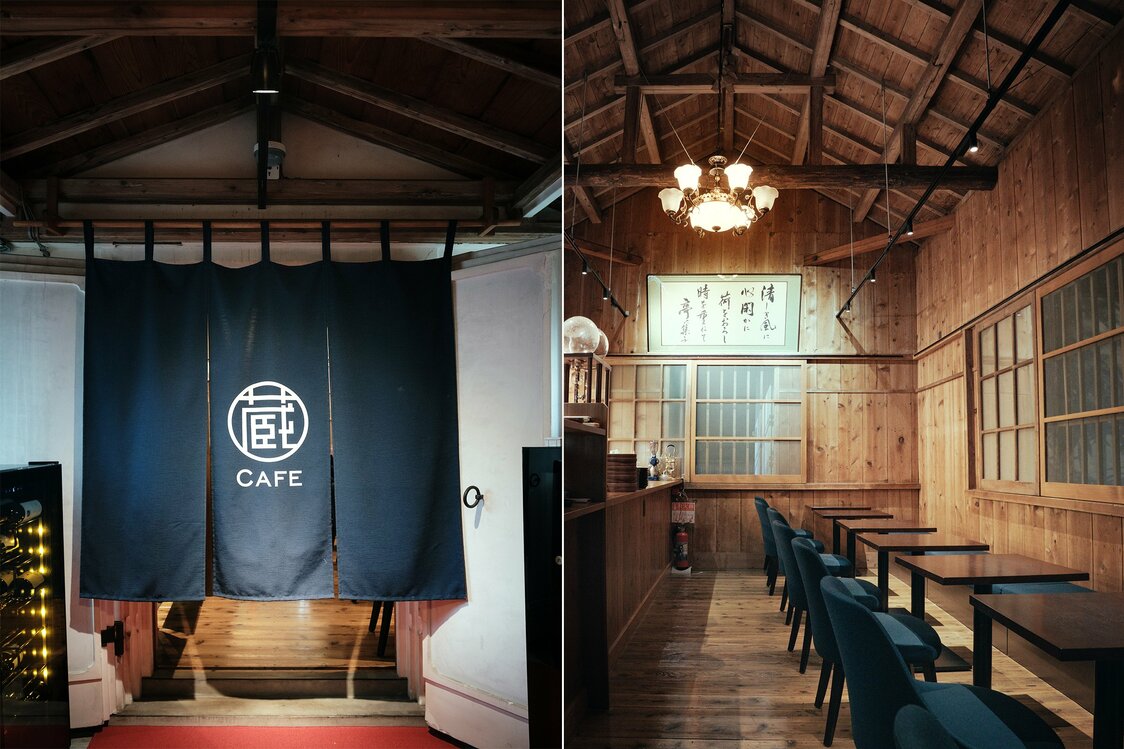
The calm, quiet interior of the storehouse café. An excellent place to drop in casually while on a walk. (© Kawaguchi Yōko)
-
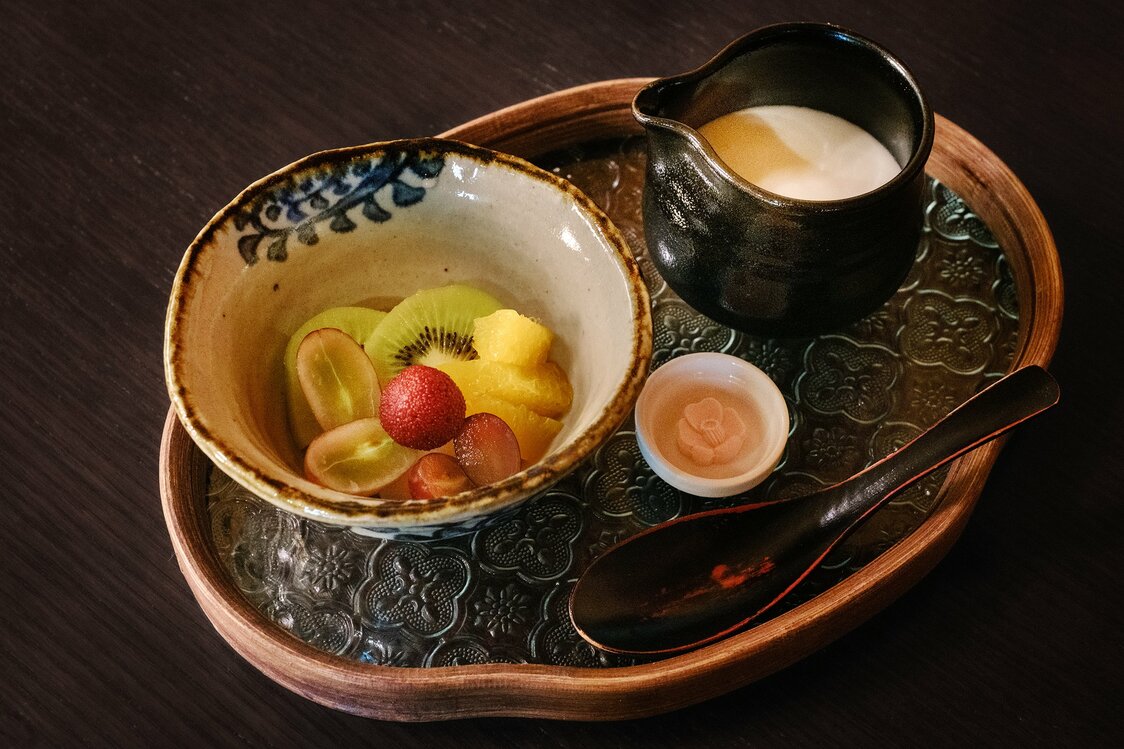
Susuri Anko is an original confection inspired by susuri dango, said to be the forerunner of oshiruko. (© Kawaguchi Yōko)
-
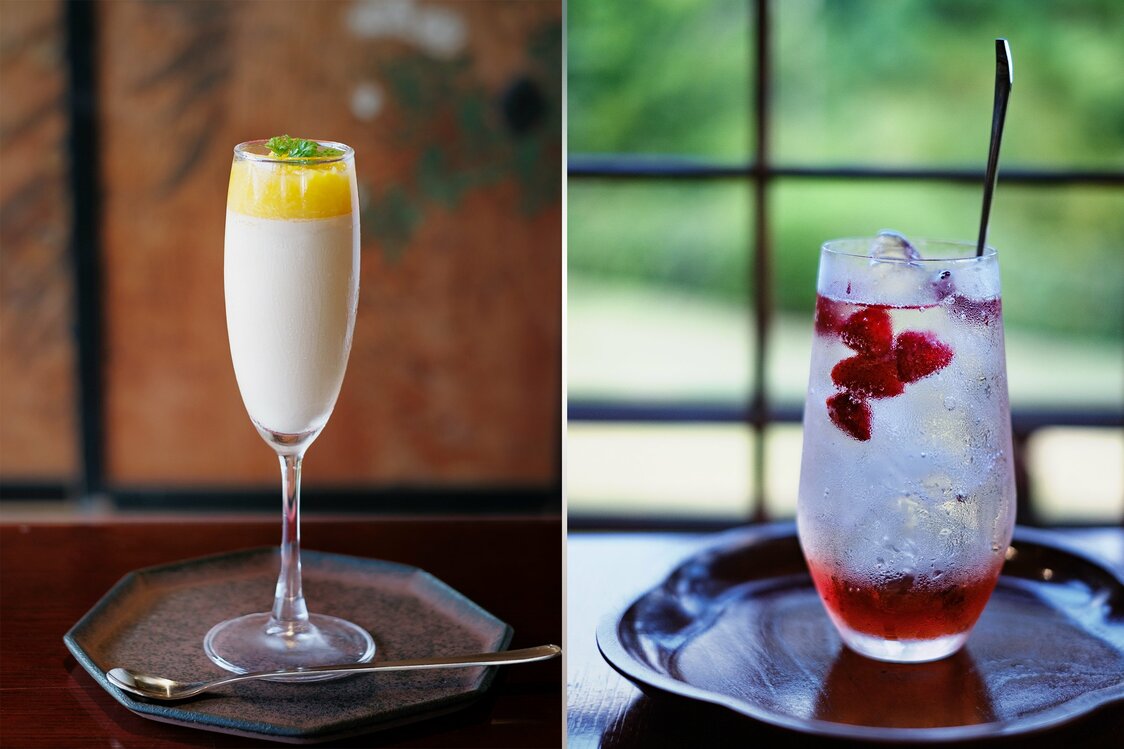
Left: Seikantei Pudding; right: Squash of the Day. (© Kawaguchi Yōko)
-
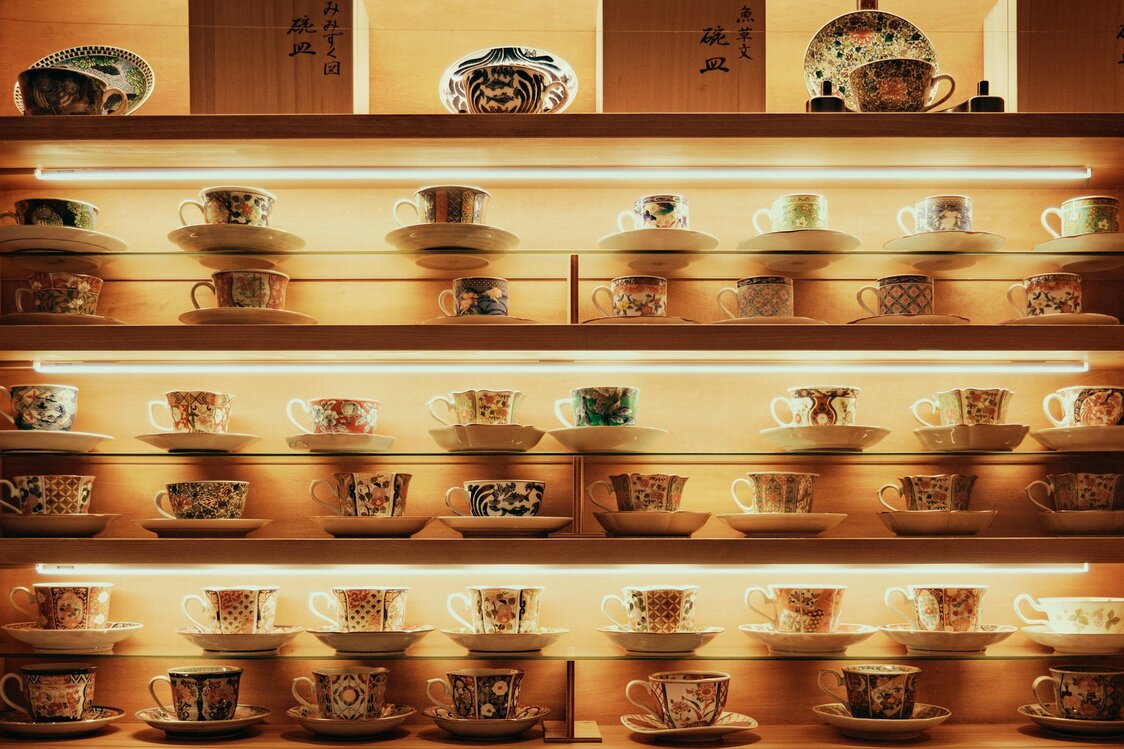
The tableware used in the café is from Murakami Genki Tōbō, a renowned Arita ware kiln in Kyūshū, to which the Kuroda family had a historical connection. (© Kawaguchi Yōko)
-
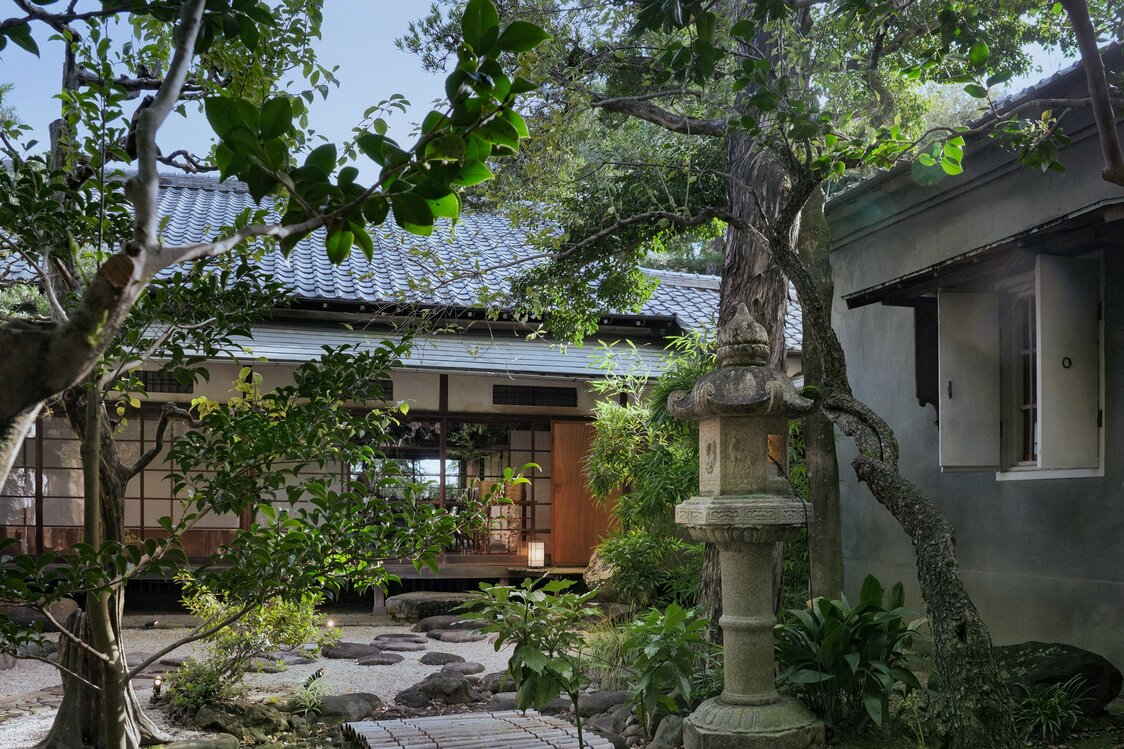
The main building and the storehouse café (right) as seen from the rear garden. (© Kawaguchi Yōko)
-
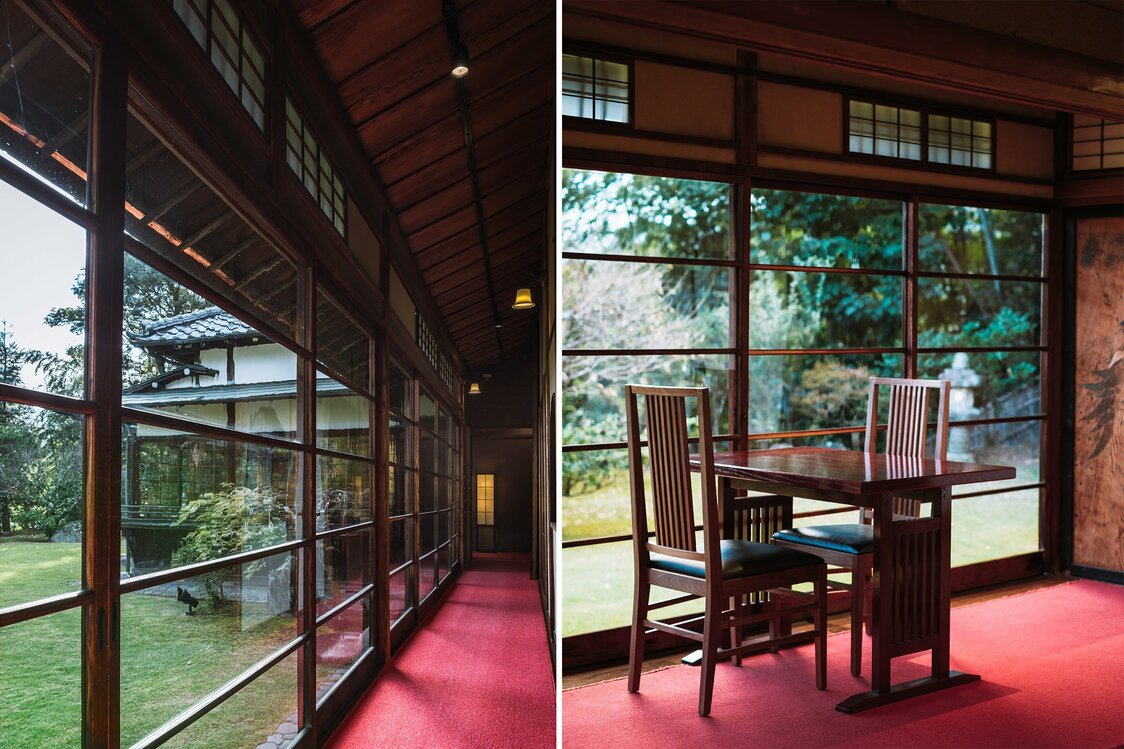
左 : 東棟から西棟へ通じる 長い廊下。 微妙に波打つガラスは関東大震災後の復元当時のまま、大切に保たれている。 右 : 西棟の座敷の一角
-
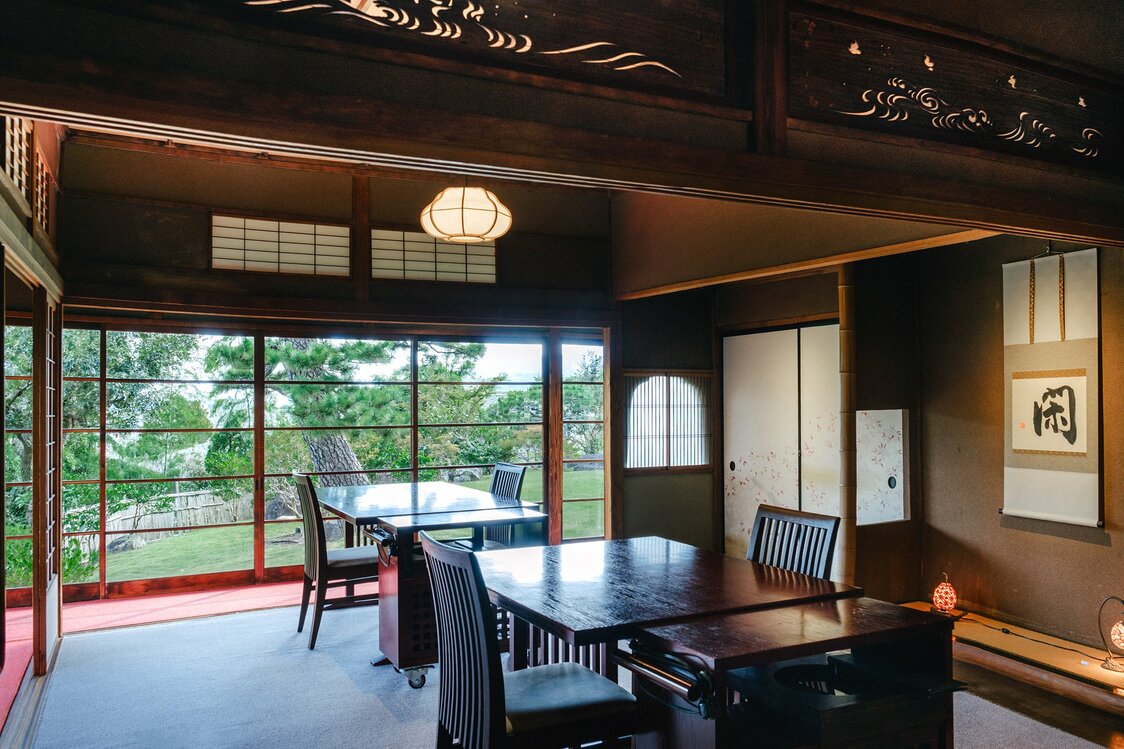
東棟の座敷。欄間の透かし彫りは、波に千鳥。床の間には「閑」の軸が掛かる


 Read in other languages