-
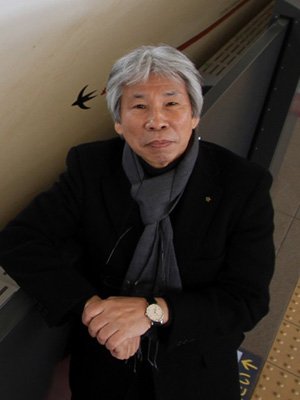
Mitooka Eiji Born in 1947. After working as a furniture designer and then studying in Osaka and Italy, Mitooka branched out on his own. In 1988, he was responsible for the interior design at a resort hotel in Fukuoka, which led to an offer from JR Kyūshū. He has been involved in the carriage design for almost all of JR Kyūshū’s trains ever since, including the new Kyūshū Shinkansen. Four-time winner of the Brunel Award for international railway design.
-

The sleek “nose” of a new 800 series train glints in the sunlight. Completed in March 2011, the Kyūshū Shinkansen links Hakata with Kagoshima Central Station. The logo symbolizes the train’s nickname: “tsubame” (swallow).
-
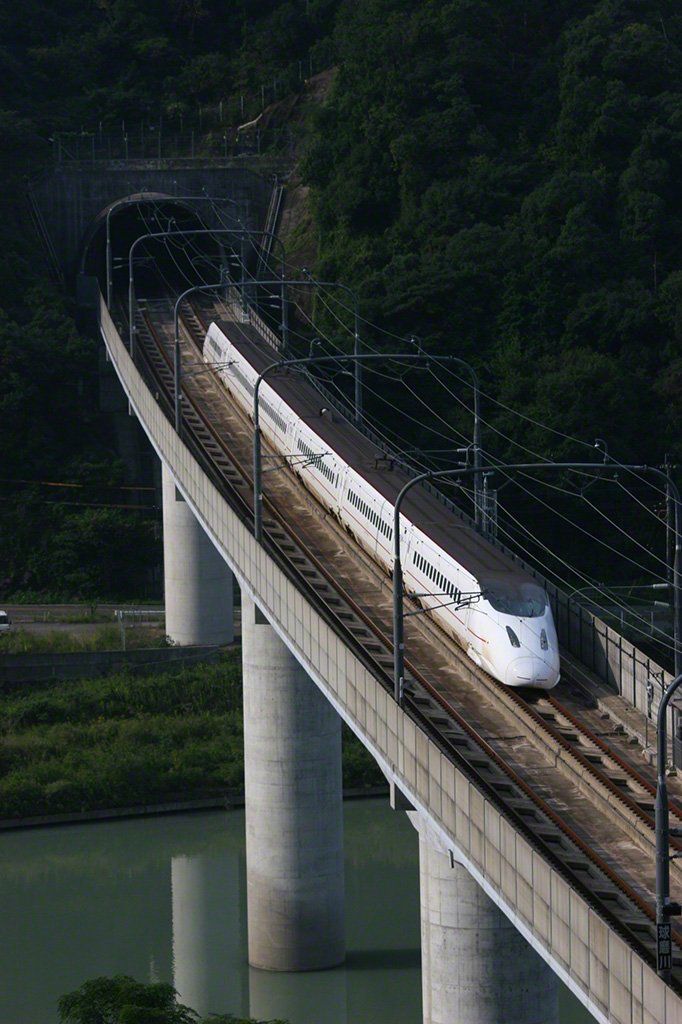
A Kyūshū Shinkansen train crosses the Kuma River in Kumamoto Prefecture.
-
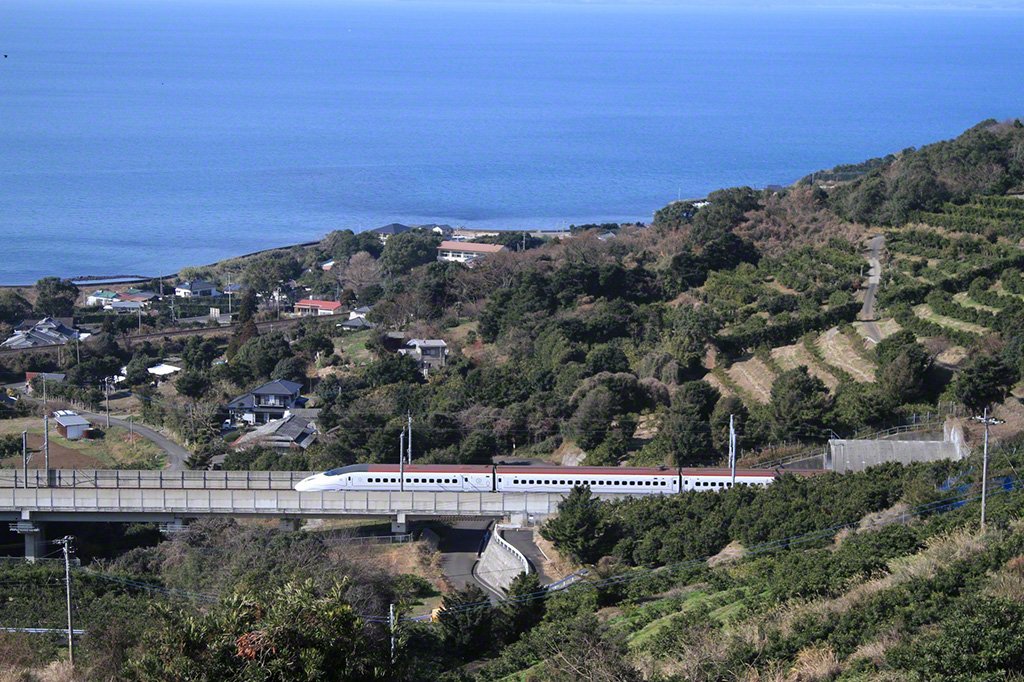
The Kyūshū Shinkansen with the Amakusa-nada Sea in the background.
-
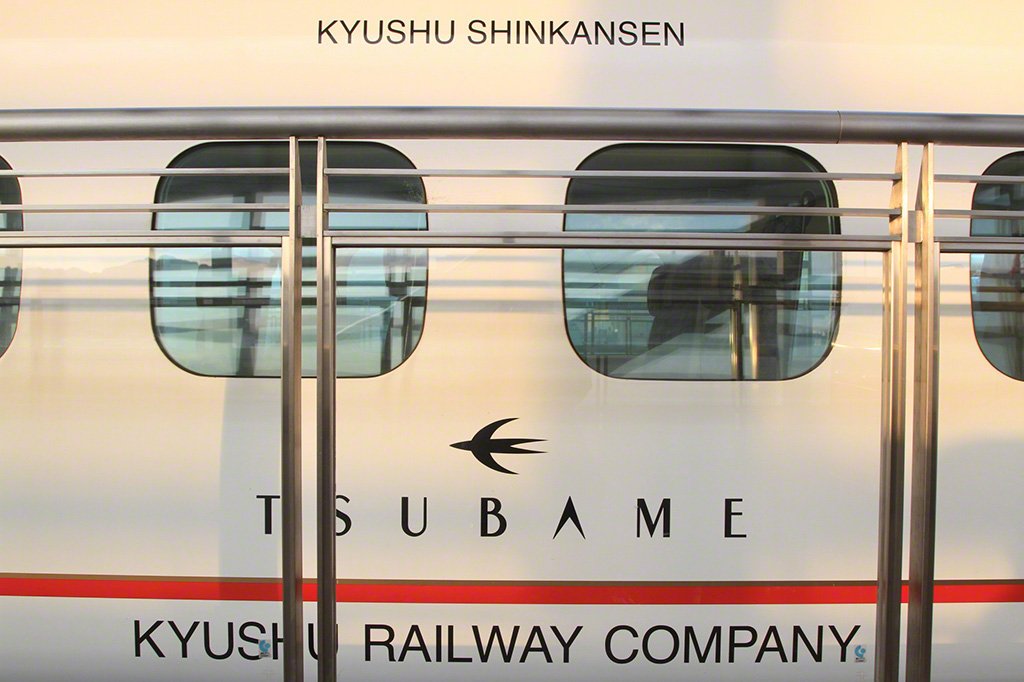
A Kyūshū Shinkansen train on a platform in Kagoshima Central Station.
-
The passenger seats on the Kyūshū Shinkansen use wooden materials sourced from native Kyūshū trees like the mountain cherry (prunus serrulata) and camphorwood (cinnamomum camphora).
-
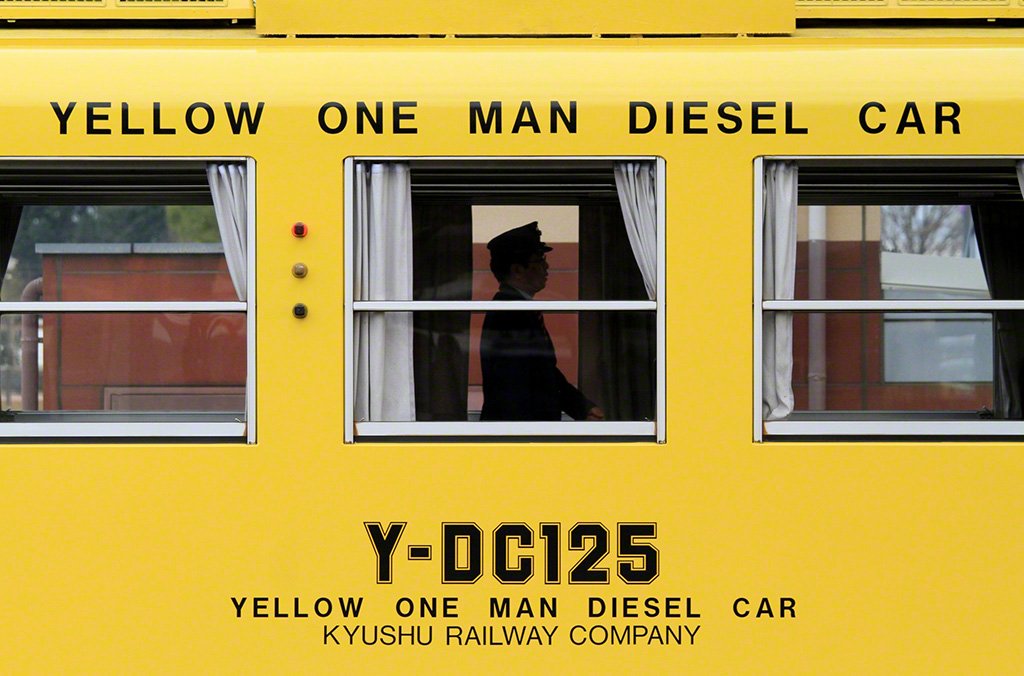
A diesel car on the Kyūdai Main Line. The bright yellow of the carriages was inspired by the rapeseed that flowers along the tracks.
-
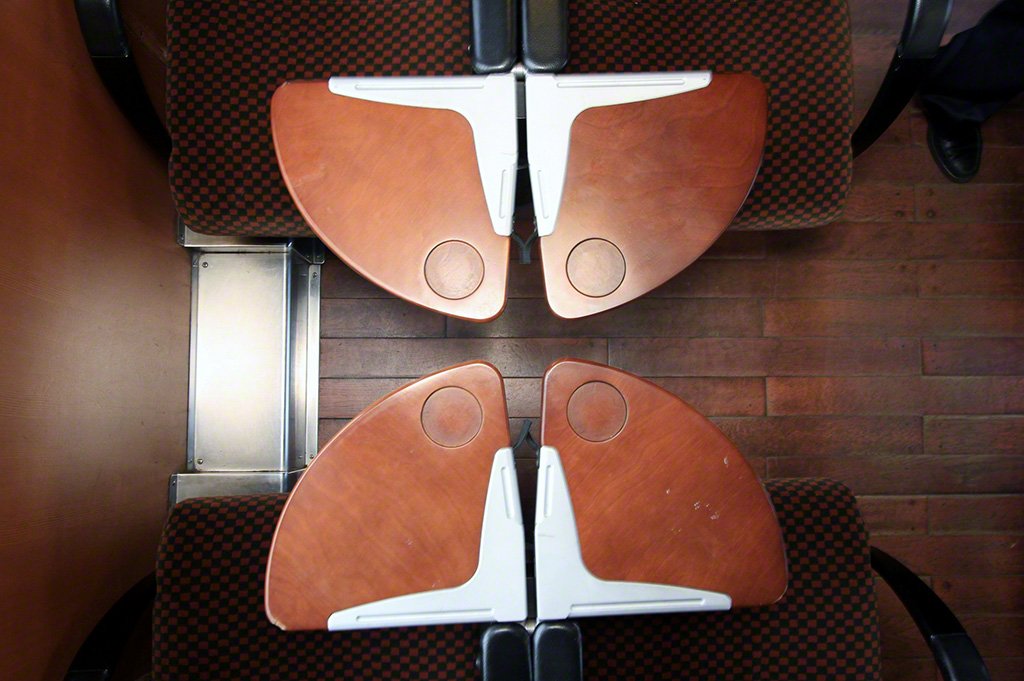
These retractable wooden tables are a feature in passenger accommodation on the Hayato no Kaze trains on the Hisatsu Line.
-
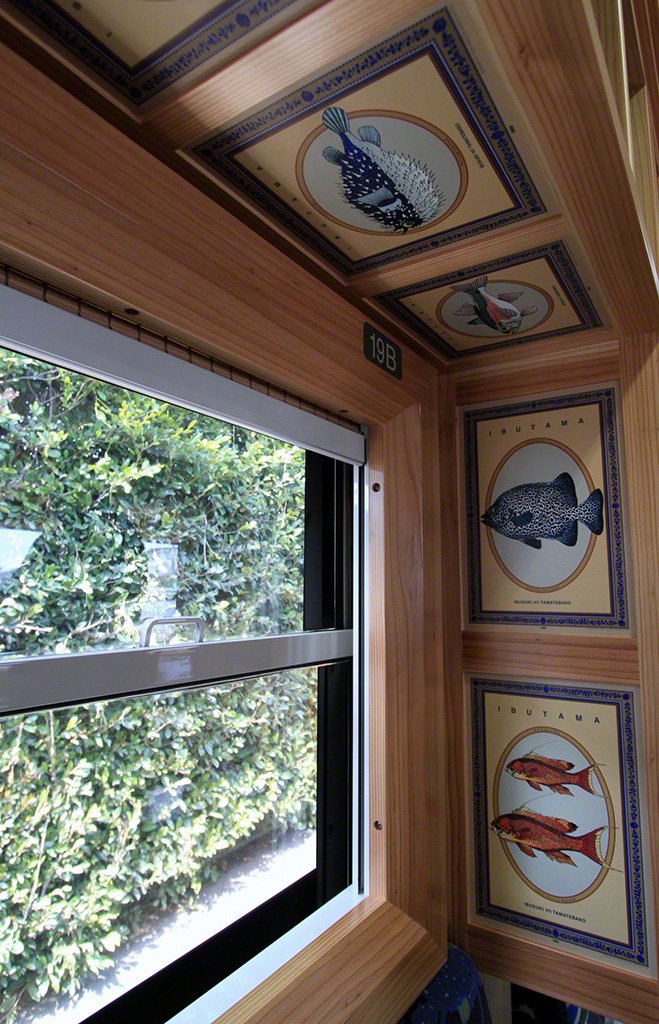
On the Ibusuki Makurazaki Line, the window alcoves of the Ibusuki no Tamatebako trains feature illustrations of fish by designer Mitooka Eiji.
-
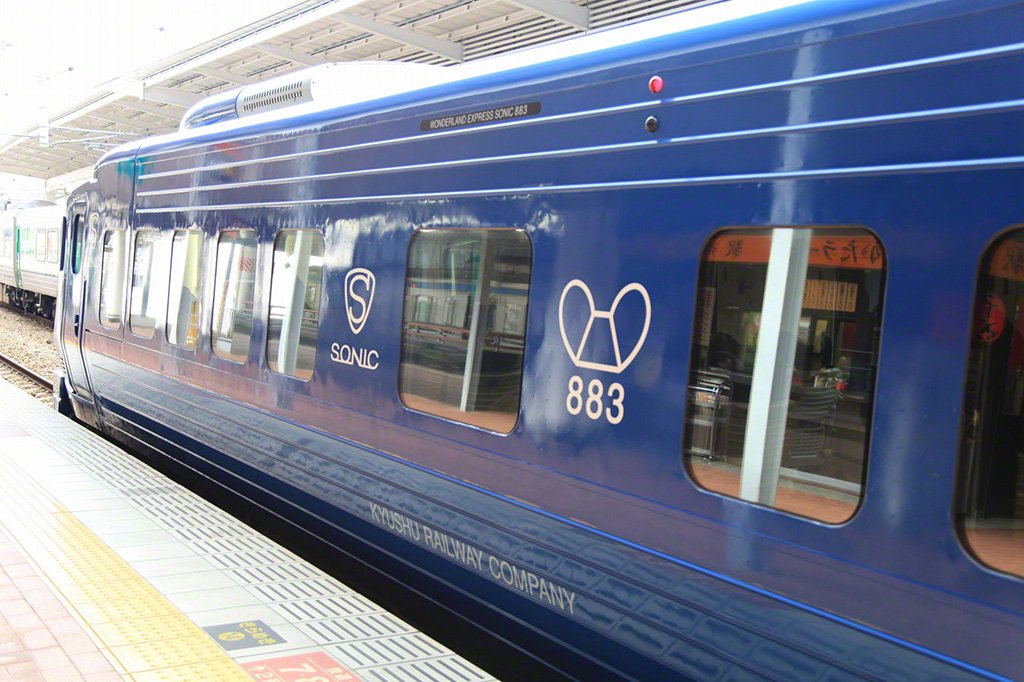
A Sonic train on the Nippō Main Line. The carriages on this line all carry the same distinguishing logo.
-
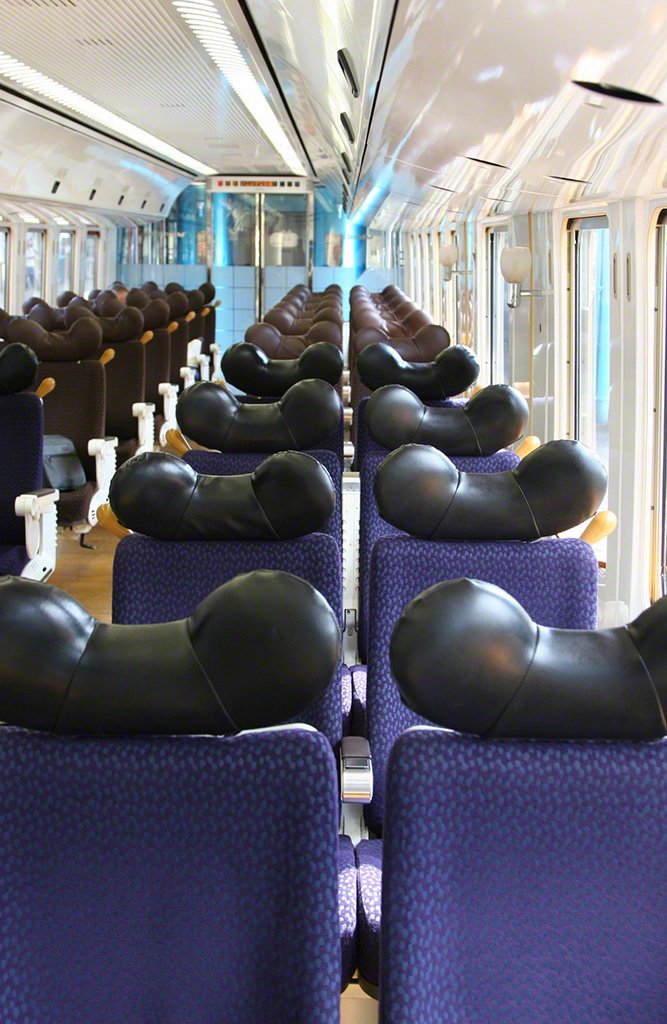
Inside the Sonic. The special headrests are a notable feature of this train, designed to ensure passenger comfort despite the large number of bends along the route.
-
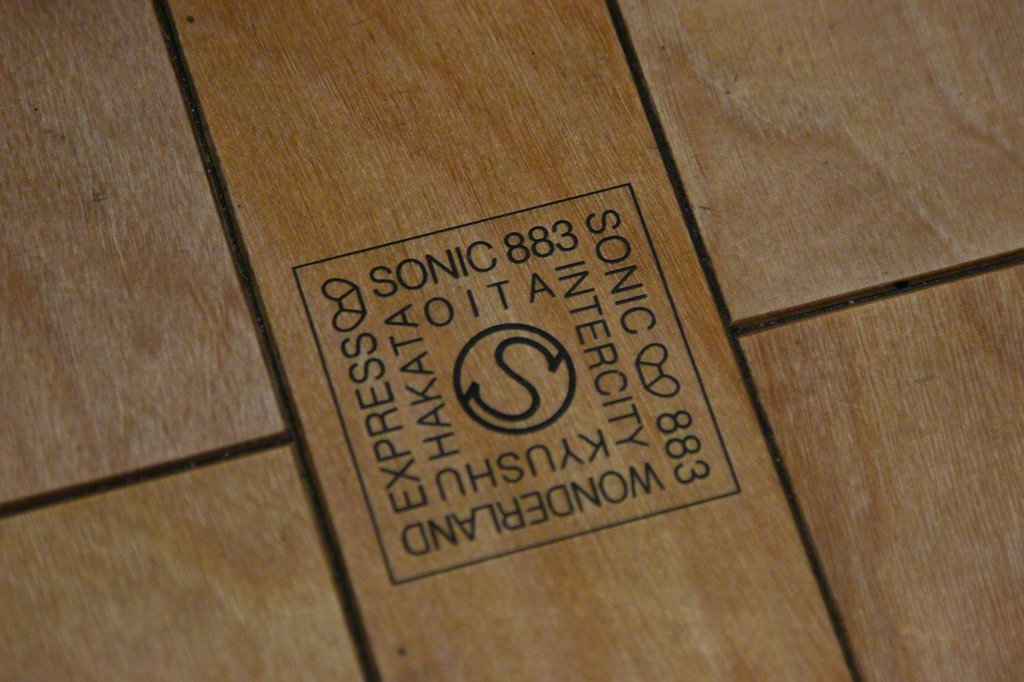
A Sonic logo mark incorporated unobtrusively into the wooden floor of the train.
-
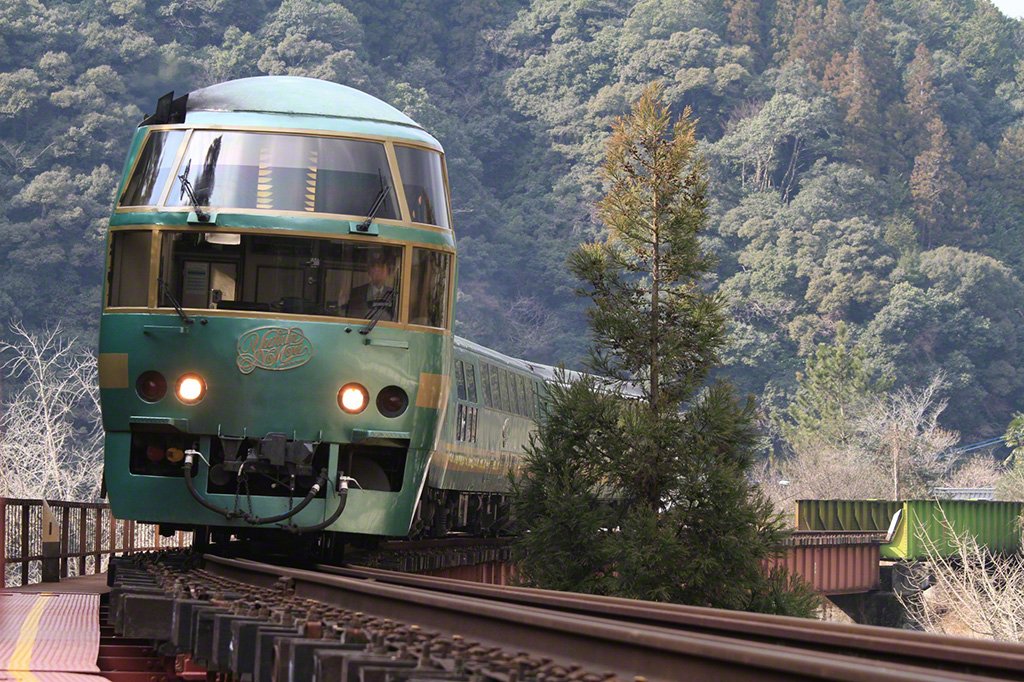
A Yufuin no Mori train on the Kyūdai Main Line.
-
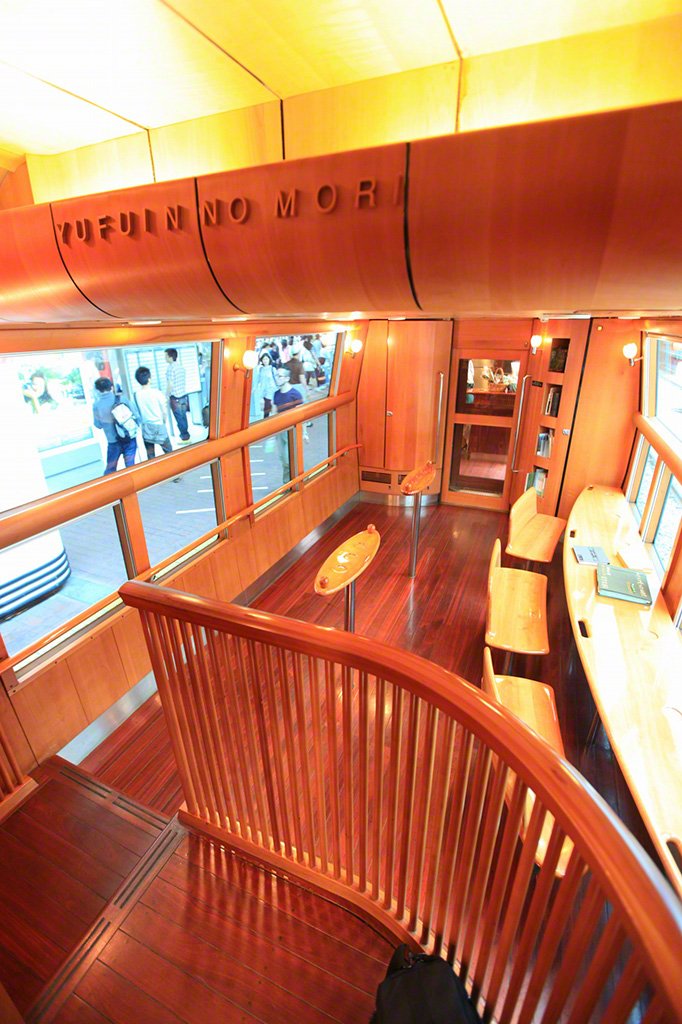
The lounge car in the Yufuin no Mori train, where passengers can get a bite to eat and enjoy the scenery.
-
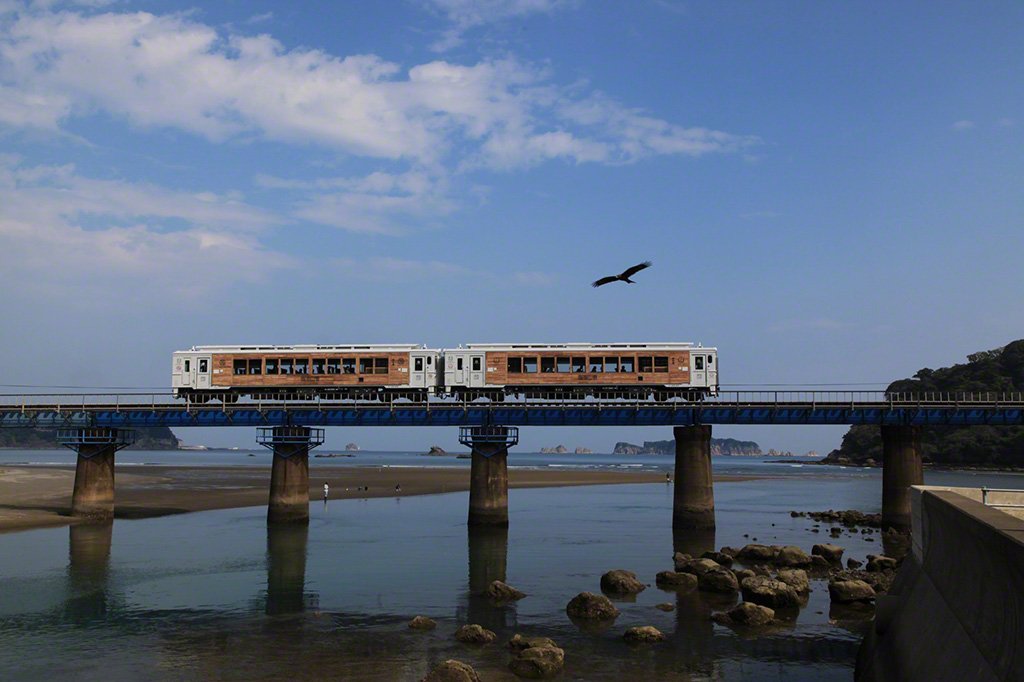
A Umisachi Yamasachi train on the Nichinan Line. The livery of the train features cryptomeria wood locally sourced in Miyazaki Prefecture.
-
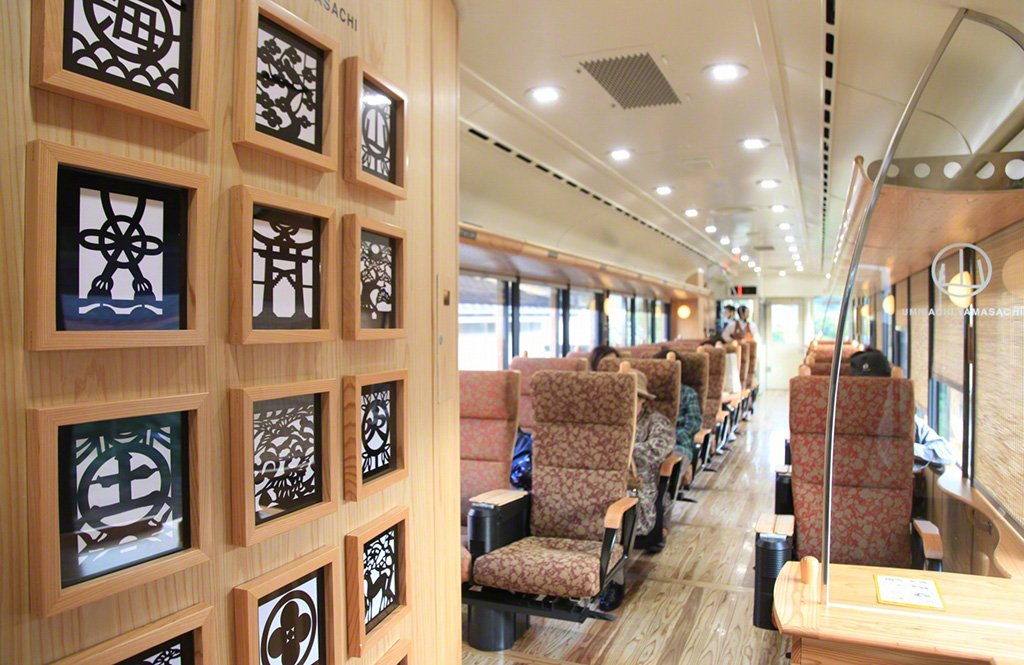
Interior of the Umisachi Yamasachi train. The outer walls of the lavatories incorporate traditional Japanese motifs.
-
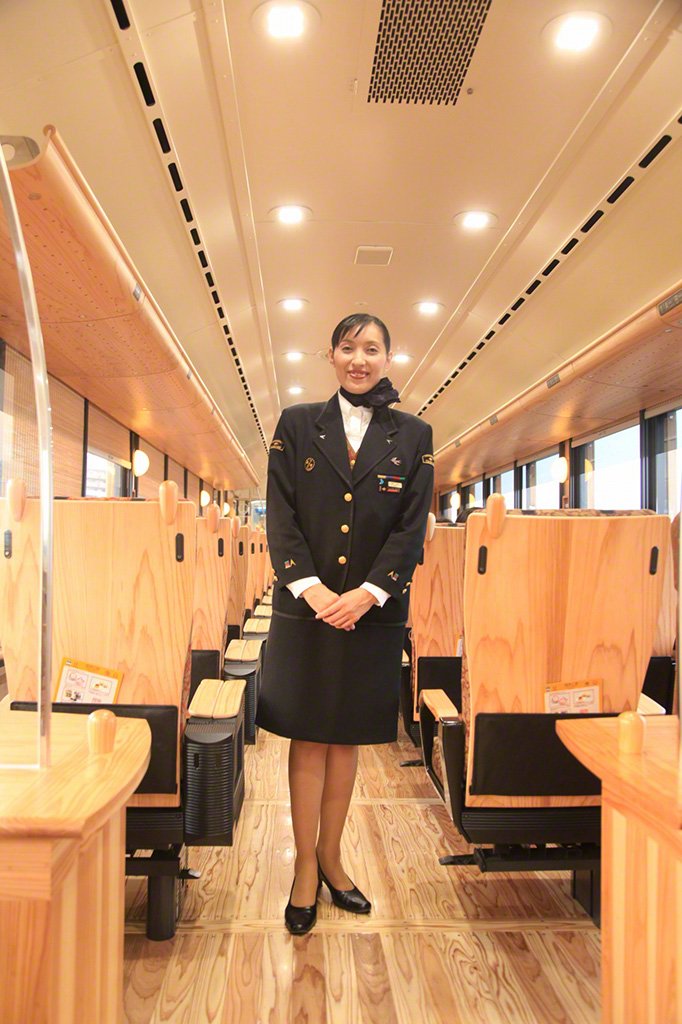
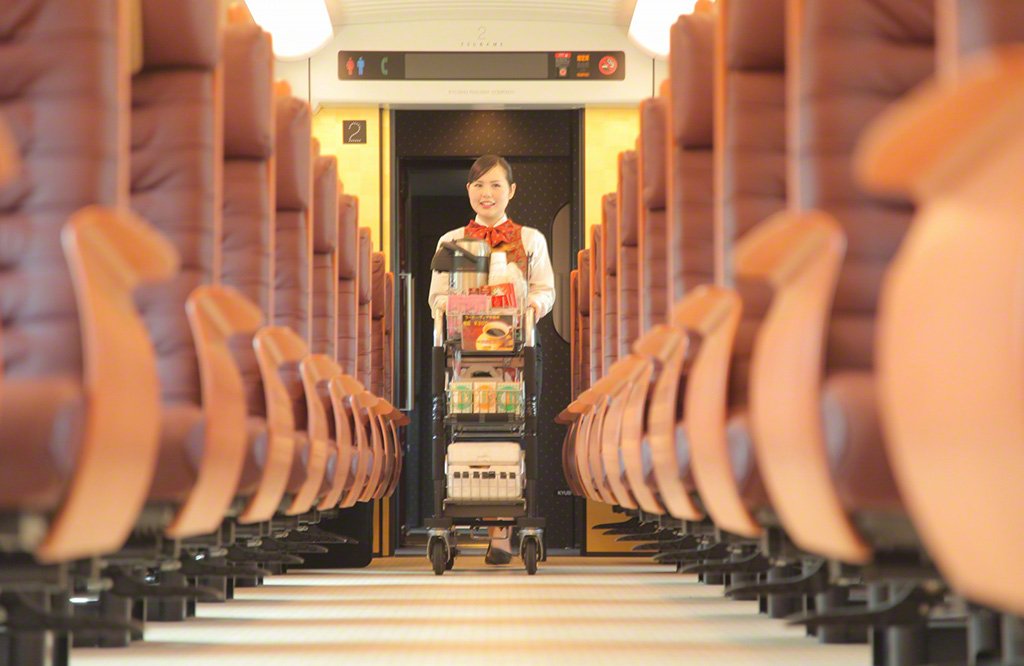
A customer service representative is available at all times on tourist trains throughout Kyūshū, helping passengers find their seats, taking souvenir snaps, and arranging “kamishibai” story-telling sessions and other entertainment.
-
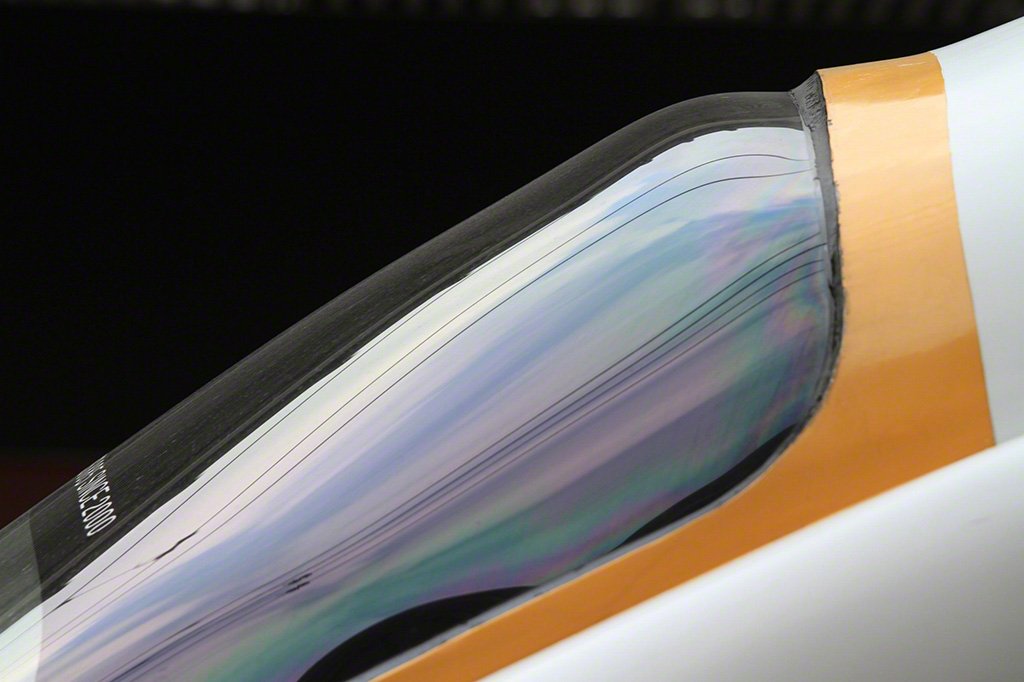
The driver’s cabin of a Shiroi Kamome train on the Nagasaki Main Line.
-
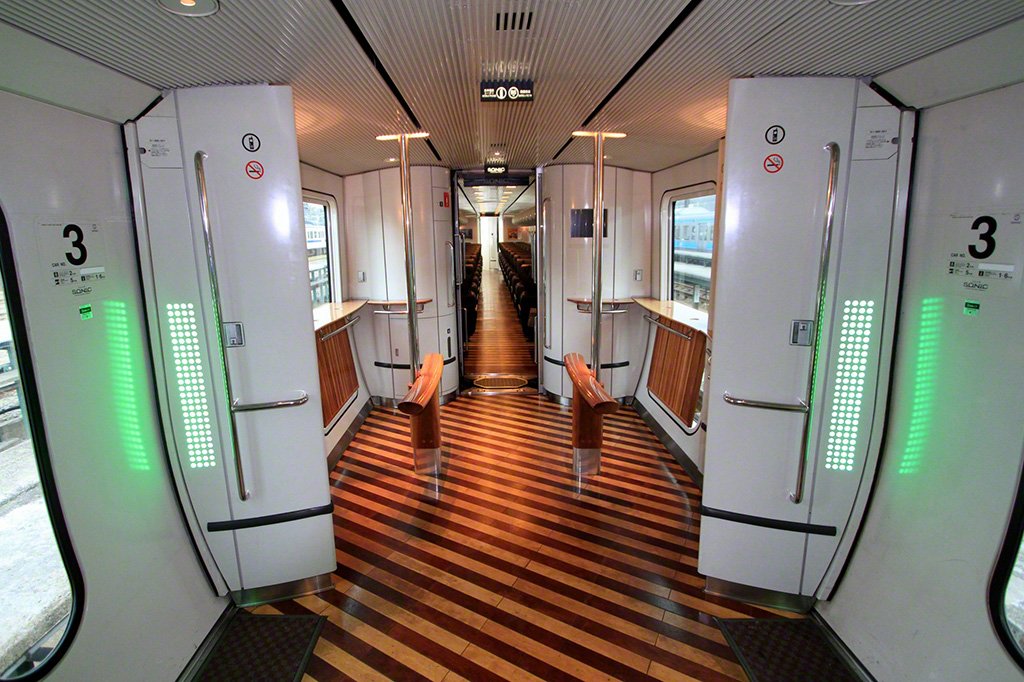
The deck on the Shiroi Kamome train. Passengers can use this common area to relax and enjoy their journey.
-
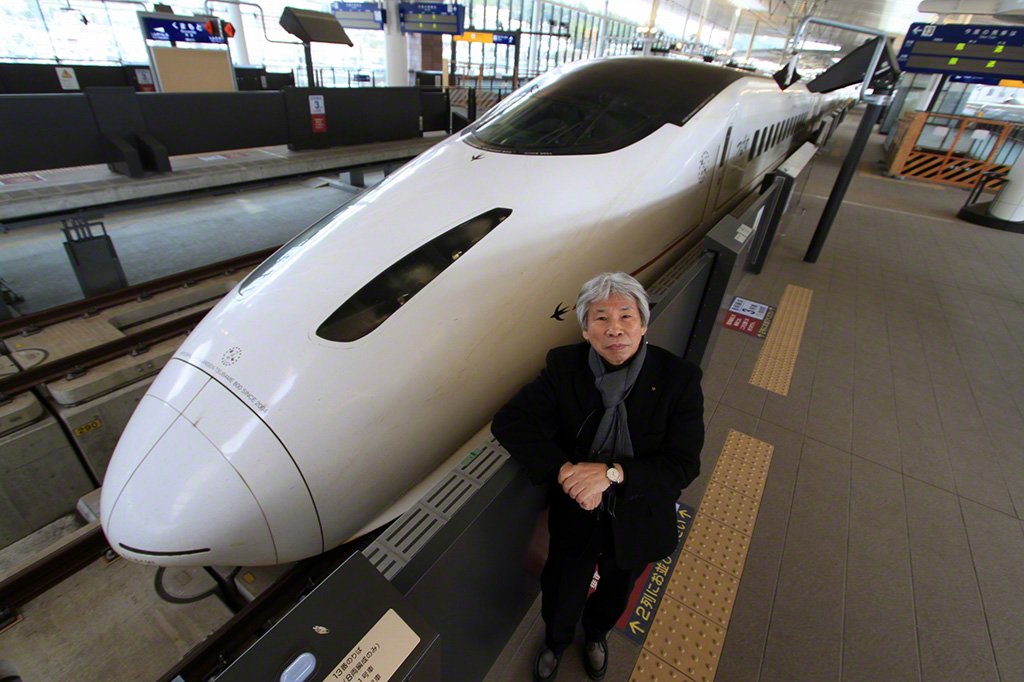
Mitooka Eiji stands next to a stationary Kyūshū Shinkansen train. Although the basic body of the train is the same as that used on the Tōkaidō and Sanyō Shinkansen, Mitooka’s innovative design makes it feel like a totally different train.


 Read in other languages