-
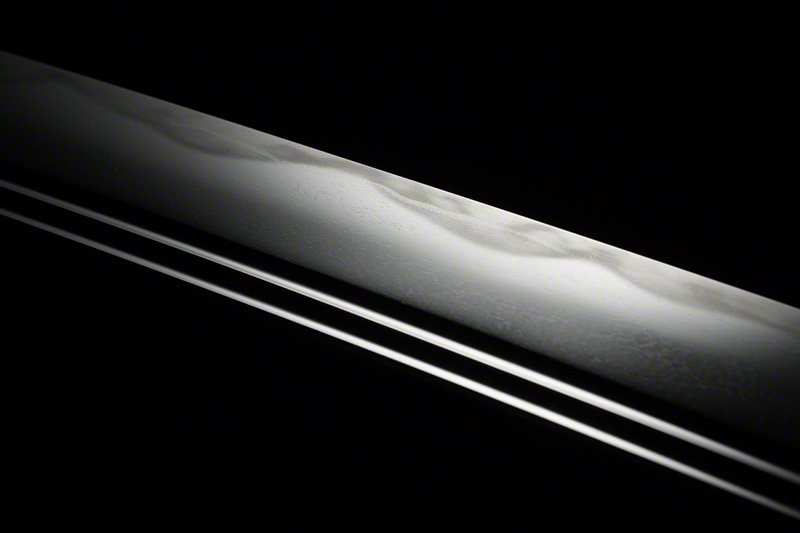
The wavelike hamon patterning on the blade is one of the distinctive properties of Japanese swords.
-
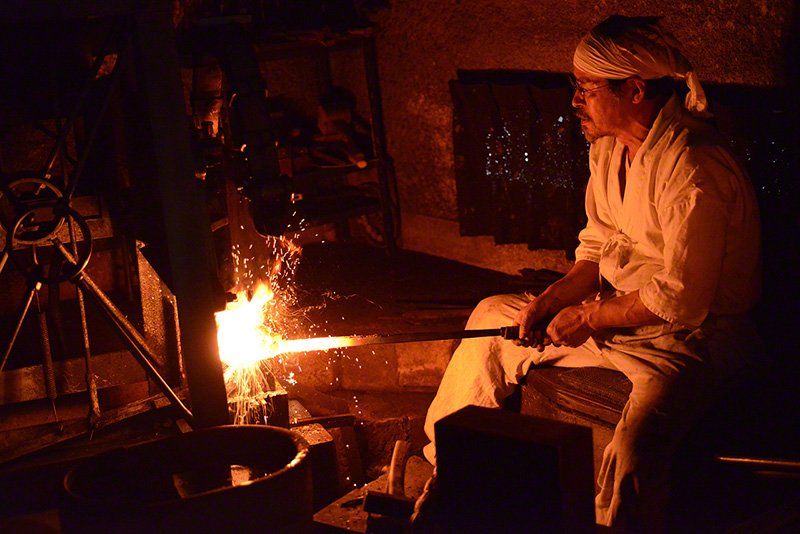
Miyairi at work in his forge in Tōmi, Nagano Prefecture.
-
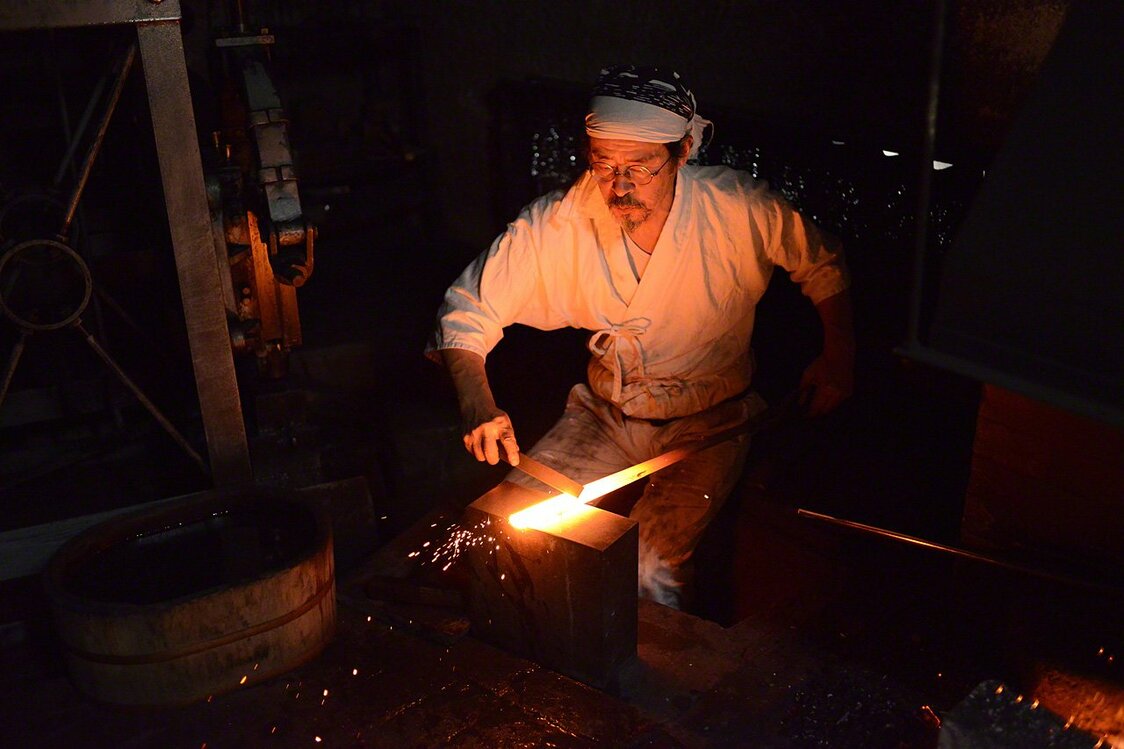
Miyairi always wears a white work tunic when he is at the forge.
-
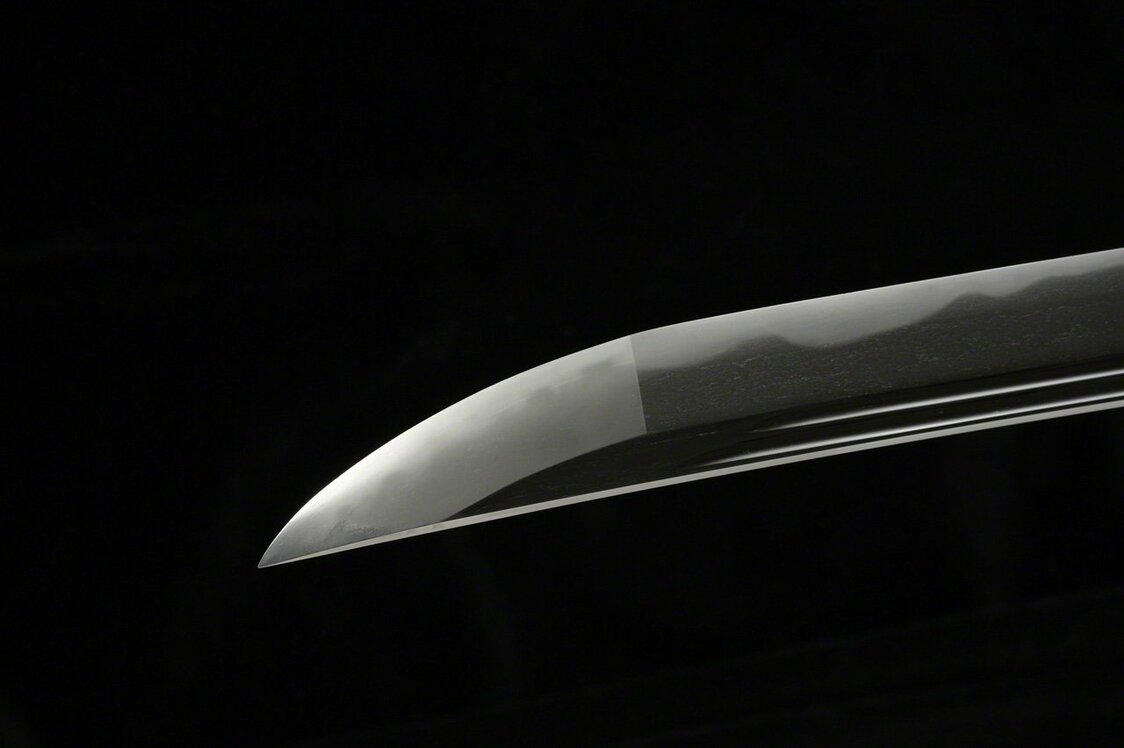
The fan-shaped tip or “kissaki” of the blade is one of the most important parts of a sword.
-
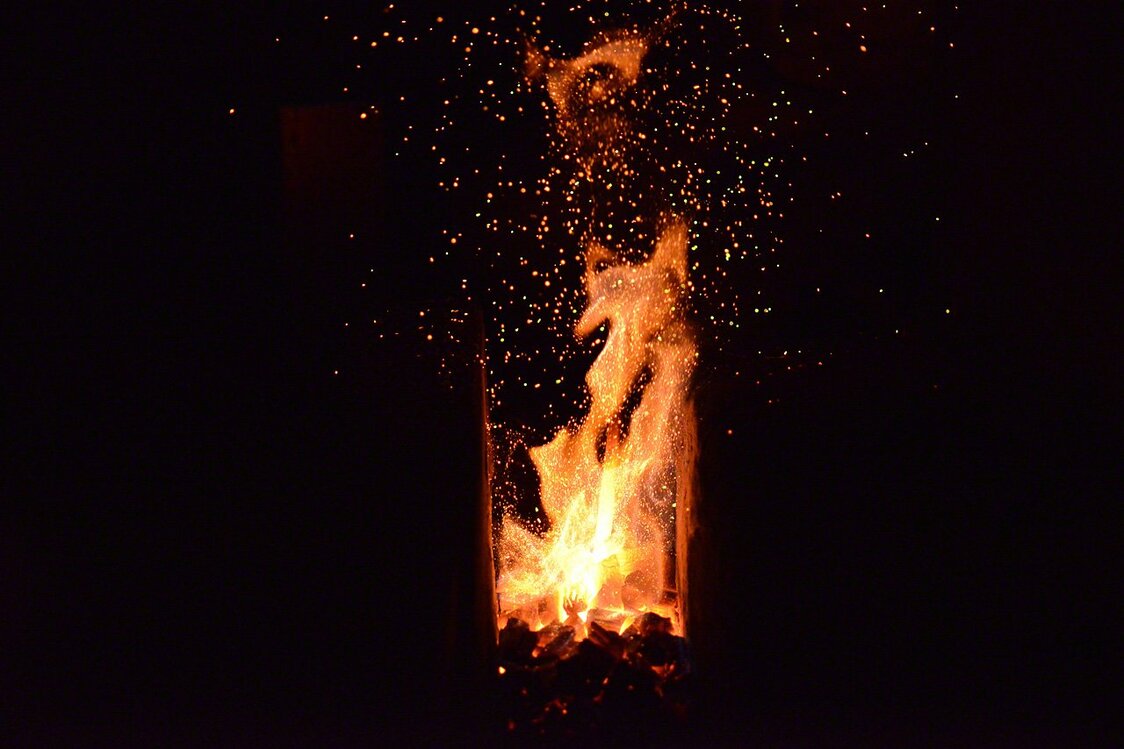
The dancing sparks of fire from the forge create a mystical atmosphere.
-
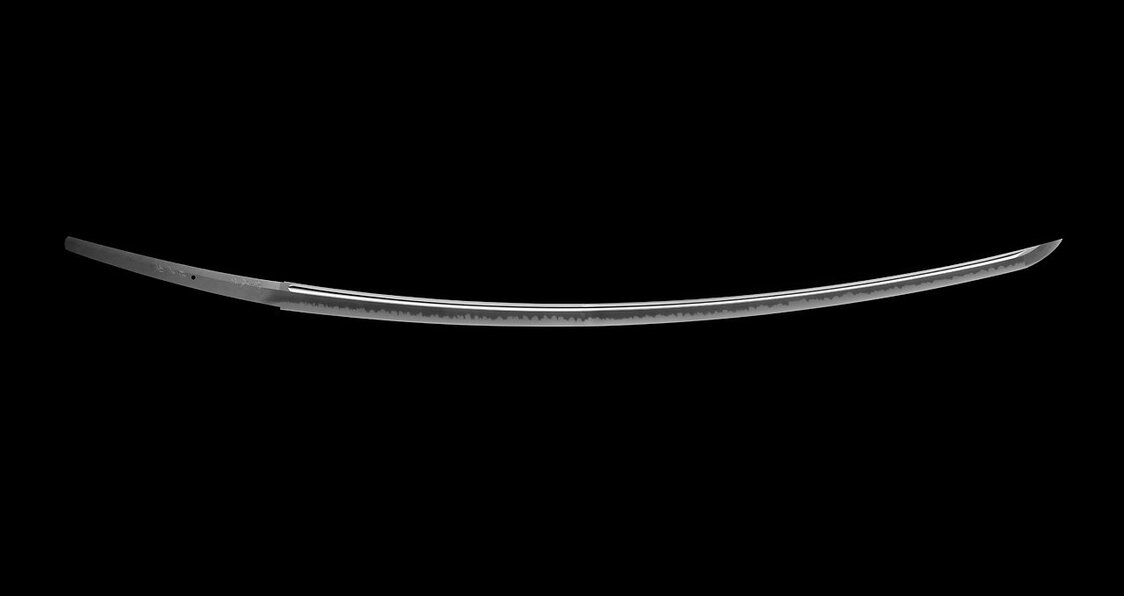
This imposing “ōdachi” (great sword) is 1.7 meters in length.
-
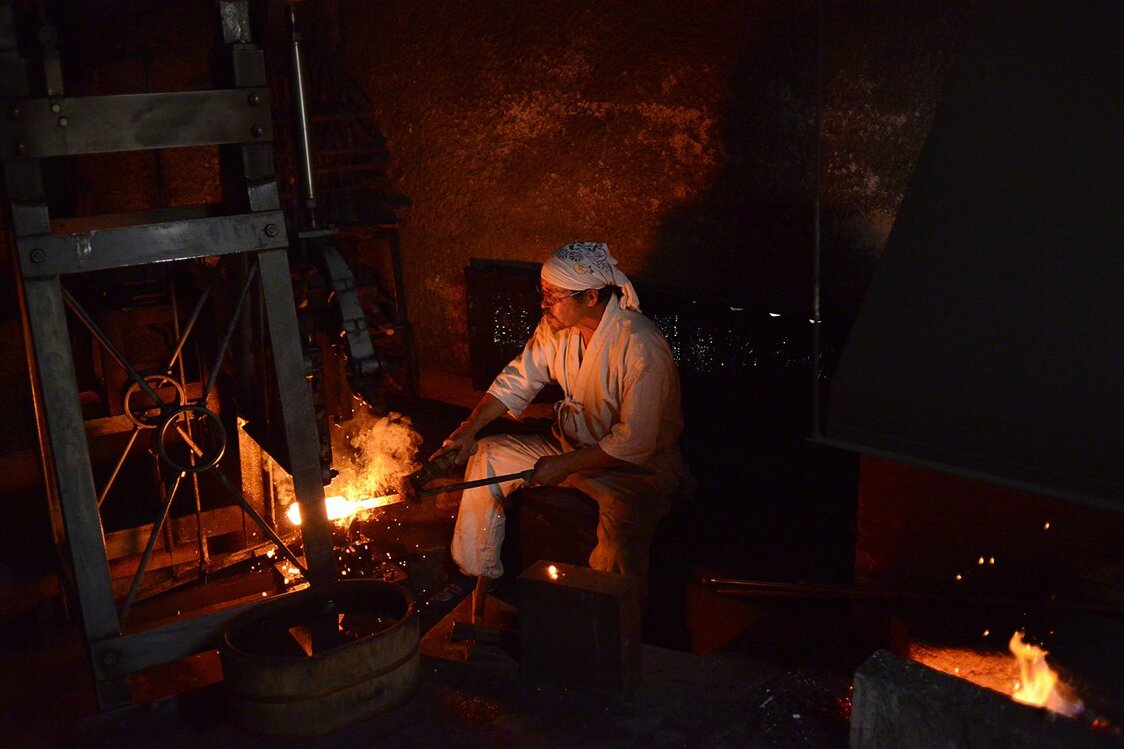
Miyairi’s lifework has taken him on an uncompromising quest for the ideal sword.
-
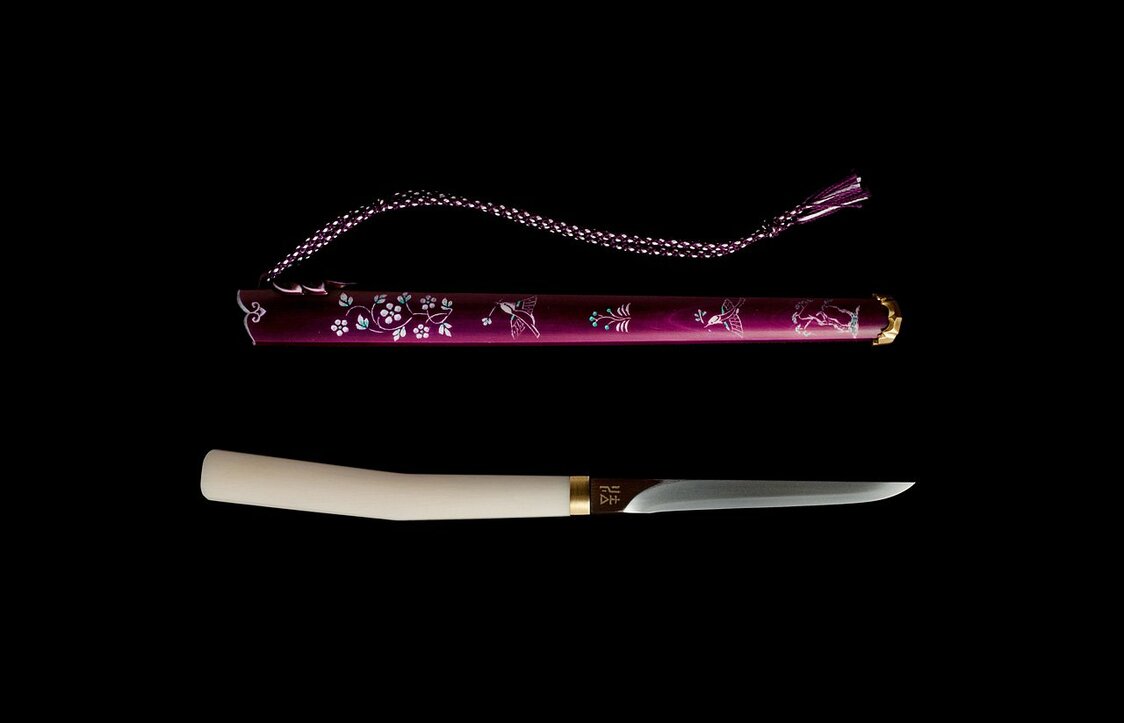
A “tōsu” knife featuring stunning “bachiru” patterns carved into dyed ivory.
-
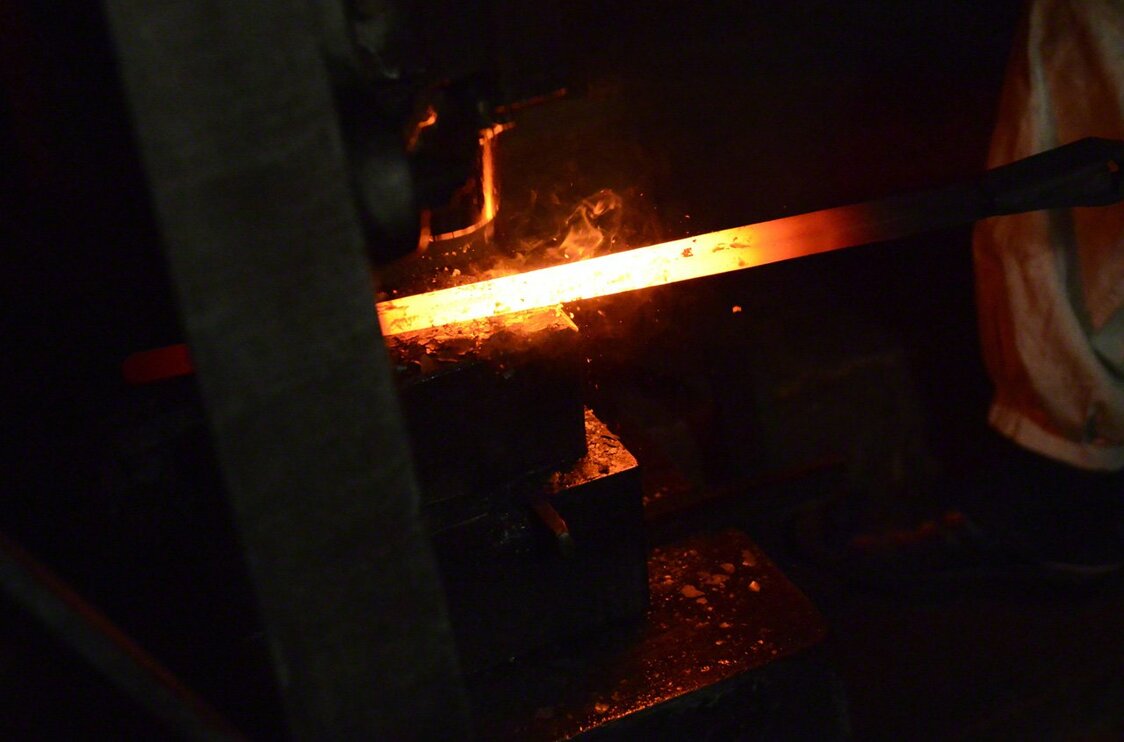
The sword is repeatedly fired and then hammered to temper the blade.
-
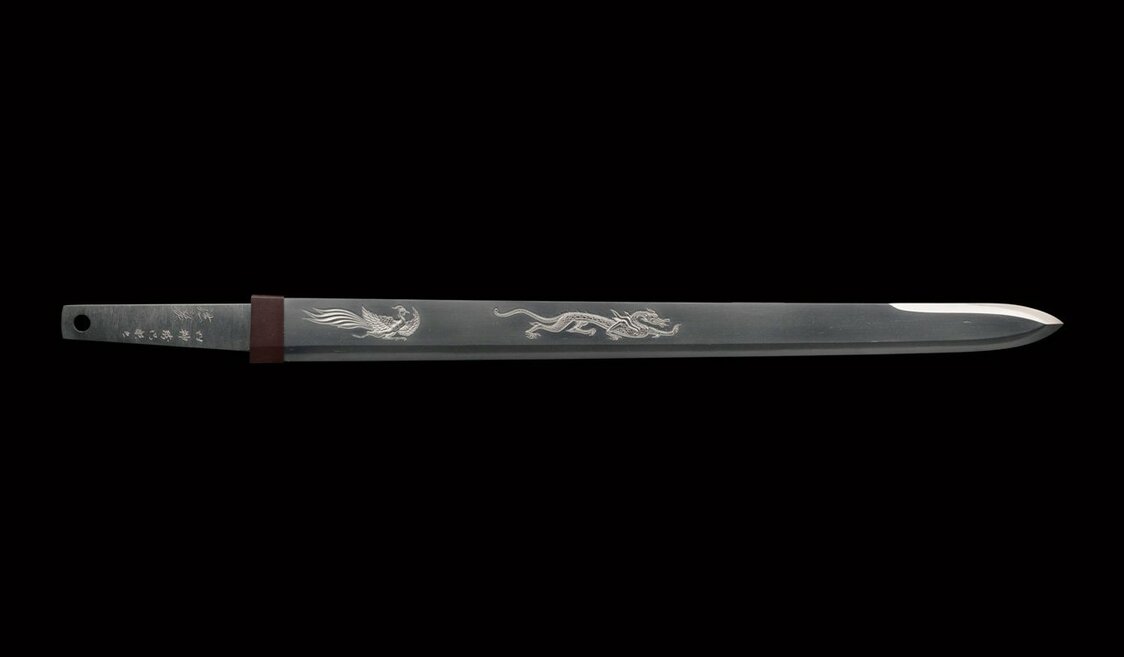
Replicas of “Kara-tachi” swords made in the eighth century, inspired by Chinese models.
-
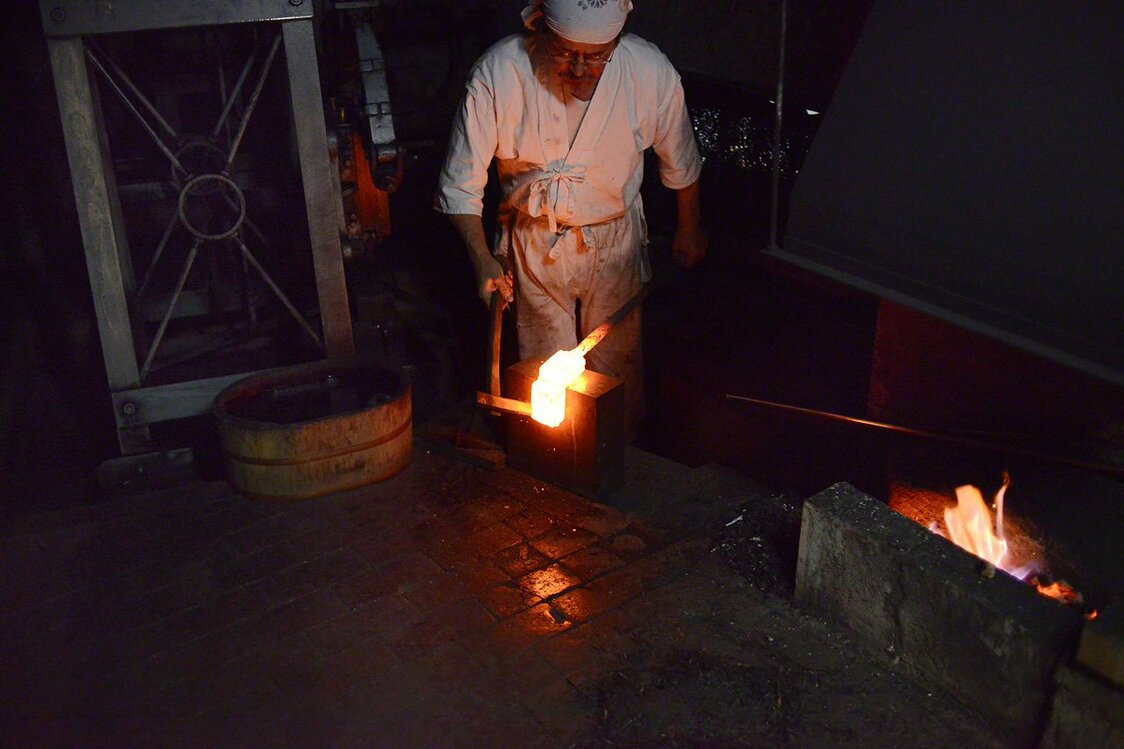
During the summer months, temperatures in the forge can reach over 40 degrees.
-
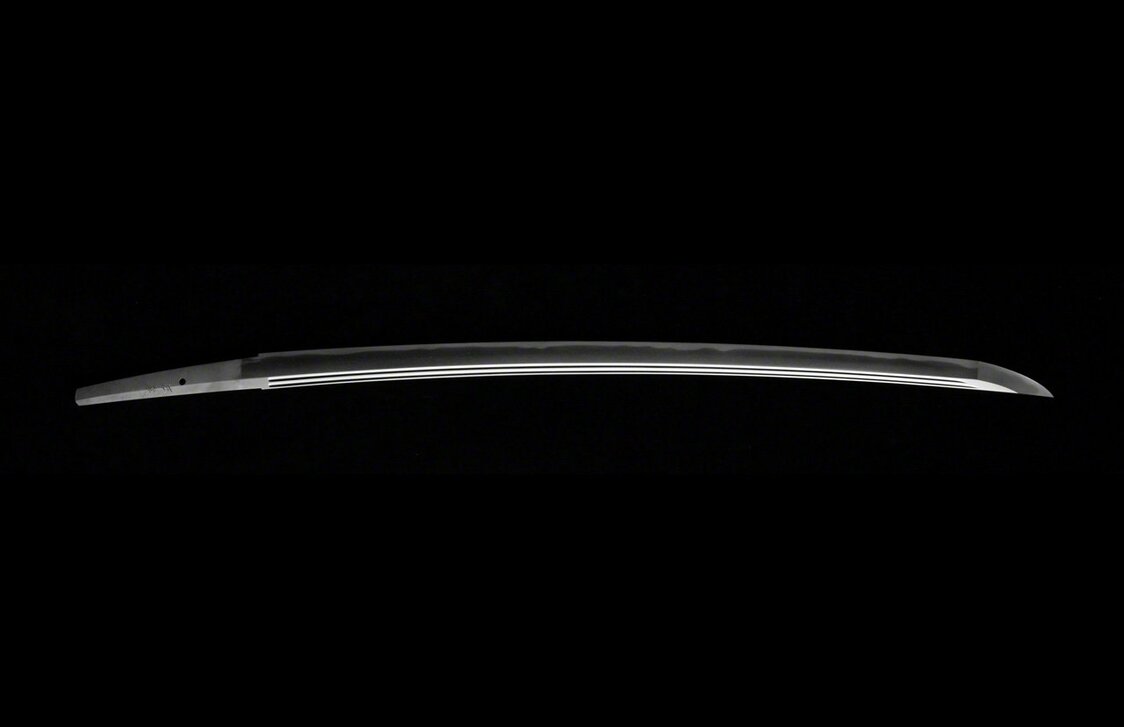
A recreation of a “Kara-tachi” from the Shōsōin treasure house.
-
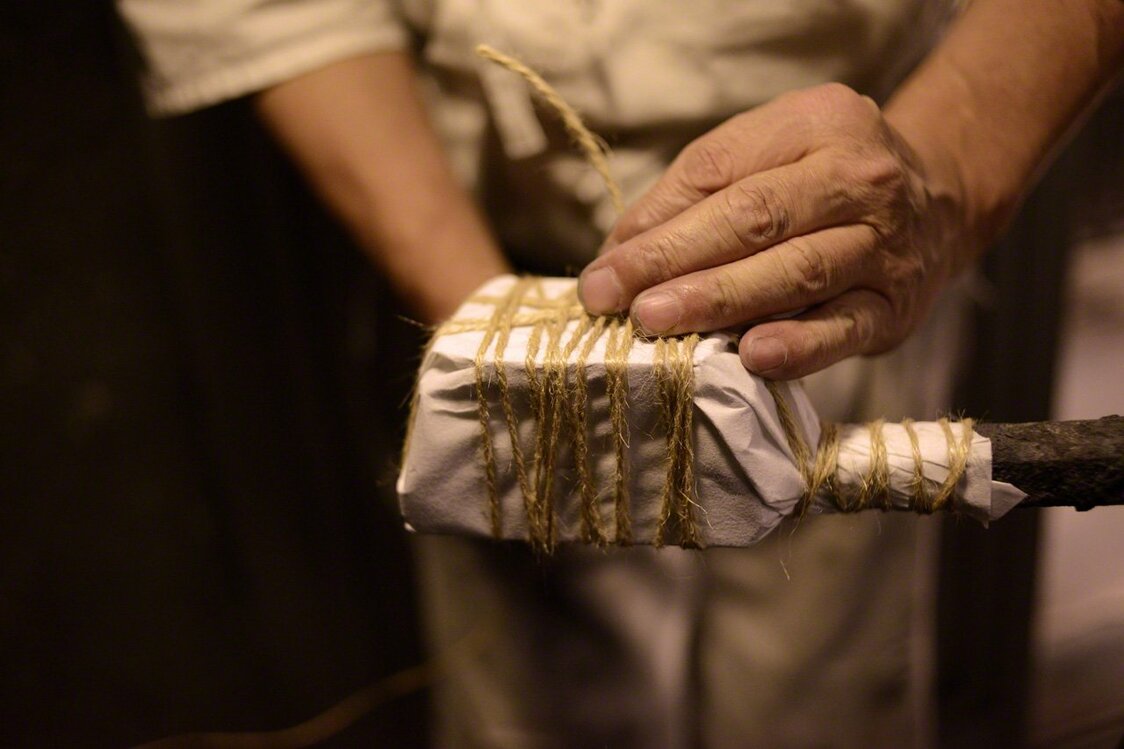
Iron is wrapped in “washi” paper and secured with rope before being doused in ash and clay for firing.
-
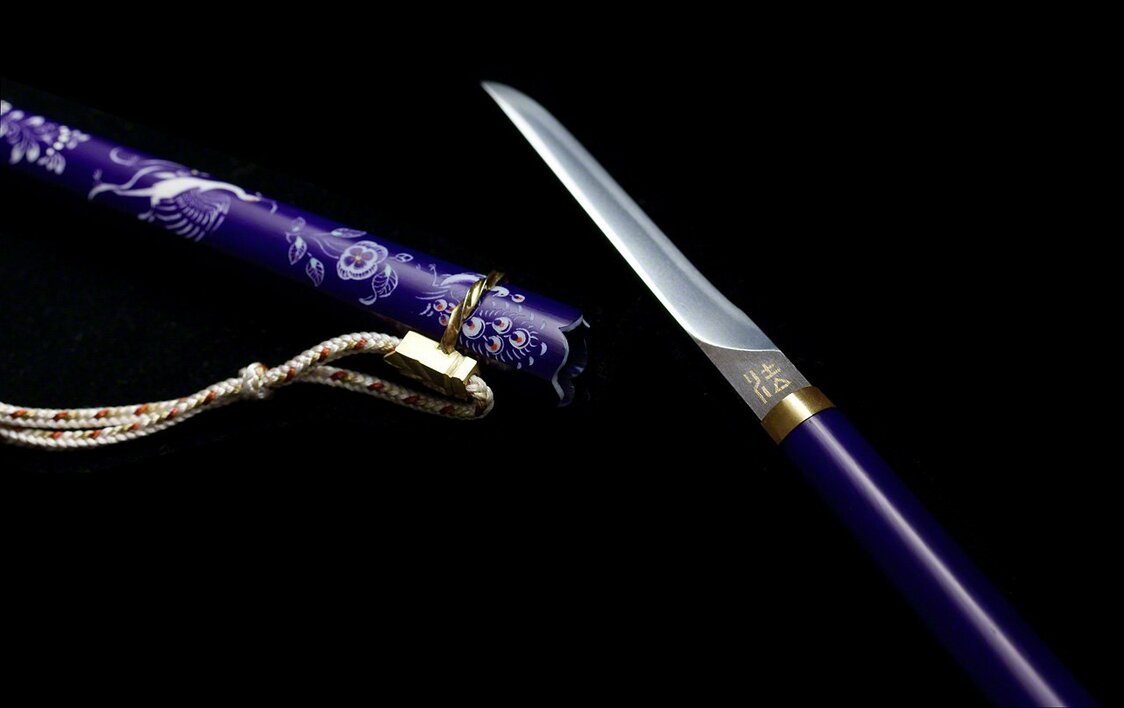
The design of this “tōsu” was based on the patterns of treasures in the collection of Shōsōin.
-
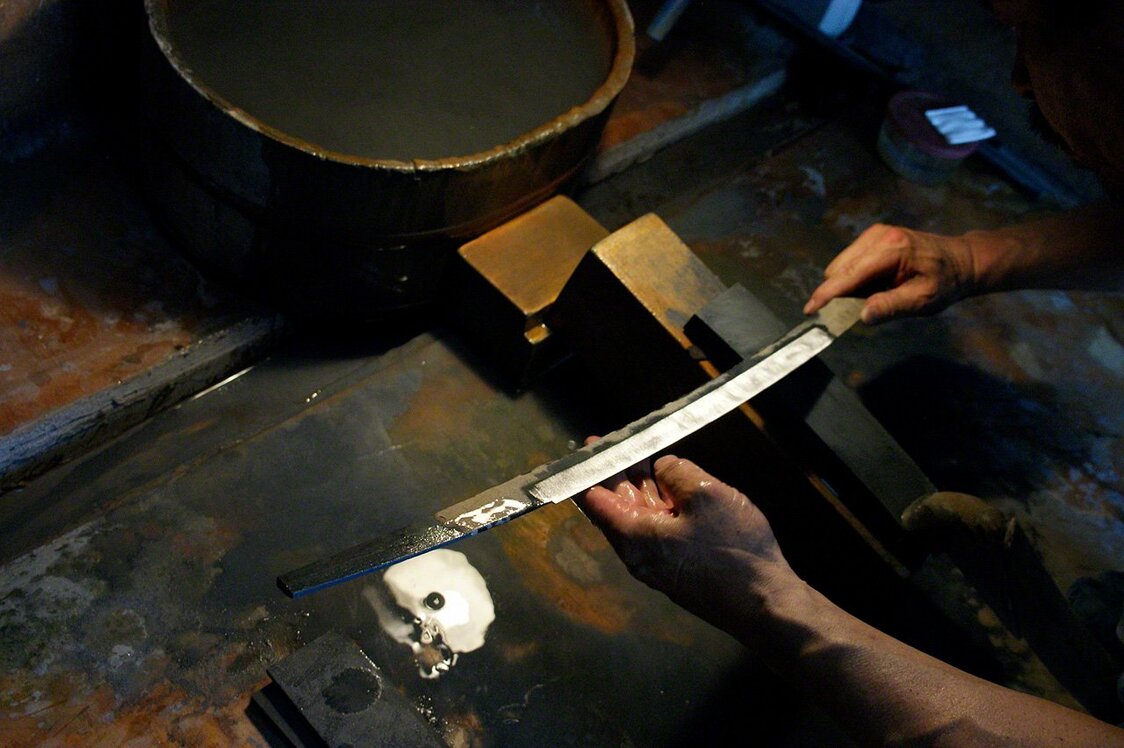
After firing the sword, Miyairi checks the blade carefully to inspect the “hamon” patterning.
-
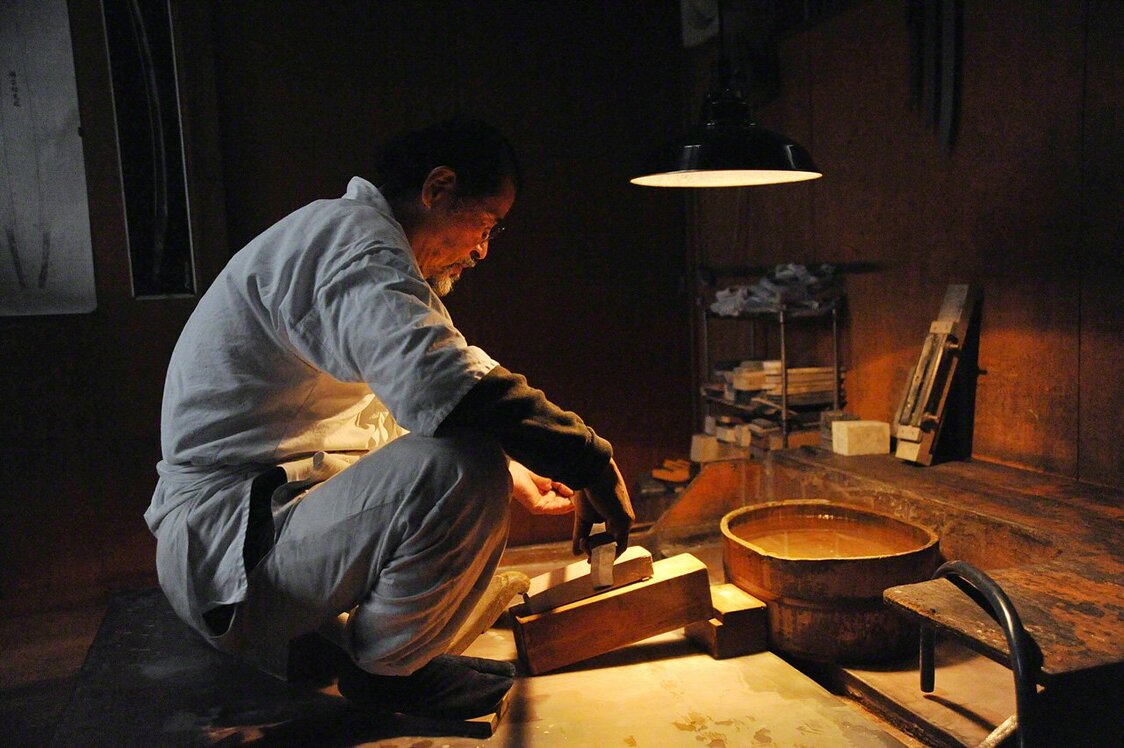
After finessing the shape of the sword on a sharpening stone, the sword is sent to a specialized polisher for finishing.
-
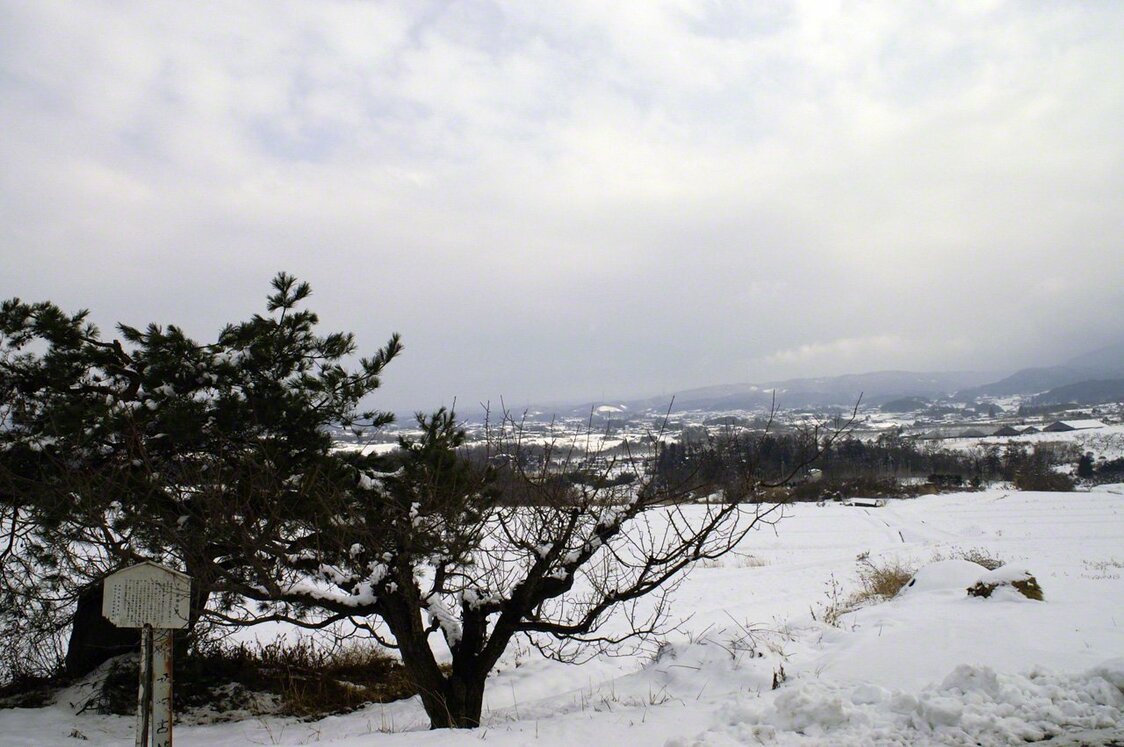
A view of snowy Yatsugatake from the forge in Tōmi, Nagano Prefecture.


 Read in other languages