-
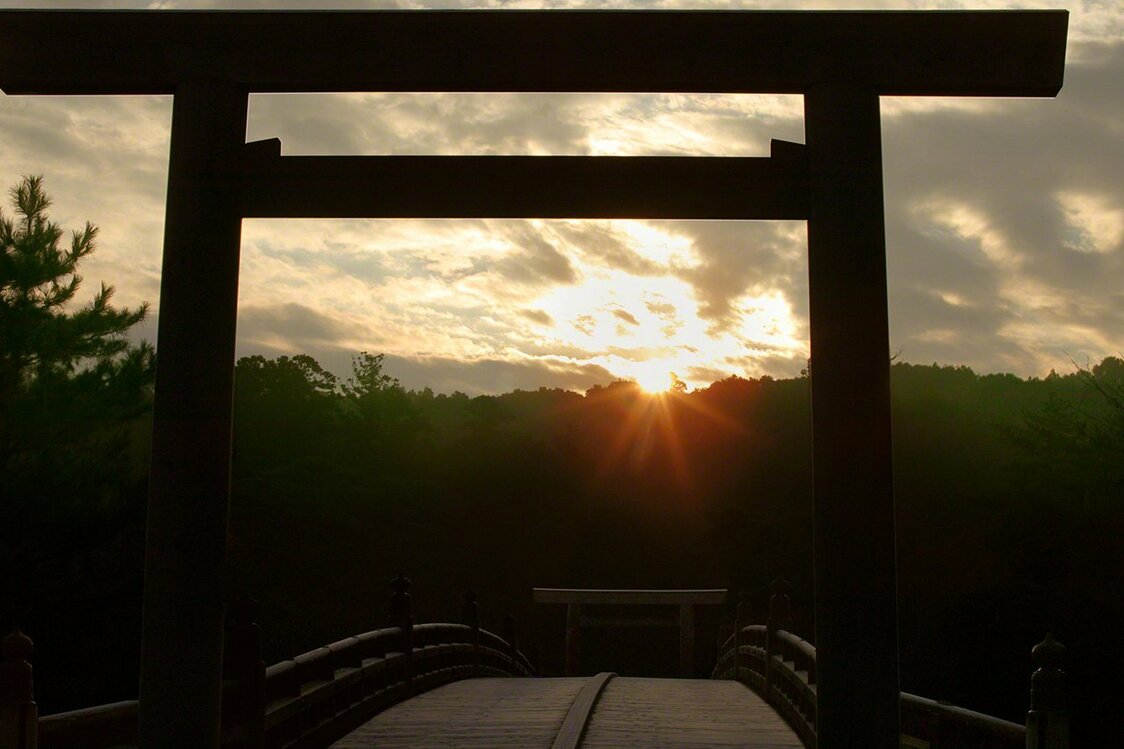
January 1 The first sunrise of the New Year. Crowds of worshipers join their hands in prayer as the sun rises over the Uji Bridge.
-
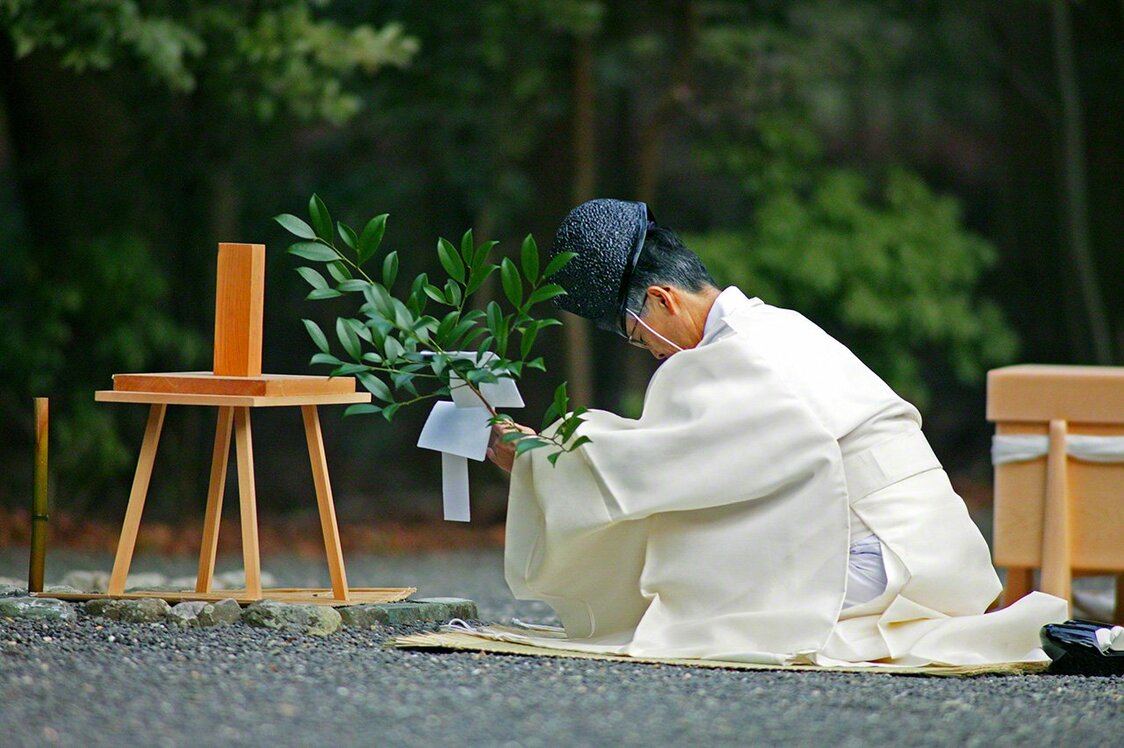
January 7 A priest with a sacred sakaki branch says prayers for the spirit of Emperor Shōwa (Hirohito) in a ceremony held each year on the day of his death.
-
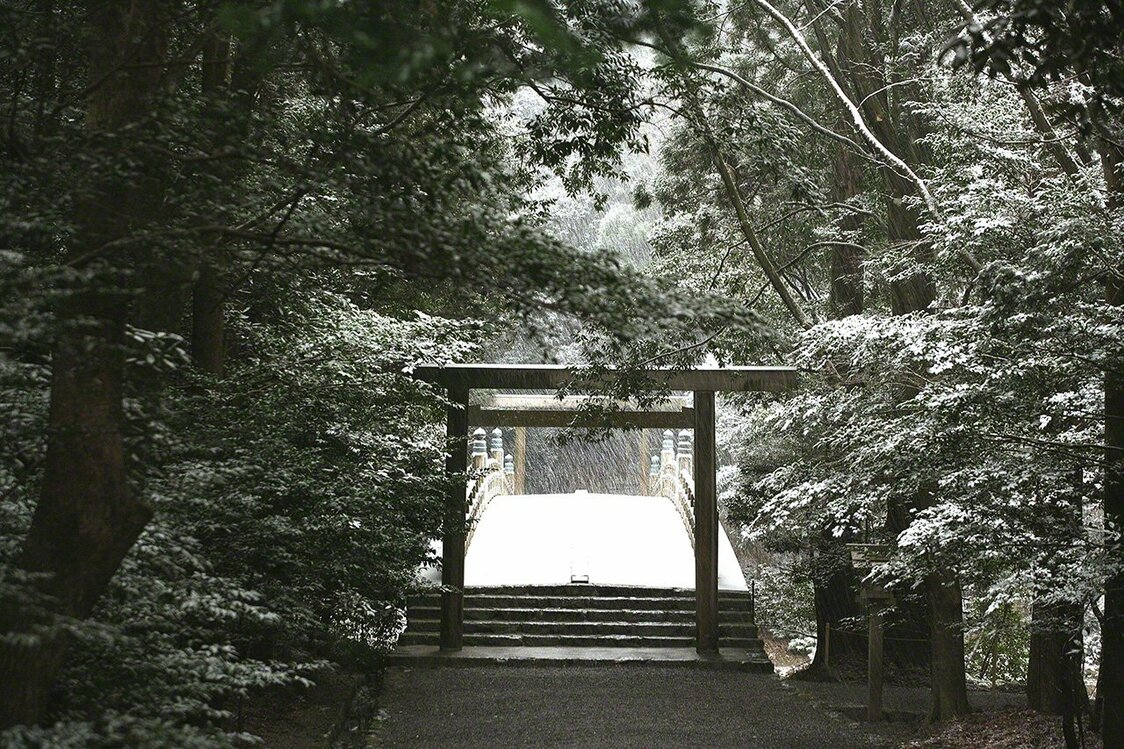
February 9 A rare flurry of snow falls on the Kazahi-no-Minomiya Bridge.
-
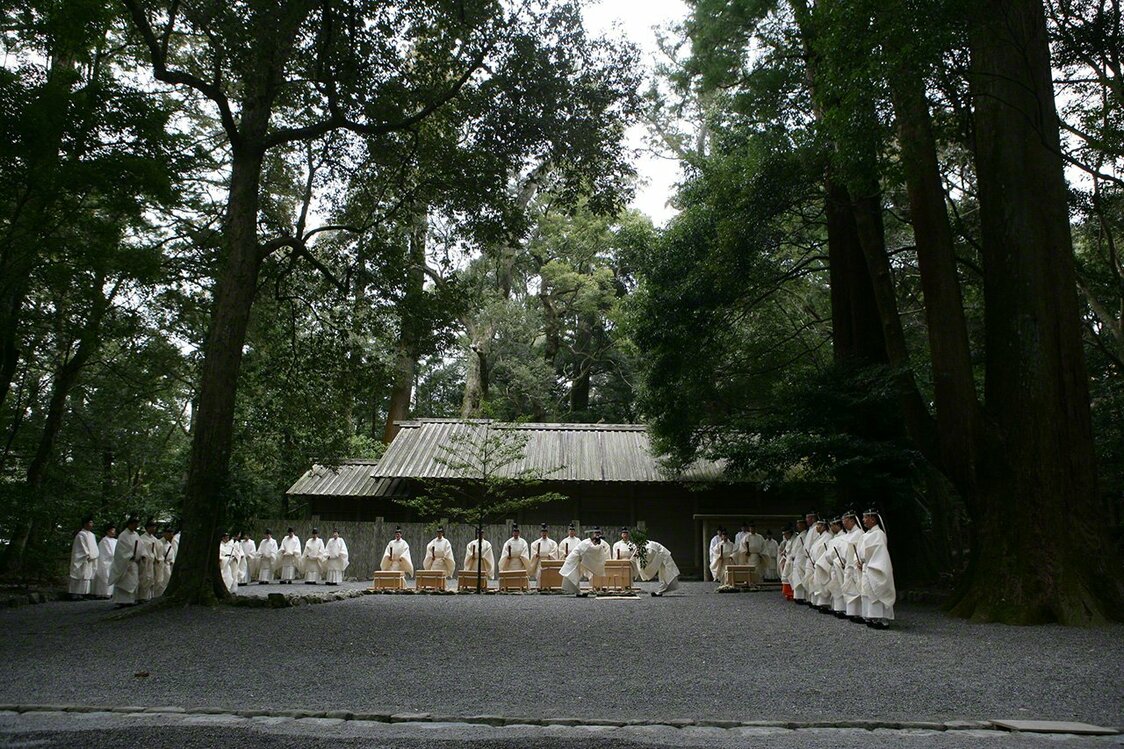
February 17 The Toshigoi no Matsuri festival is held to pray for an abundant harvest.
-
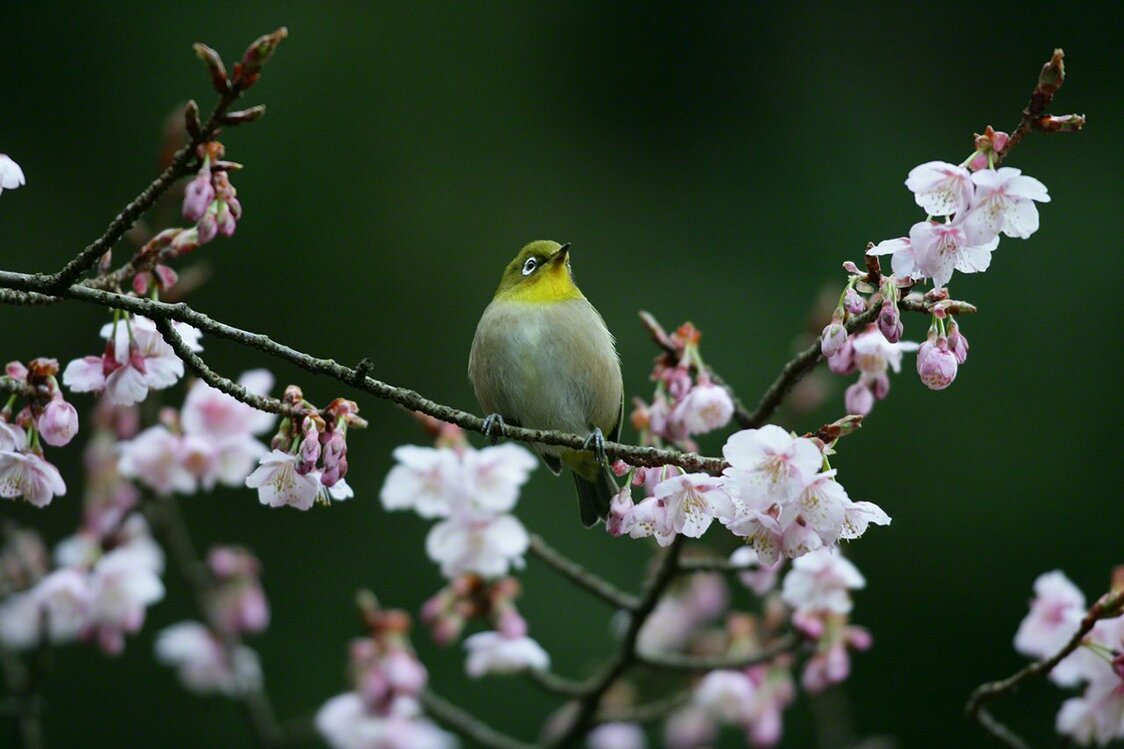
March 19 The Japanese white-eyes appear in the branches of an early-blossoming wild Himalayan cherry tree, as if they have been waiting for it to bloom.
-
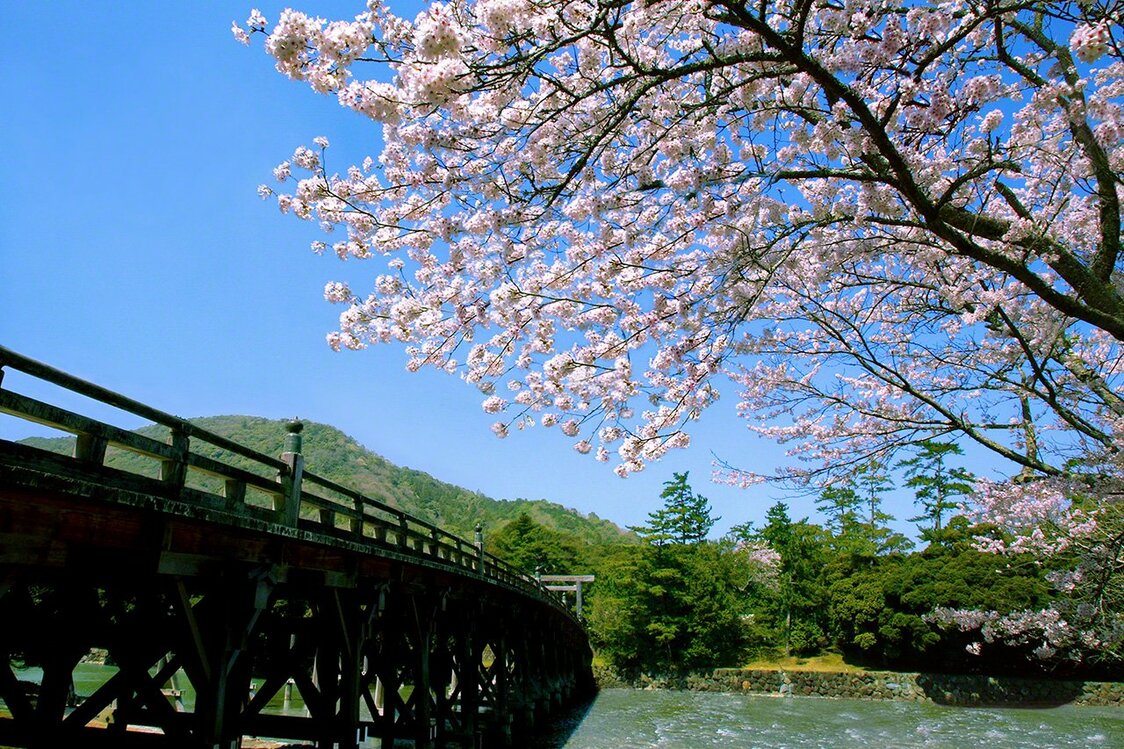
March 28 Cherry blossoms are a welcome sight as you approach the Uji Bridge on a beautiful spring day.
-
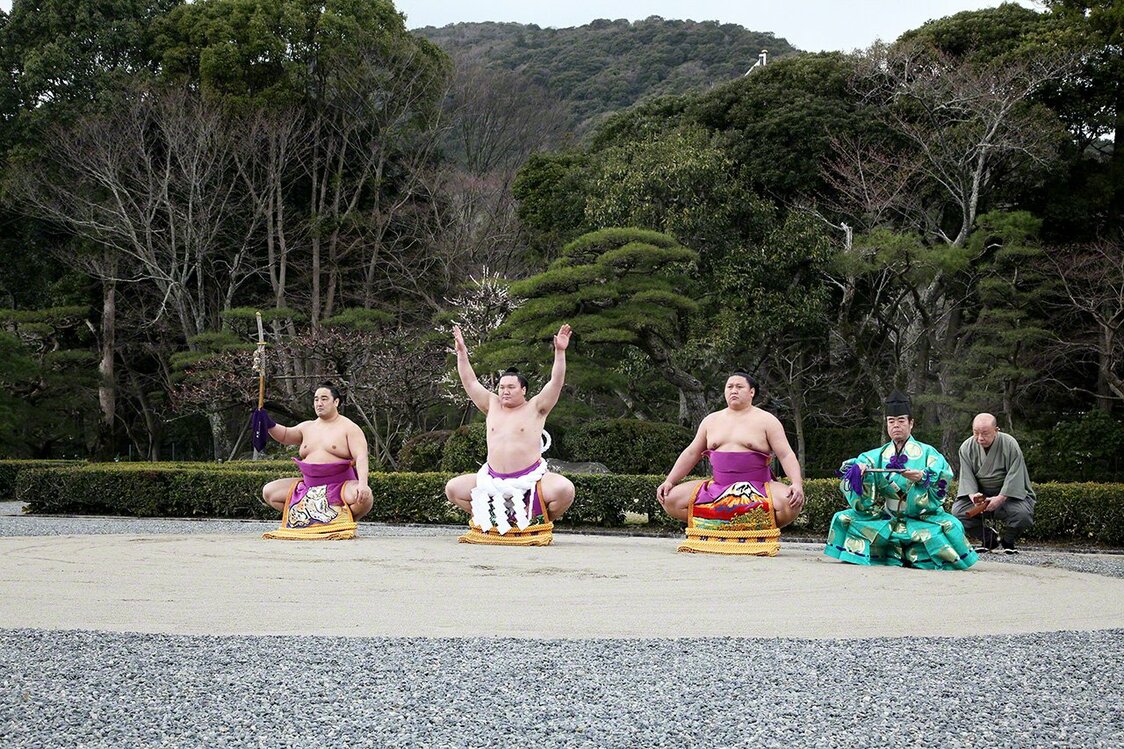
April 1 Sumō wrestlers make their ceremonial entrance. The sport has ancient ties to Shintō, and the tradition of holding bouts in shrines to honor the gods has a long history.
-
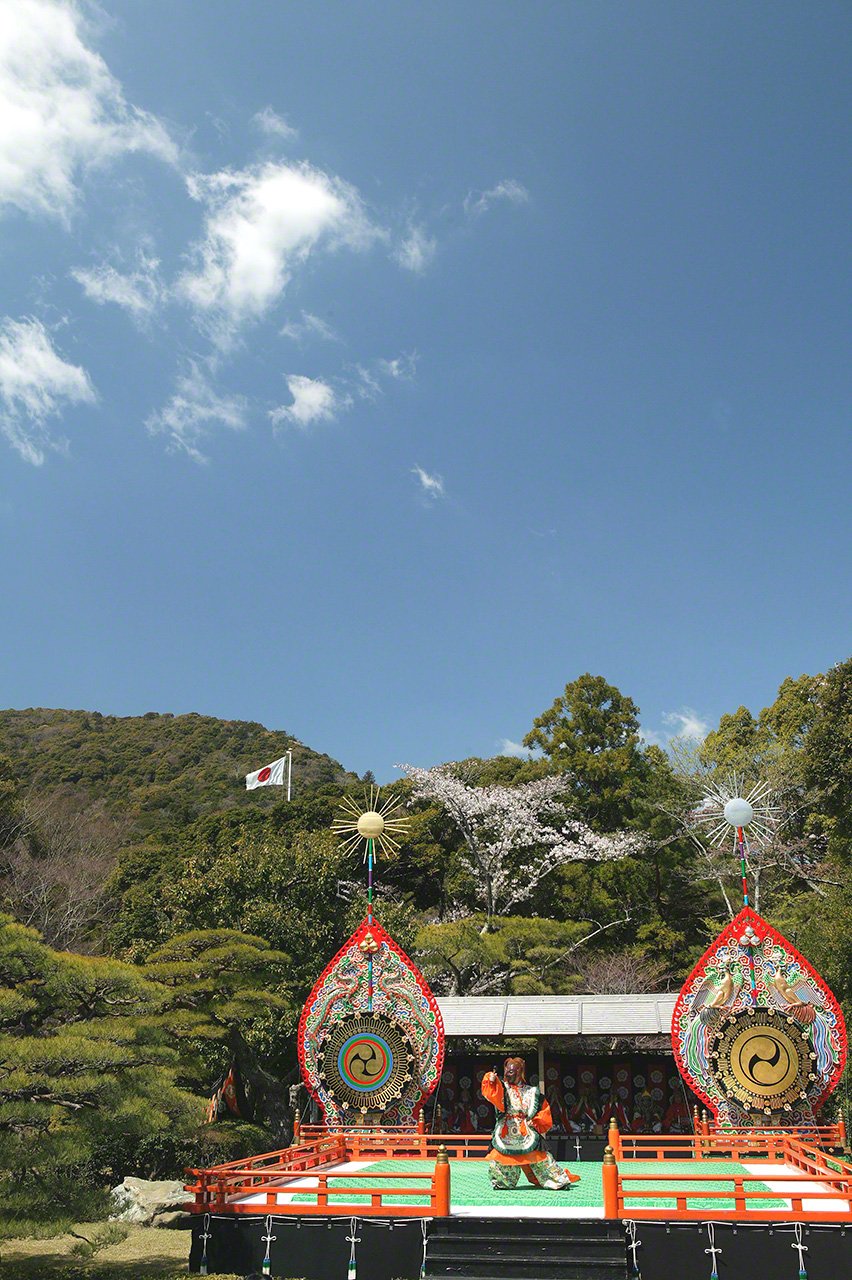
April 28 The spring kagura performance of ceremonial music and dance. Performances of kagura are held several times a year on a specially constructed stage.
-
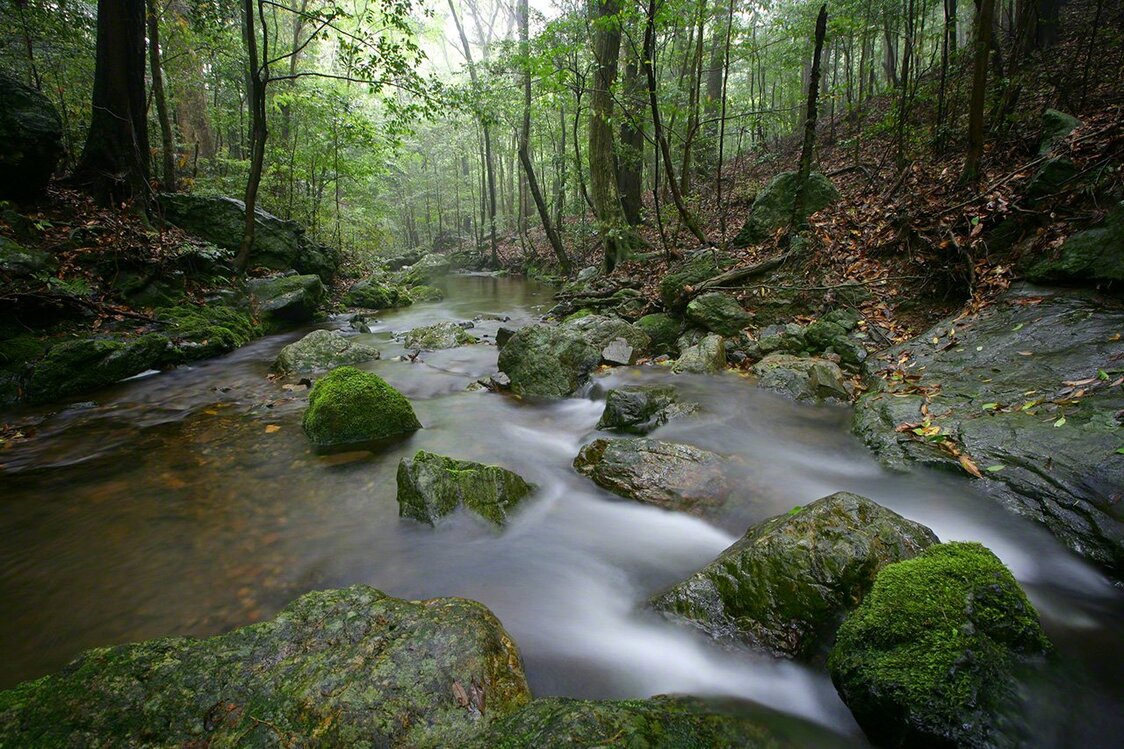
May 5Upstream on the Isuzugawa, the pure waters flow through forestland belonging to the shrine.
-
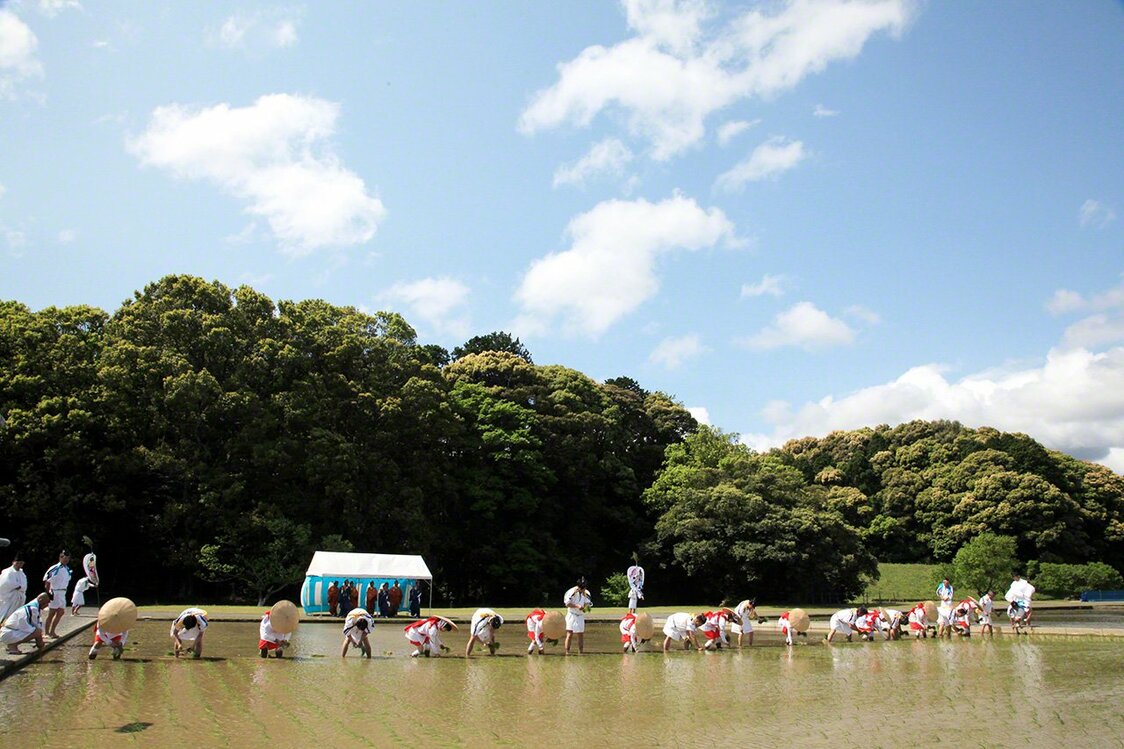
May 12Ceremonial planting of rice takes place in the paddies that provide sacred rice for rituals at Ise Jingū, accompanied by performances of ceremonial music.
-
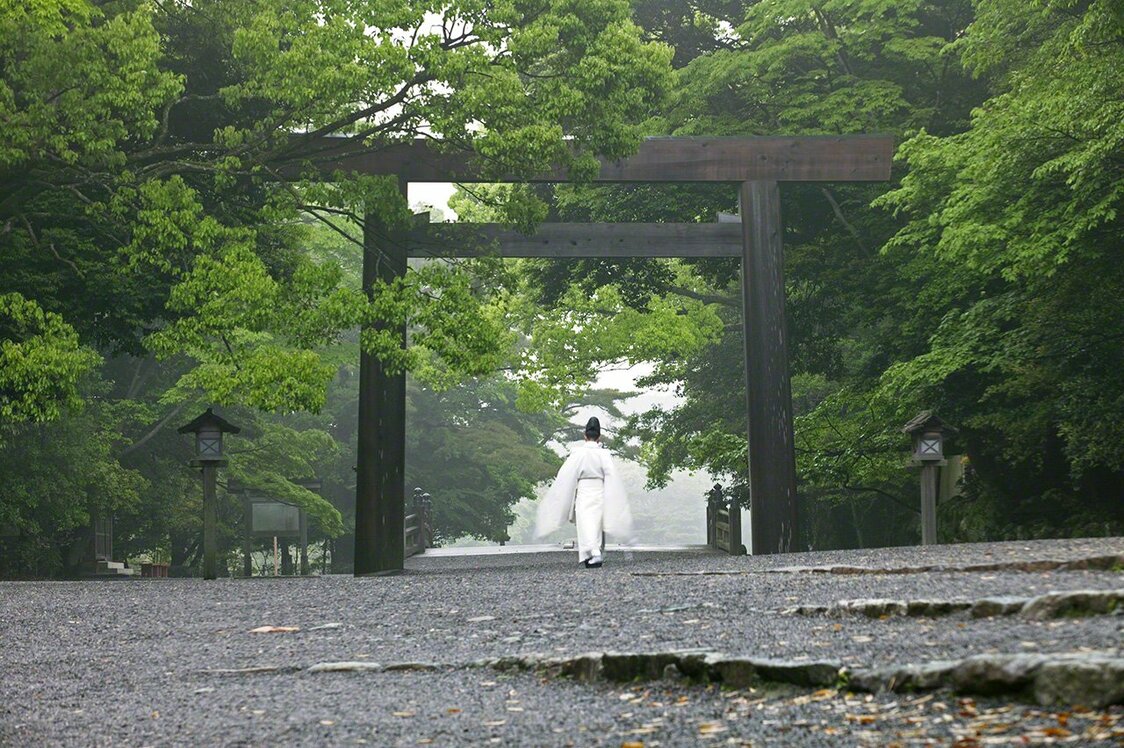
May 16A priest does the rounds of the sacred precincts every morning, his white robes standing out beautifully against the fresh verdure of spring.
-
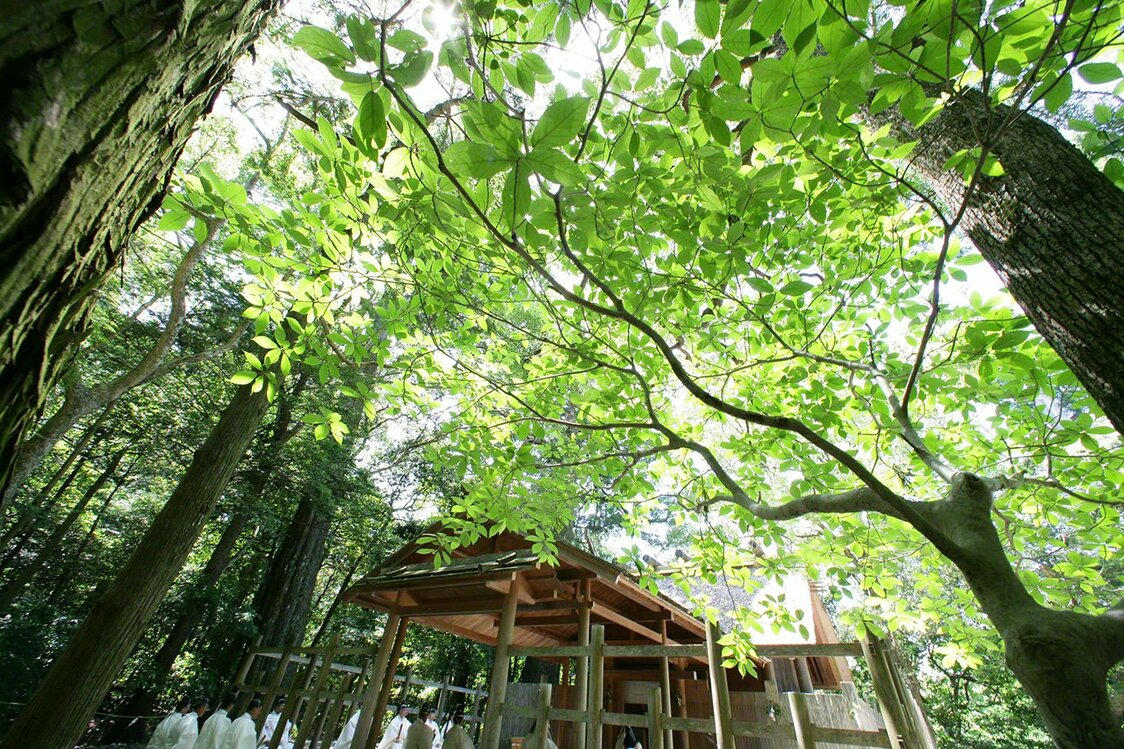
June 16At the Tsukinami-sai, prayers are said for the prosperity of the imperial family, the safety of the nation, abundant harvests, and national peace.
-
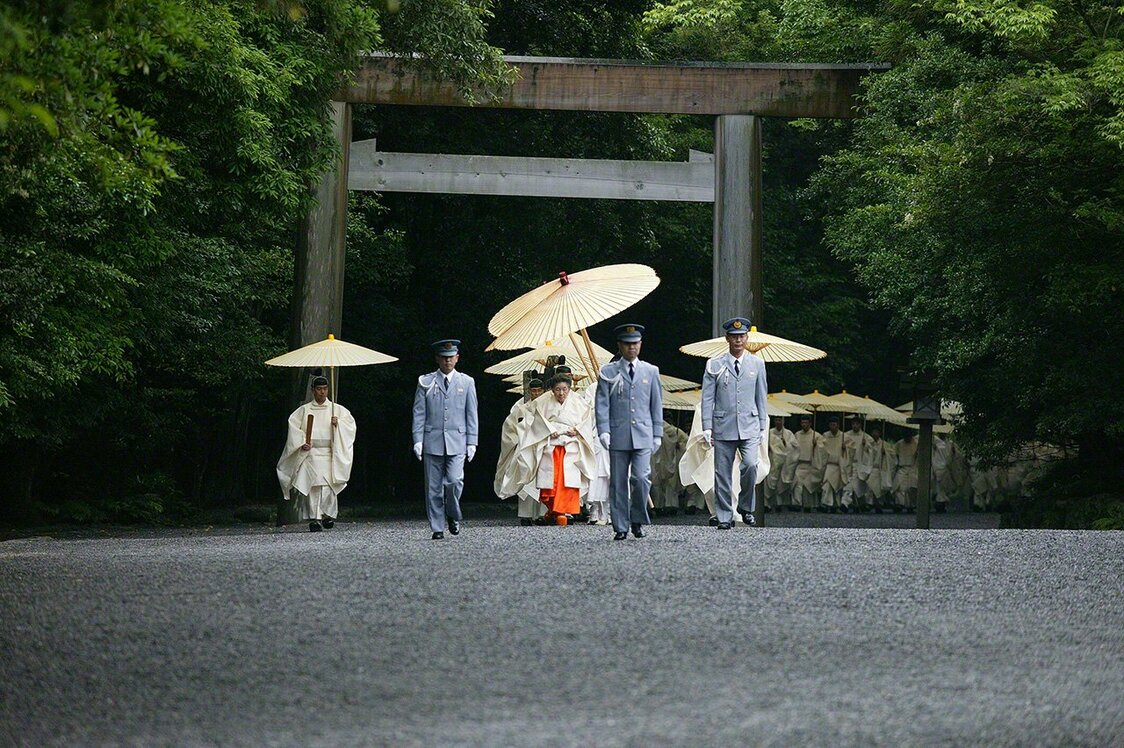
June 17 The Tsukinami-sai takes place in June and December. Along with the Kanname-sai, it is the most important event in the religious calendar.
-
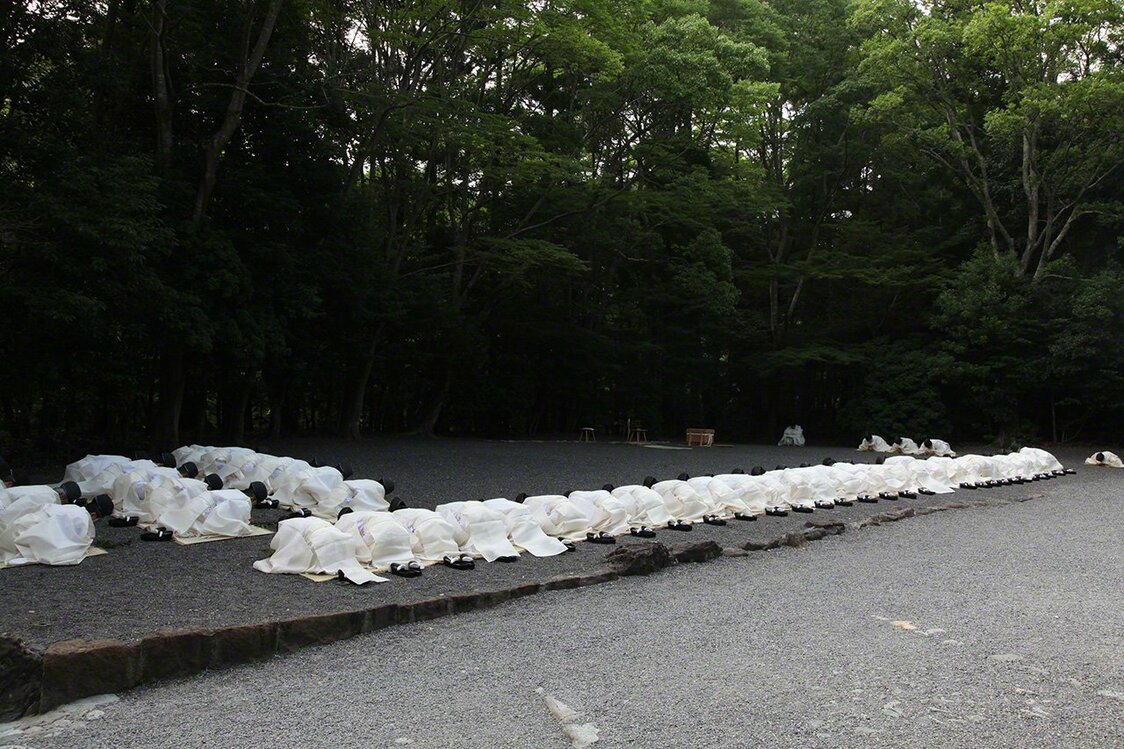
June 30 The priests of the shrine conduct a purification ceremony to wash away sin and impurity.
-
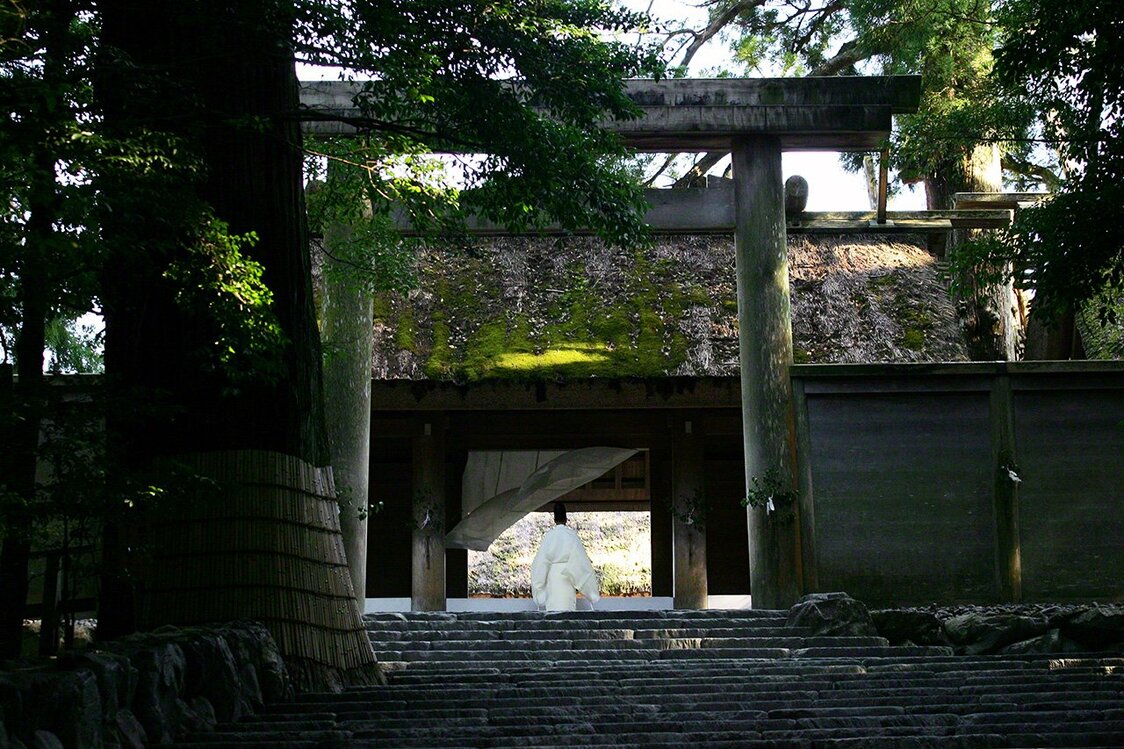
July 1A curtain hung across the shrine entrance is blown back by a gust of wind as a priest approaches.
-
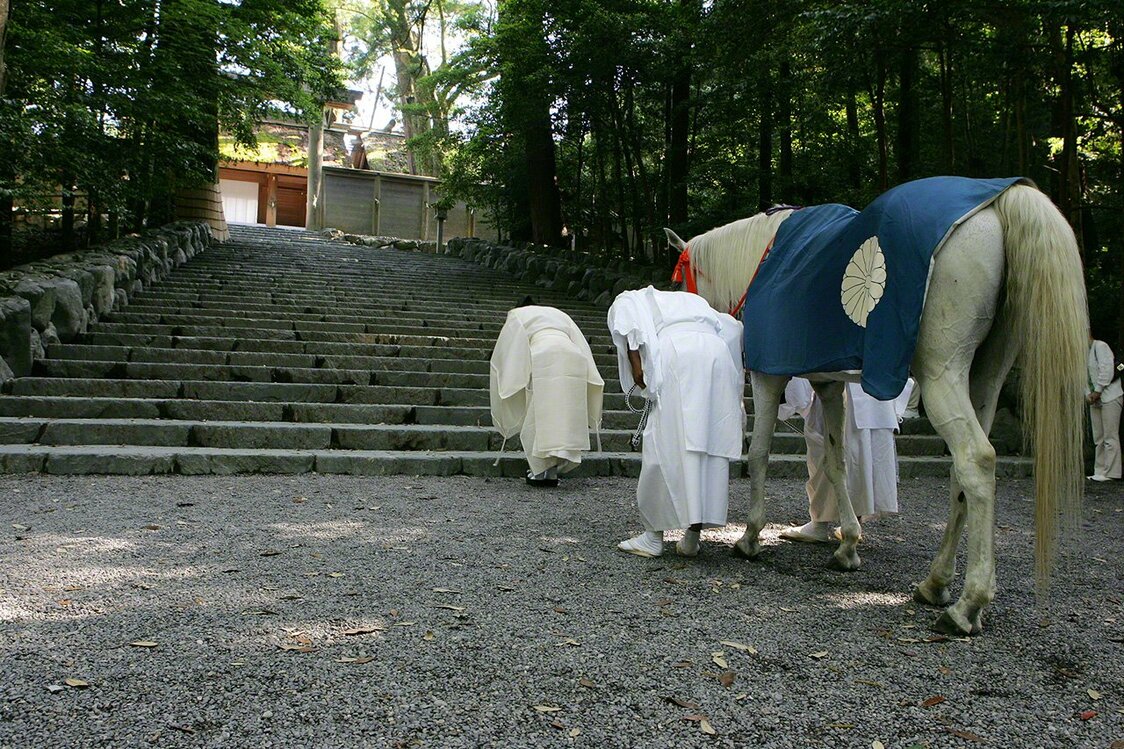
July 11Sacred horses have been a fixture in many Shintō shrines since ancient times. On the first, eleventh, and twenty-first days of each month, the sacred white horse joins in a procession to the bottom of the stone steps before the main shrine building and bows its head.
-
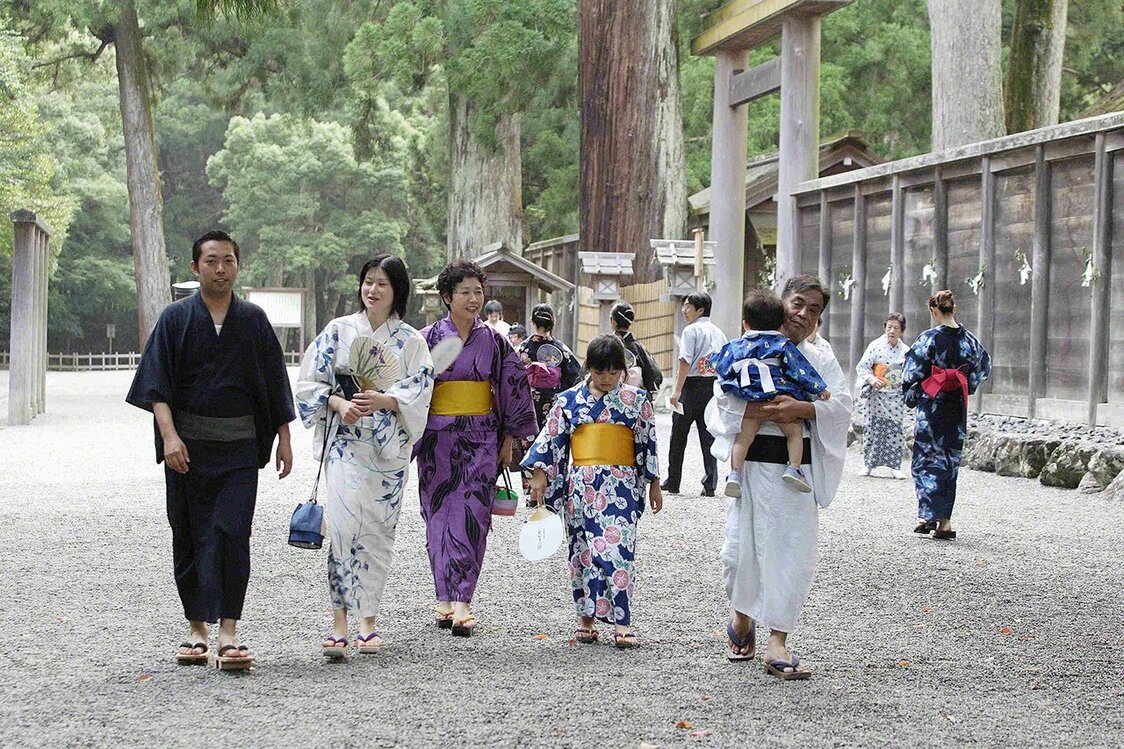
August 1 The shrine is crowded with people in summer yukata paying their respects on the occasion of hassaku, the first day of the eighth month, when prayers are traditionally said for a good harvest.
-
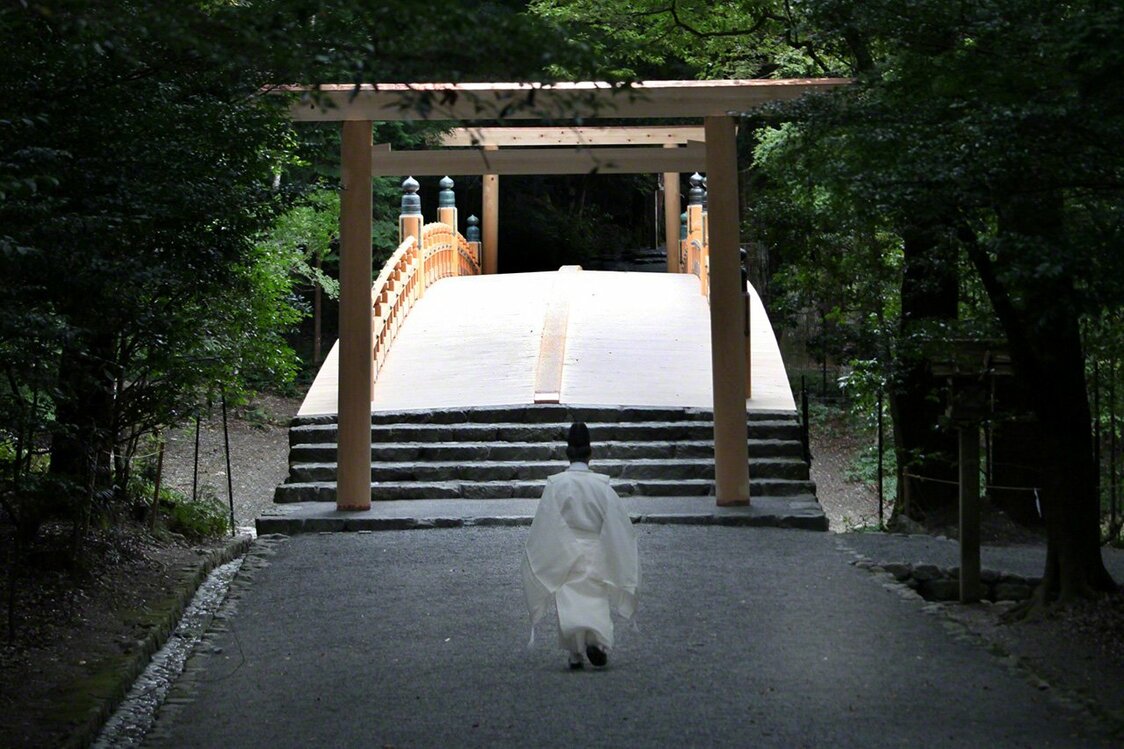
August 25 A priest makes his way toward the newly rebuilt Kazahi-no-Minomiya Bridge.
-
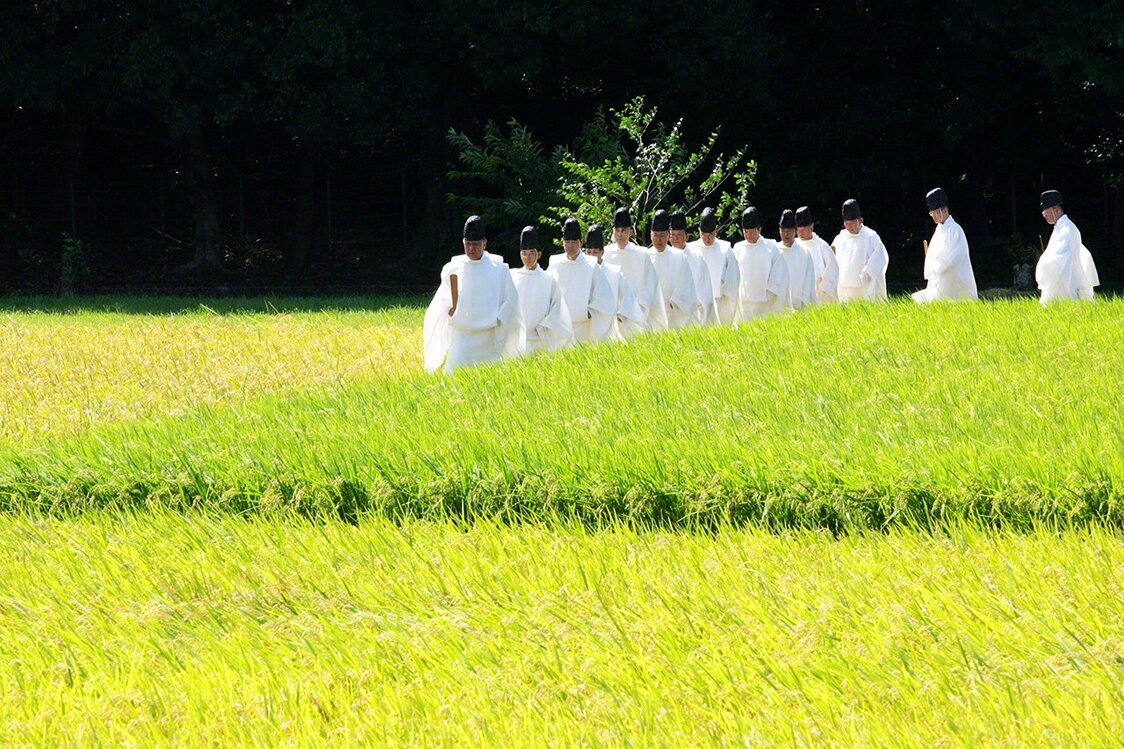
September 5 The Nuibo-sai is a ceremony to harvest the ears from plants in the paddies where rice used in rituals is grown.
-
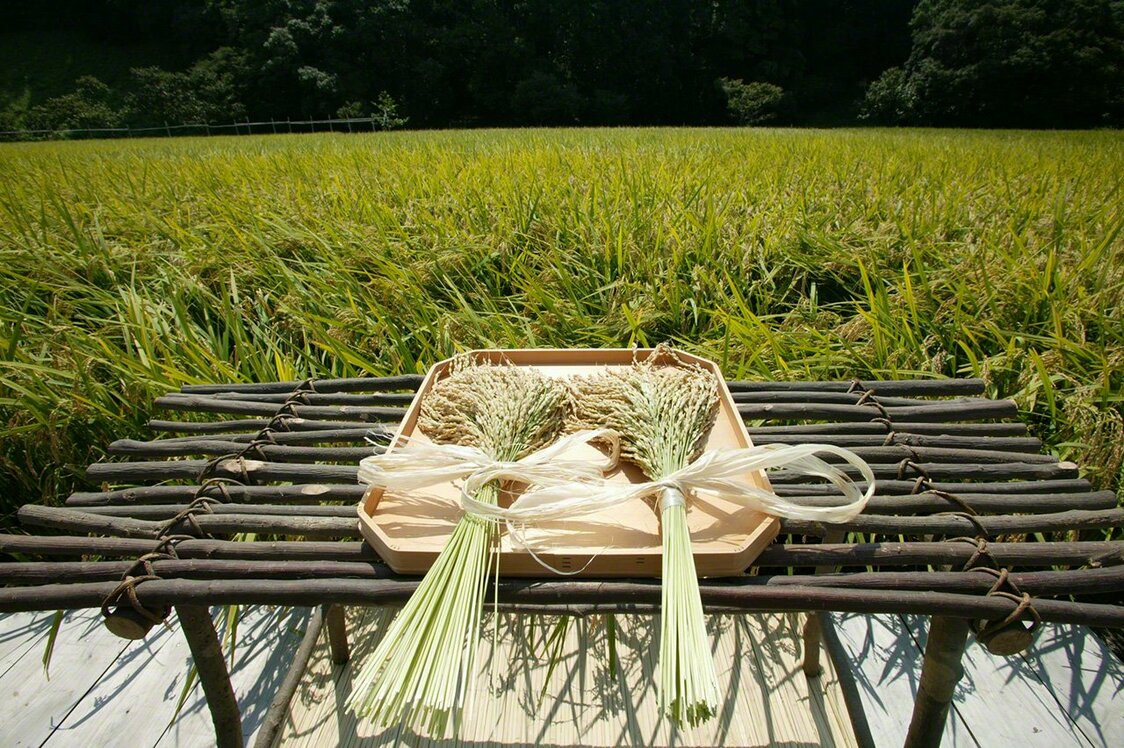
September 5 Harvested ears of rice presented in thanks for a bountiful harvest.
-
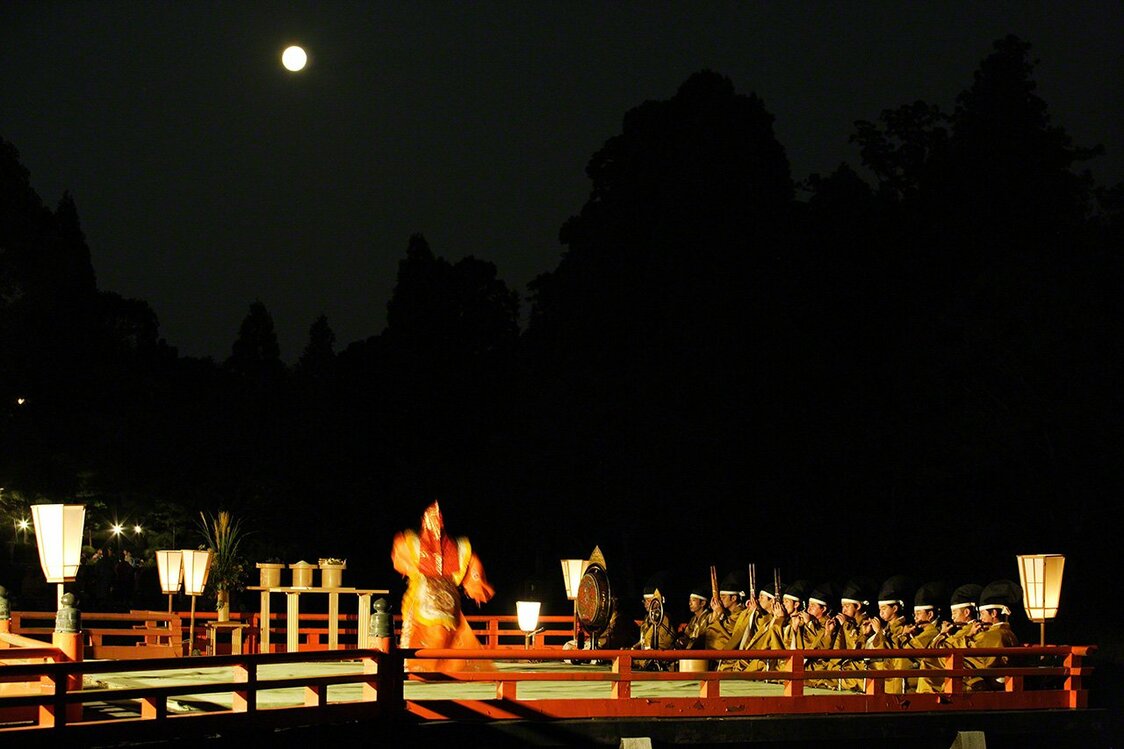
September 18 A performance of traditional music and dance under the mid-autumn harvest moon.
-
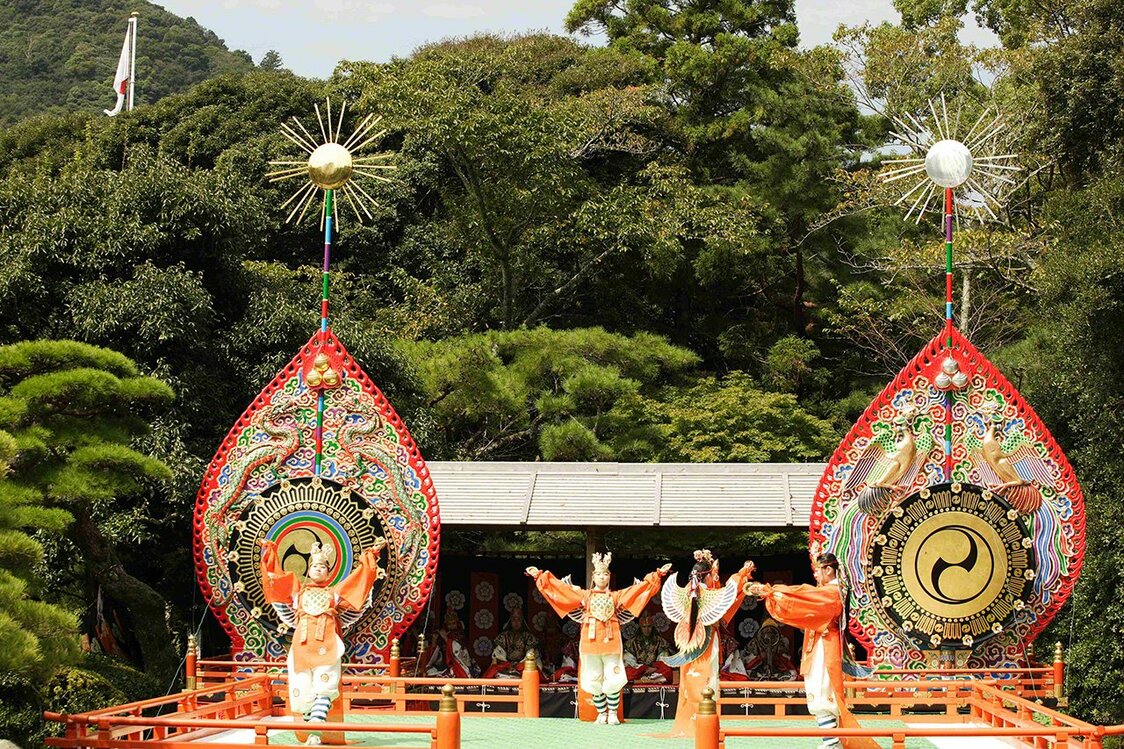
September 23 The autumn performance of kagura. Traditional dances are performed to entertain the kami.
-
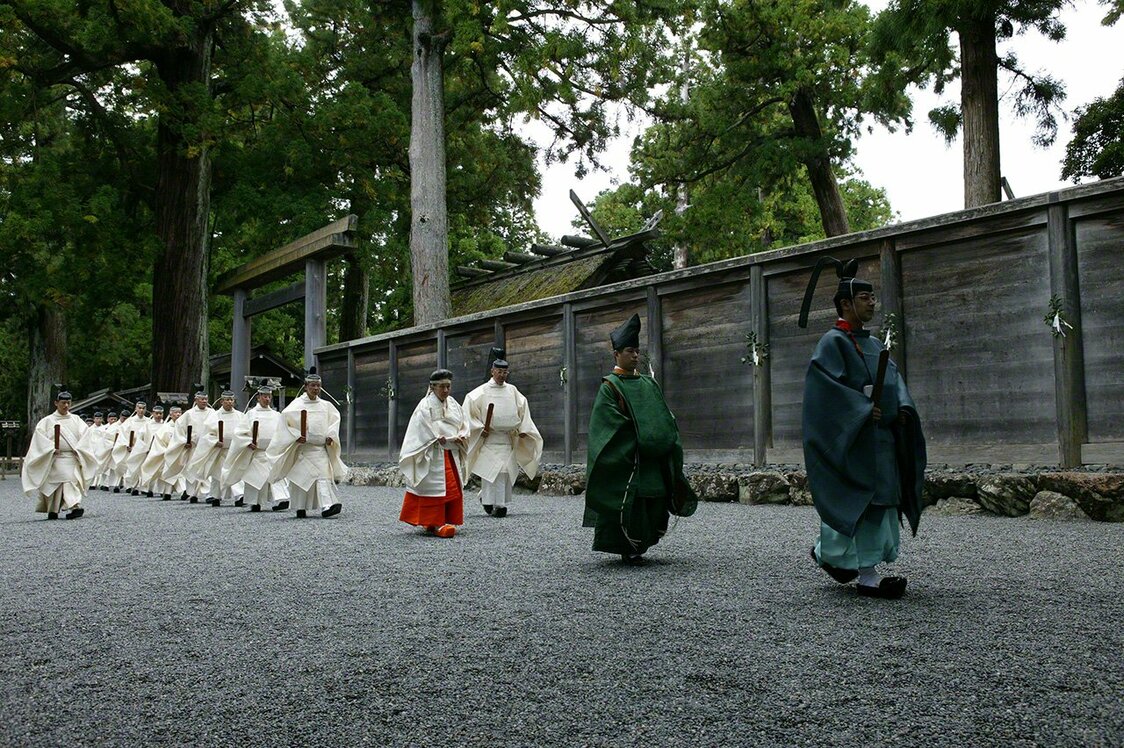
October 16 The Kanname-sai, one of the most important ceremonies of the year. The first rice of the year is offered to the kami in thanks for the harvest.
-
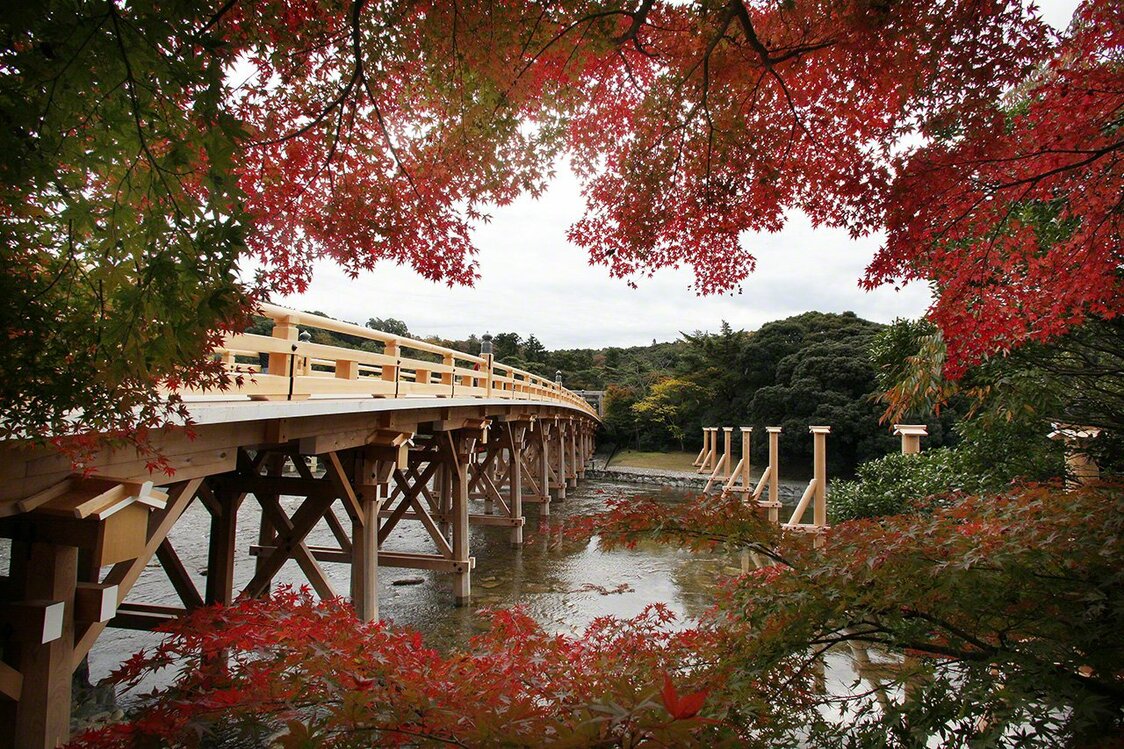
November 19 The Uji Bridge in fall foliage. The bridge marks the boundary between the sacred and profane worlds.
-
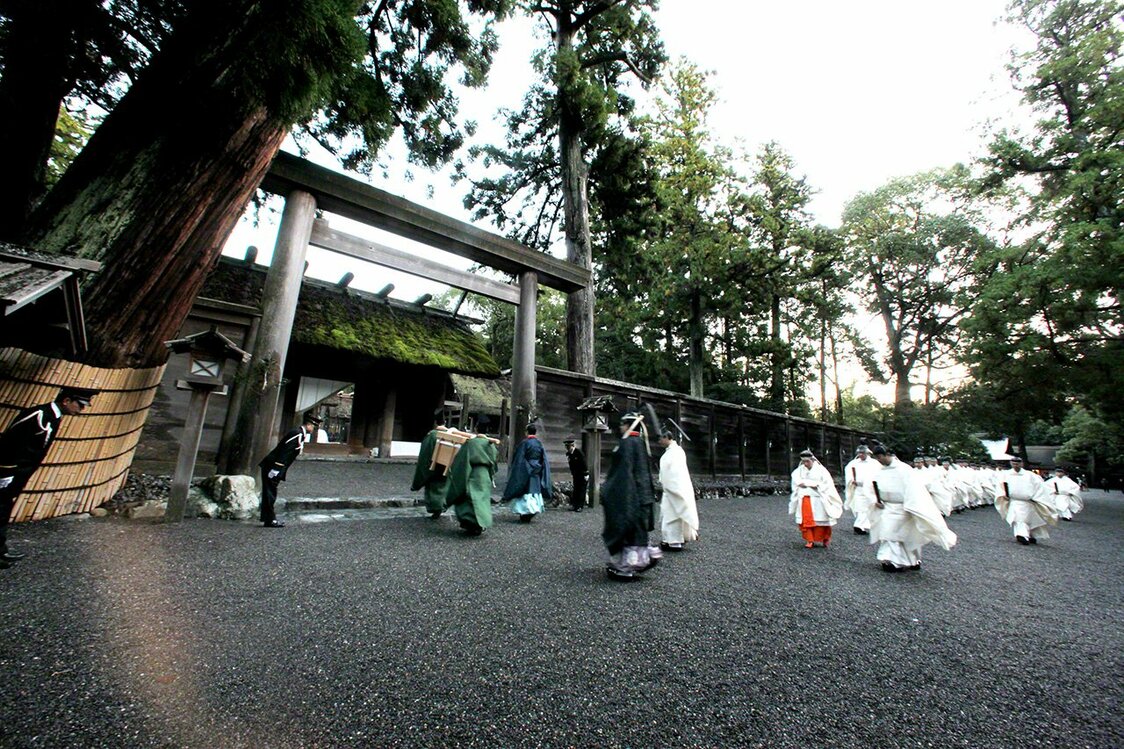
November 23 Niiname-sai. A harvest ceremony in which the emperor himself offers new rice to the gods and partakes of the new rice.
-
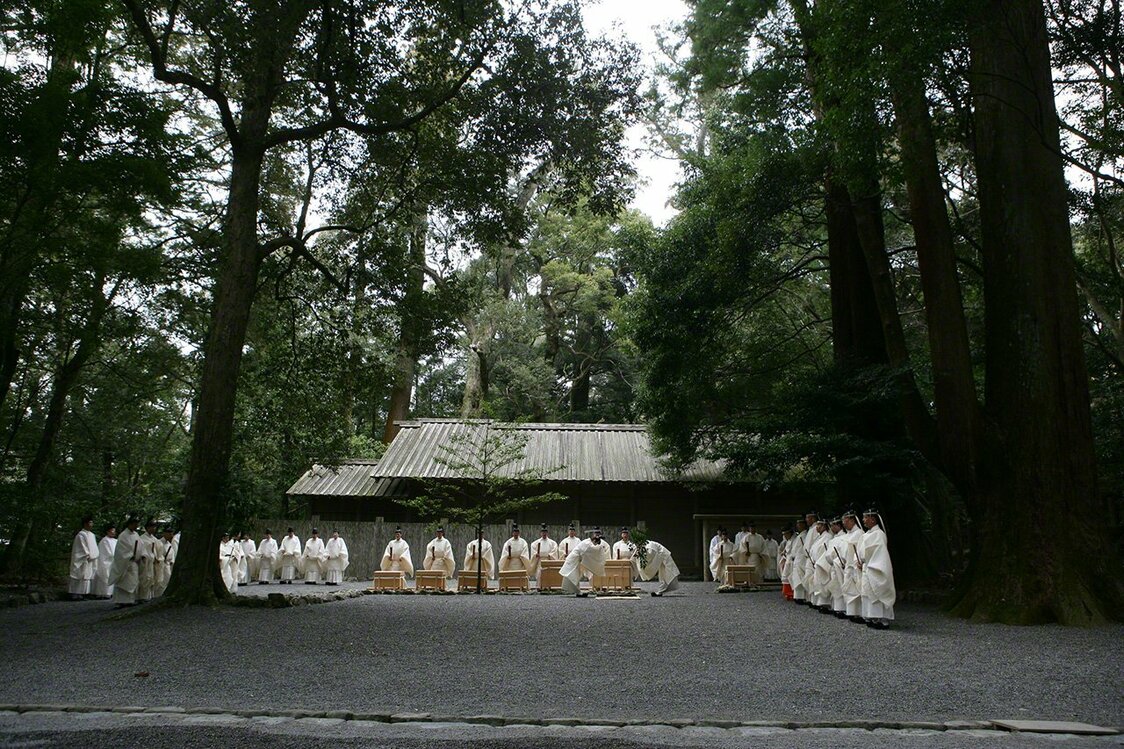
December 17 The December Tsukinami-sai. In front of the Naikū's Imibi-yaden, the “gods’ kitchen” where rice and other foods are prepared, a priest blesses boxes containing sacred offerings with a sacred sakaki branch.
-
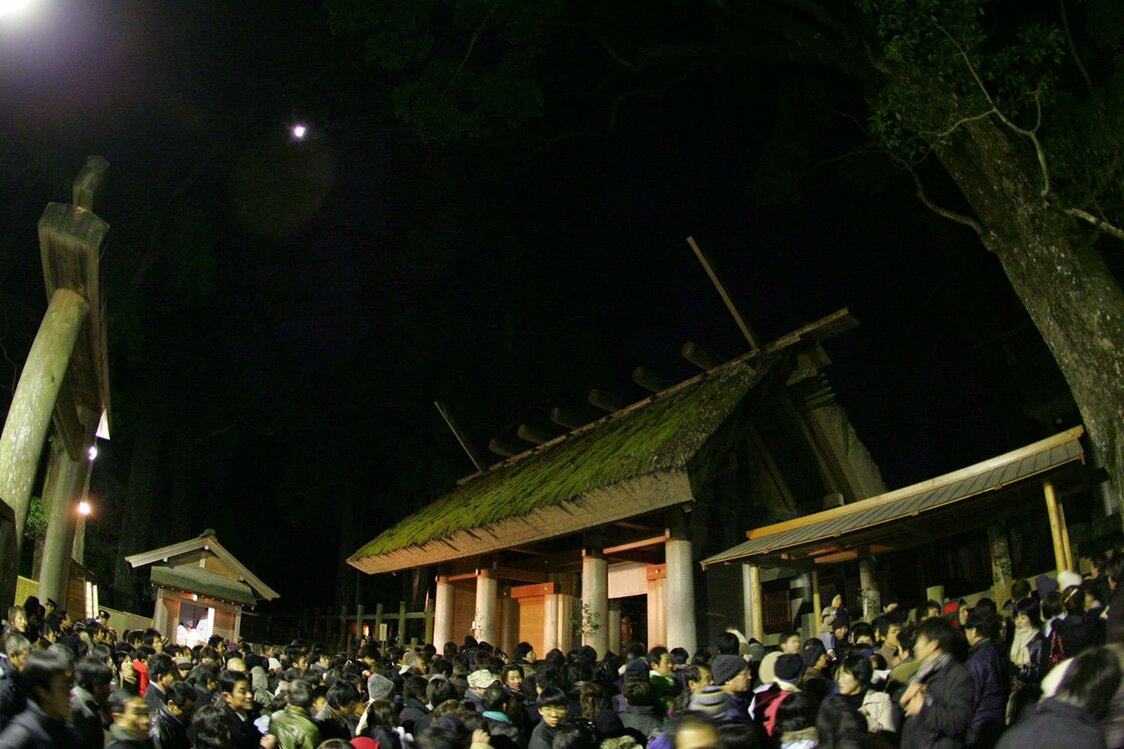
December 31 The shrine precincts throng with people on New Year’s Eve. Throughout the country, people visit shrines and temples to give thanks for the year just passed and pray for happiness in the year to come.


 Read in other languages