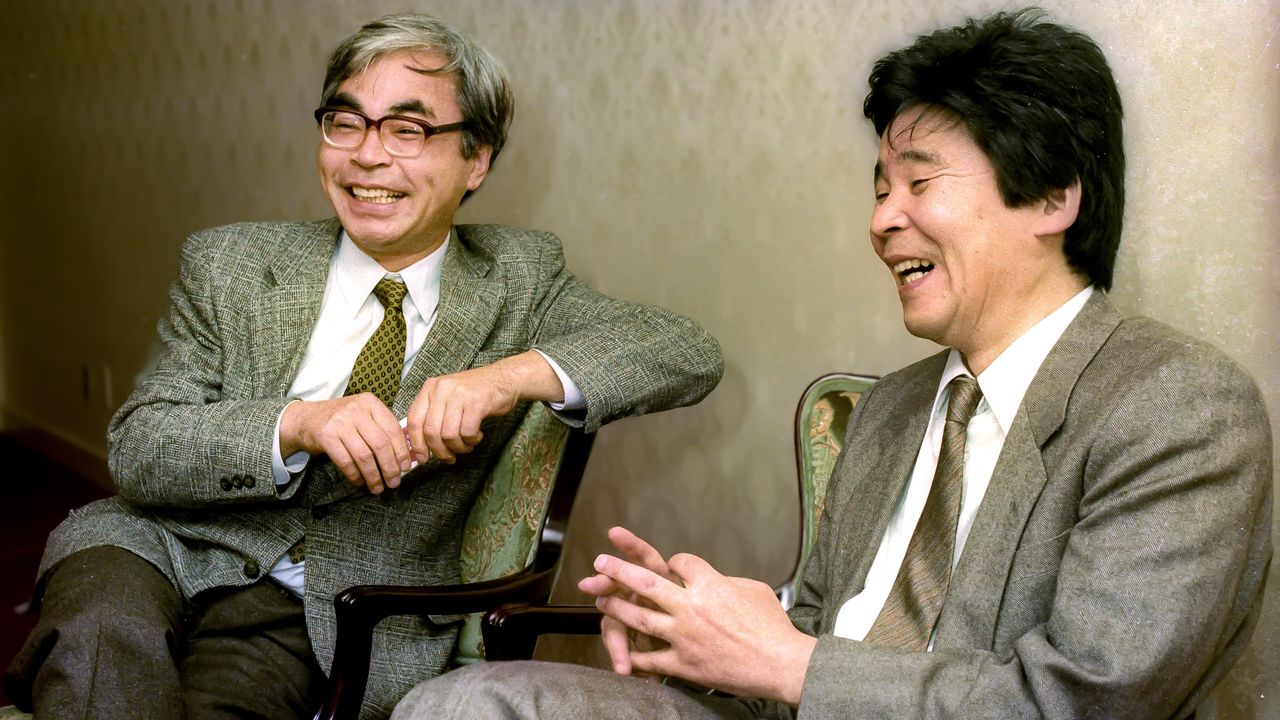
Studio Ghibli Anime: The Inspiration Behind the Imagination
A Short History of Studio Ghibli: Four Decades of Anime Classics
Culture Entertainment Society- English
- 日本語
- 简体字
- 繁體字
- Français
- Español
- العربية
- Русский
A Desert Wind
Studio Ghibli was founded in June 1985. The box-office success of Miyazaki Hayao’s Nausicaä of the Valley of the Wind, produced the previous year by Topcraft, led to Tokuma Shoten—the publisher of Animage, where the original Nausicaä manga appeared—funding the creation of the studio.
Miyazaki Hayao and Takahata Isao, who both had experience working for Tōei Animation, were central figures in the new company, which was established to produce feature films. The name Ghibli comes from an Arabic word for a hot desert wind from the Sahara, which was also used as the name of an Italian military reconnaissance airplane during World War II. Miyazaki, an aviation enthusiast, picked the name to represent how the studio would send a whirlwind through Japan’s animation industry.
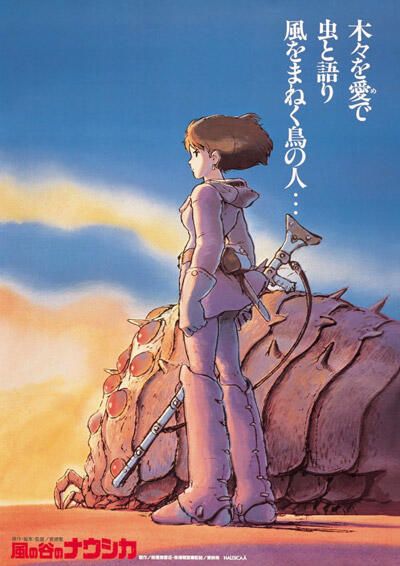
Nausicaä of the Valley of the Wind was made before Studio Ghibli existed, but the company later acquired the copyright, and it is often considered part of the Ghibli canon. (© 1984 Hayao Miyazaki/Studio Ghibli, H)
A Reckless Undertaking
The first official Ghibli release was Castle in the Sky (1986). Like Nausicaä, it was directed by Miyazaki and produced by Takahata. Then, in April 1988, came the double feature release of Miyazaki’s My Neighbor Totoro and Takahata’s Grave of the Fireflies. This was the only simultaneous release of two feature films in Ghibli’s history, and it placed an enormous strain on the production floor, not least because neither director was prepared to compromise on quality. Ghibli’s official website describes it as having been “a reckless undertaking.”
The double release was not a blockbuster success, due in part to not falling during the peak summer vacation season. However, the films earned overwhelming critical acclaim, putting Studio Ghibli on the map within the Japanese film world.
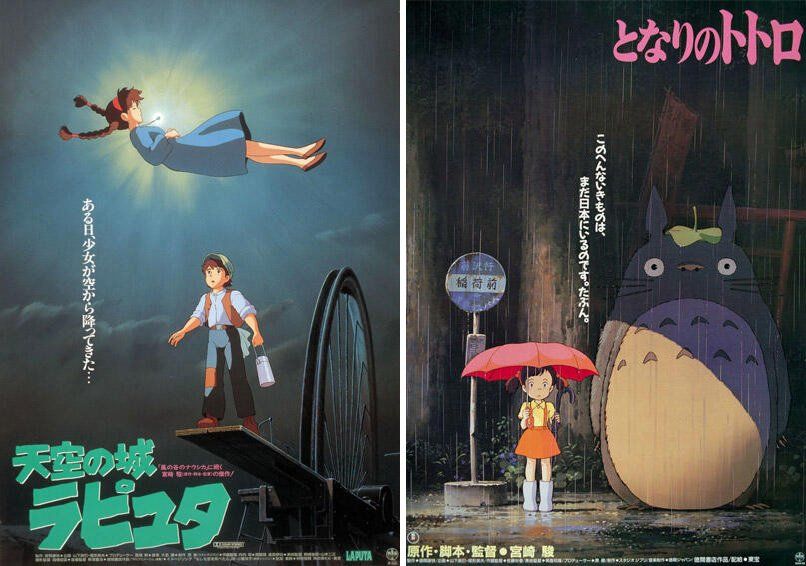
Castle in the Sky (© 1986 Hayao Miyazaki/Studio Ghibli), at left, and My Neighbor Totoro (© 1988 Hayao Miyazaki/Studio Ghibli)
Delivering Box Office Hits
The studio’s first major box office success came with Miyazaki’s Kiki’s Delivery Service (1989), which was the highest earning Japanese film of the year. At this point, Suzuki Toshio, who had previously been involved while chief editor of Animage, left the magazine to become a full-time producer for Ghibli. A string of hits followed in the early 1990s, with Takahata’s Only Yesterday (1991) and Pom Poko (1994), and Miyazaki’s Porco Rosso (1992), as Ghibli became a fixture on the annual box office rankings.
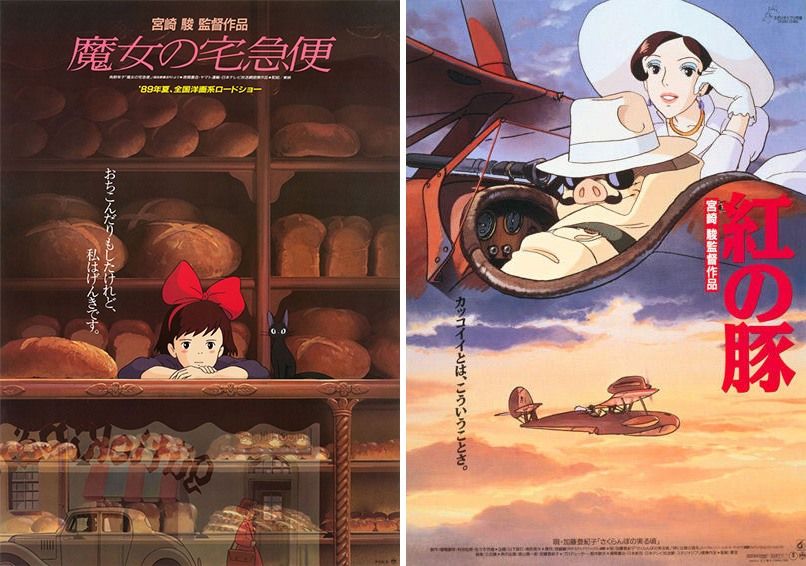
Kiki’s Delivery Service (© 1989 Eiko Kadono/Hayao Miyazaki/Studio Ghibli, N), at left, and Porco Rosso (© 1992 Hayao Miyazaki/Studio Ghibli, NN)
From 1989, the studio overhauled its business operations, specifically regarding staff working conditions and the recruitment and training of new animators. In the Japanese animation industry, the standard practice had long been piecework pay, where wages were set per drawing or painted cell. This meant that no matter how great a hit Kiki’s Delivery Service became, it could not be reflected in the earnings of the staff at the time.
During discussions about the studio’s future, Miyazaki proposed making staff into full-time salaried employees and introducing a fixed-salary system. The resulting policy aimed to double wages while focusing on the regular recruitment and training of new talent.
In 1992, the studio relocated within Tokyo from Kichijōji to a new building in Higashi-Koganei, where it remains today.
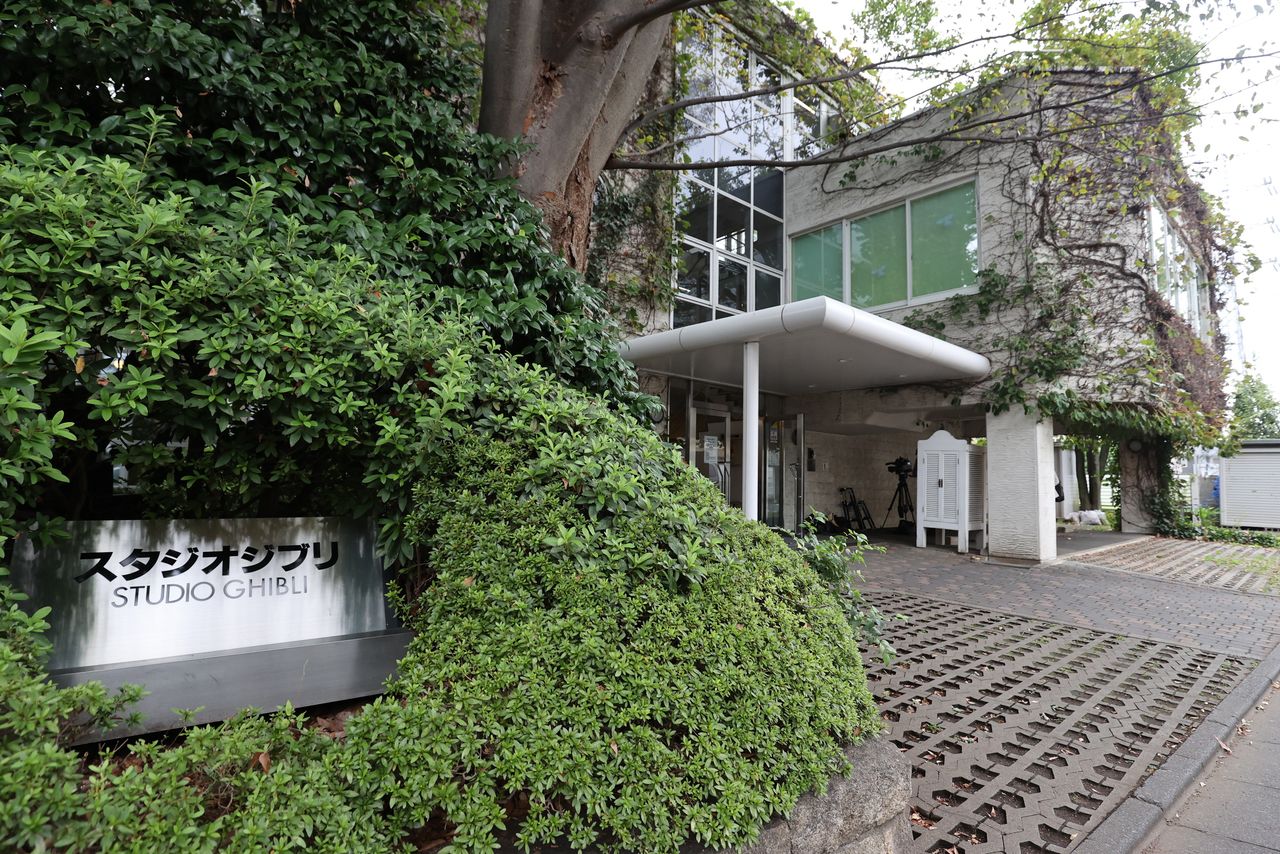
Studio Ghibli’s number 1 studio in Koganei, Tokyo. (© Jiji)
International Success
Miyazaki began work on Princess Mononoke in 1995, with a production budget of ¥2 billion or double that of previous Ghibli films. The director faced significant doubts about the commercial viability of his period drama, but 16 years after Miyazaki’s initial concept, it was a massive hit from its release in summer 1997. Its total box office takings of ¥20.2 billion were well ahead of domestic films and even surpassed the 1982 blockbuster E.T. to become the highest grossing film ever in Japan.
Miyazaki’s next film Spirited Away (2001) was even more spectacularly successful. It became the first animated feature to win the Golden Bear at the Berlin International Film Festival, and was the first and only non-English film to win the Academy Award for Best Animated Feature until Miyazaki again won for The Boy and the Heron (2023). For 19 years, until 2020, Spirited Away held the record as the highest-grossing movie in Japanese box office history.
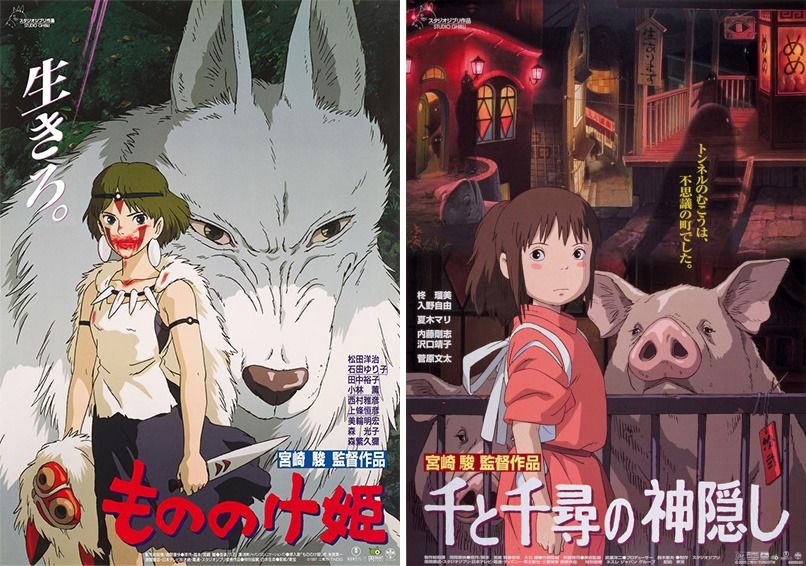
Princess Mononoke (© 1997 Hayao Miyazaki/Studio Ghibli, ND), at left, and Spirited Away (© 2001 Hayao Miyazaki/Studio Ghibli, NDDTM)
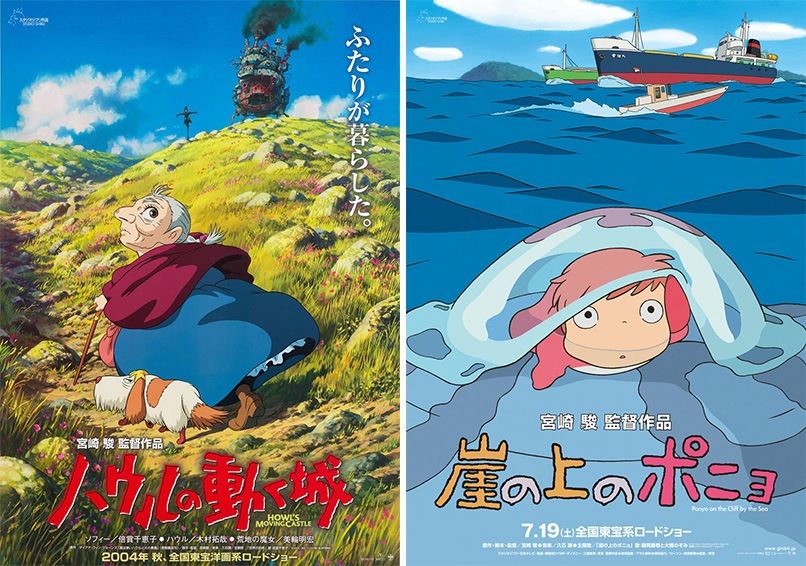
Howl’s Moving Castle (© 2004 Diana Wynne Jones/Hayao Miyazaki/Studio Ghibli, NDDMT), at left, and Ponyo (© 2008 Hayao Miyazaki/Studio Ghibli, NDHDMT)
Miyazaki followed this with Howl’s Moving Castle (2004), which won the Golden Osella for outstanding technical contribution at the Venice International Film Festival, and Ponyo (2008). When 3D graphics were becoming standard in the industry, Ponyo drew notice for its ongoing commitment to hand-drawn animation.
Studio Ghibli was a subsidiary of Tokuma Shoten until 2005, when it became an independent company. (In 2023, it became a subsidiary of Nippon Television.)
New Faces
By the 2010s, cultivating a new generation of directors to succeed Miyazaki and Takahata had become the studio’s single greatest challenge. At the start of this decade, Yonebayashi Hiromasa directed The Secret World of Arrietty (2010), while Miyazaki Gorō (son of Hayao) helmed his second feature From Up on Poppy Hill (2011), having made his debut with Tales from Earthsea (2006).
Meanwhile, 2013 marked a major milestone for the studio’s two master directors. Miyazaki’s The Wind Rises was released in July, followed by Takahata’s The Tale of the Princess Kaguya in November. For Takahata, it had been 14 long years since his previous film. (He passed away in 2018.)
On September 6, 2013, Miyazaki held a press conference and abruptly announced his retirement from making feature films. In July 2014, Yonebayashi’s second feature When Marnie Was There was released; the following month, the studio announced the disbandment and temporary hiatus of its production department.
Back in the Director’s Chair
Even after announcing his retirement from feature films, Miyazaki’s passion for filmmaking remained strong. He began work on Boro the Caterpillar, a short film intended for screening at the Ghibli Museum in Mitaka, Tokyo. In 2017, the studio hired new talent to work on a feature, and the production department got up and running again. While developing Boro, Miyazaki felt the urge to tackle another full-length feature.
In 2023, Ghibli released The Boy and the Heron, Miyazaki’s first feature film for 10 years. It became a global hit and earned Miyazaki his second Academy Award for Best Animated Feature. In 2024, the studio became the first film production company to win an honorary Palme d’Or at the Cannes film festival.
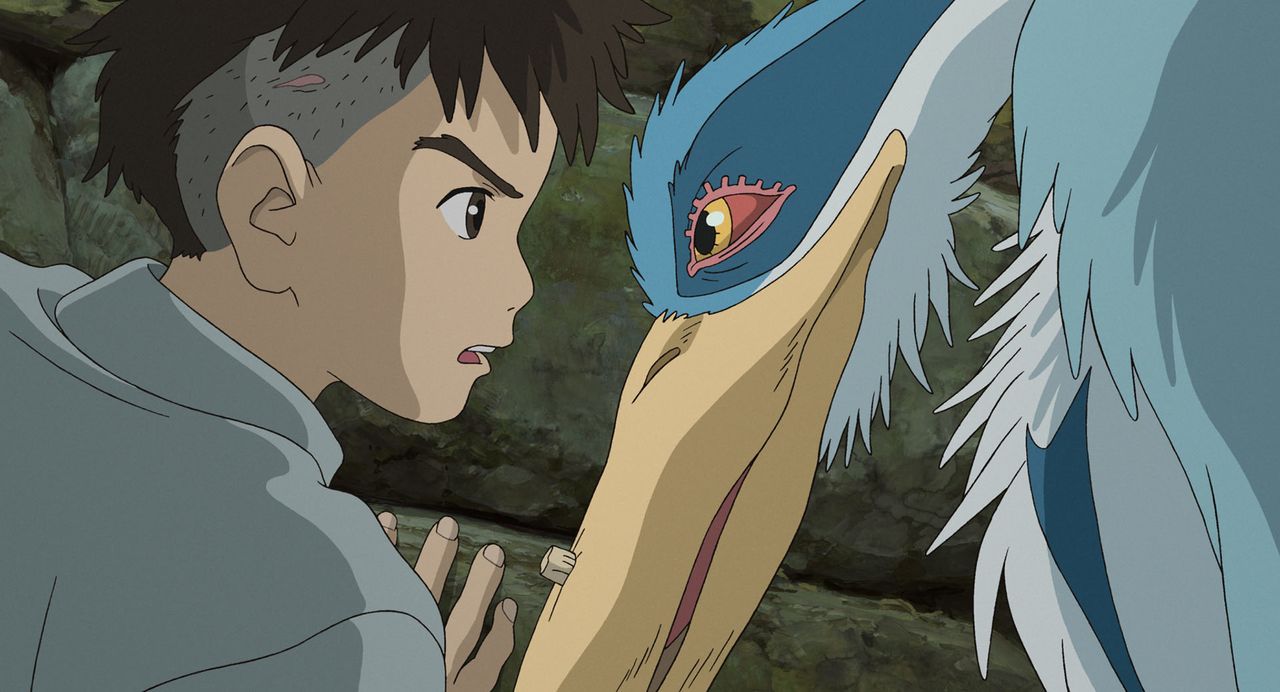
Mahito and the titular heron in The Boy and the Heron. (© 2023 Hayao Miyazaki/Studio Ghibli)
Over the past several years, Ghibli has further increased its international audience via streaming. At the same time, with Miyazaki now 85, a successor with the same creative brilliance has yet to emerge. Anime fans will watch with anticipation for the next chapter of the Ghibli story.
Studio Ghibli Milestones
March 1984: Release of Nausicaä of the Valley of the Wind before the founding of Studio Ghibli, although it is now often considered part of the Ghibli canon
June 1985: Founding of Studio Ghibli
August 1986: Release of Castle in the Sky, Ghibli’s official debut feature
April 1988: Double feature release of My Neighbor Totoro and Grave of the Fireflies
July 1989: Release of Kiki’s Delivery Service, which becomes highest earning Japanese film of the year
July 1996: Distribution deal with Walt Disney extends Ghibli’s global reach
July 1997: Release of Princess Mononoke, which later becomes the highest grossing film ever in Japan
July 2001: Release of Spirited Away, which becomes the highest grossing film ever in Japan, holding the record until 2020. It wins the Berlin Golden Bear in 2002 and the Academy Award for Best Animated Feature in 2003
October 2001: Ghibli Museum, Mitaka, opens in western Tokyo
November 2004: Release of Howl’s Moving Castle, which earlier received the Venice Golden Osella for outstanding technical contribution
September 2013: Miyazaki Hayao announces his retirement from feature making after the release of The Wind Rises in July
May 2017: Miyazaki formally withdraws his retirement
November 2022: Ghibli Park opens in Aichi Prefecture
July 2023: Release of The Boy and the Heron, which wins the Academy Award for Best Animated Feature in 2024
May 2024: Studio Ghibli receives an honorary Palme d’Or at the Cannes Film Festival
(Translated from Japanese. Banner photo: Miyazaki Hayao, at left, and Takahata Isao at an interview concerning Only Yesterday in November 1990. © Kyōdō.)