Building Bridges Between Japan and China
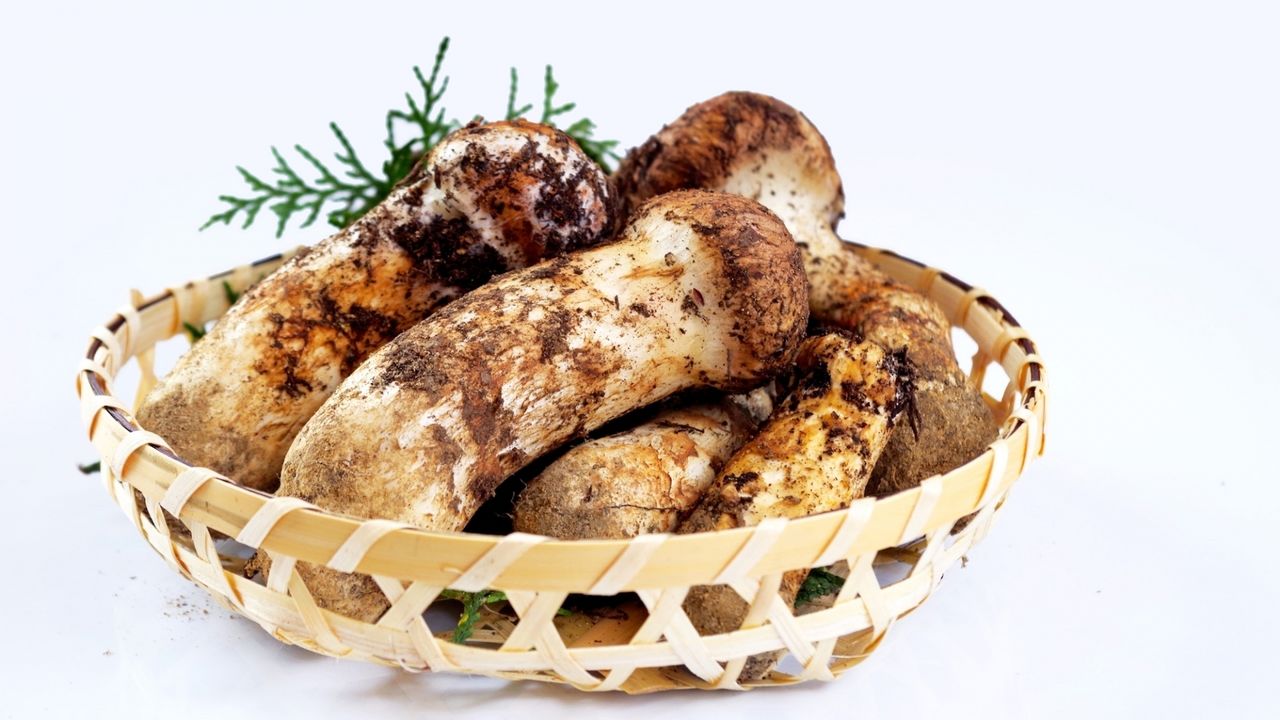
Matsutake Reigns Over Autumn Cuisine with a Luxury Price Tag
Guide to Japan Food and Drink Guide to Japan- English
- 日本語
- 简体字
- 繁體字
- Français
- Español
- العربية
- Русский
¥10,000 Per 100 Grams
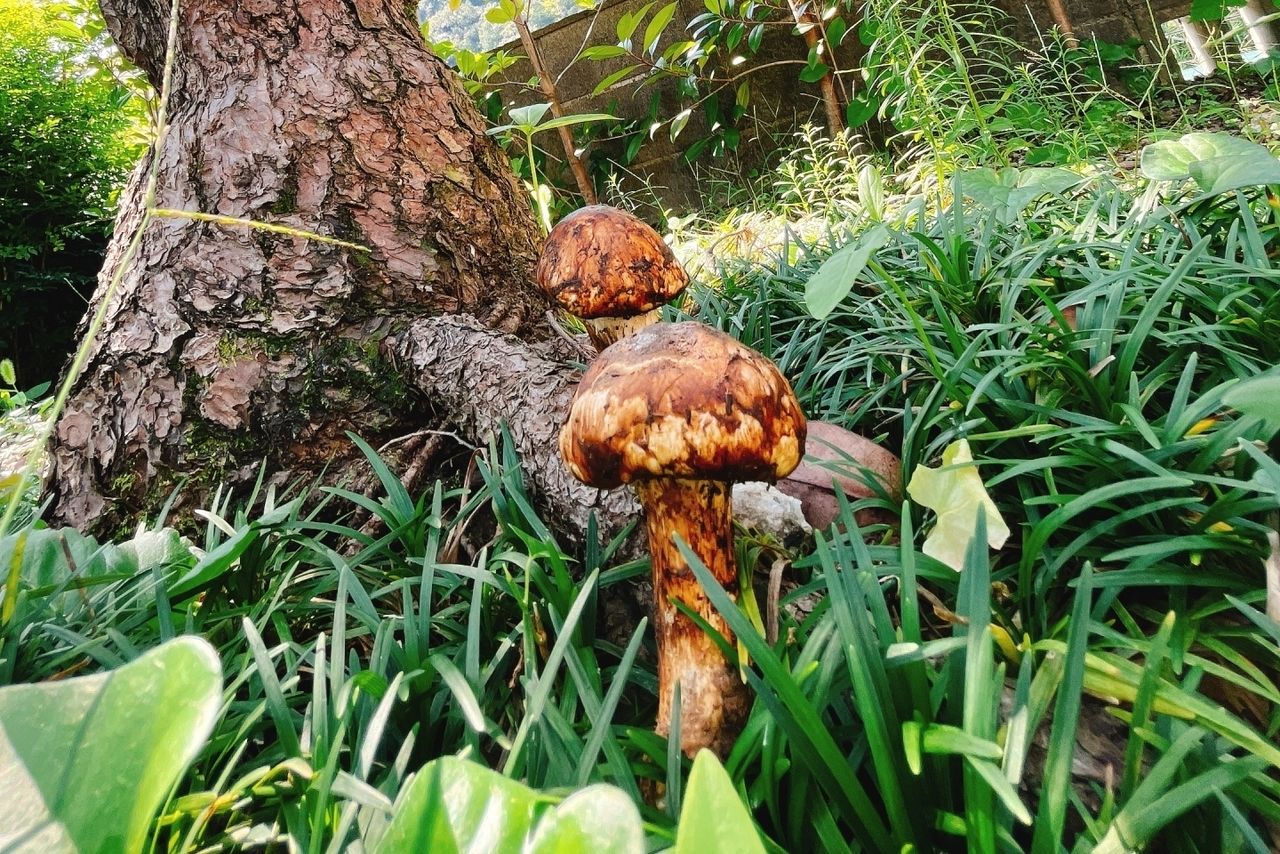
What could be more representative of autumn in Japan than the regal matsutake mushroom? Their rich aroma alone begs to be savored to the full. Domestically grown matsutake are extremely rare, though, meaning there are very few opportunities to actually enjoy specimens grown close to home.
Although they grow wild in Japanese red pine forests throughout the country, domestic production has been decreasing over the last 50 years, leaving Japan with no choice but to turn to imports. At its peak in 1941, annual domestic production stood at 12,000 tons; 20 years later, in 1960, it was still holding on at 3,500 tons. However, the energy revolution experienced during Japan’s period of rapid growth meant that fossil fuels became the main focus, and the pine forests once carefully maintained as a resource fell into neglect. No longer tended, the forest floors became overgrown with shrubs and weeds, creating an environment that made it difficult for matsutake to grow. In more recent years, pine wilt disease caused by beetle infestations has led to massive die-off of the trees, further compounding matters.
Since 2001, annual domestic harvests have consistently yielded less than 100 tons, with only 2004 and 2010 being the exceptions.
(© Photo AC)
Cultivation techniques have been developed for many of the mushrooms eaten on a regular basis, meaning they are available all year round at stable prices in stores. This is not the case for matsutake, though, as development is still ongoing. Due to this, the price per 100 grams of this precious mushroom ranges from ¥5,000 to ¥10,000, making it a high-end delicacy way beyond the reach of the average consumer.
Currently, more than 90% of the matsutake in the Japan market are harvested overseas. China accounts for over 60%, and recently imports from the United States and Canada have been on the rise too. But it is said that the aroma of imported matsutake is no match for that produced by the Japan-grown mushrooms.
Below we introduce some classic dishes making use of this most prized mushroom.
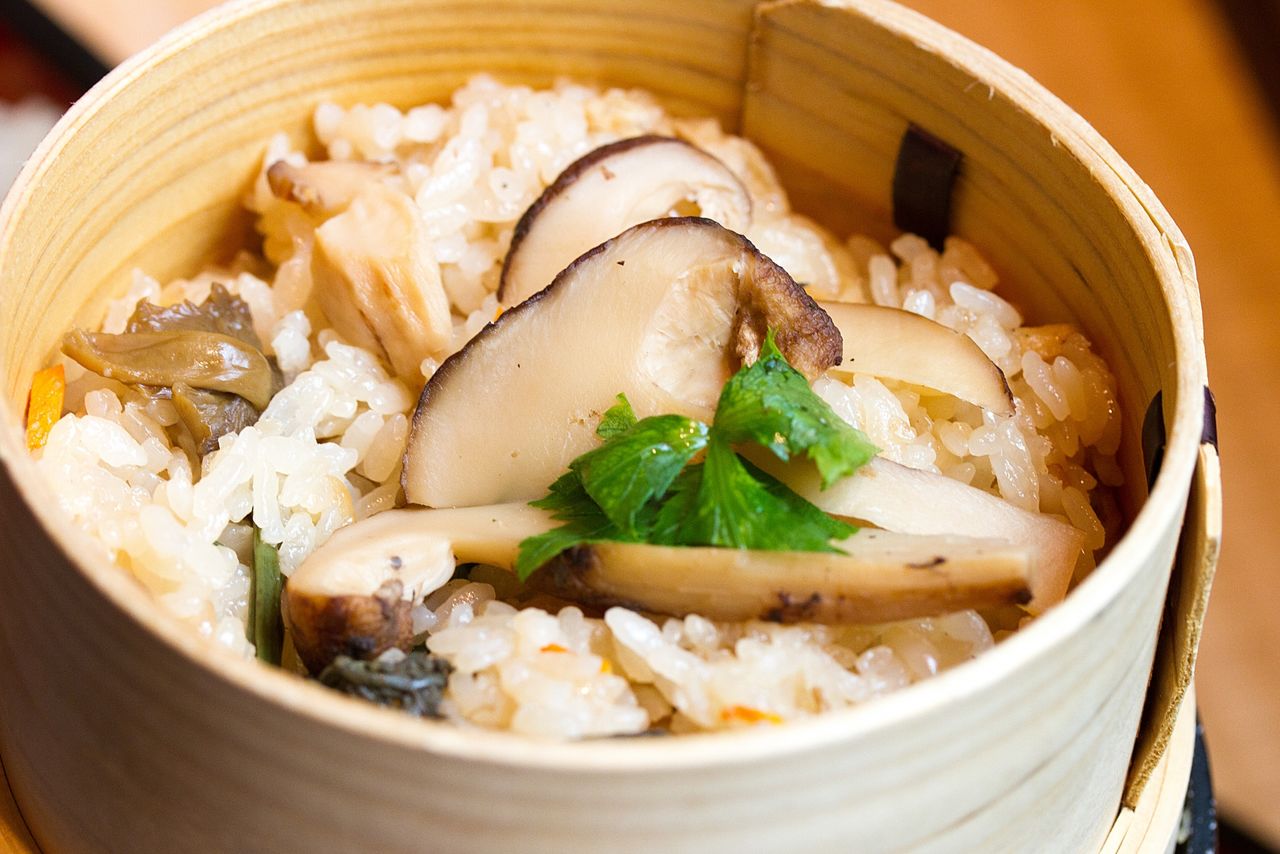
Takikomi-gohan
The Japanese saying kaori matsutake, aji shimeji explains that matsutake are for aroma and shimeji mushrooms are to add flavor. Nothing could be truer for this mixed-rice dish. Just the aroma of the matsutake as it cooks will give you a feeling of bliss, and the completed dish of course tastes like heaven.
(© Photo AC)
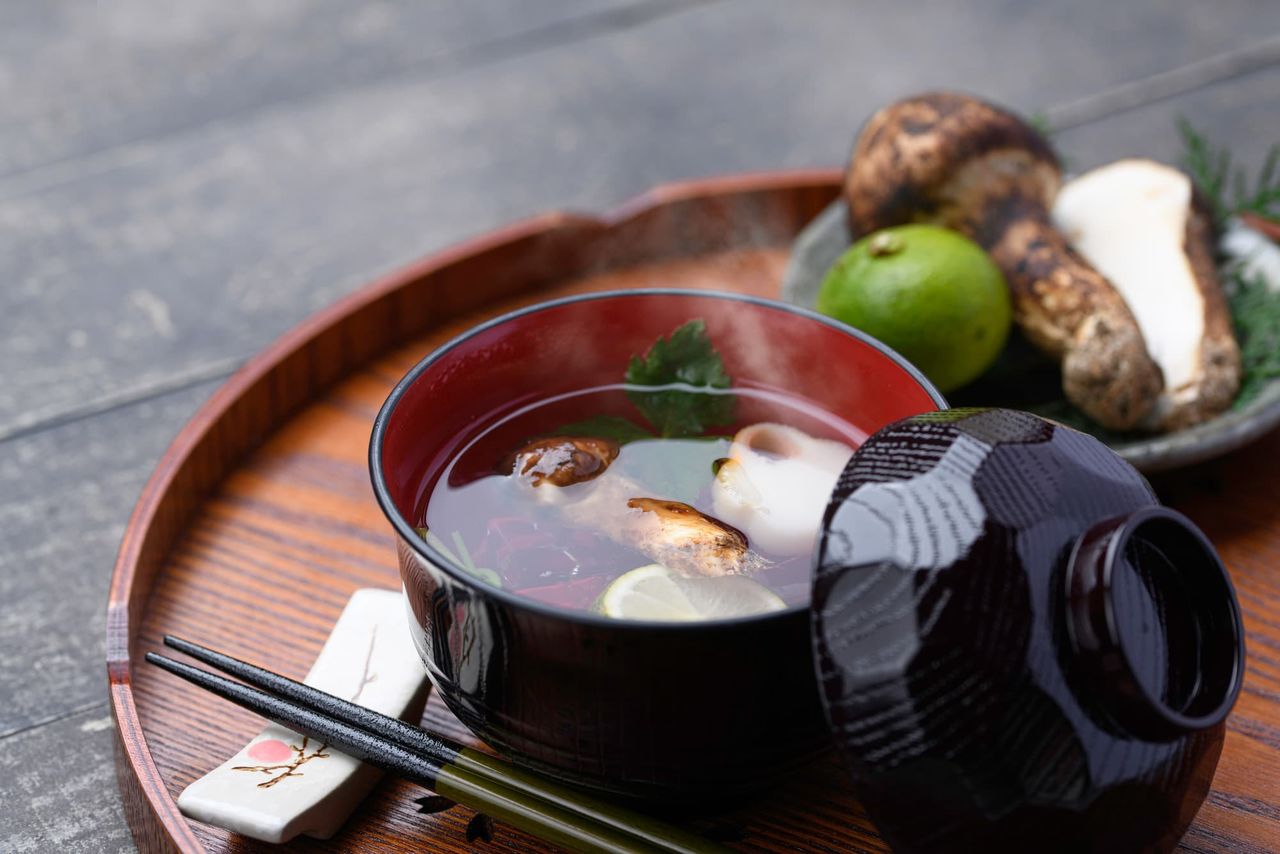
Suimono
A single thin slice of matsutake floating in this clear soup is enough to give it a captivating aroma. Most commercially available types use artificial flavorings rather than actual matsutake, but they at least provide an easy, more reasonably priced way for diners to enjoy an approximation of the exquisite scent.
(© Pixta)
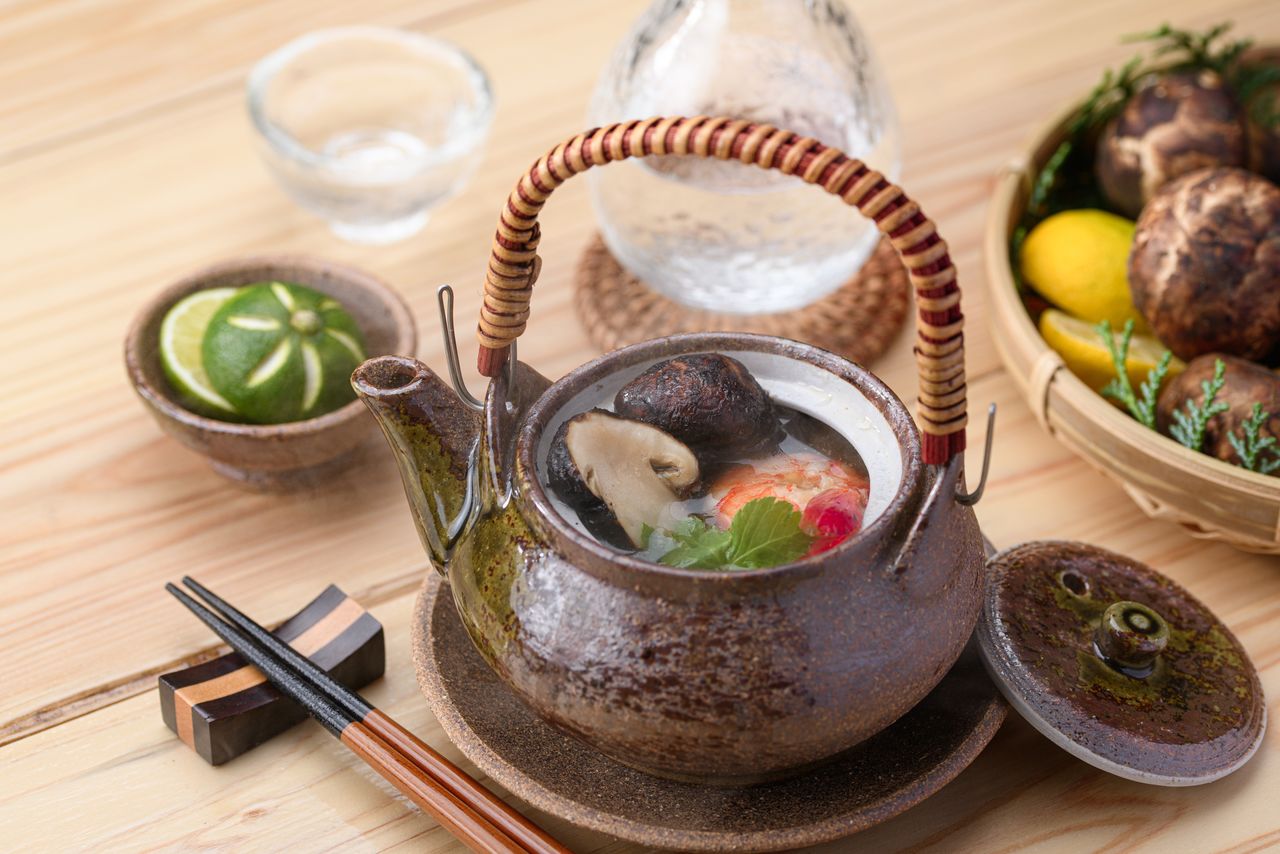
Dobin-mushi
This dish, named for the way it is made, features various ingredients, including matsutake, pieces of chicken or fish, and shrimp. These are placed in an earthenware teapot (dobin), covered in dashi stock, and then steamed (mushi). It is a simple yet quintessential example of Japanese cuisine, as it lets you savor each individual ingredient through a series of steps. Firstly, before eating, you pour a little of the broth into an ochoko sake cup and take in its aroma. Partway through the meal, you can add a squeeze of sudachi citrus juice to give the flavor a different twist. Finally, once you have treated yourself to all the ingredients, make sure to enjoy every last drop of the broth.
(© Pixta)
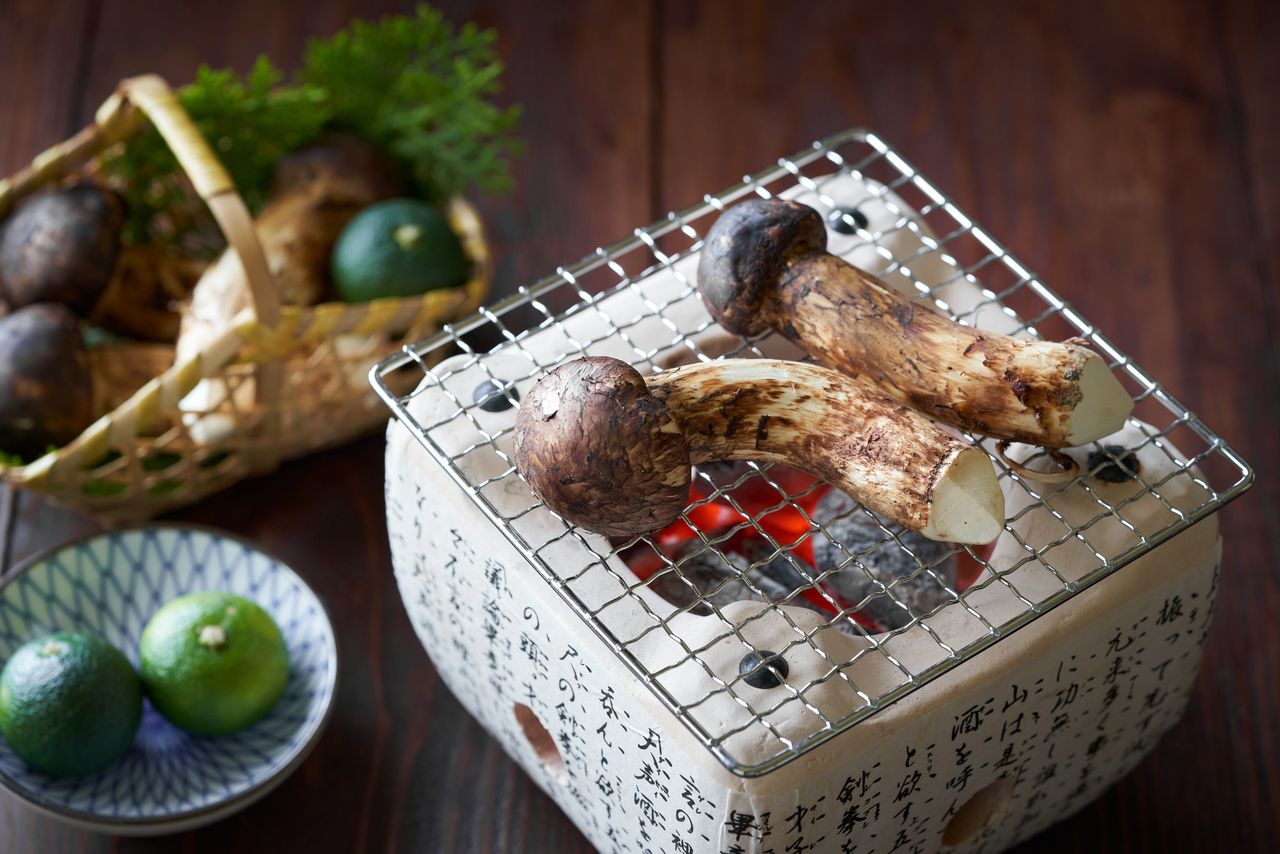
Sumibi-yaki
Simply grilling matsutake over charcoal is the best way to preserve and enhance its original flavor and turns it into an incomparable luxury experience.
(© Pixta)
(Originally published in Japanese. Text by Ecraft. Banner photo © Photo AC.)