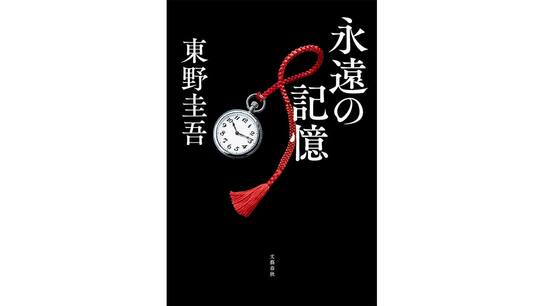
Eternal Memory, the final novel in Higashino Keigo’s Galileo mystery series, was published after the popular author’s death. For longtime fans, the book reads like a poignant farewell.
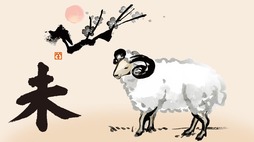
Although 2027 is the Year of the Sheep in Japan, traditionally these woolly beasts were little known through much of the country’s history. We introduce the story of Japanese sheep and a few local connections.

-
1
Japan’s Autumn Foliage Forecast 2026: Peak Times for Red and Yellow Leaves

-
2
An Ever-Shifting Shibuya: Memories of a City in Transition

-
3
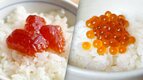
Sujiko and Ikura: Autumn Pearls from Northern Seas that Dazzle on Rice
-
4
“Kiki’s Delivery Service”: Fantasy and Feminism

-
5
Sharing the Real Thing: Sushi Tops List of Foods Japanese Want Global Diners to Enjoy


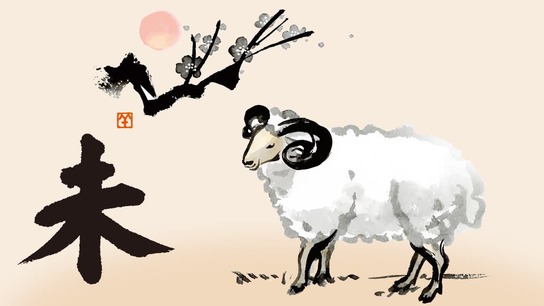
Although 2027 is the Year of the Sheep in Japan, traditionally these woolly beasts were little known through much of the country’s history. We introduce the story of Japanese sheep and a few local connections.
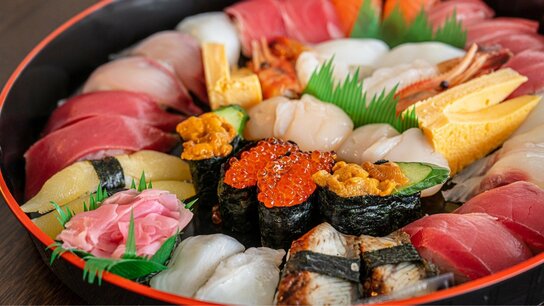
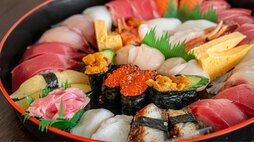
Japanese cuisine is a major draw for inbound tourists, but it is today popular across the globe. A recent survey sheds light on sushi and the other foods Japanese people hope to see enjoyed—in their authentic forms—all around the world.



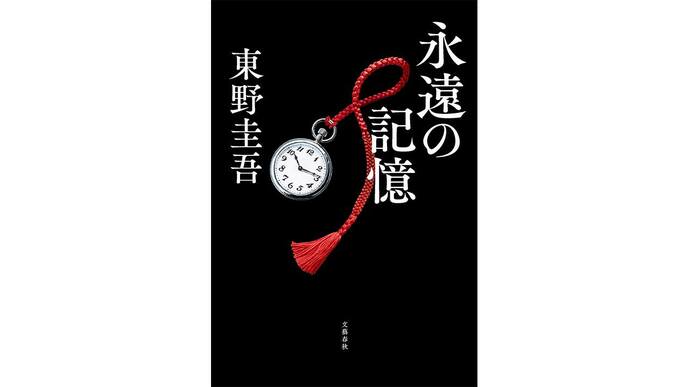
Eternal Memory, the final novel in Higashino Keigo’s Galileo mystery series, was published after the popular author’s death. For longtime fans, the book reads like a poignant farewell.


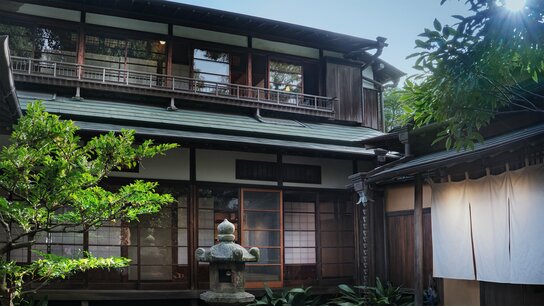
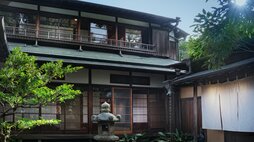
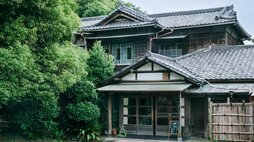
The former villa of a Cambridge-educated marquis now welcomes visitors to its converted wartime storehouse for Japanese sweets infused with British charm.

Tokyo in recent years has seen a ceaseless string of major redevelopment projects. Chief among them has been the large-scale redevelopment of Shibuya. A photographer explores how this part of the city has changed since his childhood and where it may be headed.
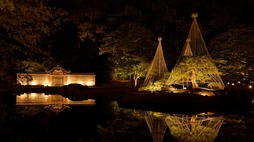
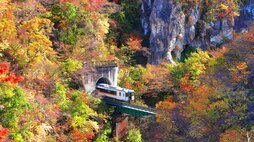








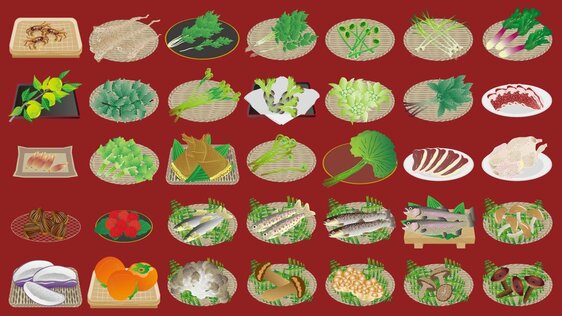
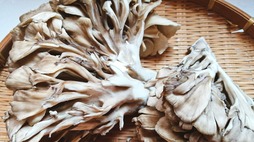
Today Japanese cuisine is popular all around the world. But at its heart lie many ingredients that are much less well-known. This series explores some of the items underpinning the dishes that diners love. (Banner photo © Pixta)
View More


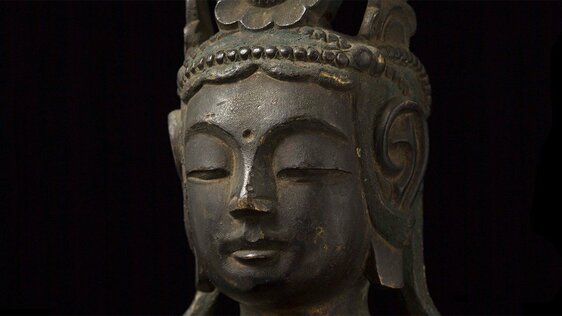
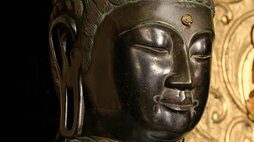
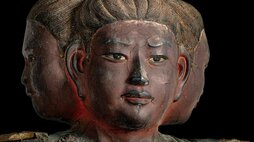
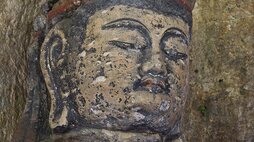
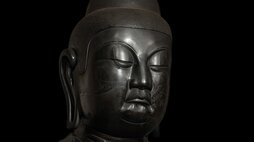
Buddhist statues in Japan have a history going back to the early seventh century CE, when Buddhism was brought to the country from the Asian continent. The methods and motifs of the artform underwent several shifts in early centuries before the sculptor Jōchō brought it to a peak of native Japanese refinement in the late Heian period. Buddhist sculpture continued to evolve thereafter, notably in the hands of the Kamakura period master Unkei. In this series, a specialist in Buddhist studies and art sets forth the details that will deepen observers’ understanding of these religious art masterpieces, accompanied by photographs by Muda Tomohiro.
(Photo: Close-up of a bronze image of a standing bodhisattva in the collection of the Tokyo National Museum. © Muda Tomohiro.)
PHOTOS




-
1
Miyazaki Hayao’s Animism: The Historical Theories That Shaped “Princess Mononoke”

-
2
Walking the Ginza Line: Evocative Views Along Tokyo’s Oldest Subway Route

-
3
Night Trains Getting Back on Track: Japanese Rail Companies Boosting Overnight Services

-
4
J-Horror Rises Again: Unraveling the Heart of Fear, Japan Style

-
5
Lantern Festivals Light Up the Evening Skies